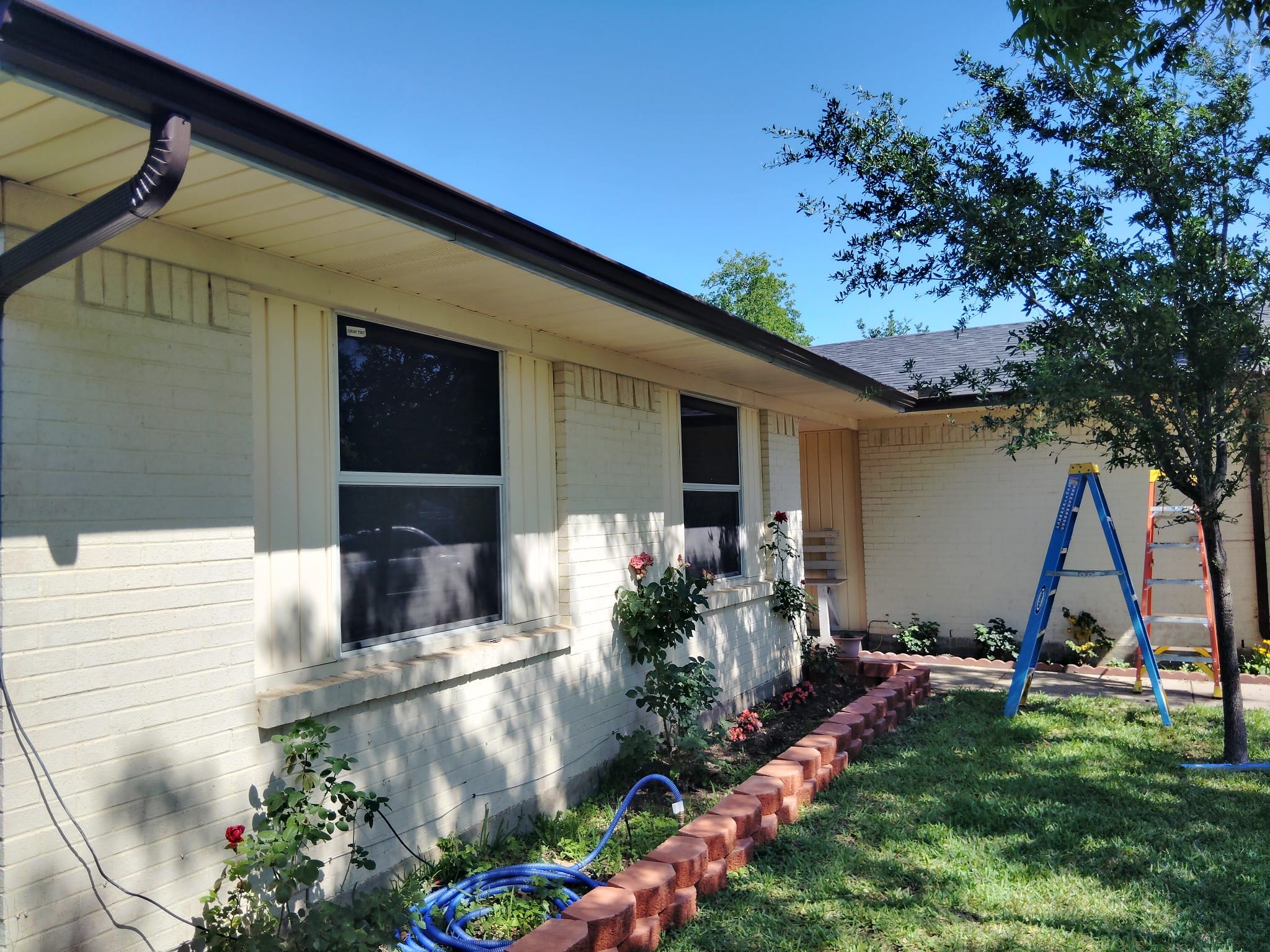
The Hidden Foundation Threat: How Clogged Gutters Unleash Disaster
You've probably thought about your roof after a big storm here in DFW, especially with the unpredictable Texas weather we've seen lately. We're talking about shingles, leaks, maybe even hail damage. But there's another critical part of your home's defense system that often gets overlooked until it's too late: your gutters. And the damage they can cause? It can reach all the way down to your foundation, leading to some truly eye-watering repair bills, sometimes upwards of $15,000 or more for foundation work alone. It sounds dramatic, I know, but as a roofer who's been in this business for over 13 years, I've seen firsthand how a neglected gutter system can silently wreak havoc on a home's most crucial structural element. It’s not just about water off your roof; it’s about where that water goes afterwards. And if it's not directed properly away from your foundation, you've got a ticking time bomb on your hands.
Think about it: your roof's primary job is to shed water. But if your gutters are clogged with leaves, shingle grit, and debris – which is incredibly common in the DFW area with our mature trees and frequent storms – that water has nowhere to go but over the sides. When it spills over, it lands right at the base of your home, directly impacting your foundation. This isn't just a little bit of water; during a heavy Texas downpour, it can be gallons and gallons, all concentrated in one area. Over time, this constant saturation and overflow can undermine the soil beneath your foundation, leading to costly structural problems that are far more complex and expensive to fix than cleaning out your gutters.
Don't wait for visible signs of foundation trouble. Regular gutter maintenance is proactive, preventative care for your entire home's structure. Consider it an investment in avoiding much larger future expenses.
Water's Destructive Path: From Gutter to Foundation Crack in 5 Steps
It's a cascade of problems, really. Each step is more damaging than the last, and it all starts with something as simple as clogged gutters. Understanding this path is key to preventing the disaster.
Step 1: Gutter Overflow
Leaves, twigs, shingle granules, and other debris build up in your gutters, blocking the flow of water. Instead of draining into downspouts, water spills over the edges of the gutter troughs, typically right along the fascia board and down the exterior walls of your home.
Step 2: Soil Saturation
The water that overflows from your gutters lands at the base of your foundation. In DFW, our soil is primarily expansive clay. This clay soil is like a sponge; it absorbs a lot of water. When it gets saturated, it swells significantly.
Step 3: Hydrostatic Pressure & Expansion
As the clay soil swells, it exerts tremendous outward pressure (hydrostatic pressure) against your foundation walls. This is a relentless, constant force that your foundation is designed to withstand to a certain point, but prolonged saturation and repeated expansion/contraction cycles wear it down.
Step 4: Foundation Movement & Cracking
The pressure from the saturated soil can cause your foundation to shift, heave, or settle unevenly. This movement is what leads to visible cracks in your foundation walls, both interior and exterior. In severe cases, it can compromise the entire structural integrity of your home.
Step 5: Costly Repairs
Repairing foundation damage is serious business. It involves specialized engineering, excavation, and often extensive structural reinforcement. The costs can easily run into the tens of thousands of dollars, far exceeding the relatively minor expense of regular gutter maintenance.
Ignoring minor gutter issues can lead to major foundation problems. Don't underestimate the power of consistent water flow right next to your home's most critical structural support. It's a classic case of 'an ounce of prevention is worth a pound of cure'.
DFW's Unique Challenge: Soil Expansion and Foundation Stress
Here in the Dallas-Fort Worth metroplex, we're dealing with a specific type of soil that makes this gutter-foundation connection even more critical. Most of North Texas sits on what's known as expansive clay soil. This isn't just any dirt; it's a geological marvel that has a remarkable ability to absorb and hold water. When it rains, especially after those intense DFW thunderstorms, this clay soil swells up like a balloon. Conversely, during our hot, dry Texas summers, it shrinks and cracks.
The Clay Soil Cycle
This constant cycle of swelling when wet and shrinking when dry creates significant stress on anything built upon it, including your home's foundation. When your gutters aren't directing water away effectively, they exacerbate this natural process. They create localized areas of intense saturation, leading to exaggerated swelling and pressure directly against your foundation walls. This is a primary reason why foundation repair is such a common need for homeowners in our region.
The problem is compounded by the fact that our DFW climate swings dramatically. We can go from torrential downpours to prolonged droughts, and back again. This means your foundation is constantly being subjected to these extreme moisture fluctuations. If water is constantly pooling around your foundation due to poor gutter drainage, you're essentially keeping that soil in a perpetual state of expansion, or at least preventing it from properly shrinking and relieving pressure. This continuous strain is what leads to the hairline cracks that eventually widen into significant structural issues. It's not just about the amount of rain; it's about how that water is managed around your home.
Many homeowners in areas like Frisco, Plano, or Arlington might think foundation problems are just something that happens in older homes, or due to major seismic activity. While those can be factors, the most common culprit in Texas is water management, and that starts with your gutters. A properly functioning gutter system, with downspouts that extend at least 5-10 feet away from your home, is your first line of defense against this soil expansion. It's a simple, relatively inexpensive solution that can save you from the devastating consequences of foundation failure.
Beyond the Surface: Signs Your Gutters Are Damaging Your Foundation
Catching these issues early is key. Many homeowners only think about their gutters when they're overflowing, but the damage to the foundation can be happening long before you see obvious signs of trouble. It's about looking for subtle clues that indicate water isn't being managed correctly. Here’s what to watch for:
Signs of Gutter Problems
- Visible debris buildup (leaves, twigs, shingle grit)
- Water overflowing the edges of the gutters
- Sagging or pulling away from the fascia board
- Rust stains on the exterior walls below the gutters
- Mold or mildew growth on siding near the gutters
Signs of Foundation Problems (linked to water)
- Cracks in interior walls or ceilings (especially radiating from corners)
- Doors or windows that stick or don't close properly
- Gaps appearing between walls and ceilings or floors
- Cracks in exterior brickwork or siding
- Bowing or leaning walls
- Water stains or dampness in the basement or crawl space
Don't just look at your gutters from the ground. If you can safely do so, get a ladder and inspect them up close. Also, walk around your entire house after a rainstorm to see where the water is pooling or running. This visual inspection is invaluable.
What most people miss is the connection. They see a crack in the wall and call a drywaller, or notice a sticky door and call a carpenter. But if the root cause is water intrusion due to poor drainage from the roof down, those repairs are just temporary bandaids. The real solution lies in addressing the source of the water issue. For instance, if you see water stains or mold forming on the exterior of your home just below the gutters, it's a clear indicator that water is escaping the system and saturating the ground right next to your foundation.
The Downspout Extension Factor
A critical, yet often overlooked, component of your gutter system is the downspout extension. These are typically plastic or metal tubes that attach to the end of your downspout and are designed to carry water at least 5-10 feet away from your foundation. If these are missing, broken, or clogged, the water dumps right where you don't want it, directly contributing to foundation saturation. Many homeowners in areas like Garland or Mesquite simply don't have them, or they've become buried over time.
It's also worth noting that if you've recently had a roof replacement, especially after storm damage, it's a perfect time to have your entire gutter system inspected. New shingles can sometimes shift existing gutter attachments, or debris from the roof work can clog them. A comprehensive inspection ensures that all components of your home's exterior water management system are working in harmony. For homeowners in DFW, understanding these signs and proactively addressing them is crucial. The cost of a gutter cleaning or minor repair is a fraction of what foundation repair can cost, which can often reach $15,000 or more.
Gutter vs. Foundation Repair Costs: A Stark Comparison for DFW Homeowners
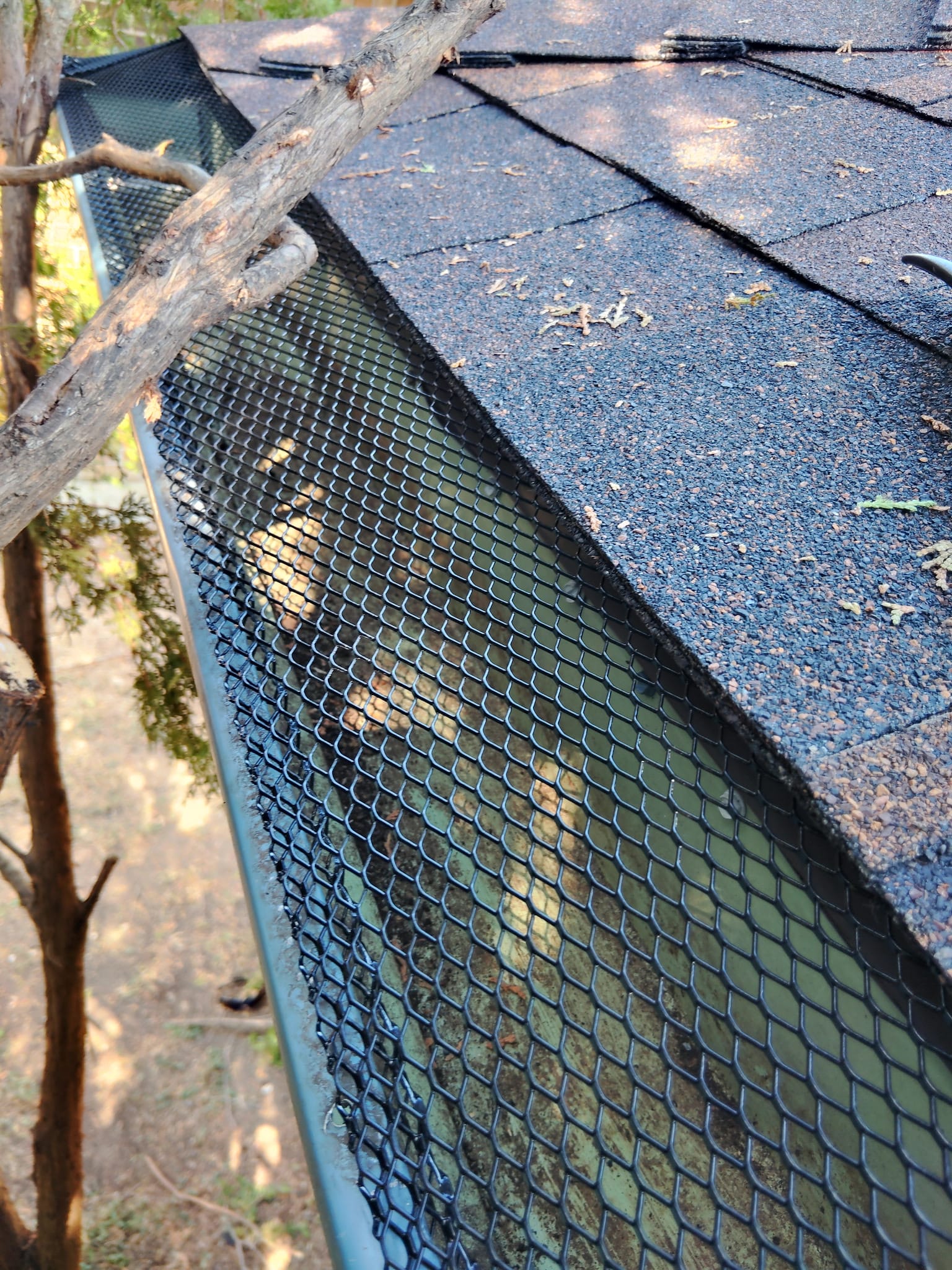
Let's talk numbers, because this is where the importance of gutter maintenance really hits home. Ignoring your gutters is like ignoring a small leak in your roof – it might seem minor now, but it can escalate into a catastrophic problem. The financial implications of foundation damage caused by poor drainage are staggering.
| Service/Repair | Estimated Cost (DFW Metroplex, 2026) | Typical Lifespan/Duration | Impact of Neglect |
|---|---|---|---|
| Gutter Cleaning (Standard Home) | $150 - $350 | One-time service (recommend 2-3 times/year) | Leads to overflow, water damage, potential foundation issues. |
| Gutter Replacement (Full Home) | $1,500 - $4,000 | 15-25 years (depending on material) | Continued overflow, leading to prolonged foundation saturation and damage. |
| Downspout Extension Installation | $100 - $300 (per downspout) | Long-term if maintained | Water pools at foundation, exacerbating soil expansion. |
| Minor Foundation Crack Repair | $500 - $2,500 | Depends on severity and method | Can worsen, leading to more extensive and costly repairs. |
| Significant Foundation Repair (e.g., piering, underpinning) | $5,000 - $15,000+ | Long-term structural solution | Failure to address can lead to total structural collapse or unlivable conditions. |
| Soil Stabilization/Remediation | $2,000 - $10,000+ | Varies based on treatment | Continued soil expansion/contraction exacerbates foundation stress. |
The $15,000 Difference
The numbers speak for themselves. Investing a few hundred dollars annually in gutter cleaning and maintenance can prevent tens of thousands of dollars in foundation repairs. It's one of the most cost-effective preventative measures a homeowner in DFW can take. The cost of foundation repair can easily exceed $15,000, and that's often just the beginning of a series of interventions needed to stabilize the home.
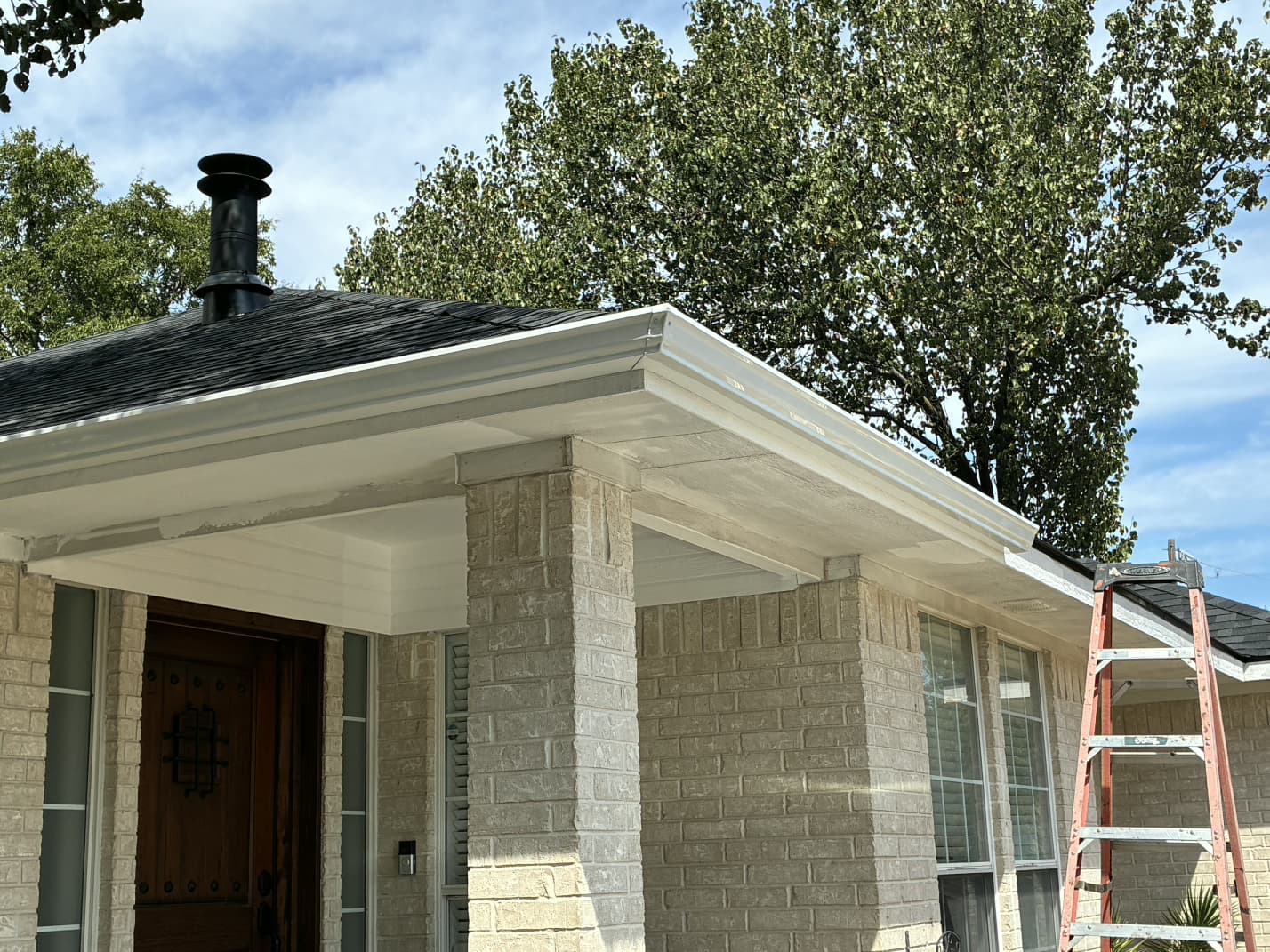
When you look at these figures, the choice becomes clear. It's not about whether your gutters are clean; it's about protecting the very foundation of your home. A compromised foundation can devalue your property significantly and lead to a host of other issues, from plumbing problems to pest infestations. So, while a roof replacement might seem like the big-ticket item after a storm, don't forget the essential drainage system that works in tandem with it. For homeowners in areas like Richardson or Arlington, understanding this cost difference is crucial for long-term homeownership planning.
The Montesco Roofing Solution: Ensuring Your Gutter System Protects, Not Destroys
At Montesco Roofing, we understand that your home is more than just walls and a roof; it's your sanctuary. With over 13 years of experience serving the DFW area, we've seen the devastating effects that poor water management can have on homes. While our name is Montesco Roofing, our expertise extends to the entire exterior envelope of your home, and that absolutely includes ensuring your gutter system is functioning perfectly to protect your foundation. We don't just fix roofs; we protect homes.
How to Get This Done
If you want to handle gutter maintenance yourself, here's exactly what you need: a sturdy ladder, work gloves, a trowel or gutter scoop, a hose with a spray nozzle, and possibly some gutter sealant or replacement hangers. Make sure you understand safe ladder practices. If you'd rather have experienced professionals handle it and ensure it's done right, our team has inspected and serviced gutters on hundreds of DFW homes. We offer comprehensive gutter inspections and cleaning as part of our exterior home maintenance services. Our process includes checking for clogs, ensuring proper slope and pitch, securing hangers, and verifying that downspouts are clear and extending away from your foundation.
We often work with homeowners who are already dealing with roof repairs or replacements due to storm damage. In these situations, we always recommend a thorough inspection of the entire gutter system. Sometimes, the storm that damaged your roof also stressed your gutters, leading to unseen issues. We look for wear and tear, proper pitch (the slight slope needed for water to flow to the downspouts), secure attachments, and the condition of the downspouts themselves. We also assess if your current gutter system is adequate for the volume of rain DFW can experience. Sometimes, an upgrade to larger or more robust gutter guards might be necessary.
"We thought our foundation issues were just 'settling.' It wasn't until Montesco Roofing pointed out how our overflowing gutters were the real culprit that we understood. They fixed our gutters, and the problem stopped worsening. It saved us a fortune."— Satisfied DFW Homeowner
Our commitment is to provide honest, expert advice. We're not just trying to sell you a new gutter system; we're trying to ensure your home is protected for the long haul. If your gutters are in good shape but just need a thorough cleaning, we'll tell you that. If they're old, damaged, or improperly installed, we'll explain the risks and provide clear, upfront options for repair or replacement. Our goal is to be your trusted partner in maintaining the structural integrity of your home, from the roof down to the foundation.
Your 7-Step Gutter Maintenance Checklist for Foundation Protection in 2026
Keeping your gutters in top shape is an ongoing process, but it doesn't have to be overwhelming. By following a regular maintenance schedule, you can significantly reduce the risk of water damage to your foundation. Here’s a simple, actionable checklist for DFW homeowners:
Your 7-Step Gutter Maintenance Checklist
- 1. Schedule Regular Cleanings: Aim for at least twice a year, typically in late spring (after trees have finished budding) and late fall (after leaves have fallen). If you have many mature trees, more frequent cleanings might be necessary.
- 2. Inspect for Debris: Visually check your gutters regularly, especially after heavy rain or wind. Look for leaf buildup, pine needles, shingle grit, and any other obstructions.
- 3. Check Gutter Pitch & Slope: Ensure your gutters have a slight downward slope towards the downspouts. Water should flow freely, not pool in sections.
- 4. Verify Downspout Functionality: Make sure downspouts are clear of blockages. Flush them with a hose to ensure water flows freely through them and away from the house.
- 5. Examine Downspout Extensions: Confirm that downspouts extend at least 5-10 feet away from your foundation. If they're buried or damaged, repair or replace them.
- 6. Inspect for Damage: Look for loose hangers, sagging sections, rust spots, or cracks in the gutter material. These can lead to leaks and overflow.
- 7. Consider Gutter Guards: For areas with heavy tree cover, installing gutter guards can significantly reduce the frequency of cleanings and prevent major clogs.
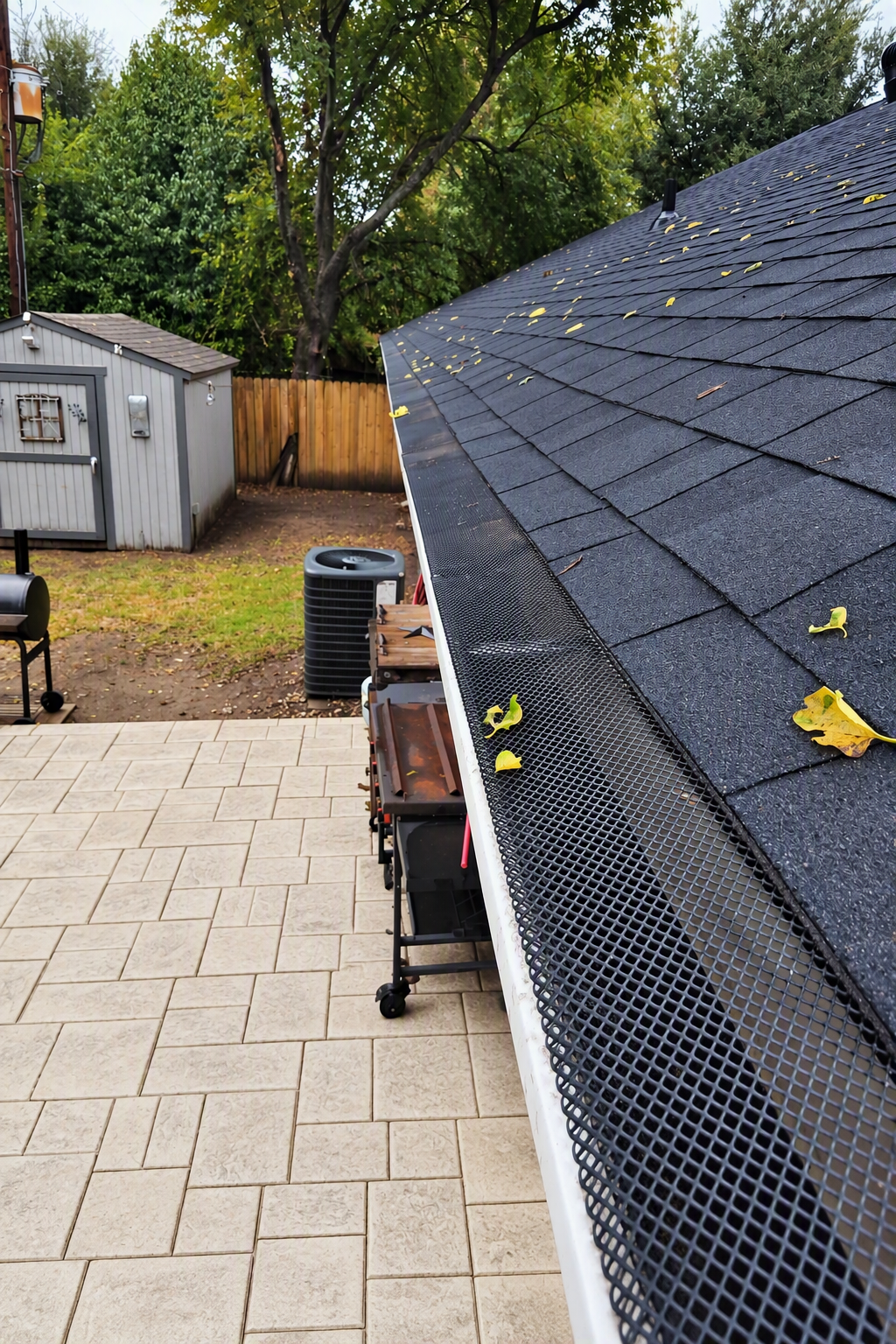
When cleaning gutters, always wear sturdy gloves and use a secure ladder. If you're uncomfortable with heights or the task seems too big, it's always best to call a professional. It's a small price to pay for peace of mind and structural integrity.
Remember, these are preventative measures. If you notice any signs of foundation distress, don't delay in getting a professional assessment. It's possible the gutter issue has already caused some damage that needs addressing. For homeowners in North Texas, integrating these simple steps into your annual home maintenance routine is one of the smartest decisions you can make to protect your investment.
Need help ensuring your gutters are protecting your foundation? Our team has protected hundreds of DFW homes from water damage. Tell us about your home's drainage — free inspection, no pressure.
Get Your Free Drainage Inspection →