Garland Home Care Guide 2026

You're a homeowner in Garland, Texas, and you know that keeping your house in top shape is a constant job. It's not just about making it look good; it's about protecting your biggest investment from the sometimes brutal North Texas weather. After the recent storms, you might be wondering if your roof is truly up to the task, and what you can do right now, in August 2026, to make sure it stays that way for years to come.
Garland's Unique Roofing Challenges: Why Local Care is Non-Negotiable
Garland, like much of the Dallas-Fort Worth metroplex, presents a unique set of challenges for homeowners when it comes to roofing. We're not talking about the occasional drizzle here; we're talking about intense Texas heat that bakes shingles, sudden, violent thunderstorms that can pelt roofs with hail, and strong winds that can lift and tear away protective materials. As a roofing contractor with over 13 years of experience right here in DFW, I've seen firsthand how these elements can impact a roof's integrity.
The summer months here in Garland can be brutal. Temperatures routinely climb into the 90s and even 100s, and that relentless sun is a major enemy of asphalt shingles. The UV rays break down the asphalt binder, making them brittle and prone to cracking. The heat also causes shingles to expand and contract, which over time, can lead to stress fractures and eventual leaks. Then, just when you think you've survived the heat, fall and spring bring the notorious Texas storm season. We're talking about severe thunderstorms capable of producing golf ball-sized hail and damaging winds. These events can cause immediate, visible damage like cracked or missing shingles, but also insidious damage that might not show up for months, like bruising to the shingles that compromises their protective granules.
Furthermore, the humidity we experience, especially during the warmer months, can contribute to mold and algae growth on roofs, particularly in shaded areas. While this might seem like a cosmetic issue, it can actually degrade the roofing material over time and clog gutters, leading to water backup. Understanding these specific threats is the first step in developing a robust home care strategy for your Garland property.
Key Insight
Garland's climate demands a proactive approach to roofing. Simply installing a roof and forgetting about it isn't an option if you want it to last its intended lifespan. Regular maintenance and awareness of local weather patterns are crucial for preventing costly damage.
The 7 Pillars of Garland Roof Longevity: Your Proactive Care Blueprint
Protecting your Garland home from the elements isn't about one magic bullet; it's about a comprehensive approach. Based on my years of experience working on countless homes across DFW, I've distilled the most effective strategies into what I call the "7 Pillars of Roof Longevity." These are the fundamental practices that, when followed consistently, will help your roof withstand the toughest conditions and perform optimally for decades.
1. Regular Visual Inspections
This is your first line of defense. A quick walk around your property, looking up at your roof from the street and from your attic, can reveal a lot.
2. Gutter and Drainage Management
Clogged gutters are a silent killer of roofs and foundations. Keeping them clear is non-negotiable.
3. Attic Ventilation Check
Proper airflow in your attic is critical for temperature regulation and preventing moisture buildup.
4. Tree Trimming
Overhanging branches can cause physical damage and create shaded, damp areas conducive to mold.
5. Prompt Repair of Minor Damage
Don't let small issues become big problems. A loose shingle or a small leak needs immediate attention.
6. Material Quality Awareness
Understanding the materials on your roof and their expected lifespan is key to planning for the future.
7. Professional Maintenance & Inspection
Even the most diligent homeowner can miss things. Annual professional inspections are invaluable.
Implementing these pillars doesn't require a professional roofer every time, but it does require a homeowner's commitment. Think of it like maintaining your car: regular oil changes and checks prevent catastrophic engine failure. The same principle applies to your roof. For anyone in Garland looking to maximize their roof's lifespan, these seven pillars form the foundation of a successful home maintenance plan.
Many homeowners in DFW are unaware that their homeowner's insurance policy often covers roof damage from storms, minus your deductible. Understanding your policy and knowing when to file a claim is a crucial part of protecting your investment. We've helped hundreds of homeowners navigate the insurance claims process in Garland and surrounding areas.
Beyond the Shingles: Inspecting Your Garland Roof Like a Pro (Even From the Ground)
You don't need to be a roofing expert to perform a valuable inspection of your Garland home's roof. In fact, many common issues can be spotted with a simple visual check from the ground or a quick look inside your attic. This kind of regular self-assessment is incredibly important. It allows you to catch problems early, when they are typically much easier and cheaper to fix. I always tell homeowners, the sooner you spot something, the better.
Step 1: Ground-Level Visual Scan
Walk around the perimeter of your home. Look for obvious signs of damage: missing, cracked, or curling shingles. Check for areas where the granules from your shingles might have washed into your gutters or downspouts – this indicates wear and tear.
Step 2: Inspect Gutters and Downspouts
Are your gutters sagging, pulling away from the fascia, or overflowing? Are downspouts properly directing water away from your foundation? Full gutters can cause water to back up under your shingles.
Step 3: Check for Granules
Look for a significant accumulation of shingle granules in your gutters or around the base of your home. These granules are the protective layer of your shingles; when they're gone, the shingle is exposed to the elements.
Step 4: Attic Inspection
On a sunny day, go into your attic. Look for any signs of daylight peeking through the roof deck. This is a direct indicator of a leak. Also, check for water stains, damp insulation, or mold growth on the underside of the roof sheathing or rafters.
Step 5: Examine Flashing
Pay attention to areas where the roof meets vertical surfaces like chimneys, vents, or skylights. The metal flashing around these areas should be intact, without rust or damage.
What many homeowners miss is the importance of looking at their roof from different angles. A slight sag, for instance, might not be visible from the street but could be apparent from a neighbor's yard or a slightly elevated vantage point. And never underestimate what your attic can tell you. It's like a hidden laboratory for roof health.
Never try to walk on your roof yourself unless you have the proper safety equipment and experience. Many residential roofs in Garland have steep pitches or are made slippery by heat or moisture, making falls a serious risk. Stick to ground-level and attic inspections, and leave the roof climbing to the professionals.
If you notice any of these issues during your inspection, it's time to consider a professional assessment. Early detection is key to preventing minor problems from turning into major, expensive repairs. This is where understanding the next steps becomes critical.
Gutters & Drainage: The Unsung Heroes of Your Garland Roof's Health
When we talk about roof health, most people immediately think about the shingles themselves. But the truth is, a significant amount of roof and foundation damage originates from problems with the gutters and drainage system. In a place like Garland, where we can get intense downpours, an efficient water management system is absolutely vital. If your gutters aren't doing their job, water can back up, seep under your shingles, saturate your fascia boards, and even pour down your exterior walls, potentially compromising your foundation.
Here's the breakdown of why gutters are so critical:
- Directing Water Away: Gutters are designed to catch rainwater and channel it through downspouts, directing it at least 5-10 feet away from your home's foundation.
- Preventing Ice Dams (Less common in Garland, but still relevant for extreme cold snaps): In colder climates, ice can form in gutters and back up, but even here, prolonged wetness can lead to material degradation.
- Protecting Siding and Windows: When gutters overflow, water cascades down your exterior walls, potentially damaging siding, window seals, and even causing paint to peel.
- Preventing Foundation Issues: Water pooling around your foundation can cause soil to expand and contract, leading to cracks and structural problems over time.
So, what should you be looking for? Regularly check your gutters for debris like leaves, twigs, and shingle granules. Ensure downspouts are clear and securely attached, and that water is flowing freely from them. Look for any signs of rust or corrosion on metal gutters, or sagging sections. If you have seamless gutters, pay attention to any signs of leaks at the seams or end caps.
How to Get This Done
For basic gutter cleaning, you can use a sturdy ladder (with a spotter!), gloves, and a trowel or small shovel. Flush them out with a garden hose afterward. However, if you have extensive debris, high rooflines, or notice significant sagging or damage, it's best to call a professional. Montesco Roofing also offers comprehensive gutter inspection and cleaning services as part of our exterior maintenance packages for Garland homeowners. We can identify underlying issues you might miss and ensure your entire drainage system is functioning optimally.
Don't underestimate the power of clean gutters. They are a small investment in time or money that can save you thousands in potential foundation and structural repairs down the line. It’s a critical component of protecting your home in Garland.
Attic Ventilation: The Secret Weapon Against Garland's Heat & Humidity
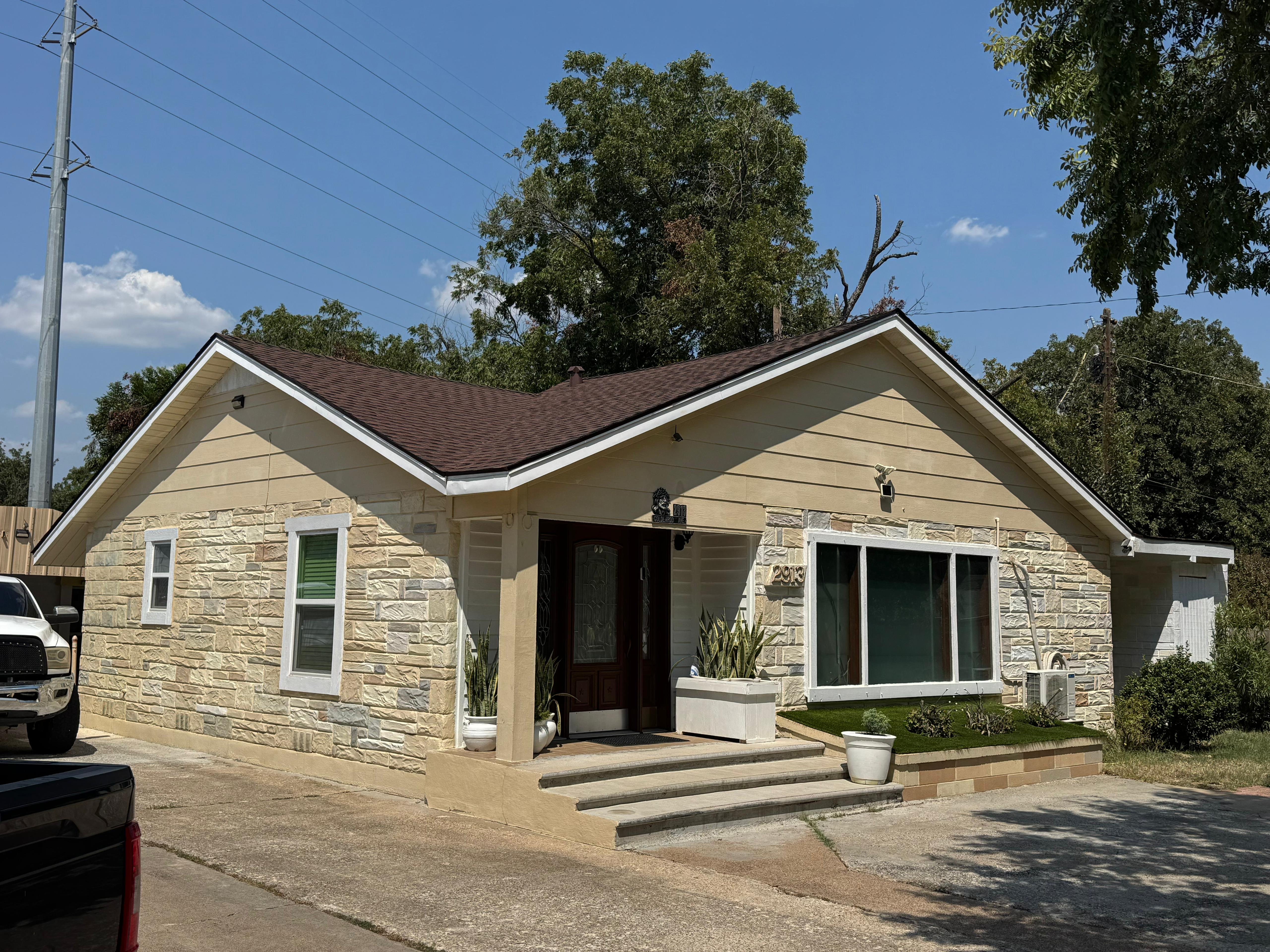
Garland's climate, with its intense summer heat and periods of high humidity, makes proper attic ventilation absolutely crucial for the health of your roof and your entire home. Many homeowners overlook this aspect of their roofing system, but it plays a vital role in regulating temperature, preventing moisture buildup, and extending the life of your shingles. Think of your attic as the "lungs" of your house – if they can't breathe properly, problems will arise.
Here's why good attic ventilation is so important in our DFW environment:
- Temperature Regulation: In the summer, unventilated attics can become incredibly hot, trapping radiant heat. This heat transfers down into your living space, forcing your air conditioning system to work harder and increasing your energy bills. Proper ventilation allows this hot air to escape and be replaced by cooler outside air.
- Moisture Control: During cooler months, or even from everyday household activities like showering and cooking, moisture can build up in your attic. Without adequate ventilation, this moisture can condense on the underside of your roof deck and rafters, creating an ideal environment for mold, mildew, and rot. This can lead to costly structural damage and unhealthy indoor air quality.
- Shingle Longevity: Excessive heat in the attic can accelerate the aging process of your roofing materials, especially asphalt shingles. The heat bakes the asphalt binder, making it brittle and shortening its lifespan. Proper ventilation helps keep attic temperatures down, preserving the integrity of your shingles.
- Preventing Ice Dams (Less of an issue for Garland, but a general benefit): While not a primary concern for Garland, in colder climates, poor ventilation can lead to uneven roof temperatures, causing snow to melt and refreeze, forming damaging ice dams.
So, how do you ensure your attic is properly ventilated? A balanced ventilation system typically involves both soffit vents (intake, usually located under the eaves) and ridge vents or other exhaust vents (like box vents or turbine vents) located at the highest point of the roof. The soffit vents allow cool, fresh air to enter the attic, and the ridge vents allow the hot, moist air to escape. The general rule of thumb is to have about 1 square foot of net free vent area for every 150 square feet of attic floor space, with half of that being intake and half exhaust. This ensures a continuous flow of air.
Key Insight
Many older homes in Garland may not have adequate ventilation systems installed. If your attic feels excessively hot in the summer, or if you notice condensation or mold, it’s a strong indicator that your ventilation needs an upgrade. Modern roofing systems often incorporate more effective ventilation solutions like continuous ridge vents.
Checking your attic ventilation involves looking for obstructions to your vents, ensuring there's a clear path for air to flow, and generally assessing if the amount of venting seems appropriate for the size of your attic. If you're unsure, or if you suspect issues, it's always best to consult with a roofing professional. They can assess your current system and recommend improvements to ensure your Garland home stays comfortable and protected year-round.
When to Call the Pros: Spotting the Red Flags for Garland Roof Repairs
As a homeowner in Garland, you're likely comfortable tackling many minor home maintenance tasks yourself. However, when it comes to your roof, there are certain signs – red flags – that indicate it's time to stop DIYing and call in the professionals. Ignoring these signals can lead to much more extensive and costly damage down the road, impacting not just your roof but potentially your home's structure, insulation, and even your interior finishes. My team and I have seen it all, and these are the situations where professional expertise is non-negotiable.
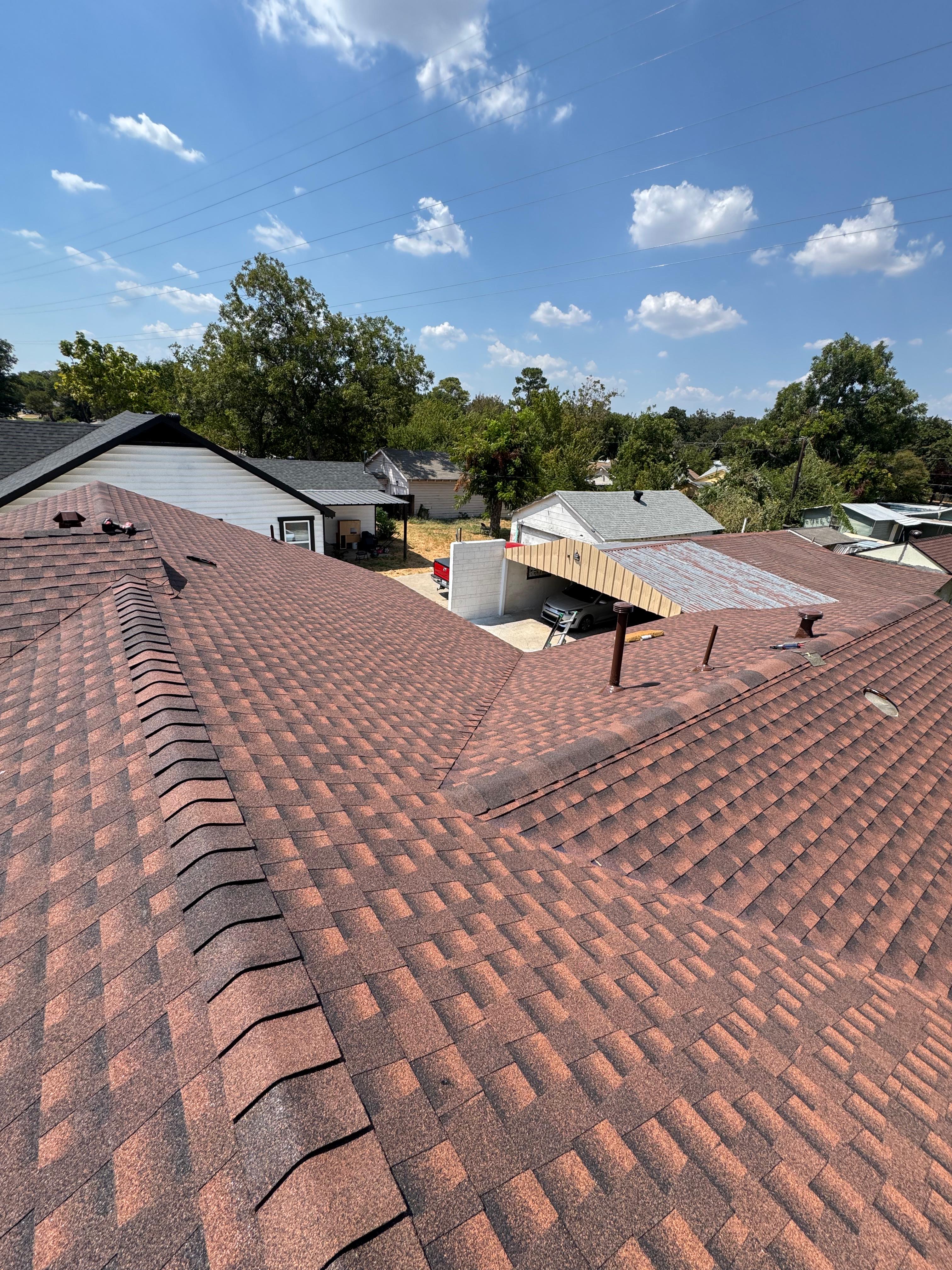
Attempting to repair a roof yourself carries significant risks. Falls can lead to severe injury or even death. Furthermore, improper repairs can void manufacturer warranties or create new leak points. For your safety and peace of mind, it's always best to leave roof repairs to trained and insured professionals.
Here are the key red flags that signal you need to contact a qualified roofing contractor in Garland:
1. Persistent Leaks
If you see water stains on your ceiling or walls, or if you’ve experienced leaks after recent storms, this is the most obvious red flag. A single leak can indicate a compromised shingle, but multiple leaks could point to broader issues with the roof deck or underlayment.
2. Visible Shingle Damage
Missing shingles, cracked shingles, or shingles that are curling or blistering are clear signs of wear and tear or damage from wind or hail. These exposed areas allow water to penetrate the underlying layers.
3. Sagging Roofline
A roofline that appears to be sagging or dipping is a serious structural concern. This can indicate water damage to the roof decking, inadequate support structures, or even a potential collapse. This needs immediate professional attention.
4. Granule Loss
As mentioned earlier, a significant amount of shingle granules in your gutters or downspouts means your shingles are losing their protective layer, making them vulnerable to UV damage and reducing their lifespan.
5. Age of the Roof
Most asphalt shingle roofs have a lifespan of 20-30 years, depending on the quality of materials and climate. If your roof is approaching or has exceeded this age, it's wise to schedule a professional inspection to assess its remaining life and plan for replacement. The average roof lifespan in Texas can be shorter due to the harsh sun and storm cycles.
6. Storm Damage After an Event
Following any significant hailstorm or high-wind event in Garland, it's essential to have your roof inspected by a professional. Even minor-looking damage can compromise the entire roof system and lead to leaks later.
When you spot these issues, don't delay. The longer you wait, the more likely water is to find its way into your attic, walls, and living spaces, leading to mold, rot, and significant structural damage. A professional inspection can accurately diagnose the problem, provide a clear plan for repair or replacement, and ensure the work is done to code and manufacturer specifications.
How to Get This Done
If you're experiencing any of these red flags, it's time to reach out to a reputable roofing contractor in Garland. At Montesco Roofing, we offer free, no-obligation inspections. We'll thoroughly assess your roof, explain any issues in plain English, and provide a detailed estimate for repairs or replacement. We pride ourselves on transparency and quality workmanship, ensuring your home is protected. Schedule your free inspection today to get ahead of potential problems.
Garland Roof Care Options: DIY vs. Professional Maintenance in 2026
As a Garland homeowner, you have choices when it comes to maintaining your roof. Some tasks are perfectly suited for the do-it-yourselfer, while others absolutely require the expertise and equipment of a professional roofing contractor. Understanding these distinctions is key to making smart decisions about your home's protection and your budget in 2026.
| Aspect | DIY Maintenance | Professional Maintenance (Montesco Roofing) |
|---|---|---|
| Frequency | Regular visual checks (monthly/quarterly) | Annual comprehensive inspection + as needed for repairs |
| Tasks Suitable for DIY | Ground-level visual inspections, gutter cleaning (if safe), minor debris removal from accessible areas. | All DIY tasks, plus: professional roof inspections, detailed damage assessment, minor/major repairs, proactive maintenance programs. |
| Safety Considerations | High risk for falls if climbing ladders or roof; requires safety gear. | Professionals are trained, insured, and equipped with safety harnesses and protocols. |
| Diagnostic Expertise | Limited; can spot obvious issues. | Extensive; can identify subtle signs of wear, underlying structural issues, and material degradation. Can diagnose ventilation problems, underlayment issues, and flashing failures. |
| Tools & Equipment | Basic homeowner tools (ladder, gloves, trowel, hose). | Specialized diagnostic tools, safety equipment, repair materials, drones for aerial inspection. |
| Warranty Protection | None for repairs performed. | Workmanship warranties on repairs and new installations; manufacturer warranties on materials. |
| Insurance Claim Assistance | None. | Full assistance navigating insurance claims for storm damage. |
| Long-Term Value | Cost-effective for simple tasks; can prevent minor issues from becoming major. | Maximizes roof lifespan, prevents costly emergency repairs, protects home value, provides peace of mind. |
When it comes to tasks like gutter cleaning on accessible sections or simply walking around your property to look up, DIY is certainly an option for many Garland residents. However, anything involving climbing onto the roof, diagnosing complex issues like compromised underlayment, or performing actual repairs should be left to the experts. A professional inspection is an investment that pays dividends by catching problems before they escalate. For example, a small leak that might cost a few hundred dollars to fix professionally could lead to thousands in damage if left unattended, requiring extensive interior repairs and mold remediation.
Key Insight
Professional roof inspections are not just for when you suspect a problem. An annual check-up from a reputable contractor like Montesco Roofing can identify issues you wouldn't see, ensure your ventilation is optimal, and provide a documented record of your roof's condition, which can be invaluable for insurance purposes.
Consider this: a cheap, quick fix from an unqualified individual might solve the immediate symptom, but it rarely addresses the root cause. This often leads to recurring problems and ultimately higher costs. Choosing a licensed, insured, and experienced roofing contractor in Garland means you're getting a solution that's built to last, backed by warranties, and performed by professionals who understand the nuances of North Texas weather.
Need help putting this into action? Our team has protected hundreds of DFW homes. Tell us about your roof — free inspection, no pressure.
Get Your Free Roof Inspection →FAQ: Your Top Garland Home & Roof Care Questions Answered
Frequently Asked Questions
How often should I get my roof inspected in Garland?
It's recommended to have your roof professionally inspected at least once a year. Additionally, you should schedule an inspection after any significant storm event that involves high winds or hail. Regular visual checks from the ground by the homeowner should be done more frequently, perhaps quarterly.
What is the average lifespan of a roof in Garland, Texas?
The lifespan of a roof in Garland can vary greatly depending on the material, installation quality, and maintenance. For standard asphalt shingles, you might expect 20-30 years, but the intense Texas sun and frequent storms can sometimes shorten this. Higher-quality architectural shingles or metal roofing systems can last much longer, often 30-50+ years.
Can I clean my own gutters in Garland?
Yes, you can clean your own gutters if you have safe access and the right equipment. However, if your roof is steep, your gutters are high, or you're uncomfortable working on a ladder, it's much safer to hire a professional. Clogged gutters can cause significant water damage to your roof and foundation, so regular cleaning is essential.
What's the difference between a roof repair and a roof replacement?
A roof repair typically addresses a localized issue, like fixing a few damaged shingles, sealing a small leak, or replacing a section of flashing. A roof replacement involves removing the entire old roofing system and installing a new one from scratch. The decision depends on the extent of the damage, the age of the roof, and the overall condition of the underlying structure.
How do I know if my roof has storm damage?
Signs of storm damage include missing or damaged shingles, dents in metal flashing or vents, granule loss in gutters, and interior water stains. After a hailstorm, look for circular bruising on shingles. Even if you don't see obvious damage, it's wise to get a professional inspection, as hail can cause subsurface damage that isn't immediately visible.
What are the benefits of a metal roof in Garland?
Metal roofs are an excellent choice for Garland due to their durability, longevity, and resistance to hail and high winds. They are also energy-efficient, reflecting solar radiant heat, which can lower cooling costs. While the initial investment is higher than asphalt shingles, their extended lifespan and low maintenance often make them more cost-effective over time. You can learn more about roof replacement options on our site.
How does attic ventilation protect my roof?
Proper attic ventilation in Garland's climate prevents extreme heat buildup in the summer, which can degrade shingles and increase cooling costs. It also helps remove moisture that can lead to mold, mildew, and rot in the attic and on the roof deck. Balanced ventilation ensures a continuous airflow, keeping your attic cooler and drier.
Montesco Roofing Team
DFW's trusted roofing contractor with 13+ years of experience. Specializing in roof replacements, storm damage repair, and insurance claims across Dallas-Fort Worth.
Get in touch →