Why Homes in Frisco Experience Different Roofing Challenges Than Homes in Dallas
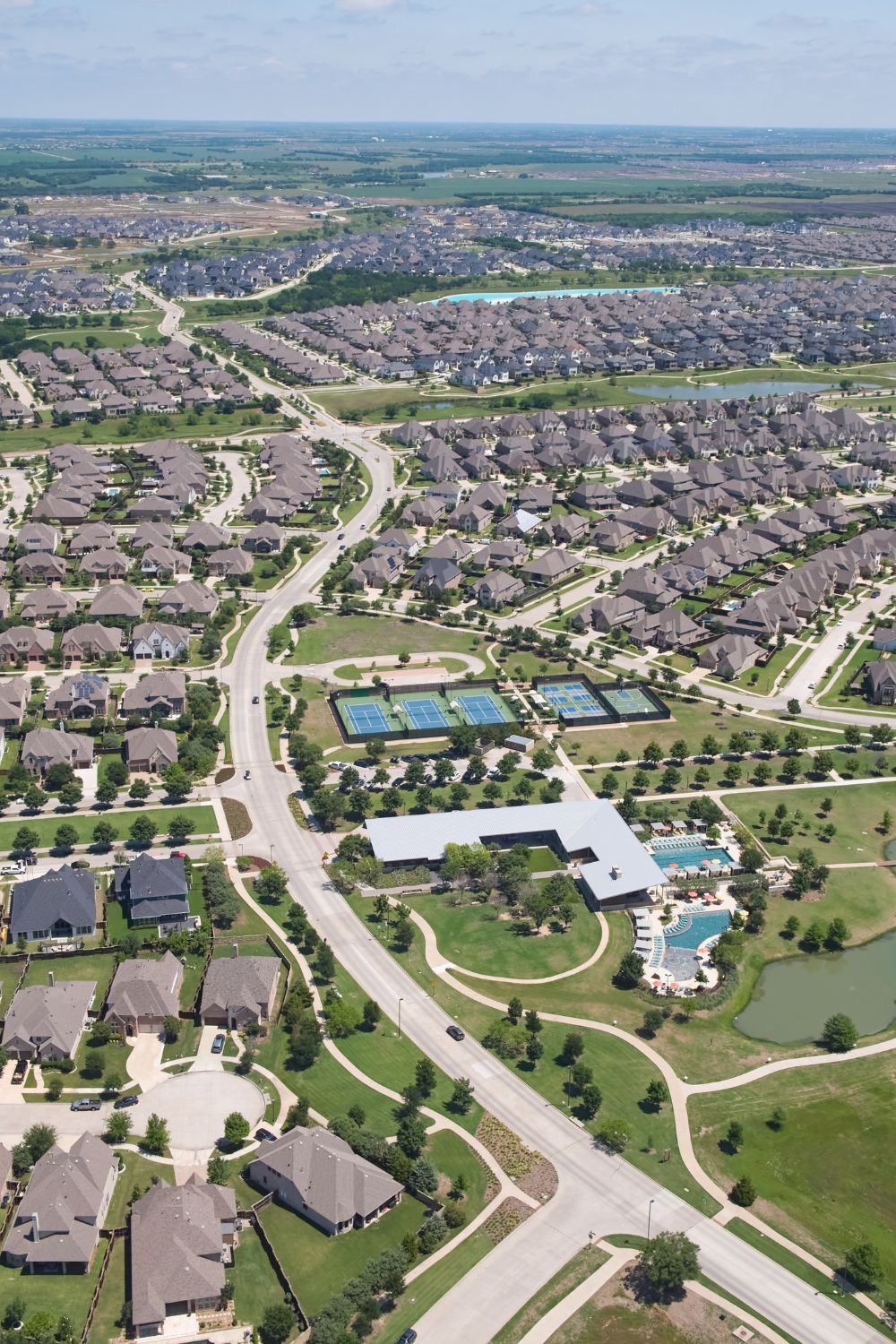
The Great Texas Divide: Why Frisco and Dallas Roofs Face Different Battles
You know, living and working in North Texas, you get to see how incredibly diverse our region is, even just between neighboring cities like Frisco and Dallas. And that diversity doesn't stop at our city limits; it extends right up to the very roofs over our heads. Here at Montesco Roofing, with over 13 years of hands-on experience right here in the DFW Metroplex, we've seen firsthand how the specific microclimates, soil conditions, and even the urban development patterns in places like Frisco and Dallas can create unique roofing challenges. It's not just about the big storms, though those are certainly a factor. It's the cumulative effect of daily weather, the age and type of construction, and even the surrounding environment that can impact your roof's lifespan and performance differently depending on where you are. Understanding these nuances is crucial for homeowners looking to protect their biggest investment. We're talking about preventing costly repairs down the line, ensuring your home stays comfortable year-round, and maintaining its value. So, let's dive into what makes roofs in Frisco tick differently than those in Dallas, and what that means for you as a homeowner in 2026.
Frisco's Unique Roofing Hurdles: Beyond the Standard Hailstorm
Frisco, being a bit further north and often having more open spaces surrounding it compared to the heart of Dallas, presents some distinct roofing challenges. One of the biggest factors we see is the impact of wind uplift. When you have wider, less obstructed areas, winds can gain more momentum and exert greater pressure on your roof system. This isn't just about a gentle breeze; we're talking about the kind of sustained winds that can lift shingles, compromise flashing, and even cause more significant structural damage during severe weather. Think about the open fields that used to characterize much of this area – that wind has a clear path. While Dallas certainly gets its share of wind, the intensity and frequency of strong gusts can be more pronounced in areas like Frisco.
When inspecting your roof after high winds, pay close attention to the edges and corners. These are typically the first areas where wind uplift can cause shingles to peel or detach.
Another factor unique to Frisco's development is its rapid growth. Many neighborhoods were built in phases, and sometimes this means that while your home might be newer, the surrounding developed areas are still evolving. This can influence drainage patterns. Improperly managed storm water runoff, especially in newer developments with significant construction activity, can lead to water pooling or increased saturation around your foundation, which can indirectly affect your roof over time. We also see variations in soil composition. Frisco sits on soils that can be quite expansive, meaning they swell when wet and shrink when dry. This constant movement puts stress on the entire home structure, including the foundation, which can lead to minor shifts. Even a slight shift can cause your roof framing to experience torsion or stress, potentially leading to cracks in drywall, sticking doors, and yes, even issues with your roofing system that might not be immediately apparent.
Don't underestimate the power of sustained high winds. While hail gets a lot of attention, strong winds can cause widespread damage, often undetected until later, leading to leaks and premature shingle failure.
Finally, the intensity of hail events, while common across DFW, can sometimes feel more direct in areas with fewer tall obstructions. When large hail comes down, it impacts surfaces uniformly. In Frisco, we've seen significant hail damage that can range from minor cosmetic pitting to outright breakage of shingles, leading to granule loss and exposing the underlayment to the elements. The impact is direct and can be severe. This is why having a robust shingle, like those from GAF or Owens Corning with enhanced impact resistance, is so important for homes in this region.
Dallas's Distinctive Roof Threats: Urban Heat and Settling Foundations
Now, let's turn our attention to Dallas. The urban landscape of Dallas presents its own set of challenges for homeowners. One of the most significant is the urban heat island effect. Dallas, being a major metropolitan center with vast expanses of concrete, asphalt, and dense building structures, tends to retain more heat than surrounding, less developed areas. This trapped heat can significantly increase the ambient temperature around your home, especially on the roof. High temperatures accelerate the aging process of roofing materials. Shingles can become brittle, seals can degrade faster, and the overall lifespan of your roof can be reduced. Darker colored roofs in Dallas absorb even more of this heat, exacerbating the problem. We often recommend lighter colored shingles or those with specific reflective properties for homes in the heart of Dallas to combat this.
The sun beats down relentlessly in the summer, and while we all feel it, roofs in densely built areas like Dallas bear the brunt of that concentrated heat for longer periods.— Local Weather Expert
Another critical factor for Dallas homes, especially those in older neighborhoods or areas with a history of development on less stable ground, is foundation settling. Dallas is known for its expansive clay soils, similar to Frisco, but the sheer density of construction and the age of some infrastructure can mean that foundation shifts are more common or have had more time to manifest. When a foundation settles unevenly, it can cause the entire structure of the house to move. This movement translates directly to stress on the roof. Rafters can be pulled or pushed, leading to cracks in the roof decking, separation at the ridge cap, and compromised flashing around chimneys or vents. This is a slow, insidious problem that can lead to leaks that are difficult to diagnose if you're not looking for the underlying cause.
Key Insight
Foundation issues aren't always obvious. A roof inspector trained to spot signs of structural stress, like uneven rooflines or nail pops, can often identify potential foundation problems before they lead to major roof leaks.
The urban environment also means more potential for tree damage. While both cities have trees, Dallas has a more mature urban canopy in many areas. Overhanging branches, especially from older, larger trees, can cause significant damage during storms. They can scrape shingles, break them, or fall entirely, causing catastrophic damage. Furthermore, decaying leaves and debris can accumulate on roofs and in gutters, trapping moisture and promoting mold and moss growth, which can degrade roofing materials over time and clog drainage systems, leading to water backup.
How to Get This Done
Regular tree trimming around your home is a simple yet effective way to prevent storm damage. If you notice branches close to your roofline, consider having them professionally trimmed. If you suspect foundation issues are impacting your roof, it’s best to consult with both a structural engineer and an experienced roofing contractor like Montesco Roofing to assess the extent of the damage and the best course of action.
Material Matters: How Location Impacts Your Best Roofing Choices in 2026
When it comes to choosing the right roofing material, the location of your home in North Texas plays a surprisingly significant role. What might be a perfect choice for a home in Frisco could be less ideal for one in Dallas, and vice versa. Here's a look at how location influences material selection in 2026:
| Feature | Frisco Homes (Focus on Wind & Expansive Soil) | Dallas Homes (Focus on Heat & Foundation Stress) | Montesco's Recommendation |
|---|---|---|---|
| Shingle Type | Impact-resistant architectural shingles (e.g., GAF Timberline HDZ, Owens Corning Duration) with enhanced wind warranties are crucial. Look for shingles rated for higher wind speeds. | Lighter colored, reflective shingles or shingles with cool roofing technology to combat the urban heat island effect. Impact resistance is still vital. | We prioritize impact-resistant architectural shingles with robust wind warranties for both areas. For Dallas, we often steer clients towards lighter hues or certified cool roofing options like CertainTeed's CoolStar or GAF's Cool Color palettes to maximize energy efficiency and longevity. |
| Underlayment & Ice & Water Shield | A high-quality synthetic underlayment is recommended for superior tear resistance against wind. Ensure ample coverage of Ice & Water Shield, especially in valleys and around penetrations, to prevent water intrusion from wind-driven rain. | Proper installation of underlayment and Ice & Water Shield is critical to protect against leaks caused by heat expansion/contraction and potential foundation-induced stress. | We always install a premium synthetic underlayment and extend Ice & Water Shield beyond manufacturer minimums, particularly at eaves, valleys, and around any roof penetrations, to create an extra barrier against water. |
| Ventilation | Balanced attic ventilation is key to preventing moisture buildup, which can be exacerbated by wind-driven rain and help mitigate attic heat, though less critical than in Dallas for heat. | Crucial for dissipating the intense heat absorbed by the roof. Proper ridge vents, soffit vents, and potentially powered attic fans can significantly reduce attic temperatures and prolong roof life. | We design ventilation systems tailored to each home's specific needs, ensuring optimal airflow to keep attics cooler in Dallas and drier in Frisco, thereby protecting the roofing materials and the home's interior. |
| Flashing & Sealants | Heavy-duty flashing, properly sealed, is paramount to withstand wind-driven rain and prevent water from getting under shingles. Metal flashing is preferred over asphalt. | Robust flashing and sealants are needed to accommodate minor structural shifts from foundation movement and to prevent heat-related degradation of sealants. | We use heavy-gauge metal flashing (aluminum or copper) and high-quality, UV-resistant sealants, ensuring every seam and edge is meticulously sealed against the elements and structural movement. |
| Roof Pitch & Design | Steeper roof pitches can sometimes be more vulnerable to wind uplift. Designers may need to consider wind-resistant fastening patterns for lower-pitched roofs. | Complex rooflines in Dallas can create more areas for heat to get trapped and more potential points of failure if not installed correctly, especially around dormers and valleys. | Our team assesses the roof's pitch and design to recommend the most appropriate installation techniques and materials for optimal performance in each specific location. |
| Warranty Considerations | Look for extended wind warranties (e.g., 130 mph) and impact resistance ratings (e.g., Class 4). | Consider warranties that address material degradation due to heat and UV exposure, alongside standard wind and hail coverage. | We only install materials from top manufacturers like GAF, Owens Corning, and CertainTeed, ensuring you get the best available manufacturer warranties, which we also back with our own 13+ year workmanship guarantee. |
The 7 Key Differences: A Side-by-Side Look at Frisco and Dallas Roofing
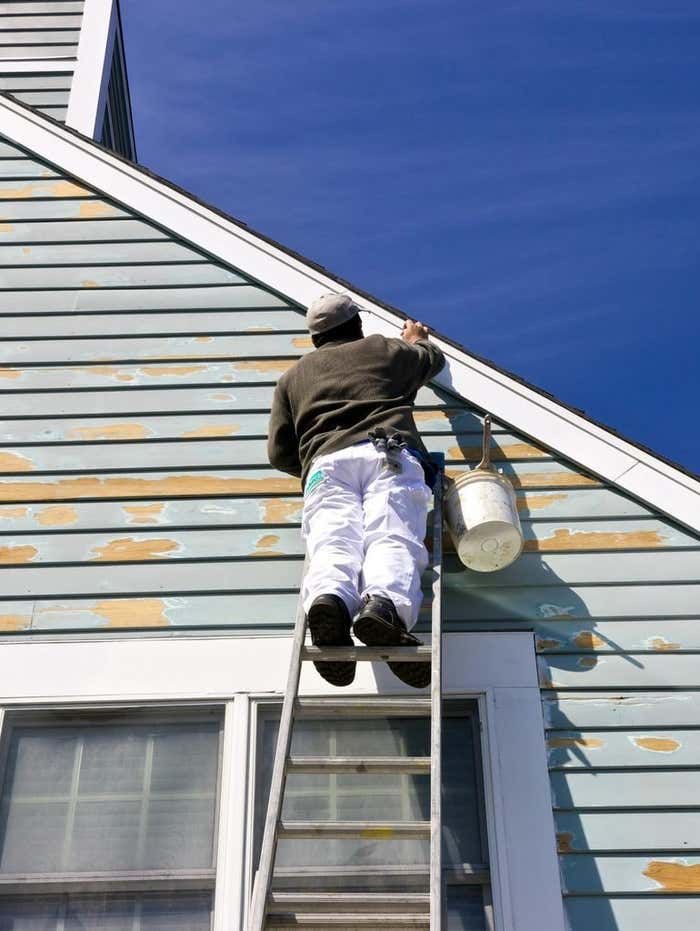
When you're comparing roofing needs, it's easy to think of DFW as one big area. But the subtle shifts in environment between Frisco and Dallas mean that what might be a top priority for one homeowner could be a secondary concern for another. Here’s a breakdown of seven key differences we see impacting roofs in these two vibrant North Texas cities:
Wind Exposure
Frisco
More open plains mean higher potential for sustained, strong winds and wind uplift. Roof edges and corners are more vulnerable.
Wind Exposure
Dallas
Urban density can create wind tunnels, but generally less sustained open-field wind pressure than Frisco. Focus shifts to wind-driven rain infiltration.
Heat Absorption
Frisco
Experiences intense Texas heat, but less of a pronounced "urban heat island" effect compared to Dallas.
Heat Absorption
Dallas
Significant urban heat island effect due to concrete, asphalt, and dense development. Accelerates material aging, especially on dark roofs.
Foundation Stress
Frisco
Expansive soils are present, leading to potential for soil movement and stress on foundations and roofs.
Foundation Stress
Dallas
More prevalent foundation settling issues due to older infrastructure, varied soil types, and history of development. Can cause more significant structural stress.
Stormwater Management
Frisco
Rapid development can sometimes lead to temporary drainage issues. Focus on ensuring proper grading and runoff away from the foundation.
Stormwater Management
Dallas
Mature urban areas have established drainage, but clogged gutters and downspouts due to debris are more common, leading to water backup.
Tree Impact
Frisco
Growing tree canopy. Risk of damage from falling branches during storms, though perhaps less mature than in older Dallas neighborhoods.
Tree Impact
Dallas
Mature, large trees are common. Higher risk of significant branch fall and limb damage to roofs.
Material Degradation
Frisco
Primary concern is UV exposure and general weather wear. Wind can accelerate granule loss.
Material Degradation
Dallas
Heat-induced brittleness and seal degradation are accelerated by the urban heat island effect. UV exposure is also a major factor.
Insurance Claims Landscape
Frisco
While hail is common, the focus can sometimes be on wind damage claims in this area.
Insurance Claims Landscape
Dallas
Often a high volume of hail claims, but also an increase in claims related to heat-induced deterioration and wind-driven rain leaks.
Typical Roof Age at Replacement
Frisco
Can vary, but often impacted by wind events that might necessitate earlier replacement than expected.
Typical Roof Age at Replacement
Dallas
Heat and material degradation may lead to earlier replacement needs compared to areas with less intense heat exposure.
Proactive Protection: How Montesco Roofing Addresses Localized Roof Needs
At Montesco Roofing, we don't believe in a one-size-fits-all approach, especially not in a region as dynamic as North Texas. Our 13+ years of experience have taught us that understanding the subtle, localized differences between areas like Frisco and Dallas is key to providing truly effective, long-lasting roof protection. When we assess a home, whether it's in the sprawling suburbs of Frisco or the established neighborhoods of Dallas, we're looking at more than just the shingles. We're considering the wind patterns specific to that micro-location, the potential for soil expansion impacting the foundation, and how the urban heat island effect might be accelerating material wear.
For homes in Frisco, our inspections put a strong emphasis on wind resistance. This means meticulously checking for proper fastening of shingles, the integrity of the roof deck, and the condition of flashing around eaves and rakes – areas most susceptible to wind uplift. We ensure that any new installation or repair utilizes materials and techniques that can withstand the higher wind loads common in more open areas. This often involves recommending specific architectural shingles with superior wind ratings or using additional fasteners where necessary, all while adhering to manufacturer specifications and local building codes.
When discussing replacement with your contractor, ask about their specific installation techniques for high-wind areas. It’s not just the shingles; it’s how they’re installed that makes the difference.
In Dallas, our focus shifts slightly to combat the relentless heat. We'll pay extra attention to attic ventilation, ensuring that soffit vents, ridge vents, and any existing attic fans are working optimally to release trapped heat. We also guide homeowners towards cooler roofing materials. This could mean selecting lighter-colored shingles that reflect more sunlight, or exploring options with advanced cool roofing technology. These choices not only extend the life of the roof by reducing heat stress but can also lead to significant energy savings for your home. We also conduct thorough checks for signs of stress related to foundation movement, looking for subtle indicators that might suggest underlying structural issues affecting the roof’s integrity.
Ignoring attic ventilation is a common mistake that can lead to premature roof failure, especially in the heat of Dallas summers. Proper airflow is just as important as the shingles themselves.
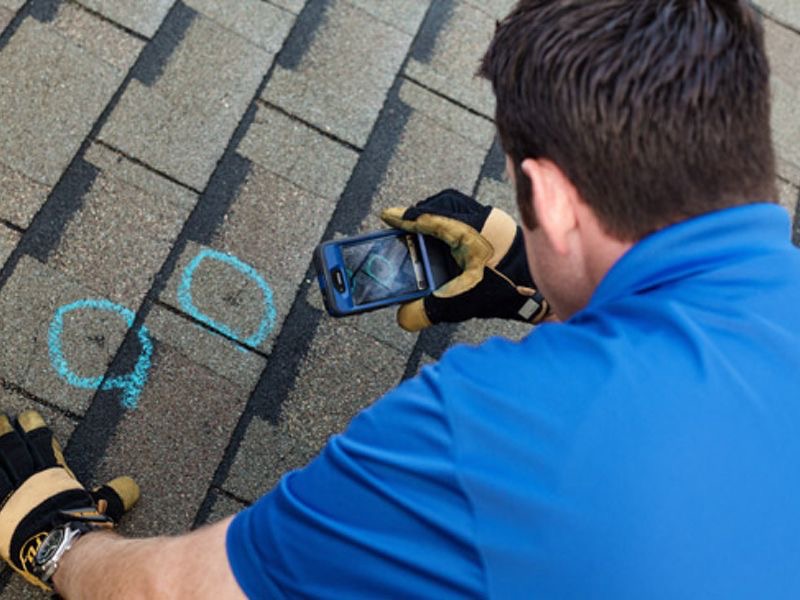
Our approach involves a detailed, on-site assessment where we document everything. We use drones for high-resolution imagery, allowing us to spot subtle damage that might be missed from the ground. This thoroughness is what allows us to tailor our solutions. Whether it’s reinforcing a roof against Frisco’s winds or mitigating Dallas’s heat exposure, we’re committed to providing a durable, protective, and aesthetically pleasing roof that stands the test of time. We also understand the complexities of insurance claims, and we work closely with homeowners to navigate that process, ensuring they get the coverage they deserve, especially after storm damage. Our goal is always to provide peace of mind, knowing your home is protected by experts who understand its specific needs.
How to Get This Done
If you want to conduct a preliminary check yourself, here's what to look for: walk around your home and visually inspect your roof for missing, cracked, or curling shingles. Check your gutters for excessive amounts of shingle granules. In your attic, look for daylight coming through the roof deck or signs of water stains. If you'd rather have experienced roofers handle it, our team has done this on hundreds of DFW homes. We start with a comprehensive, no-obligation inspection, then provide a detailed report and a transparent estimate, explaining exactly what needs to be done to protect your specific home, whether it's in Frisco or Dallas.
Common Mistakes Homeowners Make When Ignoring Localized Roof Issues
It’s easy for homeowners to think of roofing problems as universal. A leak is a leak, right? But failing to account for the specific environmental factors that affect homes in different parts of the DFW Metroplex, like Frisco versus Dallas, can lead to costly mistakes. Here are some of the most common pitfalls we see:
Mistake 1: Assuming All Hail Damage is the Same
While hail is a DFW staple, the type and intensity can differ. In Frisco, stronger winds might accompany hail, leading to uplifted shingles that then take a beating. In Dallas, older roofs might be more brittle from heat, making them more susceptible to cracking from hail impacts, rather than just denting. Ignoring these nuances means potentially underestimating the damage or choosing the wrong repair strategy.
Mistake 2: Neglecting Wind Uplift in Open Areas
Homeowners in Frisco might focus solely on hail and forget that their location is more exposed to sustained winds. This can lead to shingles being stressed, seams failing prematurely, and eventual leaks that weren't directly caused by hail. A contractor who doesn't specifically assess wind resistance in their inspection might miss this critical vulnerability.
Mistake 3: Underestimating the Impact of Urban Heat
Dallas homeowners might see their shingles aging faster but attribute it solely to age or sun exposure. They might not realize the amplified effect of the urban heat island, which drastically shortens material lifespan. Choosing standard shingles without considering their heat reflectivity can lead to premature failure and more frequent replacements.
Mistake 4: Ignoring Foundation-Related Roof Stress
Both Frisco and Dallas have expansive soils, but Dallas’s older infrastructure and development patterns can mean more prevalent foundation settling. Homeowners might get roof repairs without addressing the underlying structural shifts that are causing the roof issues, leading to recurring problems.
Mistake 5: Choosing the Wrong Materials for the Climate
Opting for dark shingles in Dallas to match a certain aesthetic without considering the heat absorption is a classic mistake. Similarly, using materials not rated for high winds in Frisco could be a recipe for disaster. A local expert knows which materials perform best where.
Mistake 6: Overlooking Attic Ventilation Needs
Especially in Dallas, a poorly ventilated attic acts like a convection oven, cooking your roof from the inside out. Homeowners might not realize that improving ventilation is a crucial part of roof maintenance and longevity, not just an optional upgrade.
Mistake 7: Relying on Generic Inspections
A roofer who isn't intimately familiar with the specific environmental pressures in Frisco or Dallas might provide a superficial inspection. They might miss signs of localized wear and tear, leading to repairs that don't address the root cause or materials that aren't suited for the home's specific location. This is why choosing a local, experienced DFW roofing contractor is so important.
Frisco vs. Dallas Roofing Challenges: Your FAQ in 2026
Frequently Asked Questions
Are roofs in Frisco more likely to be damaged by wind than roofs in Dallas?
Does the urban heat island effect in Dallas significantly shorten a roof's lifespan?
What kind of foundation issues are common in both Frisco and Dallas, and how do they affect roofs?
Should I choose different roofing materials for Frisco versus Dallas?
How does tree cover in Dallas impact roofing compared to Frisco?
Is attic ventilation more critical in Dallas than in Frisco?
How can I tell if my roof is being affected by localized issues specific to my Frisco or Dallas location?
Need help navigating the unique roofing challenges of your Frisco or Dallas home? Our team has protected hundreds of DFW homes with tailored solutions for over 13 years. Tell us about your roof — we offer free, no-pressure inspections and expert advice specific to your location.
Get Your Free Roof Inspection →Montesco Roofing Team
DFW's trusted roofing contractor with 13+ years of experience. Specializing in roof replacements, storm damage repair, and insurance claims across Dallas-Fort Worth.
Get in touch →