5 Signs Your Roof Needs Expert Eyes Now
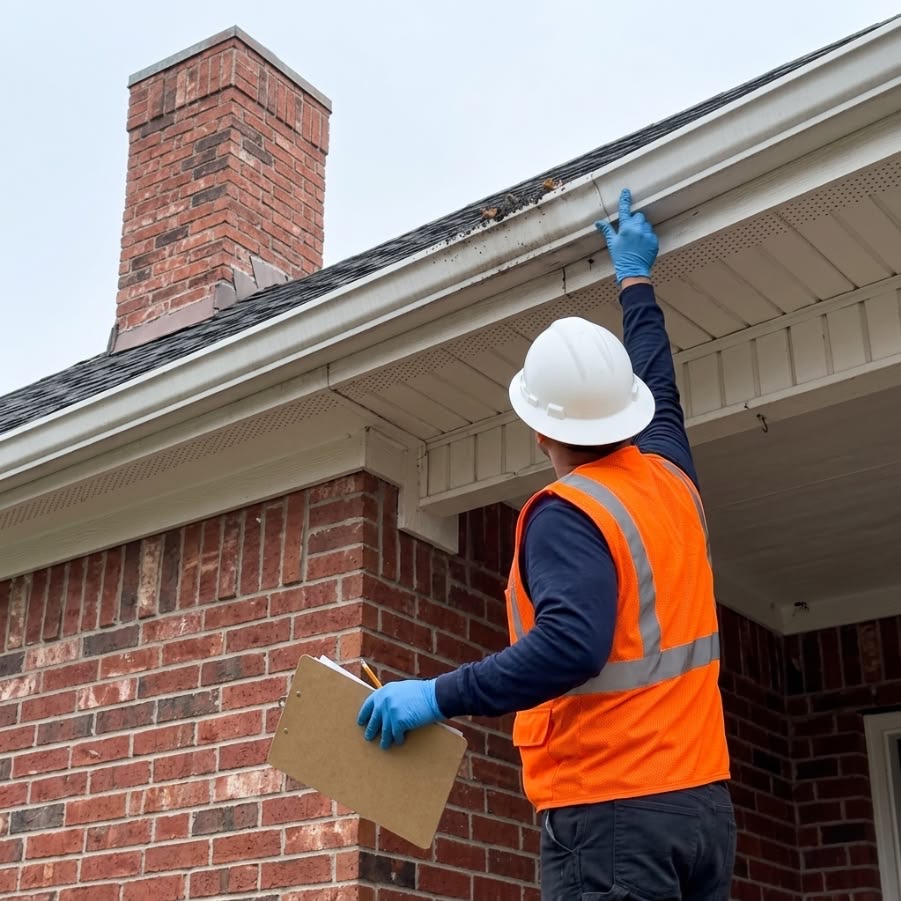
Why a Free Roof Inspection in DFW is Your First Line of Defense
Let's talk about your home's most critical shield: the roof. Here in DFW, we know a thing or two about weather that can put a serious beating on our homes. From those sudden, intense Texas thunderstorms to the relentless sun, your roof is constantly working to protect everything and everyone underneath it. This year, 2026, has already seen its share of unpredictable weather patterns across North Texas. That's why, as a DFW roofing contractor with over 13 years under my belt, I can't stress enough how vital a proactive approach is. A free roof inspection isn't just a service; it's your first line of defense against costly repairs and potential damage down the road. Think of it like an annual check-up for your car, but for the structure that keeps your family safe and dry.
Quick Answer: In DFW, a free roof inspection in 2026 is crucial because our weather can cause hidden damage. It's the best way to catch minor issues early, preventing them from becoming expensive problems, ensuring your home's safety, and protecting your investment before storm season hits hard.
Many homeowners only think about their roof when they see a leak or notice obvious damage after a storm. But by then, the problem might have already spread, potentially affecting your attic, insulation, and even the structural integrity of your home. We've seen it time and time again: a small, inexpensive repair could have prevented thousands of dollars in damage. This is especially true in areas like Dallas, Fort Worth, and surrounding cities like Frisco and Plano, where rapid temperature changes and intense weather events are the norm. Getting a free roof inspection is a smart, no-obligation way to get a professional assessment of your roof's health. It’s about peace of mind, knowing that a seasoned expert has taken a good, hard look at your home's crown.
Our goal at Montesco Roofing is simple: to help you protect your biggest investment. We believe in educating homeowners, not just selling them on services. That's why we offer free roof inspections. It's an opportunity for you to understand your roof's condition from an expert's perspective, and for us to identify potential issues before they escalate. In the current DFW climate of 2026, where we've seen significant storm activity, being proactive is more important than ever. Don't wait for a crisis to address your roof's health. A free inspection is your first step towards long-term protection and savings.
5 Urgent Signs Your DFW Roof Needs an Expert Eye in 2026
Living in DFW means your roof is in a constant battle with the elements. While you might not see obvious signs of trouble every day, there are often subtle indicators that your roof is under stress and needs a closer look. As of August 2026, here are five critical signs that you should call a professional roofing contractor for a free inspection sooner rather than later:
1. Granules in Gutters or Downspouts
Have you noticed a gritty, sand-like substance in your gutters or around the base of your downspouts? Those are shingle granules. Your asphalt shingles have a protective layer of granules that shield them from UV rays and impact. When these granules start shedding, it means the shingles are aging, degrading, and losing their protective capabilities. Significant granule loss can indicate that your shingles are nearing the end of their lifespan or have been damaged by hail or wind. This is a common issue we see after major storm events in the Plano or McKinney areas.
2. Sagging or Uneven Roof Sections
Your roof should have a smooth, consistent slope. If you notice any areas that appear to be sagging, dipping, or looking wavy, it's a serious red flag. This often indicates underlying structural damage, water infiltration that has weakened the roof decking, or issues with the roof's support system. This is not something to ignore, as it can lead to catastrophic failure. A professional inspection can determine the cause and the extent of the damage, which is crucial for effective repairs.
3. Missing or Damaged Shingles
This might seem obvious, but even a few missing shingles can expose your home to significant risk. After a strong wind event, which are common in our region, check your yard for any shingles that have blown off. Also, visually inspect your roof (from the ground with binoculars, or safely from a ladder if you're comfortable) for cracked, curled, or uplifted shingles. These are often early signs of damage that can allow water to seep underneath.
4. Water Stains or Leaks in the Attic
The attic is often the first place to reveal a roof problem. If you've noticed dark stains on your attic ceiling or rafters, or worse, actual drips of water, your roof is already compromised. This indicates that water has found its way through the shingles and underlayment. In DFW, moisture trapped in the attic can lead to mold growth, rot, and damage to insulation, drastically reducing your home's energy efficiency. A free inspection will help pinpoint the entry point and assess the damage.
5. Mold or Algae Growth on the Roof
While not always a sign of immediate structural failure, the presence of dark streaks, mold, or algae on your shingles can indicate moisture retention issues. In the humid North Texas climate, this can degrade shingles over time and, in severe cases, can be a symptom of poor attic ventilation, which is critical for roof longevity. Addressing this can prevent premature aging of your roof.
Don't underestimate the impact of a few missing shingles or minor granule loss. These small issues, especially in the harsh DFW climate of 2026, can quickly lead to larger, more expensive problems like wood rot, mold, and interior water damage if left unchecked.
The Hidden Dangers of Ignoring Minor Roof Issues
It's easy to think, "It's just a few granules," or "That small stain in the attic is probably nothing." But here's the thing: in the world of roofing, small problems have a nasty habit of growing into big ones, especially in a dynamic climate like ours here in DFW. When you ignore minor roof issues, you're essentially opening the door to a cascade of more serious and expensive problems. For instance, those missing shingles we talked about? They're not just cosmetic. They create entry points for water. Once water gets under your shingles, it can start to rot the roof decking – that plywood or OSB layer directly beneath the shingles. Rotting wood loses its structural integrity, which is a major safety concern. This is why a free roof inspection is so valuable; we're trained to spot these subtle signs before they become critical failures.
"The cheapest repair is the one you do before you need it."— Experienced Roofer's Wisdom
Furthermore, water that penetrates the roof decking doesn't just stop there. It can seep into your attic insulation, reducing its effectiveness and leading to higher energy bills. It can then travel down your walls, causing damage to drywall, paint, and even the framing of your house. Mold and mildew thrive in damp environments, and these can pose serious health risks to your family, especially for those with respiratory issues. Think about the humidity we experience here in North Texas; it's the perfect breeding ground for mold once moisture is introduced. The Insurance Information Institute consistently highlights that water damage is one of the most common and costly types of homeowner claims, and often, it starts with a seemingly minor roof issue.
Source: Insurance Information Institute, 2024Key Insight
Ignoring small roof problems can lead to a domino effect of damage, including compromised structural integrity, reduced energy efficiency, mold growth, and significant interior water damage. A proactive, free inspection by a qualified DFW roofing contractor is the most cost-effective way to prevent these escalating issues.
Then there's the impact on your home's value. A well-maintained roof is a significant asset. A roof that shows signs of neglect or past storm damage can deter potential buyers and significantly reduce your home's marketability. If you're considering selling your home in the Dallas-Fort Worth area in the coming years, a sound roof is non-negotiable. A free inspection can identify any issues that might need addressing before you list your home, saving you potential headaches and last-minute repair costs.
What to Expect During Your Montesco Roofing Free Inspection
When you schedule a free roof inspection with Montesco Roofing, you're not just getting someone to glance at your roof from the street. We pride ourselves on a thorough, detailed process designed to give you a complete picture of your roof's health. We treat every home in DFW like our own, and that means being meticulous.
When scheduling, ask your roofing contractor about their inspection process. A good contractor will walk you through it and be transparent about what they're looking for.
Here’s what you can generally expect when one of our experienced technicians comes out to your Dallas or Fort Worth home in 2026:
1. Ground-Level Assessment
We start by walking around the perimeter of your home. We'll be looking for obvious signs of damage like missing or damaged shingles, debris on the roof, or any visible wear and tear. We'll also check your gutters and downspouts for excessive granule buildup.
2. Attic Inspection
This is a crucial step that many overlook. We'll carefully inspect your attic for any signs of water intrusion, daylight peeking through, or inadequate ventilation. We'll also check the condition of your insulation and the roof decking for any signs of rot or moisture damage. Proper attic ventilation is key to preventing heat and moisture buildup, which can significantly shorten a roof's lifespan.
3. Roof-Level Examination (Safety First!)
Our technicians are trained and equipped to safely access your roof. We'll conduct a detailed examination of the entire roofing surface, including: shingle condition (curling, cracking, brittleness), flashing around vents, chimneys, and skylights, ridge caps, and valleys. We pay close attention to areas that are most susceptible to leaks and wind damage. We use specialized tools to identify potential weaknesses.
4. Detailed Documentation
Throughout the inspection, we take detailed notes and photographs or videos of any issues we find. This visual documentation is essential for you to understand the condition of your roof and for us to provide an accurate assessment and estimate if repairs or replacement are needed.
5. Comprehensive Report and Consultation
After the inspection, we'll sit down with you to go over our findings. We'll provide a clear, easy-to-understand report detailing the condition of your roof, highlighting any areas of concern, and explaining the potential implications. We'll answer all your questions and discuss the best course of action, whether it’s routine maintenance, minor repairs, or a full roof replacement. We never pressure you; our goal is to empower you with information.
How to Get This Done
If you want to do a preliminary check yourself, start by looking for granule loss in your gutters after a storm and checking your attic for water stains. For a comprehensive, expert assessment, our team at Montesco Roofing is ready to provide a free, detailed inspection for your DFW home. We'll give you an honest evaluation and clear recommendations without any obligation.
DIY vs. Professional Roof Checks: When to Call the Pros
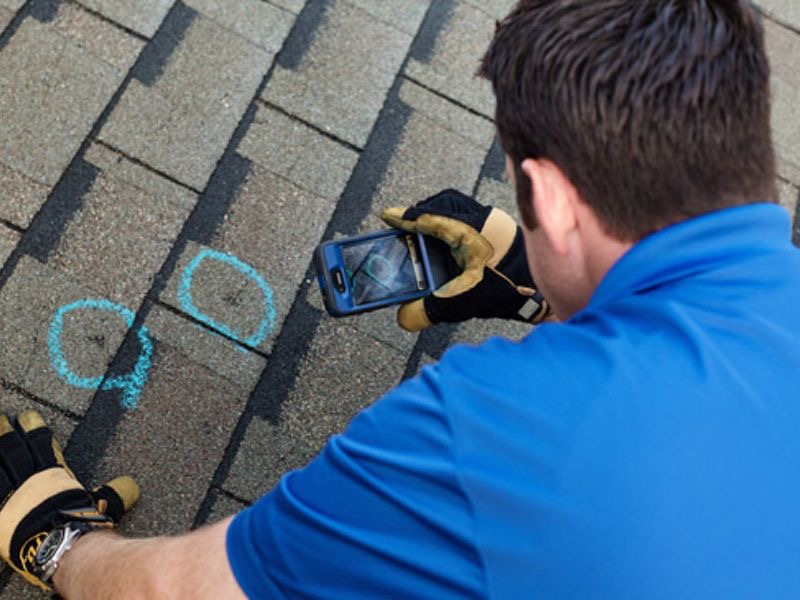
It's great that you're thinking about your roof's health. Many homeowners can perform basic visual checks from the ground or even a safe distance from a ladder. However, there's a significant difference between a homeowner's quick look and a professional roof inspection performed by an experienced roofing contractor. The latter is crucial for identifying issues that are not immediately apparent and for understanding the true condition and lifespan of your roof.
| Feature | DIY Roof Check | Professional Roof Inspection (Montesco Roofing) |
|---|---|---|
| Scope | Surface-level visual check for obvious damage (missing shingles, large leaks). Limited to what can be seen from the ground or a short ladder. | Comprehensive assessment including ground, attic, and roof-level examination. Identifies subtle signs of wear, potential weak points, and structural issues. |
| Safety | Can be risky if climbing ladders or getting too close to the roof edge. Limited by weather conditions. | Performed by trained professionals with safety equipment and protocols. Can be done safely in various conditions. |
| Expertise | Relies on homeowner's general knowledge. May miss crucial indicators. | Leverages years of experience, manufacturer training, and knowledge of DFW-specific weather impacts. Can diagnose underlying causes. |
| Tools & Technology | Basic visual inspection, binoculars, maybe a flashlight for the attic. | Utilizes specialized tools for shingle analysis, moisture detection, and structural assessment. Detailed photographic documentation. |
| Problem Identification | Identifies visible damage that has likely already caused or is about to cause significant issues. | Detects early-stage wear, impending failures, ventilation problems, and hidden moisture damage before they become major problems. |
| Insurance & Warranty | Does not provide documentation for insurance claims or warranty purposes. | Provides detailed reports and documentation necessary for insurance claims and warranty validation. |
| Cost | Free (time and effort). | Free (with Montesco Roofing) for a thorough, professional assessment. |
While a DIY check can be a good starting point to spot obvious problems, it's no substitute for a professional inspection. A professional DFW roofing contractor like Montesco Roofing has the knowledge, experience, and tools to identify issues you might never see. We understand the nuances of different roofing materials, the specific vulnerabilities caused by North Texas hail and wind storms, and the importance of proper attic ventilation and flashing. A DIY check might tell you there's a leak; a professional inspection will tell you why there's a leak, where it's coming from, and what needs to be done to fix it permanently. For example, what looks like a minor shingle crack to you could be a sign of impact damage that has compromised the entire shingle structure, a detail a trained eye will catch.
Key Insight
While a homeowner can perform basic visual checks, a professional roof inspection is essential for identifying subtle, underlying issues that can lead to significant damage. It ensures safety, accuracy, and provides the necessary documentation for potential repairs or insurance claims.
Decoding Your Free Roof Inspection Report
After we've completed your free roof inspection, we'll provide you with a detailed report. We don't want you to leave confused; our goal is for you to understand exactly what's going on with your roof. Here's a breakdown of what you'll typically find in a Montesco Roofing inspection report:
1. Executive Summary
This is a brief overview of the inspection's findings. It will state whether your roof is in good condition, needs minor repairs, or requires a full replacement. It's the TL;DR version for busy homeowners.
2. Shingle Condition
We'll detail the state of your shingles: their general age, presence of granule loss, curling, cracking, or lifting. We'll note the percentage of shingles showing wear and tear. This is crucial for understanding the remaining lifespan of your roof.
3. Flashing Integrity
Flashing is the metal material used to seal joints and edges of your roof, especially around chimneys, vents, skylights, and valleys. This is a common area for leaks. We'll report on the condition of your flashing – whether it's rusted, loose, or improperly installed, and if it's providing adequate protection.
4. Attic Ventilation & Insulation
Proper attic ventilation is critical for regulating temperature and moisture. We'll assess if your attic has adequate airflow and note any signs of moisture buildup, mold, or inadequate insulation that could be impacting your roof's performance and energy efficiency.
5. Debris & Drainage
We'll note any significant debris on the roof that could trap moisture or damage shingles, and check that water is draining properly away from your foundation. Clogged gutters are a frequent culprit here.
6. Recommendations & Photos
This section will outline our professional recommendations, whether it's for immediate repairs, preventative maintenance, or a full roof replacement. We'll include the photographs and videos taken during the inspection to visually demonstrate any issues we've identified. Seeing the damage yourself makes it much clearer.
When reviewing your report, don't hesitate to ask questions. A reputable roofing contractor will be happy to explain any part of the report and ensure you fully understand your roof's situation.
Understanding your report empowers you to make informed decisions about your home. It helps you prioritize repairs, understand potential costs, and even work effectively with your insurance company if storm damage is involved. Our goal is to provide you with all the information you need to protect your home and your family, right here in DFW.
Common DFW Roof Problems Our Inspections Uncover
Living and working in the Dallas-Fort Worth metroplex presents unique challenges for residential roofing. Our climate, with its intense sun, fluctuating temperatures, and severe storm seasons, takes a toll. Over the past 13+ years, Montesco Roofing has seen a consistent pattern of issues that affect homes across DFW, from Rowlett to Arlington. A thorough free roof inspection is our primary tool for identifying these common culprits:
Here are some of the most frequent problems our inspections uncover:
1. Hail Damage
This is perhaps the most notorious issue in DFW. Hailstones, especially large ones, can cause bruising and cracking on shingles, dislodging granules and creating weak spots. Even small hail can cause cumulative damage over time. Our inspections meticulously document impact marks, granule loss, and potential underlying deck damage.
2. Wind Damage
Strong winds, common during DFW thunderstorms, can lift, tear, or completely blow off shingles. We look for uplifted shingles, torn edges, and missing sections. We also check for damage to soffits and fascia that can be caused by high winds, which can compromise the entire roof system.
3. Flashing Failures
As mentioned, flashing around penetrations (vents, chimneys, skylights) is a critical component. Corrosion, cracks, or improper sealing of flashing can lead to water infiltration directly into your home's structure. We inspect every piece of flashing for signs of wear or failure.
4. Poor Ventilation
Inadequate attic ventilation traps heat and moisture, leading to premature shingle aging, ice dams in rare cold snaps, and potential mold growth. We assess your soffit vents, ridge vents, and attic fans to ensure optimal airflow, which is crucial for a healthy roof in our climate.
5. Granule Loss
This is a direct indicator of shingle aging and damage. When shingles lose their protective granules, they become more vulnerable to UV rays and impact, accelerating their decay. We quantify granule loss to estimate the remaining lifespan of your roof.
6. Age and Wear
Even without severe weather, roofing materials have a finite lifespan. Asphalt shingles in DFW typically last 15-25 years. Our inspections assess the overall age and wear of the materials to determine if roof replacement is becoming a necessity. This is especially relevant as many homes built in the 90s and early 2000s are now approaching the end of their expected roof life.
By conducting regular, free roof inspections, homeowners in McKinney, Frisco, Allen, and across DFW can catch these common problems early. This proactive approach is key to extending your roof's life, maintaining your home's value, and avoiding the stress and expense of major emergency repairs.
Need help putting this into action? Our team has protected hundreds of DFW homes. Tell us about your roof — free inspection, no pressure.
Get Your Free Roof Inspection →Frequently Asked Questions About Free Roof Inspections
Frequently Asked Questions About Free Roof Inspections
What does a "free roof inspection" typically include?
How often should I get a roof inspection in DFW?
What's the difference between a DIY check and a professional inspection?
Will a free inspection pressure me to buy services?
Can a free inspection help with my insurance claim?
What if the inspection finds minor damage? Should I still fix it?
What kind of roofing materials do you inspect?
Montesco Roofing Team
DFW's trusted roofing contractor with 13+ years of experience. Specializing in roof replacements, storm damage repair, and insurance claims across Dallas-Fort Worth.
Get in touch →