Fort Worth Roof Tips: 7 Secrets to Surviving Texas Heat & Hail in 2026
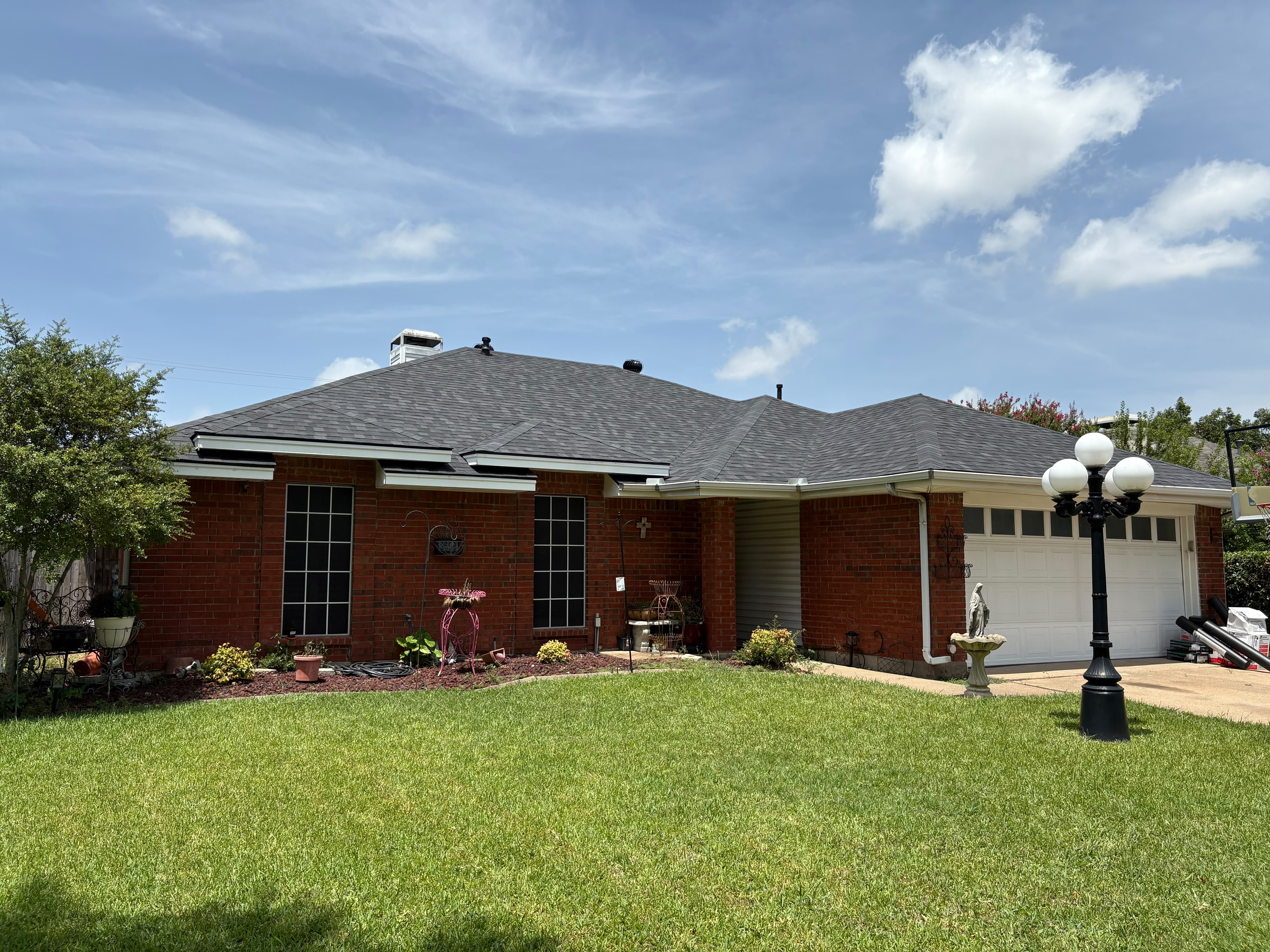
The Unseen Enemy: How Fort Worth's Extreme Weather Attacks Your Roof
Here in Fort Worth, we love our city. We love the Friday night lights, the vibrant culture, and yes, even the occasional scorching summer day. But let's be honest, our beautiful North Texas climate throws some serious curveballs at our homes, and especially at our roofs. It's not just about keeping the sun out; it's about withstanding everything from relentless heat to sudden, violent storms. As a roofing contractor who's been keeping DFW homes protected for over 13 years, I've seen firsthand how these elements can take a toll. Your roof is your home's first line of defense, and understanding how Fort Worth's weather challenges it is the first step to keeping it in top shape.
This year, 2026, is shaping up to be another active one for our local weather. We're already seeing the familiar patterns: intense summer heat that bakes shingles, followed by the unpredictable, often severe, storm seasons that can bring damaging hail and high winds. These aren't minor inconveniences; they're direct assaults on the very integrity of your home. Without proper care and understanding, your roof can succumb to these pressures, leading to costly repairs, potential interior damage, and a lot of stress. It's easy to forget about your roof once it's installed, but it's constantly working hard for you, and it needs your attention, especially in a place like Fort Worth.
Key Insight
The DFW climate is a double-edged sword: intense summer heat degrades roofing materials over time, while unpredictable spring and fall storms can cause sudden, catastrophic damage. Proactive care is essential for longevity.
Think about it: your roof is exposed to the elements 24/7. It's absorbing UV rays, enduring temperature swings that can reach 50 degrees or more in a single day, and then, without warning, it might be pummeled by hailstones the size of golf balls or battered by winds that can rip shingles right off. Over time, this constant battle wears down even the best roofing materials. The asphalt in shingles can become brittle, the protective granules can wear away, and seals can break down. This makes your roof more vulnerable to leaks, which can then lead to more serious problems like mold growth, damaged insulation, and compromised structural integrity. It’s a domino effect that starts with something as simple as a compromised shingle.
The goal isn't just to have a roof over your head; it's to have a roof that reliably protects your family and your investment, year after year. And in Fort Worth, that requires a specific understanding of our local challenges and the proactive steps you can take. We're not talking about just slapping on a new roof every decade. We're talking about smart maintenance, informed decisions, and knowing what to look for. This guide is designed to give you that knowledge, turning you into a more informed homeowner who can spot trouble before it becomes a disaster.
We've seen it all – from minor granule loss that can be addressed with simple maintenance, to full-blown roof collapses after a major storm. The difference between a minor fix and a major overhaul often comes down to awareness and timely action. That's why we're sharing these insights today. We want you to feel empowered, not overwhelmed, when it comes to your roof. Let's dive into how you can best protect your Fort Worth home against our unique weather patterns.
7 Essential Fort Worth Roof Tips for Summer Heat Survival in 2026
Summer in Fort Worth is no joke. The sun beats down relentlessly, and temperatures regularly climb into the triple digits. While we're all seeking shade indoors, our roofs are out there taking a beating. This intense heat isn't just uncomfortable; it's actively degrading your roofing materials. Shingles, especially darker ones, can absorb a tremendous amount of heat, causing them to expand and contract repeatedly. Over time, this cycle weakens the asphalt, makes the shingles brittle, and can lead to premature cracking and granule loss.
Protecting your roof from the summer sun is about more than just aesthetics; it's about preserving its structural integrity and extending its lifespan. Here are seven crucial tips to help your roof survive and thrive through the 2026 DFW summer:
Consider lighter-colored shingles if you're replacing your roof. They reflect more solar radiant heat than darker colors, potentially reducing attic temperatures by up to 20-30 degrees Fahrenheit, which means less stress on your roofing materials and potentially lower energy bills.
1. Ensure Proper Attic Ventilation
This is arguably the most critical step for summer heat. A well-ventilated attic allows hot air to escape, preventing it from building up and overheating your roof deck and shingles. Look for a balanced system of intake vents (usually soffit vents) and exhaust vents (like ridge vents or box vents). If your attic feels like an oven when you go up there, you likely have a ventilation problem.
2. Clear Debris from Gutters and Downspouts
Clogged gutters can cause water to backup under your shingles, especially during summer thunderstorms. Standing water can also lead to rot in the fascia boards, which are crucial for supporting your roof's edge. Keeping them clear ensures water flows away from your home as it should.
3. Inspect Shingles for Damage
Walk around your home and look up. Are any shingles curling at the edges? Are there any bald spots where the protective granules seem to have worn away? These are signs of heat damage or age. Early detection means you can address minor issues before they become major leaks.
4. Trim Overhanging Tree Branches
While shade is nice, branches that constantly rub against your roof can wear down shingles. They also create damp areas where moss and algae can grow, which can trap moisture. Keeping branches trimmed back provides better airflow and reduces friction.
Don't ignore curling or buckling shingles. This is a clear indicator that the material is stressed and losing its ability to protect your home. It's an invitation for water to find its way inside.
5. Check for Granule Loss
When you clean out your gutters, pay attention to the amount of asphalt granules you find. Shingles are covered in these tiny rocks, which protect the asphalt from UV rays. Significant amounts of granules in your gutters mean your shingles are shedding their protection, making them more susceptible to sun damage.
6. Consider a Cool Roof Coating (for certain roof types)
While not suitable for all asphalt shingle roofs, if you have a flat or low-slope roof, a reflective "cool roof" coating can dramatically reduce heat absorption. These coatings are designed to reflect solar radiant heat and increase emissivity, which can significantly lower surface temperatures.
7. Schedule a Professional Inspection
The best way to ensure your roof is ready for the summer heat is to have a qualified roofing contractor perform a thorough inspection. We know exactly what to look for – signs of wear, potential weak spots, and ventilation issues that might not be obvious to the untrained eye. A professional inspection in late spring can catch problems before they become costly summer headaches.
How to Get This Done
For ventilation checks and gutter cleaning, many homeowners can tackle these themselves. However, identifying subtle signs of shingle degradation or potential structural issues requires an expert eye. If you suspect any problems or want peace of mind before the summer heat peaks, our experienced team is ready to provide a comprehensive roof inspection. We’ll give you an honest assessment and recommend the best course of action for your Fort Worth home.
Hail Damage: What Fort Worth Homeowners MUST Know Before the Next Storm
As any long-time Fort Worth resident knows, our beautiful city is no stranger to severe weather, and hail storms are a particularly menacing threat. We see them pop up seemingly out of nowhere, dropping ice that can range from pea-sized to golf-ball sized. The damage these stones can inflict on your roof might not always be immediately obvious, but it can be incredibly destructive and lead to significant problems down the line.
Understanding hail damage is crucial because it's often insidious. A large hailstone might not punch a hole through your shingles, but it can bruise, crack, or dislodge the protective granules. This damage is often hidden beneath the surface of the shingle, making it difficult to spot without a trained eye. But that bruising exposes the asphalt matting underneath to the elements, significantly shortening the shingle's lifespan and making it vulnerable to future weather events.
The statistics are sobering. According to industry reports, a significant percentage of Texas hail claims are initially underpaid by insurance companies. This is why it's so important for homeowners to be educated about what constitutes hail damage and to work with a reputable roofing contractor in Fort Worth who understands the claims process. We've seen countless cases where homeowners accepted the initial low offer from their insurance adjuster, only to discover months or years later that the damage was far more extensive and costly than initially assessed.
Don't wait for a leak to report hail damage. By the time you see water inside your home, the damage to your roof is likely extensive and has potentially compromised your attic and insulation. Hail damage is progressive and worsens over time.
Here's what you need to know about hail damage and what to do:
1. Document the Storm
Immediately after a hail storm, if it's safe to do so, take pictures of any visible hail on the ground or on your car. Note the date and time of the storm. This documentation is vital when filing an insurance claim.
2. Perform a Visual Inspection (from the ground)
Look for circular bruises or dents on your shingles. Check your gutters and downspouts for dents or granule buildup, which can indicate hail impact. Also, look for any shingles that might appear to be lifted or dislodged.
3. Call a Professional Roofer
This is where an experienced Fort Worth roofing contractor is indispensable. We are trained to identify the subtle signs of hail damage that the average homeowner might miss. We'll conduct a detailed inspection, including checking the attic for any signs of leaks or damage to the decking.
4. Understand Your Insurance Policy
Familiarize yourself with your homeowner's insurance policy, specifically the coverage for hail damage and your deductible. Knowing this upfront will help you navigate the claims process more effectively. We can help you understand what your policy likely covers.
The key is to act quickly. The longer you wait after a hail storm, the harder it can be to prove that the damage was caused by that specific event, and the more opportunity there is for secondary damage to occur. Insurance companies often have a limited window for reporting storm damage claims. Getting a professional inspection done promptly is your best bet for a fair assessment and a successful insurance claim. We've helped hundreds of homeowners in Fort Worth navigate this process, ensuring they get the repairs they need to keep their homes protected.
Navigating Hail Damage Claims
Dealing with insurance after a storm can be overwhelming. Our team at Montesco Roofing has extensive experience working with DFW insurance adjusters. We provide detailed documentation, including photos and reports, to support your claim. Our goal is to ensure you receive the full coverage you're entitled to for necessary repairs. If you suspect hail damage, learn more about our insurance claim assistance.
Proactive Roof Maintenance: Your First Line of Defense in Fort Worth
In Fort Worth, where weather can shift from calm to chaotic in a matter of hours, the concept of "proactive maintenance" for your roof isn't just a good idea – it's a necessity. Think of your roof like your car; regular oil changes, tire rotations, and tune-ups can prevent major breakdowns and extend its life. The same principle applies to your roof. Neglecting it is like driving on bald tires during a rainstorm – you're setting yourself up for trouble.
The reality is, most homeowners only think about their roof when there's a problem – a leak, missing shingles after a storm, or a visible sag. But by then, the damage may have already spread, impacting your attic, insulation, and even your home's structural integrity. Proactive maintenance, on the other hand, involves regular, planned inspections and minor repairs that can catch potential issues early, saving you significant money and stress in the long run.
What does proactive roof maintenance look like for a Fort Worth home? It’s a multi-faceted approach that involves both homeowner awareness and professional expertise. Here’s what we recommend:
1. Regular Visual Inspections (Homeowner)
As mentioned before, take a few minutes every few months, especially after major weather events, to look at your roof from the ground. Are there any obvious signs of damage? Missing shingles? Debris accumulation? Check your gutters for excessive granule buildup.
2. Attic Inspections (Homeowner)
Periodically, go into your attic during daylight hours. Look for any signs of daylight showing through the roof deck. Also, check for water stains, mold, or damp insulation. These are clear indicators of leaks that need immediate attention.
3. Professional Roof Inspections (Annually/Bi-Annually)
This is where the real value of proactive maintenance shines. A qualified DFW roofing contractor will conduct a thorough, hands-on inspection. They'll check the condition of your shingles, flashing around chimneys and vents, the integrity of your gutters, the condition of your roof decking, and your attic's ventilation system. These inspections are typically recommended twice a year, ideally in the spring and fall, to prepare for the upcoming intense weather seasons.
4. Prompt Minor Repairs
During inspections, small issues might be identified: a few loose shingles, cracked sealant around a vent, or minor granule loss. Addressing these promptly is far less expensive and disruptive than waiting for them to turn into major leaks or wind damage. We often find that a small repair today can prevent a full roof replacement years down the line.
When you get a professional inspection, ask your roofer to document their findings with photos and provide a written report. This is invaluable for tracking your roof’s condition over time and for any future insurance claims.
Investing in proactive maintenance is an investment in the longevity and security of your home. It’s about being smart and strategic, rather than reactive and costly. For homeowners in Fort Worth, this means fewer surprises and more peace of mind, knowing that your roof is in the best possible condition to handle whatever the Texas weather throws at it. It’s about protecting your largest investment.
Maintaining Your Fort Worth Roof
Regular maintenance is key. While you can perform basic visual checks, a professional inspection is essential. Montesco Roofing offers comprehensive roof inspections designed to identify potential issues before they become major problems. We'll provide you with a detailed report and clear recommendations, ensuring your Fort Worth roof is prepared for anything.
Understanding Roof Lifespan: When is a Fort Worth Roof Replacement Inevitable?
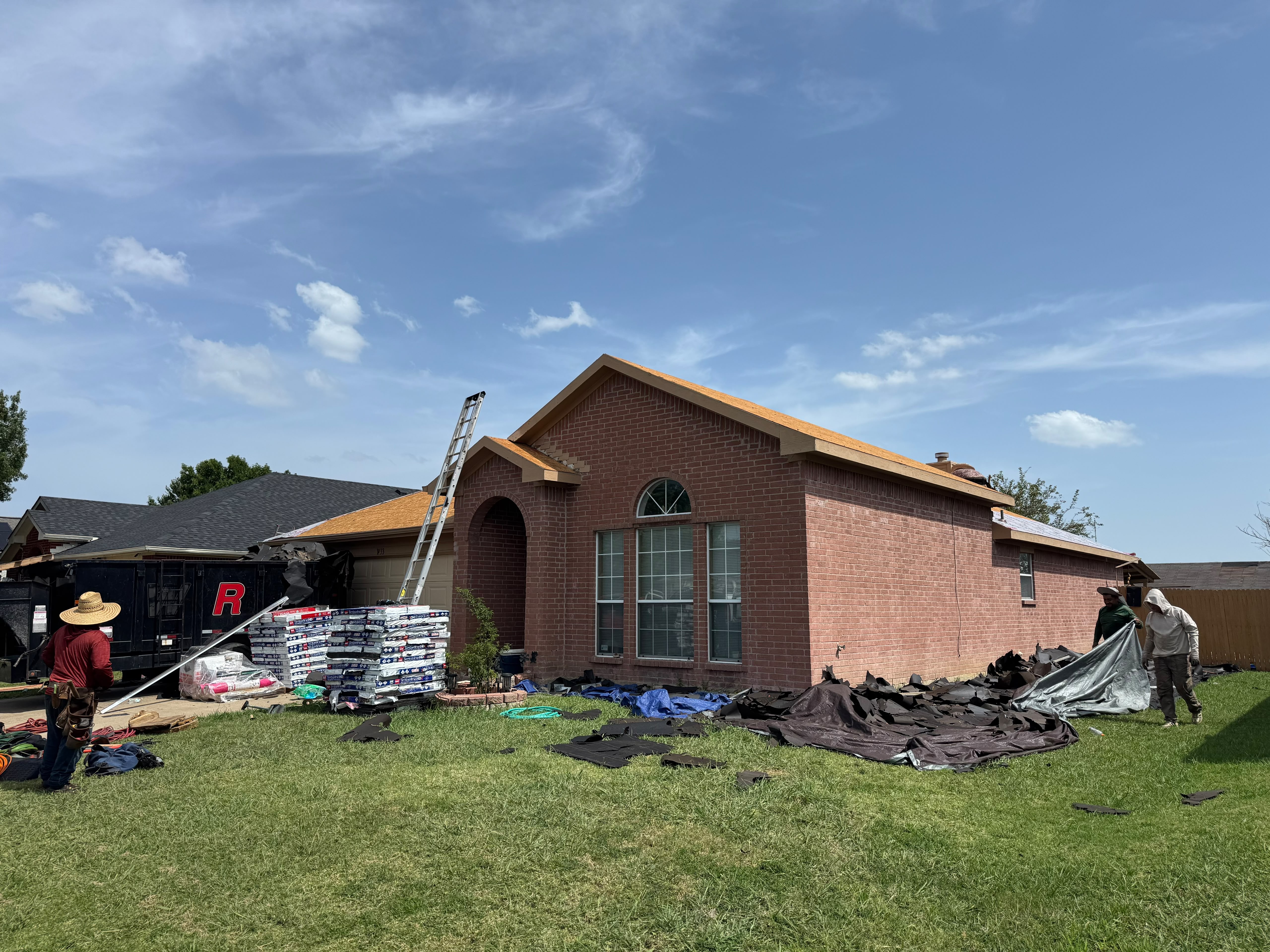
No matter how well you maintain it, every roof has a finite lifespan. Here in Fort Worth, the combination of intense sun, dramatic temperature fluctuations, and occasional severe storms can accelerate this process. Understanding the expected lifespan of your roofing material and recognizing the signs that indicate it's nearing the end of its life is crucial for making informed decisions about replacement. Putting off a necessary roof replacement can lead to much more significant and costly damage to your home's structure, insulation, and interior finishes.
The lifespan of a roof isn't just about how old it is; it's heavily influenced by the quality of the materials used, the quality of the installation, and the local climate. A roof installed poorly or made with subpar materials will fail much sooner, especially under the harsh conditions of North Texas. Conversely, a high-quality roof installed by experienced professionals can last significantly longer.
For standard architectural asphalt shingles, the most common roofing material, you can typically expect a lifespan of 15 to 30 years. However, in a demanding climate like Fort Worth's, you might find yourself on the lower end of that spectrum if the roof hasn't been meticulously maintained or if it was exposed to frequent severe weather. Higher-end roofing materials, like metal or premium architectural shingles, can last considerably longer, often 30-50 years or even more.
So, how do you know when your Fort Worth roof is nearing its inevitable replacement? Look for these tell-tale signs:
1. Age of the Roof
If your roof is approaching or has surpassed its expected lifespan (e.g., over 15-20 years for standard asphalt shingles), it’s time to start planning for replacement, even if you don't see obvious damage. The materials are simply degrading with age.
2. Frequent Leaks or Moisture Issues
If you're experiencing recurring leaks, especially after rain, or if you're noticing water stains in your attic or on your ceilings, it's a strong indicator that your roof's protective layer has failed. This is a major red flag.
3. Visible Shingle Damage
Curling, cracking, blistering, or missing shingles are all signs of a roof that's past its prime. Granule loss, as discussed, is another critical indicator. If large sections of your roof show this kind of wear, replacement is likely imminent.
4. Sagging or Uneven Areas
A roof that is starting to sag in certain areas is a serious structural concern. This can indicate rotting roof decking or underlying structural issues, often caused by prolonged moisture intrusion. This requires immediate professional attention.
Never ignore a sagging roof. This is a sign of compromised structural integrity and can be dangerous. It requires immediate assessment by a professional roofing contractor.
Additionally, consider the number of layers of shingles on your roof. Most local building codes allow for a maximum of two layers of asphalt shingles. If your current roof was installed over an existing one, and you're considering another replacement, it might be the perfect time to remove both old layers and start fresh with a single, properly installed layer. This is often required by code and ensures better performance and longevity.
Making the decision for a full roof replacement can feel daunting, especially with the investment involved. However, it's a critical step in protecting your home's value and ensuring the safety and comfort of your family. Early planning and understanding these signs will help you make the transition smoothly when the time comes. For homeowners in Fort Worth, this proactive approach is key to avoiding costly emergency repairs.
Planning Your Roof Replacement
When it's time for a new roof, choosing the right materials and contractor is paramount. Our roof replacement process at Montesco Roofing is designed for clarity and quality. We guide you through material selection, provide transparent pricing, and ensure expert installation that stands up to Fort Worth's climate. We're here to make this significant investment as smooth as possible.
Fort Worth Roof Repair vs. Replacement: A $15,000 Decision Guide
One of the most common questions homeowners in Fort Worth ask is: "Do I need a minor repair, or is it time for a full roof replacement?" This isn't a simple question, and the answer can have a significant financial impact, often involving thousands of dollars. Deciding between a roof repair and a full replacement requires careful consideration of several factors, including the extent of the damage, the age of your roof, and the potential for future issues.
As a seasoned roofing expert in DFW, I've seen situations where a small repair saved a homeowner thousands, and others where delaying a replacement led to catastrophic damage and a much higher overall cost. The goal is to make the most cost-effective decision that ensures the long-term protection of your home.
Let's break down when each scenario is typically the right choice for a Fort Worth homeowner:
When is a Repair the Right Choice?
A repair is typically suitable when:
- The damage is isolated to a small area.
- Your roof is relatively new and in generally good condition.
- The cause of the damage is clear and addressable (e.g., a few shingles blown off in a wind event).
- The repair cost is significantly less than a full replacement, and you have confidence in the remaining lifespan of your roof.
Be wary of contractors who push for a full replacement when only a small, isolated repair is needed. Conversely, if a contractor suggests multiple small repairs on an old, failing roof, they might be delaying the inevitable and costing you more in the long run.
When is a Replacement Necessary?
A full roof replacement is usually the better option when:
- Your roof is old and nearing the end of its expected lifespan.
- There is widespread damage across the roof, such as extensive granule loss, multiple cracked or curling shingles, or evidence of rot in the decking.
- You've had multiple leaks or repairs in different areas of the roof over a short period.
- Your roof has suffered significant damage from a severe storm, and the integrity of the entire system is compromised.
- You're planning to sell your home and want to ensure it passes inspection and appeals to buyers.
The decision often comes down to a professional assessment. A qualified roofing contractor in Fort Worth can provide an honest evaluation of your roof's condition and help you understand the long-term implications of each choice. At Montesco Roofing, we pride ourselves on providing transparent advice. We'll never recommend a full replacement if a repair will suffice, and we'll always clearly explain why a replacement is the necessary long-term solution when that's the case. It's about protecting your investment and making the most informed decision for your specific situation.
Making the Right Choice
Deciding between repair and replacement is significant. Our experts at Montesco Roofing will perform a thorough inspection to assess the extent of any damage and the overall condition of your roof. We'll provide you with a clear, detailed report and a recommendation that prioritizes your home's protection and your budget. Schedule your inspection today to get an expert opinion on whether a repair or replacement is best for your Fort Worth home.
Choosing a Fort Worth Roofing Contractor: Beyond the Lowest Bid
When it comes to something as critical as your roof, choosing the right contractor is just as important as choosing the right materials. In Fort Worth, like any major metropolitan area, you'll encounter a wide range of roofing companies, from established, reputable businesses to less experienced outfits or even storm chasers who appear after a major weather event and disappear just as quickly. Making the wrong choice can lead to shoddy workmanship, voided warranties, and ultimately, more expensive problems down the road.
It's tempting to go with the lowest bid, especially when facing a significant expense like a roof replacement. However, I can tell you from over 13 years in this industry that cutting corners on your roof is almost always a false economy. The cheapest option rarely offers the best long-term value or the highest quality. A truly professional roofing contractor in Fort Worth will focus on providing a comprehensive solution that ensures your home is protected for years to come.
Here’s what you should look for when selecting a Fort Worth roofing company:
1. Local Presence and Longevity
Is the company based locally in the DFW area? Have they been in business for a significant amount of time? A company that has been serving Fort Worth for over a decade, like Montesco Roofing, has a vested interest in its reputation and is accountable to the community. Storm chasers often vanish after the check clears.
2. Licensing and Insurance
Ensure the contractor is properly licensed and insured. This protects you from liability if an accident occurs on your property and ensures they meet industry standards. Ask for proof of both.
3. Manufacturer Certifications and Warranties
Reputable contractors often have certifications from major roofing material manufacturers (like GAF, Owens Corning, CertainTeed). These certifications mean they've undergone specific training and adhere to manufacturer standards, which is often required to offer extended warranties.
4. References and Reviews
Ask for references from past clients, especially those in your area. Check online reviews on platforms like Google, Yelp, or the Better Business Bureau. Look for consistent positive feedback regarding communication, quality of work, and professionalism.
Always get multiple quotes, but compare them apples-to-apples. A low bid might omit crucial steps like proper underlayment, ventilation, or flashing details. Ensure each quote details the scope of work, materials used, and warranty information.
5. Clear Communication and Detailed Quotes
A good contractor will communicate clearly throughout the process, from the initial estimate to the final walkthrough. Their quote should be detailed, outlining all materials, labor, timelines, and warranty information. Beware of vague estimates or pressure tactics.
6. Workmanship Warranty
Beyond the manufacturer's warranty on materials, a reputable contractor will offer a strong workmanship warranty. This guarantees the quality of their installation. At Montesco Roofing, we stand behind our work with a comprehensive warranty that gives homeowners peace of mind.
Choosing a Fort Worth roofing contractor is a significant decision. It's about finding a partner who will protect your home with integrity and expertise. By focusing on experience, reputation, and quality rather than just price, you'll ensure a lasting investment in your home's safety and value.
Partnering with a Trusted Roofer
Montesco Roofing has been a trusted name in DFW for over 13 years. We are licensed, insured, and certified by leading manufacturers. Our commitment is to provide transparent estimates, high-quality workmanship, and industry-leading warranties. We treat every home like our own. See why Fort Worth homeowners trust us for their roofing needs.
Fort Worth Roof Tips FAQ
Frequently Asked Questions
What is the average lifespan of a roof in Fort Worth?
How often should I get my roof inspected in Fort Worth?
What are the signs that my roof needs immediate attention?
Can hail damage be repaired, or does it always require a full roof replacement?
How does Fort Worth's summer heat affect my roof?
What should I look for when choosing a Fort Worth roofing contractor?
What is the difference between a roof repair and a roof replacement?
Need help putting this into action? Our team has protected hundreds of DFW homes. Tell us about your roof — free inspection, no pressure.
Get Your Free Roof Inspection →Montesco Roofing Team
DFW's trusted roofing contractor with 13+ years of experience. Specializing in roof replacements, storm damage repair, and insurance claims across Dallas-Fort Worth.
Get in touch →