Fort Worth Roof Claims: Filing Timelines, Deductibles and Denials Explained
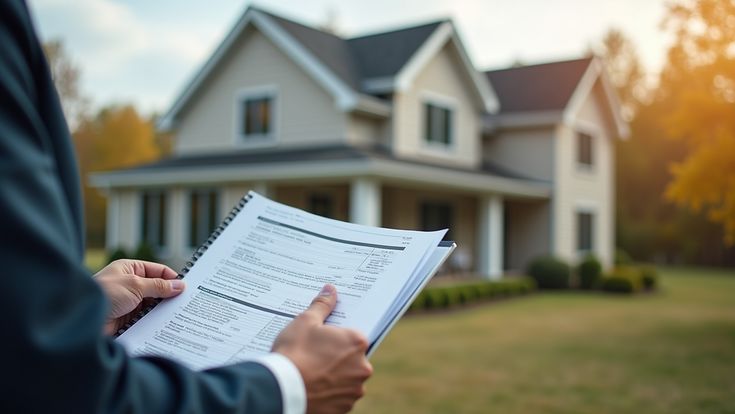
Fort Worth Storm Season 2026: Why Acting Fast on Your Roof Claim is Crucial
You just saw the news: another severe storm rolled through Fort Worth, and you're wondering about your roof. That sinking feeling when you realize hail might have done a number on your shingles, or a strong gust of wind could have lifted a few. Here in North Texas, especially during the spring and fall, this isn't an 'if' but a 'when.' For homeowners in Fort Worth, understanding how to navigate the roof insurance claim process after a storm isn't just about getting your roof fixed; it's about protecting your biggest investment and your family's peace of mind. We've seen firsthand how quickly storm damage can escalate if not addressed promptly, and how confusing insurance paperwork can be. That's why knowing the critical steps, especially those involving timelines and your deductible, is so important right now, in May of 2026.
Quick Answer: In Fort Worth, it's crucial to file your roof insurance claim within 7 days of discovering storm damage to ensure your policy remains valid and to maximize your payout. Understanding your deductible and the specific clauses in your policy, especially regarding depreciation and recoverable amounts, is key to avoiding denials and securing the funds needed for a full roof replacement.
Fort Worth, like much of the Dallas-Fort Worth metroplex, experiences its fair share of dramatic weather. We're talking about intense thunderstorms, high winds, and, of course, damaging hail. These events aren't just a nuisance; they can cause significant structural damage to your roof, leading to leaks, mold, and even compromised integrity over time. The longer you wait to report damage, the more difficult it becomes to prove it was caused by the recent storm, and the more likely your insurance company is to question the claim. For us at Montesco Roofing, with over 13 years serving the DFW area, we've seen it all. We know that a swift, informed response can make all the difference between a smooth claim and a frustrating battle with your insurer.
This isn't just about aesthetics; it's about the structural integrity of your home. Small dents from hail might seem minor now, but they can compromise the protective layer of your shingles, exposing them to the elements and shortening their lifespan. Water intrusion, even a small drip, can lead to rot in your roof decking, mold growth in your attic, and damage to your home's interior. That’s why acting fast isn't just a recommendation; it's a necessity in protecting your property.
The Unique Challenges of Fort Worth's Climate
The DFW climate is notorious for its rapid shifts. We can go from scorching summer heat to sudden, violent thunderstorms with little warning. Hailstorms here aren't just small pebbles; they can be golf-ball sized or even larger, capable of causing significant damage in a short period. These events often affect entire neighborhoods, leading to a surge in claims. This is where understanding your policy and acting quickly becomes paramount. Insurance companies anticipate this, and their processes are designed to handle claims efficiently, but they also rely on homeowners to be proactive.
After any significant storm, take a walk around your property. Look for obvious signs of damage like missing shingles, dents on metal flashing, or debris in your gutters. Documenting this initial assessment with photos and videos can be invaluable when you start your claim.
The importance of a timely report cannot be overstated. It establishes a clear timeline, linking the damage directly to the weather event. This is crucial when you're dealing with potential depreciation claims or when the insurance company might try to argue that the damage is due to normal wear and tear. In Fort Worth, especially with the frequency of storms, proving storm origin is your strongest hand.
The 7-Day Filing Window: What Happens If You Miss the Fort Worth Roof Claim Deadline?
Now, let's talk about the clock. While policies can vary, a general best practice, and often a crucial unwritten rule, is to report storm damage to your insurance company within 7 days of discovering it. Think of it as the golden window. Why such a short timeframe? It's all about establishing a direct link between the damage and the specific weather event. The longer you wait, the more the insurance adjuster can argue that the damage could have occurred from other sources, like general aging, poor maintenance, or subsequent, unreported storms.
Waiting too long to file a claim can lead to your insurer denying it outright, claiming the damage isn't recent or directly attributable to a covered event. This is especially true in areas like Fort Worth that experience frequent weather events.
What happens if you miss that 7-day window? It doesn't automatically mean your claim is dead, but it certainly makes it harder. You'll likely face more scrutiny. The adjuster will want a very good explanation for the delay. If you can provide documentation – perhaps you were out of town, dealing with a family emergency, or simply didn't notice the damage until later – you might still have a case. However, relying on these exceptions is risky. The insurance company might also argue that the delay allowed further damage to occur, and they may only cover the initial damage, not the secondary issues.
At Montesco Roofing, we often get calls from homeowners weeks or even months after a storm, only to find that their initial damage has worsened, and their insurance company is now denying the claim because it's too old. It's heartbreaking to see, and it underscores the importance of prompt action. If you suspect your roof has been damaged by a storm in Fort Worth, don't wait. Get it assessed and report it.
Key Insight
Insurance policies are contracts. They outline specific terms and conditions, including reporting requirements. While the "7-day rule" isn't always a hard-and-fast policy term, it's a widely accepted industry standard for establishing a clear causal link between the damage and the storm. Adhering to it significantly strengthens your claim.
Here's what we recommend: as soon as you suspect damage, document it visually. Take clear photos and videos from the ground and, if safe, from a ladder or your attic. Note the date and time. Then, contact your insurance agent or the claims department immediately. Even if you're unsure about the extent of the damage, reporting it initiates the process and establishes your claim date. We can then help you by providing a professional assessment to submit to your insurance adjuster.
Understanding Your Fort Worth Roof Insurance Deductible: More Than Just a Number
Let's talk about the deductible. This is the amount you'll have to pay out-of-pocket before your insurance coverage kicks in. In Fort Worth, like everywhere else, your deductible is a critical part of your roof insurance claim. It's usually a fixed dollar amount or a percentage of your home's insured value. Understanding this number is vital for budgeting and for setting realistic expectations about your claim payout.
Percentage Deductible
Common for hail/wind claims in Texas. If your home is insured for $400,000, a 2% deductible means you pay $8,000.
Dollar Deductible
A fixed amount, often chosen for more predictable out-of-pocket costs.
Here's where it gets tricky, and where many homeowners in Fort Worth run into trouble: the concept of recoverable depreciation. Most standard homeowner policies in Texas, especially for hail and wind damage, are Actual Cash Value (ACV) policies. This means the insurance company will pay for the depreciated value of your roof first. Depreciation is the reduction in an item's value due to age, wear, and tear. So, if you have a 15-year-old roof and the replacement cost is $20,000, the insurance company might initially pay out only $12,000 (the ACV), keeping $8,000 as depreciation. Your deductible is then subtracted from this ACV payout.
The good news is that if your policy covers Replacement Cost Value (RCV) for your roof – and many do for storm damage – you can recover the remaining depreciation. This usually happens after you've completed the repairs and provided proof (invoices, photos) to your insurance company. The depreciation amount is then paid out to you, effectively covering the full replacement cost, minus your deductible. However, this process requires careful documentation and often a bit of advocacy.
Check your insurance policy declarations page carefully. Look for terms like "Replacement Cost Value" (RCV) versus "Actual Cash Value" (ACV) for your dwelling and other structures. Also, note your specific deductible amount for wind and hail.
At Montesco Roofing, we work closely with homeowners throughout this process. We understand how to properly document the damage and the necessary repairs to meet RCV requirements. We can help you understand the depreciation schedule and ensure you're getting the full payout you're entitled to. Don't let a misunderstanding of your deductible or depreciation leave you footing a bill you shouldn't have to pay.
What many people don't realize is that the "deductible" isn't just a fixed number you pay once. For a full roof replacement, you'll pay your deductible, and then the insurance company will pay the ACV. After the work is done, you'll receive the recoverable depreciation. If your deductible is, say, $5,000 and the recoverable depreciation is $8,000, you essentially get your deductible back, and the insurance company has paid for the entire roof. This is why it's crucial to get a professional assessment and ensure the entire scope of damage is accounted for in the initial claim.
Decoding Your Roof Insurance Policy: Key Clauses for Fort Worth Homeowners in 2026
Your insurance policy is a legal document, and understanding its intricacies is key to a successful roof insurance claim, especially in a storm-prone area like Fort Worth. We're not talking about reading fine print for hours; we're talking about understanding the clauses that directly impact your roof's coverage and payout.
1. Coverage Limits
This is the maximum amount your insurer will pay for a covered loss. Ensure your coverage limit is sufficient to replace your roof with current materials and labor costs.
2. Exclusions
Policies list what they don't cover. Common exclusions might be for pre-existing conditions, lack of maintenance, or damage from floods (unless you have separate flood insurance).
3. Depreciation Clause
As discussed, this determines how ACV is calculated. Look for language around how depreciation is applied and how it can be recovered (RCV).
4. Additional Living Expenses (ALE)
If your home becomes uninhabitable due to a covered loss, ALE can cover temporary housing, meals, etc. This is crucial if your roof damage leads to significant interior issues.
5. Ordinance or Law Coverage
Building codes change. This coverage helps pay for the increased costs to rebuild to current code, which can be significant for older homes in Fort Worth.
One clause that often causes confusion is the "wear and tear" exclusion. Insurance is meant to cover sudden, accidental damage, not gradual deterioration. This is why establishing the storm as the cause of damage is so critical. If your insurer claims the damage is due to wear and tear, your claim could be denied. This is where a professional assessment from a DFW roofing contractor like Montesco is invaluable. We can identify specific signs of storm impact that differentiate it from age-related degradation.
Another critical aspect is understanding the "scope of loss." Your insurance adjuster will assess the damage and create a scope. It's vital that this scope accurately reflects all the damage. For example, if hail has damaged 30% of your roof, but your policy requires 25% or more damage for a full replacement, the adjuster must document this accurately. Sometimes, initial assessments miss subtle but important damage, like micro-cracks in shingles or damage to ventilation components. Having a seasoned roofer present during the inspection or reviewing the adjuster's report is highly recommended.
"The homeowner's policy is the bedrock of protection. If you don't understand what's in it, you're essentially navigating a minefield blindfolded." — Insurance Information Institute, 2025 Homeowner's Guide
We often recommend that our clients take photos and videos of their roof before a storm, if possible. This "pre-storm documentation" can be incredibly useful if you ever need to file a claim. It provides a clear baseline for what the roof looked like before any damage occurred. While this isn't always feasible, it's a good practice for any homeowner in storm-prone areas like Fort Worth.
Navigating these clauses can feel overwhelming. That's why we always encourage homeowners to ask their insurance agent direct questions about their policy's specifics regarding roof damage, deductibles, and replacement cost coverage. Don't be afraid to ask for clarification. A good agent will be happy to walk you through it. If you're still unsure, consider consulting with a public adjuster or a reputable local roofing contractor who has experience working with insurance companies in the DFW area.
Common Roof Claim Denials in Fort Worth (And How to Fight Back)
Facing a denial from your insurance company after a storm can be incredibly frustrating, especially when you know your roof needs repair. In Fort Worth, we see several common reasons why roof insurance claims get denied, but thankfully, many of these denials can be appealed with the right approach.
A common denial reason is "cosmetic damage." Insurers may argue that hail dents on shingles are only aesthetic and don't affect the roof's function. However, these dents can compromise shingle integrity and lead to future leaks.
Here are some of the most frequent denial reasons and how to combat them:
1. Pre-Existing Damage / Wear and Tear
The Argument: The damage is due to age, not the recent storm.
How to Fight: This is where your documentation is key. If you have pre-storm photos, or if a qualified roofer can identify specific storm-related impact (e.g., hail bruises, wind-lifted shingles), you have strong evidence. We look for characteristics that are definitively storm-induced.
2. Cosmetic Damage Only
The Argument: Hail marks are superficial and don't affect performance.
How to Fight: Work with your roofer to demonstrate how the cosmetic damage compromises the shingle's protective granules, exposes the asphalt, and can lead to premature aging and leaks. Many insurance policies cover damage that impacts the "functional value" of the roof, not just leaks.
3. Policy Exclusions / Not a Covered Peril
The Argument: The specific type of damage or cause isn't covered.
How to Fight: Carefully review your policy. If you believe the damage is from a covered peril (like wind or hail), and the insurer claims otherwise, you need to present evidence to the contrary. This might involve expert testimony from your roofer.
4. Insufficient Damage for Replacement
The Argument: Only minor repairs are needed, not a full roof replacement.
How to Fight: This is where scope disagreements happen. A professional roofer can conduct a thorough inspection and provide a detailed estimate that justifies a full replacement based on the extent of damage, code requirements, and manufacturer specifications. We often find that multiple components (shingles, underlayment, ventilation) are compromised.
5. Late Reporting
The Argument: The claim was filed too late after the damage occurred.
How to Fight: As mentioned, this is tough. If you can provide a valid reason for the delay and demonstrate that the damage is still attributable to the storm, you can appeal. However, prevention (reporting within 7 days) is the best strategy.
When you receive a denial letter, read it carefully. It should outline the specific reason for the denial. Don't just accept it. Gather your documentation, consult with your roofing contractor, and prepare a formal appeal. This often involves submitting a detailed report and estimate from your roofer that directly addresses the insurer's stated reasons for denial.
If the appeal is denied, you have further options, including filing a complaint with the Texas Department of Insurance (TDI) or seeking legal counsel. However, most issues can be resolved through a well-prepared appeal with strong backing from a reputable local contractor. At Montesco Roofing, we've helped numerous Fort Worth homeowners navigate these challenges, turning denied claims into approved ones by providing clear, expert evidence.
Remember, your insurance policy is designed to protect you. If you believe the denial is unfair or incorrect, you have the right to challenge it. Don't let a denial discourage you; let it motivate you to gather more information and present a stronger case for your roof insurance claim.
Step-by-Step: Filing Your Fort Worth Roof Insurance Claim for Maximum Payout
Filing a roof insurance claim might seem daunting, but breaking it down into manageable steps can make the process much smoother. Here’s a detailed guide for Fort Worth homeowners to help you achieve a successful payout.
Step 1: Assess Immediate Safety & Document Visible Damage
After a storm, if you notice leaks or visible damage, prioritize safety. Don't go onto a damaged roof. From the ground, take clear photos and videos of any obvious issues: missing shingles, damaged flashing, debris on the roof, water stains in the attic or on ceilings. Note the date and time.
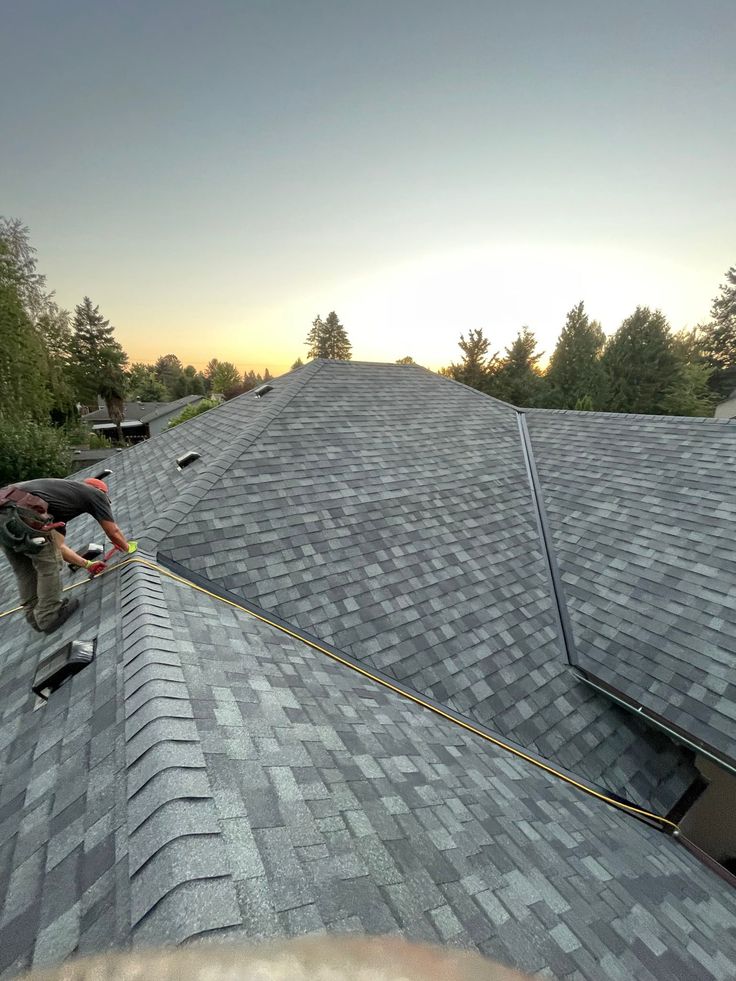
Step 2: Contact Your Insurance Company Promptly
Call your insurance agent or the claims department within the first few days (ideally 7 days). Report the storm and the suspected damage. You'll be assigned a claim number and an adjuster. Ask about your deductible and policy coverage for roof damage (ACV vs. RCV).
Step 3: Schedule a Professional Roof Inspection
This is critical. Contact a reputable, local roofing contractor like Montesco Roofing. We'll conduct a thorough inspection, looking for subtle damage that insurance adjusters might miss. We'll provide you with a detailed report and estimate of repairs or replacement.
Step 4: Meet with the Insurance Adjuster
Be present during the adjuster's inspection if possible. Provide them with your claim number and any photos/videos you've taken. If you have a contractor's report, share it. The adjuster will create their own scope of damages.
Step 5: Compare Estimates and Negotiate
Compare the adjuster's estimate with your contractor's estimate. If there are significant discrepancies, you'll need to advocate for your roof's full repair or replacement. This is where your roofer's expertise is invaluable in discussing the scope with the adjuster.
Step 6: Receive the First Check (ACV)
Your insurance company will likely issue an initial payment based on the Actual Cash Value (ACV) of the damaged items, minus your deductible. Keep this check, but do not cash it until you have a clear understanding of the next steps.
Step 7: Complete the Repairs and Submit for RCV
Once you've agreed on the scope and payment, authorize your chosen contractor (like Montesco Roofing) to begin repairs. After the work is completed, submit all invoices and proof of payment to your insurance company. They will then release the remaining depreciation (if your policy covers RCV) to complete the full payout.
Step 8: Finalize and Close the Claim
Once all payments have been received and repairs are complete, ensure the claim is officially closed with your insurance company. Keep all records for your files.
The key to maximizing your payout is thorough documentation and clear communication with both your insurance company and your roofing contractor. We've seen many situations where homeowners settle for less than they're owed because they didn't have a contractor advocating for them. Our goal is to ensure you get a fair settlement that allows for a high-quality, lasting repair or replacement.
How to Get This Done
If you want to handle this yourself, here's exactly what you need: detailed photographic evidence, a copy of your policy, and a clear understanding of insurance terminology. If you'd rather have experienced roofers handle it, our team has done this on hundreds of DFW homes — here's how our process works: We'll first conduct a free, comprehensive inspection, document all storm-related damage, meet with your insurance adjuster to ensure a fair scope, provide a detailed estimate that aligns with insurance standards, and advocate on your behalf throughout the claims process to ensure you receive the maximum payout for a quality roof replacement.
Don't hesitate to ask questions at every step. If something doesn't make sense, or if you feel the settlement offer isn't fair, it's okay to push back. That's what we're here for. Our expertise in navigating the insurance landscape in Fort Worth means we can often identify discrepancies that homeowners might overlook, ensuring you get the full benefit of your policy.
The Montesco Roofing Advantage: How We Streamline Your Fort Worth Roof Claim
Navigating a roof insurance claim can be a complex and stressful process, especially after a significant storm has impacted your Fort Worth home. At Montesco Roofing, we've built our reputation over 13+ years by not just replacing roofs, but by providing comprehensive support and expertise to homeowners throughout the entire claims journey. We understand that your roof is more than just shingles; it's the primary shield protecting your family and belongings.
Key Insight
Choosing a local, experienced roofing contractor is crucial for storm damage claims. They understand DFW weather patterns, local building codes, and have established relationships with insurance adjusters, which can significantly smooth the claims process.
What sets Montesco Roofing apart when it comes to insurance claims in Fort Worth?
1. Expert Inspections & Documentation: Our team is trained to identify all types of storm damage, from subtle hail bruises to wind-torn shingles and compromised ventilation. We provide detailed inspection reports with high-resolution photos and measurements, clearly outlining the scope of damage. This comprehensive documentation is vital for your claim.
2. Navigating Insurance Lingo: We speak the language of insurance. We understand terms like ACV, RCV, depreciation, deductibles, and scopes of work. We can effectively communicate with your insurance adjuster, ensuring they have all the necessary information to assess the damage accurately and fairly.
3. Fair Scope Negotiation: Insurance adjusters are human, and sometimes their initial assessments may not fully capture the extent of the damage, or they might overlook certain components. We advocate for our clients by reviewing the adjuster's report and, if necessary, negotiating for a more comprehensive scope that reflects the true cost of a proper repair or replacement.
4. Material & Craftsmanship Excellence: We only use high-quality materials from trusted manufacturers like GAF and Owens Corning. Our installation crews are highly skilled, ensuring that your new roof is installed correctly, meeting all manufacturer specifications and local building codes. This attention to detail not only ensures the longevity of your roof but also helps avoid future claim issues related to installation errors.
| Feature | Montesco Roofing Advantage | Typical Storm Chaser |
|---|---|---|
| Local Presence & Accountability | 13+ Years in DFW; Here to stay. | Often gone after the check clears. |
| Insurance Claim Assistance | Full advocacy, fair scope negotiation. | May offer basic assistance, but often limited. |
| Material Quality | Premium brands (GAF, OC, CertainTeed). | May use lower-grade or unknown materials. |
| Workmanship Warranty | 10+ Year Manufacturer-Backed Guarantee. | Often no written warranty or short, limited ones. |
| Code Compliance | Guaranteed adherence to Fort Worth building codes. | May cut corners to save time/money. |
| Long-Term Value | Investment in durability, property value, and peace of mind. | Potential for repeat repairs, higher long-term costs. |
Choosing Montesco Roofing means choosing a partner who is invested in protecting your home and ensuring you receive the full benefit of your insurance policy. We aim to make the roof insurance claim process as stress-free as possible, allowing you to focus on your family while we focus on restoring your roof to its optimal condition.
Our commitment goes beyond just fixing the problem. We're dedicated to building lasting relationships with our clients in Fort Worth. This means being available for questions, providing clear explanations, and ensuring the final result is a roof you can rely on for years to come. We believe that transparency and expertise are the cornerstones of trust, especially when it comes to something as important as your home's protection.
Fort Worth Roof Claim Success Stories: Real Payouts, Real Peace of Mind
Words can only go so far. The true measure of our commitment to helping Fort Worth homeowners with their roof insurance claims lies in the results we've achieved. We've had the privilege of assisting countless families in getting the fair settlements they deserve, restoring their homes, and bringing them peace of mind after damaging storms.
"Montesco Roofing was a lifesaver. After the big hail storm in April, I was overwhelmed with the insurance process. They handled everything, met with the adjuster, and fought for the right amount so I could get a brand new roof. I couldn't be happier." — Sarah K., Fort Worth Homeowner
One family in the Wedgwood neighborhood of Fort Worth experienced significant hail damage in the spring of 2025. Their insurance initially offered a settlement that wouldn't cover a full replacement, citing depreciation and only minor damage. Montesco Roofing conducted a detailed inspection, identifying widespread shingle granule loss, damaged flashing, and compromised ventilation that the adjuster had missed. We presented our findings, along with a comprehensive estimate, to the insurance company. After several discussions and providing additional documentation, the insurance company agreed to increase their offer, covering the full cost of a high-quality roof replacement with premium shingles. The homeowners were thrilled to get a new roof without unexpected out-of-pocket expenses beyond their deductible.
Another instance involved a homeowner in the Benbrook area whose roof suffered wind damage during a severe thunderstorm. The insurance adjuster's report only listed a few missing shingles. However, our inspection revealed extensive uplift damage to the shingles surrounding the missing ones, indicating that the entire roof section was compromised and at risk of future failure. We explained to the homeowner and the adjuster that simply replacing a few shingles wouldn't address the underlying issue and could lead to further damage down the line. By demonstrating the potential for widespread damage and explaining industry best practices, we successfully negotiated a settlement that allowed for a full roof replacement, ensuring the home was properly protected against future weather events.
Key Insight
Many insurance adjusters are experienced but often work under time constraints. A contractor who specializes in storm damage claims can provide the detailed, expert evidence needed to ensure all damage is identified and fairly valued, leading to a more accurate settlement.
These are just a couple of examples of how our expertise makes a difference. We pride ourselves on being a trusted resource for Fort Worth homeowners. Our goal isn't just to get your roof fixed; it's to ensure you get the full value of your insurance policy, allowing for repairs that are done right, with quality materials and expert craftsmanship. This ensures your home remains protected for years to come.
When you choose Montesco Roofing, you're choosing a team that understands the local climate, the insurance process, and the importance of protecting your home. We're not just contractors; we're your advocates, working tirelessly to ensure your roof insurance claim results in a successful outcome and lasting peace of mind.
Frequently Asked Questions About Fort Worth Roof Insurance Claims
What is the typical timeline for filing a roof insurance claim in Fort Worth?
What is a deductible, and how does it affect my roof claim payout?
What's the difference between Actual Cash Value (ACV) and Replacement Cost Value (RCV) for roof claims?
Can my insurance company deny my roof claim for cosmetic damage?
What if the insurance adjuster's estimate is lower than my roofer's estimate?
Do I need to use the roofing contractor recommended by my insurance company?
How long does the entire roof insurance claim process typically take in Fort Worth?
Need help navigating your Fort Worth roof insurance claim? Our team has protected hundreds of DFW homes and understands the insurance process inside and out. Tell us about your roof — free inspection, no pressure, just expert guidance.
Get Your Free Roof Inspection →Montesco Roofing Team
DFW's trusted roofing contractor with 13+ years of experience. Specializing in roof replacements, storm damage repair, and insurance claims across Dallas-Fort Worth.
Get in touch →