Fort Worth Hail Damage Photos: What Adjuster Marks vs. What They Miss in 2026
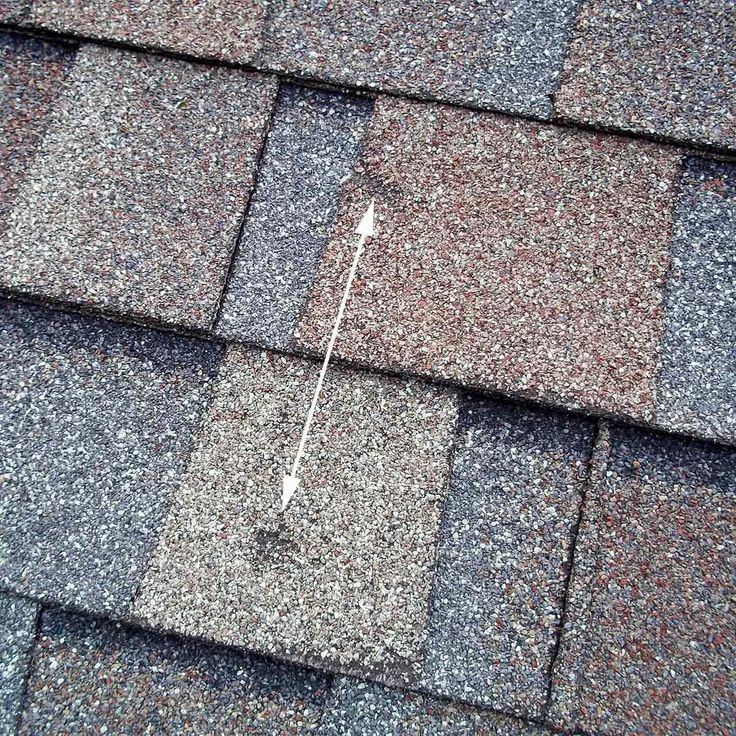
The Unseen Battle: Why Hail Damage Photos Matter for Your Fort Worth Roof in 2026
You just saw the news – another severe storm rolled through Fort Worth, leaving a trail of potential damage. Now comes the anxious wait, the walk around your property, and that sinking feeling when you spot a ding on your car or, worse, a concerning mark on your roof. In the DFW metroplex, especially in 2026, we know that hail isn't just an inconvenience; it's a significant threat to your home's integrity. The real battle, however, often begins after the storm passes, when you're dealing with insurance adjusters and trying to ensure your home is properly restored. This is where clear, accurate hail damage photos become your most powerful ally. Many homeowners in Fort Worth think a few dents mean a quick fix, but the reality is far more complex. Understanding what to look for, what adjusters are trained to identify, and, critically, what they might overlook is the key to a fair insurance settlement and a roof that's truly protected for years to come.Why Photos Are Your Best Friend
In the world of insurance claims, especially after a storm, 'seeing is believing.' Your photos act as objective evidence, providing a clear record of the damage sustained. They help you communicate the extent of the problem to your insurance company and your chosen roofing contractor, ensuring everyone is on the same page. For a Fort Worth homeowner navigating the aftermath of a hail storm in 2026, this documentation isn't just helpful – it's essential.
Adjuster's Checklist: Common Hail Marks on Fort Worth Roofs You'll See in Photos
When an insurance adjuster comes to inspect your Fort Worth roof after a hail storm, they're working off a set of guidelines and training designed to identify specific types of damage. Their goal is to assess whether the hail impact meets the threshold for an insurance claim. You'll typically see them looking for and documenting certain visual cues. Understanding these common marks will help you follow along with their inspection and ensure you're both looking at the same roof.Dented Shingles
This is the most obvious sign. Adjusters will look for distinct indentations where hailstones have struck the asphalt shingles. The size and depth of the dent can vary depending on the hailstone size and the shingle's age and condition.
Cracked Shingles
Sometimes, hail impact doesn't just dent; it cracks the shingle. This can range from hairline fractures to more significant breaks that expose the underlying felt mat. These cracks are a clear indicator of impact force.
Granule Loss (Localized)
Hailstones can knock off the protective granules from the surface of asphalt shingles. Adjusters will look for concentrated areas of granule loss that correlate with impact points. Significant granule loss exposes the asphalt layer to UV rays, accelerating wear.
Impact Bruises
This is a bit more subtle. A hailstone can strike a shingle with enough force to bruise the asphalt without necessarily cracking or creating a deep dent. These bruises can look like dark spots or areas where the asphalt appears softened or fractured on a microscopic level. Adjusters are trained to spot these, but they can be easily missed if not closely examined.
When taking your own photos, try to capture the angle of the sun to highlight the dents and cracks. Also, take wide shots to show the overall roof condition and close-ups of individual damaged shingles. Include a ruler or common object (like a coin) in your close-ups for scale.
Beyond the Obvious: 7 Types of Hail Damage Adjusters Frequently Miss in Fort Worth
While adjusters are skilled professionals, the sheer volume of storms in places like Fort Worth in 2026 means they often work under tight schedules. This can lead to critical details being overlooked. The damage caused by hail isn't always a dramatic crack or dent. Sometimes, it's more insidious, creating weaknesses that will lead to premature roof failure down the line. As a homeowner, being aware of these less obvious signs of missed hail damage is crucial for a complete and fair claim.A common mistake is assuming that if an adjuster didn't mark it, it isn't damaged. However, adjusters are human and work under pressure. It's your responsibility to ensure all damage is identified. Don't hesitate to point out areas you're concerned about and ask for clarification.
1. Bruised Asphalt
As mentioned, hailstones can bruise the asphalt layer of a shingle without causing a visible crack or deep dent. This internal damage weakens the shingle's structure and makes it more susceptible to future cracking and granule loss. These bruises often appear as slightly darker or discolored patches that can be hard to spot without the right lighting and angle.
2. Micro-Cracks
These are tiny, almost invisible cracks that can form on the surface of the shingle. They might not penetrate the entire asphalt layer but create pathways for water intrusion over time. They are exceptionally difficult to see and require a keen eye and often magnification.
3. Damaged Ridge Cap Shingles
Ridge cap shingles are often thicker and more robust, but they are not immune to hail. Hail can cause cracks or significant granule loss on these crucial pieces that protect the roof’s peak. Damage here is vital because it’s a primary point for water entry if compromised.
4. Compromised Ventilation Components
Roof vents, turbines, and other ventilation systems are often made of plastic or metal. Hail can dent, crack, or even puncture these components. Damaged vents can lead to poor attic ventilation, causing moisture buildup, mold growth, and accelerated deterioration of your roof deck and insulation.
5. Damaged Flashing
Flashing around chimneys, skylights, and dormers is critical for preventing leaks. Hail can dent or warp this metal, compromising its seal. Even minor warping can create gaps where water can seep in, leading to rot in the roof deck and interior water damage.
6. Granule Wash-Off on Adjacent Surfaces
While adjusters look for localized granule loss on shingles, they might not always consider the cumulative effect of granules washed off from multiple impacts. These loose granules can clog gutters and downspouts, potentially leading to water backup and further damage if not cleared.
7. Hail on Multiple Roof Planes
Some adjusters may focus their inspection on the most visible or accessible roof planes. However, hail can impact all sides of your roof, even those facing away from the storm's direct path. It’s essential to have the entire roof system inspected.
Decoding the Damage: A Visual Guide to Hail Impact Patterns (Photos Included)
Understanding the patterns of hail impacts can help you identify potential damage that might have been overlooked. Hailstones, depending on their size, shape, and trajectory, create distinct marks. Recognizing these patterns is the first step in knowing what to photograph and what to discuss with your adjuster.The Anatomy of a Hail Strike
A single hailstone striking an asphalt shingle typically causes a localized impact. The force can compress the shingle, dislodge granules, and potentially crack the asphalt mat. The severity depends on the hailstone's size, speed, angle of impact, and the condition of the shingle itself. Older, brittle shingles are more prone to cracking, while newer ones might show more pronounced dents and bruises.
Small Hail (Pea to Marble Size)
These impacts are often subtle. They may cause minor granule loss or small, shallow dents that are difficult to see without close inspection and good lighting. The key here is to look for clusters of these small marks, as even small hail can cause significant granule loss over a large area, affecting the roof's overall protective capabilities.
Medium Hail (Quarter to Golf Ball Size)
This is where you'll see more pronounced dents. The impact will be clearly visible as an indentation, and there will likely be significant granule loss around the impact site. You might also start seeing hairline cracks. These are the kinds of marks adjusters are typically trained to spot readily.
Large Hail (Golf Ball to Baseball Size)
Large hail causes significant damage. You’ll see deep dents, often with visible cracking or even shattering of the shingle. In some cases, the hailstone can punch through the shingle, exposing the underlayment or roof deck. These impacts are unmistakable and usually lead to a claim.
When documenting, try to get photos from different angles. A shot directly overhead might miss a subtle dent. A shot from an angle, with light reflecting off the surface, can make those dents and bruises pop. Also, don't forget to photograph the gutters and downspouts for signs of hail accumulation or damage.
The Cumulative Effect
It's not always about one giant hailstone. Multiple smaller impacts over time, or even a single severe storm with a variety of hail sizes, can create widespread damage. What might look like minor wear and tear to an untrained eye could be the cumulative effect of hail strikes, significantly shortening your roof's lifespan.
The $15,000 Difference: Why Minor Hail Dings Can Lead to Major Roof Failure
It’s easy to dismiss a few small dents as cosmetic issues. After all, the roof is still technically ‘on’ your house, right? This is a dangerous assumption, especially here in the DFW area. What might seem like a minor cosmetic blemish in 2026 can, over the next 1-3 years, lead to significant structural problems and costly repairs that far exceed the initial damage. This is where the true value of a thorough inspection and comprehensive hail damage documentation becomes apparent.Don't let anyone pressure you into accepting a quick cash settlement for minor hail damage. These offers often come from less reputable sources and rarely cover the true cost of a proper repair or replacement, leaving you with a compromised roof and out-of-pocket expenses later.
The Cascade Effect of Undetected Hail Damage
- Granule Loss: Hail strikes dislodge protective granules. Without them, the asphalt layer is exposed to UV radiation, which dries out and cracks the shingle.
- Asphalt Degradation: The exposed asphalt becomes brittle. It loses its flexibility and becomes prone to cracking.
- Water Intrusion: Cracks and micro-cracks allow water to seep through the shingles. Initially, this might be minimal.
- Underlayment Damage: Water that gets past the shingles can saturate the underlayment (the felt or synthetic material beneath the shingles). This material can rot and lose its waterproofing capabilities.
- Roof Deck Rot: The water then reaches the wooden roof deck (plywood or OSB). Rotting wood loses its structural integrity, becoming soft and weak.
- Mold and Mildew: Moisture trapped in the attic and within the roof structure creates a breeding ground for mold and mildew, which can impact indoor air quality and cause health issues.
- Structural Compromise: Over time, a rotted roof deck can sag or even collapse under its own weight or the weight of snow or debris, leading to catastrophic failure.
- Interior Damage: Leaks will eventually find their way into your home, causing stained ceilings, damaged drywall, warped floors, and ruined insulation.
How to Get This Done
If you're concerned about potential hail damage, the best first step is a professional inspection. Many homeowners in Fort Worth choose to document their own initial findings. If you want to handle this yourself, here's exactly what you need: a sturdy ladder, safety gear, a camera, and a keen eye for detail. If you'd rather have experienced roofers handle it, our team at Montesco Roofing has performed hundreds of detailed hail damage inspections across DFW. We know exactly what to look for – from the obvious to the subtle – and how to document it for your insurance claim. We'll provide a thorough report with high-quality photos, giving you the leverage you need.
Your 2026 Insurance Claim: How to Document Hail Damage Like a Pro (Photo Guide)
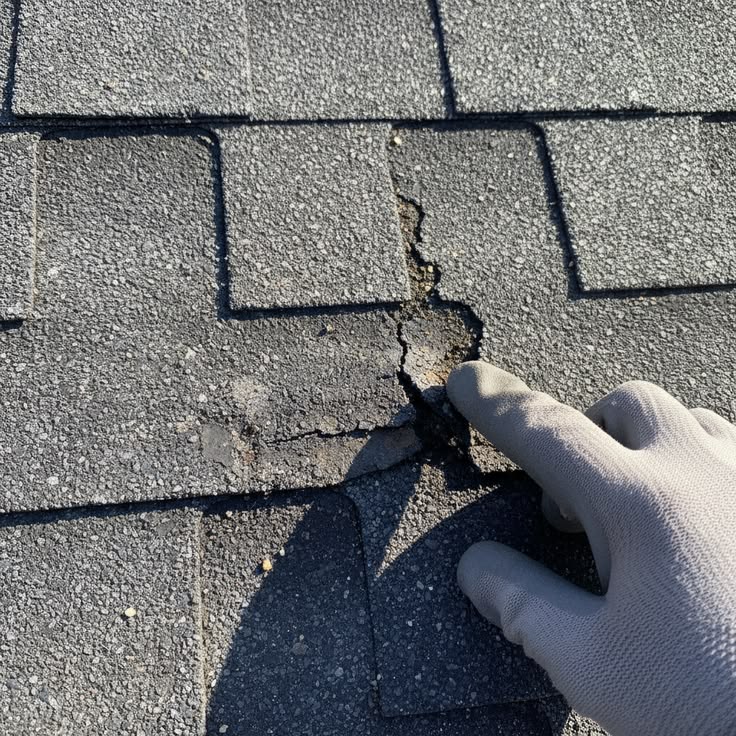
Step 1: Safety First!
Before you even think about getting on a ladder, ensure your safety. Assess the weather. If it's still windy or raining, stay inside. If you must go on the roof, have someone spot you, use a secure ladder, and wear appropriate footwear. If you're uncomfortable or unable to safely access your roof, that’s a sign to call a professional.

Step 2: The Wide Shot
Start with the big picture. Take photos of each side of your roof from the ground. This shows the overall condition and can highlight any obvious issues like missing shingles or sagging areas. These wide shots provide context for your close-ups.
Step 3: Focus on Shingles
This is where the detail work begins. Get close enough to clearly see the shingles. Look for dents, cracks, granule loss, and bruising. Take multiple shots of each damaged shingle, showing different angles and lighting. If you can, place a common object (like a quarter or a ruler) next to the damage for scale.
Step 4: Document Granule Loss
Pay special attention to your gutters and downspouts. If you see a significant amount of asphalt granules collected there, it's a strong indicator of hail impact on the shingles above. Take photos of the granules in the gutters and, if possible, the areas on the roof directly above them.
Step 5: Inspect Other Components
Don't forget critical roof components. Photograph any damage to ventilation caps, pipe boots, flashing around chimneys and skylights, and the ridge caps. These areas are often overlooked but are vital for preventing leaks.
Step 6: The Attic Check
If you can safely access your attic, look for any signs of water intrusion or daylight peeking through the roof deck. Take photos of any water stains, damp insulation, or visible light. This is crucial evidence of leaks.
Organize your photos immediately after taking them. Create folders on your phone or computer, perhaps by roof section (north side, south side, etc.) or by type of damage. Date-stamp your photos if your camera or phone has that capability. This organization is invaluable when submitting your claim.
When to Call a Professional for Photos
If the hail was significant, or if your roof is steep, multi-story, or has complex features, attempting to take your own photos might be unsafe or impractical. This is where hiring a reputable roofing contractor in Fort Worth is essential. We have the equipment, training, and insurance to safely and thoroughly document all damage, often identifying issues that a homeowner might miss.
Montesco Roofing's 10-Point Hail Damage Inspection: What We Find That Others Don't
Living in the DFW area, we've seen firsthand how devastating hail storms can be. At Montesco Roofing, with over 13 years of experience protecting homes right here in North Texas, we understand the nuances of hail damage better than most. We don't just look for the obvious dents; our hail damage inspection is a meticulous, multi-point process designed to uncover every bit of damage, ensuring your home is truly protected and your insurance claim is handled fairly.Standard Adjuster Inspection
Often focused on identifying clear impact marks that meet specific insurance criteria. May be time-constrained, leading to missed subtle damage. Primarily uses visual assessment and chalk marking.
Montesco Roofing Inspection
A comprehensive 10-point system. We meticulously examine every aspect of your roof system, from shingles to underlayment and ventilation, using specialized tools and techniques. Our goal is to document all damage, not just what's easily visible or meets initial claim thresholds.
1. Shingle Surface Assessment
We examine each shingle for dents, cracks, granule loss, and bruising, using specialized lighting to reveal subtle damage.
2. Granule Analysis
We check gutters and downspouts for excessive granule accumulation and analyze the roof surface for concentrated granule loss patterns.
3. Ridge Cap and Hip Inspection
We pay close attention to the integrity of ridge cap shingles and hip shingles, as damage here is critical for water management.
4. Ventilation System Check
We inspect all roof vents, turbines, and soffit vents for dents, cracks, or blockages caused by hail, ensuring proper attic airflow.
5. Flashing Integrity Check
Around chimneys, skylights, dormers, and valleys, we meticulously check flashing for dents, warping, or separation that could compromise seals.
6. Underlayment Examination
If possible, we'll look for signs of compromised underlayment through attic inspections or by carefully examining any exposed areas from impact.
7. Roof Deck Integrity
We look for any indicators of moisture damage or rot in the roof deck, especially in areas where leaks might be suspected.
8. Gutter and Downspout Condition
Beyond just granules, we check for hail impacts on the gutters themselves and ensure downspouts are clear and functioning correctly.
9. Overall Roof Slope and Sagging
We assess the entire roof for any signs of sagging or unusual settling that could indicate underlying structural damage from repeated impacts.
10. Comprehensive Photo & Video Documentation
Every finding, from the most obvious to the most subtle, is captured with high-resolution photos and often video, creating an irrefutable record for your claim.
How to Get This Done
If you're in Fort Worth and suspect hail damage, don't wait. The sooner you address it, the better. If you want to handle the initial documentation yourself, follow the photo guide above. If you want the peace of mind that comes with a professional, thorough inspection, contact Montesco Roofing today. We'll schedule a free, no-obligation inspection and provide you with a detailed report and clear recommendations. We're not just selling a roof; we're protecting your home.
Fort Worth Hail Damage Photo Gallery: Real Examples of What to Look For
Seeing is believing, and sometimes, seeing real-world examples of hail damage can be the most convincing way to understand what you should be looking for on your own roof. These are the types of hail damage photos that tell a story – a story of impact, potential compromise, and the need for professional assessment. Remember, these are illustrative examples, and actual damage can vary greatly.Context is Key
When looking at any hail damage photo, always consider the context. What type of shingle is it? What was the approximate size of the hail? What angle did the impact occur? These factors all influence the appearance of the damage. Even minor-looking damage can be significant if it compromises the shingle's protective layer.
A close-up shot of an asphalt shingle exhibiting a clear, circular dent where a hailstone struck. Granules are noticeably missing from the impact site, exposing the black asphalt layer beneath. The edges of the dent are slightly raised, indicating the force of the impact.
This photo shows a shingle with a hairline crack radiating from an impact point. The crack is faint but visible, suggesting the asphalt mat has been stressed and potentially compromised, making it vulnerable to water penetration.
A cluster of small, dark spots on a shingle's surface. These are impact bruises, where the hailstone compressed the asphalt without causing a visible dent or crack. Significant granule loss might be present in the surrounding area, indicating cumulative stress.
A collection of asphalt granules gathered in a gutter. This photo serves as evidence that hail has impacted the shingles directly above, dislodging the protective granules that are now washed down into the gutter system.
A damaged ridge cap shingle. It shows a significant crack running along its edge, likely caused by a direct hail impact. Damage to ridge caps is particularly concerning as they are crucial for roof ventilation and watershed.
A dented plastic roof vent cover. The impact has deformed the vent, potentially creating gaps or cracks that could allow water or pests into the attic, compromising attic ventilation and the roof structure.
Frequently Asked Questions About Fort Worth Hail Damage Photos and Claims
Frequently Asked Questions About Fort Worth Hail Damage Photos and Claims
How soon after a hail storm should I inspect my roof in Fort Worth?
What if the insurance adjuster misses some damage? Can I still get it covered?
How much does a typical roof replacement cost in Fort Worth in 2026?
Are there specific types of shingles that are more susceptible to hail damage?
What is the difference between hail damage and wind damage?
Should I get my roof inspected by a professional even if I don't see obvious damage?
Need help navigating your Fort Worth hail damage claim? Our team has protected hundreds of DFW homes from the elements. We offer free inspections and will work with your insurance company to ensure your roof is properly repaired or replaced. Don't let storm damage compromise your home's safety and value.
Get Your Free Hail Damage Inspection →Montesco Roofing Team
DFW's trusted roofing contractor with 13+ years of experience. Specializing in roof replacements, storm damage repair, and insurance claims across Dallas-Fort Worth.
Get in touch →