Flat Roof Ponding in DFW: Code Triggers, Drain Fixes & How Montesco Documents Repairs in 2026
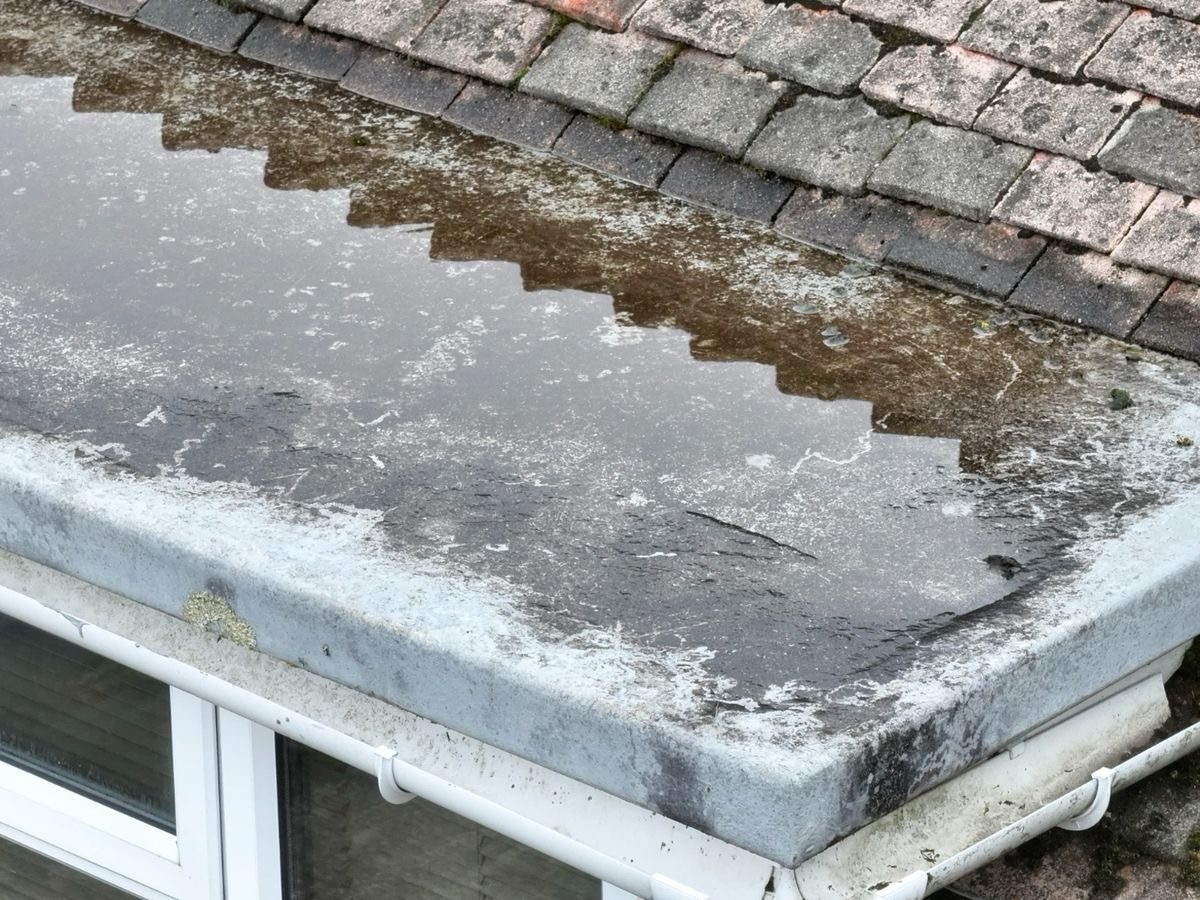
The Hidden Dangers of Flat Roof Ponding: More Than Just Standing Water
You might look at a flat roof and think it's pretty straightforward. But when water starts to sit there – what we call flat roof ponding – it's a signal that something's not right. And in the DFW climate, where we can get anything from a stubborn drizzle to a torrential downpour, that standing water can turn into a real headache for building owners. It's not just about an unsightly mess; it's about the structural integrity of your entire building.
Here in Dallas-Fort Worth, we see a lot of commercial buildings, warehouses, apartment complexes, and even some larger homes with flat or low-slope roofs. These roofs are designed to shed water, but they aren't meant to hold it. When water lingers for more than 48 hours after a rain event, that's generally considered ponding. This prolonged exposure can lead to a cascade of problems, from immediate leaks to long-term damage that compromises the entire roof system and even the building's structure beneath it.
Think of it like a bathtub with a slow drain. If the water doesn't go down quickly, it starts to wear away at the tub's surface. Your roof is no different. The materials, the seams, the flashing – they're all subjected to constant moisture, which can break them down prematurely. This is why understanding the causes and solutions for ponding water is crucial for any building owner in North Texas.
Quick Answer: Flat roof ponding in DFW occurs when water remains on a flat or low-slope roof for more than 48 hours after rainfall, indicating drainage issues. This can lead to structural damage, leaks, material degradation, and potential code violations. Addressing ponding promptly with proper drainage solutions and professional repairs is essential for building longevity and safety.
DFW Building Codes & Ponding Water: What Triggers a Violation in 2026?
Building codes exist for a reason: to ensure safety and structural soundness. When it comes to flat roofs and ponding water, local building codes, like those adopted by cities across the DFW metroplex (think Dallas, Fort Worth, Plano, Frisco), are quite clear. The International Building Code (IBC), which most Texas municipalities base their regulations on, specifies requirements for roof drainage to prevent the accumulation of water.
Generally, a roof is considered to be in violation if water remains on it for more than 48 hours after the cessation of precipitation. This isn't just a guideline; it's a mandate. Why 48 hours? Because that's typically the timeframe within which standing water starts to exert significant stress on the roofing materials and the underlying structure. It also indicates a failure in the drainage system – whether it's clogged drains, improper slope, or undersized components.
In 2026, inspectors are particularly vigilant about these issues, especially after the intense storm seasons we've experienced. A failed drainage system can lead to accelerated wear and tear on your roofing membrane, seams separating, and ultimately, water intrusion into the building. This can cause damage to insulation, drywall, electrical systems, and even compromise the structural integrity of the roof deck and supporting beams. For commercial properties, this can mean business interruption, costly repairs, and potential liability.
Failure to comply with these code requirements can result in fines, mandated repairs, and even stop-work orders until the drainage issues are rectified. It's far more cost-effective to address ponding water proactively than to wait for a code violation or, worse, a major structural failure.
Why Your Flat Roof Drains Are Failing: Common Culprits & Preventative Measures
So, if the roof is designed to shed water, why does it end up holding it? The answer almost always comes down to the drainage system. These systems, whether they're internal drains, scuppers, or gutters, are the unsung heroes of a flat roof. When they fail, ponding is inevitable.
One of the most common culprits is simple clogging. Debris – leaves, twigs, dirt, even small branches blown in by those North Texas winds – can accumulate in roof drains, gutters, and downspouts. This debris forms a dam, preventing water from flowing freely. Over time, this can become a significant blockage.
Another major issue is improper slope. Flat roofs aren't perfectly flat; they're designed with a slight slope (often called a "slope to drain") to direct water towards the drainage points. If this slope is insufficient, or if the roof has settled or sagged over time due to structural issues or material fatigue, water will naturally pool in low spots. This is a more complex problem that might require structural assessment.
We also see problems with drainage system design and installation. Sometimes, the drains themselves are too small for the roof area they're supposed to service, especially in areas prone to heavy rainfall like parts of DFW. Or, the installation might have been done incorrectly, leading to leaks or blockages at the connection points.
And let's not forget the impact of wear and tear. In the DFW heat and occasional harsh weather, roofing materials can degrade. Seams can split, flashing can loosen, and small cracks can form. These imperfections can trap water or prevent it from reaching the drains effectively.
The best way to combat these issues is through regular maintenance. This means periodic inspections to check for debris, damage, and proper drainage flow. It also involves ensuring the roof has the correct slope and that the drainage components are functioning as intended.
Pro Tip: Don't wait for visible ponding. Schedule professional roof inspections at least twice a year, especially in spring and fall, to catch potential drainage issues before they become major problems. A quick sweep of drains and gutters can save you thousands in repairs down the line.
Drain Solutions for DFW Flat Roofs: From Standard to Advanced Systems
When ponding water is identified as a problem, the solution lies in improving or implementing effective drainage. For DFW building owners, there's a range of options, from simple fixes to more robust, modern systems.
The most basic solution involves clearing and repairing existing drains. This means removing accumulated debris, checking for damage to the drain housing, and ensuring the connecting pipes are clear and intact. Sometimes, simply ensuring the scuppers (openings in the parapet walls that allow water to drain off the roof edge) are clear and properly flashed can make a significant difference.
For roofs with persistent ponding due to insufficient slope, adding tapered insulation is a common and effective solution. This involves installing specially cut insulation boards that create a proper slope towards the drains, effectively guiding water away. It's a more involved process than just clearing drains but addresses the fundamental issue of inadequate drainage design.
Another advanced solution is the installation of internal roof drains with overflow capabilities. Standard drains handle the typical rainfall, but overflow drains are designed to manage excess water during heavier storms, preventing it from accumulating on the roof surface. These are often required by code for larger roof areas.
In some cases, especially with older buildings or significant structural sag, a full roof replacement might be the most practical and long-term solution. During a replacement, the roof deck can be repaired or replaced, the proper slope can be engineered, and a new, high-performance drainage system can be installed. This is an opportunity to upgrade to more efficient and reliable drainage components.
For modern buildings or those undergoing significant renovations, secondary drainage systems like a suspended drain system or a meticulously designed sloped deck can be incorporated. The key is to match the solution to the specific problem and the building's requirements, ensuring that water is managed efficiently and effectively, especially given the variable weather patterns we see here in North Texas.
Standard Drain Clearing
Pros: Quick, inexpensive, addresses immediate blockages.
Cons: Temporary if underlying issue (slope, damage) isn't fixed. May not be sufficient for heavy rain.
Tapered Insulation Installation
Pros: Creates proper slope, resolves pooling in low spots, improves insulation.
Cons: More costly, requires specialized installation, may involve temporary roof closure.
New Drainage System (Internal/Overflow)
Pros: Highly effective, meets code requirements, long-term solution.
Cons: Significant investment, requires professional design and installation.
The Cost of Neglect: How Ponding Water Destroys Your Flat Roof Structure
Ignoring flat roof ponding isn't just about aesthetics; it's an invitation for serious structural damage. The consequences of letting water sit on your roof for extended periods can be far-reaching and incredibly expensive to fix.
First and foremost, prolonged exposure to water degrades the roofing membrane. Whether you have a TPO, EPDM, PVC, or modified bitumen roof, the constant moisture can break down the materials, making them brittle, prone to cracking, and less resistant to UV rays and temperature fluctuations. This accelerates the aging process of your roof.
This degradation leads directly to leaks. Water finds its way through compromised seams, punctures, and deteriorated membrane sections, eventually seeping into the roof system. Once inside, it can reach the insulation, reducing its R-value (thermal resistance) and leading to energy inefficiency. Worse, it can reach the roof deck – the structural material beneath the membrane.
The roof deck, often made of plywood, gypsum, or concrete, is not designed to be constantly saturated. Water intrusion can cause rot in wooden decks, leading to significant structural weakening. In severe cases, this can compromise the entire roof structure, potentially leading to sagging or even collapse. Imagine the danger this poses to occupants and property below.
Beyond the roof deck, water can travel down through the building's structure, damaging interior finishes like drywall, paint, and flooring. It can also affect electrical systems, posing a fire hazard, and lead to the growth of mold and mildew, which are detrimental to indoor air quality and occupant health.
Furthermore, standing water adds significant dead weight to the roof. While roofs are engineered to handle certain loads, the cumulative weight of water, especially during heavy rain or if ice forms on top, can exceed the roof's design capacity. This is a critical safety concern.
The financial implications of neglecting ponding are substantial. You're looking at costs for emergency leak repairs, mold remediation, structural repairs, interior damage restoration, potential business interruption, and eventually, a premature roof replacement. The cost of proactive maintenance and timely repairs is always a fraction of the cost of dealing with extensive damage.
Watch Out: Ignoring small puddles on your flat roof can lead to a domino effect of costly repairs. The added weight of standing water can stress the roof structure, and the constant moisture can cause underlying materials to deteriorate much faster than anticipated, leading to leaks and potential structural compromise.
Flat Roof Repair Options: Addressing Ponding Water Effectively
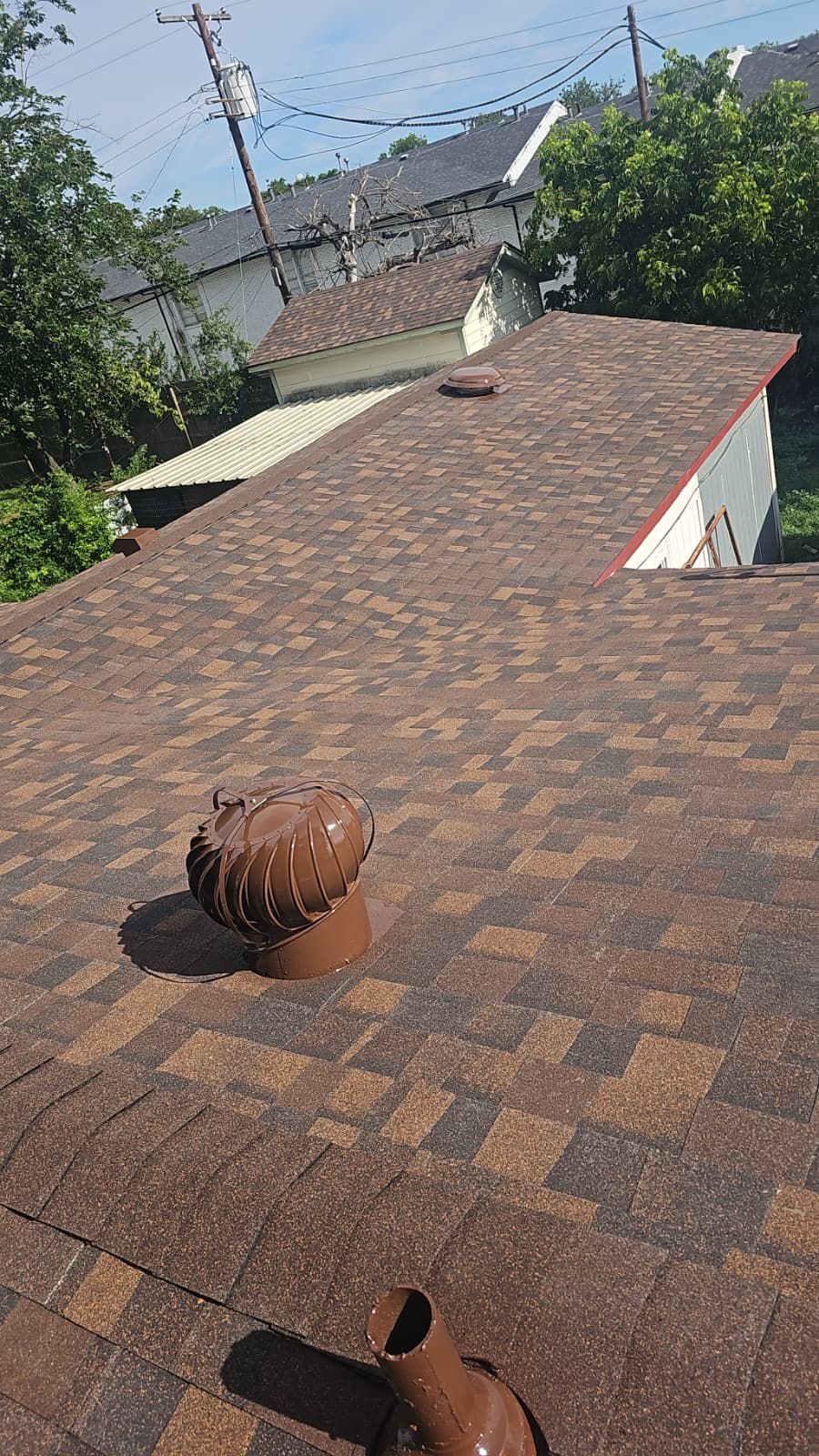
When you've identified ponding water on your flat roof, it's time to consider repair options. The best approach depends on the severity of the ponding, the cause, and the overall condition of your roof. At Montesco Roofing, we approach these situations methodically to ensure a lasting solution.
For minor issues where the ponding is intermittent and the roof membrane is still in good condition, the first step is usually clearing and inspecting the drainage system. This involves removing any debris from drains, scuppers, and downspouts. We'll also check for any obstructions in the piping and ensure the drains themselves are properly seated and sealed.
If the issue is due to a minor sag or inadequate slope in a specific area, targeted repairs might be possible. This could involve applying a water-activated sealant or patch material to small cracks or seam separations that are contributing to water retention. For areas where the slope is slightly off, specialized roof repair compounds or coatings can sometimes be used to build up low spots and create a better drainage path. However, these are typically considered temporary fixes if the underlying slope issue is significant.

A more robust solution for persistent ponding caused by poor slope is the application of tapered insulation systems. This involves installing custom-cut insulation boards that create a precise slope, guiding water efficiently to the drains. This is a comprehensive repair that addresses the structural drainage design of the roof.
If the roofing membrane itself is showing significant signs of wear, cracking, or is nearing the end of its lifespan, a partial or full roof replacement might be the most prudent option. During a replacement, we can address any underlying deck damage, ensure proper slope is engineered into the new roof structure, and install a state-of-the-art drainage system. This is often the most cost-effective long-term solution for roofs plagued by chronic ponding.
For certain types of flat roofs, refurbishment coatings can also be an option. These specialized coatings can help to seal minor imperfections, improve reflectivity (reducing heat absorption), and sometimes even enhance the roof's ability to shed water. However, coatings are not a substitute for proper drainage and structural integrity.
How to Get This Done
If you suspect ponding water on your flat roof, the first step is a thorough inspection. You can check your gutters and visible roof drains for obvious blockages. Look for areas where water seems to be pooling after rain. However, a professional assessment is critical to diagnose the root cause and determine the appropriate repair. If you want to handle this yourself, start by documenting any standing water with photos and notes on duration. If you'd rather have experienced roofers handle it, our team has assessed and repaired hundreds of DFW flat roofs — here's how our process works: We begin with a detailed inspection, identify the cause of ponding (clogged drains, poor slope, membrane damage), propose tailored repair solutions (drain clearing, tapered insulation, membrane repair, or replacement), and provide a transparent estimate. We then execute the repair with precision, ensuring proper drainage and material integrity.
Montesco Roofing's Documentation Process: Proof of Professional Repair
When you hire Montesco Roofing for a flat roof repair, especially one involving ponding water, you're not just getting a fix; you're getting a commitment to transparency and accountability. Our documentation process is designed to provide you with complete peace of mind and a clear record of the work performed.
It starts with the initial inspection. We take detailed photos and videos of the existing conditions, clearly showing the ponding water, any visible damage to the membrane, the condition of the drains, and any signs of underlying structural issues. This provides a baseline for the problem.
Following the inspection, we provide a comprehensive proposal. This document outlines the diagnosed problem, the proposed solution, the materials to be used, and a clear breakdown of the costs. We explain the 'why' behind our recommendations, ensuring you understand the scope of work.
During the repair process, our crews continue to document their work. This includes progress photos and notes, showing key steps such as drain clearing, membrane patching, application of sealants or coatings, or installation of tapered insulation. If any unexpected issues arise (like finding rot in the roof deck), we document these immediately and communicate them to you, along with revised recommendations and estimates.
Once the repair is complete, we provide a final inspection report. This report includes final photos and a summary of the completed work, confirming that the drainage issues have been addressed and the roof is functioning as intended. We also provide manufacturer warranty information where applicable and detail our own workmanship warranty.
This meticulous documentation is crucial for several reasons. It serves as proof of the professional work performed, which can be invaluable for your own records, for future maintenance planning, or if any questions arise down the line. It also ensures that our team holds itself accountable to the highest standards. For DFW property owners, knowing that their investment is protected by a contractor who values transparency and quality is paramount.
Key Insight
Our commitment to detailed documentation isn't just about paperwork; it's about building trust. When we fix a flat roof drainage issue, we want you to have a clear, visual record of the problem, the solution, and the quality of work performed. This transparency is a cornerstone of our service at Montesco Roofing.
Proactive Flat Roof Maintenance in DFW: Preventing Ponding Before It Starts
The best way to deal with flat roof ponding is to prevent it from happening in the first place. Here in the DFW area, where weather can be unpredictable, proactive maintenance is key to extending the life of your flat roof and avoiding costly emergency repairs.
Regular inspections are the cornerstone of proactive maintenance. We recommend at least two thorough inspections per year – typically in the spring and fall. During these inspections, we look for potential issues before they become problems. This includes checking for debris accumulation in drains and scuppers, examining the condition of the roofing membrane for any signs of wear, tears, or punctures, and verifying that the roof has adequate slope towards drainage points.
Cleaning drainage systems is a critical part of this maintenance. We remove leaves, twigs, sediment, and any other debris that can clog drains and scuppers. Ensuring downspouts are clear and water can flow away from the building is also essential to prevent foundation issues.
We also check the flashing and sealant around penetrations – such as vents, HVAC units, and skylights. These areas are common spots for leaks and can contribute to water retention if not properly maintained. Ensuring these seals are intact prevents water intrusion.
For buildings with a history of ponding or those in areas prone to heavy rainfall, we might recommend preventative measures like installing gutter guards or specialized drain strainers to catch debris before it enters the drainage system. Periodic roof washes can also help remove dirt and grime that can clog drains over time.
Finally, understanding the lifespan of your roofing material is important. Different flat roofing materials have different lifespans. When your roof approaches the end of its expected service life, it becomes more susceptible to issues like ponding. Planning for a replacement before catastrophic failure occurs is part of a wise maintenance strategy.
Investing in a preventative maintenance plan with a trusted DFW roofing contractor like Montesco Roofing can save you significant money and hassle in the long run. It ensures your roof remains in optimal condition, protected against the elements and the specific challenges of the North Texas climate.
Need help with your flat roof? Don't let ponding water compromise your building's integrity. Our experienced team in DFW specializes in diagnosing and solving flat roof drainage issues. We offer comprehensive inspections, expert repairs, and proactive maintenance plans.
Schedule Your Flat Roof Inspection Today →Frequently Asked Questions About Flat Roof Ponding in DFW
Frequently Asked Questions About Flat Roof Ponding in DFW
What exactly is flat roof ponding, and why is it a problem in DFW?
How quickly should water drain off a flat roof?
What causes flat roof ponding?
Can I fix ponding water myself?
How much does it cost to fix flat roof ponding?
What are the signs of damage from flat roof ponding?
How often should flat roofs be inspected in DFW?
Montesco Roofing Team
DFW's trusted roofing contractor with 13+ years of experience. Specializing in roof replacements, storm damage repair, and insurance claims across Dallas-Fort Worth.
Get in touch →