What to Do in the First 24 Hours After a DFW Storm: Your Essential Action Plan

Immediate Safety First: Assessing Your Home's Condition
You hear the thunder rolling away, the wind dies down, and the rain stops. It's tempting to just want to relax after a scary storm. But as a DFW homeowner, your first instinct should be to think about your home's safety. We've seen plenty of storms here in North Texas that leave behind more than just puddles – they can cause real structural damage.
Before you even think about stepping outside, take a moment to check inside. Is there any water leaking from the ceiling? Do you hear any unusual creaking or groaning from the structure? Look up in your attic if you can safely access it. Sunlight peeking through the roof deck is a clear sign of damage that needs immediate attention.
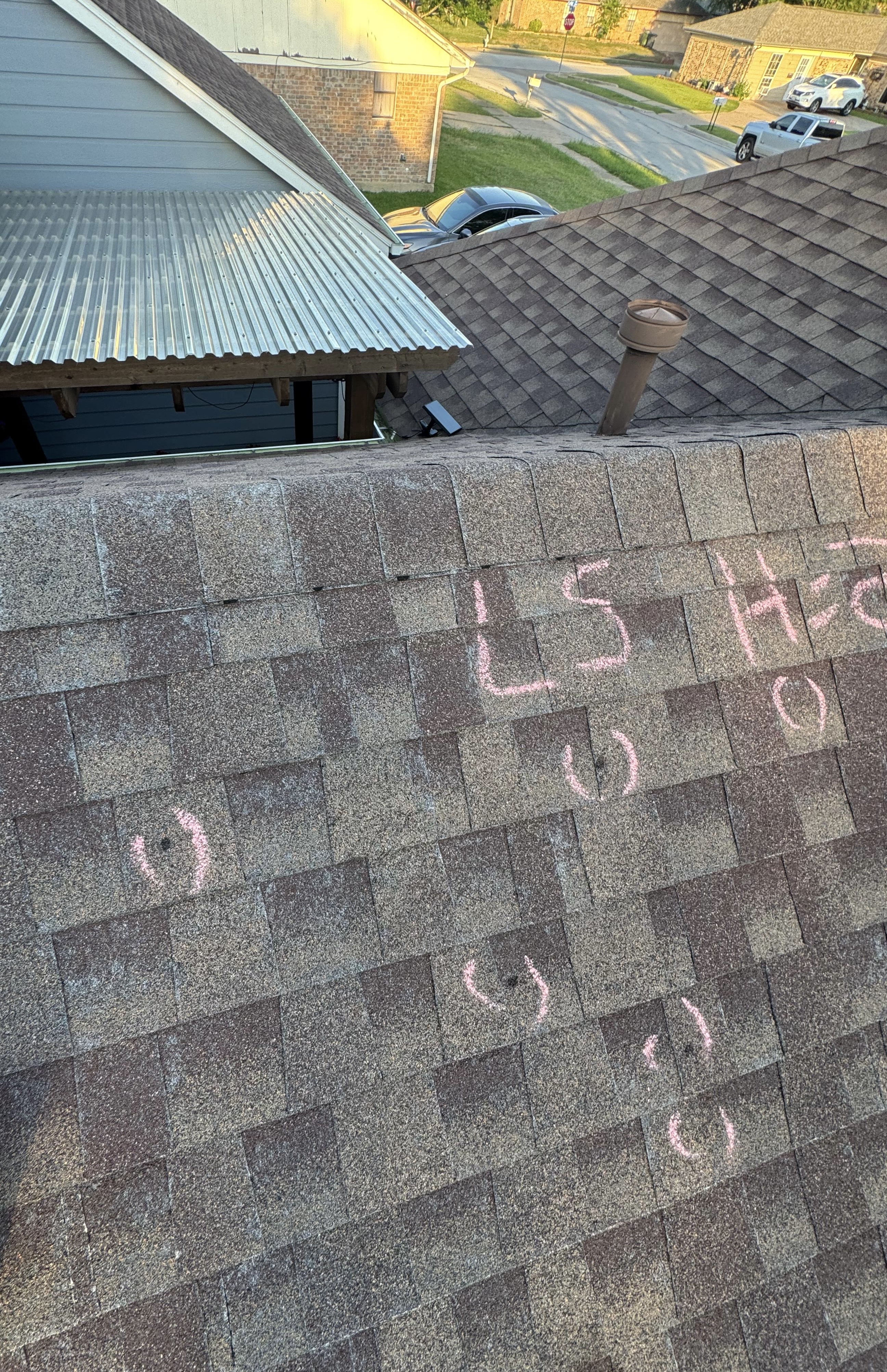
For those of you in areas like Frisco or Plano that have experienced significant hail in the past, you know how quickly golf ball-sized (or larger!) stones can wreak havoc. Even if the damage isn't immediately obvious, a thorough visual inspection from the ground is your next step. Walk around the perimeter of your home. Look for:
- Missing or damaged shingles: Are there bald spots on your roof? Are shingles torn, curled, or lifted?
- Dented or damaged gutters and downspouts: Hail can easily bend or detach these.
- Damage to siding, windows, or exterior paint: Hail and strong winds can cause a surprising amount of cosmetic and functional damage elsewhere on your home.
- Debris on your lawn: This can include tree branches, but also pieces of your own roof or siding.
Documenting the Damage: Your Crucial First Steps for Insurance
This is where being meticulous pays off. Your insurance company will need proof of the damage to approve your claim. The sooner you start documenting, the better. Think of yourself as a detective for your own home.
Step 1: Take Photos and Videos
Use your smartphone or a camera. Get wide shots of the entire house from different angles, then zoom in on specific areas of damage. Don't forget to capture close-ups of damaged shingles, siding, gutters, windows, and any interior water stains. Video walkthroughs of damaged areas can also be very compelling evidence.
Step 2: Note the Date and Time
Most cameras embed this information in the file data, but it's good practice to verbally note it in your videos or jot it down in a notebook immediately after taking the photos. This helps establish the timeline for your insurance adjuster.
Step 3: Collect Samples (Safely)
If you find shingle granules in your gutters or on the ground, collect a sample in a sealed bag or container. This is direct evidence of shingle wear and tear caused by the storm. If you find a piece of your roof that has broken off, carefully bag that too.
What most people miss is the importance of documenting everything, even minor-looking damage. A small dent in a shingle might seem insignificant, but when combined with thousands of other small dents from hail, it can indicate widespread damage that requires a full roof replacement. This detailed record will be invaluable when you're talking to your insurance adjuster.
Temporary Repairs: Preventing Further Damage in the First 24 Hours
Once you've assessed and documented, the next critical step is to prevent the damage from getting worse. This is especially true if your roof has sustained damage that allows water to enter your home. We call this mitigation, and it's crucial for a successful insurance claim.
Key Insight: Mitigation is Key
Insurance policies typically require homeowners to take reasonable steps to prevent further damage after an event. Failing to do so could jeopardize your claim. The goal in these first 24 hours is to stop the bleeding, so to speak.
What does this look like in practice?
- Tarping the roof: If there are holes or missing shingles allowing water in, a professional tarping service can be a lifesaver. This is a temporary fix to keep the rain out until a permanent repair or replacement can be done. Many reputable DFW roofing companies, including Montesco Roofing, offer emergency tarping services.
- Boarding up windows: If windows are broken, boarding them up will prevent rain and wind from entering and causing more interior damage.
- Moving valuables: If water is actively leaking, move furniture, electronics, and other valuable items away from the affected areas. Place buckets or tarps to catch dripping water.
- Checking for electrical hazards: If water has come into contact with electrical outlets or fixtures, turn off the power to that area at your breaker box if it's safe to do so. Do not touch wet electrical equipment.
How to Get This Done
If you need immediate assistance with tarping or securing your home, our team is available for emergency storm response. We understand the urgency and can dispatch a crew to assess the situation and implement temporary solutions to protect your property. For DIYers, ensure you have the right safety equipment and knowledge before attempting any temporary repairs yourself.
Remember, the goal here is to stabilize the situation. These are not permanent fixes, but they are vital to minimizing the total loss and demonstrating to your insurance company that you acted responsibly.
Contacting Your Insurance: What to Say and What to Expect
After securing your home and documenting the damage, the next crucial step is to notify your insurance company. The sooner you file a claim, the sooner the process can begin. Here’s how to approach it:
Step 1: Locate Your Policy Information
Have your policy number, contact information, and a brief description of what happened (e.g., "severe hail storm on [date] at approximately [time]") ready when you call.
Step 2: Make the Call
Call your insurance agent or the claims department. Be clear, concise, and factual. Mention the date and approximate time of the storm. State that you suspect storm damage to your roof and other exterior components.
Step 3: Inquire About Your Deductible
Ask about your deductible – the amount you'll have to pay out-of-pocket before your insurance coverage kicks in. For many DFW homeowners, especially after significant hail events, this can be a crucial factor in the repair or replacement process.
Step 4: Ask About the Next Steps
Understand what happens next. Will they send an adjuster? When can you expect that to happen? What documentation do they require from you?
"The most important thing homeowners can do is be proactive. File your claim promptly, but also take the time to understand your policy and what you're entitled to."— Insurance Information Institute, 2025
It's important to be aware that insurance adjusters are often overwhelmed after a major storm event impacting the DFW area. They may be working on hundreds of claims. This is why having your own documentation ready is so vital. You want to present a clear picture of the damage from your perspective.
Choosing a DFW Roofing Contractor: Red Flags to Avoid in the First 24 Hours
The aftermath of a storm is prime time for less-than-reputable contractors, often called "storm chasers," to flood the DFW area. These individuals swoop in after a major weather event, promising quick fixes and low prices, only to disappear once they've collected their payment, leaving homeowners with shoddy work and no recourse.
Choosing Your Roofing Partner: Professional vs. Storm Chaser
| Feature | Established DFW Contractor (e.g., Montesco Roofing) | Storm Chaser |
|---|---|---|
| Local Presence | 13+ years in DFW, known in the community. We're here to stay. | Often out-of-state, temporary presence. May use P.O. boxes. |
| Licensing & Insurance | Fully licensed, bonded, and insured with comprehensive liability coverage. | May lack proper local licensing or adequate insurance, putting you at risk. |
| Workmanship Warranty | Industry-leading warranty (e.g., 10+ years) on labor. | Little to no warranty, or one that's impossible to redeem once they leave town. |
| Manufacturer Certifications | Certified installer for major brands (GAF, Owens Corning, etc.), ensuring manufacturer warranty validity. | Rarely certified, potentially voiding material warranties. |
| Insurance Claim Assistance | Experienced advocates who work with you and your adjuster. | May offer "free" upgrades or insurance claim handling that isn't in your best interest. |
| References & Reviews | Extensive local references and positive online reviews. | Limited local references, often with fabricated or out-of-state reviews. |
| Professionalism | Clear contracts, detailed proposals, transparent pricing. | High-pressure sales tactics, vague estimates, "sign now or lose the deal" approach. |
Protect your investment by choosing a contractor with a proven track record in the DFW area.
In these first 24 hours, your focus should be on identifying and avoiding these red flags:
- Door-to-door solicitations: While some legitimate contractors may canvas after a storm, be extremely cautious of unsolicited offers.
- Requests for large upfront payments: Reputable contractors typically require a deposit, but never pay the full amount upfront.
- "Too good to be true" pricing: If a bid is significantly lower than others, it's likely cutting corners on materials or labor.
- Lack of a physical address or local phone number: You need someone you can hold accountable.
- Pressure to sign a contract immediately: Always take time to review and compare bids.
The Cost of Inaction: Why the First 24 Hours Are Critical for Your Roof
It’s easy to think, "It's just a few leaky shingles, I can deal with it next week." But when it comes to your roof after a storm, time is absolutely of the essence. The damage you see on the surface is often just the beginning.
Here’s why acting fast matters:
- Water Intrusion: This is the most immediate threat. Even small breaches in your roof can allow water to seep into your attic, insulation, and the wooden structure of your home. Over time, this leads to rot, mold growth, and weakened structural integrity.
- Mold Growth: Damp, dark spaces like attics are breeding grounds for mold. Mold can spread rapidly, causing health problems for your family and costly remediation down the line.
- Electrical Hazards: Water and electricity are a dangerous combination. Leaks near wiring can create fire hazards or electrocution risks.
- Compromised Insulation: Wet insulation loses its R-value, meaning your home becomes less energy-efficient, leading to higher heating and cooling bills.
- Secondary Damage: What starts as a roof issue can quickly become a ceiling, wall, and flooring problem. The longer you wait, the more extensive and expensive the repairs become.
- Insurance Claim Complications: As mentioned, insurance companies expect you to mitigate damages. Delaying repairs can sometimes lead to claim denials or disputes over the extent of the covered damage.
In the DFW climate, with our unpredictable weather patterns and intense summer heat, damage that might be manageable elsewhere can be exacerbated quickly here. Acting within the first 24 hours gives you the best chance to contain the damage and keep your repair costs as low as possible.
Your 24-Hour Storm Response Checklist: A Step-by-Step Guide
To make things easy, here’s a concise checklist to guide you through those critical first 24 hours after a storm hits your DFW home:
Hour 0-2: Immediate Safety & Assessment
Ensure everyone is safe. Check for immediate structural issues, leaks from the ceiling, or electrical hazards. Stay away from damaged areas.
Hour 2-6: Document Everything
Take detailed photos and videos of all visible damage from the ground and, if safe, from within the attic. Collect shingle granules if found.
Hour 6-12: Mitigate Damage
Implement temporary repairs like tarping (if you have the means or call for emergency services) to prevent further water intrusion. Move valuables from leak areas.
Hour 12-18: Contact Your Insurance
Call your insurance agent or claims department to report the damage and file a claim. Inquire about your deductible and the next steps.
Hour 18-24: Research Reputable Contractors
Begin looking for established, local roofing contractors with good reviews and a proven track record in DFW. Avoid storm chasers.
Hour 24+: Schedule Inspections
Schedule inspections with your insurance adjuster and at least 2-3 reputable roofing contractors.
This structured approach ensures you address the most critical aspects of storm damage response systematically. It’s about being prepared and acting decisively.
Key Takeaways for the First 24 Hours:
- Safety First: Always prioritize the well-being of your family.
- Document Thoroughly: Clear photos and videos are your best allies.
- Mitigate Urgently: Prevent further damage to protect your home and claim.
- Communicate Clearly: File your insurance claim promptly and accurately.
- Choose Wisely: Vet contractors carefully to avoid scams.
Frequently Asked Questions After a DFW Storm
Frequently Asked Questions After a DFW Storm
What if I can't tell if my roof is damaged?
How long does it take for an insurance adjuster to come out?
Can I do the temporary repairs myself?
What if my insurance company denies my claim?
How much does a roof tarping service cost?
Should I get multiple roof repair quotes?
Need help navigating the aftermath of a DFW storm? Montesco Roofing has been protecting North Texas homes for over 13 years. We understand the local climate and the unique challenges DFW homeowners face after severe weather. Don't let storm damage leave you vulnerable.
Get Your Free Storm Damage Inspection →Montesco Roofing Team
DFW's trusted roofing contractor with 13+ years of experience. Specializing in roof replacements, storm damage repair, and insurance claims across Dallas-Fort Worth.
Get in touch →