Why Felt Underlayment is Crucial for DFW Homes
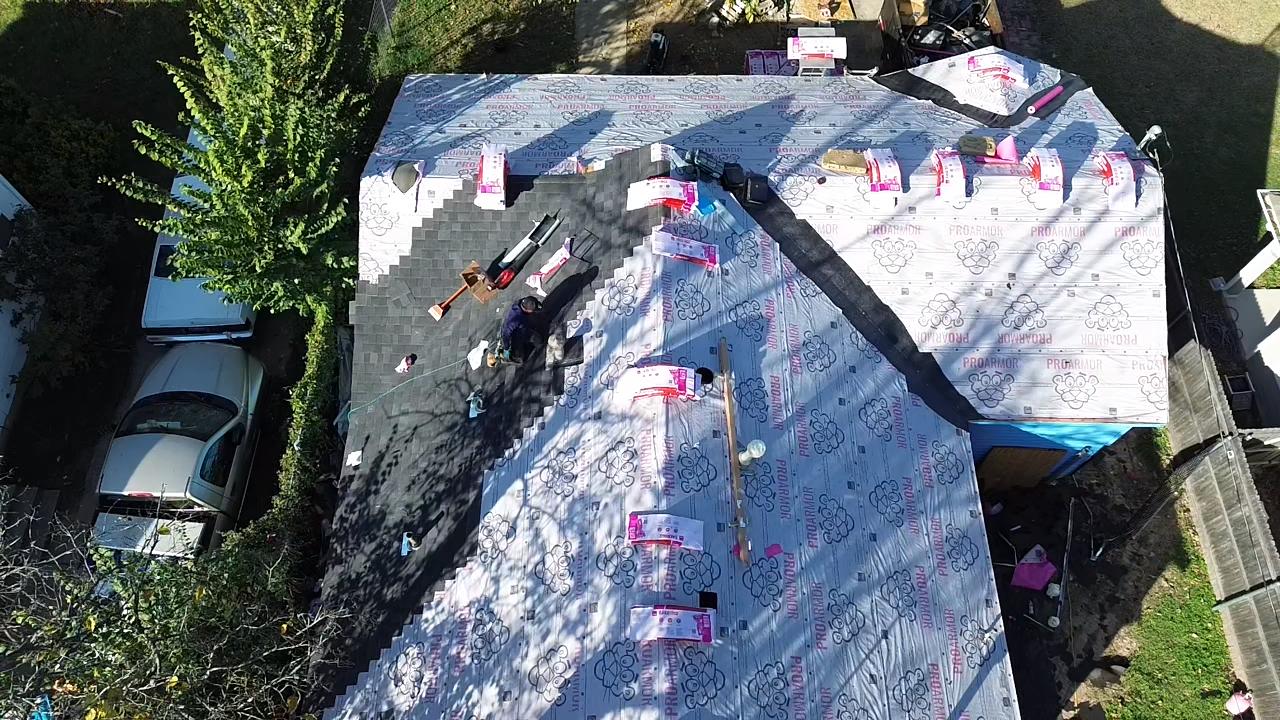
You've probably spent a lot of time thinking about your shingles. They're the most visible part of your roof, the part that faces the Texas sun and the occasional hail storm head-on. But what about what's under those shingles? There's a silent guardian, a crucial layer that most homeowners never even think about: roofing felt paper. In DFW in 2026, understanding its importance isn't just good homeowner sense; it's about protecting your biggest investment from the ground up.
Quick Answer: Roofing felt paper, or underlayment, is a vital barrier installed directly on your roof deck before shingles. It provides a secondary defense against water, prevents asphalt shingle oils from damaging your roof decking, and helps control moisture within your attic, all of which are critical for the longevity and integrity of your DFW home's roof.
The Silent Guardian: What Exactly is Roofing Felt Paper?
So, what exactly is this unsung hero we call roofing felt paper? Think of it as the foundation of your roof's defense system, sitting directly on top of your roof deck (usually plywood or OSB sheathing) and underneath your shingles. It’s typically made from asphalt-saturated felt, which gives it its characteristic dark color and water-resistant properties. It comes in rolls, much like the shingles themselves, and is installed in overlapping layers to create a seamless barrier.
Historically, asphalt-saturated felt was the standard for decades. It's a tried-and-true material that has protected countless homes. While newer synthetic underlayments are gaining popularity, traditional felt paper still holds its own, especially when installed correctly. Its primary job is to provide a temporary protective layer during construction and a crucial secondary water barrier should your shingles ever fail.
Pro Tip
In DFW's climate, especially after intense summer heat and potential fall rains, a properly installed underlayment is your first line of defense against unexpected leaks. It’s not just about the shingles; it’s about the entire system working together.
When we talk about underlayment, we're talking about a material that's designed to be tough. It has to withstand the elements, the weight of the shingles, and the stresses of installation. It's a critical component that, when overlooked, can lead to significant problems down the road. For a DFW homeowner in 2026, understanding this layer is key to making informed decisions about your roof's health.
Beyond the Shingles: 5 Critical Functions of Felt Underlayment in DFW's Climate
It’s easy to dismiss felt paper as just another layer, but its functions are far more critical than many realize, especially here in North Texas. Let’s break down why it’s so important:
1. Secondary Water Barrier
This is its most obvious and vital role. While shingles are designed to shed most water, no roof is perfectly impenetrable. Extreme winds can drive rain under shingles, or a damaged shingle can allow water to seep through. Felt underlayment acts as a secondary line of defense, catching any water that gets past the shingles and directing it safely away from your roof deck and into your gutters. In DFW, where we can experience sudden, heavy downpours, this is non-negotiable.
2. Protection Against Shingle Oils
Asphalt shingles contain oils that help keep them flexible and durable. Over time, especially under the intense Texas sun, these oils can leach out. If felt paper isn't present, these oils can seep directly into your roof decking (the wood sheathing). This can degrade the wood, making it brittle and more susceptible to rot and damage. The felt acts as a buffer, absorbing these oils and protecting the integrity of the decking.
3. Ice Dam Prevention (Less common in DFW, but still relevant!)
While DFW doesn't typically experience the severe ice dams common in colder climates, we can still get freezing rain or prolonged cold snaps. In those rare instances, underlayment helps prevent meltwater from being forced back up under shingles and into your home. It’s an extra layer of protection that doesn’t hurt, even in our warmer region.
4. Temporary Protection During Installation
When a roof is being replaced, there's often a period where the old roofing is removed, and the new shingles haven't been installed yet. Felt underlayment provides a crucial temporary waterproof layer for the roof deck. This means if a sudden shower hits during a roof replacement in Plano or Frisco, your home is still protected. This prevents costly water damage to your attic and interior during the construction process.
5. Roof Deck Protection & Stability
By preventing moisture from reaching the wood decking, felt paper helps maintain its structural integrity. A dry, intact roof deck is essential for securely fastening your shingles and for the overall stability of your roof system. This is particularly important in DFW, where fluctuating temperatures and humidity can put stress on building materials.
The $5,000 Mistake: Why Skimping on Felt Paper Leads to Costly Repairs
You might be thinking, "Felt paper is just a few bucks a roll, right? Why would anyone skip it?" The reality is, some less reputable contractors, often referred to as "storm chasers" who descend on areas like Rowlett or Garland after a major hail event, might try to cut corners to win a bid. They might claim it's unnecessary or use a cheaper, inferior product. This is a classic case of being "penny wise and pound foolish."
Watch Out
If a contractor quotes you a significantly lower price than others, and you can't pinpoint why, ask specifically about the underlayment they plan to use. A contractor who cuts corners on this fundamental layer is likely cutting corners elsewhere, too. This can lead to premature shingle failure, rot in your roof deck, and ultimately, costly interior water damage that can easily run into the thousands of dollars to repair.
Consider this: a typical roof might use 5-10 rolls of underlayment. At, say, $50-$100 per roll, that's an added cost of $250-$1000 for the material. Add a few hours of labor, and you're looking at perhaps $500-$1500 for a properly installed underlayment system across the entire roof. Compare that to the potential cost of repairing water-damaged drywall, insulation, or even structural wood in your attic – costs that can easily exceed $5,000 or much more, not to mention the disruption and stress.
When your roof fails prematurely due to inadequate underlayment, it’s not just a repair; it can become a full roof replacement sooner than expected. And if the damage has spread to your decking or attic, you’re facing a much larger, more expensive project. This is why established DFW roofing contractors like Montesco Roofing never compromise on this essential layer. We know that a strong foundation, even one you can't see, is the key to a long-lasting, reliable roof.
Felt vs. Synthetic Underlayment: A DFW Homeowner's 2026 Choice
Today, you have choices when it comes to underlayment. While traditional asphalt-saturated felt paper remains a solid option, synthetic underlayments have gained significant traction. Each has its pros and cons, and the best choice for your DFW home in 2026 often depends on your specific needs and budget. Here's a comparison:
| Feature | Traditional Felt Paper (e.g., #15 or #30 Felt) | Synthetic Underlayment (e.g., Polypropylene, Polyester) |
|---|---|---|
| Cost | Generally more affordable. | Typically more expensive upfront (often 2-3x the cost of felt). |
| Durability & Strength | Good, but can tear more easily during installation if not handled carefully. Less resistant to punctures. | Significantly stronger, more tear-resistant, and puncture-resistant. Can withstand foot traffic better. |
| Water Resistance | Good. The asphalt saturation provides a solid barrier. | Excellent. Often offers superior water shedding and can be more effective in extreme conditions. Some have built-in slip-resistance. |
| Weight | Heavier than synthetics. | Much lighter, making installation easier and faster. |
| Lifespan | Provides adequate protection for the lifespan of most asphalt shingles. | Often designed to last longer than traditional felt, providing enhanced long-term protection. |
| Moisture Management | Can absorb some moisture but is primarily a barrier. Can be susceptible to mold/mildew if consistently damp and not dried properly. | Some synthetics offer better breathability, allowing trapped moisture to escape, which can help prevent mold and mildew growth in the attic. |
| Installation | Requires careful overlapping and proper fastening to avoid tears. Can be slippery when wet. | Easier to handle, faster to install due to lighter weight and often wider rolls. Many have integrated walk-grip surfaces. |
| Warranty | Typically not warrantied separately from the shingle system. | Many manufacturers offer their own limited warranties on the underlayment itself. |
For many DFW homeowners in 2026, synthetic underlayment is becoming the preferred choice due to its superior strength and longevity. It offers a more robust defense against the elements and is more forgiving during installation, reducing the risk of tears that could compromise its protective function. However, high-quality felt paper, when installed correctly by experienced professionals, remains a perfectly viable and effective option, especially for budget-conscious projects.
Key Insight
When choosing underlayment, the goal is always to create a continuous, waterproof barrier between your roof deck and the elements. While synthetics offer advanced features, the most critical factor is proper installation. A high-quality felt paper installed flawlessly will outperform a poorly installed synthetic underlayment every time.
How Felt Paper Prevents Attic Moisture & Mold in North Texas Homes
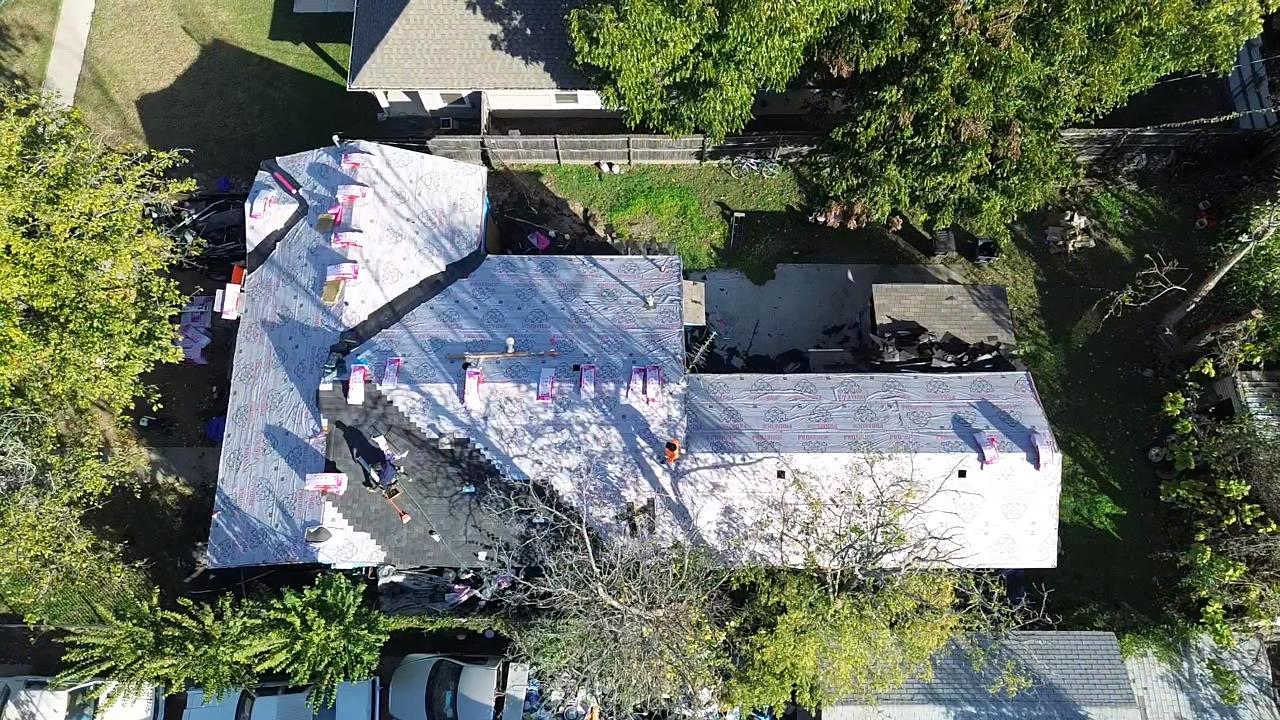
This is an area that often gets overlooked, but it's incredibly important for the health of your home and your family. Attics are naturally prone to moisture buildup. In DFW, this can come from several sources:
- Humidity: Our North Texas air is often humid, and this moisture can find its way into your attic through gaps and penetrations in your ceiling.
- Bathroom/Kitchen Vents: Improperly vented exhaust fans can dump moist air directly into the attic space.
- Drying Clothes Indoors: If your dryer vent isn't properly sealed and routed outside, that moisture goes straight into the attic.
- Seasonal Changes: Temperature fluctuations between the warm attic and cooler outside air can cause condensation.
When this moisture accumulates, it creates a breeding ground for mold and mildew. Mold isn't just unsightly; it can cause respiratory problems, damage building materials, and significantly devalue your home. This is where your underlayment, working in conjunction with proper attic ventilation, plays a crucial role.
Felt paper, by acting as a barrier, helps prevent this attic moisture from reaching the roof deck itself. However, it's essential to understand that underlayment isn't the sole solution for attic moisture. A well-designed roofing system includes adequate attic ventilation (soffit vents, ridge vents, etc.) to allow moist air to escape. The underlayment ensures that any condensation or moisture that does form on the underside of the shingles, or any water that might seep through, doesn't directly soak into your roof deck and cause rot or mold growth.
How to Get This Done
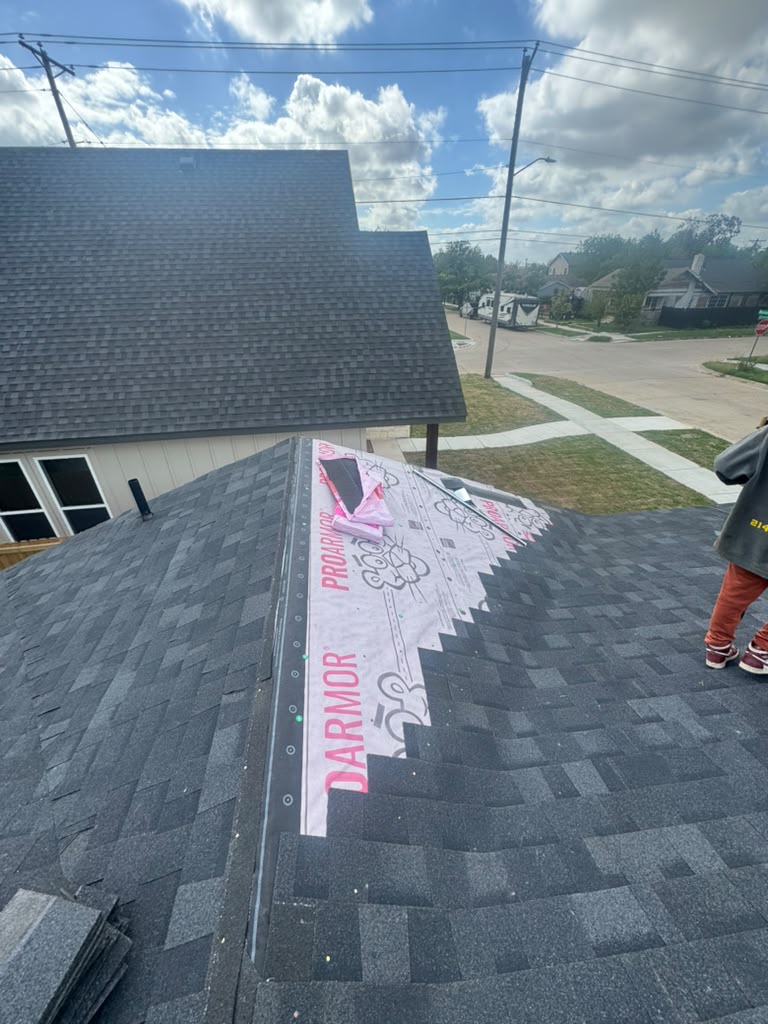
DIY Inspection: Regularly check your attic for signs of moisture, mold, or mildew. Look for dark stains on the underside of the roof deck, wet insulation, or a musty smell. Ensure your bathroom and kitchen vents are properly ducted to the exterior, not into the attic.
Professional Assessment: If you suspect attic moisture issues or want to ensure your roofing system is working optimally, contact Montesco Roofing. We can assess your attic ventilation, inspect your underlayment, and recommend solutions to keep your home dry and healthy.
In DFW's humid climate, maintaining a healthy attic environment is an ongoing battle. A properly installed underlayment is a key weapon in that fight, protecting your home's structure and the air you breathe.
The 7-Step Process: Installing Felt Paper for Maximum Roof Protection
Proper installation is paramount for any roofing component, and felt paper is no exception. Even the best material will fail if installed incorrectly. Here at Montesco Roofing, we follow a meticulous process to ensure maximum protection for your DFW home:
Step 1: Deck Preparation
The roof deck must be clean, dry, and free of debris. Any existing nails protruding or loose boards are addressed before underlayment is laid. This ensures a smooth, solid surface.
Step 2: Starter Course Along Eaves
A starter course of felt paper (or a specialized starter strip) is laid along the eaves, often extending slightly over the edge. This is the first line of defense against wind-driven rain and ice dams.
Step 3: Laying the First Full Roll
The first full roll of felt paper is laid parallel to the eaves. It's important to maintain consistent tension and ensure it lies flat, without wrinkles or bubbles.
Step 4: Overlapping Layers
Each subsequent course of felt paper is overlapped over the previous one. The standard overlap for #15 felt is typically 2 inches, and for #30 felt or synthetics, it might be 1 inch. This overlap is crucial to prevent water from seeping between the layers.
Source: National Roofing Contractors Association (NRCA)Step 5: Sealing and Fastening
The felt paper is fastened to the deck using roofing nails or cap nails. The spacing of these fasteners is critical – too few, and the underlayment can lift or tear; too many, and it can create unnecessary holes. In areas prone to wind uplift, specific nailing patterns are followed. Some systems also utilize specific adhesives or sealants along seams for enhanced protection.
Step 6: Working Towards the Ridge
The process continues, working up the roof towards the ridge. Each roll is laid in a manner that ensures water will flow down and away from the home, not get trapped.
Step 7: Ridge Cap and Valleys
Special attention is given to the ridge and valleys. Additional layers of underlayment, or specialized valley flashing, are used in these high-risk areas to provide extra protection against concentrated water flow.
This meticulous process ensures that your roof deck is fully protected, providing a solid base for your shingles and a robust defense against the elements. It’s a testament to why choosing an experienced, detail-oriented roofing contractor in DFW is so important. We understand the nuances of weather in North Texas and how to build a roof system that can withstand it.
Montesco Roofing's Commitment to Quality Underlayment in Every DFW Project
Here at Montesco Roofing, we’ve been serving the DFW area for over 13 years. We’ve seen firsthand what works and what doesn’t when it comes to protecting homes from our unique climate. That’s why we never cut corners on underlayment. For us, it’s not just a material; it’s a fundamental part of a high-performance roofing system.
— Montesco Roofing ExpertWe treat every roof like it's our own home. That means using the best materials available and ensuring they're installed with precision. The underlayment is the unsung hero, and we make sure it gets the attention it deserves on every single job, whether it's in McKinney, Fort Worth, or anywhere in between.
When you choose Montesco Roofing for your roof replacement or repair in DFW, you’re choosing a team that understands the importance of every layer. We use high-quality asphalt-saturated felt paper that meets or exceeds industry standards, and we also offer premium synthetic underlayment options for homeowners looking for enhanced durability and longevity. Our experienced installers are trained to follow best practices for underlayment installation, ensuring a watertight seal and maximum protection for your home.
We believe in transparency. That’s why we’re happy to discuss the specific underlayment we recommend for your project and explain why it’s the right choice for your DFW home. We want you to feel confident that your investment is protected, not just by the shingles you see, but by the robust system working beneath them.
How to Get This Done
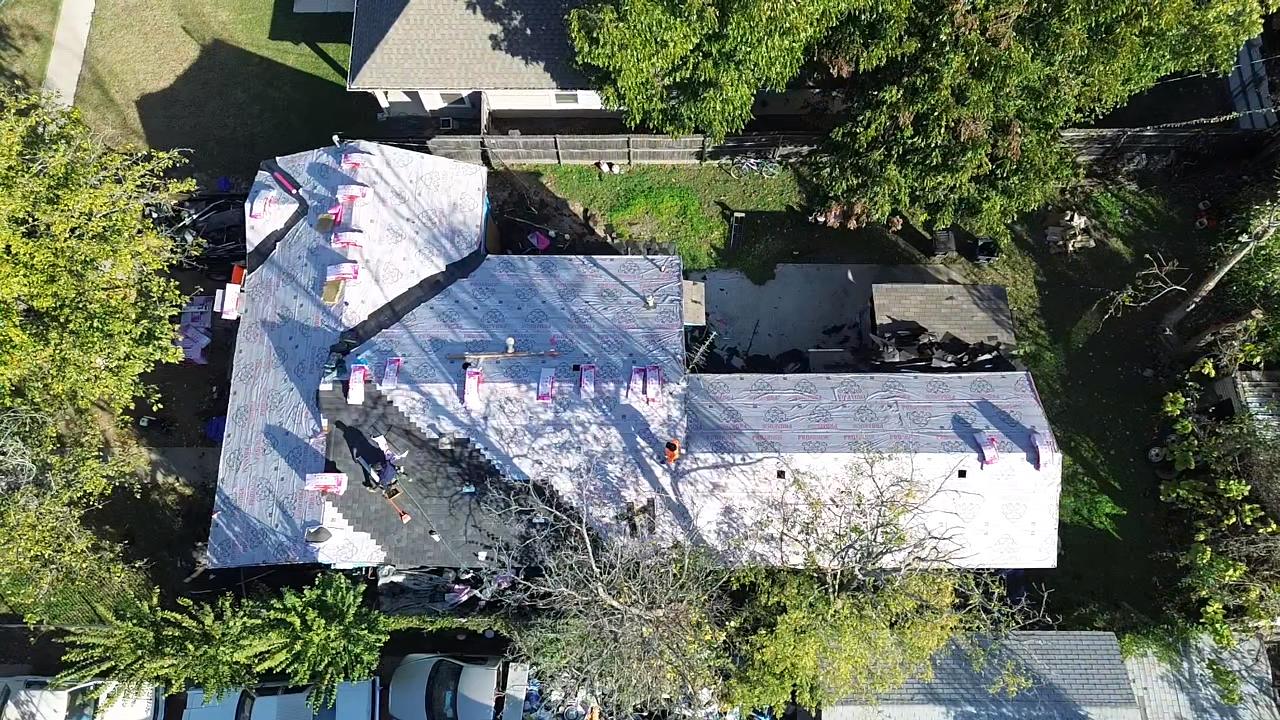
If you want to handle this yourself, here's exactly what you need: high-quality #15 or #30 roofing felt, roofing nails with large heads (1-inch diameter), utility knife, chalk line, tape measure, and safety gear. You'll need to meticulously follow overlap and fastening guidelines. If you'd rather have experienced roofers handle it, our team has done this on hundreds of DFW homes — here's how our process works: We start with a thorough inspection, prepare the deck meticulously, install the underlayment with precise overlaps and secure fastening, and ensure it integrates seamlessly with your chosen shingle system, all backed by our 13+ years of local expertise.
Don't let the most critical, yet often overlooked, layer of your roof be an afterthought. Trust Montesco Roofing to build a roof that stands the test of time and weather, providing peace of mind for you and your family in 2026 and beyond.
Frequently Asked Questions About Roofing Felt Paper in 2026
Frequently Asked Questions
How long does roofing felt paper typically last?
Can I see the felt paper after my roof is installed?
What is the difference between #15 felt and #30 felt?
Is felt paper mandatory for a roof replacement?
What happens if my felt paper gets wet during installation?
Can I use regular tar paper instead of roofing felt?
Does underlayment affect my shingle warranty?
Need help ensuring your DFW roof has the best protection? Our team has protected hundreds of homes with quality underlayment and expert installation. Tell us about your roof — free inspection, no pressure.
Get Your Free Roof Inspection →Montesco Roofing Team
DFW's trusted roofing contractor with 13+ years of experience. Specializing in roof replacements, storm damage repair, and insurance claims across Dallas-Fort Worth.
Get in touch →