Beyond Hail: How DFW Wind Damage Can Secretly Compromise Your Roof in 2026

You just found a few shingles ripped off after that last gusty storm rolled through Dallas-Fort Worth. It’s easy to chalk it up to just a few missing pieces, right? But here’s the thing: wind damage to your roof in 2026 is often a lot more insidious than just seeing a few shingles in your yard. It’s an invisible threat that can compromise the entire integrity of your home, leading to much bigger problems down the road if not addressed.
Quick Answer: While missing shingles are the most obvious sign, DFW wind damage in 2026 can secretly weaken your roof's underlayment, loosen fasteners, compromise seals, and even damage the decking. These hidden issues can lead to leaks, mold growth, and structural problems months or years later, making proactive inspection and repair crucial.
The Invisible Threat: Why DFW Wind Isn't Just About Missing Shingles
Living here in North Texas, we're no strangers to dramatic weather. We get our fair share of intense thunderstorms, and with them come powerful winds. While we often focus on hail because its impact is so visible – those tell-tale dents on cars and siding – wind damage can be just as, if not more, destructive, and it often goes unnoticed for much longer. Think about it: a strong gust of wind can exert incredible force on your roof. It's not just a gentle breeze; it’s a relentless pressure that can lift, tear, and pry at every component of your roofing system.
In 2026, with the ongoing trends of more erratic weather patterns, understanding these subtle impacts is more important than ever. A roof isn't just a collection of shingles; it's a complex system designed to protect your home from the elements. When wind attacks, it doesn't just target the shingles. It can work its way underneath, loosening nails, tearing the protective layers, and even causing damage to the very structure that holds your roof up – the decking. This is where the real trouble starts, leading to water intrusion, mold, and potentially very expensive repairs that could have been avoided with an early inspection.
What most homeowners miss is that even winds that don't rip shingles clean off can cause micro-tears or loosen the asphalt granules that protect the shingle mat. Over time, this gradual erosion makes your shingles more vulnerable to future storms and wear. It's a slow, silent degradation that can significantly shorten your roof's lifespan if left unaddressed. We've seen it countless times here in DFW: a homeowner thinks their roof is fine after a windy day, only to discover major leaks and structural issues a year or two later after sustained exposure.
7 Subtle Signs of Wind Damage Your DFW Roof is Hiding in 2026
So, what should you be looking for? It’s not always about the big, obvious damage. Here are seven subtle signs that your DFW roof might be suffering from wind damage right now, even if you haven't seen any shingles in your yard:
1. Granule Loss
Asphalt shingles are covered in tiny mineral granules that protect them from UV rays and weather. Strong winds can dislodge these granules. Look for excessive amounts of granules in your gutters, downspouts, or even pooling around your home’s foundation. This is a strong indicator of wind stress.
2. Cracked or Torn Shingles
Wind can cause shingles to lift and snap, creating small cracks or tears, especially along the edges or where they overlap. These might not be large enough to blow the shingle off, but they create an entry point for water.
3. Curled or Cupped Shingles
Wind can lift the edges of shingles, causing them to curl upwards or cup. This exposes the underlayment and makes the shingle more susceptible to being lifted further by subsequent winds.
4. Lifted or Damaged Flashing
Flashing – the metal strips used to seal joints and valleys around chimneys, vents, and skylights – is particularly vulnerable. Wind can bend, lift, or tear flashing, creating direct pathways for water to enter your home.
5. Bruised Shingles
This is a less visible sign. Strong winds, especially those carrying debris or hail, can cause shingles to "bruise." This looks like a discolored or softened area on the shingle, indicating the matting underneath may be compromised, even if the shingle surface appears intact.
6. Damaged Ridge Caps
The ridge cap shingles run along the peak of your roof. They're often more exposed to direct wind force. Look for any signs of lifting, cracking, or missing pieces along the very top of your roofline.
7. Interior Signs: Water Stains
The most telling sign, often appearing long after the wind event, is water staining on your ceilings or walls, particularly in the attic. This indicates that water has found its way past your shingles, underlayment, and decking.
Pro Tip: After any significant wind event in the DFW area, take a walk around your property. Look for granules in your gutters and check your roofline from the street for any obvious signs of damage. Don't forget to check your attic for any new water stains or daylight peeking through.
Beyond Shingles: How Wind Weakens Your Roof's Underlayment and Decking
While we focus on the shingles because they're the outermost layer, the real vulnerability lies beneath. The underlayment – typically a synthetic material or felt paper – acts as a secondary water barrier. Wind can lift shingles just enough to allow water to seep underneath, where it then saturates the underlayment. If the underlayment is old, degraded, or improperly installed, wind can also cause tears or breaches in this layer.
Then there's the roof decking, usually made of plywood or OSB (oriented strand board). This is the structural foundation of your roof. When wind forces cause shingles to lift and water to penetrate the underlayment, the decking can become saturated. In our humid DFW climate, this moisture can sit for days, leading to:
- Softening and Rot: Wood exposed to prolonged moisture begins to soften and eventually rot. This compromises its structural integrity, making it unable to support the weight of the roof or withstand future wind and storm forces.
- Mold and Mildew Growth: Damp, dark spaces under compromised shingles and decking are perfect breeding grounds for mold and mildew. This not only further degrades the wood but can also pose serious health risks to your family through airborne spores.
- Fastener Loosening: As the wood decking softens, the nails and staples holding the shingles and underlayment in place can begin to loosen. This creates a domino effect, making the entire roof system more susceptible to wind uplift.
Watch Out: Many homeowners assume that if shingles look intact, their roof is fine. However, wind can cause invisible damage to the underlayment and decking that won't manifest as a leak for months. This is why regular professional inspections, especially after severe weather, are so critical for DFW homeowners.
In 2026, many building codes and material technologies have advanced. Older homes might have original underlayment that’s no longer up to modern standards, making them particularly vulnerable to wind damage even from moderate gusts. If you're in a neighborhood like Plano or Frisco where many homes were built in the last few decades, it's worth knowing the age and condition of your roofing components.
The Uplift Effect: How High Winds Can Loosen Fasteners and Compromise Seals
One of the most destructive aspects of high winds is the uplift effect. When wind travels over a sloped roof, it creates an area of lower pressure above the roof surface. This pressure difference, combined with the direct force of the wind, can actually try to lift the roof off the house. Think of it like trying to lift a piece of paper that’s slightly stuck to a vacuum cleaner hose.
This uplift force puts immense stress on the fasteners – the nails or staples that hold your shingles to the decking. Even properly installed nails can be pulled out or loosened under extreme wind pressure. When fasteners loosen:
- Shingles become more prone to lifting and tearing.
- The seal between shingles is broken, creating gaps.
- Water can more easily penetrate the roof system.
Beyond the fasteners, the seals that bond shingles together can also be compromised. Most asphalt shingles have a sealant strip that activates with heat from the sun, creating a strong bond. Wind can pry these shingles apart before the sealant is fully effective or even re-activate and then break the bond as the shingle settles back down. This makes them vulnerable to being lifted by the next gust.
Key Insight
For homeowners in DFW, especially those in areas prone to stronger winds like near open fields or in elevated neighborhoods, understanding the uplift effect is crucial. It’s not just about the wind hitting the roof directly; it’s about the physics of how wind interacts with your home's structure. This is why the quality of installation and the type of fasteners used are so critical for long-term roof performance.
In 2026, many manufacturers offer shingles designed for higher wind resistance, often featuring enhanced sealant strips or stronger matting. However, even the best shingles can fail if not installed correctly to withstand the specific wind loads common in the Dallas-Fort Worth area. This is where the expertise of a seasoned roofing contractor like Montesco Roofing truly makes a difference. We understand the local wind patterns and how to install materials to maximize their wind resistance.
Wind vs. Your DFW Home: A Costly Comparison of Ignoring Subtle Damage
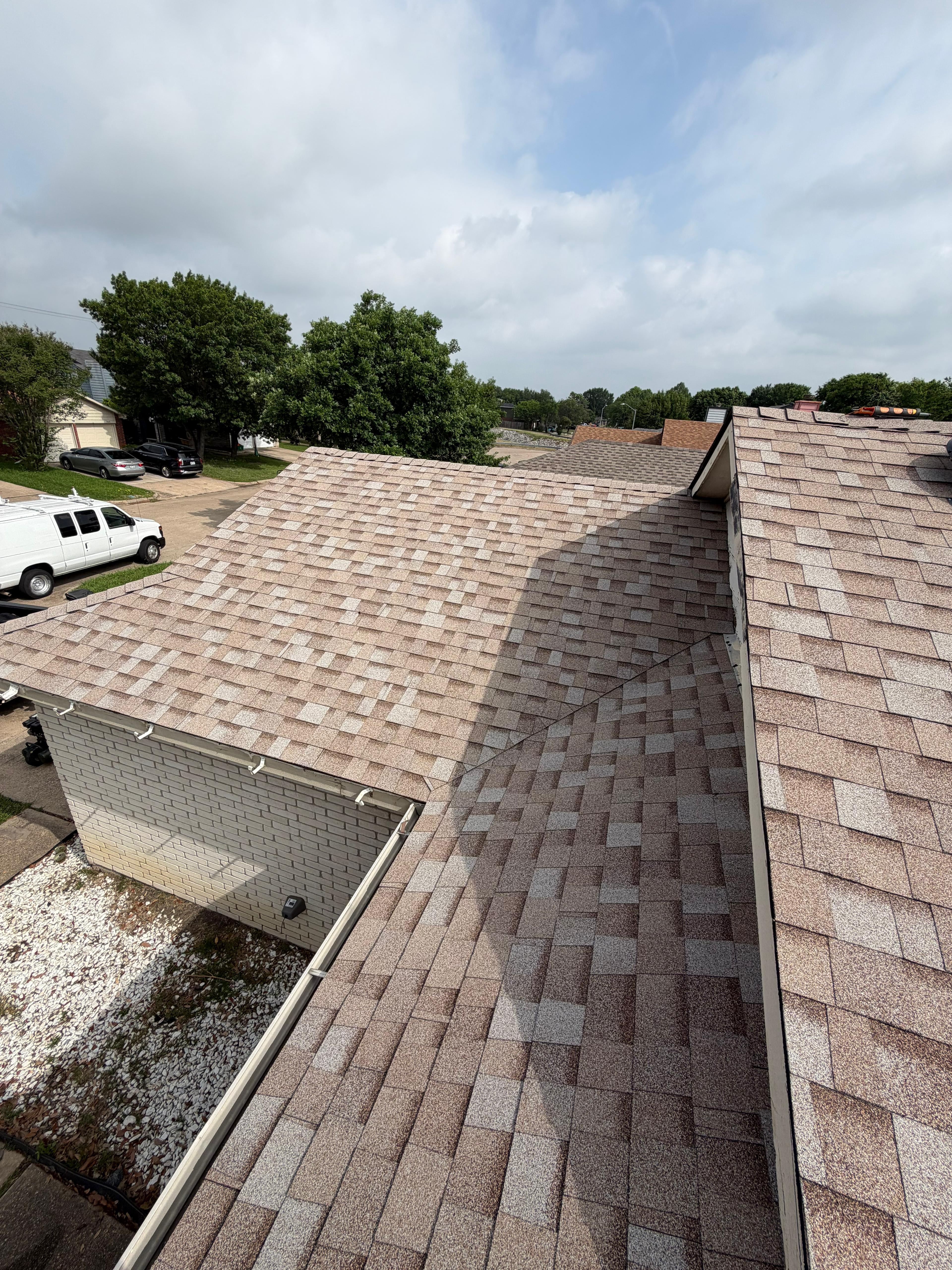
It’s easy to think, "It's just a few shingles," or "I don't see any leaks, so it's probably fine." But the reality is that ignoring subtle wind damage can lead to significantly higher costs down the line. A small problem left unaddressed can quickly snowball into a major repair or even a full roof replacement. Here’s a look at how the costs can stack up:
| Issue | Immediate Cost (Estimated 2026 DFW) | Potential Long-Term Cost (If Ignored) | Why It Happens |
|---|---|---|---|
| Minor Shingle Damage (Cracks, Curls) | $200 - $500 (Spot Repair) | $5,000 - $20,000+ (Full Roof Replacement due to widespread compromise) | Wind lifts edges, causing stress and exposure. Water seeps under, degrading decking and underlayment. |
| Granule Loss | $100 - $300 (Gutter cleaning, minor sealant) | $3,000 - $15,000+ (Premature roof aging, increased vulnerability to future storms) | Wind erodes protective granules, exposing asphalt to UV and weather. |
| Compromised Flashing Seals | $300 - $800 (Sealant repair/replacement) | $10,000 - $30,000+ (Extensive interior water damage, mold remediation, structural repairs, potential roof replacement) | Wind lifts or tears flashing, creating direct entry for water into vulnerable areas like chimneys and valleys. |
| Underlayment Tears/Weakening | $500 - $1,500 (Patching underlayment during minor repair) | $8,000 - $25,000+ (Widespread leaks, decking rot, mold, eventual roof replacement) | Wind lifts shingles, allowing water to saturate and degrade the underlayment, or wind tears the underlayment directly. |
| Loosened Fasteners / Decking Damage | $1,000 - $3,000 (If discovered during minor repair and addressed) | $15,000 - $50,000+ (Catastrophic roof failure, extensive structural damage, potential collapse) | Uplift forces pull nails; water saturation softens decking, reducing its ability to hold fasteners. |
The Value of Proactive Care
The numbers speak for themselves. A small investment in professional inspection and minor repairs after a wind event in DFW can save you tens of thousands of dollars in the long run. It’s about protecting your biggest investment – your home – from the insidious effects of wind damage that often go unseen until it’s too late.
Consider the cost of a roof replacement in the DFW area in 2026. Depending on the size of your home and the materials chosen, you could be looking at anywhere from $12,000 to $30,000 or more. Compare that to a few hundred dollars for an inspection and a minor repair. The math is clear. Ignoring subtle wind damage is a gamble that rarely pays off.
Action Plan: 5 Steps to Protect Your DFW Roof from Destructive Winds
So, what can you actually do to protect your home from DFW's notorious winds? It's a multi-pronged approach that involves regular maintenance, vigilance, and knowing when to call in the pros. Here's a practical action plan for homeowners in 2026:
1. Schedule Regular Professional Inspections
This is non-negotiable. Aim for at least one comprehensive roof inspection annually, and an additional one after any major storm event that involves high winds or hail. A professional roofing contractor has the trained eye to spot subtle signs of damage that you might miss.
2. Perform DIY Visual Checks
Walk around your property after windy days. Look for loose or damaged shingles, granule loss in gutters, and check your attic for any new water stains on the rafters or insulation. Don't try to get on the roof yourself unless you have the proper safety equipment and training.
3. Maintain Your Gutters and Downspouts
Clogged gutters can cause water to back up under shingles and around the roof edges, exacerbating any wind-related damage. Keep them clear of leaves and debris.
4. Trim Overhanging Tree Branches
Branches that rub against your roof can cause abrasion and damage shingles over time. More importantly, during high winds, heavy branches can break and fall onto your roof, causing significant structural damage.
5. Understand Your Insurance Policy
Know your deductible for wind and hail damage. Familiarize yourself with your policy's coverage and the claims process. If you suspect wind damage, document everything with photos and videos before contacting your insurance company and your roofer.
How to Get This Done
If you want to handle the DIY checks, focus on ground-level inspections and attic checks. For a thorough assessment of your roof's condition, especially after a storm, it's best to rely on experienced professionals. Montesco Roofing’s certified inspectors are trained to identify all types of wind damage, from the obvious to the hidden. We provide detailed reports and honest recommendations, ensuring your roof is protected for the long haul.
For homeowners in Dallas, Fort Worth, and surrounding areas like Frisco, Allen, and McKinney, staying proactive is key. The DFW climate is unforgiving, and what might seem like minor wind stress today can become a major structural issue tomorrow.
Montesco Roofing: Your Expert Shield Against DFW Wind Damage in 2026
At Montesco Roofing, we've been serving the DFW community for over 13 years. We've seen firsthand how destructive wind damage can be, especially when it's not addressed promptly. Our passion is protecting homes, and that means going beyond just replacing shingles. We focus on the entire roofing system, understanding how each component works together and how wind can compromise that synergy.
When you choose Montesco Roofing, you're not just getting a repair; you're getting a comprehensive solution. Our process involves:
- Thorough Inspections: Our certified inspectors use advanced techniques to identify all forms of wind damage, including those hidden weaknesses in your underlayment and decking.
- Detailed Reporting: We provide clear, easy-to-understand reports with photographic evidence, so you know exactly what’s going on with your roof.
- Expert Recommendations: We’ll tell you honestly whether a repair is sufficient or if a full replacement is needed to ensure long-term protection. We never push unnecessary services.
- Quality Installation: If repairs or replacement are needed, we use only high-quality materials and follow manufacturer specifications and local building codes meticulously. Our team is trained to install roofs that can withstand the unique wind challenges of the DFW area.
- Insurance Claim Assistance: Dealing with insurance companies can be a headache. We have extensive experience helping homeowners navigate the claims process for wind damage, ensuring you get the settlement you deserve. This is particularly important in 2026 as insurance policies and claim handling practices continue to evolve.
Need peace of mind about your roof's condition after the recent winds? Our team has protected hundreds of DFW homes from the elements. Tell us about your roof — we offer free inspections with no pressure.
Get Your Free Roof Inspection →We understand that your home is your sanctuary. Wind damage, even the subtle kind, can threaten that sanctuary. That's why we treat every roof like it's our own, with the care, expertise, and honesty you deserve. Don't let hidden wind damage compromise your home's safety and value in 2026. Let Montesco Roofing be your trusted partner in keeping your home secure.
Frequently Asked Questions About DFW Wind Roof Damage
What are the most common types of wind damage to roofs in DFW?
How soon after a wind storm should I get my roof inspected?
Can wind damage affect a relatively new roof?
What is the difference between wind damage and hail damage?
How does wind damage lead to leaks?
Will my homeowner's insurance cover wind damage?
Montesco Roofing Team
DFW's trusted roofing contractor with 13+ years of experience. Specializing in roof replacements, storm damage repair, and insurance claims across Dallas-Fort Worth.
Get in touch →