DFW Water Damage: Why It's More Dangerous Than You Think (And How to Stop It Before 2027)

You just found a water stain on your ceiling after that last big North Texas downpour, and suddenly, your mind races. Is it just a minor drip, or is this the start of something much, much worse? In the DFW area, we're no strangers to dramatic weather shifts, from scorching heat to sudden, torrential rain. While a little water might seem like a manageable nuisance, the truth is, water damage is one of the most insidious and dangerous threats to your home, often far more so than most homeowners realize.
The Silent Killer: How DFW Water Damage Undermines Your Home's Foundation
When we talk about water damage, many people immediately picture a leaky faucet or a burst pipe. But here in the Dallas-Fort Worth metroplex, one of the most devastating and often overlooked consequences of water intrusion is its impact on your home's foundation. Our region's soil, particularly the expansive clay soils common throughout North Texas, is highly sensitive to moisture changes. When water consistently seeps into the ground around your foundation, it can cause these clay soils to expand dramatically.
This expansion creates immense pressure against your foundation walls, leading to cracks, shifting, and settling. Conversely, during prolonged dry spells, this same soil shrinks, leaving voids beneath your foundation, which can also cause it to settle unevenly. The cycle of saturation and drying, exacerbated by leaky roofs, poor drainage, or even overflowing gutters, puts immense stress on your home's very base. What might start as a small roof leak can, over time, lead to significant structural problems that are incredibly expensive to repair. We've seen homes in areas like Frisco and Plano where seemingly minor water issues, left unchecked for years, have resulted in foundation repairs costing tens of thousands of dollars. It's a slow, silent killer that erodes your home's stability from the ground up.
The key here is understanding the interconnectedness of your home's systems. A roof's primary job is to keep water out. If it's not doing its job effectively, that water has to go somewhere. If it's not properly channeled away from your foundation through adequate grading and drainage systems, it will inevitably find its way into the soil supporting your home. This is why we always emphasize that a well-maintained roof isn't just about preventing interior leaks; it's a critical component of protecting your entire home's structural integrity, especially here in DFW where soil movement is a constant concern.
Beyond the Puddle: Unseen Dangers of DFW Water Damage to Your Home's Structure
The visible signs of water damage – the brown stains on drywall, the peeling paint, the damp carpet – are just the tip of the iceberg. What's happening beneath the surface can be far more alarming. Water, especially when it lingers, begins to degrade the very materials that hold your home together. Think about wood framing, insulation, and even drywall. These materials are not designed to be constantly wet.
When wood framing absorbs moisture, it loses its structural integrity. It can begin to rot, becoming weak and susceptible to collapse. This is a slow process, but over time, it can compromise the load-bearing walls and roof structure of your home. In a DFW climate, where we experience extreme temperature swings, this moisture can also freeze and thaw, further accelerating the decay process. Insulation, whether it's fiberglass or spray foam, becomes significantly less effective when saturated. It clumps together, loses its R-value, and can even start to harbor mold and mildew, creating unhealthy living conditions. Even drywall, which seems sturdy, can become soft, crumbly, and lose its ability to support paint or finishes. In severe cases, extensive water damage can lead to sagging ceilings, warped floors, and even the need for significant structural repair and reconstruction. This is why prompt attention to any water intrusion, no matter how minor it may seem, is absolutely paramount.
Don't ignore small drips or damp spots. They are early warning signs that can prevent much larger, more expensive structural issues down the line. Regularly inspecting accessible areas like attics and basements can help you catch these problems early.
We often see homeowners in Arlington or Mesquite who delay addressing a persistent leak, only to discover months later that the water has traveled through walls and floors, damaging joists and beams they never even knew were exposed. The cost to repair this hidden structural damage is exponentially higher than fixing the initial leak. It’s a stark reminder that your home is a complex ecosystem, and a failure in one area can cascade into serious problems elsewhere.
Mold: The Invisible Threat Lurking in Your DFW Home After Water Intrusion
Perhaps one of the most pervasive and dangerous byproducts of water damage is mold. Mold spores are present everywhere, indoors and outdoors. However, when moisture levels rise and linger, these spores find the perfect environment to grow and multiply. In the DFW area, with our humid summers and occasional damp periods, mold growth can be particularly aggressive.
The health implications of mold exposure are significant. Many common indoor molds can cause allergic reactions, asthma attacks, respiratory problems, and other health issues, especially in children, the elderly, and those with compromised immune systems. Symptoms can range from sneezing, runny nose, and itchy eyes to more severe lung infections. What makes mold particularly insidious is that it can grow in hidden places – behind walls, under flooring, inside HVAC systems, and in attics where moisture might be accumulating from roof leaks. You might not see it, but you could be breathing it in every day. This makes a thorough inspection and remediation process essential after any significant water event.
A musty smell is often the first sign of hidden mold growth. If you detect this odor after water intrusion, it's crucial to have a professional inspection to locate and address the source of the moisture and any potential mold contamination. DIY mold cleanup is often ineffective and can even spread spores further.
The Insurance Information Institute reports that mold damage claims have been on the rise, largely due to increased awareness and a better understanding of its health impacts. However, many standard homeowner's insurance policies have specific limitations on mold coverage, especially if the mold is a result of long-term neglect or poor maintenance. This underscores the importance of addressing water intrusion issues proactively. By preventing water damage in the first place, you're not only protecting your home's structure and value but also safeguarding the health of your family. For homeowners in Rowlett or Garland, where heavy rains can saturate the ground and penetrate older roofing systems, this is a critical consideration.
"Mold can begin to grow in as little as 24 to 48 hours after a water event. The longer the moisture problem persists, the more extensive the mold growth will become, and the more challenging and expensive the remediation will be."— Environmental Protection Agency (EPA)
Beyond health concerns, mold can also cause cosmetic damage and lead to persistent odors that are difficult to eliminate. It's a problem that affects both the physical integrity and the livability of your home. This is why, as a DFW roofing contractor with over 13 years of experience, we treat every water intrusion event with the utmost seriousness. We understand that what might seem like a small issue today can balloon into a major health and structural hazard tomorrow.
7 Critical Steps to Prevent Costly Water Damage in Your DFW Home This Year
The best way to deal with water damage is to prevent it from happening in the first place. Here in DFW, with our unpredictable weather, being proactive is key. It’s about regular maintenance and being aware of your home's vulnerabilities. Here are seven critical steps you can take to protect your home:
1. Regular Roof Inspections
This is non-negotiable. Your roof is your first line of defense against the elements. Schedule professional roof inspections at least twice a year, especially before and after our main storm seasons (spring and fall). Look for missing, cracked, or curling shingles, damaged flashing around chimneys and vents, and any signs of wear. A small repair now can prevent a major leak later.
2. Maintain Gutters and Downspouts
Clogged gutters are a major culprit for water damage. They cause water to overflow, potentially pooling around your foundation or seeping into your roofline. Clean your gutters at least twice a year, or more often if you have many trees. Ensure downspouts are directing water at least 5-10 feet away from your home's foundation.
3. Check Attic Ventilation and Insulation
Proper attic ventilation is crucial for managing temperature and moisture. Poor ventilation can lead to condensation, which can cause mold and rot. Ensure your insulation is in good condition and not waterlogged. Look for signs of leaks or dampness in your attic during inspections.
4. Inspect Plumbing and Appliances
While this post focuses on roof-related water damage, don't forget about internal sources. Regularly check under sinks, around toilets, and behind appliances like washing machines and dishwashers for any signs of leaks or corrosion. Consider replacing old, worn-out hoses on washing machines.
5. Ensure Proper Grading and Drainage
The ground around your home should slope away from the foundation. If you notice water pooling near your house after rain, you may need to regrade the soil or install a French drain system. This is especially important in our DFW climate where heavy rains can overwhelm simple drainage.
6. Seal Exterior Cracks and Gaps
Inspect the exterior of your home, including around windows, doors, and siding. Seal any cracks or gaps with appropriate caulk or sealant to prevent water from entering the walls of your home. This is a simple yet effective preventative measure.
7. Understand Your Homeowner's Insurance Policy
Know what your policy covers regarding water damage. Many policies have specific exclusions or limitations, especially for mold or damage resulting from neglect. Understanding your coverage can help you prioritize preventative actions and know what to do if an incident occurs.
Roof Leaks vs. Plumbing Leaks: Identifying the Source of DFW Water Damage
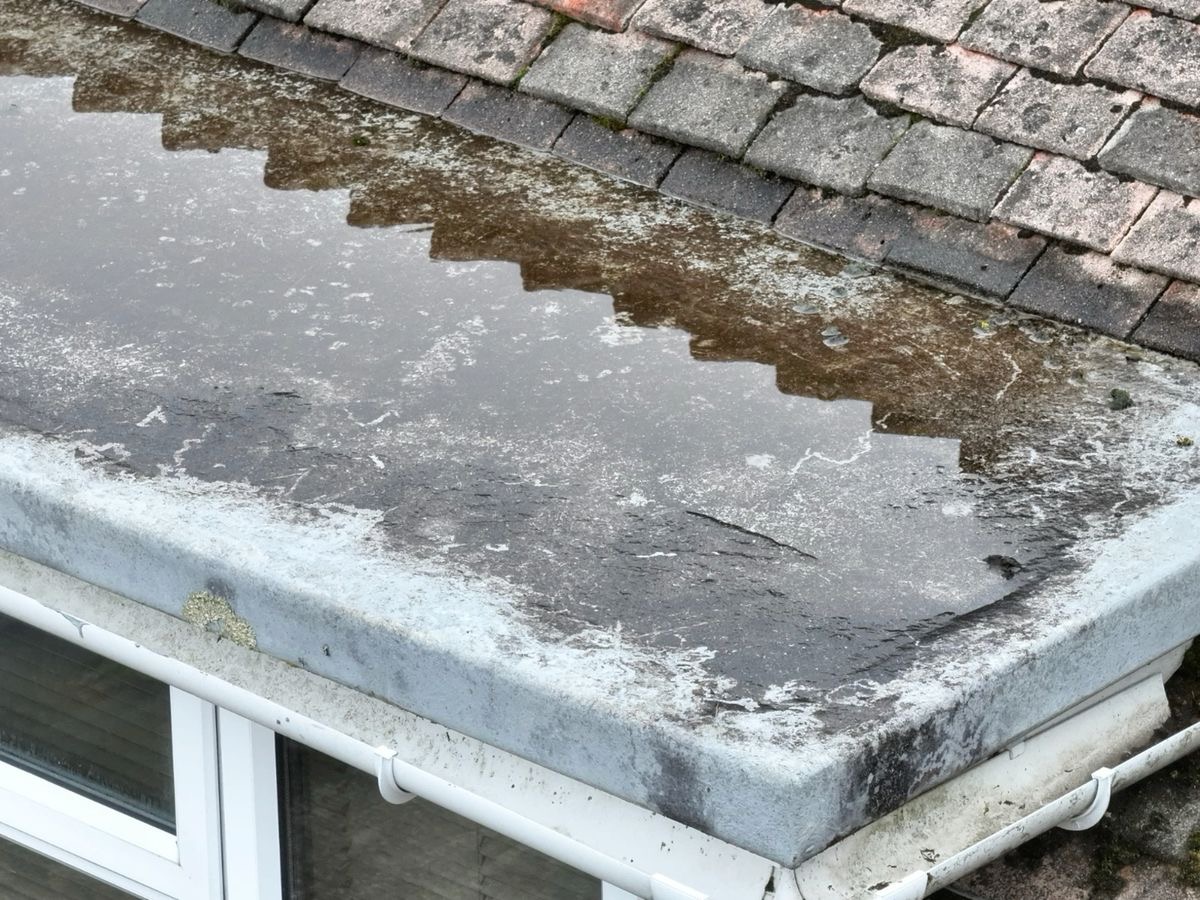
One of the most common challenges homeowners face is pinpointing the exact source of water intrusion. Is it coming from the roof, or is it an internal plumbing issue? While both can cause significant damage, understanding the differences can help you address the problem more effectively and ensure you're calling the right professionals.
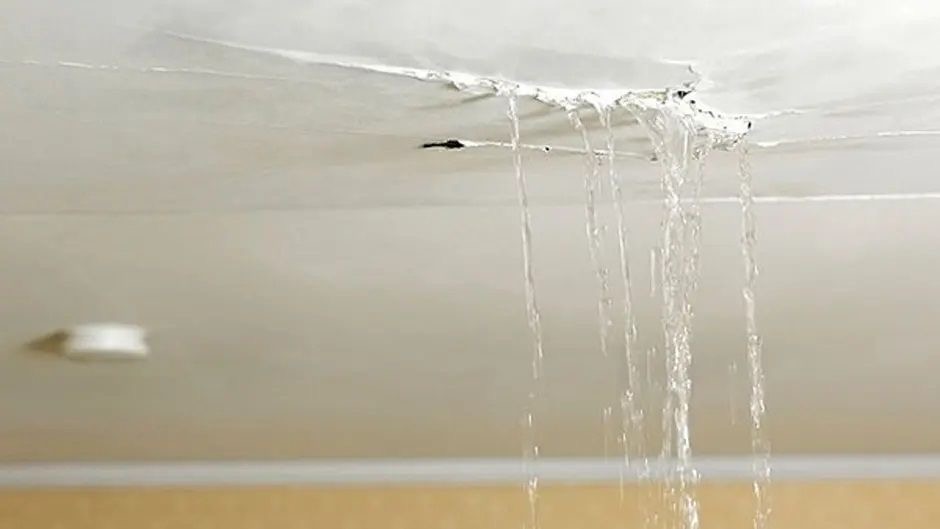
Roof leaks typically manifest in the highest areas of your home. Stains on ceilings, particularly in the center of rooms or directly below attic spaces, are strong indicators of a roof problem. Water may also appear around window frames or skylights if the seals there have failed. The water damage from a roof leak often follows the path of least resistance as it travels down through insulation and framing. You might notice dampness in the attic, water dripping from rafters, or even visible damage to roof decking. The key differentiator is often the location – the highest points of your home are the most likely suspects for roof issues.
Plumbing leaks, on the other hand, are usually found lower in the house. Water stains appearing on walls at mid-level, around bathrooms, kitchens, laundry rooms, or basements are common. Dripping sounds from within walls or floors, or sudden unexplained increases in your water bill, can also point to a plumbing leak. Burst pipes, faulty appliance connections (like dishwashers or washing machines), or worn-out seals around tubs and showers are frequent culprits. The water damage from a plumbing leak is often more localized to the immediate area of the leak, but it can spread quickly if not addressed.
Key Insight
If you see water damage on your ceiling, especially near the center of a room or directly under the attic, it's highly probable that the issue originates from your roof. If the damage is on a wall, near a bathroom, or around appliances, it's more likely a plumbing-related problem. However, water can travel, so sometimes the visible damage isn't directly below the source.
As a DFW roofing contractor, my team and I specialize in diagnosing and repairing roof-related water intrusion. We've developed a keen eye for identifying the subtle signs of compromised roofing systems, from compromised flashing around vents and chimneys to damaged shingles that allow water to penetrate the underlayment. When you call Montesco Roofing, we'll conduct a thorough inspection of your roof, attic, and the affected interior areas to accurately diagnose the problem. If we determine the issue is not roof-related, we'll be upfront and recommend you contact a qualified plumber or other specialist. We believe in providing honest assessments to ensure you get the right fix for your home.
How to Get This Done
If you suspect a roof leak, your first step should be a professional roof inspection. Montesco Roofing offers comprehensive roof inspections to identify the source of leaks and assess any damage. We'll document our findings and provide a clear, no-pressure estimate for repairs. If you suspect a plumbing leak, contact a licensed plumber immediately. For widespread water damage, professional water mitigation and restoration services are essential.
The Montesco Roofing Difference: Proactive Solutions for DFW Water Damage Prevention
At Montesco Roofing, we've been protecting DFW homes from the elements for over 13 years. We understand the unique challenges our climate presents, from intense summer heat that can degrade roofing materials to sudden, severe storms that can wreak havoc. Our approach to water damage prevention is built on expertise, quality materials, and a commitment to thorough, proper installation.
We don't just slap on shingles; we engineer complete roofing systems designed to withstand the DFW weather. This starts with meticulous attention to detail during installation. We ensure proper underlayment, which acts as a secondary water barrier, and critically, we pay close attention to flashing. Flashing is the metal or rubber material installed around roof penetrations like chimneys, vents, and skylights, and in valleys where roof planes meet. It's one of the most vulnerable areas for leaks, and improper installation here is a leading cause of water intrusion. Our team has the hands-on experience to ensure these critical areas are sealed correctly, preventing water from finding its way into your home's structure.
Furthermore, we're passionate about educating our homeowners. We believe that an informed homeowner is a better-prepared homeowner. When we conduct an inspection, we don't just give you a price; we explain what we're seeing, why it's happening, and the best course of action. We’ll talk about the condition of your shingles, the integrity of your underlayment, the state of your flashing, and the effectiveness of your attic ventilation. This transparency helps you understand the value of a quality roof and the importance of proactive maintenance.
Choosing Montesco Roofing means investing in a team that geeks out about quality materials and proper installation techniques. We work with reputable manufacturers like GAF and Owens Corning, using their high-performance roofing systems that are built to last. We understand the nuances of different materials and how they perform in our specific climate. Whether it's recommending the right type of shingles for your home's style and budget or ensuring your roof has adequate ventilation to prevent moisture buildup, we're focused on long-term protection, not just a quick fix. Our goal is to give you peace of mind, knowing your home is shielded from the DFW elements.
We also understand the complexities of insurance claims, especially after severe weather events common in North Texas. If your roof has been damaged by hail or wind, we can help you navigate the claims process, providing detailed documentation and working with your insurance adjuster to ensure you receive a fair settlement for a proper, lasting repair or replacement.
Water Damage Repair Costs in DFW: What to Expect When the Worst Happens
While prevention is always the best strategy, sometimes water damage is unavoidable. Knowing what to expect in terms of costs can help you budget and make informed decisions. The price of water damage repair in DFW can vary dramatically depending on the extent of the damage, the source of the water, and the materials that need to be replaced.
| Type of Damage/Repair | Estimated Cost Range (DFW, 2026) | Factors Influencing Cost | Typical Source |
|---|---|---|---|
| Minor Roof Leak Repair (e.g., flashing) | $300 - $1,000 | Complexity, materials needed, accessibility | Roof |
| Moderate Roof Leak Repair (e.g., shingle replacement, underlayment) | $800 - $2,500 | Area affected, material type, extent of structural damage | Roof |
| Ceiling Water Stain Repair (small area) | $200 - $600 | Size of stain, paint matching, drywall repair | Roof or Plumbing |
| Mold Remediation (small to medium area) | $1,000 - $5,000+ | Severity of mold, containment needs, square footage | Any prolonged moisture source |
| Foundation Repair (minor cracks) | $3,000 - $10,000+ | Severity of cracks, type of foundation, accessibility | Poor drainage, soil expansion |
| Structural Repair (rotted joists, beams) | $5,000 - $20,000+ | Extent of rot, number of affected structural members, labor intensity | Prolonged roof or plumbing leaks |
| Full Roof Replacement | $8,000 - $25,000+ | Square footage, shingle type (asphalt, metal, tile), complexity of roof, underlayment, flashing | End of lifespan, severe storm damage |
These figures are estimates for the DFW area in 2026 and can fluctuate based on material costs, labor availability, and the specific demands of the job. For instance, extensive mold remediation might require specialized containment procedures and air scrubbing equipment, significantly increasing the cost. Similarly, foundation repairs can become astronomically expensive if the structural integrity of the entire home is compromised. This is why addressing water intrusion promptly is so critical – it prevents minor issues from escalating into major, budget-busting problems.
The cheapest quote for water damage repair or roof replacement is rarely the best long-term value. Cutting corners on materials or labor can lead to repeated problems, higher costs down the line, and potential safety hazards. Always prioritize quality and a contractor with a proven track record in the DFW area.
When you're facing water damage, it's important to work with contractors who are transparent about pricing and provide detailed estimates. At Montesco Roofing, we pride ourselves on clear communication and honest assessments. We want you to feel confident in the investment you're making to protect your home. If you suspect water damage, whether from a leak in your roof or another source, don't hesitate to call us. We can help assess the damage, provide an estimate, and guide you through the repair process.
DFW Water Damage FAQs: Your Top Questions Answered
Frequently Asked Questions
How often should I get my roof inspected in DFW?
Can a small roof leak cause major damage?
Does homeowner's insurance cover water damage in DFW?
What are the first signs of foundation damage due to water?
How can I prevent mold growth after a water incident?
What's the difference between a roof repair and a roof replacement?
Are there specific roofing materials better suited for DFW weather?
Need help putting this into action? Protecting your DFW home from water damage requires vigilance and expert care. Our team has protected hundreds of homes in Dallas, Fort Worth, and surrounding areas. Tell us about your roof — we offer free, no-obligation inspections and honest advice.
Get Your Free Roof Inspection →Montesco Roofing Team
DFW's trusted roofing contractor with 13+ years of experience. Specializing in roof replacements, storm damage repair, and insurance claims across Dallas-Fort Worth.
Get in touch →