The Real Impact of 100°+ Summers on Your DFW Roof

100°+ Summers in DFW: The Unseen Enemy of Your Roof
It's Thursday, June 11, 2026, and the DFW metroplex is already feeling the familiar grip of a Texas summer. While we're all looking forward to long days and outdoor fun, there's a silent threat that can wreak havoc on one of the most critical components of your home: your roof. We're talking about the relentless, scorching heat. Here in North Texas, we're no strangers to triple-digit temperatures, and these extreme highs aren't just uncomfortable for us; they're a serious stressor for your roofing system. For over 13 years, Montesco Roofing has been on the front lines, protecting DFW homes from the elements, and I can tell you firsthand, summer heat is a formidable adversary. It's not just about making your attic feel like an oven; it's about the cumulative, often unseen, damage that can shorten your roof's lifespan and lead to costly repairs down the line. Understanding how this heat impacts your roof is the first step in safeguarding your investment.
Quick Answer: DFW's extreme summer heat (100°+ days) in 2026 accelerates roof aging by making shingles brittle, damaging underlayment, stressing seals, causing expansion/contraction issues, and exacerbating ventilation problems. This leads to premature granule loss, cracking, leaks, and reduced roof lifespan if not addressed proactively by a trusted DFW roofing contractor.
Many homeowners associate roof damage primarily with hail or high winds from our notorious Texas storm seasons. And while those are significant threats, the prolonged, intense sun exposure during our DFW summers is an equally potent force of destruction. It's a slow burn, literally, that can compromise your roof's integrity long before the next big storm rolls in. This year, with forecasts predicting another hot one, it's more crucial than ever to be aware of the specific ways this heat is working against your home.
7 Ways Extreme Heat Devastates Your DFW Roof in 2026
When the mercury climbs, your roof is working overtime. It's absorbing, reflecting, and radiating heat constantly. This relentless thermal cycling puts immense stress on every layer of your roofing system, from the shingles on top to the decking and insulation beneath. What most people don't realize is that the materials designed to protect them are also susceptible to degradation from the very sun that powers our lives. Let's break down the seven primary ways this intense heat can devastate your DFW roof:
Pro Tip: Think of your roof like your skin. Constant, intense sun exposure without protection leads to premature aging, dryness, and cracking. Your roof shingles are no different.
1. Shingle Brittleness and Cracking
Asphalt shingles, the workhorse of many DFW roofs, contain asphalt that can become brittle when exposed to prolonged high temperatures. This isn't an immediate, dramatic failure, but a gradual process. Over time, the oils in the asphalt dry out, making the shingles less flexible. When they lose their pliability, they become much more susceptible to cracking, especially when subjected to minor impacts like walking on the roof, or even just the natural expansion and contraction cycles caused by drastic temperature swings between day and night. These small cracks can quickly turn into entry points for water.
2. Accelerated Granule Loss
The tiny mineral granules embedded in your shingles are crucial. They act as a protective shield, deflecting UV rays and preventing the asphalt from degrading too quickly. High heat accelerates the drying out of the asphalt binder that holds these granules in place. As the binder weakens, the granules start to flake off and wash away, often ending up in your gutters. This loss of granules exposes the asphalt layer beneath to direct sunlight, speeding up the degradation process even further. It's a vicious cycle that significantly shortens the lifespan of your shingles.
3. Compromised Sealant Strips
Most modern shingles have adhesive strips designed to seal them together, creating a monolithic barrier against wind and water. The intense heat of a DFW summer can weaken and even melt these adhesive strips. When the seal fails, shingles can lift or curl, making them vulnerable to wind uplift during storms. This compromised seal can also allow water to seep underneath the shingles, leading to rot in the underlying decking and potential leaks into your attic.
4. Expansion and Contraction Stress
Materials expand when they get hot and contract when they cool down. Your roof is constantly undergoing these cycles, especially during the extreme temperature swings we experience in DFW. The intense heat of summer causes materials to expand, and when they cool rapidly at night, they contract. This constant stretching and shrinking puts significant stress on all the components of your roof – shingles, nails, flashing, and sealants. Over time, this can lead to fatigue in the materials, loosening of fasteners, and potential cracks.
5. Underlayment Degradation
Beneath your shingles lies the underlayment, a critical secondary layer of protection. While it's designed to withstand the elements, prolonged exposure to extreme heat can degrade certain types of underlayment, especially older felt products. The heat can cause them to become brittle and crack, or in some cases, they can delaminate. If the underlayment fails, water that gets past the shingles has a direct path to your attic and home's interior.
Watch Out: Many older homes in areas like Oak Cliff or Grand Prairie might still have asphalt-saturated felt underlayment. This material is particularly susceptible to heat damage and can become a major failure point during DFW summers.
6. Increased Risk of Punctures and Tears
When shingles become brittle from heat, they are far more likely to be punctured or torn by falling debris, branches, or even just from foot traffic during maintenance. A small puncture might seem minor, but it can quickly lead to water intrusion, rot, and mold growth within your roof structure. This is especially concerning during the summer months when dry conditions can lead to more dead branches falling from trees.
7. Exacerbation of Ventilation Issues
Proper attic ventilation is crucial in DFW, not just for comfort but for roof longevity. It allows hot air to escape the attic, preventing excessive heat buildup that can damage shingles and decking. When ventilation is inadequate, heat gets trapped, creating a sauna-like environment directly beneath your roof. This trapped heat accelerates the degradation of all roofing materials and can lead to moisture buildup, which is a breeding ground for mold and rot. In 2026, with energy efficiency being a major concern, ensuring your attic is properly ventilated is paramount.
The Shingle Breakdown: How High Temps Cause Brittleness & Cracking
Let's dive a little deeper into what's happening at the molecular level with your shingles. Asphalt shingles are essentially a mat of fiberglass or organic material, saturated with asphalt, and then coated with granules. The asphalt is the waterproofing agent, but it's also the component most vulnerable to heat. In our DFW climate, especially during those 100°+ days, the asphalt within the shingle begins to lose its natural oils. These oils keep the asphalt flexible and resilient. Think of it like leather that hasn't been conditioned – it becomes stiff, dry, and prone to cracking.
Key Insight
The darker the color of your shingles, the more heat they absorb. While dark roofs are popular for their aesthetic appeal, they will experience more intense heat stress and potentially a shorter lifespan in a DFW climate compared to lighter colors, all other factors being equal.
When the asphalt becomes brittle, the shingle loses its ability to bend and flex. This is critical because your roof isn't a static structure. It expands and contracts with temperature changes, and it can flex slightly in high winds. A brittle shingle can't accommodate these movements. The stress concentrates at points where the shingle is most vulnerable, like the edges or where it's nailed down. This is why you'll often see hairline cracks appear, particularly after a period of extreme heat, which can then widen and deepen over time, leading to actual breaches in your roof's protection.
What most homeowners don't realize is that this brittleness is cumulative. It doesn't happen overnight. It's the result of years of exposure to intense Texas sun. So, a roof that looks "okay" on the surface might already have compromised shingles that are just waiting for the right conditions – like a sudden temperature drop or a strong gust of wind – to fail. This is why regular inspections by a seasoned DFW roofing contractor are so vital, especially before and after the peak summer months.
Attic Ventilation Failures: The Hidden Culprit Behind Roof Stress
I can't stress this enough: proper attic ventilation is non-negotiable for a healthy roof in DFW. When your attic isn't properly ventilated, heat builds up. This is more than just an uncomfortable attic; it's a direct assault on your roofing system. The hot air trapped in the attic can reach temperatures significantly higher than the ambient outside temperature, sometimes exceeding 150°F (65°C). This extreme heat bakes the underside of your roof decking and the back of your shingles, accelerating their deterioration.
| Feature | Poor Attic Ventilation | Proper Attic Ventilation |
|---|---|---|
| Attic Temperature | Excessively High (150°F+ / 65°C+) | Closer to Ambient Outside Temp (e.g., 90-100°F / 32-38°C) |
| Shingle Lifespan | Significantly Reduced (up to 10-15 years less) | Maximized (closer to manufacturer's expected lifespan) |
| Decking Durability | Increased risk of rot and warping due to heat and moisture | Maintained integrity, protected from excessive heat |
| Energy Bills | Higher cooling costs as heat radiates into living spaces | Lower cooling costs as heat is vented out |
| Mold & Mildew Risk | Elevated due to trapped moisture | Minimized |
| Insurance Claims | May be denied if damage is linked to lack of maintenance/ventilation | Validates proper home maintenance practices |
The lack of airflow means that moisture generated from within your home (showers, cooking, breathing) can also get trapped in the attic. This moisture, combined with the heat, creates a perfect environment for mold and mildew growth, not only on your roof decking but also in your insulation. Mold can compromise the structural integrity of your roof and pose health risks to your family. When we inspect a roof in DFW, especially one that's showing signs of premature wear, we always check the attic ventilation first. It's often the overlooked culprit that's silently destroying the roof from the inside out.
UV Radiation's Silent Assault: Fading, Granule Loss, and Premature Aging
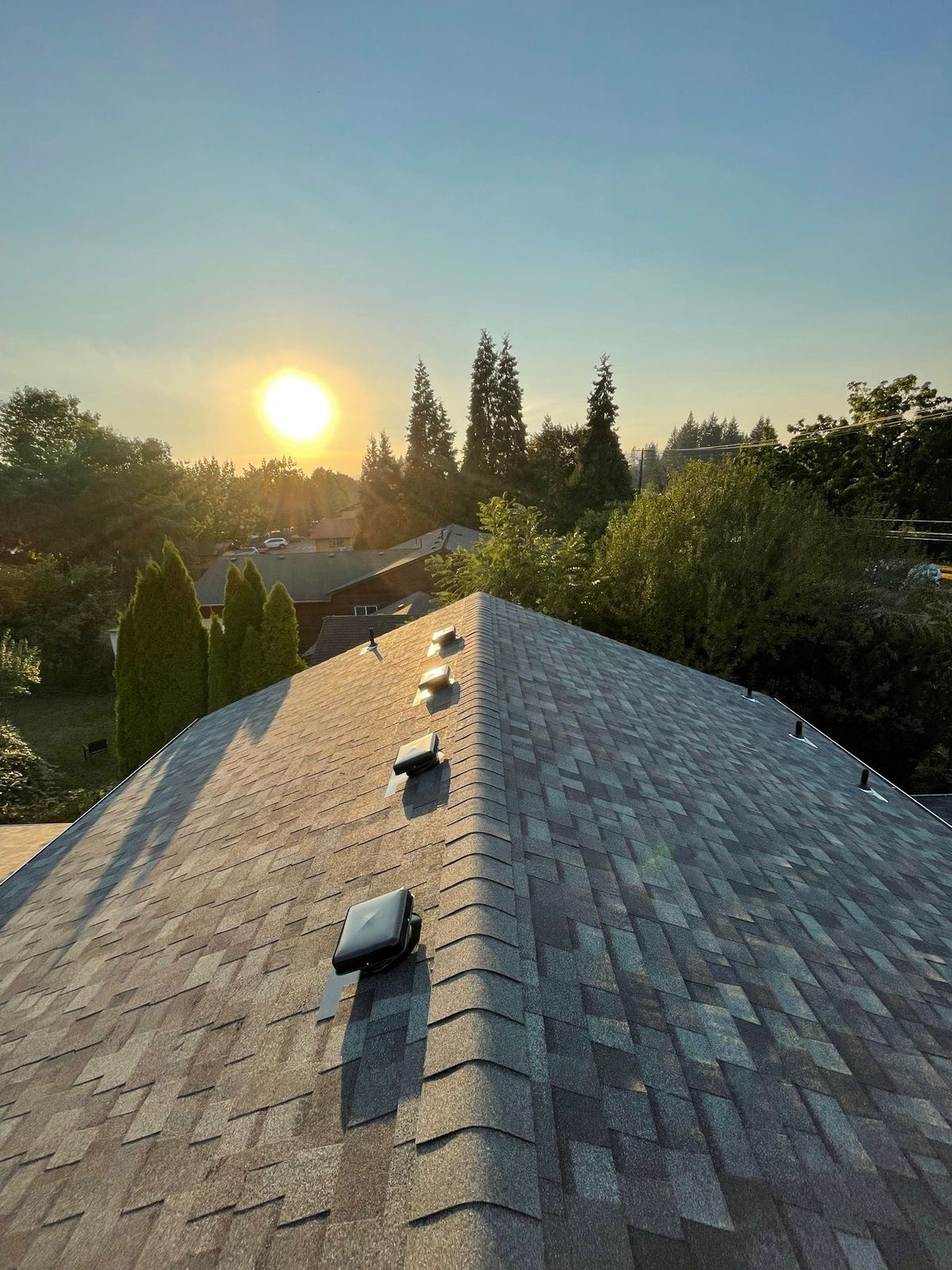
The sun is a powerful force, and its ultraviolet (UV) radiation is a primary driver of material degradation, especially for roofing components. While the granules on your shingles do a great job of reflecting UV rays, they aren't invincible. Over time, and under constant bombardment from the intense DFW sun, the binders holding these granules can weaken, leading to that characteristic granule loss we talked about earlier. This exposes the asphalt layer, which is then directly susceptible to UV damage.
"The sun's UV rays are like a slow-acting acid on asphalt shingles. They break down the chemical bonds in the asphalt, making it brittle and less waterproof over time."— Building Science Journal
Beyond granule loss, UV radiation also causes fading of shingle colors. While this is primarily an aesthetic issue, it's also an indicator that the protective surface of the shingle is breaking down. Faded shingles are a sign that the UV protection is compromised, and the underlying asphalt is more vulnerable. This premature aging means your roof won't perform as it should for its intended lifespan. For homeowners in Plano, Frisco, or McKinney, where roofs are constantly exposed to direct sunlight for many months of the year, UV damage is a significant factor in the longevity of their roofing system. A properly installed roof with high-quality materials and good ventilation can mitigate some of this damage, but it's a battle your roof fights every single day.
Identifying Heat Damage: A DFW Homeowner's 5-Point Inspection Guide
As a homeowner in DFW, you're on the front lines of protecting your biggest investment. While a professional inspection is always recommended, especially after extreme weather events or every few years, there are things you can look for yourself to spot potential heat-related roof damage. Being proactive can save you a significant amount of money and stress. Here’s a simple guide:
Step 1: Check Your Attic for Daylight
On a bright, sunny day, go into your attic and look for any spots where sunlight is filtering through. This indicates a potential breach in your roof decking or a missing shingle.
Step 2: Inspect Your Gutters for Granules
Look in your gutters. If you see a significant amount of black, sand-like granules, it's a strong indicator that your shingles are losing their protective coating due to heat and UV exposure.
Step 3: Examine Shingles from the Ground
Using binoculars, look at your roof from the street. Look for shingles that appear curled, brittle, cracked, or are missing altogether. Also, note any areas where the granules seem unusually thin or patchy.
Step 4: Check Interior Ceilings and Walls
Look for any signs of water stains, discoloration, or damp spots on your ceilings and walls, especially in the upper rooms or around light fixtures. These can be early signs of a roof leak, often exacerbated by heat damage leading to compromised seals.
Step 5: Assess Attic Insulation
While checking for daylight, also look at your attic insulation. If it appears damp, compressed, or has dark spots, it could indicate moisture issues stemming from poor ventilation or roof leaks, often worsened by summer heat.
Remember, these are visual checks. If you notice any of these signs, it's time to call in the professionals. A small issue caught early can prevent a much larger, more expensive problem later in the year.
Proactive Protection: How Montesco Roofing Shields Your DFW Home from Summer Heat
At Montesco Roofing, we understand the unique challenges DFW homeowners face with our climate. We've been installing and repairing roofs in areas like Arlington, Fort Worth, and Mesquite for over 13 years, and we've seen firsthand how the relentless Texas sun can impact a home. Our approach to protecting your roof from summer heat goes beyond just reactive repairs; it's about proactive, long-term solutions.
How to Get This Done
If you want to handle some initial checks yourself, here's exactly what you need: a ladder (used safely!), binoculars, and a flashlight for your attic. If you'd rather have experienced roofers handle it, our team has done this on hundreds of DFW homes — here's how our process works: We start with a thorough, no-obligation roof inspection, paying close attention to heat-related stress points. We'll document any damage, explain the cause, and provide transparent, detailed estimates for repair or replacement using high-quality, heat-resistant materials. We also specialize in assessing and improving attic ventilation systems to ensure your roof stays cooler and lasts longer.
When we recommend a roof replacement, we're not just slapping on the cheapest shingles we can find. We advocate for high-quality roofing materials specifically designed to withstand extreme heat and UV exposure. Brands like GAF, Owens Corning, and CertainTeed offer shingles with enhanced durability and reflective properties that can make a significant difference in your home's energy efficiency and your roof's lifespan. We also emphasize the importance of proper attic ventilation – ensuring your home has the right balance of intake and exhaust vents to allow hot air to escape effectively. This is a critical part of preventing heat buildup that damages your roof from the inside out.
Key Takeaways
- Material Choice Matters: Opt for shingles designed for high heat and UV resistance.
- Ventilation is Key: Ensure proper attic airflow to prevent heat buildup.
- Regular Inspections: Catch heat-related damage early before it becomes a major problem.
- Professional Expertise: Trust experienced DFW roofing contractors like Montesco Roofing.
We also guide homeowners through the often-complex process of insurance claims, especially if heat damage is compounded by other weather events. Our goal is to ensure your roof is not just protected for today, but for years to come, regardless of how hot our DFW summers get. We're not just fixing roofs; we're building lasting protection for your home and family.
FAQ: Your Burning Questions About DFW Summer Roof Damage Answered
Frequently Asked Questions
How do I know if my roof has heat damage?
Can heat damage cause leaks?
What's the difference between heat damage and storm damage?
How long should a roof last in DFW?
Are darker shingles worse in the DFW heat?
What can I do to protect my roof from the summer heat?
How does attic ventilation help my roof in the summer?
Need help putting this into action? Our team has protected hundreds of DFW homes from the summer sun and winter storms. Tell us about your roof — free inspection, no pressure.
Get Your Free Roof Inspection →Montesco Roofing Team
DFW's trusted roofing contractor with 13+ years of experience. Specializing in roof replacements, storm damage repair, and insurance claims across Dallas-Fort Worth.
Get in touch →