What We Found After One Texas Storm: 7 Hidden DFW Roof Threats Homeowners Miss in 2026
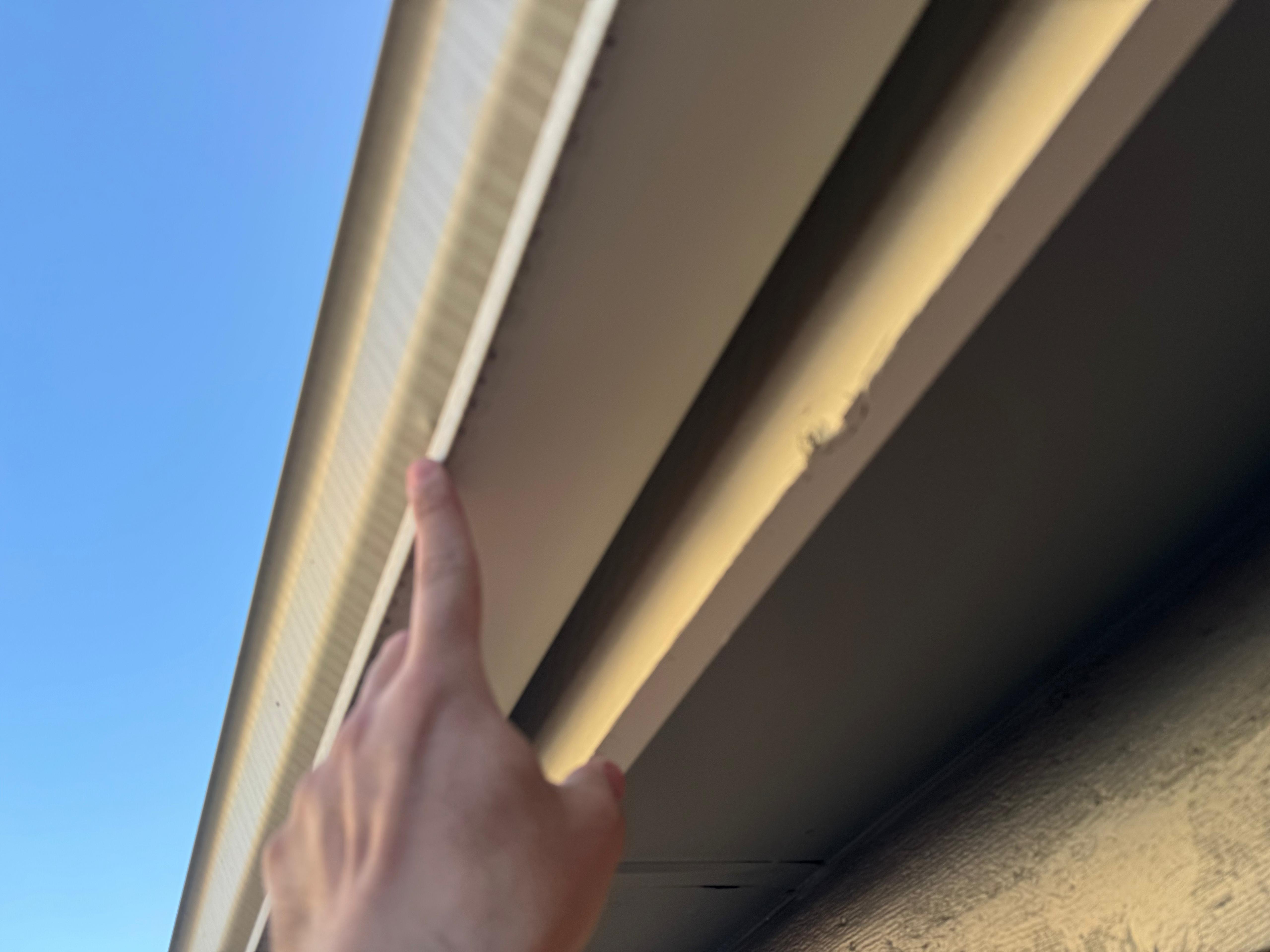
The Unseen Aftermath: Why One Storm Can Wreak Havoc on Your DFW Roof
Saturday, May 23, 2026. We just had another one of those wild Texas storms roll through DFW. You know the type – sudden, fierce, and leaving behind a mess. Most folks breathe a sigh of relief when the thunder stops and the rain dies down, thinking the worst is over. But as a roofing contractor who's been crawling on DFW roofs for over 13 years, I can tell you that's often just the beginning of the story. The real damage isn't always obvious. That's why I wanted to share what we've been seeing after recent storms – the hidden threats that can silently compromise your home's biggest protector: your roof.
Here in North Texas, our weather is… unpredictable, to say the least. We get everything from scorching sun that bakes shingles to sudden downpours, and of course, the dreaded hail and wind. After a significant event, homeowners often do a quick visual check from the ground, maybe spot a missing shingle or two, and think they're in the clear. But the truth is, many of the most destructive issues happen at a microscopic level or in places you simply can't see without getting up close and personal, or even better, knowing exactly what to look for. These hidden problems can take weeks or months to manifest as leaks, mold, or even structural damage, turning a minor weather event into a major homeowner headache and expense.
It's not about fear-mongering; it's about being prepared. My goal is to equip you with the knowledge to understand what's really going on with your roof after a storm, so you can make informed decisions. We've seen it all, from minor cosmetic issues to catastrophic failures, and the common thread in the worst cases is almost always the overlooked, hidden damage. So, let's dive into the 7 most common hidden threats we uncover after a typical DFW storm.
Threat #1: Micro-Fractures in Shingles – The Silent Killer of Roof Lifespan
When hail hits your roof, it's not always about punching holes. Often, especially with moderate-sized hail, the impact creates tiny, hairline cracks on the asphalt surface of the shingles. These are called micro-fractures. They're virtually invisible to the naked eye from the ground, and even from a distance on the roof itself. You might not see them without specialized lighting or magnification.
Look for circular bruising or soft spots on shingles after a hail storm. These are indicators that micro-fractures may be present just beneath the surface. Gentle pressure with your thumb can sometimes reveal these weak points.
Why are these tiny cracks such a big deal? Because they compromise the waterproofing layer of the shingle. The asphalt coating protects the fiberglass mat beneath, and once that's compromised, water can begin to seep into the shingle mat itself. Over time, repeated exposure to sun, rain, and temperature fluctuations will cause these micro-fractures to widen. This leads to premature shingle aging, brittleness, and eventually, a significantly shortened roof lifespan. A roof that should last 20-30 years might start showing signs of wear and tear much sooner, forcing a costly replacement years ahead of schedule. It's a slow, insidious form of damage that often goes unnoticed until it's too late.
Many insurance adjusters, especially those who aren't certified or are working quickly, may miss micro-fracture damage. This is why a thorough inspection by a qualified roofing contractor is crucial for documenting all types of storm-related damage, not just the obvious dents.
In the DFW area, where we experience frequent hail events, this is a recurring problem. We've seen many roofs in Plano and Frisco that looked 'okay' from a distance but had widespread micro-fracture damage, leading to premature failure within 5-7 years. The key is early detection. A professional inspection can identify these subtle signs of stress, allowing for proper documentation and potential insurance claims before the damage becomes visible and more severe.
Threat #2: Granule Loss – Your Roof's First Line of Defense Compromised
Shingles are covered in tiny mineral granules. These granules are like the scales on a fish – they protect the asphalt layer underneath from UV radiation and help reflect sunlight, keeping your attic cooler. They also provide fire resistance. When hail hits, or when strong winds whip across your roof, these granules can be dislodged. You'll often see a concentration of these granules in your gutters or downspouts after a storm, which is a pretty clear visual cue. But what you don't see is the extent of the loss across the entire roof surface.
Shingle Granules: What They Do
UV Protection: Shields asphalt from sun damage.
Heat Reflection: Keeps your home cooler.
Fire Resistance: Adds a crucial safety layer.
Waterproofing: Protects the underlying mat.
Significant granule loss is a major red flag. Without their protective coating, the asphalt layer is exposed directly to the sun's harsh UV rays. This accelerates the breakdown of the asphalt, making the shingles brittle and more susceptible to cracking. Think of it like a sunburn on your skin – over time, it weakens and damages the tissue. For your roof, this means a drastically reduced lifespan. A roof with moderate to severe granule loss is essentially operating without its primary shield.
What most homeowners don't realize is that even if there's no visible damage to the shingle itself, a significant amount of granule loss means the shingle is already compromised. This is something we look for meticulously during our inspections in areas like Arlington and Fort Worth. We don't just look at the gutters; we examine large sections of the roof for bare spots or areas where the granules are clearly thinning. This kind of damage, while not always immediately resulting in a leak, is a critical indicator of future problems and a strong sign that the roof has sustained damage from the storm.
How to Get This Done
DIY Check: Gently run your hand over a few shingles in different areas of your roof (if safely accessible). If a significant amount of granules comes off, it's a sign of concern. Also, check your gutters for an unusual buildup of dark, gritty material.
Montesco Roofing Inspection: Our trained inspectors use specialized tools and experience to accurately assess granule loss across your entire roof, documenting areas of concern with photos and detailed notes for your records and potential insurance claims.
Threat #3: Compromised Flashing – The Gateway for Water Intrusion
Flashing is that critical metal or rubber material installed around roof penetrations – like chimneys, vent pipes, skylights, and in valleys where two roof planes meet. Its job is to create a watertight seal, directing water away from these vulnerable spots and preventing it from seeping into your home. Flashing can be made of aluminum, galvanized steel, copper, or even specialized rubber compounds.
Signs of Compromised Flashing
1. Rust or Corrosion: Especially on metal flashing, look for signs of rust or degradation.
2. Gaps or Cracks: Small openings where water can enter.
3. Loose or Lifted Sections: Flashing that is no longer sealed tightly to the roof deck.
4. Visible Sealant Failure: Old, cracked, or missing sealant around the flashing.
Storms, particularly those with high winds and heavy rain, can wreak havoc on flashing. Wind can lift flashing away from its sealed position, creating gaps. Hail can dent or puncture it, compromising its integrity. Even heavy rain, if not directed properly by intact flashing, can find its way into the smallest crevice. What makes this so insidious is that the damage might be subtle – a tiny gap, a slight lift – but it's all a roof needs to start leaking. Water that gets behind compromised flashing can travel surprisingly far before it shows up as a stain on your ceiling or wall, making it incredibly difficult to pinpoint the source of the leak.
Key Insight
Flashing is often the weakest point on a roof because it involves multiple materials and requires meticulous installation. Storms exploit these vulnerabilities. A thorough inspection must include a close examination of all flashing points, as these are prime candidates for water intrusion after severe weather.
We've had many calls from homeowners in Mesquite and Garland who noticed a small water stain in their living room after a storm, only to find that the actual breach was at their chimney flashing, several feet away. The water had wicked its way through the attic space. This is why a comprehensive roof inspection is so vital. We're not just looking at the shingles; we're meticulously checking every piece of flashing for signs of wear, damage, or improper sealing. Addressing flashing issues promptly is one of the most effective ways to prevent costly interior water damage.
Threat #4: Damaged Vent Boots & Seals – Small Openings, Big Problems
Similar to flashing around chimneys, your roof's plumbing vents, exhaust vents, and attic vents also have seals and boots designed to keep water out. These are often made of rubber or neoprene and are installed around the base of the vent pipe where it penetrates the roof. Over time, the sun's UV rays can degrade these rubber boots, causing them to become brittle, crack, or even tear. Storms can exacerbate this by physically damaging them with hail or lifting them with wind.
Homeowners sometimes try to "fix" a leaking vent boot with caulk. While this might offer a temporary band-aid, it's rarely a long-term solution. The rubber will continue to degrade, and the caulk will eventually fail, leading to recurring leaks.
These vent boots might seem insignificant, but they are crucial points of entry for water. A small crack, a tear, or a boot that has become loose can allow rainwater to seep directly into your attic and the structure of your home. The damage from these small openings can be surprisingly extensive, leading to rotting roof decking, damaged insulation, mold growth, and even structural compromise over time. In the humid Texas climate, mold can develop rapidly once water intrusion occurs.
When we inspect roofs in areas like Rowlett or Allen, we pay close attention to the condition of these vent boots. We're looking for signs of cracking, brittleness, tears, or any indication that the seal has been broken. If we find one that's compromised, it's a clear signal that water could be getting in. Replacing a damaged vent boot is a relatively minor repair compared to the potential damage it can prevent. It's one of those critical, often overlooked details that makes a huge difference in the long-term health of your roof and home.
Threat #5: Hidden Deck Rot – The Foundation of Your Roof's Integrity
The roof deck, typically made of plywood or OSB (oriented strand board), is the solid surface that your shingles are nailed to. It's the foundation upon which your entire roofing system rests. While storms don't directly damage the deck itself (unless they cause a structural collapse), they create the conditions for deck rot to develop and worsen. This happens when water finds its way past compromised shingles, flashing, or vent boots and begins to soak into the wood.
Key Insight
Deck rot is often a slow-developing issue that is exacerbated by storm damage. Because it's hidden beneath the shingles and underlayment, it's one of the most dangerous hidden threats. A compromised deck can lead to sagging roofs, shingle blow-offs, and in severe cases, complete roof collapse.
In DFW, where we experience both heavy rains and prolonged periods of high humidity, wood is susceptible to rot, especially if it's consistently exposed to moisture. After a storm, if water has been allowed to seep in through any of the vulnerabilities we've discussed, it can start to break down the wood fibers. This makes the deck soft, spongy, and weak. You might not see it until a roofer is actually tearing off the old shingles and discovers the rotten sections. This is a significant problem because the nails holding your shingles in place won't have a solid grip, and the structural integrity of your roof is severely compromised.
Detecting hidden deck rot requires specialized knowledge and often involves probing the wood with a tool like an awl or screwdriver during a roof tear-off. In some cases, significant sagging of the roofline can be an indicator, but this might not be apparent until the rot is quite advanced. This is why choosing a reputable roofing contractor in DFW who performs thorough inspections and isn't afraid to dig a little deeper is so important. We've encountered situations where sections of the deck were so rotten, they crumbled when touched, requiring immediate and extensive replacement before a new roof could even be installed.
Threat #6: Wind-Lifted Shingles – Vulnerable to the Next Gust
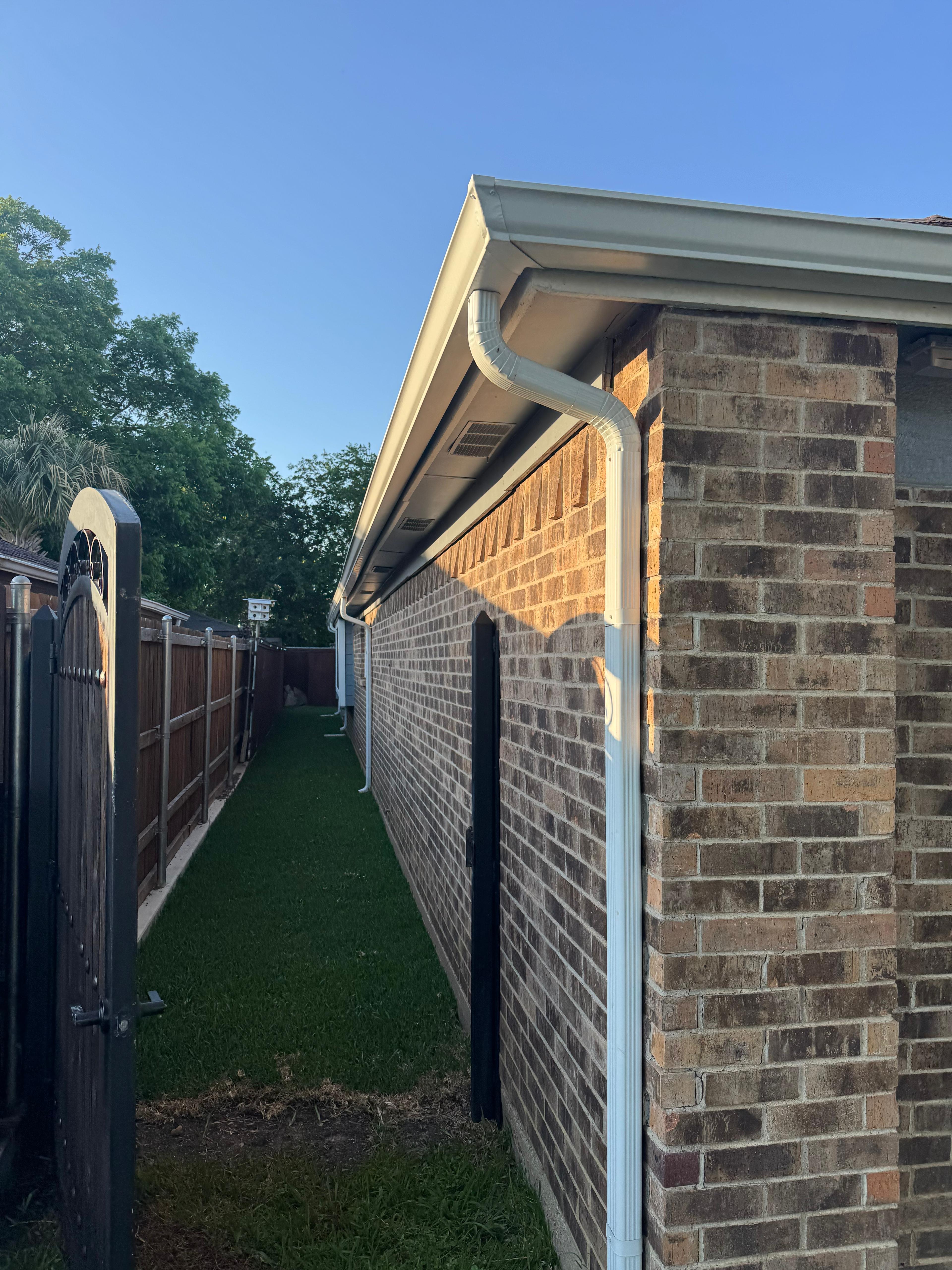
High winds are a common culprit in Texas storms. While winds can rip shingles right off your roof, they can also cause wind-lifting. This is where the wind gets underneath the edge of a shingle and lifts it slightly, breaking the seal that holds it down. The shingle might still be attached, and from a distance, it can look perfectly fine. However, that broken seal leaves the shingle vulnerable.
If you notice shingles that appear to be slightly curled up or lifted at the edges, especially on the windward side of your house, this is a strong indicator of wind-lifting. Check for any signs of sealant being broken or pulled away.
A wind-lifted shingle is essentially a ticking time bomb. It's no longer properly sealed against the elements. The next strong gust of wind, or even heavy rain, can easily lift it further, potentially tearing it off completely. Worse, the exposed underlayment or roof deck is now vulnerable to water intrusion. This damage is often missed during a cursory visual inspection because the shingle is still in place. It requires a roofer to carefully inspect the seals of each shingle, looking for signs of separation or damage to the adhesive strip.
We see this frequently in newer subdivisions around Frisco and McKinney where roofs might be more exposed. A storm might pass through with winds in the 40-50 mph range, causing subtle lifting. Then, a week later, another storm with 60 mph winds hits, and those already compromised shingles are ripped away. It's a chain reaction. Identifying and re-sealing or replacing these wind-lifted shingles is a critical part of a post-storm inspection. It prevents a minor wind event from leading to a major leak.
Threat #7: Debris Trapped Under Shingles – A Recipe for Mold and Decay
After a strong storm, your yard can be littered with branches, leaves, and other debris. Sometimes, this debris gets blown onto your roof and, more concerningly, can get trapped underneath your shingles. This might seem like a minor annoyance, but trapped organic material on your roof can lead to several problems.
Debris on Roofs: The Hidden Dangers
Moisture Trapping: Debris holds moisture against the shingles and decking.
Accelerated Decay: Organic material decomposes, promoting mold and mildew growth.
Shingle Damage: Trapped items can cause friction or puncture shingles.
Clogged Gutters: Debris can worsen drainage issues.
When organic debris like leaves and small twigs gets lodged under shingles, it creates a moist, stagnant environment. This is a prime breeding ground for mold, mildew, and moss. These organisms can begin to break down the asphalt and sealant on your shingles, weakening them over time. Furthermore, the constant moisture trapped against the roof deck can contribute to wood rot, especially in areas where flashing or vent boots might be slightly compromised. It's like leaving wet laundry in a pile – it starts to smell and decay.
Don't try to pry out debris that's firmly stuck under shingles yourself. You could easily damage the shingles or their seals. Let a professional handle it, as they know how to safely remove debris without causing further harm.
This is particularly problematic in older DFW neighborhoods with mature trees. After a storm, we often find leaves and small branches wedged under shingles, especially in valleys or around dormers. A quick sweep of the roof can remove this, but more importantly, it highlights areas where water might be pooling or where the shingle seals might be compromised enough for debris to get trapped. Addressing this debris is a simple but effective preventative measure against longer-term decay and mold growth.
The Montesco Roofing Difference: Uncovering What Others Miss
As you can see, a lot of the real damage from a DFW storm isn't always obvious. It takes a trained eye and a systematic approach to uncover these hidden threats. That's where Montesco Roofing comes in. With over 13 years of experience specifically serving homeowners in Dallas, Fort Worth, and the surrounding DFW metroplex, we've developed a keen sense for what to look for.
Key Insight
Our inspection process is designed to be thorough, going beyond the surface-level checks. We understand the unique challenges of the North Texas climate and the common ways storms impact local homes.
When we conduct a post-storm inspection, we're not just looking for missing shingles. We're systematically evaluating:
- The integrity of every shingle, checking for micro-fractures and granule loss.
- The condition of all flashing around penetrations, looking for signs of lifting, corrosion, or gaps.
- The seals on vent boots and other roof penetrations for signs of cracking or degradation.
- The overall condition of the roof deck for any indications of sagging or softness (during tear-offs or with specialized probes).
- The seals on all shingles for signs of wind-lifting or compromise.
- The presence of trapped debris and any associated moisture or mold issues.
How to Get This Done
DIY Inspection Tips: If you're comfortable and safe, do a ground-level visual inspection. Look for obvious missing shingles, dents on metal surfaces (like AC units or gutters), and check your attic for any signs of daylight or water stains. Note anything unusual.
Montesco Roofing's Comprehensive Inspection: For a detailed, expert assessment, schedule an inspection with Montesco Roofing. We use advanced techniques and our extensive experience to document every potential issue, providing you with a clear, actionable report. We've helped hundreds of DFW homeowners navigate storm damage and insurance claims.
Our team is passionate about protecting your home. We treat every roof like it's our own, because we know that your roof is your home's primary defense against the elements. We geeking out about quality materials and proper installation because we know that's what makes a roof last. When you choose Montesco Roofing, you're choosing a team that knows DFW roofs inside and out.
DFW Storm Damage Roof Claim: Navigating Insurance After the Threat is Found
Discovering hidden storm damage is just the first step. The next, often daunting, step for many DFW homeowners is dealing with their insurance company. The Insurance Information Institute reports that hail is the leading cause of homeowners insurance claims in Texas, with average losses in the thousands of dollars per incident.
It's not uncommon for insurance adjusters to miss subtle damage, like the micro-fractures or compromised flashing we've discussed. They might assess only the most obvious issues, leading to an offer that doesn't fully cover the necessary repairs or replacement. This is where having a detailed report from an experienced roofing contractor in DFW like Montesco Roofing becomes invaluable. We document everything, providing photographic evidence and detailed descriptions that support the full scope of damage.
"Insurance companies are in the business of managing risk and paying claims. They are not in the business of giving away money. They will pay what they believe is owed according to the policy. It is up to the homeowner, or their representative, to ensure that all covered damages are identified and properly accounted for."— Industry Expert
We have extensive experience working with insurance companies on behalf of our clients in Plano, Frisco, Arlington, and across the DFW area. Our goal is to advocate for you, ensuring that your claim fairly reflects the damage your roof has sustained. This process can be complex, involving understanding your policy, meeting adjuster requirements, and negotiating for the necessary funds to restore your roof to its pre-storm condition. We aim to make this process as smooth and stress-free as possible for you.
| Feature | "Storm Chaser" Contractor | Established DFW Contractor (Montesco Roofing) |
|---|---|---|
| Local Presence | Often temporary, disappears after the check clears. | 13+ years serving DFW homes, here for the long haul. |
| Inspection Thoroughness | Focuses on visible, easy-to-prove damage. May miss subtle issues. | Detailed, systematic inspection uncovering hidden threats (micro-fractures, flashing issues, etc.). |
| Insurance Claim Handling | May offer quick fixes but limited advocacy. | Experienced advocate, providing detailed documentation to support your claim. |
| Warranty & Guarantee | Often minimal or non-existent workmanship warranty. | Strong workmanship warranty, manufacturer-backed material warranties. |
| Material Quality | May use lower-grade materials to cut costs. | Recommends and installs high-quality, reputable materials (e.g., GAF, Owens Corning). |
| Long-Term Value | Temporary fix, potential for future issues. | Durable, reliable repairs/replacements ensuring long-term protection and home value. |
If you're dealing with storm damage, choosing a reputable, local contractor is crucial for a successful and lasting repair. A quick fix from a transient company can cost you more in the long run.
Navigating insurance claims for storm damage can be overwhelming. Our expertise in both roofing and the insurance process is designed to give you peace of mind. We help ensure that your roof is repaired or replaced correctly, using the right materials, and that you receive the compensation you're entitled to under your policy.
FAQ: Your Post-Storm DFW Roofing Questions Answered
Frequently Asked Questions
How soon after a storm should I get my roof inspected?
What's the difference between hail damage and wind damage?
Can I file an insurance claim if I only see minor damage?
How long does a typical roof replacement take in the DFW area?
What are the most common materials used for roofing in DFW?
What does a "130 mph wind rating" mean for shingles?
Need help putting this into action? Our team has protected hundreds of DFW homes. Tell us about your roof — free inspection, no pressure.
Get Your Free Roof Inspection →Montesco Roofing Team
DFW's trusted roofing contractor with 13+ years of experience. Specializing in roof replacements, storm damage repair, and insurance claims across Dallas-Fort Worth.
Get in touch →