Is Your DFW Home Ready for the Next Severe Storm?
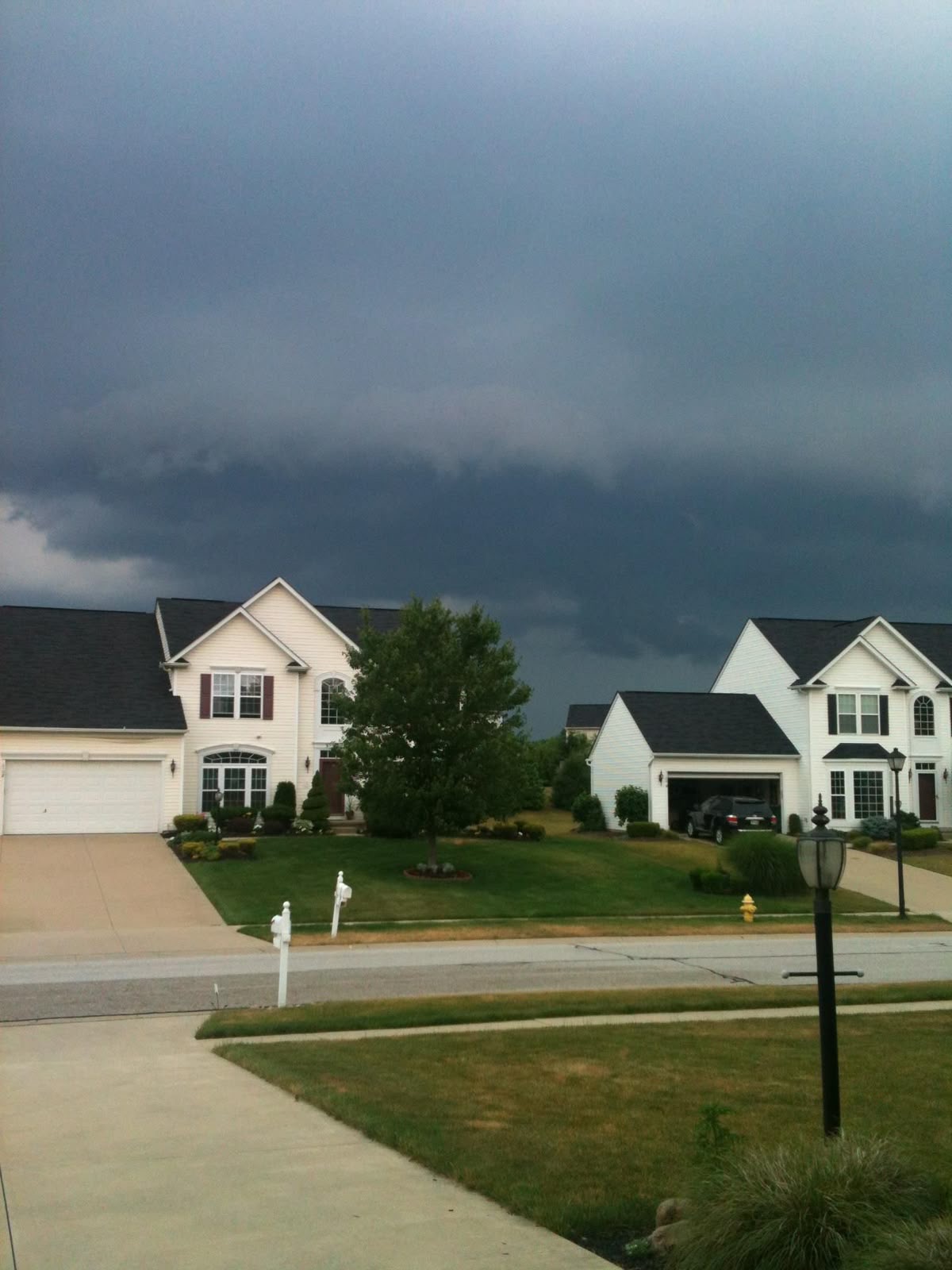
The Unpredictable Fury of DFW Weather: Why Storm Readiness Can't Wait
Here in the Dallas-Fort Worth Metroplex, we're no strangers to extreme weather. One minute it's a beautiful, sunny day, and the next, we're dealing with pea-sized hail that quickly turns into golf-ball-sized missiles, or straight-line winds that can rip shingles right off your roof. It’s a reality of living in North Texas. As of Monday, June 15, 2026, we’ve already seen our share of intense weather this year, and the forecasts always keep us on our toes. The truth is, severe storms aren't a matter of if they’ll happen, but when. And when they do, being unprepared can lead to significant damage, costly repairs, and a whole lot of stress. That's why thinking about storm readiness before the dark clouds gather isn't just a good idea—it's essential for protecting your most valuable asset: your home.
Many homeowners in DFW wait until after a storm hits to think about their roof's condition. By then, it’s often too late to prevent significant interior damage, and insurance claims can become a much more complicated process.
Your Roof: The First Line of Defense Against DFW Storms
When we talk about protecting your home from severe weather, the roof is, without a doubt, the most critical component. It's the shield that stands between your family and the elements. In DFW, our roofs face a relentless assault from high winds, driving rain, and, of course, hail. A healthy, well-maintained roof can withstand most of what Mother Nature throws at it. But a roof that's already showing signs of wear and tear—missing shingles, cracked flashing, or degraded underlayment—becomes incredibly vulnerable. Even a minor storm can turn into a major disaster if your roof isn't up to the task. This is why a proactive approach, focusing on the integrity of your roofing system, is so important for any homeowner in areas like Plano, Frisco, or Fort Worth.
Think about the last major storm that rolled through. Did you notice any new leaks? Did you find granules in your gutters? These are subtle signs that your roof might be compromised. The reality is, the DFW climate is tough on roofing materials. The intense summer sun, followed by dramatic temperature swings and the frequent threat of severe thunderstorms, takes a toll. We've seen it time and again: a seemingly minor hail event can create widespread micro-fractures in shingles, weakening them significantly. Then, the next strong wind storm can lift those compromised shingles, allowing water to seep in. It's a domino effect that starts with a roof that wasn't truly storm-ready.
7 Critical Storm Readiness Checks for Your DFW Home
Quick Answer: To ensure your DFW home is storm-ready, conduct regular visual inspections of your roof for missing or damaged shingles, check attic for leaks, inspect gutters and downspouts for blockages, examine window and door seals, ensure your landscaping is trimmed away from the house, test your sump pump, and review your homeowner's insurance policy for adequate storm coverage. Proactive maintenance is key to preventing costly damage.
Being prepared doesn't have to be overwhelming. It’s about taking a systematic approach to identify potential vulnerabilities before they become actual problems. Here are seven critical checks you can perform to ensure your home is as storm-ready as possible. These are the kinds of things we look at every day when assessing homes across the Metroplex, from Arlington to Garland.
1. Visual Roof Inspection
From the ground, carefully examine your roof. Look for obvious signs of damage like missing, cracked, curling, or blistering shingles. Pay attention to any sagging areas, which could indicate underlying structural issues. Also, check your flashing around chimneys, vents, and skylights for any signs of rust or damage.
2. Attic Inspection for Leaks
This is a crucial step often overlooked. On a clear day, go into your attic with a flashlight. Look for any water stains on the rafters or sheathing. Daylight peeking through the roof deck is a clear sign that water can get in. Check for mold or mildew, which indicates moisture has been present for some time.
3. Gutter and Downspout Check
Clogged gutters can cause water to backup and seep under your roof shingles or damage your fascia and soffits. Clean out any debris like leaves, twigs, and shingle granules. Ensure your downspouts are directing water well away from your home's foundation.
4. Window and Door Seals
Severe winds can force rain around window and door frames. Inspect the caulking and weatherstripping around all exterior windows and doors. If you see cracks, gaps, or deterioration, it’s time to reseal them to prevent water intrusion.
5. Landscaping and Tree Trimming
Overhanging tree branches can be a significant hazard during high winds, potentially falling onto your roof or siding. Trim back any branches that are close to your house. Also, ensure that outdoor furniture, decorations, or any loose items are secured or brought inside.
6. Sump Pump Functionality (if applicable)
If you have a basement or crawl space prone to flooding, test your sump pump to ensure it's working correctly. A functioning sump pump is vital for removing water that might accumulate during heavy rains.
7. Review Your Insurance Policy
Understand what your homeowner’s insurance covers regarding storm damage, particularly hail and wind. Know your deductible and review any policy limitations or exclusions. It’s far better to understand this now than when you’re filing a claim.
Key Insight
Most homeowners insurance policies in Texas cover damage from hail and wind, but there are often separate deductibles for these perils, sometimes referred to as a 'wind/hail deductible.' This deductible is frequently a percentage of your home's dwelling coverage (e.g., 1% or 2%), which can be a significant amount. It's crucial to know this number before a storm.
Beyond the Roof: Protecting Windows, Doors, and Siding
While the roof is certainly the primary concern, a comprehensive storm readiness plan extends to other exterior elements of your home. Windows and doors are critical entry points for wind and water. Damaged seals or cracked panes can allow rain to penetrate deep into your home's structure, leading to mold, rot, and weakened insulation. We often see how wind-driven rain can exploit even the smallest gaps, causing damage that isn't immediately apparent but can be incredibly costly to repair down the line. For homeowners in areas like McKinney or Allen, where intense wind gusts are common, ensuring these openings are sealed tight is paramount.
Consider installing storm shutters or impact-resistant windows if you live in an area with frequent severe weather. While an upfront investment, they offer superior protection and can significantly reduce the risk of costly damage and potentially lower your insurance premiums.
Siding is another area that needs attention. Hail can dent or crack vinyl siding, and high winds can lift or tear sections away. Regular visual inspections can help identify loose panels or impact marks. If you have wood siding, ensure it's properly sealed and maintained to prevent water absorption and rot. The connection points where siding meets windows, doors, and the roof are also vulnerable. Ensuring these transitions are properly sealed and flashed is just as important as the integrity of the siding itself.
What most people miss is how these elements work together. A compromised roof can allow water to run down the exterior walls, finding its way behind the siding. Similarly, damaged siding can allow wind-driven rain to reach the roof deck. It’s a system, and every part needs to be in good working order. For example, we often see homes in Rowlett where older siding has become brittle from years of Texas sun, making it more susceptible to hail damage. When that happens, the underlying sheathing can be exposed, creating a pathway for water. That’s why a holistic approach to your home’s exterior is so important.
Understanding Your DFW Homeowner's Insurance for Storm Damage
Navigating homeowner's insurance after a storm can be one of the most stressful parts of the aftermath. In DFW, severe weather events are common, and understanding your policy before an incident is critical. Most standard homeowner’s policies cover damage from wind and hail, which are the primary culprits in Texas storms. However, there are nuances you need to be aware of.
Understanding Your DFW Storm Coverage
| Feature | What You Need to Know | Why It Matters for Storms |
|---|---|---|
| Dwelling Coverage | The amount your policy will pay to repair or rebuild your home's structure. | Must be sufficient to cover the cost of a full roof replacement and other structural repairs after a severe storm. |
| Wind/Hail Deductible | Often a percentage (1-5%) of your dwelling coverage, applied specifically to wind and hail claims. | This is the amount you'll pay out-of-pocket before insurance kicks in. Know your percentage! A 2% deductible on a $300,000 home is $6,000. |
| Actual Cash Value (ACV) vs. Replacement Cost (RC) | ACV pays the depreciated value of the damaged item. RC pays to replace it with a new item. | For roofs, Replacement Cost is generally preferred, especially for newer roofs, as it covers the full cost of a new roof. Older roofs may be depreciated more heavily. |
| Policy Exclusions | Items or events not covered by your policy. | Some policies may exclude damage from flooding (requires separate flood insurance) or wear-and-tear. |
| Claim Filing Deadlines | Time limits for reporting a claim after damage occurs. | Report damage promptly to avoid potential denial of your claim. |
What many homeowners in Fort Worth and the surrounding areas don't realize is that insurance companies are increasingly scrutinizing claims. They look for evidence of pre-existing damage or lack of maintenance, which can sometimes lead to claim denials. This is why having documentation of your roof's condition before a storm—like photos from a professional inspection—can be invaluable. It demonstrates that the damage was a direct result of the storm, not neglect.
How to Get This Done
Understanding your insurance policy is the first step. If you're unsure about your coverage, contact your insurance agent directly. For professional documentation of your roof's condition, Montesco Roofing offers free, no-obligation roof inspections. We can help you identify potential issues and provide detailed reports that can be crucial for insurance purposes, especially after a storm.
The insurance landscape in Texas is constantly evolving, with new regulations and industry practices emerging. It's vital to stay informed. Resources like the Insurance Information Institute provide excellent, unbiased information on homeowner's insurance. Remember, your insurance policy is a contract, and understanding its terms is your responsibility as the homeowner.
The Cost of Inaction: How Waiting for Storm Damage Costs You Thousands
It’s easy to put off roof maintenance or storm preparedness. After all, your roof might look okay, and there's always something else that seems more urgent. But the reality is, ignoring potential issues or waiting until after a storm hits can end up costing you significantly more in the long run. This isn't just about the immediate repair bill; it's about the cascading effects of water damage and structural compromise.
Consider this: a small leak that goes unnoticed for weeks or months can lead to extensive damage in your attic and walls. Mold can begin to grow within 24-48 hours in damp conditions, leading to serious health issues and requiring costly remediation. The wood structure of your home can rot, compromising its integrity and potentially leading to more extensive and expensive repairs than a simple roof patch would have been. Furthermore, if you wait until after a storm to address roof damage, you'll be joining a long line of homeowners seeking repairs, potentially facing higher prices due to demand and limited contractor availability. This is particularly true in DFW after a significant hail event.
Storm chasers—roofers who appear in town after a major storm and then leave just as quickly—often leave homeowners with shoddy work and no recourse for warranty issues. Their focus is on getting paid and moving on, not on the long-term integrity of your home. Always choose a local, established contractor like Montesco Roofing with a proven track record.
The cost of inaction extends to your home's value as well. A well-maintained roof is a significant selling point. Conversely, a roof showing signs of age or storm damage can deter potential buyers and force you to accept a lower offer. In a competitive DFW real estate market, your roof's condition can be a deciding factor. Investing in proactive maintenance and timely repairs is an investment in your home's longevity, safety, and resale value. It’s about protecting your investment, not just fixing a problem when it becomes undeniable.
Key Insight
The National Roofing Contractors Association (NRCA) consistently emphasizes that regular roof inspections and maintenance are the most cost-effective ways to extend a roof's lifespan and prevent major damage. Neglecting these simple steps can shorten a roof's life by years and double or triple the eventual repair costs.
Montesco Roofing: Your Partner in DFW Storm Preparedness
As a DFW roofing contractor with over 13 years of experience, Montesco Roofing understands the unique challenges our region's weather presents. We've seen firsthand the devastation that severe storms can cause and the relief that comes with a home that was properly prepared or quickly and effectively repaired. Our commitment is to provide homeowners with honest assessments, quality workmanship, and peace of mind.
How to Get This Done
If you want to handle storm readiness yourself, the steps outlined above are your guide. For a professional, thorough assessment and expert repairs, Montesco Roofing is your go-to DFW roofing contractor. We specialize in identifying storm damage, working with insurance companies, and ensuring your roof is resilient. Contact us for a free, no-obligation inspection. We’ll walk you through every step, from initial assessment to final repair, making sure your home is protected.
We don't just fix roofs; we build relationships. We treat every home as if it were our own, using only the highest quality materials and adhering to the strictest installation standards. Whether you're in Dallas, Fort Worth, or any of the surrounding communities like Richardson or Mesquite, our team is equipped to handle your roofing needs. We believe in transparency and educating our clients, so you always know what to expect. When it comes to storm damage, we act quickly and efficiently to minimize disruption and prevent further issues. Our goal is to ensure your home is safe, secure, and protected, no matter what the weather brings.
Key Takeaways
- DFW weather is unpredictable and severe storms are a reality. Proactive storm readiness is crucial for protecting your home.
- Your roof is the first line of defense; regular inspections and maintenance are vital.
- Conduct 7 critical checks: roof, attic, gutters, windows/doors, landscaping, sump pump, and insurance policy.
- Beyond the roof, ensure windows, doors, and siding are sealed and in good repair.
- Understand your homeowner's insurance policy, especially your wind/hail deductible and coverage type (ACV vs. RC).
- The cost of inaction (delaying repairs, ignoring maintenance) far outweighs the cost of proactive measures.
- Choose a reputable, local DFW roofing contractor like Montesco Roofing for inspections and repairs.
Montesco Roofing Team
DFW's trusted roofing contractor with 13+ years of experience. Specializing in roof replacements, storm damage repair, and insurance claims across Dallas-Fort Worth.
Get in touch →