Your DFW Roofing Rights

1. Your Right to Choose Your Contractor – It's Not Up to Them
This is probably the most misunderstood right out there. After a storm hits your North Texas home, you might get a call from your insurance company suggesting you use one of their "preferred" or "network" contractors. They might even say it makes the process faster or easier. Here's the reality: You are never obligated to use a contractor recommended by your insurance company. You have the absolute right to choose any licensed and reputable roofing contractor you want. Why is this so important? Insurance companies are businesses. Their preferred contractors often agree to work for less money, which can lead to cut corners on materials or labor. Sometimes, these contractors are incentivized to keep repair costs low to benefit the insurance company, not necessarily to provide the best long-term solution for your home.When you're picking a roofing contractor, look for someone with deep local roots. Here in DFW, a company that's been serving communities like Plano, Frisco, and Fort Worth for over 10 years has a vested interest in doing quality work and maintaining a good reputation. Ask about their experience with local building codes and specific Texas weather patterns.
2. The Right to a Thorough and Unbiased Inspection
Your insurance policy is a contract. That contract entitles you to an inspection that accurately assesses the damage to your roof. This means the inspector should be looking at the entire roof system, not just the most obvious spots. What does a thorough inspection involve? It means checking for: * Hail damage: Bruising, dents, and granule loss on shingles. * Wind damage: Lifted or missing shingles, damaged flashing. * Age and wear: Pre-existing conditions that might be exacerbated by weather. * Underlying issues: Damage to the decking, underlayment, or ventilation. Many insurance adjusters are trained to look for specific types of damage that meet their company's criteria for replacement. Sometimes, this means they might miss subtle but significant damage, especially if they're on a tight schedule.A quick walk-around with a checklist isn't a thorough inspection. If the adjuster doesn't get on your roof, examine different sections, and check for granule loss in your gutters, they may not be seeing the full picture. Be wary of adjusters who seem rushed or dismissive of your concerns.
3. Understanding Your Policy: It's Your Roadmap
This might sound obvious, but so many people sign their insurance policies without truly understanding what's covered, what isn't, and what their responsibilities are. Your insurance policy is your legal contract with the company, and it dictates everything about your claim. Key things to look for in your policy: * Deductible: How much you'll pay out-of-pocket. * Coverage limits: The maximum amount the insurer will pay. * Actual Cash Value (ACV) vs. Replacement Cost Value (RCV): RCV policies pay to replace your roof with a new one of like kind and quality, while ACV factors in depreciation. For roofs, RCV is almost always what you want. * Ordinance or Law Coverage: This covers the cost of bringing your roof up to current building codes if they've changed since it was originally installed. In areas like Dallas and Fort Worth, building codes are updated, and this coverage is crucial.Your insurance policy is your best tool when dealing with storm damage. Knowing its terms ensures you're not taken advantage of.— Insurance Information Institute
Key Insight
In Texas, especially after significant hail events like those we sometimes see in the Dallas-Fort Worth metroplex, it's vital to understand if your policy covers "matching." This means if a storm damages a section of your roof, and the shingles are no longer manufactured, your policy should cover replacing the entire roof so that the new shingles match the old ones in color and style. Without this, you might end up with a patchwork roof.
4. The Right to an Appeal if You Disagree with the Settlement
This is where many homeowners throw in the towel, feeling defeated. Your insurance company sends you a settlement offer, and it's less than what you believe is fair or what a qualified roofing contractor has quoted. You might feel powerless. You're not. If you believe the insurance company's assessment is inaccurate or their settlement offer is too low, you have the right to dispute it. This process is often called an appeal or supplemental claim. How does this work? * Gather evidence: This is where your contractor's detailed inspection report, photos, and estimate become invaluable. * Communicate formally: Write a letter to your insurance company outlining why you disagree with their assessment and provide your supporting documentation. * Negotiate: Your contractor can often communicate directly with the insurance adjuster to discuss the discrepancies and negotiate a fair settlement. * Consider a Public Adjuster: If negotiations stall, you can hire a public adjuster (who works for you, not the insurance company) to represent your interests.5. Your Right to a Roof That Meets Local Building Codes

Some contractors, especially those who aren't local or are focused on speed over quality, might cut corners on code compliance. They might reuse old vents, skip the required underlayment, or install shingles that don't meet local wind ratings. This can lead to future problems, void manufacturer warranties, and even result in city code violations down the line.
6. The Right to a Warranty on Workmanship and Materials
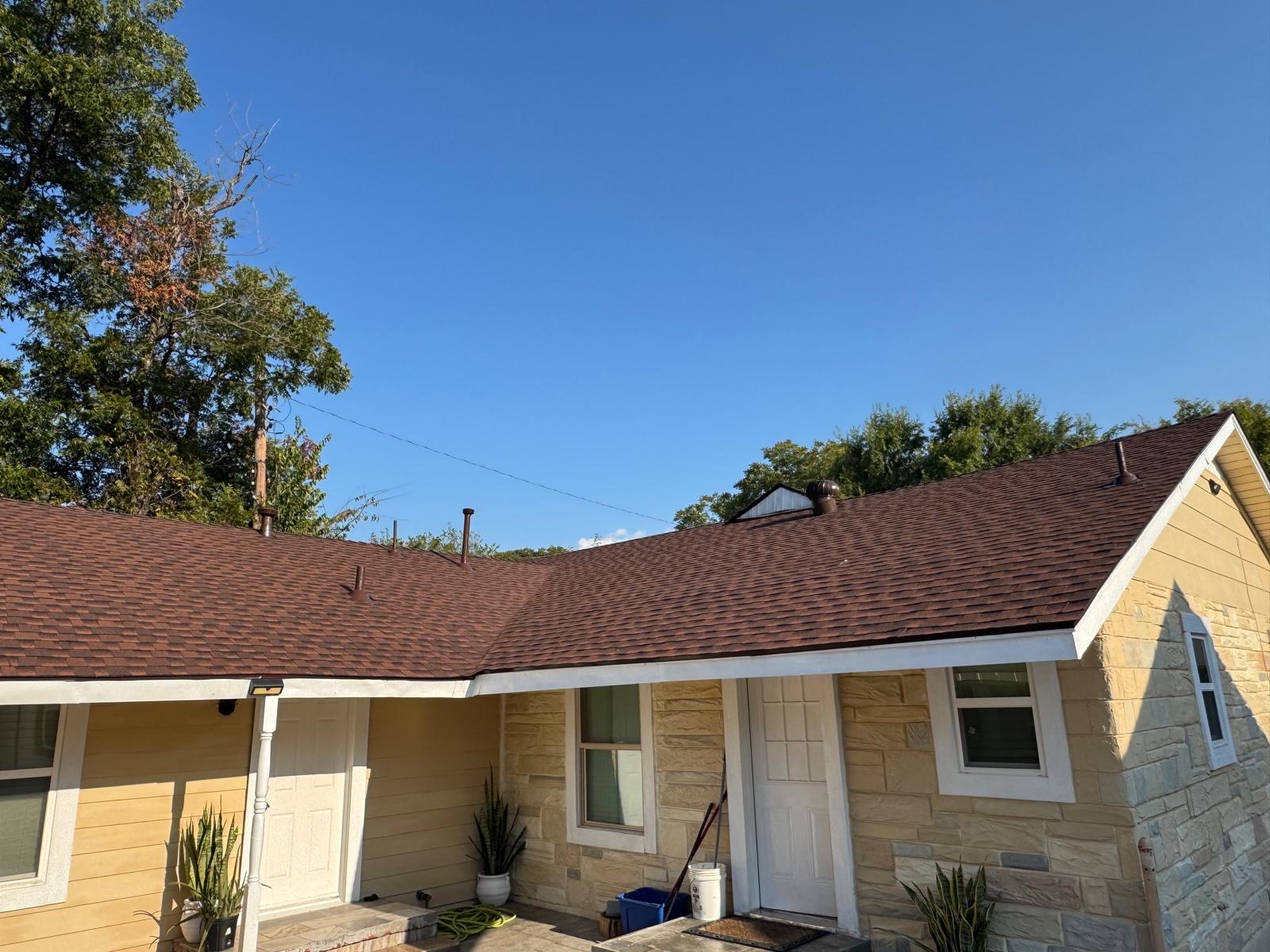
When discussing warranties, ask for specifics. What does the manufacturer's warranty actually cover? For how long? What are the exclusions? For workmanship, what exactly is covered, and for how many years? A strong workmanship warranty is often a sign of a contractor's confidence in their quality.
Roofing Contractor Comparison
| Feature | "Storm Chaser" Contractor | Established DFW Contractor (Montesco Roofing) |
|---|---|---|
| Workmanship Warranty | Often none, or very short (e.g., 1 year) | 10+ Year Limited Workmanship Warranty |
| Manufacturer Warranty | May not install according to specs, voiding it | Certified Installer for major brands (GAF, Owens Corning), ensuring full warranty coverage |
| Local Accountability | Disappears after the storm and check clears | 13+ years serving DFW; we're your neighbors. |
| Insurance Claim Assistance | May help, but often focused on getting quick approval | Dedicated support to ensure a fair settlement for quality repairs. |
| Long-Term Value | Potentially cheaper upfront, higher long-term cost due to poor quality/voided warranties | Investment in a durable, protected home with peace of mind. |
7. The Right to Documentation for Your Records
After your roof is repaired or replaced, you should receive complete documentation of the work performed. This includes: * The final invoice: Detailing all materials and labor costs. * Warranty information: Copies of manufacturer warranties and your contractor's workmanship warranty. * Permits: If a permit was required by your city (common in DFW), you should have proof it was obtained and closed out. * Before and after photos: Especially important if you're documenting damage for your records or if there were any complex repairs.Key Insight
This documentation is not just for your peace of mind. It's crucial for future insurance claims, for when you sell your home, and for your own records. A professional roofing company will readily provide this. If a contractor is hesitant or unable to provide thorough documentation, it's a red flag.
How to Get This Done
DIY Inspection Tips: After a storm, grab binoculars and look for missing or damaged shingles from the ground. Check your gutters for excessive amounts of asphalt granules. If you suspect damage, carefully inspect your attic for any signs of daylight or water stains. For a more thorough assessment, consider hiring a professional. Montesco Roofing offers free, no-obligation roof inspections for DFW homeowners. Our experts know exactly what to look for after Texas storms and can provide a detailed report to help you understand your roof's condition and what your insurance should cover.
Navigating insurance claims and roofing repairs can be overwhelming. Knowing your rights is the first step to ensuring your home is properly protected. Our team has protected hundreds of DFW homes with expertise and integrity.
Get Your Free Roof Inspection →Frequently Asked Questions
What if my insurance company offers a low settlement for my DFW roof damage?
Can my insurance company force me to use their preferred contractor in Texas?
How do I know if my roof needs replacing after a storm in Dallas-Fort Worth?
What is the difference between Actual Cash Value (ACV) and Replacement Cost Value (RCV) for my roof?
How long does a typical roof replacement take in the DFW area?
What should I do if I suspect my insurance adjuster missed damage?
Montesco Roofing Team
DFW's trusted roofing contractor with 13+ years of experience. Specializing in roof replacements, storm damage repair, and insurance claims across Dallas-Fort Worth.
Get in touch →