12 Roofing Questions DFW Homeowners Ask

You've probably stood on your porch, squinted up at your roof, and wondered if everything is as solid as it should be. Especially here in DFW, with our dramatic Texas weather swings – one day it's scorching sun, the next it's a full-blown hailstorm. It's natural to have questions, and frankly, we get asked a lot of the same ones week in and week out. As a roofing contractor who’s been in the trenches across Dallas, Fort Worth, and all the surrounding areas for over 13 years, I’ve seen it all. My goal isn't to sell you something; it's to arm you with the knowledge you need to make the best decision for your home. Think of this as a friendly chat over coffee, where I'm laying out the real deal about your roof.
The #1 Question: "How Much Does a Roof Replacement Cost in DFW in 2026?"
This is hands-down the most common question we field, and it’s a good one. Nobody wants surprises when it comes to a major home investment like a roof. The truth is, there’s no single, simple dollar amount that fits every house. It’s like asking "how much does a car cost?" – it depends on a lot of factors. Here in DFW in 2026, you're looking at a pretty broad range for a full asphalt shingle roof replacement, typically somewhere between $9,000 and $25,000, and sometimes even more for larger or more complex homes.
What drives that price? Several things: the size of your roof is the biggest factor, measured in "squares" (a square is 100 square feet). Then there's the type of material you choose. Basic architectural asphalt shingles will be on the lower end, while premium shingles, metal roofing, or tile will significantly increase the cost. The complexity of your roof's design matters too – multiple valleys, dormers, skylights, and steep pitches all add labor and material. And don’t forget about potential underlayment issues or replacing rotted decking, which you might not know about until we tear off the old roof. Finally, the current market for materials and labor plays a role. We’re seeing some fluctuations in material costs, so getting an accurate quote is key.
When we give you a quote, it’s not just a number. We break down exactly what’s included: the specific materials, labor, disposal of old roofing, warranty information, and any potential add-ons. We believe in transparency. For example, a standard 2,000-square-foot home in Plano with good quality architectural shingles might fall in the $12,000-$17,000 range in 2026, assuming no underlying structural damage. A larger, more complex roof in Southlake with higher-end materials could easily push past $20,000. It’s always best to get a personalized inspection and quote.
How to Get This Done
If you're looking to understand the cost for your specific home, the best first step is a professional roof inspection. Our team offers free, no-obligation inspections. We'll walk your roof, measure it accurately, discuss material options with you, and provide a detailed, written estimate. Get your personalized quote today and know exactly what to budget for your DFW roof replacement.
Shingles vs. Metal vs. Tile: Which Roof Material is Best for Your DFW Home?
Asphalt Shingles
Pros: Most affordable upfront, wide variety of colors and styles, familiar installation, good for most DFW homes.
Cons: Shorter lifespan (15-30 years), can be susceptible to hail and high winds, may require more frequent repairs.
Metal Roofing
Pros: Extremely durable (50+ year lifespan), excellent resistance to hail, wind, and fire, energy-efficient (reflects heat), low maintenance.
Cons: Higher upfront cost, can be noisy during heavy rain (though modern installations mitigate this), professional installation is crucial.
Tile Roofing (Clay/Concrete)
Pros: Very long lifespan (50+ years), excellent fire resistance, distinctive aesthetic appeal, good insulation properties.
Cons: Very heavy (may require structural reinforcement), higher upfront cost, can be brittle and prone to breakage if walked on improperly, installation requires specialized expertise.
Choosing the right roofing material is a big decision, and it really depends on your priorities and budget. Here in DFW, we see a lot of asphalt shingles because they offer a good balance of cost and performance. For a standard home, a quality architectural asphalt shingle from a reputable manufacturer like GAF, Owens Corning, or CertainTeed is a solid choice. These typically come with warranties of 25-50 years, depending on the specific product.
But if you're looking for something that will truly stand the test of time and offer superior protection against our notorious Texas hail, metal roofing is a fantastic option. While the upfront cost is higher, the longevity and reduced need for repairs can make it more cost-effective over its lifespan. We're seeing more homeowners in areas like Frisco and Plano opt for standing seam metal roofs for their durability and modern look.
Tile roofs are beautiful and incredibly durable, but their weight is a significant consideration, especially for older homes. They're more common in certain architectural styles and might require structural upgrades. For most DFW homeowners, the decision often comes down to asphalt shingles versus metal.
When considering materials, think about the long-term value. A slightly higher upfront investment in metal roofing, for instance, can save you significant money and headaches over 30-50 years compared to replacing asphalt shingles multiple times.
We’ve installed all types of roofing systems across North Texas, and we can help you weigh the pros and cons based on your specific home, budget, and local climate. We also carry a range of options from brands like Atlas, known for their quality.
"Is My Roof Damage Covered by Insurance?" Navigating DFW Storm Claims
This is another question that comes up a lot, especially after a significant storm rolls through DFW. The short answer is: it depends. Homeowners insurance policies are designed to cover sudden, accidental damage, and that often includes damage from things like hail and high winds. However, there are crucial details to understand.
First, you need to know your deductible. This is the amount you pay out-of-pocket before your insurance kicks in. If the damage is less than your deductible, you’ll be responsible for the full repair cost. Second, policies vary. Some have specific endorsements or exclusions for certain types of damage. Critically, most policies cover damage from hail and wind, but they generally do not cover damage due to lack of maintenance or normal wear and tear. This is where it gets tricky.
After a storm, it’s vital to get a professional inspection as soon as possible. We’ve seen countless situations where homeowners are told by their insurance adjuster that there’s minimal or no damage, only for our experienced eyes to find extensive issues that will lead to leaks down the road. This is where a seasoned DFW roofing contractor like Montesco Roofing becomes invaluable. We understand what to look for, how to document it properly, and how to communicate effectively with insurance adjusters.
We work with homeowners to navigate the insurance claims process. This includes providing detailed inspection reports, photographic evidence, and repair estimates that align with industry standards and what insurance companies typically expect. Our goal is to ensure you get the full coverage you’re entitled to for storm-related damage to your roof.
Be wary of roofing contractors who show up unannounced immediately after a storm, promising "free inspections" and pushing you to sign contracts on the spot. These "storm chasers" often do shoddy work and disappear once they get paid, leaving you with an even bigger problem. Always choose a local, established contractor with a proven track record.
Navigating insurance can be overwhelming, but you don't have to do it alone. Understanding your policy and working with a contractor who specializes in storm damage repairs and insurance claims can make all the difference.
How to Get This Done
If you suspect storm damage, here’s your action plan: 1. Document any visible damage from the ground. 2. Check your attic for any signs of leaks. 3. Contact your insurance company to report the damage and understand your policy. 4. Schedule a professional inspection with a local, reputable DFW roofing contractor like Montesco Roofing. We'll provide an unbiased assessment and help you with the claims process.
Hail Damage vs. Wind Damage: What's the Difference for Your DFW Roof?
Here in North Texas, we deal with both hail and wind, and they can cause distinct types of damage to your roof. Understanding the difference is crucial for proper assessment and insurance claims.
Hail damage typically manifests as bruising or cracking on the shingles. When a hailstone hits, it can knock off the protective granules that shield the asphalt layer. You might not see an immediate hole, but this granule loss exposes the asphalt to UV rays, leading to premature aging and eventual failure. Hail damage often looks like circular or irregular dents on the shingle surface, or sometimes small cracks radiating from impact points. It's important to note that even seemingly small hail (like quarter-sized) can cause significant granule loss and damage.
Key Insight
One of the most reliable indicators of hail damage is the presence of granules in your gutters. These granules are shed from the shingles when they are impacted by hail.
Wind damage, on the other hand, usually involves lifting, tearing, or completely dislodging shingles. High winds can get underneath shingles, especially if they're already aged or improperly installed, and peel them back. This can lead to exposed underlayment, which is much more vulnerable to water intrusion. You might see shingles that are curled, cracked at the edges, or simply missing altogether. Wind can also damage other roof components like flashing, vents, and soffits.
The key difference for insurance purposes is often the pattern and type of damage. Hail damage might be more localized or appear in a pattern related to the storm's path, while widespread wind damage might affect shingles on one side of the house more than another. Both can lead to leaks if not addressed promptly.
When inspecting your roof after a storm, look for missing shingles, torn shingles, or shingles that appear "lifted" or damaged. For hail, look for small dents or bruises on the shingle surface and check for granules in your gutters. Document everything with photos.
If you've had a recent storm in the DFW area, it's always best to have a professional inspect your roof for both types of damage. We've seen many cases where homeowners only report one type of damage, but both hail and wind were present, leading to a more comprehensive and appropriate insurance claim.
How to Spot Early Signs of Roof Damage Before It Becomes a Disaster
The best way to deal with roof problems is to catch them early. Proactive homeowners in DFW are the ones who save themselves a lot of money and hassle in the long run. Ignoring small issues can lead to much bigger, more expensive problems down the line, like water damage to your attic, ceilings, and walls.
So, what should you be looking for? Let’s break it down:
1. Check Your Attic
This is often the first place you'll notice a problem. Head up into your attic on a dry day and look for any signs of daylight coming through the roof deck. If you can see light, water can get in. Also, look for water stains, mold, or mildew on the underside of the roof sheathing or on your insulation.
2. Inspect Your Gutters
As we mentioned, granules in your gutters are a big red flag for shingle damage. If you see an unusual amount of shingle grit, it means your shingles are breaking down. Also, check if your gutters are clogged with debris, which can cause water to back up onto the roof edge.
3. Look for Damaged Shingles
From the ground (or safely from a ladder if you’re comfortable), look for shingles that are missing, cracked, curled, or appear brittle. Pay attention to areas around chimneys, vents, and skylights, as these are common points of failure.
4. Notice Sagging or Depressions
A sagging roofline can indicate a problem with the underlying structure, possibly due to water damage or inadequate support. This is a serious issue that needs immediate attention.
5. Check for Interior Water Stains
Water stains on your ceilings or walls, especially after rain, are a clear sign that water is penetrating your roof and structure. Don't ignore these; they can be precursors to significant mold and structural damage.
These are all signs that you need to call a professional. We’ve seen roofs in Garland and Mesquite that looked okay from the street but had significant hidden damage in the attic. Early detection is key to preventing costly repairs and protecting your home's interior.
Key Insight
The lifespan of a roof is not infinite. Even the best materials will eventually degrade. Regular visual inspections, both by you and a professional, are the best defense against unexpected failures.
If you notice any of these signs, don't wait. A small leak can turn into a major structural problem very quickly, especially with the humidity and occasional heavy rains we get here in DFW.
DIY Roof Repair in DFW: Why It's Almost Always a Bad Idea
I get it. You see a loose shingle, maybe a small drip, and your first thought might be, "I can fix this myself." In theory, for very minor, temporary fixes on a shed, maybe. But when it comes to your actual home, especially here in DFW where our weather can be extreme, DIY roof repair is almost always a recipe for bigger problems.
Let's talk about why:
The biggest risk of DIY roof repair is safety. Falls from a roof can lead to severe injury or even death. If you're not a trained professional with the right safety equipment, it's simply not worth the risk.
1. Safety First (and Foremost): Residential roofs are often steep and can be slippery, especially with dew or after rain. Falls can cause serious injuries. Professionals are trained in roof safety and use specialized equipment like harnesses and scaffolding. Your homeowner's insurance likely won't cover injuries sustained during a DIY repair.
2. Lack of Proper Tools and Materials: Roofing requires specific tools – roofing nailers, pry bars, chalk lines, sealants, and more. You also need the right type of shingles, underlayment, and fasteners that match your existing roof system. Using the wrong materials or improper techniques can lead to leaks and premature failure.
3. Unseen Damage: You might fix the visible issue, but what about what you can't see? There could be rotted decking, damaged underlayment, or compromised flashing that you’d miss during a DIY inspection. A professional roofer knows exactly where to look for these hidden problems.
4. Voided Warranties: If you have a manufacturer's warranty on your existing roof, attempting DIY repairs can void it. Even if you're just replacing a few shingles, if it's not done to manufacturer specifications, you could lose that valuable protection.
5. Ineffective Repairs: Even if you manage to fix the immediate problem without injury, the repair might not be done correctly. This can lead to the same leak returning, or even worse, creating new ones. This often results in calling a professional anyway, but now you've paid for materials and potentially a professional repair.
For any significant repair or replacement work on your DFW home's roof, it’s always best to trust the experts. We have the training, the tools, the safety protocols, and the experience to do the job right the first time. Trying to save a few dollars on a DIY repair can end up costing you thousands in the long run.
What to Look for in a Reputable DFW Roofing Contractor in 2026
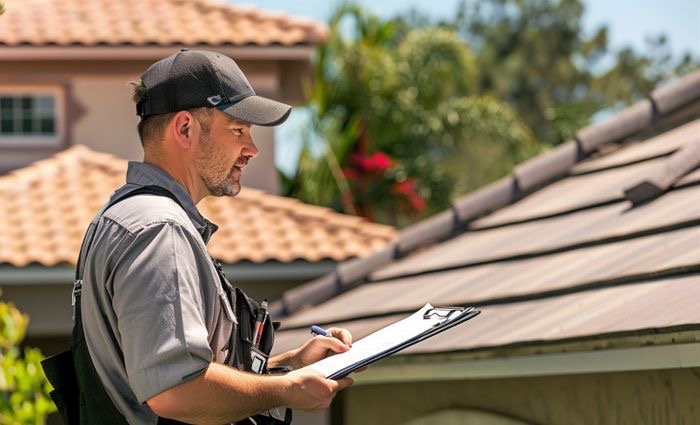
Choosing the right roofing contractor in the DFW area is crucial, especially after a storm when fly-by-night operations pop up. You need someone you can trust to do quality work, stand behind their promises, and be there if you have issues down the road. Here’s what I always tell homeowners to look for:
1. Local and Established
Look for a company that has a physical address and has been serving the DFW area for a significant amount of time. We've been here for 13+ years. This shows commitment to the community and a stable business. A company that’s only been around for a year or two, especially after a big storm, is a red flag.
2. Proper Licensing and Insurance
Ensure they are licensed to operate in Texas and carry general liability insurance and workers' compensation insurance. This protects you, your property, and their employees. Ask for proof!
3. Manufacturer Certifications
Reputable contractors often hold certifications from major roofing material manufacturers (like GAF Master Elite, Owens Corning Preferred Contractor). This means they’ve undergone extensive training and adhere to strict installation standards, which often translates to better warranties.
4. Strong Warranties
A good contractor will offer a robust warranty on both their workmanship and the materials used. Don't settle for anything less than a solid workmanship guarantee from the contractor, in addition to the manufacturer's warranty on the shingles themselves.
5. Clear Communication and Detailed Quotes
They should be able to clearly explain the process, materials, and costs. Their quote should be detailed, itemizing everything included. They should answer all your questions patiently and thoroughly.
6. Positive Reviews and Referrals
Check online reviews (Google, Yelp, BBB) and ask for local references. A company with a consistent history of positive feedback is generally a safe bet.
Avoid contractors who only accept cash, pressure you into signing a contract immediately, or offer unusually low prices. These are often indicators of a scam or poor-quality work. Finding a trusted DFW roofing contractor is about diligence and asking the right questions.

How to Get This Done
When you're vetting contractors, ask for their license number, insurance certificates, and proof of manufacturer certifications. Ask for references from recent jobs in your neighborhood. At Montesco Roofing, we are proud to be fully licensed, insured, and certified by leading manufacturers, and we're always happy to provide references and detailed quotes.
The Lifespan of a DFW Roof: What to Expect from Different Materials
How long will your roof last? That's a question that weighs on many homeowners, and the answer, as you might guess, depends heavily on the material used and the quality of installation. Here in DFW, our climate – with intense sun, occasional hail, and strong winds – can put a significant strain on roofing materials.
Let's look at the typical lifespans you can expect for common roofing materials in our region:
You'll notice that asphalt shingles have a shorter lifespan compared to metal or tile. This is a primary reason why many homeowners opt for higher-end asphalt shingles or metal roofing, especially if they plan to stay in their DFW home for the long haul. A well-installed, premium asphalt shingle roof can provide excellent service for 30 years or more. However, for ultimate longevity and resilience against our weather, metal roofing is often the superior choice.
Key Insight
The lifespan of your roof is not solely determined by the material's inherent durability. Proper ventilation in your attic, regular maintenance, and professional installation play equally critical roles in how long your roof system will perform effectively.
It's also important to remember that these are typical lifespans. A roof that’s constantly exposed to harsh conditions, experiences frequent storms, or isn’t properly maintained might fail sooner. Conversely, a well-cared-for roof can sometimes exceed its expected lifespan. We’ve seen roofs in Plano that are still performing well after 35 years, simply because they were well-built and maintained.
When getting a quote for a new roof, always ask about the expected lifespan of the materials and the warranty that comes with them. Don't just focus on the upfront cost; consider the long-term value and durability.
When Should I Consider a Full Roof Replacement vs. Repair?
This is a common dilemma for homeowners: can I just repair this minor issue, or is it time for a whole new roof? It’s a question that requires careful consideration, and the answer often depends on the extent of the damage, the age of your roof, and your budget.
Generally, a roof repair is suitable for isolated, minor issues. Think of things like:
- Replacing a few missing or damaged shingles after a localized wind event.
- Repairing a small leak around a vent pipe or flashing.
- Sealing a small crack or puncture.
If the damage is limited to a small area and your roof is relatively new (say, less than 10-15 years old), a repair is often the most cost-effective solution. It addresses the immediate problem without the significant expense of a full replacement.
However, a full roof replacement becomes the better option in several scenarios:
- Age: If your roof is nearing the end of its expected lifespan (e.g., 20-25 years for standard asphalt shingles in DFW), even minor repairs can be a temporary fix. You're likely to face more problems soon.
- Widespread Damage: If a storm has caused significant damage across a large portion of your roof – many missing shingles, widespread granule loss, or multiple leaks – a replacement is usually more practical and cost-effective than trying to patch it up.
- Underlying Issues: If we discover rotting roof decking, significant moisture damage in the attic, or structural problems, these often necessitate a full tear-off and replacement to properly address the issues and ensure a solid foundation for a new roof.
- Outdated Materials: If your current shingles are brittle, cracked, or no longer meet current building codes or wind-resistance standards, replacement is the way to go.
Constantly repairing an aging roof can become more expensive over time than a single, comprehensive replacement. If you've had multiple repairs in the last few years, it's a strong signal that replacement is due.
At Montesco Roofing, we always perform a thorough inspection to give you our honest recommendation. We’ll explain whether a repair is a viable solution or if investing in a full replacement will provide better long-term value and protection for your DFW home. Our goal is to help you make the most informed decision for your situation.
How to Get This Done
If you're unsure whether you need a repair or replacement, the best step is to schedule a professional roof inspection. We'll assess the condition of your roof, explain any damage found, and provide clear recommendations with cost estimates for both repair and replacement options, allowing you to weigh your choices.
Common Attic Ventilation Issues & How They Affect Your Roof
This is one of those topics that homeowners often overlook, but it’s incredibly important for the health and longevity of your roof, especially here in the Texas heat. Proper attic ventilation is not just about comfort; it’s about protecting your entire roofing system.
Your attic space acts like a buffer between your living area and the outside elements. In DFW, the summer sun beats down relentlessly, heating up the attic to extreme temperatures. Without adequate ventilation, this heat gets trapped. This can lead to several problems:
- Premature Shingle Aging: Excessive heat in the attic bakes your shingles from the underside, causing them to degrade faster, become brittle, and lose their protective granules prematurely. This significantly shortens the lifespan of your roof.
- Ice Dams (less common in DFW, but possible in extreme cold snaps): In colder climates, trapped heat can melt snow on the roof, which then refreezes at the eaves, forming ice dams that can force water under shingles. While less of an issue here, the principle of heat buildup is still relevant.
- Mold and Mildew Growth: In humid conditions, trapped moisture can lead to mold and mildew growth within the attic and on the roof decking. This can compromise the structural integrity of your roof and affect indoor air quality.
Key Insight
A balanced ventilation system typically involves a combination of soffit vents (intake) near the eaves and ridge vents or box vents (exhaust) at the peak of the roof. This creates a natural airflow that pushes hot, moist air out and draws cooler, drier air in.
Common ventilation issues we see in DFW homes include:
- Blocked Soffit Vents: Insulation can sometimes be installed improperly, blocking the airflow from soffit vents.
- Insufficient Exhaust Vents: Not having enough ridge vents or box vents to effectively expel the hot air.
- Lack of Baffles: Baffles are installed to maintain an air channel between insulation and the roof deck, ensuring airflow from soffit vents.
- Old or Damaged Vents: Vents can become clogged with debris or damaged by weather.
When we inspect a roof, we always assess the attic ventilation. Ensuring proper airflow is a critical part of a healthy roofing system, and it’s something we integrate into our installations. It's an investment that pays off by extending your roof's life and improving your home's energy efficiency.
How to Get This Done
During a roof inspection, we'll check your attic for proper ventilation. If issues are found, we can recommend solutions, which might include cleaning existing vents, adding more exhaust vents, or installing baffles. For homeowners looking to tackle this themselves, ensure insulation isn't blocking soffit vents and consider adding more ridge vents if your attic feels excessively hot. However, for a comprehensive assessment and professional installation, contacting Montesco Roofing is the best approach.
How Montesco Roofing Answers Your Toughest Roofing Questions
We started Montesco Roofing over 13 years ago with a simple mission: to provide DFW homeowners with honest, expert advice and top-quality roofing services. We know that your roof is one of the most critical components of your home, and facing roofing issues can be stressful. That’s why we’ve built our entire approach around clarity, integrity, and expertise.
When you contact us, you're not just getting a salesperson. You're getting a conversation with someone who understands the nuances of roofing, from the granular level of shingle composition to the complex dynamics of insurance claims and storm damage assessment. We take the time to listen to your concerns, understand your specific situation, and then provide straightforward answers.
"We believe that educating our homeowners is just as important as the shingles we install. When you understand why a certain solution is recommended, you can make a confident decision."— The Montesco Roofing Team
Our process for answering your questions is designed to be thorough:
- Initial Consultation: We start by listening. What are your concerns? What have you observed? What's your budget?
- Expert Inspection: Our experienced technicians will conduct a detailed inspection of your roof, attic, and any affected interior areas. We document everything with photos and notes.
- Clear Explanation: We'll walk you through our findings, using the photos and our expertise to explain the issues clearly. No jargon, just plain English.
- Tailored Solutions: Based on the inspection, we’ll present you with the best options, whether it's a targeted repair or a full replacement. We’ll discuss material choices, warranties, and timelines.
- Transparent Estimates: You’ll receive a detailed, itemized estimate that clearly outlines all costs, materials, and labor involved.
We pride ourselves on being a DFW roofing contractor that homeowners can rely on. Whether you’re dealing with suspected hail damage, a persistent leak, or simply want to understand the condition of your roof, we're here to provide the expert answers you need. We’re not just building roofs; we’re building trust, one home at a time, right here in North Texas.
Need answers to your roofing questions? Our expert team has been protecting DFW homes for over 13 years. We offer free inspections and honest advice. Let's talk about your roof.
Get Your Free Roof Inspection →Frequently Asked DFW Roofing Questions (FAQ)
Frequently Asked Questions
How often should I have my DFW roof inspected?
What's the difference between a roof repair and a roof replacement?
Can I negotiate with my insurance company on a roof claim?
How long does a typical asphalt shingle roof replacement take in DFW?
What are the signs of hail damage on my roof?
Does Montesco Roofing offer financing options?
What is the most durable roofing material for Texas weather?
How can I check if my roof has adequate ventilation?
Montesco Roofing Team
DFW's trusted roofing contractor with 13+ years of experience. Specializing in roof replacements, storm damage repair, and insurance claims across Dallas-Fort Worth.
Get in touch →