Ways to Secure More Insurance Claims

The Unseen Battle: Why DFW Roofers Struggle with Insurance Claims
As a roofing contractor here in the Dallas-Fort Worth area, you know the drill. The hail falls, the wind howls, and suddenly your phone is ringing off the hook. Homeowners are understandably anxious, wanting their roofs fixed and their lives back to normal. But for many DFW roofers, the real battle doesn't start on the roof itself – it starts with the insurance claim process. It's a complex, often frustrating maze that can leave even the most experienced contractors feeling like they're fighting an uphill war. We've seen it time and time again: great work done, but the payout doesn't reflect the true cost of restoring a home to its pre-storm condition. This isn't just about getting paid; it's about delivering on the promise to homeowners and ensuring your business thrives in a competitive market like North Texas.
The reality in 2026 is that insurance companies are more sophisticated than ever. They employ advanced algorithms, detailed pricing databases, and experienced adjusters trained to identify potential areas of dispute. For a roofing business operating in a region prone to severe weather, like our beloved DFW, understanding and mastering the insurance claim process isn't optional – it's essential for survival and growth. Many well-intentioned contractors, especially those newer to the industry or primarily focused on sales, can fall short. They might miss crucial details during an inspection, fail to document damage adequately, or lack the specific knowledge to challenge an adjuster's assessment effectively. This often leads to underpayments, delayed payments, and ultimately, strained relationships with clients and a squeezed bottom line for the roofer.
What most people miss is that a successful insurance claim isn't just about identifying damage; it's about proving that damage in a way the insurance company can't ignore. It requires a strategic approach, meticulous attention to detail, and a deep understanding of both roofing systems and insurance policies. The good news? It's a skill set that can be learned and honed. By adopting specific strategies, DFW roofers can move from being passive recipients of insurance decisions to proactive advocates for their clients and their businesses. This means securing fair compensation, completing projects with the highest quality materials and workmanship, and building a reputation for reliability and expertise that stands out in the DFW market.
Decoding the Adjuster's Mindset: What They Look For (and What They Don't)
Understanding how an insurance adjuster thinks is like having a secret weapon in the world of roofing claims. These professionals are tasked with assessing damage and determining the cost of repair or replacement, all while adhering to the terms of the homeowner's policy and the insurance company's guidelines. For them, it's a job that requires thoroughness, adherence to procedure, and often, a critical eye for potential overestimations or pre-existing conditions. They are looking for clear, objective evidence of damage directly attributable to a covered event, typically a storm like the ones we frequently see here in North Texas.
What do they really look for? First and foremost, quantifiable damage. This means measurable dents on metal components, significant granule loss on asphalt shingles, or structural compromise. They'll be scrutinizing your inspection report and photos to ensure the damage is consistent with the reported weather event (hail size, wind speed). They're also trained to identify signs of wear and tear, previous repairs, or damage that might have occurred before the recent storm. Anything that suggests the damage isn't solely due to the covered peril is a red flag for them. They'll often use industry-standard software like Xactimate to price out repairs, and they're looking for your estimate to align with or justify deviations from their software's pricing.
Always assume the adjuster is looking for reasons to reduce the claim value. Your job is to provide irrefutable evidence that supports the full scope of necessary repairs and replacements.
What they often don't prioritize, or might even overlook if not clearly presented, are subtle but critical issues. This can include things like: proper ventilation requirements that necessitate replacing more than just the shingles, the need for a full ice and water shield installation on all eaves (not just a small section), or the nuanced costs associated with code upgrades. They might also not fully account for the labor involved in navigating complex rooflines, working around solar panels, or the logistical challenges specific to DFW construction. Your role as a roofer is to not only identify the obvious damage but also to educate the adjuster on the full picture – the system as a whole, the long-term implications of cutting corners, and the specific requirements for a lasting, code-compliant repair.
Adjusters are not roofing experts by trade. They are claims professionals. Your job is to translate roofing science and best practices into terms they understand and can validate with their tools and guidelines.
Remember, adjusters are under pressure to close claims efficiently and within budget. They appreciate clear, concise, and well-organized information. A disorganized report with blurry photos or vague descriptions will likely lead to more questions, delays, and potential denials. By understanding their perspective and anticipating their concerns, you can present your case much more effectively. This proactive approach is what differentiates a successful roofing business in DFW from one that constantly battles for fair compensation.
Strategy 1: Mastering the Initial Inspection & Documentation for Maximum Impact
The foundation of any successful insurance claim is an exceptionally thorough initial inspection and meticulous documentation. This is where you win or lose the claim before the adjuster even sets foot on the property. In DFW, with our frequent storm events, this step is absolutely critical. It's not just about spotting a few dings; it's about a systematic, comprehensive assessment of the entire roofing system and its surrounding components.
When you arrive at a client's home after a storm, your mindset should be one of a detective. You're not just looking for shingles; you're looking for evidence. This starts from the moment you arrive. Walk the entire perimeter of the house, looking for debris, downed branches, or any visible signs of impact on siding, gutters, or windows that might indicate the intensity of the storm. Then, it's time to get on the roof.
Step 1: Safety First
Always use proper safety equipment. For DFW's unpredictable weather, ensure you have stable footing and are aware of any slick surfaces.
Step 2: Roof Surface Assessment
Systematically inspect every square foot. Look for hail impacts (dents, bruising, fractured granules), wind-driven rain damage (lifted or torn shingles), and missing shingles. Document the location and severity of each issue.
Step 3: Granule Analysis
Check gutters and downspouts for an abnormal amount of shingle granules. This is a strong indicator of hail damage, as hail can dislodge granules even if visible dents aren't immediately apparent on the shingle surface.
Step 4: Flashing and Penetration Check
Inspect all flashing around chimneys, vents, skylights, and valleys. Hail or wind can damage these critical areas, leading to leaks. Look for tears, cracks, or displacement.
Step 5: Ridge Cap and Vent Inspection
Pay close attention to ridge caps and roof vents. Wind can lift or tear these components, compromising the entire roof system's integrity and ventilation.
Step 6: Attic Inspection
This is crucial. Go into the attic and look for any signs of daylight penetrating through the roof deck. Also, check for water stains or mold on the underside of the roof decking or insulation, which indicates past or current leaks.
The documentation part is just as vital. Every piece of damage you find needs to be photographed and noted. Use a high-quality camera or smartphone. Take wide shots to show the context of the damage on the roof, mid-range shots to show the extent of the damage, and close-ups to highlight the specific impact. For hail, show the size of the hailstone (using a common object for scale, like a quarter or ruler) next to the impact mark. For wind damage, photograph the lifted or torn shingles clearly. Don't forget to photograph your findings in the attic as well – daylight leaks are undeniable proof of compromised roofing.
How to Get This Done
For a detailed inspection and documentation process that insurance companies respect, you need specialized tools and knowledge. If you want to handle this yourself, equip yourself with a sturdy ladder, safety harness, chalk, measuring tape, and a high-resolution camera. If you'd rather have experienced roofers handle it, our Montesco Roofing team has done this on hundreds of DFW homes. We use a systematic checklist and advanced tools to ensure no detail is missed, providing a comprehensive report that stands up to insurance scrutiny.
Beyond photos, create a detailed written report. Note the date and time of the inspection, the homeowner's name and contact information, the weather event (date, type of storm, estimated hail size/wind speed if known), and a clear description of all damages found, referencing the corresponding photos. If you're using a roofing software, ensure it's configured for detailed reporting. The more comprehensive and organized your initial findings are, the stronger your position will be when it's time to negotiate with the insurance adjuster.
Strategy 2: The Power of Visual Evidence: Photos, Videos, and Drone Footage That Win
In 2026, simply telling an insurance adjuster there's damage isn't enough. You need to show them, and show them convincingly. Visual evidence is the bedrock of a successful insurance claim for roofing contractors in DFW. It transforms subjective observations into objective proof that can't be easily dismissed. This means going beyond basic snapshots and leveraging the full spectrum of visual documentation available to you.
As mentioned earlier, high-quality photos are non-negotiable. But let's refine this:
Key Insight
When photographing hail damage, remember the "bruise" effect. Hailstones can fracture the asphalt granules and the fiberglass mat beneath, even if the shingle surface doesn't show a dramatic dent. Look for discolored spots or lighter-colored areas where granules have been compromised. Document these subtle but critical signs.
Beyond static photos, video offers a dynamic way to showcase damage. A walk-around video of the roof, narrated with your findings, can provide context and a sense of scale that still images sometimes miss. Imagine filming a section of shingles where you point out the pattern of hail impacts, then zooming in to show the fractured granules. This immersive approach can be incredibly persuasive. For wind damage, a video can effectively demonstrate how shingles are lifted, torn, or missing, illustrating the direct force of the wind.
Now, let's talk about the game-changer: drone technology. For DFW roofers, drones offer an unparalleled advantage. They allow you to safely and efficiently capture high-resolution aerial imagery and video of entire roofs, including steep slopes, complex architectural designs, and hard-to-reach areas. This means you can document damage across the entire property without ever having to step foot on a dangerous pitch. Drones can capture thermal imaging to identify areas where insulation might be compromised due to wind uplift, or even detect subtle moisture issues beneath the surface.
When using drones, ensure you comply with all FAA regulations for commercial drone operation. Also, invest in software that can stitch drone photos into a comprehensive roof map, clearly marking areas of damage. This creates a visual blueprint of the entire claim.
Many drone platforms now integrate with specialized roofing software. This allows you to overlay measurements, mark specific damage points, and generate detailed reports directly from the aerial data. Some advanced systems can even use AI to automatically detect common types of damage, flagging them for your review. This not only speeds up your inspection process but also provides an objective, data-driven report that is highly credible with insurance adjusters. The more professional and comprehensive your visual evidence, the less room there is for dispute. For DFW roofers, embracing this technology is key to winning more claims and building a reputation for cutting-edge service.
Strategy 3: Navigating ACV vs. RCV: How to Advocate for Full Replacement Value
One of the most significant points of contention in roofing insurance claims is the difference between Actual Cash Value (ACV) and Replacement Cost Value (RCV). Understanding this distinction and knowing how to advocate for RCV is absolutely crucial for DFW roofers aiming to secure fair compensation for their clients and their business in 2026. Many homeowners, and even some less experienced roofers, don't fully grasp the implications, which can lead to significant underpayments.
Let's break it down. ACV is what your roof was worth at the time of the loss, taking into account depreciation for age, wear, and tear. If you have a 15-year-old asphalt shingle roof that's nearing the end of its lifespan, its ACV will be significantly lower than its replacement cost. RCV, on the other hand, is the cost to replace the damaged property with new materials of like kind and quality, without deduction for depreciation. Most modern homeowners' policies, especially those designed for DFW's weather risks, should ideally provide RCV coverage.
Many initial insurance estimates will be presented on an ACV basis, often with a large deduction for depreciation. This is a common tactic. Your job is to ensure the policy language supports RCV and to push back if they offer only ACV without justification.
The key to advocating for RCV lies in understanding the policy and the claim structure. When a claim is approved for RCV coverage, the insurance company typically pays out the ACV first, and then releases the remaining "depreciation holdback" once the repairs are completed and you provide proof of completion and payment. This is where your role as a roofer becomes vital.
Here's how to advocate effectively:
Step 1: Verify Policy Type
Before you even start the inspection, or at least during your initial consultation, ask the homeowner to review their insurance policy declarations page. Confirm if they have RCV or ACV coverage for their roof. If it's ACV, you need to have a frank conversation about what that means for their payout.
Step 2: Understand Depreciation Holdback
If RCV is indicated, know that you'll receive the depreciated amount first. Your goal is to ensure the depreciation is calculated fairly and that the holdback is released upon completion. Always negotiate the depreciation percentage.
Step 3: Document ALL Replaced Components
When you complete the job, you need to provide documentation showing all the materials that were replaced and the labor involved. This documentation is what justifies the release of the depreciation holdback.
Step 4: Challenge Unfair Depreciation
If the adjuster's depreciation calculation seems excessive for the age and condition of the roof, you have grounds to dispute it. This is where your detailed inspection and knowledge of roofing lifespans come into play. For example, if a roof is only 7 years old but the adjuster depreciates it as if it's 15 years old, you must challenge that.
Furthermore, remember that RCV often includes not just the shingles but also the underlayment, flashing, ventilation components, and labor. Don't let the insurance company focus solely on the shingles if other system components also suffered damage and are part of the RCV coverage. By proactively educating homeowners and consistently advocating for RCV based on their policy terms, DFW roofers can ensure their clients receive the full compensation they deserve, leading to better project outcomes and stronger client satisfaction.
Actual Cash Value (ACV)
Pays the cost to replace the damaged property minus depreciation for age and wear. Often results in a lower payout.
Replacement Cost Value (RCV)
Pays the cost to replace the damaged property with new materials of like kind and quality, without deduction for depreciation (subject to policy terms and completion of repairs).
This distinction is critical for DFW roofers. A policy that covers RCV means a homeowner can get a brand new roof if their old one is severely damaged by hail or wind. If they only have ACV, they might only get enough to repair a portion of the roof or buy a lower-quality replacement, leaving them with out-of-pocket expenses. Your expertise in navigating this is invaluable to clients and directly impacts your revenue potential.
Strategy 4: Building a Bulletproof Estimate: Beyond the Basic Scope

A bulletproof estimate is more than just a list of materials and a price; it's a comprehensive, detailed document that leaves no room for ambiguity. For DFW roofers dealing with insurance claims, your estimate is your primary tool for communicating the scope of work and the associated costs to both the homeowner and the insurance adjuster. In 2026, this means being incredibly detailed and anticipating every possible cost.
The first step to a bulletproof estimate is to accurately define the scope of work based on your thorough inspection. This goes beyond just "replace shingles." It needs to detail every component that will be replaced or repaired. For example:
Full Roof System Replacement
Specify the exact type and manufacturer of shingles (e.g., GAF Timberline HDZ, Owens Corning Duration), underlayment (e.g., synthetic felt, ice and water shield), starter shingles, and ridge cap shingles. Include the square footage.
Flashing and Ventilation
Detail the replacement of all roof flashing (valley, step, chimney), pipe boots, and any necessary ventilation components (ridge vents, soffit vents). Proper attic ventilation is critical for roof longevity in Texas's climate.
Code Upgrades
This is often overlooked. DFW building codes may require certain upgrades during a roof replacement, such as a full ice and water shield application or upgraded ventilation. These costs must be itemized and justified.
Labor and Site Prep
Include costs for tear-off, debris removal, dumpster rental, site protection (plywood on windows, tarps on landscaping), and cleanup. Be specific about the labor rates and hours involved.
Materials and Waste Disposal
Itemize all materials, including nails, sealants, and any other sundries. Factor in the cost of proper waste disposal, which is becoming increasingly regulated.
When pricing your estimate, use industry-standard software like Xactimate, or at least ensure your pricing aligns with local DFW market rates. Insurance adjusters are very familiar with Xactimate's pricing database. If your estimate is significantly higher or lower without clear justification, it will raise red flags. Your estimate should be detailed enough that an adjuster can cross-reference it with their own pricing and scope.
Always include a line item for "General Contractor Overhead and Profit" (GCOP). This is a standard charge that accounts for the contractor's business expenses and profit margin. Many insurance adjusters will automatically include this, but it's good practice to itemize it yourself to ensure it's not missed or undervalued.
Furthermore, a bulletproof estimate includes clear language and terms. Specify your warranty on workmanship, the manufacturer's warranty on materials, and the payment schedule. Attach all relevant documentation, including your license, insurance certificates, and any manufacturer certifications you hold. For DFW roofers, providing this level of detail demonstrates professionalism and builds trust with both the homeowner and the insurance company. It shows you've done your homework and are presenting a realistic, fair cost for a complete and proper repair or replacement.
Consider including supplemental documentation directly with your estimate. This could be manufacturer specification sheets for the materials you're proposing, a diagram of the roof showing the extent of damage, or even a link to your company's credentials. The more information you provide upfront, the fewer questions the adjuster will have, and the smoother the approval process will be. This proactive approach can save you weeks of back-and-forth and get your projects started faster.
Strategy 5: The Art of the Supplement: Uncovering Hidden Damages & Costs
Even with the most thorough initial inspection and estimate, insurance adjusters sometimes miss or undervalue certain aspects of a roofing claim. This is where the art of the supplement comes into play. For DFW roofers, mastering supplementation is key to ensuring you are fairly compensated for the full scope of work required to restore a home properly after storm damage.
A supplement is essentially an addendum to the original estimate, detailing additional labor, materials, or code requirements that were not included or adequately priced in the initial assessment. It's your opportunity to correct inaccuracies, add missing line items, and ensure the claim reflects the true cost of repair.
Here are common areas where supplements are necessary:
Undervalued Labor Rates
Adjusters often use standard labor rates that may not reflect the actual cost in the DFW market, especially for specialized tasks or when working in challenging conditions.
Missing Components
The adjuster might have missed damage to specific components like chimney flashing, vent boots, skylight surrounds, or intricate valley details. These need to be added.
Code Upgrades
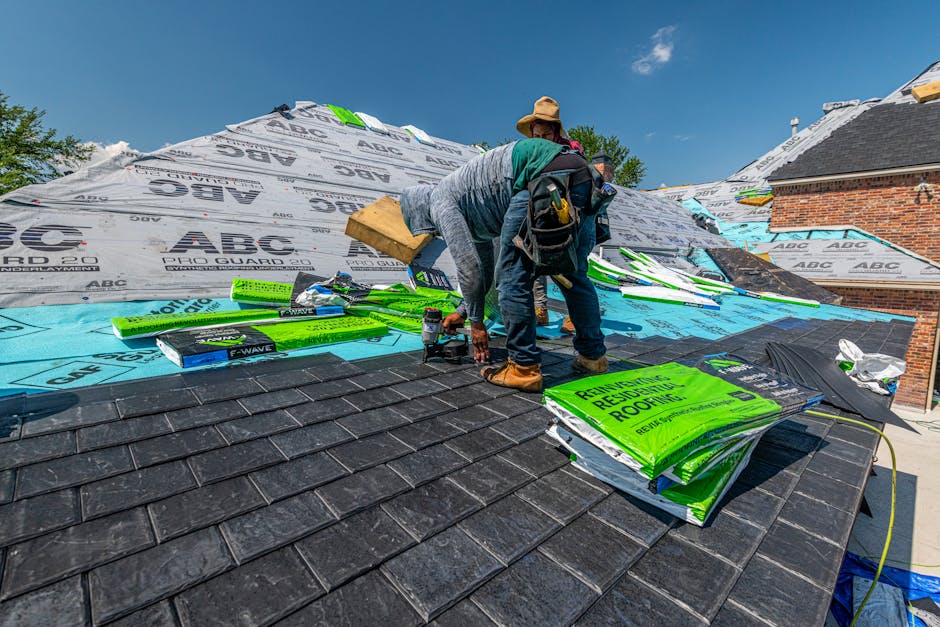
As we've discussed, building codes evolve. If your municipality now requires specific underlayment, ventilation, or other materials that weren't in the original estimate, these are prime candidates for supplementation.
Increased Material Costs
Sometimes, the price of materials can fluctuate between the time of the initial estimate and when the work is actually performed. If there's a documented increase, it can be a basis for a supplement.
Damage to Adjacent Structures
Damage to gutters, downspouts, or even nearby fences or landscaping that occurred during the storm or as a result of debris falling from the roof can often be supplemented.
The key to a successful supplement is documentation and justification. You can't just ask for more money; you need to prove why it's necessary. This means providing updated photos, videos, manufacturer specifications, updated material invoices, or documentation of local code requirements. For example, if you're supplementing for a code upgrade to a synthetic underlayment, provide the manufacturer's specifications that highlight its benefits and why it's now required.
Always submit supplements promptly. The longer you wait, the harder it can be to get approval, and the more likely the homeowner's financing or timeline will be impacted. Keep communication with the adjuster open and professional throughout the process.
It's also essential to understand the insurance company's supplement process. Some companies have specific forms or online portals for submitting supplements. Others require a formal letter. Knowing their preferred method will streamline the process. For DFW roofers, understanding these nuances can mean the difference between a marginal profit and a healthy return on your investment of time and expertise. A well-executed supplement ensures you're not leaving money on the table and that you can deliver the quality of work your clients expect and deserve.
Don't be afraid to supplement. It's a standard part of the insurance claims process. Many adjusters expect to receive supplements for legitimate, documented additional costs. Failing to supplement when necessary is essentially agreeing to do the job for less than it's worth.
Strategy 6: Leveraging Drones and AI for Unassailable Inspection Reports
In the evolving landscape of 2026, staying ahead in the roofing insurance claims game means embracing technology. For DFW roofers, drones and Artificial Intelligence (AI) are no longer optional luxuries; they are essential tools for creating unassailable inspection reports that stand up to scrutiny from insurance adjusters.
Drones, as we've touched upon, provide a bird's-eye view that is both safe and incredibly detailed. But their true power in claims is amplified when paired with AI-driven analysis. Imagine a drone capturing thousands of high-resolution images of a roof. Instead of a human manually sifting through them, AI algorithms can now analyze these images to:
Automatically Detect Hail Impacts
AI can identify the characteristic circular bruising and granule loss patterns left by hail, often with greater consistency and speed than the human eye.
Identify Wind Uplift Damage
Algorithms can detect lifted or torn shingles, missing components, and other signs of wind damage by analyzing the shape and position of roofing materials.
Measure and Map Damage
AI can accurately measure the size and location of damage, creating detailed roof maps that clearly delineate affected areas. This provides objective data for your estimates.
Assess Granule Loss
Advanced AI can even quantify granule loss across the roof surface, a key indicator of hail damage that might not be immediately obvious.
Flag Potential Issues
AI can highlight areas that warrant closer human inspection, such as unusual patterns, potential leaks, or damage to flashing, ensuring no critical detail is missed.
The output of this drone and AI integration is a highly detailed, data-rich inspection report. This report isn't just a collection of photos; it's a comprehensive analysis that includes:
Report Components
- High-resolution aerial imagery of the entire roof.
- Precise measurements of roof sections and damaged areas.
- Color-coded maps highlighting different types and severities of damage.
- Quantifiable data on granule loss or impact counts.
- A clear, objective record of the roof's condition post-storm.
For DFW roofers, this translates into a significant advantage. An AI-generated report provides irrefutable, objective evidence that is difficult for an insurance adjuster to dispute. It removes much of the subjectivity from the inspection process and presents a clear, data-backed case for the necessary repairs. This not only speeds up the claim approval process but also increases the likelihood of securing a fair settlement. By investing in drone technology and AI-powered reporting tools, you are investing in efficiency, accuracy, and ultimately, greater success in winning insurance claims.
When selecting drone and AI software, look for platforms that integrate seamlessly with your existing CRM or estimating software. This creates a streamlined workflow from inspection to invoicing, saving you valuable time and reducing the chance of data entry errors.
Furthermore, using these advanced tools positions your business as a leader in the industry. It signals to homeowners and insurance companies that you are a professional, technologically adept contractor committed to accuracy and thoroughness. This can be a significant differentiator in the competitive DFW roofing market.
Strategy 7: Effective Communication & Negotiation with Adjusters
The final, and perhaps most crucial, step in securing a successful insurance claim is effective communication and negotiation with the insurance adjuster. This is where all your meticulous preparation – from the initial inspection to your detailed estimates – comes to fruition. For DFW roofers, mastering this interaction is key to turning a potentially contentious process into a collaborative one that results in fair compensation.
The goal of your communication should be to present your findings and recommendations clearly, concisely, and professionally. Remember, adjusters are busy professionals who handle many claims. They appreciate contractors who are prepared, organized, and respectful.
Here’s how to approach it:
1. Be Prepared and Organized
Before meeting with the adjuster, have all your documentation in order: your detailed inspection report, high-resolution photos and videos, your estimate (preferably in Xactimate format or aligned with its pricing), and any relevant supplemental documentation or code requirements.
2. Schedule a Joint Inspection
Whenever possible, request to be present during the adjuster's inspection. This allows you to point out specific damages, answer questions in real-time, and ensure they see everything you've documented. If you can't be there, provide them with your comprehensive report beforehand.
3. Present Your Case Objectively
When discussing damages, refer to your visual evidence. Instead of saying "the roof is damaged," say "as you can see in photo 3B, there are multiple hail impacts on this section of the north-facing slope, each approximately 1 inch in diameter, consistent with the storm on [date]." Use data and facts, not emotions.
4. Understand Their Perspective
Adjusters work within policy guidelines and company protocols. Try to understand their constraints and what information they need to approve your requests. Frame your arguments in terms of policy coverage and industry standards.
5. Negotiate Professionally
If there are discrepancies, calmly discuss them. If the adjuster's estimate is lower, ask for their reasoning and present your counter-evidence. Be prepared to compromise on minor points if necessary, but stand firm on significant issues backed by solid documentation.
6. Follow Up Consistently
After the inspection and any discussions, follow up with a summary email or letter reiterating key points and agreed-upon next steps. Maintain regular, professional contact to keep the claim moving forward.
Build a rapport with adjusters. Being known as a reliable, honest, and well-prepared contractor who provides accurate information makes them more likely to trust your assessments and work with you collaboratively. Avoid confrontational or demanding behavior.
For DFW roofers, effective negotiation often involves understanding local building codes and material costs, which can differ from national averages. If your estimate includes a line item for a code upgrade that the adjuster initially missed, be ready to provide the local ordinance or building code document that mandates it. This level of preparedness is what separates a successful claim from a frustrating one.
Never make promises you can't keep to the homeowner about claim outcomes. Be transparent about the process and manage their expectations realistically. Your communication with the homeowner is just as important as your communication with the adjuster.
Ultimately, your goal is to reach a fair settlement that allows you to complete the job to the highest standard. By approaching adjuster communication and negotiation with preparation, professionalism, and a commitment to factual evidence, DFW roofers can significantly improve their success rate in insurance claims and boost their revenue in 2026.
DFW Roofing Insurance Claim Success: A Comparative Look at Strategies
Navigating the world of roofing insurance claims in DFW requires a strategic approach. Not all methods yield the same results, and understanding the differences can significantly impact a roofing business's revenue and reputation. Here’s a look at how different strategies stack up when it comes to securing fair insurance payouts.
| Strategy | Initial Inspection | Visual Documentation | ACV vs. RCV Advocacy | Estimate Detail | Supplementation | Adjuster Communication | Long-Term Value |
|---|---|---|---|---|---|---|---|
| Methodical & Documented (Montesco Roofing Approach) |
Comprehensive: Full system check, attic inspection, detailed notes, photo logs. | Superior: High-res photos, context shots, drone footage, video walkthroughs. | Proactive: Educate homeowner, challenge ACV offers, advocate for RCV based on policy. | Bulletproof: Xactimate-aligned, includes all components, code upgrades, GCOP. | Strategic: Prompt, well-justified supplements for all overlooked items. | Professional: Clear, concise, data-driven communication; builds rapport. | High: Maximizes claim payout, ensures quality repairs, builds client trust and referrals. |
| Basic & Reactive (Common "Storm Chaser" Approach) |
Superficial: Quick look for obvious damage, minimal notes. | Minimal: Blurry phone pics, lack of context, no drone. | Passive: Accepts ACV offer or minimal RCV negotiation. | Vague: Basic shingle count, misses many components, no code upgrades. | Infrequent/Unjustified: Little to no supplementation, or relies on adjuster's initial offer. | Adversarial/Inconsistent: Demanding, lacking data, poor follow-up. | Low: Underpaid claims, client dissatisfaction, poor reputation, short-term focus. |
| DIY & Unprepared (Homeowner or Inexperienced Roofer) |
Inconsistent: May miss critical damage, lack of roofing knowledge. | Limited: May not know what to photograph or how to capture it effectively. | Uninformed: Doesn't understand policy implications, accepts initial offer. | Incomplete: May not know all necessary components or pricing. | Non-existent: Unaware of the process or unable to justify. | Hesitant/Confused: Unsure how to communicate with adjusters, may concede easily. | Variable/Risky: Highly dependent on adjuster's goodwill, often results in underpayment. |
The difference is clear: a strategic, data-driven approach focused on comprehensive documentation and skilled advocacy leads to significantly better outcomes for both the homeowner and the roofing contractor. In the competitive DFW market of 2026, simply showing up and replacing a roof isn't enough. You need to be an expert in the entire claims process. This means investing in training, technology (like drones and specialized software), and a team that understands the intricacies of insurance policies and adjuster negotiations.
Key Insight
The "storm chaser" model often relies on speed and volume, cutting corners on inspection and documentation. While they might get a roof on quickly, they rarely secure fair compensation for the homeowner and often leave a trail of dissatisfied customers and incomplete repairs. Established DFW roofers who focus on quality and thoroughness build lasting relationships and a stronger business.
The foundational elements – a meticulous initial inspection, robust visual evidence, clear understanding of ACV vs. RCV, detailed estimates, and strategic supplementation – all work in synergy. When these are combined with professional, evidence-based communication with adjusters, you create a powerful system for success. This isn't just about winning individual claims; it's about building a reputation as a trustworthy, expert contractor who consistently delivers for their clients and their business, year after year, storm after storm, right here in DFW.
Frequently Asked Questions for DFW Roofers on Insurance Claims
What's the biggest mistake DFW roofers make with insurance claims?
How quickly should I submit a supplement after the initial estimate is approved?
What is the role of Xactimate in DFW roofing insurance claims?
Can I charge for my time inspecting a roof for storm damage?
How do I handle a situation where the adjuster claims the damage is pre-existing?
What's the advantage of using drone technology for DFW roofing claims?
Ready to turn insurance claim challenges into revenue opportunities? At Montesco Roofing, we understand the DFW insurance landscape. Our team of experienced professionals is equipped to handle every aspect of your storm damage claims, ensuring you get the compensation you deserve. Let's discuss how we can elevate your roofing business.
Get Your Free Roof Inspection →Montesco Roofing Team
DFW's trusted roofing contractor with 13+ years of experience. Specializing in roof replacements, storm damage repair, and insurance claims across Dallas-Fort Worth.
Get in touch →