The Ways Direct Sunlight Secretly Damages Your Home

You might not think about it much, but the relentless Texas sun is a constant, powerful force beating down on your DFW home. While we love our sunshine here in North Texas, especially as we head into the latter half of August 2026, it's also one of the biggest, most underestimated enemies of your roof. It's not just about making your attic hotter; direct sunlight, day in and day out, is actively breaking down your roof's components, leading to premature wear, costly repairs, and reduced lifespan. If you've ever wondered why some roofs seem to age faster than others, even in the same neighborhood, the answer often lies in how much direct sun exposure they get.
Quick Answer: Direct sunlight in DFW, particularly UV radiation and extreme heat, accelerates the aging process of roofing materials like asphalt shingles, causing them to become brittle, crack, and lose their protective granules. This can lead to leaks, increased energy costs, and a shorter roof lifespan if not properly addressed. Choosing the right materials and ensuring proper ventilation are key to combating solar roof degradation.
The Unseen Enemy: How DFW's Intense Sun Accelerates Roof Aging
Here in DFW, we experience some of the most intense solar radiation in the country. From Plano to Fort Worth, and all the neighborhoods in between, your roof is directly exposed to the sun's powerful rays for hours every single day. This isn't just a minor inconvenience; it's a significant factor in how quickly your roof deteriorates. Think of it like leaving a plastic toy out in the sun for weeks – it fades, becomes brittle, and eventually cracks. Your roof shingles, under constant bombardment from UV rays and heat, undergo a similar, albeit slower, process.
The asphalt in shingles, which is a petroleum-based product, is particularly susceptible. UV radiation breaks down the chemical bonds within the asphalt, making it less flexible and more prone to drying out. This drying process is what leads to brittleness. When shingles become brittle, they lose their ability to withstand the natural expansion and contraction caused by temperature fluctuations, as well as the physical stress from wind and even walking on the roof. This makes them far more likely to crack or break, exposing the underlayment and decking beneath.
Beyond just the shingles, the granules embedded in the surface of most asphalt shingles are designed to protect the asphalt layer from UV rays. However, as the asphalt ages and becomes brittle, the bond between the asphalt and the granules weakens. This is why you'll often see an accumulation of granular material in your gutters or downspouts – it's a direct sign that the protective layer of your roof is being eroded by the sun. Losing these granules is like peeling off the skin of an apple; the inner layer is now more exposed and vulnerable.
This constant exposure doesn't just affect the shingles themselves. The heat absorbed by the roof surface is transferred into your attic space. Without proper ventilation, this trapped heat can significantly increase your home's cooling costs. It also bakes the roofing materials from the inside out, accelerating the aging process even further. In DFW, where summer temperatures regularly soar into the triple digits, this effect is amplified. It's a vicious cycle: the sun heats the roof, the roof heats the attic, and the hotter attic contributes to faster roof degradation.
What most homeowners don't realize is that the lifespan of a roof is not just about the calendar years; it's heavily influenced by environmental factors. A roof in a shaded area might last 30 years, while an identical roof in direct, intense sunlight, with poor ventilation, might only last 15-20 years. That's a substantial difference, impacting your home's value and your wallet. Understanding how the sun impacts your roof is the first step to making informed decisions about its protection and longevity.
7 Ways Direct Sunlight Secretly Harms Your DFW Roof in 2026
Let's break down exactly how that intense DFW sun is quietly wreaking havoc on your roof. It's more than just a little fading; these are direct pathways to damage and costly repairs.
1. Granule Loss
As mentioned, UV rays and heat cause the asphalt binder to degrade, loosening the grip on the protective mineral granules. These granules are your first line of defense against UV. When they're gone, the asphalt is exposed, leading to faster deterioration. You'll see these granules in your gutters.
2. Shingle Brittleness and Cracking
The drying and hardening of asphalt due to sun exposure make shingles brittle. They lose their flexibility, making them susceptible to cracking under normal expansion and contraction cycles, wind uplift, or even hail. Cracks are direct entry points for water.
3. Warping and Curling
Uneven heating and drying caused by direct sun can lead to shingles warping or curling, especially at the edges. This creates gaps where wind can get underneath, lifting shingles and potentially causing them to tear off during storms. It also compromises the seal between shingles.
4. Sealant Failure
The adhesive strips that seal shingles together are made of asphalt-based sealants. Intense heat can soften these sealants, making them less effective. In colder periods, the brittle nature of the aged sealant can cause it to crack, compromising the seal and allowing wind and water intrusion.
5. Underlayment Degradation
While shingles are the most visible component, the sun's heat can also degrade the underlayment material beneath them. This synthetic or felt material acts as a secondary water barrier. If it's weakened by prolonged heat exposure, it can lose its integrity, making the roof more vulnerable to leaks.
6. Increased Attic Temperatures
A dark-colored roof absorbing intense sunlight can turn your attic into an oven. This excess heat radiates down into your living space, forcing your HVAC system to work harder and longer. This translates directly to higher energy bills, especially during our DFW summers.
7. Reduced Overall Lifespan
The cumulative effect of all these factors is a significantly shortened roof lifespan. What might have been a 30-year roof can become a 15-20 year roof if constantly exposed to harsh sunlight without proper protection or maintenance. This means premature replacement costs.
Key Insight
Even on a cloudy day, the UV radiation that damages roofing materials is still present and can penetrate cloud cover. Continuous exposure over time is the primary driver of solar degradation, not just the direct, intense heat of a cloudless afternoon.
Beyond Shingles: The Impact of Sun on Your Entire Roof System
It's easy to focus solely on the shingles when we talk about roof damage, but the sun's relentless assault impacts the entire roof system. This interconnectedness is crucial to understand because a failure in one area can cascade into problems elsewhere.
Consider your roof decking, the plywood or OSB sheets that form the base of your roof. While it's protected by shingles and underlayment, extreme attic heat can cause it to dry out and become more brittle over time. This makes it more susceptible to damage from foot traffic during inspections or repairs, and less able to hold nails securely if a roof replacement is needed. In severe cases, prolonged excessive heat can even contribute to mold and mildew growth on the underside of the decking if moisture is trapped.
Ventilation is another critical component that the sun's heat directly impacts. Proper attic ventilation, through soffit vents and ridge vents, is designed to allow hot air to escape and cooler, fresh air to enter. However, if your attic gets excessively hot due to solar gain, the ventilation system has to work overtime. If it's not adequately designed or maintained, the heat can build up, creating a "heat island" effect. This not only makes your home hotter but can also bake the underside of your shingles and affect the adhesives, as we discussed.
Watch Out
Many older homes in DFW were built with inadequate attic ventilation. This makes them particularly vulnerable to the damaging effects of prolonged solar heat exposure. If your home was built before the late 1990s, it's worth having your ventilation system assessed.
Then there are the flashing materials around vents, chimneys, and skylights. These are often made of metal or asphalt-based compounds. While metal flashing is generally durable, extreme heat can cause expansion and contraction that, over years, can lead to cracks or loosening. Asphalt-based flashing or sealant around these penetrations is even more vulnerable to softening, cracking, and becoming a weak point for water intrusion. This is why proper installation and regular inspection of flashing are so important, especially in sunny climates.
Even elements like gutters and downspouts can be indirectly affected. While not part of the roof structure itself, the heat radiating off a dark roof can cause metal gutters to expand and contract more rapidly. More importantly, the increased granular loss from sun-baked shingles means more debris entering your gutters, leading to clogs and potential water damage to your fascia and soffits if not cleared regularly. It’s all interconnected, and the sun is the common catalyst for many of these issues.
Understanding that your roof is a system, and that the sun affects every part of it, is key to a comprehensive approach to protection. It's not just about slapping on new shingles; it's about ensuring every component works together to withstand the elements, especially the DFW sun.
Identifying Sun-Damage: What to Look For Before It's Too Late
The best way to combat sun damage is to catch it early. Regular visual inspections, both from the ground and, if you're comfortable and safe, from a ladder, can reveal signs that your roof is suffering from prolonged sun exposure. Here's what to keep an eye out for, especially as we move through the peak of our Texas summer heat in 2026.
Pro Tip
Make it a habit to walk around your house at least twice a year, ideally in the spring and fall. Look up! Many signs of roof distress are visible from ground level.
From the Ground:
- Granules in Gutters: As we've discussed, this is a classic sign. If you see a thick layer of black or grey grit in your gutters, especially after a rain, your shingles are shedding their protective granules.
- Curling or Cupping Shingles: Look for shingles that aren't lying flat. The edges might be lifting upwards, or the shingles might appear to be "cupped" or bent, especially on south-facing or west-facing slopes that get the most direct sun.
- Fading Color: While not always indicative of structural damage, significant fading of your shingles can be a visual cue that the UV protective layer is breaking down. Some materials are more resistant to fading than others.
- Visible Cracks: Scan the roof surface for any obvious cracks or splits in the shingles. These are often more apparent on older roofs or those that have been heavily exposed to the sun.
From a Ladder (Use Extreme Caution or Hire a Professional):
- Brittleness: If you were to gently press on a shingle edge (again, extreme caution!), you might notice how brittle and inflexible it feels compared to a newer shingle.
- Soft Spots in Underlayment: If you're able to safely access your attic, look for any soft or degraded areas on the underside of the decking or underlayment, especially around the edges or areas most exposed to the sun.
- Failed Sealant: Check the seals between shingles. Are they still intact? Are they cracked or brittle? This is often easier to see from a close-up vantage point.
- Flashing Integrity: Inspect the flashing around vents, chimneys, and valleys. Look for any signs of cracking, separation, or rust that could indicate the seal is broken.
If you're noticing any of these signs, it's crucial to get a professional inspection. Many homeowners in DFW mistakenly think a roof needs to be leaking before it's a problem. But by the time you see a leak inside your home, significant damage has likely already occurred, and the repair might be more extensive than if addressed proactively. A professional roofing contractor can identify subtle signs of damage that you might miss and recommend the appropriate course of action, whether it's a minor repair or planning for a full roof replacement.
Proactive Protection: Strategies to Combat Solar Roof Degradation
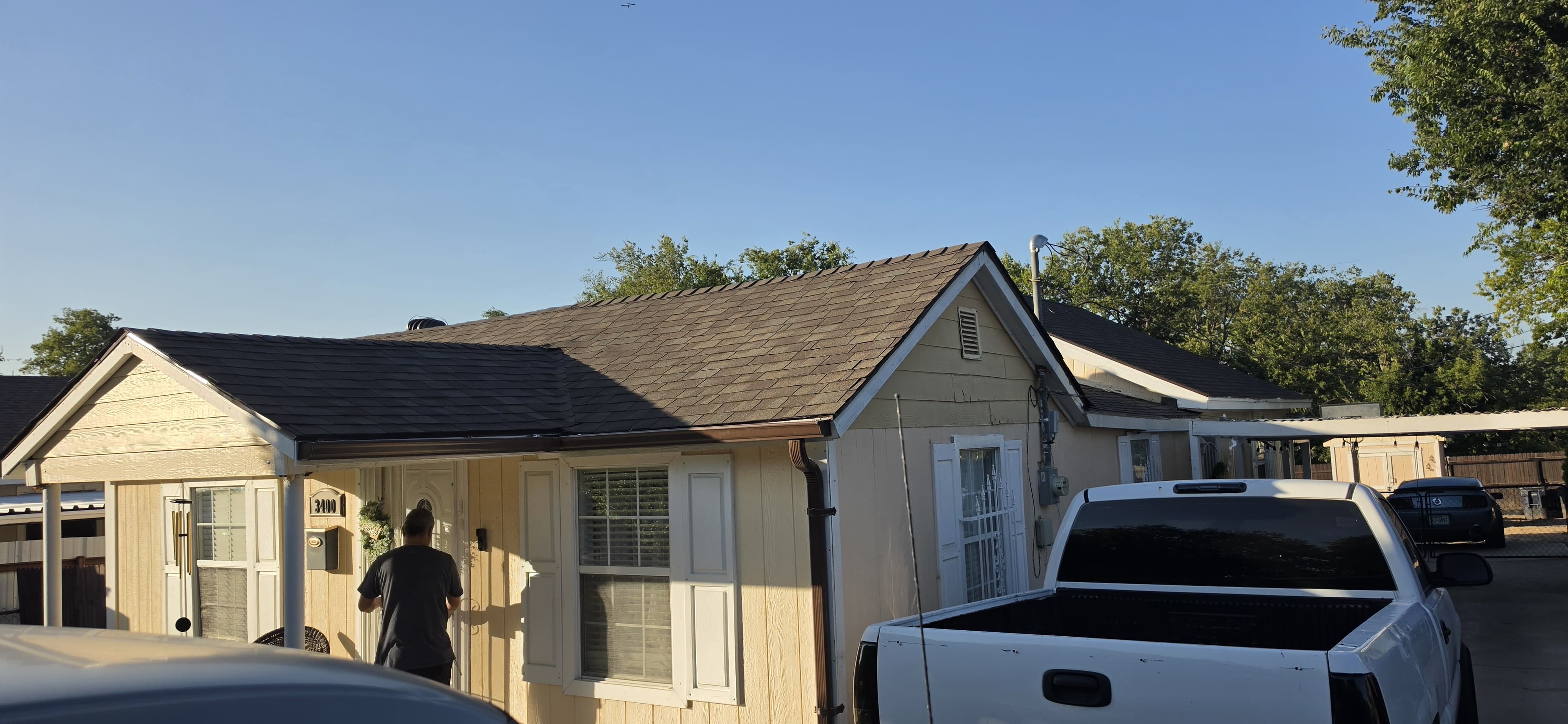
The good news is that you're not powerless against the sun's effects on your roof. By taking proactive steps, you can significantly extend its life and protect your home. It's about smart choices and regular maintenance.
How to Get This Done
DIY Inspection: Regularly walk your property and look for signs of sun damage on your roof (granules in gutters, curling shingles). Check your attic for signs of heat buildup or moisture. Professional Inspection: Schedule annual or bi-annual inspections with a reputable DFW roofing contractor. We can identify issues you might miss and provide a detailed report. For a free, no-obligation inspection, contact Montesco Roofing today.
1. Enhance Attic Ventilation: This is arguably one of the most impactful things you can do. Proper ventilation helps release trapped heat, reducing the temperature inside your attic. This not only lowers your cooling costs but also significantly reduces the thermal stress on your roofing materials from the underside. Ensure you have a balanced system of intake vents (soffit vents) and exhaust vents (ridge vents or gable vents).
2. Consider Cool Roofing Technologies: While dark shingles are common in DFW, lighter-colored shingles or those with special reflective coatings can significantly reduce the amount of heat absorbed by your roof. These "cool roofs" can reduce attic temperatures by up to 30 degrees Fahrenheit, leading to substantial energy savings. Many manufacturers now offer lines specifically designed for high solar reflectance.

3. Trim Overhanging Trees: While you want to avoid excessive shade that can promote moss growth, strategic trimming of trees that cast shade on your roof during the hottest parts of the day can provide some relief. Balance is key here; too much shade can cause other issues, but some dappled shade can help mitigate extreme heat.
4. Regular Maintenance and Cleaning: Keep your gutters clean to ensure proper water drainage. Also, periodically check for and repair any minor damage like popped nails or loose flashing immediately. Small issues, when exposed to the sun and elements, can quickly become big problems.
5. Choose High-Quality, UV-Resistant Materials: When it's time for a new roof, invest in materials designed to withstand harsh sun. Look for shingles with higher wind ratings, better UV resistance, and robust warranties. We'll talk more about specific materials in the next section.
Proactive protection isn't just about preventing damage; it's about maximizing the lifespan and performance of your roof, saving you money in the long run, and ensuring your home remains comfortable and well-protected year-round. It's an investment in your home's future.
Choosing the Right Materials for a Sun-Resilient DFW Roof
When selecting roofing materials for your DFW home, especially with the intense sun we experience, the choice of material is paramount. Not all roofing products are created equal when it comes to standing up to UV rays and heat. As a DFW roofing contractor with over 13 years of experience, I've seen firsthand which materials perform best under our local conditions. Here's a look at some common options and their sun resilience:
| Material Type | Sun Resistance & Heat Tolerance | Typical Lifespan (DFW Climate) | Key Considerations for Sun Exposure | Montesco Roofing Recommendation |
|---|---|---|---|---|
| 3-Tab Asphalt Shingles | Fair. Standard asphalt is vulnerable to UV degradation, becoming brittle over time. Lighter colors offer slightly better reflectivity. | 15-20 years | Prone to granule loss and cracking due to heat. Shorter lifespan makes them less cost-effective long-term. | Generally not recommended for maximum sun durability in DFW. |
| Architectural/Dimensional Asphalt Shingles (e.g., GAF Timberline HDZ, Owens Corning Duration) | Good to Very Good. Thicker, multi-layered construction offers better UV protection and durability. Many lines offer enhanced cool roof features. | 25-30+ years | More resistant to curling and cracking. Better granule adhesion. Choosing lighter colors or specific cool roof shingles is highly beneficial. | Excellent choice for DFW. Focus on premium lines with good warranties and cool roof options. |
| Metal Roofing (Standing Seam) | Excellent. Highly reflective, especially in lighter colors or with specialized cool coatings. Doesn't degrade from UV rays. | 50+ years | Reflects a significant amount of solar radiation. Durable and energy-efficient. Can be more expensive upfront. | A top-tier option for sun resilience and longevity in DFW. |
| Tile Roofing (Clay or Concrete) | Excellent. Naturally resistant to UV and heat. Offers excellent thermal mass, which can help regulate attic temperature. | 50+ years | Very durable and long-lasting. However, the weight requires specific roof framing. Lighter colors are more reflective. | A premium, highly durable option, but requires structural assessment. |
| Wood Shakes/Shingles | Fair to Poor. Natural wood is susceptible to drying out, cracking, and UV damage. Requires more frequent maintenance. | 20-25 years (with maintenance) | Requires regular treatment to prevent drying and UV degradation. Not ideal for maximum sun exposure without significant upkeep. | Generally not recommended for high-sun areas in DFW due to maintenance needs and susceptibility to drying. |
Key Insight
When looking at asphalt shingles, don't just focus on the brand name. Pay attention to the specific product line and its features. Manufacturers like GAF, Owens Corning, and CertainTeed offer lines explicitly designed for enhanced UV resistance and reflectivity, often carrying higher wind ratings and longer warranties – critical in DFW.
For most DFW homeowners, high-quality architectural asphalt shingles offer the best balance of performance, aesthetics, and cost-effectiveness for dealing with intense sun. They are engineered to withstand our climate much better than basic 3-tab shingles. If your budget allows and your home's structure can support it, a standing seam metal roof is an exceptional choice for ultimate sun resilience and energy efficiency.
Always discuss your specific home's orientation, your neighborhood's typical weather patterns, and your long-term goals with your roofing contractor. A good contractor will guide you towards materials that not only look great but are built to last under the relentless Texas sun.
Montesco Roofing: Your Shield Against the Texas Sun
Protecting your home from the harsh DFW sun isn't just about picking the right materials; it's about expert installation, proper ventilation, and a contractor who understands the unique challenges of North Texas weather. At Montesco Roofing, we've been doing just that for over 13 years. We know that a roof is more than just shingles; it's your home's primary defense against the elements.
Our process starts with a thorough inspection. We don't just look at the surface; we assess the entire roof system, paying close attention to how your roof is oriented and how much direct sun exposure it receives. We'll check your attic ventilation, the condition of your flashing, and the integrity of your shingles. This comprehensive approach allows us to identify potential issues before they become major problems, saving you time and money.
When it comes to installation, we follow manufacturer specifications to the letter, and often go above and beyond. For example, we ensure proper nailing patterns for shingles to resist wind uplift, install robust ice and water shield in critical areas, and pay meticulous attention to flashing details – all crucial for preventing leaks that can be exacerbated by sun-induced material fatigue.
We are certified installers for leading manufacturers like GAF and Owens Corning. This means we have the training and expertise to install their products correctly, ensuring you get the full benefit of their warranties. These warranties are vital, especially for high-performance shingles designed to combat solar degradation. We believe in using only the best materials because we know they stand up to the DFW sun.
Furthermore, we're passionate about educating our clients. We'll explain exactly what we're seeing, why it matters, and what the best solutions are for your specific home and budget. We believe that an informed homeowner is a protected homeowner. Whether it's recommending a cool roofing option, advising on ventilation upgrades, or guiding you through the process of a full roof replacement, our goal is to provide you with honest, expert advice.
Don't let the Texas sun slowly degrade your home's most important defense. Montesco Roofing is here to be your trusted partner in ensuring your roof is as resilient as it is beautiful. We treat every home like our own, and that means building roofs that last.
Need help protecting your DFW home from the sun's damaging effects? Our team has provided expert roofing solutions for over 13 years across Dallas and Fort Worth. Schedule your free roof inspection – we'll give you a clear picture of your roof's health and the best path forward.
Get Your Free Roof Inspection →Frequently Asked Questions About DFW Roofs and Sun Exposure
How does the DFW sun specifically damage asphalt shingles?
What are the signs of sun damage I can see from the ground?
Is a "cool roof" really worth the investment in DFW?
Can I just replace a few sun-damaged shingles, or do I need a whole new roof?
How does attic ventilation help protect my roof from the sun?
What's the difference between UV damage and hail damage on a roof?
Are lighter-colored roofs better in the DFW climate?
Montesco Roofing Team
DFW's trusted roofing contractor with 13+ years of experience. Specializing in roof replacements, storm damage repair, and insurance claims across Dallas-Fort Worth.
Get in touch →