DFW Roof Shingle Colors 2026: Choosing the Perfect Hue for Your Home's Style
You're standing in your driveway, staring up at your roof, and you're thinking, "This thing needs an upgrade." Maybe it's seen better days after a few Texas storms, or perhaps you're just ready for a fresh look for your home here in the Dallas-Fort Worth metroplex. But then comes the big decision: what color? It sounds simple, but picking the right roof shingle color in 2026 is a lot more than just picking your favorite shade. It impacts your home's curb appeal, its energy efficiency, and even how well it stands up to our North Texas climate.
The Spectrum of DFW Roof Shingle Colors: A Visual Guide
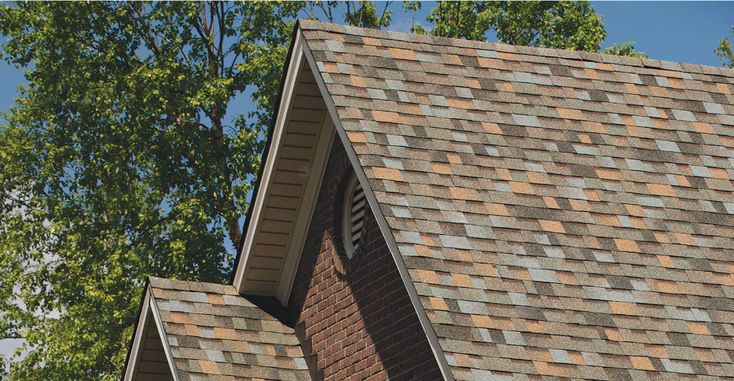
When we talk about roof shingle colors, especially with the advanced architectural shingles that are so popular now, the options are truly impressive. It's not just solid colors anymore; most modern shingles feature a blend of granules that create depth, dimension, and a more natural look, mimicking wood shakes or slate. For DFW homeowners in 2026, here's a glimpse of what's commonly available and trending:
Common Shingle Color Categories
While specific product lines have unique names, most shingles fall into these broad categories:
- Grays: From light, airy silver grays to deep charcoal and slate tones, grays are incredibly versatile. They offer a modern, sophisticated look that pairs well with almost any siding color.
- Browns & Tans: Earthy and warm, these range from light sandy beiges to rich chocolate browns and reddish-auburn hues. They are traditional choices that evoke a sense of comfort and blend seamlessly with natural landscaping.
- Blacks: A classic for a reason, black shingles provide a bold contrast and a timeless appeal. They can make a home stand out and are particularly striking on homes with lighter-colored exteriors.
- Blues: Deeper navy blues or more muted, slate-like blues can add a unique touch. They offer a subtle departure from traditional earth tones and can complement homes with white, gray, or even certain brick exteriors.
- Greens: Forest greens, olive tones, and even softer sage shades are becoming more popular. They work beautifully with homes featuring natural wood accents or earthy-toned brick.
- Reds & Burgundies: Rich, deep reds or subtle burgundy tones can add warmth and character, especially on homes with specific architectural styles or complementary brickwork.
- Blends & Multi-Toned Shingles: This is where architectural shingles truly shine. They combine multiple shades within a single shingle to create a complex, natural appearance. Think of a "driftwood" blend with grays, tans, and hints of white, or a "barkwood" blend with various browns and subtle reddish tones.
It's important to remember that the "color" of a shingle is often a nuanced blend. What might look like a gray shingle from a distance could have subtle flecks of black, white, and even a hint of blue up close. This complexity is what gives modern roofing its aesthetic appeal.
Beyond Black & Brown: Exploring Popular Architectural Shingle Palettes
While the classics never truly go out of style, the DFW market in 2026 is seeing a strong demand for architectural shingles that offer more visual interest. These aren't your grandfather's flat, uniform shingles. Architectural shingles, also known as dimensional or laminate shingles, have multiple layers and varying tab shapes, creating a shadow line effect that mimics the look of natural materials like wood shakes or slate tiles. This depth is where the color blends really come to life.
Here are some of the most sought-after color palettes you'll find from top manufacturers like GAF, Owens Corning, and CertainTeed, which we frequently install here in Plano, Frisco, and throughout North Texas:
Popular Architectural Shingle Color Palettes in 2026:
- Charcoal Gray / Slate Gray: These are perennial favorites. They provide a sophisticated, modern look that works with a wide range of home styles, from traditional brick homes in Arlington to contemporary designs in Fort Worth. Blends often include variations of dark gray with subtle black or lighter gray flecks for added dimension.
- Weathered Wood / Driftwood: This palette captures the look of aged wood. It typically involves a mix of grays, tans, and browns, creating a natural, organic feel. It's an excellent choice for homes with a rustic or craftsman aesthetic and pairs beautifully with natural stone or wood accents.
- Brownstone / Earth Tones: Rich, warm browns, often with hints of red or amber, bring a classic, inviting feel. These are perfect for traditional homes and can complement brick exteriors or natural landscaping. Think of colors like "Barkwood" or "Fox Hollow Gray" from some manufacturers – they offer depth and character.
- Black Walnut / Dark Chocolate: For homeowners wanting a bolder statement, deep, rich browns offer a luxurious and timeless appeal. They create a strong contrast and a sense of permanence.
- Cool Grays / Silverton: Lighter, cooler grays are gaining traction for a more contemporary and airy feel. These can help reflect more sunlight, which is a consideration in our Texas heat.
- Deep Blues / Midnight Blue: For those looking to step outside the box, deep, sophisticated blues offer a unique and elegant look. They can be surprisingly versatile and pair well with crisp white trim or lighter gray siding.
- Forest Green / Olive: These nature-inspired tones are excellent for homes with a strong connection to their surroundings or for those wanting a softer, more subdued look. They work particularly well with homes featuring stone or wood elements.
Manufacturers are also constantly innovating with impact-resistant shingles, which are crucial in Texas due to hail. These often come in the same beautiful color palettes but offer enhanced durability, adding another layer of value to your investment. We've seen a significant rise in homeowners asking about these, especially after the storm seasons we've experienced.
How DFW's Climate Impacts Your Shingle Color Choice
Living in the Dallas-Fort Worth area means dealing with some pretty intense weather. We've got scorching summers with relentless sun, and then we brace for potential hailstorms in the spring and fall. These factors absolutely play a role in choosing the right shingle color, especially when it comes to energy efficiency and long-term durability.
Here's how our climate influences color decisions:
- Heat Absorption: Darker colors, like black, deep browns, and dark grays, absorb more solar radiation. In the peak of a Texas summer, this means your attic and home will likely be hotter, leading to increased air conditioning usage and higher energy bills. While modern shingles have improved insulation properties, color still matters.
- UV Degradation: The intense UV rays here in North Texas can be harsh on roofing materials. While shingle manufacturers engineer their products to withstand this, lighter colors might show less visible fading over a very long period compared to some darker pigments, though this is less of a concern with high-quality architectural shingles.
- Granule Loss: Hail and wind events can cause granule loss. On darker shingles, a slight loss of granules might be less visually obvious than on a very light or uniform-colored shingle where the underlying asphalt base could become more visible.
- Dust and Debris: DFW can experience dust storms and pollen buildup, especially in spring. Lighter, warmer tones (like tans and light grays) can sometimes show dust and pollen more readily than darker or more variegated blends.
This doesn't mean you can't choose a dark roof in DFW. Many homeowners prioritize the aesthetic appeal of darker colors, and the energy efficiency difference, while real, might be a trade-off they're willing to make, especially if they have a well-insulated attic. However, it's a crucial factor to discuss with your roofing contractor.
Matching Shingle Color to Your Home's Architectural Style
The roof is a significant part of your home's overall appearance, so its color should complement, not clash with, your home's architectural style. What looks stunning on a modern farmhouse might not be the best fit for a traditional Tudor. Here in DFW, we see a mix of styles, and understanding how colors work with them is key.
Step 1: Identify Your Home's Style
Is it a classic Colonial, a Craftsman bungalow, a modern Farmhouse, a Mediterranean villa, or a simple Ranch style? Each has distinct features that influence color choices.
Step 2: Consider Your Siding and Trim Colors
Your roof color needs to harmonize with your existing or planned exterior paint, brick, stone, or siding. Look for undertones in your siding to guide your shingle choice.
Step 3: Think About Accent Colors
Don't forget about your shutters, doors, and any decorative elements. Your roof color can either blend in or provide a striking contrast.
Here are some general guidelines for matching shingle colors to common DFW architectural styles:
- Traditional Ranch/Bungalow: These often look great with warm earth tones like browns, tans, and muted grays. Weathered wood blends or deep browns provide a classic, inviting look.
- Craftsman: Richer, more natural colors work best here. Deep browns, greens, and slate grays complement the natural materials often used in Craftsman homes.
- Colonial/Traditional: Black, deep grays, and classic browns are timeless choices. They offer a clean, elegant look that doesn't detract from the home's symmetry.
- Mediterranean/Spanish: While terracotta tiles are traditional, for shingles, consider muted earth tones, warm grays, or even subtle, desaturated reds that evoke an old-world feel.
- Modern/Contemporary: Sleek grays (from light to charcoal), blacks, and even some muted blues or greens can work well, especially on homes with clean lines and geometric shapes.
- Farmhouse (Modern & Traditional): Black is a strong contender for a bold contrast, especially with white siding. Weathered grays and natural wood tones also fit the rustic charm.
It's also worth noting that HOA regulations can sometimes influence acceptable color choices in certain DFW neighborhoods, so it's always a good idea to check those guidelines before you get too attached to a particular shade.
The Psychology of Roofing Colors: Setting the Right Tone
Beyond aesthetics and climate, the color of your roof can subtly influence how your home is perceived. Color psychology is a fascinating field, and while it's not as critical as structural integrity, it can contribute to the overall feeling and impression your home gives off.
"Color is a power which directly influences the soul."— Wassily Kandinsky
Here's a quick look at what different roofing colors can convey:
- Grays: Often associated with stability, balance, and sophistication. Light grays can feel airy and modern, while dark grays convey a sense of strength and classic elegance.
- Browns and Tans: These are grounding colors, evoking feelings of warmth, comfort, and connection to nature. They tend to make a home feel welcoming and established.
- Black: A bold, dramatic color that signifies power, elegance, and formality. It can make a home stand out and appear more substantial.
- Blues: Can evoke feelings of calmness, serenity, and trustworthiness. Deeper blues can feel rich and sophisticated, while lighter blues might feel more refreshing.
- Greens: Naturally associated with nature, growth, and harmony. They can make a home feel peaceful and grounded, blending well with the environment.
- Reds/Burgundies: These are warm, energetic colors that can convey passion, strength, and a sense of tradition. They tend to make a home feel more vibrant.
When choosing your shingle color, think about the overall impression you want to create for your home. Do you want it to feel like a cozy retreat, a stately manor, or a chic modern dwelling? Your roof color is a significant part of that message.
Shingle Color vs. Energy Efficiency: Light vs. Dark in Texas
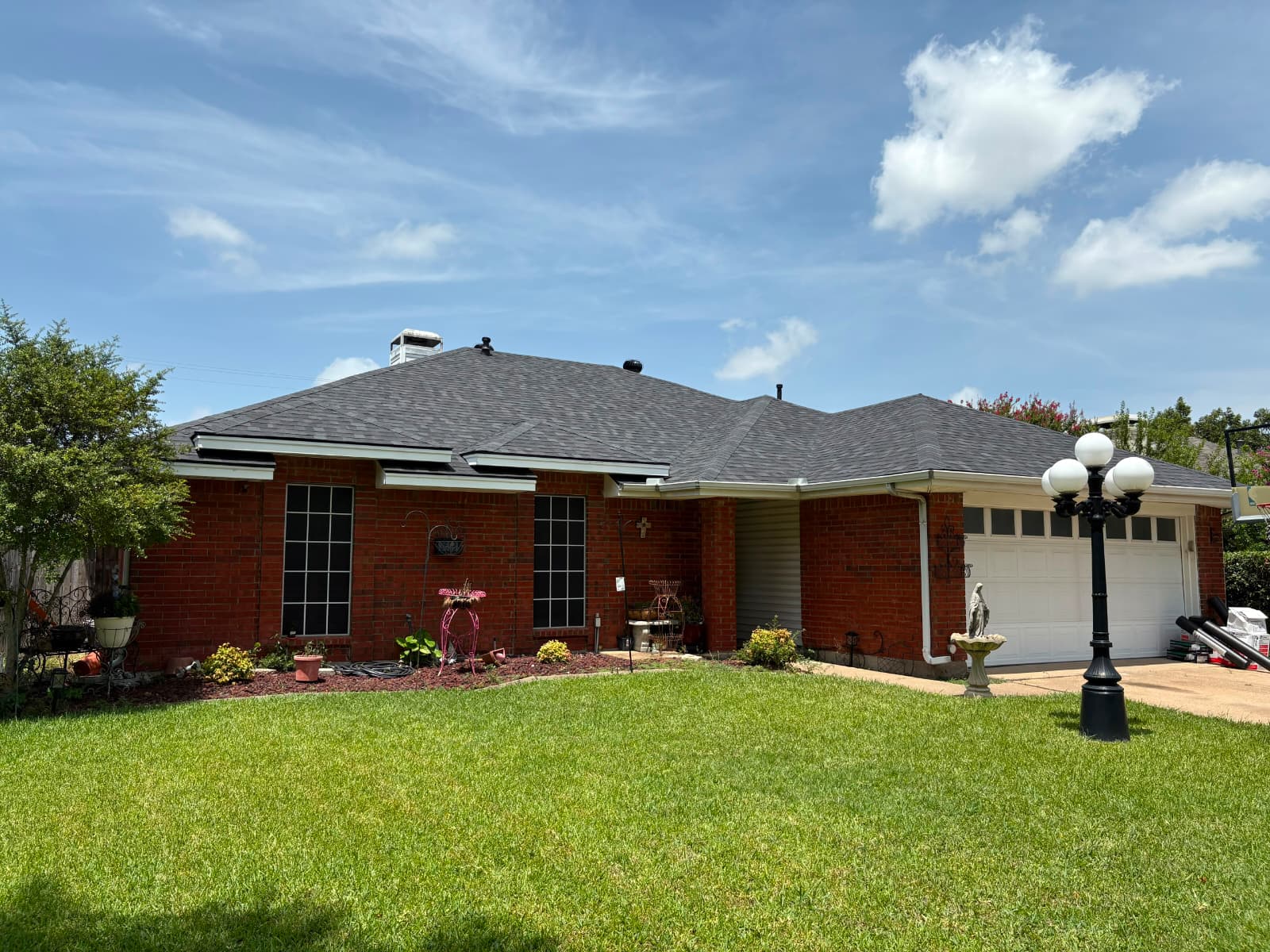
This is a topic that comes up a lot, especially here in DFW where summer temperatures are no joke. The relationship between roof color and energy efficiency is primarily about how much solar heat your roof absorbs. This is often referred to as the roof's solar reflectance or albedo.
The Science of Solar Reflectance: Darker colors absorb more visible light and convert it into heat. Lighter colors, especially those with white or very pale pigments, reflect more visible light, thus absorbing less heat. This is why white roofs are common in hotter climates globally, but in the architectural shingle market, the difference between a light gray and a dark charcoal can still have a noticeable impact.
For DFW homeowners in 2026, considering lighter-colored shingles can offer tangible benefits:
- Reduced Cooling Costs: By reflecting more sunlight, lighter roofs can keep your attic and home cooler during the long, hot Texas summers. This means your air conditioning system doesn't have to work as hard, potentially saving you money on your energy bills.
- Lower Roof Surface Temperature: A cooler roof surface puts less thermal stress on the roofing materials themselves. While high-quality shingles are built to withstand heat, a consistently cooler surface can contribute to their longevity.
- "Cool Roof" Technology: Many manufacturers now offer "cool roof" shingles specifically designed with enhanced solar reflectance and thermal emittance. These shingles are often lighter in color but can come in various shades, including some grays and earth tones that aren't stark white. They meet ENERGY STAR® requirements and can make a real difference in your home's energy performance.
Understanding "Cool Roof" Shingles
These shingles are engineered to reflect more sunlight and release absorbed heat. They are particularly beneficial in hot climates like DFW. Look for shingles that meet ENERGY STAR® standards or have high SRI (Solar Reflectance Index) values. While traditionally white, modern cool roof technology is available in a wider range of colors, though the lightest shades will offer the most significant energy savings.
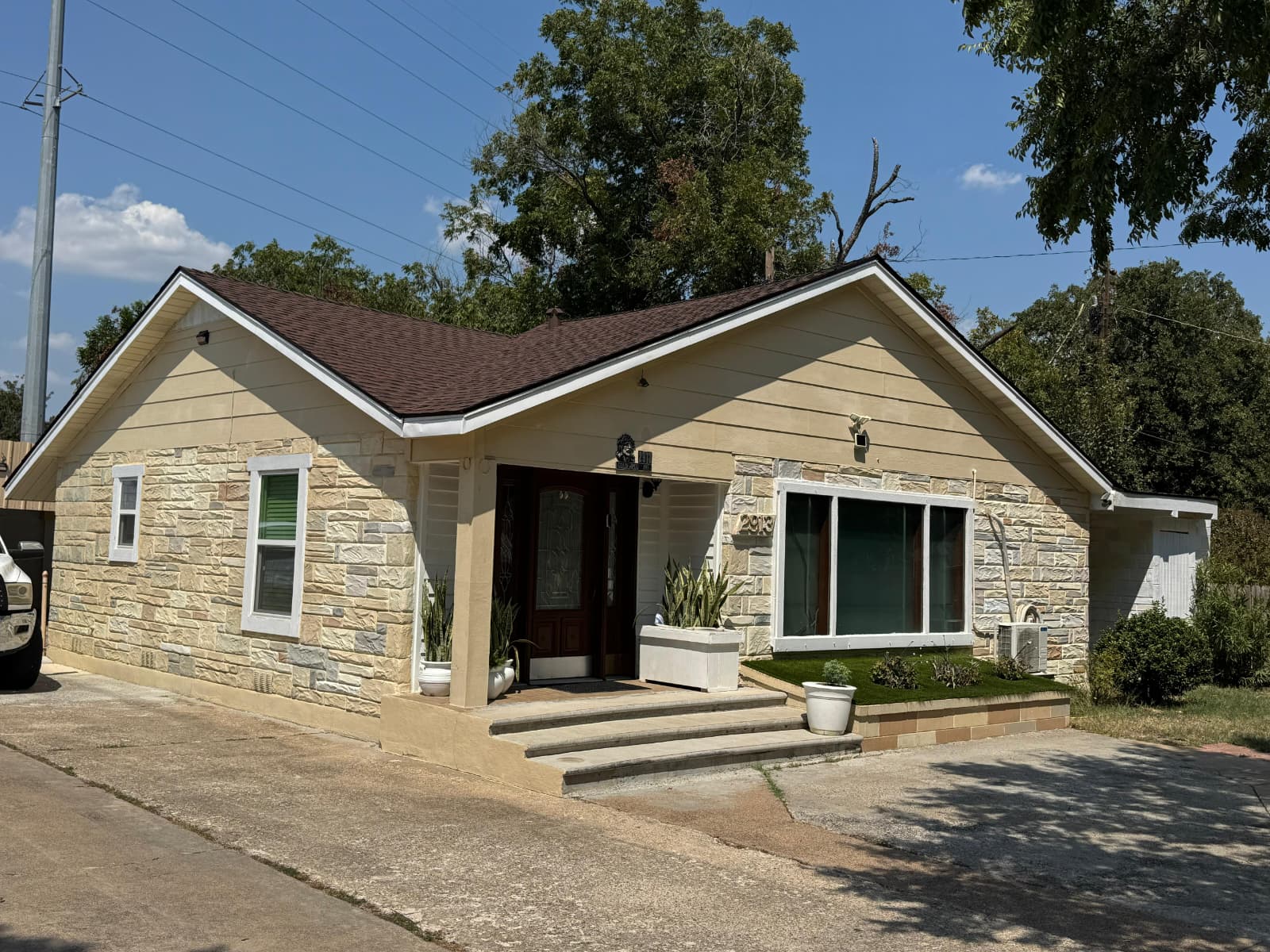
However, it's not always a simple light-is-better equation. The overall insulation of your attic and the efficiency of your HVAC system play huge roles. A well-insulated attic can mitigate a lot of the heat gain from a darker roof. That said, if energy efficiency is a top priority, choosing a lighter or a specifically designed "cool roof" shingle is a smart move for your DFW home.
Comparing Shingle Color Options: What $5,000 vs $12,000 vs $25,000 Buys You
When it comes to roof shingle color, the price difference isn't usually about the color itself, but rather the type and quality of the shingle that comes in that color. A basic 3-tab shingle might be cheaper, but it offers less dimension, fewer color options, and significantly less durability than a premium architectural or designer shingle. Here in DFW, we see homeowners making choices across a wide budget spectrum.
| Feature | Budget ($5,000 - $8,000 Range) | Mid-Range ($9,000 - $15,000 Range) | Premium ($16,000 - $25,000+ Range) |
|---|---|---|---|
| Shingle Type | Basic 3-tab asphalt shingles. Limited color palettes, single-layer construction. | Standard architectural (dimensional) asphalt shingles. Wider range of colors, multi-layer for depth, better wind resistance. | High-end architectural, designer, or premium architectural shingles. Complex blends, enhanced durability (impact, wind, algae resistance), often with "cool roof" technology. |
| Color Variety | Limited, often solid colors or basic blends. | Good variety of blended earth tones, grays, and some muted blues/greens. | Extensive, sophisticated blends mimicking slate or wood shakes, unique color combinations, "cool roof" options. |
| Aesthetic Appeal | Flat, uniform appearance. Less visual interest. | Adds dimension and shadow lines, more natural look. | High-definition, realistic textures, premium look and feel. |
| Durability & Warranty | Typically 15-25 year limited warranty. Lower wind resistance. | Typically 30-50 year limited warranty. Better wind and impact resistance. | Limited lifetime warranties, superior impact and wind ratings (can be crucial for DFW insurance). |
| Energy Efficiency (Potential) | Generally lower solar reflectance; absorbs more heat. | Moderate solar reflectance; some options may offer "cool roof" benefits. | Many options designed for high solar reflectance ("cool roof" technology) for significant energy savings. |
| DFW Climate Suitability | May not withstand severe hail or high winds as well. Higher heat absorption. | Good balance of performance and aesthetics for DFW. | Often includes impact-resistant options, best for heat reflection. The best long-term investment for DFW's climate. |
| Overall Value & Longevity | Lower upfront cost, but shorter lifespan and higher long-term replacement frequency. | Excellent balance of cost, performance, and aesthetics for most DFW homeowners. | Higher upfront investment, but superior longevity, energy savings, and potentially lower insurance premiums due to impact resistance. The best long-term value for protecting your home in DFW. |
It's crucial to understand that the price ranges above are estimates for a typical single-family home roof replacement in the DFW area as of 2026 and can vary based on roof complexity, the contractor's overhead, and specific product lines chosen. The key takeaway is that investing in a higher-quality architectural shingle, even if it's a mid-range option, will likely offer a better combination of aesthetics, durability, and performance for our Texas climate than a basic 3-tab shingle. The premium options provide the best in class for energy efficiency and extreme weather protection.
Expert Tips for Choosing Your DFW Roof Shingle Color
As a roofing contractor who's been working on homes across Dallas, Fort Worth, and the surrounding suburbs for over 13 years, I've seen what works and what doesn't. Choosing a roof color is a big decision, and it's one you'll live with for a long time. Here are my top tips:
- Order Samples and View Them Outdoors: I can't stress this enough. Get actual shingle samples from your chosen manufacturer. Take them outside, place them on a ladder near your home, and look at them at different times of the day. Colors change dramatically with sunlight and shadow.
- Consider Your Home's Undertones: Look closely at your brick, stone, or siding. Does it have warm, earthy undertones (reds, yellows, tans) or cool undertones (grays, blues)? Try to pick a shingle color that complements these undertones rather than fights with them. For example, a cool gray shingle might look great with a gray-toned brick, while a warm brown might be better with a red-toned brick.
- Think Long-Term: Trends change. While it's fun to go bold, a classic, neutral color palette will likely age better and appeal to a wider range of buyers if you ever decide to sell your home. Neutrals like grays, tans, and browns are always safe bets.
- Check with Your HOA: As mentioned, many neighborhoods in DFW have Homeowners Association rules regarding exterior colors. It's essential to confirm what's allowed before you get too attached to a specific color.
- Factor in Energy Efficiency: If you're in a part of DFW that experiences extreme heat and you're looking to save on cooling costs, prioritize lighter colors or "cool roof" options. This is especially important for homes with limited attic insulation.
- Don't Forget the Details: Think about how your roof color will look with your gutters, fascia, soffits, and garage door. These elements all contribute to the overall curb appeal.
- Trust Your Gut (with Expert Advice): Ultimately, you have to love the color. But balance your personal preference with expert advice on what works best for your home's style and our local climate.

How to Get This Done
Choosing the right shingle color is just one piece of the puzzle. A proper roof installation is critical for its longevity and performance. If you want to handle the color selection and get a professional installation, our team has installed hundreds of roofs across DFW, ensuring the right materials and colors are chosen for each home. We work with top manufacturers and can provide samples and guidance tailored to your home's style and your budget. Schedule a free consultation, and we'll walk you through the process, from selecting the perfect color to ensuring a flawless installation.
Frequently Asked Questions About Roof Shingle Colors
Frequently Asked Questions About Roof Shingle Colors
What are the most popular roof shingle colors in DFW in 2026?
Do lighter roof shingles really save money on energy bills in Texas?
Can I put a dark roof on my house in DFW?
What's the difference between 3-tab and architectural shingles in terms of color and style?
How do I choose a shingle color that matches my brick or siding?
Are there any DFW HOA rules about roof shingle colors?
How does the quality of the shingle affect the color options?
Ready to find the perfect roof shingle color for your DFW home? Choosing the right hue is an important decision that impacts your home's appearance and performance. Our experienced team at Montesco Roofing has helped hundreds of homeowners in Dallas, Fort Worth, and surrounding areas make informed choices. We're passionate about quality materials and proper installation, ensuring your new roof looks great and protects your family for years to come. Schedule your free, no-obligation inspection and color consultation today!
Get Your Free Roof Inspection & Color Consultation →Montesco Roofing Team
DFW's trusted roofing contractor with 13+ years of experience. Specializing in roof replacements, storm damage repair, and insurance claims across Dallas-Fort Worth.
Get in touch →