7 Unspoken Rules of a Roof Replacement
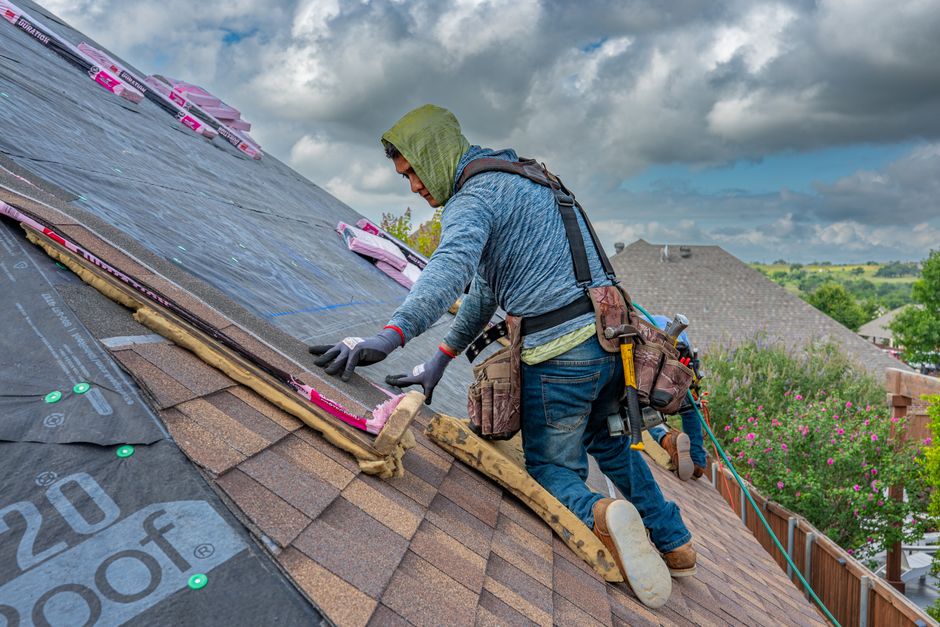
You're standing in your living room, and you see it. That telltale water stain blooming on the ceiling. Or maybe it's the shingles you noticed scattered across your lawn after that last North Texas windstorm. It's a sinking feeling, isn't it? You know your roof is more than just shingles; it's the primary shield protecting your family, your belongings, and your home's structural integrity. But when it's time for a full roof replacement in the DFW area, it feels like stepping into a minefield of confusing jargon, hidden costs, and contractors who seem more interested in a quick sale than a lasting solution. This isn't just about a new roof; it's about making a significant investment that needs to be done right, especially here in our unpredictable Texas climate.
The Hidden Cost of "Low-Ball" Roof Bids in DFW
Here in DFW, especially after a season of storms, you'll see them: contractors with temporary signs and flyers, promising the lowest price. It's tempting, I get it. We all want to save money. But when it comes to a roof replacement, a low bid is often a red flag waving furiously. What most homeowners don't realize is that those incredibly low prices usually come with hidden costs down the road. These contractors might be cutting corners on materials, using less experienced labor, or skipping crucial steps like proper underlayment installation or adequate ventilation. They might offer a "good enough" job that looks fine on the surface but will fail prematurely, leading to leaks, mold, and ultimately, a much more expensive repair or replacement sooner than you expected.
Think about it: a roof is a complex system. It's not just the shingles. There's the decking underneath, the ice and water shield, the underlayment, ventilation components, flashing around chimneys and vents, and the drip edge. Each of these plays a vital role. A contractor who bids significantly lower than others is likely skimping on one or more of these critical elements. They might use cheaper, thinner plywood for decking, skip the protective underlayment in favor of just felt paper (or worse, nothing), or use generic flashing that's prone to rust and leaks. Here in North Texas, with our intense sun, dramatic temperature swings, and occasional hail, these shortcuts don't just shorten the life of your roof; they can compromise the entire structure of your home. We've seen it time and time again – a homeowner calls us because the "cheap" roof they got a few years ago is already failing, and the original contractor is nowhere to be found.
A bid that's significantly lower than all others (more than 10-15%) is a major red flag. It often means the contractor plans to cut corners on materials, labor, or scope of work, leading to future problems and higher costs.
What you should be looking for is a bid that is competitive but also detailed. A reputable contractor will provide a comprehensive proposal outlining exactly what materials will be used, the scope of work, disposal of old materials, and their warranty. They'll be able to explain why their price is what it is, detailing the quality of the products and the expertise of their team. At Montesco Roofing, we believe in transparency. We'll walk you through our proposal, explain every line item, and show you the specific materials we recommend and why they're best suited for the DFW climate. We're not about the cheapest price; we're about the best value and the longest-lasting protection for your home.
Beyond the Shingle: What "Quality Materials" Actually Means for Your DFW Roof
When people talk about a "quality roof," they often just think about the shingles themselves. And yes, the shingles are important. But a truly quality roof system is about so much more than just the visible layer. It's about the integrated components working together to keep your home protected, especially in the demanding DFW environment. Here in North Texas, we face intense UV radiation, scorching summer heat that can reach 110°F or more, and the ever-present threat of powerful thunderstorms with hail and high winds. These conditions put a real strain on roofing materials.
Let's break down what "quality materials" really means:
1. The Right Shingles for Texas
Not all shingles are created equal. For DFW, we strongly recommend architectural or dimensional shingles from reputable manufacturers like GAF, Owens Corning, or CertainTeed. These are built to withstand our climate better than basic 3-tab shingles. Look for shingles with good wind ratings (e.g., ASTM D3161 Class F or ASTM D7158 Class H) and features like algae resistance, which is crucial with our humidity.
2. Superior Underlayment
Beneath the shingles lies the underlayment. While some contractors might use basic asphalt-saturated felt, a premium synthetic underlayment is a game-changer, especially in Texas. It offers superior tear resistance, better waterproofing, and helps reflect heat, keeping your attic cooler. It's a critical layer of defense against wind-driven rain and ice dams, even though we don't get much ice here, it's the water infiltration that's the real enemy.
3. Robust Ice & Water Shield
Even without significant ice, this self-adhering waterproof membrane is essential, particularly in valleys, around chimneys, and along eaves. It provides an extra barrier against water intrusion, which is vital for preventing rot in your decking and mold growth in your attic. We install it generously in all critical areas.
4. Durable Flashing & Drip Edge
Metal flashing around vents, chimneys, and skylights, along with a properly installed drip edge along the roof's perimeter, prevents water from seeping into the fascia and sub-structure. Cheap, thin metal will rust and fail quickly in our climate. We use heavy-gauge galvanized steel or aluminum that's built to last.
What most people miss is that the manufacturer's warranty is only as good as the installer and the system components. If a contractor uses subpar underlayment or flashing, even the best shingles might fail prematurely, and the manufacturer could deny a warranty claim because the system wasn't installed correctly. That's why we're meticulous about every component. We believe in building a complete roofing system, not just slapping on some shingles.
How to Get This Done
When choosing materials, don't hesitate to ask your contractor for specific product names and manufacturer specifications. For a roof replacement that stands up to DFW's demands, our team uses premium materials designed for longevity and performance. We'll explain the differences and help you select the best options for your home.
The 5-Year Warranty Myth: What DFW Homeowners Need to Understand About Roof Guarantees
"A warranty is only as good as the company standing behind it."— Industry Best Practice
This is a big one, and it’s where many homeowners get tripped up. You'll hear about "20-year warranties" or even "lifetime warranties" on shingles. That sounds great, right? But that's only part of the story. Most manufacturer warranties cover the shingles themselves, but they don't cover the labor to replace them if they fail. And that labor is a significant cost. If your shingles fail after 5 or 10 years, and the manufacturer only covers the material cost, you're still on the hook for thousands of dollars to have them replaced.
What's even more critical is understanding the difference between a manufacturer's warranty and a contractor's workmanship warranty. The manufacturer's warranty covers defects in the shingle material itself. The contractor's workmanship warranty covers the installation. This is where many "storm chasers" or less reputable contractors fall short. They might offer a seemingly good warranty, but if they go out of business a year or two later (which many do), that warranty is worthless.
Key Insight
A manufacturer's shingle warranty typically covers material defects. A contractor's workmanship warranty covers installation errors. For true peace of mind in DFW, you need both, backed by a company that will be around to honor them for years to come.
At Montesco Roofing, we offer a 10-year limited warranty on our workmanship. That's on top of the manufacturer's warranty on the shingles themselves. This means if something goes wrong with the installation – a leak due to improper flashing, for example – we'll be here to fix it. We've been serving the DFW area for over 13 years, and we have no intention of disappearing. We stand behind our work because we do it right the first time, using the best materials and proven installation techniques. When you get a bid from us, you're not just getting a price; you're getting a commitment to quality and long-term protection.
Typical "Storm Chaser" Warranty
Often only covers shingles, not labor.
Workmanship warranty is short-term or non-existent.
Contractor may be out of business within 1-2 years.
Montesco Roofing's Warranty
Manufacturer's warranty on materials (e.g., GAF Golden Pledge).
10-Year Limited Workmanship Warranty on installation.
Local, established company with 13+ years in DFW.
Choosing Your DFW Roofing Contractor: A 7-Step Due Diligence Checklist
Selecting the right roofing contractor is arguably the most important step in the entire roof replacement process. It’s not just about getting a new roof; it’s about partnering with a company you can trust to protect your biggest asset. With so many options in the DFW metroplex, especially after a storm, it can be overwhelming. Here’s a checklist we recommend every homeowner use:
1. Verify Licensing & Insurance
Ensure the contractor is licensed by the state (if required in Texas, though many local municipalities have their own requirements) and, more importantly, has general liability insurance and workers' compensation insurance. Ask for proof and verify it yourself. This protects you from accidents on your property.
2. Check Local Experience
How long have they been operating in DFW? A contractor with 10-15+ years of local experience understands our specific climate challenges, building codes, and insurance processes. Montesco Roofing has been a part of the DFW community for over 13 years.
3. Read Reviews & Ask for References
Look for reviews on Google, Yelp, and the Better Business Bureau. Don't just look at the star rating; read what people are saying. Ask for references from recent projects similar to yours in your neighborhood.
4. Get Multiple Detailed Bids
Obtain written bids from at least three reputable contractors. Ensure each bid is detailed, outlining materials, labor, warranties, and timelines. Compare apples to apples – a vague, low bid is not comparable to a thorough, competitive one.
5. Inquire About Subcontractors
Some companies use subcontractors. While not always a bad thing, it’s important to know who will actually be on your property and if they are insured and supervised by the main contractor. We use our own in-house, highly trained crews.
6. Understand the Warranty
As discussed, scrutinize both the manufacturer's material warranty and the contractor's workmanship warranty. Get the details in writing. What is covered? For how long? What are the claim procedures?
7. Trust Your Gut
Does the contractor communicate clearly? Do they answer your questions patiently? Do they seem knowledgeable and professional? If something feels off, it probably is. A good contractor will make you feel confident and informed.
Taking the time to go through this checklist will save you a lot of headaches and potential financial strain. It's about finding a partner, not just a vendor. For us at Montesco Roofing, building that trust is paramount. We want you to feel completely comfortable with the decision to have us work on your home.
The Critical Role of Attic Ventilation in Your DFW Roof's Lifespan
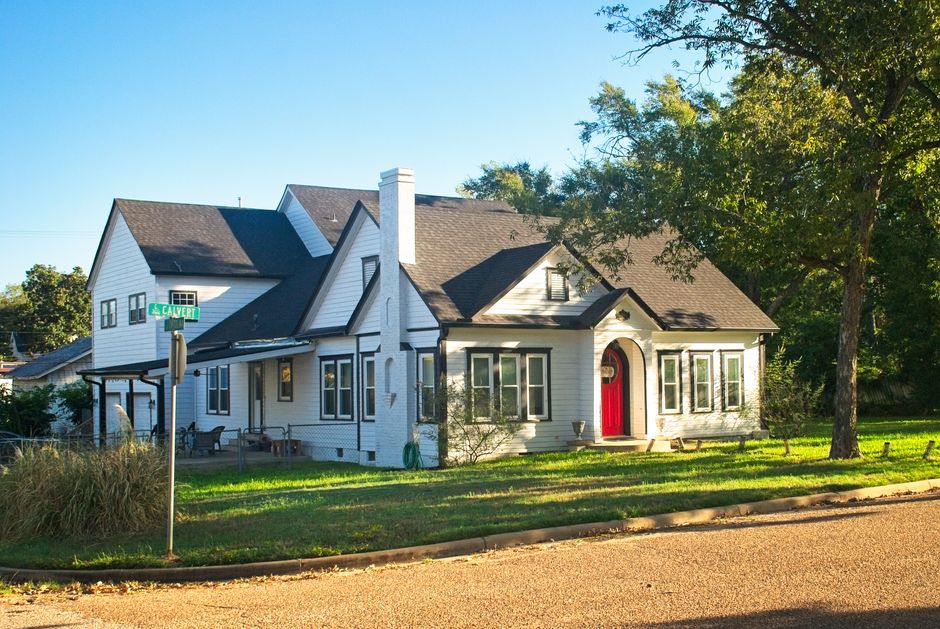
Proper attic ventilation is as crucial as the shingles themselves. It works in tandem with your insulation to regulate temperature and moisture, extending the life of your roof and improving your home's energy efficiency.
This is one of those "behind-the-scenes" aspects of roofing that can make or break the longevity of your entire system, and it's often overlooked. Here in DFW, our attics get incredibly hot in the summer. Without proper ventilation, that heat gets trapped. This excess heat bakes your shingles from the underside, accelerating their deterioration and causing them to become brittle and crack prematurely. It’s like leaving your roof out in a sauna all day, every day.
Conversely, in cooler months, or after rain, moisture can build up in the attic. This trapped moisture can lead to mold and mildew growth, rot in your rafters and decking, and even damage your insulation, reducing its effectiveness. A well-ventilated attic allows hot, moist air to escape and be replaced by cooler, drier outside air. This creates a balanced environment that:
Common ventilation solutions include soffit vents (allowing intake air at the eaves), ridge vents (allowing exhaust air at the peak of the roof), and gable vents. The key is a balanced system – enough intake to match the exhaust. A common mistake we see is inadequate soffit ventilation, which starves the ridge vent of the air it needs to function properly. At Montesco Roofing, we perform a thorough assessment of your existing attic ventilation and recommend upgrades or solutions that will create the optimal airflow for your specific home. It's a vital part of a complete roofing system, not an optional add-on.

How to Get This Done
A professional roof inspection should always include an assessment of your attic ventilation. If you're curious, you can often see your soffit vents from the ground at the edge of your roofline. Montesco Roofing specializes in diagnosing and correcting attic ventilation issues as part of our comprehensive roof replacement services. We ensure your entire system works in harmony.
Navigating DFW Permits and Inspections: What to Expect During Your Roof Replacement
This is a step that many homeowners might not think about, but it's crucial for ensuring your roof replacement is done to code and legally sound. In most DFW cities like Dallas, Fort Worth, Plano, and Frisco, a full roof replacement requires a building permit. This permit is essentially permission from the local municipality to undertake the construction project. It ensures that the work will be inspected by a city official to verify it meets safety and building standards.
Contractors who don't pull permits for full roof replacements are often cutting corners and may be operating illegally. This can put you at risk if something goes wrong and your insurance company finds out.
Why is this important for you as a homeowner? First, it ensures the work is done correctly. The inspector will check that the proper materials are used, that the installation meets standards, and that the roof is safe and structurally sound. Second, it protects you financially. If your roof is not permitted and inspected, it can cause issues with your homeowner's insurance, especially if you need to file a claim later. Some insurance policies may even be voided if unpermitted work is discovered.
The process typically involves your chosen roofing contractor submitting plans and an application to the city's building department. They handle the paperwork and fees. Once the permit is issued, the work can begin. After the old roof is removed and the new system is installed, the city will schedule inspections at various stages, often including a deck inspection (after old roofing is removed and before new materials are laid) and a final inspection (once the new roof is complete). Passing these inspections is a sign that the job has met local building codes.
At Montesco Roofing, we handle all the necessary permitting and inspections for you. We understand the local regulations in Dallas, Fort Worth, and surrounding areas. It's part of our commitment to providing a hassle-free, professional experience. We believe in doing things the right way, from the initial consultation to the final sign-off from the city inspector. This ensures your investment is not only sound but also compliant and protected.
DFW Roof Replacement vs. Repair: When is it Time for a Full Overhaul?
This is a question we get a lot, especially after a hail storm or strong winds. Sometimes, a minor repair is all that's needed. Other times, trying to repair an aging or extensively damaged roof is just throwing good money after bad. Deciding between repair and replacement is a critical financial decision for any homeowner in DFW.
| Factor | Minor Roof Repair | Full Roof Replacement |
|---|---|---|
| Scope | Fixing a few missing shingles, sealing a small leak, replacing damaged flashing. | Complete removal of old roofing layers, inspection of decking, installation of a new, complete roofing system. |
| Cost | Lower upfront cost, typically a few hundred to a couple thousand dollars. | Higher upfront cost, typically several thousand to tens of thousands of dollars. |
| Lifespan Added | Extends the life of the existing roof by a limited amount (months to a few years). | Restores the roof to its full lifespan (typically 20-30+ years with quality materials). |
| Underlying Issues | May not address underlying structural damage or widespread wear. | Addresses all underlying issues, including decking, ventilation, and flashing. |
| DFW Climate Impact | May not be sufficient to withstand future storms or intense heat/sun. | A new system is designed to meet current building codes and withstand DFW's harsh weather. |
| Warranty | Limited or no warranty on repair work. | Manufacturer warranty on materials and contractor warranty on workmanship. |
| When to Consider | Localized damage, a few isolated issues on a relatively young roof. | Significant widespread damage, aging roof (15+ years), multiple leaks, visible sagging, curling or missing shingles across large areas. |
Here's the rule of thumb we often share: If your roof is 15 years or older, has experienced multiple leaks, or shows widespread signs of wear (like curling shingles, significant granule loss, or sagging), it's almost always more cost-effective in the long run to opt for a full replacement. Trying to patch up an old roof is like putting a band-aid on a serious wound; it might stop the immediate bleeding, but it doesn't fix the underlying problem. A full replacement gives you a fresh start with a new, fully warranted system designed to protect your home for decades.
We've seen homeowners in Frisco and McKinney spend thousands on repeated repairs for an aging roof, only to end up paying for a full replacement a few years later, essentially paying for the same roof twice. Our goal is to provide an honest assessment. If a repair is the right solution, we'll tell you. If a replacement is the sensible investment, we'll explain why, detailing the long-term benefits and providing a detailed, transparent quote. You can learn more about our comprehensive roof replacement services on our website.

Montesco Roofing's Commitment to Transparency in DFW Roof Replacements
We founded Montesco Roofing with a simple philosophy: treat every home like our own, and be completely transparent with our clients. In an industry that sometimes gets a bad rap, we believe that honesty, integrity, and clear communication are the cornerstones of building lasting relationships and providing genuine value. This commitment is especially important when it comes to something as significant as a roof replacement.
Key Insight
Transparency isn't just about showing you the price; it's about educating you on the process, the materials, the potential challenges, and the long-term benefits. We want you to feel empowered and confident in your decision.
What does transparency look like at Montesco Roofing? It starts with our initial consultation. We don't just give you a quick glance and a price. We conduct a thorough inspection, both from the ground and, if necessary, from the roof itself (safely, of course!). We’ll document any findings with photos and videos so you can see exactly what we see. We’ll explain the condition of your current roof, discuss the options available, and recommend the best solution for your specific needs and budget.
Our proposals are detailed and easy to understand. You won't find hidden fees or vague descriptions. We clearly outline the scope of work, the specific materials being used (including manufacturer and product names), the timeline for the project, and our comprehensive warranty. We encourage you to ask questions – we're here to answer them, patiently and thoroughly. We want you to understand the value you're getting, not just the cost.
How to Get This Done
When you choose Montesco Roofing for your DFW roof replacement, you're choosing a partner committed to your peace of mind. We handle everything from permitting to final cleanup, keeping you informed every step of the way. Schedule your free, no-obligation inspection today, and experience the Montesco difference.
We believe that by being upfront and honest, we build trust. And trust is what allows us to continue serving the DFW community with pride, knowing we're providing the best possible protection for our neighbors' homes. Our extensive gallery of completed projects showcases the quality and care we put into every job.
Frequently Asked Questions About DFW Roof Replacements
How long does a roof replacement typically take in DFW?
What is the average cost of a roof replacement in DFW in 2026?
Can my homeowner's insurance cover my roof replacement in DFW?
What happens if you find unexpected damage to my roof decking during replacement?
Do I need to be home during the entire roof replacement process?
What kind of cleanup can I expect after the job is done?
Need help putting this into action? Our team has protected hundreds of DFW homes. Tell us about your roof — free inspection, no pressure.
Get Your Free Roof Inspection →Montesco Roofing Team
DFW's trusted roofing contractor with 13+ years of experience. Specializing in roof replacements, storm damage repair, and insurance claims across Dallas-Fort Worth.
Get in touch →