DFW Roof Replacement: Is Your Roof Older Than It Feels? 7 Signs It's Time in 2026
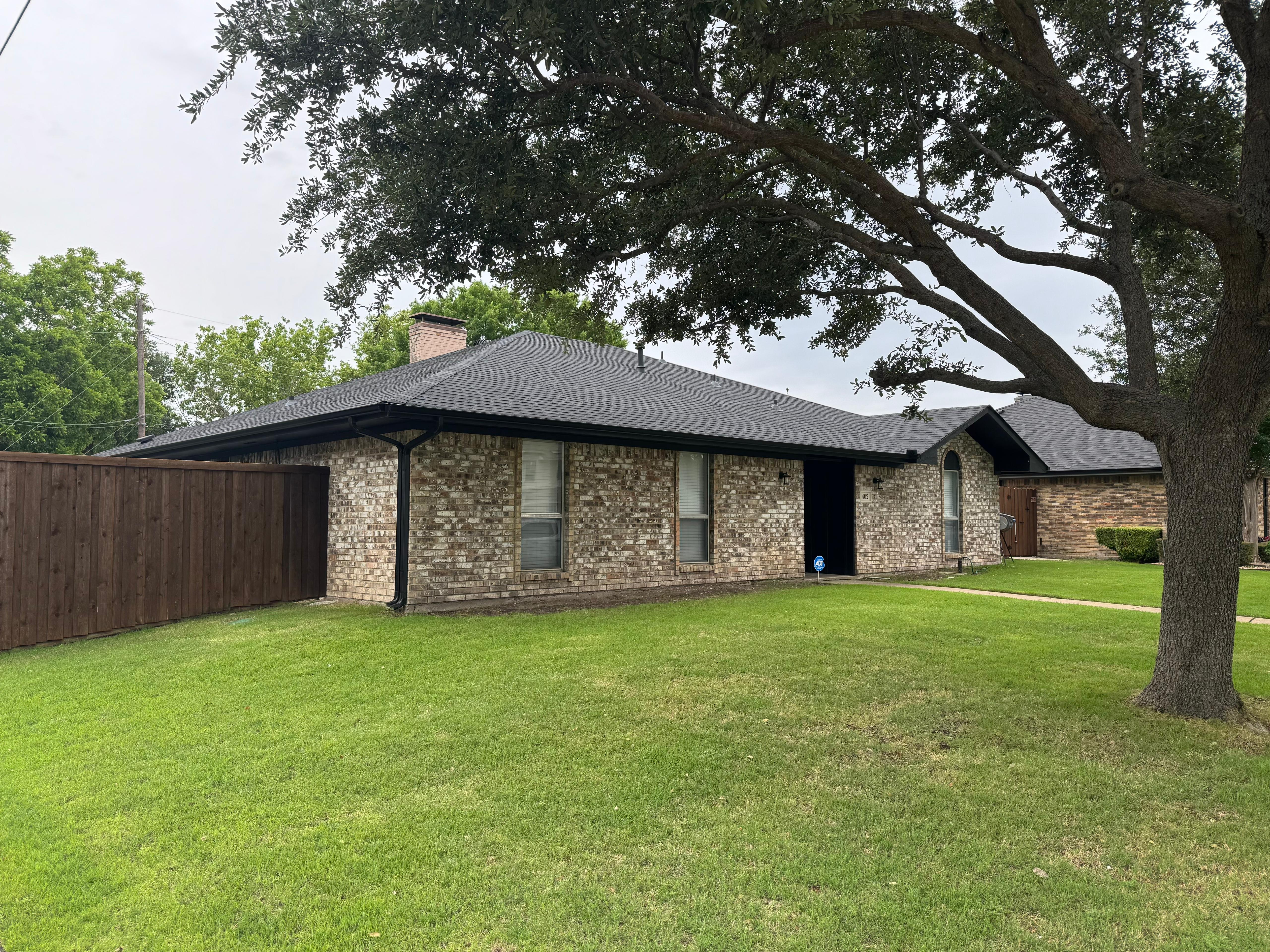
The Silent Aging of Your DFW Roof: Why Age Isn't Just a Number
You're sitting in your living room in Plano, enjoying a quiet Saturday afternoon on May 23, 2026. The Texas sun is beating down, and you're thinking about your home – your sanctuary. But have you really considered the condition of your roof? It's easy to overlook. It's up there, doing its job, silently protecting you from everything North Texas throws at it – from scorching heatwaves to those infamous spring thunderstorms. But just like us, roofs age. And sometimes, a roof can feel older and more worn out than its actual age might suggest, especially here in the DFW metroplex where our climate can be tough on materials.
Quick Answer: In 2026, a DFW roof's lifespan is heavily influenced by weather, material quality, and installation. While asphalt shingles typically last 15-30 years, signs like curling shingles, granule loss, or recurring leaks indicate it might be older than it feels and needs replacement to prevent water damage and structural issues.
Age isn't just a number for your roof; it's a critical factor in its ability to perform. A roof that's past its prime isn't just an aesthetic concern; it's a potential gateway for serious, costly damage to your home's structure, insulation, and even your personal belongings. Here in DFW, with our intense UV exposure, dramatic temperature swings, and the ever-present threat of hail, roofs can sometimes show signs of wear and tear sooner than you'd expect. We've seen it countless times in neighborhoods from Fort Worth to Garland – a roof that looks okay from the street might be silently deteriorating.
At Montesco Roofing, we’ve been helping homeowners across the Dallas-Fort Worth area for over 13 years. We've seen roofs of all ages and conditions, and we understand the unique challenges our climate presents. We're not just about slapping on a new roof; we're about understanding the life of your home and ensuring its most vital shield is performing at its best. This means knowing when a roof has simply reached the end of its useful life, even if it hasn't hit a specific calendar year.
Why DFW Roofs Age Differently
The DFW climate is a double-edged sword for roofing. Intense summer sun bakes shingles, leading to premature brittleness. Frequent temperature shifts can cause expansion and contraction, stressing materials. And, of course, the unpredictable hail storms can cause significant, rapid damage. These factors mean a roof in North Texas might need replacement sooner than one in a milder climate, regardless of its installation date.
So, how do you tell if your roof is truly older than it feels? It's not always about the number of years since it was installed. It's about the visible and invisible signs of wear and tear that signal it's time for a change. We're going to walk through the key indicators, helping you understand what to look for and why it matters for the long-term health of your home.
7 Critical Signs Your DFW Roof Is Older Than It Feels (And What They Mean)
It’s Saturday, May 23, 2026. You’re looking at your house, maybe planning some weekend yard work. While you’re out there, take a moment to give your roof a good once-over. Don't just glance; really look. Many homeowners think they know when their roof needs attention, but often, the subtle signs are missed until it's too late. Here are seven critical indicators that suggest your DFW roof might be older and more worn than it appears, and what each one means for your home's integrity.
1. Granule Loss
Asphalt shingles have a protective layer of mineral granules that shield them from UV rays and impact. When these granules start to wear off, you'll often find them collecting in your gutters or downspouts. This is a clear sign the shingles are deteriorating and losing their protective capabilities. Think of it like the skin on an apple drying out – it's losing its protective layer.
2. Curling or Cupping Shingles
Healthy shingles lie flat. When they start to curl up at the edges or cup in the middle, it's a sign that the asphalt within them is breaking down, often due to excessive heat and sun exposure. This creates vulnerabilities where water can seep underneath, leading to leaks and rot.
3. Bald Spots on Shingles
Similar to granule loss, bald spots are areas on the shingle where the granules have completely worn away, exposing the dark asphalt mat beneath. These exposed areas are much more susceptible to sun damage and can significantly shorten the roof's lifespan.
4. Moss or Algae Growth
While sometimes just an aesthetic issue, significant moss or algae growth can indicate that your roof is retaining moisture. This trapped moisture can degrade the shingles over time and potentially lead to rot in the underlying decking.
5. Damaged or Missing Shingles
This one might seem obvious, but even a few missing or severely damaged shingles can be a red flag. Strong winds, especially during those unpredictable Texas storms, can lift or tear shingles. If you're seeing this, it means your roof is already compromised and more susceptible to further damage.
6. Sagging Roof Decking
This is a more serious sign. A visible dip or sag in your roofline, especially noticeable from the street or inside your attic, indicates that the underlying wooden structure (the decking) may be weakened by rot or water damage. This is a critical structural issue that needs immediate attention.
7. Leaks and Water Stains
The most obvious sign is water where it shouldn't be. If you're seeing water stains on your ceilings or walls, or noticing leaks in your attic, it's a direct indicator that your roof's protective barrier has failed. These aren't problems that fix themselves; they usually get worse over time.
These aren't just minor cosmetic issues. Each of these signs points to a roof that's working overtime and is likely nearing the end of its service life. Ignoring them in our DFW climate is a gamble you don't want to take.
Beyond the Surface: Unseen Roof Deterioration & Its Costly Consequences
What most homeowners don't realize is that the most damaging roof issues often start subtly, and they happen beneath the surface. You might not see water stains in your living room today, but that doesn't mean water isn't finding its way into your attic. That’s where the real problems can begin, and they can cascade into much larger, more expensive repairs than just a roof replacement.
Many leaks aren't discovered until they've caused significant damage. Regularly inspecting your attic, especially after heavy rains or high winds, is crucial. Look for water stains on the underside of the roof decking, on insulation, or on the joists. You might also notice a musty smell.
When a roof's integrity is compromised, water can begin to infiltrate the attic space. This moisture can lead to a host of secondary problems that can cost thousands to fix:
Structural Damage: The constant presence of moisture can cause the wooden rafters and decking of your roof structure to rot. This weakens the entire framework of your home, potentially leading to sagging roofs, compromised walls, and even structural collapse in severe cases. Fixing rotted structural members is a major undertaking, far beyond a simple shingle replacement.
Mold and Mildew Growth: Attics are often dark, damp environments, making them prime breeding grounds for mold and mildew. This can spread throughout your home, affecting indoor air quality and posing serious health risks to your family, especially those with respiratory issues. Mold remediation can be costly and time-consuming.
"The biggest mistake homeowners make is waiting until they see a drip inside. By then, the damage to the decking and insulation is often extensive."— Seasoned DFW Roofing Professional
Insulation Degradation: Your attic insulation is key to keeping your home comfortable and energy-efficient. When it becomes damp or compressed due to water intrusion or structural sagging, its R-value (insulating power) plummets. This means your HVAC system has to work harder, leading to higher energy bills and premature wear on your air conditioning unit – a frequent complaint we hear from homeowners in the Dallas heat.
Electrical Hazards: Water and electricity are a dangerous combination. Leaks can drip onto wiring in the attic, creating fire hazards or electrical shorts. If you notice flickering lights or outlets that don't work, and you have an aging roof, it's worth investigating the roof as a potential cause.
How to Get This Done
If you want to handle this yourself, here's exactly what you need: a sturdy ladder, a keen eye for detail, and a willingness to get up into your attic (safely, of course!). Look for water stains, damp insulation, and any signs of mold. If you'd rather have experienced roofers handle it, our team has done this on hundreds of DFW homes — here's how our process works: We start with a thorough, no-obligation inspection, document everything with photos, and provide a clear, detailed estimate for replacement if needed. We handle everything from material selection to final cleanup.
The cost of addressing these secondary issues can easily double or even triple the cost of a proactive roof replacement. That’s why identifying those early signs of deterioration, even the ones you can’t see, is so critical for homeowners in DFW.
DFW Roof Replacement Costs in 2026: What to Expect for Different Materials
When it's time to replace your roof, understanding the costs involved is a big part of the planning process. In 2026, DFW roof replacement costs can vary significantly based on the materials you choose, the size and complexity of your roof, and the contractor you hire. As a general rule, while the upfront cost of a cheaper material might seem appealing, investing in quality materials and professional installation often saves you money in the long run through increased durability and fewer repairs.
Here's a look at what you might expect for common roofing materials in the DFW area:
| Roofing Material | Average Lifespan (DFW Climate) | Estimated Cost Per Square Foot (Installed) | Pros | Cons |
|---|---|---|---|---|
| Asphalt Shingles (Standard 3-Tab) | 15-20 Years | $3.50 - $5.50 | Affordable, wide variety of colors, common for insurance claims. | Shorter lifespan, can be prone to wind damage if not high-quality. |
| Architectural/Dimensional Asphalt Shingles (e.g., GAF Timberline, Owens Corning Duration) | 25-30 Years | $4.50 - $7.50 | More durable, better wind resistance, enhanced aesthetic appeal, longer warranty. | Higher upfront cost than standard shingles. |
| Metal Roofing (Standing Seam) | 50+ Years | $9.00 - $15.00+ | Extremely durable, energy-efficient, fire-resistant, excellent for hail. | Higher upfront cost, can be noisy during heavy rain if not installed with insulation. |
| Tile Roofing (Clay or Concrete) | 50+ Years | $10.00 - $20.00+ | Very durable, aesthetically pleasing, excellent fire resistance. | Very heavy (may require structural reinforcement), brittle and can break if walked on improperly, higher cost. |
| Wood Shakes/Shingles | 20-30 Years (requires high maintenance) | $7.00 - $12.00 | Natural beauty. | High maintenance, fire risk (often requires special treatment/codes), susceptible to rot and insects in humid climates. Less common in DFW for primary roofing. |
Note: These prices are estimates for May 2026 in the DFW area and can fluctuate based on market conditions, material availability, and the specific complexity of your roof (e.g., number of valleys, dormers, skylights).
When getting quotes, always ask what's included. Does it cover tear-off of the old roof? Are new vents and flashing included? What about cleanup? A detailed quote prevents surprises. For DFW homeowners, we highly recommend architectural asphalt shingles or metal roofing for their superior performance and longevity in our climate.
The average cost for a standard asphalt shingle roof replacement on a typical 2,000 sq ft home in DFW could range from $8,000 to $15,000 in 2026. More premium options like metal can push that number significantly higher, often into the $18,000 - $30,000+ range. It's an investment, but one that pays off in peace of mind and protection for your home.
When you're considering a roof replacement, it's crucial to get multiple quotes from reputable, local contractors. Look for companies that are licensed, insured, and have a strong track record in the DFW area. Don't just go for the cheapest option; consider the value, warranty, and the contractor's commitment to quality.
The Insurance Angle: How Age Affects Your DFW Roof Claim in 2026
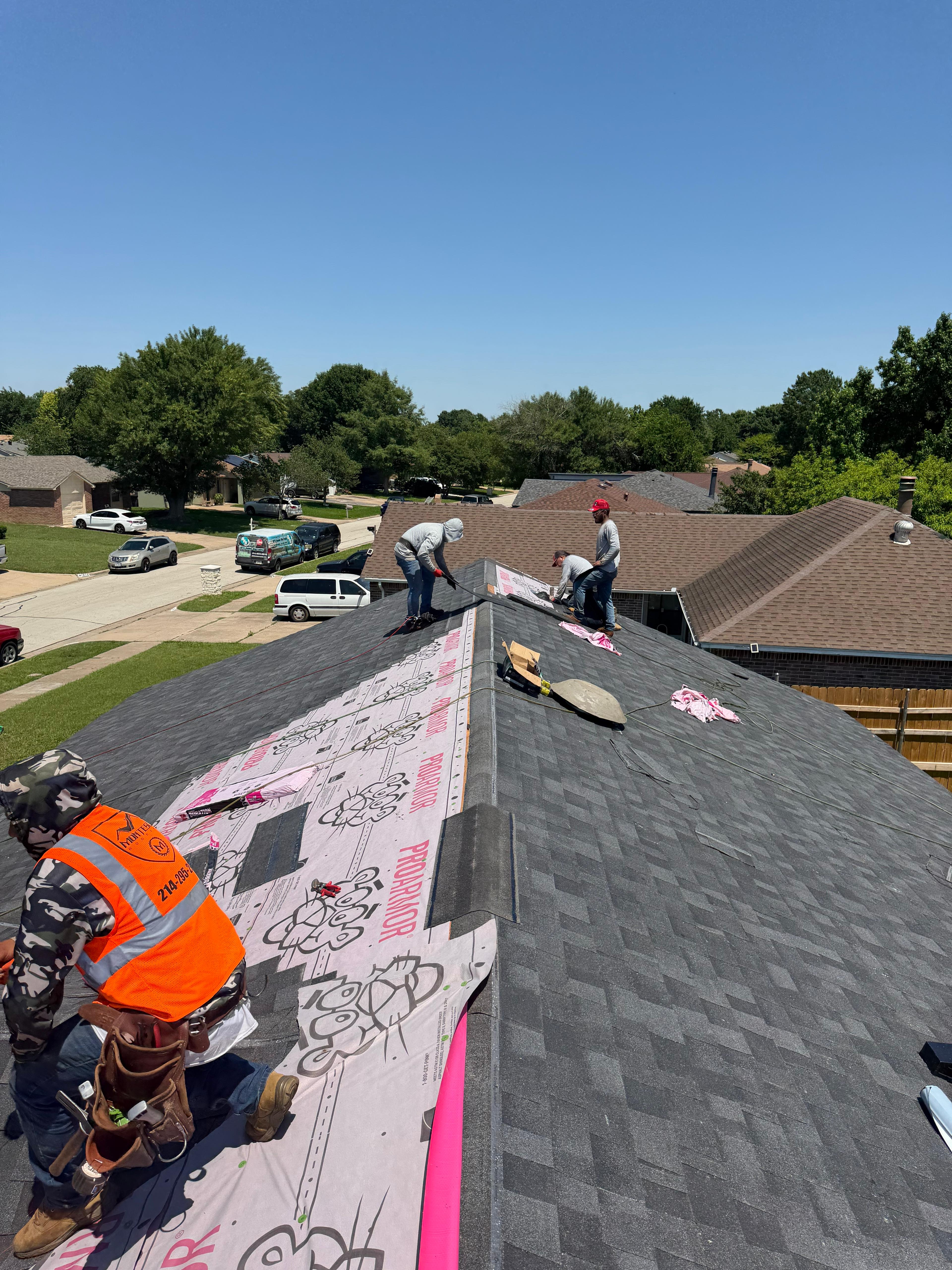
Navigating insurance claims for roof damage is a headache many DFW homeowners unfortunately face, especially after a severe storm. The age of your roof plays a surprisingly significant role in how your insurance claim is handled in 2026. Insurance companies are increasingly scrutinizing the age and condition of roofs when determining coverage and payout amounts. This is a trend that's been growing, and it's important to be aware of it.
Here's how your roof's age can impact an insurance claim:
The "Actual Cash Value" vs. "Replacement Cost" Dilemma
Many policies differentiate between Actual Cash Value (ACV) and Replacement Cost Value (RCV). ACV pays you what the roof was worth at the time of the damage, factoring in depreciation due to age. RCV pays to replace the roof with a new one of similar kind and quality, regardless of age. Understanding your policy is key. If your roof is old, an ACV payout might not be enough to replace it.
Depreciation: This is the big one. Insurance companies use depreciation schedules to determine how much value your roof has lost over time due to wear and tear. An older roof will have a higher depreciation percentage applied, meaning the payout will be lower. For example, a roof that is 15 years old might have 50% or more of its value depreciated, significantly reducing the amount the insurance company is willing to pay for repairs or replacement.
Policy Exclusions: Some insurance policies have clauses that exclude coverage for damage caused by the "wear and tear" or "deterioration" of an aging roof. If your roof fails due to age-related issues rather than a sudden event like a storm, your claim might be denied outright.
Pre-existing Damage: Insurers are adept at identifying signs of age and pre-existing damage. If they believe the current damage is a result of gradual deterioration rather than a covered peril (like a specific storm event), they can deny the claim or offer a much lower settlement.
After a major storm in DFW, you'll see many out-of-town contractors descend. Be wary of those who offer "free" inspections and then immediately push for you to sign a contract before you've even talked to your insurance. They often work with adjusters to inflate claims or might disappear after getting paid, leaving you with shoddy work and no recourse.
Documentation is Key: This is why having a detailed inspection report from a reputable local roofing contractor like Montesco Roofing is so important. We can document the actual damage from a storm and differentiate it from normal aging. This documentation is crucial when negotiating with your insurance adjuster. We understand the nuances of insurance claims in Texas and can advocate on your behalf.
In 2026, it’s more important than ever to maintain open communication with your insurance provider and have a trusted roofing expert on your side. An older roof not only puts your home at risk but can also complicate your insurance coverage when you need it most.
Montesco Roofing's Professional Assessment: Ensuring a Confident Replacement
When you suspect your DFW roof is showing its age, the first and most crucial step is a professional assessment. This isn't just a quick glance; it's a comprehensive evaluation designed to identify all potential issues, both visible and hidden, and determine the best course of action. At Montesco Roofing, we approach every inspection with the same meticulous attention to detail as if it were our own home. We understand that a roof replacement is a significant investment, and we want to ensure you have all the information needed to make a confident decision.
1. Exterior Inspection
We'll get on the roof (safely, of course!) and examine the shingles for signs of wear like granule loss, curling, cracking, or bald spots. We'll check flashing around vents, chimneys, and valleys for damage or signs of leaks. We also look for any obvious signs of storm damage like dents or missing shingles.
2. Attic Inspection
This is where many hidden problems are revealed. We'll go into your attic to check for daylight penetration, water stains on the decking or rafters, signs of mold or mildew, and inadequate ventilation. Proper attic ventilation is critical for extending roof life and preventing heat and moisture buildup.
3. Gutter and Ground Check
We'll examine your gutters for an excessive amount of shingle granules, which is a tell-tale sign of aging shingles. We also check the ground around your foundation for any signs of debris or water pooling that could indicate drainage issues related to the roof.
4. Structural Integrity Assessment
If there are any signs of sagging in the roofline, we'll further assess the underlying structure to determine the extent of any rot or damage. This is vital for understanding the full scope of work required.
After the inspection, we don't just hand you a report and walk away. We sit down with you, explain our findings in clear, understandable terms, and provide photographic evidence. We'll discuss whether a repair is feasible and sufficient, or if a full roof replacement is the most prudent and cost-effective solution for your home in the long run.
DIY Inspection
Pros: Free, immediate.
Cons: Limited scope, safety risks, lack of expertise to diagnose complex issues, no professional documentation for insurance.
Montesco Roofing Inspection
Pros: Comprehensive, expert analysis, photographic evidence, identification of hidden issues, professional documentation for insurance/future planning, no obligation.
FreeOur goal is to empower you with knowledge. We believe that an informed homeowner makes the best decisions. When you choose Montesco Roofing for an assessment, you're getting the benefit of 13+ years of DFW roofing experience, a commitment to honest assessments, and a partner who genuinely cares about protecting your home.
Your 5-Step DFW Roof Replacement Action Plan for 2026
Deciding to replace your roof is a big step, but with a clear plan, it doesn't have to be overwhelming. Here’s a straightforward, five-step action plan to guide you through the process in 2026, ensuring a smooth and successful roof replacement for your DFW home.
Step 1: Schedule a Professional Inspection
As discussed, this is your starting point. Contact a reputable DFW roofing contractor like Montesco Roofing for a thorough inspection. This will give you a clear understanding of your roof's condition, its remaining lifespan, and whether replacement is truly necessary.
Step 2: Obtain Multiple Detailed Quotes
Once you know replacement is needed, get at least three detailed written estimates from different licensed and insured roofing companies. Ensure each quote specifies the exact materials to be used (brand, type, color), scope of work (tear-off, underlayment, ventilation, flashing), warranty details, and cleanup procedures. Compare not just the price, but the value and completeness of each proposal.
Step 3: Review Your Insurance Policy
If you're filing an insurance claim, contact your insurance agent immediately after your inspection. Understand your policy's coverage, deductible, and depreciation terms. Having documentation from your roofing contractor will be vital for negotiating your claim.
4. Select Your Contractor and Materials
Choose the contractor you feel most comfortable with and who offers the best combination of quality, warranty, and price. Work with them to select the roofing materials that best suit your home's style, your budget, and the demands of the DFW climate. Architectural shingles and metal roofing are excellent, durable choices for our area.
5. Oversee the Installation and Final Walk-Through
Your chosen contractor will schedule the work. Be present during the project if possible. Once the work is complete, conduct a thorough walk-through with the project manager. Check that all debris is removed, the installation looks clean and professional, and all agreed-upon work has been completed. Ensure you receive all necessary warranties.
Montesco Roofing's Replacement Process
We aim to make your roof replacement as stress-free as possible. Our process typically involves: 1. Detailed inspection and transparent estimate. 2. Material selection assistance. 3. Scheduling and efficient installation with minimal disruption. 4. Thorough site cleanup. 5. Final walk-through and warranty documentation. We handle the complexities so you can focus on enjoying your protected home.
Following these steps will help ensure your DFW roof replacement in 2026 is a positive experience, resulting in a durable, beautiful, and protective new roof for your home.
Frequently Asked Questions About Aging DFW Roofs
Frequently Asked Questions About Aging DFW Roofs
How long do asphalt shingles typically last in DFW?
Can my roof's age affect my homeowner's insurance premium?
What's the difference between a roof repair and a roof replacement?
How important is attic ventilation for an aging roof?
If my roof is 20 years old, does it automatically need replacing?
What are the advantages of architectural shingles over standard 3-tab shingles for DFW homes?
Should I wait for storm damage to replace my roof, even if it's old?
Need help determining if your DFW roof is older than it feels? Our experienced team has protected hundreds of homes across North Texas. We provide honest assessments and expert solutions. Tell us about your roof — let's ensure it's protecting your family for years to come.
Get Your Free Roof Inspection →Montesco Roofing Team
DFW's trusted roofing contractor with 13+ years of experience. Specializing in roof replacements, storm damage repair, and insurance claims across Dallas-Fort Worth.
Get in touch →