DFW Roofs Quality Difference You Can't Afford to Ignore

The True Cost of "Cheap" Roofing in DFW: Why Low Bids Are a Red Flag
You've probably seen them – flyers in your mailbox, ads online, maybe even a truck parked down the street after a big storm in areas like Plano or Fort Worth. They promise the lowest prices, the quickest turnaround, and a "brand new roof for next to nothing." As a roofing contractor who's been in the DFW area for over 13 years, I've seen this cycle play out time and time again. And I'm here to tell you, that "cheap" roof? It's almost always the most expensive one in the long run.
When you're looking at a major home investment like a roof replacement, especially here in North Texas where we deal with everything from scorching summer sun to the occasional hail storm, quality isn't just a buzzword. It's the difference between a roof that protects your family and your belongings for decades, and one that starts failing within a few years, leading to costly repairs, potential water damage, and a whole lot of headaches. We're talking about a critical structural component of your home, not just an aesthetic update.
What most homeowners don't realize is that a roof isn't just shingles. It's an entire system. When a contractor comes in with an unrealistically low bid, they're almost certainly cutting corners somewhere. That could mean using inferior materials, skipping crucial underlayment layers, skimping on ventilation, or employing inexperienced crews who aren't properly trained. These aren't minor issues; they're fundamental flaws that will inevitably surface, especially after our unpredictable Texas weather makes its presence known.
A bid that's significantly lower than others (we're talking 20-30% or more) should be a major red flag. It's not a sign you're a smart shopper; it's a sign the contractor can't possibly be doing the job to standard quality for that price. They might be using cheaper materials, cutting labor hours, or planning to tack on unexpected costs later.
Think about it: a reputable DFW roofing contractor who's been in business for over a decade, has licensed and insured crews, uses high-quality materials from trusted manufacturers like GAF or Owens Corning, and stands behind their work with a solid warranty – they have overhead. They have insurance, worker's compensation, quality control measures, and a commitment to customer service. These are all essential for a job done right. The "storm chasers" who disappear after the check clears? They don't have these costs, and they definitely don't have your long-term best interest at heart.
Beyond the Shingle: Unpacking the Critical Components of a Quality Roof Replacement
When people think about a roof, they usually picture the shingles. And sure, the shingles are important – they're the primary defense against the elements. But a truly quality roof replacement in DFW is about a whole lot more than just the top layer. It's about building a robust, integrated system designed to withstand our unique North Texas climate. If any part of this system is compromised, the entire roof's performance suffers.
Let's break down what goes into a quality roof system, beyond just the shingles:
1. Underlayment
This is the protective barrier installed directly over your roof deck before shingles go on. It's your secondary line of defense against water intrusion, especially if shingles are damaged or blown off. High-quality synthetic underlayment is crucial in DFW for its durability and resistance to heat and moisture. Some contractors might use basic felt, which can degrade much faster.
2. Drip Edge
This metal flashing is installed along the edges of your roof (eaves and rakes). Its job is to direct water away from the fascia and into your gutters, preventing rot and water damage to the underlying wood structure of your home. Proper installation is key; if it's not done right, water can seep behind it.
3. Ice & Water Shield
While we don't get the extreme ice dams of the North, this specialized underlayment is essential in DFW, particularly in valleys and around penetrations like chimneys and vents. It provides an extra layer of waterproofing in critical areas prone to leaks, especially after heavy rain or if shingles are compromised.
4. Shingles
This is what most people see. For DFW homes, especially with our intense sun and potential for hail, you want high-quality architectural shingles. These are thicker, more durable, and designed to withstand higher winds and impact better than basic 3-tab shingles. Brands like GAF Timberline, Owens Corning Duration, or CertainTeed Landmark are excellent choices. They offer better wind resistance, impact ratings, and longevity.
5. Ventilation
This is HUGE and often overlooked by less experienced roofers. A properly ventilated attic helps regulate temperature and moisture. In the DFW heat, good ventilation prevents your roof deck from overheating, which can shorten shingle life. It also helps expel moisture that can lead to mold and rot. This involves a balance of intake (soffit vents) and exhaust (ridge vents or box vents).
6. Flashing
This is the metal work installed around any roof penetration – chimneys, vent pipes, skylights, dormers, and in roof valleys. It's designed to seal these vulnerable areas and direct water away. Improperly installed or cheap flashing is a leading cause of roof leaks, especially in areas with heavy rain.
7. Fasteners
The type and number of nails used to secure shingles matter. High-quality roofing nails, installed at the correct depth and angle, are essential for wind resistance. Using too few nails, or nails that are too short, is a common shortcut that can lead to shingle blow-offs during strong DFW winds.
When you get a bid, ask specifically what materials are being used for each of these components. A quality contractor will be happy to explain and even show you samples. A contractor who is vague or dismissive about these details might be planning to cut corners.
Key Insight
A roof is a complex system, not just shingles. The quality of the underlayment, flashing, ventilation, and installation is just as important, if not more so, than the shingles themselves for long-term performance and protection in the DFW climate.
DFW Roof Replacement: What $15,000 vs. $5,000 vs. $25,000 Actually Buys You
The price of a roof replacement can vary wildly, and it's often the biggest source of confusion for homeowners. Let's put some numbers to it, understanding that these are general ranges for a typical DFW home (around 2,500-3,000 sq ft) in September 2026. The difference between a cheap job and a quality one can easily be $15,000 or more.
| Feature/Component | $5,000 - $8,000 (Budget/Shoddy) | $10,000 - $17,000 (Quality Standard) | $20,000+ (Premium/High-End) |
|---|---|---|---|
| Shingles | Basic 3-tab shingles, lower wind rating, limited lifespan. Often from lesser-known brands. | Architectural/Dimensional shingles (e.g., GAF Timberline HDZ, Owens Corning Duration). Higher wind rating (130 mph), better impact resistance, 30-50 year lifespan. Reputable brands. | Designer shingles, premium architectural shingles with enhanced features (e.g., algae resistance, solar reflectivity), or specialty materials like metal or slate. Extended warranties. |
| Underlayment | Basic asphalt-saturated felt, or potentially skipped entirely in areas. Prone to tearing. | High-quality synthetic underlayment (e.g., GAF Tiger Paw, Owens Corning synthetic) providing superior tear resistance and waterproofing. | Premium synthetic underlayment with enhanced features, or specialized waterproof membranes for critical areas. |
| Ventilation | Minimal, basic box vents or ridge vents, often inadequate for DFW heat. | Balanced system: soffit vents for intake and properly spaced ridge vents or static vents for exhaust. Designed for optimal attic airflow. | Advanced ventilation systems, including static, dynamic, or powered vents, precisely calculated for attic volume and pitch. |
| Flashing & Drip Edge | Standard galvanized steel, potentially thin gauge. Installation might be rushed or incomplete. | Heavy-gauge metal flashing (aluminum or copper), properly integrated with underlayment and shingles. Includes robust drip edge. | Custom-fabricated metal flashing, often copper or specialized alloys, integrated with advanced waterproofing membranes. |
| Installation Crew | Untrained, uninsured day laborers. High turnover. Focus on speed, not detail. | Experienced, trained, and insured DFW-based roofing crews. Background-checked. Knowledgeable about local codes and best practices. | Master installers, manufacturer-certified crews, possibly specializing in complex roof designs or premium materials. |
| Workmanship Warranty | None, or a very limited 1-2 year verbal guarantee. | 10-25 year limited workmanship warranty from the roofing company. | Lifetime workmanship warranty, or extended multi-decade coverage. |
| Manufacturer Warranty | Limited, often prorated, and difficult to claim. Basic 20-25 year limited warranty. | Non-prorated, longer-term manufacturer warranties (e.g., 50-year limited on shingles, 10-15 year on wind). May require specific installation practices. | Enhanced manufacturer warranties, often transferable, with longer non-prorated periods and full replacement coverage for defects. |
| Insurance Claim Assistance | None. Homeowner handles everything. | Experienced assistance navigating insurance claims, helping ensure you get approved for necessary repairs/replacement. | Dedicated claims specialist, full advocacy throughout the insurance process, help with supplements and appeals. |
| Total Cost (Typical DFW Home) | $5,000 - $8,000 | $10,000 - $17,000 | $20,000+ |
As you can see, the $15,000 difference isn't just about slightly better shingles. It's about a complete, high-performance system installed by professionals who care about the longevity of your home. A $5,000 roof might look okay for a year or two, but it's a ticking time bomb in the DFW climate. The $25,000+ option offers premium materials and the absolute best warranty, often for homes with complex architecture or owners who want the ultimate peace of mind.
When reviewing bids, don't just look at the bottom line. Ask for a detailed breakdown of materials, labor, and warranty information. A reputable contractor should be transparent about every aspect of the job.
Material Matters: High-Performance Shingles vs. Budget Options for North Texas Homes
Here in DFW, our roofs face a relentless assault from the sun's UV rays, extreme heat, and the occasional violent thunderstorm. The type of shingle you choose is the most visible part of your roof, and it's crucial to select materials designed to withstand these challenges. The difference between budget shingles and high-performance options is stark, especially over the lifespan of the roof.
Budget Options (e.g., 3-Tab Shingles):
These are the most basic shingles available. They're flat, uniform, and typically have a lifespan of about 15-25 years. In DFW, the intense UV exposure and heat can significantly shorten that lifespan, often leading to premature curling, cracking, and granule loss. They also generally have lower wind ratings, making them more susceptible to damage during storms. While cheaper upfront, they're more likely to need replacement sooner.
High-Performance Options (e.g., Architectural/Dimensional Shingles):
Architectural shingles, also known as dimensional shingles, are a significant upgrade. They are constructed with a heavier mat and a more complex layering system, giving them a thicker, more substantial appearance and feel. This construction provides several key advantages for North Texas homeowners:
- Durability: They are much more resistant to wind uplift, impact (hail), and UV degradation. Many architectural shingles come with wind ratings of 130 mph or higher, far exceeding the needs of most of DFW, but offering peace of mind.
- Lifespan: Expect a lifespan of 30-50 years, meaning they'll likely last the lifetime of your home ownership if properly installed and maintained.
- Impact Resistance: While no shingle is completely "hail-proof," architectural shingles offer significantly better resistance to impact damage compared to 3-tab shingles. This can be crucial after a hailstorm in areas like Frisco or McKinney.
- Aesthetics: They offer a more dimensional, attractive look that can enhance your home's curb appeal.
Manufacturers like GAF (Timberline HDZ, Camelot), Owens Corning (Duration, Oakridge), and CertainTeed (Landmark, Presidential TL) offer excellent lines of architectural shingles. These products are engineered to perform in harsh climates and come with robust warranties.
3-Tab Shingles
Lifespan: 15-25 years (shorter in DFW heat)
Wind Rating: Typically 60-90 mph
Impact Resistance: Low
Appearance: Flat, uniform
Cost: Lower upfront
Architectural Shingles
Lifespan: 30-50 years
Wind Rating: 110-130+ mph
Impact Resistance: Medium to High
Appearance: Dimensional, varied
Cost: Moderate upfront, excellent long-term value
When you're comparing bids, ask about the specific shingle model and its warranty. A contractor pushing basic 3-tab shingles for a full replacement on a primary residence in DFW is likely trying to cut costs at your expense. It's like buying a car with bald tires – it'll get you down the road for a bit, but it's not safe or smart long-term.
How to Get This Done
If you want to handle this yourself, here's exactly what you need: [tools/steps]. If you'd rather have experienced roofers handle it, our team has done this on hundreds of DFW homes — here's how our process works: We start with a thorough inspection, provide a detailed, transparent estimate, use high-quality materials like GAF architectural shingles, and ensure expert installation with a focus on ventilation and flashing. We then help you navigate any insurance claims if storm damage is involved.
Installation Expertise: The 7-Step Process That Guarantees a Leak-Free DFW Roof
Even the best materials in the world won't protect your home if they aren't installed correctly. This is where the vast majority of roofing problems, especially leaks and premature failures, originate. A quality roof replacement isn't just about slapping shingles on; it's a meticulous process that requires skill, attention to detail, and adherence to best practices. Here at Montesco Roofing, we've refined our installation process over 13+ years in DFW to ensure every roof we install is built to last.
Here's a look at the critical steps we take:
Step 1: Comprehensive Site Preparation & Protection
Before a single shingle comes off, we protect your property. This includes covering landscaping, decks, patios, and air conditioning units with heavy-duty tarps. We also set up safety equipment and ensure our work area is secure. For older homes, we take extra care to protect any original architectural features.
Step 2: Tear-Off of Old Roofing Materials
We completely remove all layers of old shingles, underlayment, and felt. This allows us to inspect the underlying roof deck for any rot, damage, or structural issues that need addressing. Skipping this step or only removing the top layer is a major shortcut that compromises the integrity of the new roof system.
Step 3: Roof Deck Inspection & Repair
Once the old roofing is off, we meticulously inspect the entire roof deck. We look for soft spots, water damage, or improperly secured plywood/OSB. Any damaged sections are replaced with new, high-quality decking materials to ensure a solid, stable foundation for the new roof. This is a crucial step often overlooked by less experienced contractors.
Step 4: Installation of Underlayment & Water Barriers
We install a premium synthetic underlayment across the entire deck, followed by specialized ice and water shield membranes in critical areas like eaves, valleys, and around penetrations. This creates a robust waterproofing system that is essential for our DFW weather, protecting against both wind-driven rain and potential ice dams.
Step 5: Proper Installation of Shingles & Accessories
This is where the artistry meets engineering. We install shingles according to manufacturer specifications, ensuring correct nailing patterns, proper overlap, and precise alignment. This includes careful installation of starter strips, ridge cap shingles, and all necessary flashing around chimneys, vents, and valleys. Ventilation systems (soffit and ridge vents) are installed to ensure optimal airflow.
Step 6: Installation of Drip Edge & Flashing
We ensure metal drip edge is installed correctly at all eaves and rakes to direct water away from the fascia and into the gutters. All flashing around penetrations and in valleys is meticulously installed and sealed to prevent any water ingress. This attention to detail is what prevents leaks in the future.

Step 7: Site Cleanup & Final Inspection
Once the new roof is on, we conduct a thorough cleanup of your property, removing all debris, nails, and old materials. We then perform a detailed final inspection, both from the ground and on the roof, to ensure everything is perfect. We'll walk you through the completed project, answer any questions, and provide you with all warranty documentation.
This 7-step process is the foundation of a quality roof replacement. It's about building a system, not just covering a house. When you see a contractor rushing through these steps, or skipping them altogether, that's a clear sign they're prioritizing speed and profit over your home's long-term protection. For homeowners in Dallas, Fort Worth, and surrounding areas, this meticulous approach is what ensures a roof that can withstand our climate for decades.
"The bitterness of poor quality remains long after the sweetness of low price is forgotten."— Attributed to Benjamin Franklin
Montesco Roofing's Commitment to Quality: How We Ensure Lasting Value for DFW Homeowners
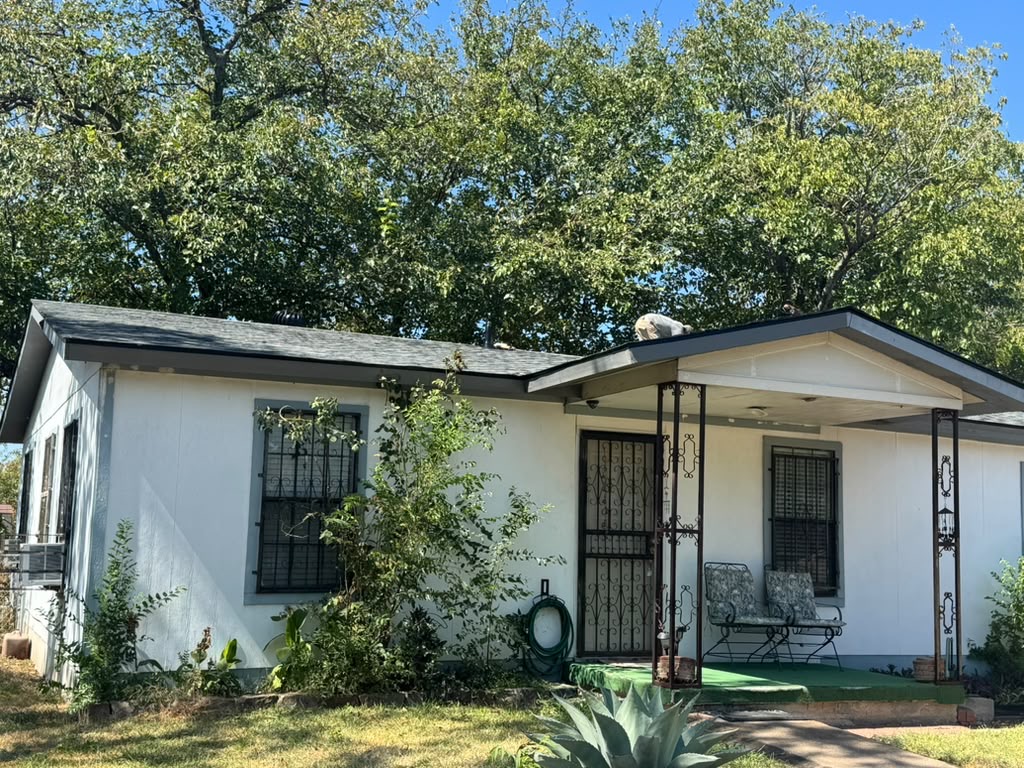
At Montesco Roofing, our mission is simple: to protect your home as if it were our own. With over 13 years serving the DFW metroplex, we've built our reputation on a foundation of quality, integrity, and a deep understanding of what it takes to build roofs that last in North Texas. We don't just install roofs; we build relationships and provide peace of mind.
What does our commitment to quality look like in practice?
- Experienced, Local Team: We are a DFW-based company, meaning we understand our local weather patterns, building codes, and the specific challenges homeowners face here. Our crews are not fly-by-night operators; they are seasoned professionals who have honed their skills on hundreds of DFW homes. We invest in their training and ensure they are properly insured and bonded.
- Premium Materials: We partner with leading manufacturers like GAF, Owens Corning, and CertainTeed. We don't cut corners on materials. We specify architectural shingles with high wind ratings, superior underlayment, and durable flashing. We believe in using the best products available because they offer the best protection and longevity for your investment.
- Meticulous Installation Process: As detailed above, our 7-step installation process is designed to be thorough and comprehensive. We don't rush. We ensure every detail is handled correctly, from the initial tear-off and deck inspection to the final nail and cleanup.
- Manufacturer Certifications: We are proud to be certified installers for major manufacturers. This means we've met rigorous standards for installation and business practices. These certifications often unlock enhanced manufacturer warranties, providing an extra layer of protection for you.
- Transparent Communication: We believe in open and honest communication. From your initial free inspection and estimate to the final walkthrough, you'll know exactly what to expect. We'll explain the process, answer all your questions, and keep you informed every step of the way.
- Industry-Leading Warranties: Quality work deserves a quality warranty. We back our workmanship with a robust warranty, giving you confidence in the longevity of your new roof. When combined with the manufacturer's warranty on materials, you have a comprehensive safety net.
When you choose Montesco Roofing, you're not just hiring a contractor; you're investing in a team that is dedicated to providing the highest level of quality and service. We understand that a roof replacement is a significant financial undertaking, and our goal is to ensure that investment provides value and protection for many years to come.
Need help putting this into action? Our team has protected hundreds of DFW homes. Tell us about your roof — free inspection, no pressure.
Get Your Free Roof Inspection →Decoding Roofing Warranties: What a True Quality Guarantee Looks Like in 2026
A warranty can be a powerful indicator of a roofing company's confidence in their work and the materials they use. However, not all warranties are created equal, and "storm chaser" warranties are often designed to sound good but offer little real protection. Understanding the nuances is crucial, especially when looking at a significant investment like a DFW roof replacement in 2026.
There are generally two main types of warranties to consider:
- Manufacturer Warranty: This covers defects in the roofing materials themselves (e.g., shingles, underlayment).
- Workmanship Warranty: This covers errors or issues caused by the installation process.
Here's what to look for in both:
Manufacturer Warranties:
Reputable manufacturers like GAF, Owens Corning, and CertainTeed offer tiered warranties. The key factors to examine are:
- Length of Coverage: Standard architectural shingles usually have a 30-50 year limited warranty.
- Prorated vs. Non-Prorated: A non-prorated warranty means the manufacturer will cover the full cost of replacement for a specified period (often 10-25 years), regardless of how old the roof is. A prorated warranty means the payout decreases over time, meaning you'll get less money back as the roof ages. For a quality roof, non-prorated coverage for at least 10-15 years is ideal.
- Transferability: Can the warranty be transferred to a new homeowner if you sell your house? This adds value and appeal to your property.
- Wind and Impact Coverage: Ensure the warranty explicitly covers wind speeds and impact ratings that align with your chosen materials and DFW's potential weather events.
- Algae/Stain Resistance: Some warranties specifically cover issues like algae growth, which can be a concern in humid climates.
How to Get the Best Manufacturer Warranty: Many manufacturers offer enhanced warranties (like GAF's Golden Pledge or Owens Corning's Preferred Protection) that provide longer non-prorated coverage and better overall protection. However, these typically require installation by certified contractors who adhere to specific installation standards, including the use of all required manufacturer accessories (like starter strips, ventilation, and specific underlayments).
Workmanship Warranties:
This is the contractor's guarantee on their labor. This is where many "budget" roofers fail spectacularly.
- Length: A quality roofing company will offer a workmanship warranty of at least 10 years, often longer. We offer a 25-year limited workmanship warranty here at Montesco Roofing.
- Coverage: What exactly does it cover? Does it cover leaks caused by installation errors? Does it cover problems with flashing, ventilation, or nail pops? A comprehensive warranty will cover these critical aspects.
- Transferability: Similar to manufacturer warranties, transferability can be a significant selling point if you plan to sell your home.
- The Contractor's Longevity: A 25-year warranty from a company that's only been in business for 3 years is less reassuring than a 10-year warranty from a company with 13+ years of proven history in DFW. Ask yourself: will this company still be around in 10 or 20 years if I need to make a claim?
Beware of verbal warranties or warranties that seem too good to be true. Always get the warranty in writing, and read the fine print carefully. A contractor who pressures you to sign a contract immediately without discussing warranty details is a major red flag.
For a DFW homeowner, a robust combination of a manufacturer's enhanced warranty and a solid workmanship warranty from a reputable, local contractor like Montesco Roofing provides the ultimate protection. It means your investment is covered from multiple angles, ensuring your roof performs as it should for decades.
Common Roofing Mistakes DFW Homeowners Make (And How Quality Prevents Them)
Navigating a roof replacement can be overwhelming, and it's easy to fall into common traps that end up costing you time, money, and peace of mind. Here in DFW, where our climate presents unique challenges, these mistakes can be particularly costly. Thankfully, focusing on quality from the outset can prevent most of them.
Mistake 1: Focusing Solely on Price
As we've discussed, the cheapest bid often leads to the most expensive roof. Homeowners get lured in by low numbers without considering the materials, labor quality, or warranty. This often results in premature failure, leaks, and the need for early replacement.
Quality Solution: Prioritize value over price. Look for contractors who offer detailed proposals, use high-quality materials, and provide strong workmanship warranties. A bid that's within the typical market range for quality work is a good sign.
Mistake 2: Not Verifying Contractor Credentials
Anyone can call themselves a roofer. Not everyone is licensed, insured, and experienced. Hiring an uninsured contractor can leave you liable for accidents on your property. Hiring a contractor with no local ties means they might disappear after the storm season.
Quality Solution: Always verify a contractor's license, insurance (general liability and worker's compensation), and local presence. Check their reviews and ask for references. A reputable company like Montesco Roofing will happily provide this information.
Mistake 3: Ignoring Ventilation
Many homeowners don't understand the importance of attic ventilation. In DFW's extreme heat, inadequate ventilation causes shingles to degrade faster, increases energy costs, and can lead to moisture buildup in the attic, causing rot and mold.
Quality Solution: Ensure your roof replacement includes a balanced ventilation system with proper intake (soffit vents) and exhaust (ridge vents). A quality contractor will calculate the necessary ventilation for your home's size and pitch.
Mistake 4: Not Understanding Warranties
Accepting a vague verbal warranty or not reading the fine print on manufacturer warranties is a recipe for disaster. Many warranties are prorated or have specific exclusions that leave homeowners unprotected.
Quality Solution: Get all warranties in writing. Understand what is covered, for how long, and if it's prorated. Ask about transferability. Choose a contractor who offers strong workmanship warranties and is certified by manufacturers to ensure you get the best material warranties.
Mistake 5: Rushing the Decision After a Storm
After a significant hail or wind event, the market floods with "storm chasers" offering quick fixes and deals. This pressure can lead to hasty decisions and poor choices.
Quality Solution: Take your time. Get multiple bids from established, local contractors. Document any storm damage thoroughly and understand your insurance policy before signing any contract. A reputable DFW roofing contractor will help you navigate the insurance claims process effectively.
Key Takeaways
- Focus on the total value and long-term performance, not just the upfront price.
- Verify contractor credentials: license, insurance, local presence, and experience.
- Ensure your roof replacement includes a properly designed ventilation system.
- Always get warranties in writing and understand their terms.
- Resist the urge to rush into decisions, especially after storm events.
Frequently Asked Questions About DFW Roof Replacement Quality
Frequently Asked Questions About DFW Roof Replacement Quality
What's the average cost of a roof replacement in DFW in 2026?
How long should a quality roof last in the DFW climate?
What are the signs my DFW roof needs replacement soon?
Is it worth investing in premium shingles versus standard architectural shingles?
How does DFW's weather impact roof quality and lifespan?
What is the difference between a contractor's workmanship warranty and a manufacturer's warranty?
Montesco Roofing Team
DFW's trusted roofing contractor with 13+ years of experience. Specializing in roof replacements, storm damage repair, and insurance claims across Dallas-Fort Worth.
Get in touch →