What Comes Before Shingles?
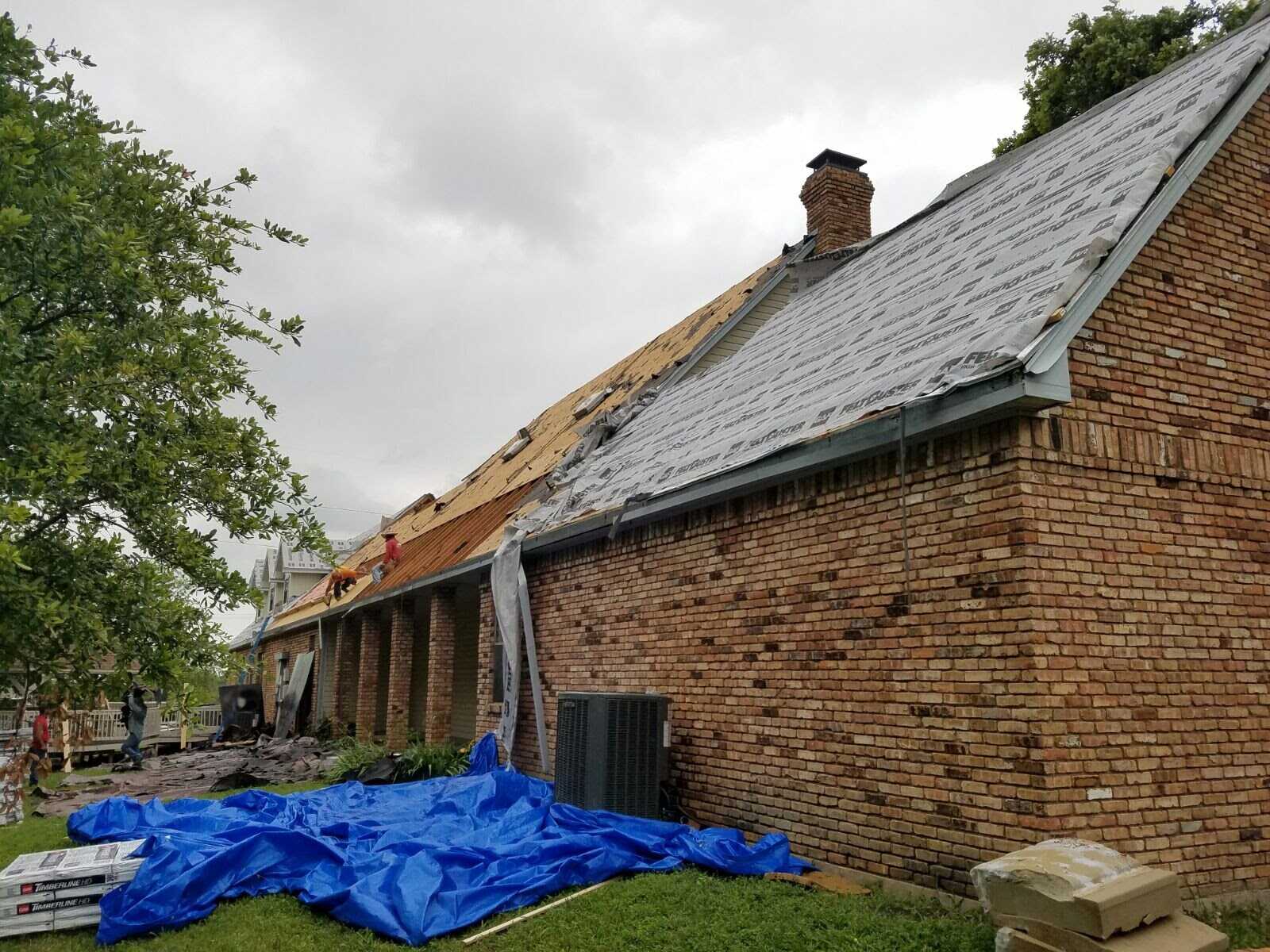
You've decided it's time for a new roof. Maybe the last storm in North Texas did a number on your shingles, or perhaps your current roof has just reached the end of its lifespan. Whatever the reason, embarking on a roof replacement is a big undertaking, and it's easy to get caught up in the excitement of choosing new shingles. But here's the thing: the quality of your new roof isn't just about the shingles you pick. It's about what happens before those shingles even touch the decking. In DFW, where we deal with intense sun, sudden downpours, and the occasional hail storm, getting the underpinnings right is absolutely crucial for long-term protection.
The Foundation of a Great Roof: Decking Inspection & Repair
Think of your roof deck – that's the plywood or OSB sheathing directly beneath your shingles – as the foundation of your entire roofing system. If this foundation is weak, rotted, or improperly installed, even the best shingles in the world won't perform as they should. This is where our hands-on expertise at Montesco Roofing really comes into play. When we're on a DFW job site, the first thing we do after tearing off the old roofing material is a meticulous inspection of the decking.
Look for signs of rot, water damage, or delamination. Soft spots or sagging are clear indicators that the decking needs attention. We also check for proper nailing patterns; spaced-out or missing nails can lead to a weak deck.
In our Texas climate, moisture is a constant battle. Between heavy rains and summer humidity, wood can degrade over time. We're not just looking for obvious holes; we're feeling for sponginess, checking for dark stains that indicate past leaks, and ensuring the wood is still structurally sound. If we find any compromised sections, we replace them with high-quality, exterior-grade plywood or OSB. We never cover up existing problems – that's a recipe for disaster down the road. For a roof replacement in areas like Plano or McKinney, ensuring a solid deck is non-negotiable. It's the bedrock of a long-lasting roof.
We also pay close attention to the spacing of the decking boards. Proper gaps are essential for expansion and contraction, especially with the temperature swings we experience here in the Metroplex. If the spacing is too wide or too narrow, it can affect how the underlayment and shingles lay, potentially leading to premature failure. This isn't just about aesthetics; it's about structural integrity and preventing water intrusion. A thorough decking inspection and repair process is the first, and arguably most important, step in ensuring your new roof will stand up to the elements for decades to come.
DFW's Secret Weapon: Ice & Water Shield Mastery
Now, let's talk about ice and water shield. Many homeowners might not even know what this is, but it's a critical component, especially here in North Texas. While we might not get the prolonged, deep freezes you see further north, DFW is no stranger to sudden, severe winter storms that can bring ice dams and significant water infiltration. Ice and water shield is a self-adhering, waterproof membrane that we install directly to the roof deck along the eaves, in valleys, and around any penetrations like vents or chimneys.
Cutting corners on ice and water shield is a common mistake made by less experienced or budget-focused contractors. In DFW, where rain can come down in sheets and temperatures can fluctuate, this membrane is your first line of defense against water seeping under your shingles and into your home.
Why is it so important in DFW? Consider a typical Texas winter: a few days of freezing rain, followed by a rapid thaw. This can create ice dams along your eaves, forcing water up and under your shingles. Without a robust barrier like ice and water shield, that water can find its way into your attic, down your walls, and cause significant damage to insulation, drywall, and even your home's structure. We install it meticulously, ensuring complete coverage and proper overlap according to manufacturer specifications. This isn't just a 'nice-to-have'; it's a fundamental part of a high-performance roof system designed for our local climate.
At Montesco Roofing, we treat the installation of ice and water shield with the seriousness it deserves. We ensure it's laid down smoothly, without wrinkles or air pockets, and that it adheres properly to the deck. This attention to detail in the pre-shingle phase is what separates a good roof from a great one – one that will protect your family and your investment for years to come, even through the harshest North Texas weather. It’s an investment in peace of mind, preventing costly repairs down the line.
Underlayment: Your Roof's Invisible Armor Explained
Beneath the shingles and above the deck lies another crucial layer: the underlayment. While ice and water shield provides a concentrated barrier in vulnerable areas, underlayment offers a broader layer of protection across the entire roof surface. It acts as a secondary water-shedding barrier, giving your roof system an extra line of defense against wind-driven rain and any moisture that might make its way past the shingles.
Key Insight
In DFW, the relentless sun beats down on our roofs, and the heat can degrade traditional felt underlayments faster than in cooler climates. This is why selecting the right type of underlayment and ensuring it's installed correctly is paramount for longevity.
There are a few types of underlayment commonly used today. Traditional asphalt-saturated felt has been around for ages, but modern synthetic underlayments are becoming increasingly popular, and for good reason. Synthetics are lighter, stronger, more resistant to tearing, and offer superior water resistance. They also tend to lay flatter, providing a smoother surface for the shingles, which can improve their appearance and performance. We often recommend high-quality synthetic underlayments for our DFW clients because they offer better durability and protection against our harsh weather conditions.
The installation of underlayment is a precise process. It's rolled out horizontally across the roof deck, starting from the eaves and working up to the ridge. Each subsequent layer overlaps the one below it to ensure water flows down and off the roof, not into the seams. Proper fastening is also key – we use the correct type and number of fasteners to ensure the underlayment stays securely in place, even under high winds. This layer is often overlooked by homeowners, but for a roofing contractor like us who's been serving the DFW area for over 13 years, it's an essential part of building a roof that truly lasts. It’s the unsung hero that works tirelessly beneath the surface.
Flashing: The Unsung Hero of DFW Roof Leaks
If you've ever experienced a roof leak, chances are it originated at a vulnerable transition point – areas where the roof meets a vertical surface or changes direction. This is where flashing comes in. Flashing is typically made of metal (like aluminum or galvanized steel) and is installed to channel water away from these critical areas, preventing it from seeping into your home. Think of it as a critical dam and diversion system for water.
Step 1: Chimney Flashing
We meticulously install flashing around chimneys, ensuring it integrates seamlessly with the brick or siding and the roof deck, often using a step-flashing technique.
Step 2: Vent Pipe Boot Flashing
Plumbing vents and other pipe penetrations are sealed with rubber boots and metal flashing to prevent water from entering around the pipes.
Step 3: Valley Flashing
Valleys, where two roof planes meet, are prone to collecting a lot of water and debris. We install either open-valley metal flashing or woven techniques to direct water efficiently.
Step 4: Wall Flashing
Where a roof meets a vertical wall, like a dormer or a second story, we install counter-flashing that tucks into the wall material and integrates with the roof-side flashing.
In the DFW area, where we experience intense rain and sometimes hail, poorly installed or inadequate flashing can be a major point of failure. A common mistake we see from less experienced contractors is failing to extend the flashing far enough, or not properly integrating it with the surrounding materials. This can lead to water pooling, seeping behind siding, and eventually causing rot in the fascia, soffits, and even wall studs. We take pride in our precise flashing installation, ensuring every seam, corner, and penetration is sealed tight. It's a detail-oriented job that requires a deep understanding of how water moves across a roof.
We also consider the material. While aluminum is common, in some cases, we might opt for copper or specialized coatings depending on the specific application and longevity goals. The key is that the flashing is durable, corrosion-resistant, and installed in a way that guarantees water is directed away from the interior of your home. For a roof replacement in Fort Worth or Arlington, ensuring robust flashing is just as important as the shingles themselves for long-term protection.
Ventilation: Why Your Attic Needs to Breathe (Especially in Texas Heat)

This might surprise some folks, but proper attic ventilation is one of the most critical, yet often overlooked, aspects of a healthy roof system, especially in the sweltering Texas heat. Your attic isn't just a storage space; it's a vital part of your home's climate control. In the summer, unventilated attics can become ovens, trapping superheated air. This excessive heat doesn't just make your upstairs unbearable; it can significantly shorten the lifespan of your roofing materials. The intense sun here in DFW bakes shingles, making them brittle and prone to cracking and curling much faster.
Many DFW homes were built with inadequate attic ventilation. If your attic isn't properly ventilated, the heat buildup can cause shingles to fail prematurely, leading to costly replacements sooner than expected. It can also contribute to mold and mildew growth within the attic space.
A balanced ventilation system works by allowing cool, dry air to enter the attic through intake vents (usually located at the eaves or soffits) and letting hot, moist air escape through exhaust vents (typically at the ridge or higher up on the roof). This constant air circulation helps regulate attic temperature and humidity. In the winter, it helps prevent moisture buildup that can lead to ice dams. For a roof replacement in DFW, we always assess the existing ventilation and often recommend upgrades to ensure optimal performance. This might involve adding more soffit vents, ridge vents, or even powered vents if the attic design requires it.
We often use a combination of intake and exhaust vents to create a continuous airflow. For example, installing a ridge vent at the peak of the roof, coupled with soffit vents, creates a natural convection current that efficiently exhausts hot air. This isn't just about comfort; it's about protecting your investment. A well-ventilated attic reduces stress on your shingles, conserves energy by reducing your HVAC load, and prevents moisture-related problems. It’s a foundational element that contributes to the overall health and longevity of your entire roofing system. When we're working on a home in Garland or Mesquite, we make sure this breathing system is top-notch.

Drip Edge: The Small Detail with Big Impact
You might not notice it at first glance, but drip edge is a small but mighty component of a well-built roof. It’s a piece of metal flashing installed along the edges of your roof – both at the eaves (the bottom edge) and the rakes (the sloped sides). Its primary job is to direct water away from the fascia and into the gutters, preventing water from seeping back under the shingles and causing rot or damage to the roof deck and underlying structure.
Key Insight
In DFW, where intense rain can cause water to flow rapidly down your roof, a properly installed drip edge is crucial for managing that water and preventing it from getting where it shouldn't. It’s a detail that many contractors might overlook, but it makes a significant difference in the long-term health of your roof.
There are two main places drip edge is installed: at the eaves and at the rakes. At the eaves, it's installed under the underlayment and ice and water shield, allowing water to drip freely into the gutters. At the rakes, it's installed over the underlayment and under the shingles, guiding water down the slope and away from the fascia boards. This precise layering is essential for its function.
Why is this so important in our Texas climate? When heavy rains hit, water can get blown sideways by strong winds, or it can back up at the eaves. Without drip edge, this water can seep into the wooden fascia boards, leading to rot, mold, and eventually attracting pests. This can weaken the entire roof structure. Furthermore, in the rare but possible DFW winter ice event, drip edge helps manage meltwater and prevents it from creeping up under the roofing materials. At Montesco Roofing, we ensure that drip edge is installed correctly on every single roof replacement we do, because we understand that protecting your home is about paying attention to every single detail, no matter how small it may seem.
Choosing Your DFW Roofing Partner: Beyond the Shingle Price
We've talked a lot about the critical steps that happen before the shingles go on. But who is doing that work? Choosing the right DFW roofing contractor is arguably as important as the materials themselves. It's easy to get lured in by the lowest bid, but when it comes to something as vital as your roof, cutting corners can cost you dearly in the long run. In DFW, we've seen our share of storm chasers who come through after a big hail event and disappear just as quickly, leaving homeowners with shoddy work and no recourse.
| Feature | Established DFW Contractor (e.g., Montesco Roofing) | "Storm Chaser" or Low-Bid Contractor |
|---|---|---|
| Local Presence & Accountability | 13+ years serving DFW; local office; deeply invested in community reputation. | Often temporary; difficult to track down for warranty issues or callbacks. |
| Workmanship Guarantee | Comprehensive, long-term warranty (e.g., 10+ years) on labor. | Limited or no workmanship warranty; relies solely on manufacturer warranty. |
| Insurance Claim Assistance | Experienced in navigating DFW insurance claims; advocates for homeowner's needs. | May offer assistance, but often lacks the expertise or incentive for full claim resolution. |
| Material Quality & Installation Standards | Uses high-quality materials; adheres to manufacturer specifications and building codes; detailed pre-shingle process. | May cut corners on underlayment, flashing, ventilation to reduce costs; installation can be rushed. |
| Permitting & Inspections | Ensures all necessary permits are pulled and passes local DFW inspections. | May try to avoid permits to save time/money, leading to potential code violations. |
| Long-Term Value | Builds a roof designed to last, protecting your investment for decades. | May result in premature failure, requiring costly repairs or early replacement. |
| Customer Service | Focus on building relationships and ensuring homeowner satisfaction throughout the process and beyond. | Transaction-focused; customer service often ends once payment is received. |
When you're looking for a roofer in DFW, ask questions. How long have they been in business locally? Do they have proper licensing and insurance? What kind of warranty do they offer on their workmanship, not just the shingles? At Montesco Roofing, we've been protecting DFW homes for over 13 years. We understand the unique challenges our climate presents, and we've built our reputation on quality, integrity, and service. We believe in transparency and educating our clients about every step of the process, from the initial inspection to the final shingle. Our team geeks out on proper installation techniques because we know that's what makes the difference between a roof that lasts 15 years and one that lasts 30+.
Don't let the price tag be the only deciding factor. A slightly higher investment upfront with a reputable, experienced contractor like Montesco Roofing can save you significant headaches and money down the line. We're not just installing a roof; we're providing a shield for your home and your family, and that's a responsibility we take very seriously. If you're in Frisco, Allen, or anywhere in the DFW Metroplex, and you're considering a roof replacement, let's talk about building it right from the foundation up. You can learn more about our commitment to quality at our roof replacement services page.
Frequently Asked Questions About Pre-Shingle Roof Installation
What is the most important pre-shingle step for a DFW roof replacement?
Why is ice and water shield so important in North Texas?
Are synthetic underlayments better than felt for DFW roofs?
How often should attic ventilation be checked or upgraded during a roof replacement?
Can I skip drip edge if my gutters are in good shape?
What's the biggest red flag when choosing a DFW roofing contractor?
Ready to ensure your DFW roof replacement is built on a solid foundation? Our team at Montesco Roofing has been protecting homes in Dallas, Fort Worth, and surrounding areas for over 13 years. We focus on the critical pre-shingle steps that guarantee lasting performance.
Get Your Free Roof Inspection & Estimate →Montesco Roofing Team
DFW's trusted roofing contractor with 13+ years of experience. Specializing in roof replacements, storm damage repair, and insurance claims across Dallas-Fort Worth.
Get in touch →