Protecting Your Family Starts at the Top: 7 Essential DFW Roof Maintenance Secrets for 2026
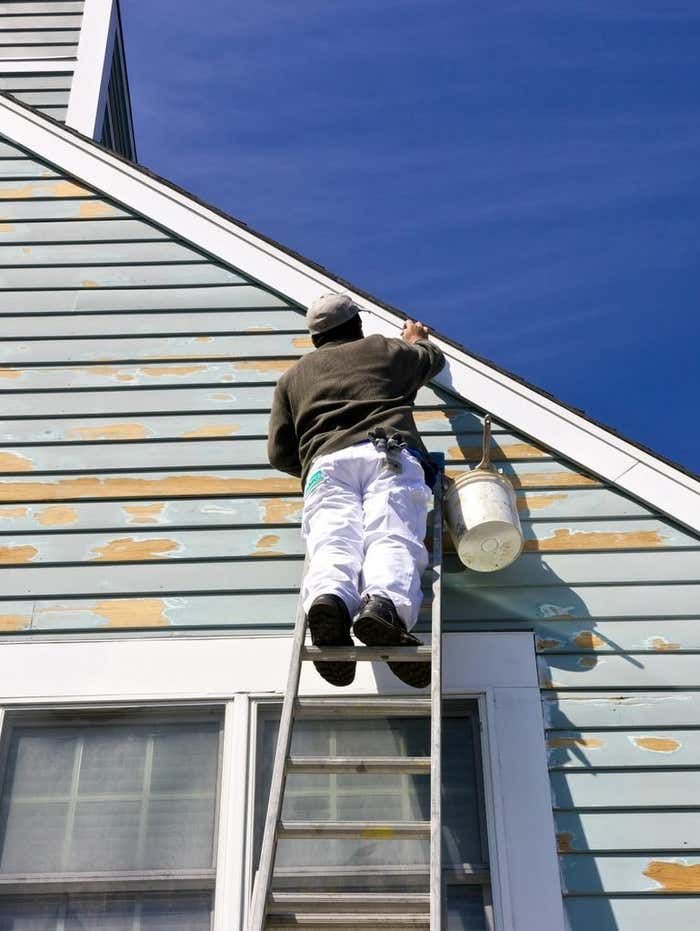
You just found a water spot on your ceiling after that last gusty storm rolled through North Texas. Or maybe you're noticing more granules in your gutters than you'd like. That's not just a minor annoyance — it's your roof telling you something's up. In 2026, with the unpredictable Texas weather we've come to expect, keeping your DFW roof in top shape isn't just about curb appeal; it's about the safety and security of your entire family. Think of your roof as the ultimate guardian of your home, and just like any guardian, it needs regular care and attention.
The Unseen Threat: Why Your DFW Roof Needs Constant Vigilance in 2026
Living here in the Dallas-Fort Worth Metroplex means we're no strangers to the extremes of Texas weather. We've got the scorching summer sun that beats down relentlessly, the sudden, violent thunderstorms that can unleash hail the size of golf balls, and the occasional freeze-thaw cycles that can wreak havoc. This dynamic climate puts immense stress on our homes, and nowhere is that stress more apparent than on our roofs. As a roofing contractor with over 13 years of experience right here in DFW, I've seen firsthand how quickly a seemingly minor issue can escalate into a major, expensive problem if left unchecked. In 2026, this vigilance is more critical than ever. The Insurance Information Institute reported that severe convective storms, which include hailstorms and thunderstorms, caused billions in insured losses annually across the U.S. Texas is consistently at the forefront of these events.
Source: Insurance Information Institute, 2023Your roof is your home's first line of defense against the elements. It protects your family, your belongings, and the very structure of your house from water intrusion, wind damage, and temperature fluctuations. When your roof is compromised, even by something as small as a cracked shingle or a clogged gutter, it opens the door for a cascade of problems. Moisture can seep into your attic, leading to mold and mildew growth, damaging insulation, and weakening your home's structural integrity. Wind can lift shingles, creating entry points for rain and debris. And that relentless Texas sun can degrade roofing materials over time, making them brittle and more susceptible to damage.
What most homeowners don't realize is that a significant portion of roof damage isn't immediately obvious from the ground. It starts subtly – a few granules washing away, a slight warp in a shingle, or a small leak in an area you don't frequent. These are the "unseen threats" that a proactive maintenance plan is designed to uncover and address. Ignoring these early warning signs is like ignoring a small cavity; it's only a matter of time before it becomes a much larger, more painful, and significantly more expensive problem to fix. For us in DFW, especially after the hail storms we've seen in recent years, understanding these subtle signs is paramount to protecting our homes and our peace of mind.
7 Critical Roof Maintenance Tasks Every DFW Homeowner Must Tackle This Year
Alright, let's get down to brass tacks. What can you, as a DFW homeowner, actually do to keep your roof in fighting shape through 2026? It's not rocket science, but it does require a bit of diligence. Here are the seven most critical maintenance tasks I recommend to my neighbors and clients across the Metroplex:
1. Schedule Regular Inspections
This is non-negotiable. Aim for at least two professional inspections per year – once in the spring before storm season really kicks off, and again in the fall to prepare for winter. And always, always get an inspection after any significant storm event, especially if you suspect hail or high winds. Don't wait for a leak to appear; let a professional spot potential issues early.
2. Clear Gutters and Downspouts
Clogged gutters are a roof's worst enemy. When water can't drain properly, it backs up under your shingles, saturates your fascia boards, and can even lead to ice dams in the rare event of a hard freeze. In Texas, this usually means water infiltration into your soffits and walls. Make sure your downspouts are also clear and directing water well away from your foundation.
3. Inspect for Shingle Damage and Granule Loss
Walk around your home and look for any curling, cracking, or missing shingles. Pay close attention to areas around vents, chimneys, and valleys. Also, check your gutters and downspouts for an excessive amount of asphalt granules. These granules are the protective layer of your shingles; when they're washing away, your shingles are losing their ability to block UV rays and water.
4. Examine Flashing and Sealants
The flashing around your chimney, vents, skylights, and any roof penetrations is crucial for waterproofing. Over time, sealants can dry out, crack, or pull away, creating entry points for water. A quick visual check for any gaps or deterioration in these areas is vital. If you see any issues, it's time for a professional to reseal or replace.
5. Check Attic Ventilation
Proper attic ventilation is key to regulating temperature and moisture levels. Poor ventilation can lead to heat buildup in the summer, making your HVAC system work harder, and can cause condensation in the winter, leading to mold and rot. Ensure your vents (soffit, ridge, gable) aren't blocked by insulation or debris.
6. Trim Overhanging Branches
Tree branches rubbing against your roof can cause abrasion and wear down shingles. Falling branches during storms are also a major cause of roof damage. Keep branches trimmed back at least 6-10 feet from your roofline. This also helps prevent debris from accumulating in your gutters.
7. Address Minor Issues Promptly
Don't let small problems fester. A loose shingle, a small crack in sealant, or a minor clog might seem insignificant, but they can quickly turn into major headaches. The best approach is always to address these issues as soon as you notice them. This is where a good relationship with a trusted local roofing contractor pays dividends.
When checking your attic, look for daylight coming through the roof deck. This is a surefire sign of a leak, and the sooner you find it, the less damage it will cause. Also, check for any signs of mold or mildew on the underside of the roof sheathing or on your insulation.
Beyond the Surface: Understanding DFW Roof Damage Signs Homeowners Often Miss
We all know what a gaping hole in the roof looks like, but the subtle signs of damage are often what homeowners overlook. These are the whispers from your roof, telling you it needs attention before it starts shouting with leaks and structural problems. As a DFW roofing contractor, I've trained my eyes to spot these often-missed indicators, and I want to share them with you so you can be just as vigilant.
One of the most common overlooked signs is granule loss. As I mentioned, those tiny asphalt granules are your shingles' shield. When they start accumulating in your gutters, downspouts, or even around your foundation, it's a clear sign that your shingles are wearing down. This is especially true for asphalt shingle roofs, which are prevalent here in DFW. While some granule loss is normal, especially in older roofs or after a heavy rain, a consistent and significant amount is a red flag. The National Roofing Contractors Association (NRCA) emphasizes that excessive granule loss can significantly shorten a roof's lifespan.
Source: National Roofing Contractors Association (NRCA)Another crucial area to check is the interior of your home. Beyond obvious water stains on ceilings or walls, look for peeling paint or wallpaper, especially near ceiling edges or around windows and doors. These can be signs of moisture wicking up from the roof. In your attic, besides daylight, look for any signs of condensation on the underside of the roof decking or on your insulation. This indicates a ventilation issue or moisture intrusion. Even musty smells in your attic or upper rooms can point to developing mold and mildew, often stemming from roof leaks.
Pay attention to your neighbors' roofs, too. If a severe storm has passed through, and you see multiple neighbors getting new roofs or having roof damage claims, it's a strong indicator that your roof might have sustained damage as well, even if you can't see it from your driveway. Storm chasers often flood DFW neighborhoods after a major weather event, and while they might seem convenient, they rarely offer the long-term peace of mind that a local, established contractor provides. It's always wise to get a professional inspection from a reputable DFW roofing company after a significant weather event.
Finally, consider the age of your roof. Most asphalt shingle roofs in DFW are designed to last between 15 to 30 years, depending on the quality of materials and installation. If your roof is approaching or has exceeded this age range, it's automatically more susceptible to wear and tear, regardless of visible damage. Even if it looks okay from the ground, its ability to withstand the next Texas storm is significantly diminished. Think of it like an old car; it might run, but it's more likely to break down unexpectedly.
Be wary of unsolicited offers for "free roof inspections" from unfamiliar companies, especially after a storm. While some are legitimate, many are "storm chasers" who may try to pressure you into unnecessary repairs or replacements, often with subpar materials and workmanship, and then disappear once the insurance money is collected. Always vet any contractor thoroughly.
The Cost of Neglect: How Small Roof Issues Escalate into Big Problems for DFW Homes
It's easy to put off roof maintenance. After all, it's not like a leaky faucet that drips constantly. But the truth is, neglecting your roof in the DFW climate is a recipe for disaster, and the costs associated with it can balloon incredibly quickly. What starts as a few dollars for a minor repair can easily turn into thousands, or even tens of thousands, down the road.
Let's take granule loss as an example. Those lost granules mean your shingles are exposed to UV rays. In the Texas sun, this exposure accelerates the aging process of the asphalt, making the shingles brittle and prone to cracking. A cracked shingle is an open invitation for water. Once water gets under the shingle, it can start to saturate the underlayment and the roof decking. This creates a breeding ground for mold and rot, weakening the wood structure of your roof. If left unchecked, this rot can spread, compromising the integrity of your entire roof system. Eventually, you might face a complete roof replacement, which can cost anywhere from $10,000 to $30,000 or more for a typical DFW home, depending on the size and materials.
Consider clogged gutters. Water that can't drain off your roof backs up. This water can seep into the eaves and soffits, causing wood rot. It can also push water up behind the fascia boards, leading to water damage in your attic and even staining your interior walls and ceilings. In severe cases, the weight of standing water can cause gutters to pull away from the house, damaging the siding and potentially the foundation if water isn't properly diverted. A single clogged gutter might seem minor, but it can lead to extensive water damage repairs that go far beyond the roof itself.
Then there's the issue of damaged flashing. Flashing is critical around chimneys, vents, and valleys. It's designed to direct water away from these vulnerable areas. If the sealant around flashing cracks or the metal itself becomes damaged, water can easily penetrate the roof deck. This can lead to rot in the structural beams, damage to the drywall in your ceilings, and even mold growth within your walls. A small repair to flashing might cost a few hundred dollars, but the resulting water damage and structural repairs could easily run into thousands. The Insurance Information Institute estimates that water damage and mold can significantly increase repair costs.
Source: Insurance Information InstituteThe most dramatic escalation, of course, comes from major storm damage. A single severe hailstorm in DFW can strip shingles, dent metal, and create numerous impact points. If you don't get a prompt, professional inspection and subsequent repairs, these small impacts can lead to leaks. The longer these leaks persist, the more widespread the damage becomes, affecting insulation, drywall, electrical systems, and even your home's foundation. It's a cascade effect that highlights why proactive maintenance and timely repairs are so crucial. Investing in regular maintenance is always more cost-effective than dealing with the aftermath of neglect.
Reactive Repairs (After Damage Occurs)
Often involves emergency services, temporary fixes, and extensive repairs to address secondary damage (water intrusion, rot, mold).
Potential Costs: $5,000 - $30,000+ for full replacement; thousands for interior water damage.
Downsides: Stressful, disruptive, potential for hidden damage missed, higher overall cost.
Proactive Maintenance (Preventative Care)
Involves regular inspections, cleaning, and minor repairs to prevent issues from developing or worsening.
Potential Costs: $150 - $500 per inspection/minor service call (variable).
Upsides: Peace of mind, extends roof life, prevents costly secondary damage, predictable budgeting.
DIY vs. Professional DFW Roof Maintenance: When to Call the Experts at Montesco Roofing
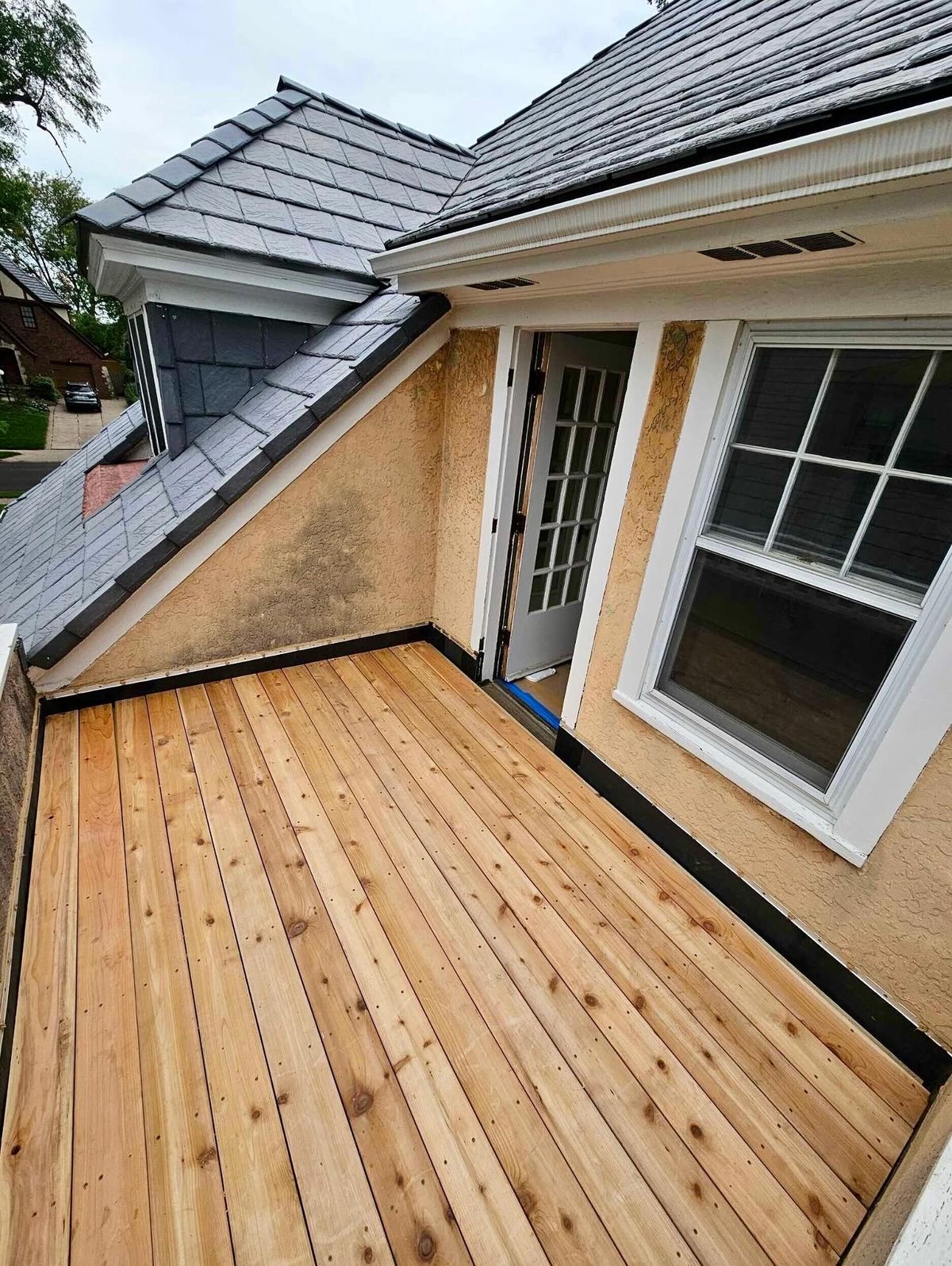
Now, I'm a big believer in homeowners taking an active role in maintaining their property. There are definitely tasks you can and should do yourself to keep an eye on your roof. However, there's a fine line, and knowing when to call in the professionals is just as important as knowing what you can handle. As your trusted DFW roofing contractor, I want to give you the honest take.
What You Can (and Should) Do Yourself:
- Visual Inspections: From the ground, look for obvious signs of damage like missing or curled shingles.
- Gutter Cleaning: Regularly clear leaves and debris from gutters and downspouts. Wear gloves and use a sturdy ladder safely.
- Attic Checks: Periodically go into your attic to look for daylight, damp spots, or mold.
- Debris Removal: Gently sweep off any large debris that accumulates on the roof surface (use caution and proper safety gear if you must go on the roof).
These are great for routine checks and basic upkeep. They help you stay aware of your roof's condition and catch minor issues early.
When to Call Montesco Roofing (or a Professional):
- Any Time You're Uncomfortable or Unsafe: Working on a roof, especially a sloped one, carries significant risks. If you don't have the right safety equipment or experience, it's not worth the risk.
- After a Major Storm: Hail, high winds, or heavy downpours can cause damage that isn't visible from the ground or attic. A professional inspection is crucial to identify all potential impacts.
- When You See Significant Granule Loss: This indicates your shingles are deteriorating and need professional assessment.
- For Any Suspected Leaks or Water Intrusion: Pinpointing the exact source of a leak can be tricky, and improper repairs can make it worse.
- To Inspect or Repair Flashing, Vents, and Chimneys: These are critical junctions that require precise sealing and repair.
- For Gutter System Repairs or Replacement: While cleaning is DIY, fixing a sagging gutter or a damaged downspout might require more expertise.
- When Your Roof is Approaching or Exceeding its Lifespan: A professional can give you an honest assessment of whether a repair is still viable or if a full replacement is the best course of action.
At Montesco Roofing, we've been serving DFW homeowners for over 13 years. We understand the unique challenges our climate presents. Our team is trained to spot the subtle signs of damage that others miss, and we use high-quality materials and proven techniques to ensure your roof is protected for the long haul. We're not here to sell you a new roof you don't need; we're here to help you maintain the one you have and advise you honestly when the time comes for a replacement.

| Feature | DIY Roof Maintenance | Professional Roof Maintenance (Montesco Roofing) |
|---|---|---|
| Cost | Low (primarily time and basic tools) | Moderate (inspection fees, minor repair costs) |
| Safety | High risk if not experienced; requires proper safety gear. | Professionals are trained and equipped for safe roof work. |
| Thoroughness | Limited to visible, accessible areas; may miss subtle damage. | Comprehensive inspection of all roof components, including hard-to-reach areas. |
| Expertise | General homeowner knowledge. | 13+ years of DFW-specific roofing experience, knowledge of common issues and solutions. |
| Damage Detection | Can spot obvious issues; may miss early signs of wear or hidden problems. | Expert eye for subtle signs of wear, granule loss, flashing issues, ventilation problems, and storm damage. |
| Repair Capability | Minor debris removal, simple gutter clearing. | Sealing cracks, replacing individual shingles, repairing flashing, addressing ventilation issues, providing full repair services. |
| Warranty/Guarantee | None. | Workmanship warranty on repairs and manufacturer warranties on materials for replacements. |
| Peace of Mind | Satisfactory for basic checks. | High; knowing your roof is professionally assessed and maintained by a trusted local contractor. |
Key Insight
While DIY checks are valuable for awareness, professional inspections are essential for accurate diagnosis and effective preventative measures, especially in a demanding climate like DFW's. For anything beyond simple debris removal, investing in a professional service like Montesco Roofing's can save you significant money and stress in the long run.
Proactive Protection: How Montesco Roofing Secures Your Home's Future
Here at Montesco Roofing, we're not just about putting on new roofs; we're deeply committed to helping DFW homeowners protect their investments through proactive care. We understand that your home is your biggest asset and the sanctuary for your family. That's why our approach to roof maintenance is built on experience, transparency, and a genuine desire to provide lasting value.
Our inspection process is thorough. When one of our experienced technicians visits your home, they're not just doing a quick walkthrough. They're meticulously examining every aspect of your roof system. This includes checking for damaged or missing shingles, inspecting the integrity of the flashing around all penetrations (chimneys, vents, skylights), assessing the condition of your gutters and downspouts, and evaluating your attic's ventilation. We look for signs of wear, potential weak points, and any evidence of past or present water intrusion. We document everything with photos and clear explanations, so you understand exactly what we're seeing.
For us, maintenance isn't a sales tactic; it's a service that genuinely extends the life of your roof and prevents costly emergencies. We offer targeted repairs for issues like minor shingle damage, cracked sealant around flashing, or small leaks. Our goal is always to fix the problem effectively and efficiently, using high-quality materials that match your existing roof. This attention to detail means that a small issue addressed today won't become a major headache tomorrow. It’s about preserving the integrity of your entire roof system.
Beyond the physical inspection and repair, we also provide valuable advice tailored to your specific home and the DFW environment. We'll educate you on the best practices for maintaining your particular roofing material, how to prepare for the changing seasons, and what signs to look out for between professional visits. We believe that an informed homeowner is a protected homeowner. Our 13+ years serving the DFW community means we've seen it all, and we're happy to share that knowledge to empower you.
When it does come time for a roof replacement, our expertise ensures you get the right materials and installation for our climate. We work with top manufacturers like GAF, Owens Corning, and CertainTeed, offering a range of durable, energy-efficient options designed to withstand Texas weather. And importantly, our installations are backed by robust workmanship warranties, giving you confidence in your investment for years to come. We are committed to being a part of the DFW community, not just passing through after a storm. That local accountability is something you can rely on.
How to Get This Done
DIY Option: For basic checks like gutter cleaning and visual roof scans from the ground, gather a ladder (ensure it's stable and at a safe angle), gloves, and a bucket. Always prioritize safety. For attic checks, a flashlight and a keen eye are your best tools.
Montesco Roofing Option: If you want a professional assessment, targeted repairs, or advice from experienced DFW roofing experts, contact us for a comprehensive roof inspection. We'll provide a detailed report and recommend the most cost-effective solutions to protect your home.
Your 2026 DFW Roof Maintenance Checklist: A Step-by-Step Guide
Let's put it all together. Here’s a practical checklist you can use throughout 2026 to stay on top of your DFW roof maintenance. Remember, consistency is key!
Spring (March-May)
Task 1: Professional Inspection. Schedule your first professional inspection of the year. This is crucial to catch any winter damage and prepare for the spring storm season.
Task 2: Gutter Cleaning. Clear out any debris that accumulated over winter. Ensure downspouts are clear and directing water away from your foundation.
Task 3: Visual Scan. From the ground, look for any loose, damaged, or missing shingles. Check for any new debris on the roof.
Summer (June-August)
Task 1: Attic Check. During a cooler part of the day, check your attic for signs of heat buildup, moisture, or leaks. Ensure ventilation isn't blocked.
Task 2: Debris Removal. If large branches or debris accumulate on your roof from summer storms, gently clear them off.
Task 3: Storm Watch. Be extra vigilant after any severe thunderstorms or hail events. Document any visible damage and consider a professional inspection.
Fall (September-November)
Task 1: Professional Inspection. Schedule your fall inspection to assess storm damage and prepare your roof for the cooler months and potential winter weather.
Task 2: Gutter Cleaning. Before the leaves really start falling, give your gutters a thorough cleaning to prevent blockages.
Task 3: Trim Trees. Trim any tree branches that are touching or hanging over your roofline to prevent abrasion and potential damage from falling limbs.
Winter (December-February)
Task 1: Visual Scan. From the ground, check for any ice dams or snow buildup that could indicate drainage issues. Look for any shingles that may have been dislodged by wind.
Task 2: Attic Check (If Accessible). If weather permits, a quick attic check can reveal any condensation issues exacerbated by temperature fluctuations.
Task 3: Monitor for Leaks. Even in winter, leaks can occur. Be aware of any new water stains or musty odors.
As Needed (After Any Severe Weather)
Task 1: Immediate Visual Inspection. After a hail storm, high winds, or torrential rain, conduct a visual scan from the ground. Look for obvious signs of damage like missing shingles, dents in metal components, or debris.
Task 2: Call for Professional Inspection. If you suspect any damage, even minor, it's crucial to call Montesco Roofing for a professional assessment. Early detection is key to preventing further damage and ensuring a smooth insurance claim process if necessary. Learn more about DFW storm damage repairs.
Key Takeaways
- Regular professional inspections (twice yearly and after storms) are critical for DFW roofs in 2026.
- Clearing gutters, checking for granule loss, and inspecting flashing are essential DIY tasks.
- Ignoring small roof issues can lead to significantly higher costs for repairs and secondary damage.
- Know your limits: For anything beyond basic checks, trust experienced professionals like Montesco Roofing.
- Proactive maintenance is an investment that protects your home, your family, and your finances.
Frequently Asked Questions About DFW Roof Maintenance in 2026
Frequently Asked Questions About DFW Roof Maintenance in 2026
How often should I have my DFW roof professionally inspected?
What are the most common roof problems in DFW?
Can I clean my gutters myself, or should I hire someone?
What is the lifespan of a typical roof in DFW?
What should I do if I suspect my roof has hail damage?
How does attic ventilation affect my roof's health?
Need help putting this into action? Our team has protected hundreds of DFW homes for over 13 years. Tell us about your roof — free inspection, no pressure.
Get Your Free Roof Inspection →Montesco Roofing Team
DFW's trusted roofing contractor with 13+ years of experience. Specializing in roof replacements, storm damage repair, and insurance claims across Dallas-Fort Worth.
Get in touch →