How to Stop Water Damage Before It Starts
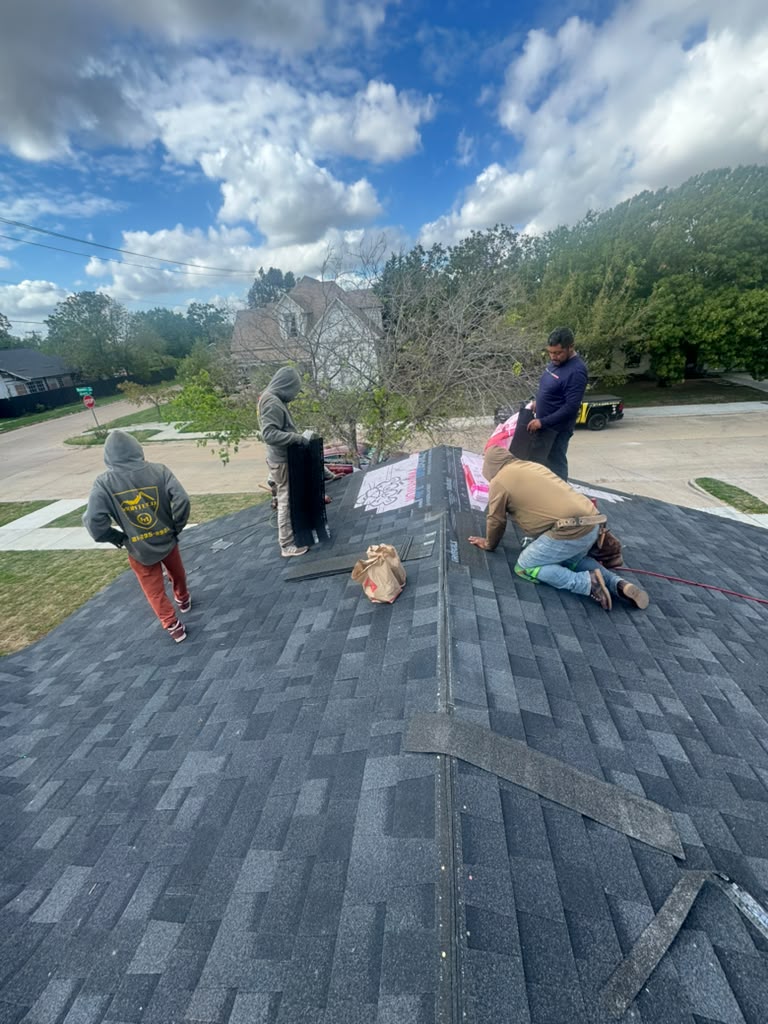
You just found a tell-tale water stain spreading across your ceiling after that last DFW downpour. Or maybe you noticed some damp spots in the attic. That's not just an annoyance; it's a flashing red light for a potential roof leak, and left unchecked, it can turn into a costly nightmare of structural damage, mold, and ruined interiors. Here in North Texas, our roofs take a beating from intense sun, sudden storms, and the occasional hail event. Knowing how your shingles play a role in preventing these leaks is your first line of defense.
Quick Answer: Shingles are the primary barrier against water intrusion. Understanding their types, common failure points like cracking, curling, or granule loss, and ensuring proper installation with underlayment and flashing are crucial for preventing leaks. Regular maintenance and choosing quality materials are key to protecting your DFW home from water damage in 2026.
The Silent Enemy: How DFW's Weather Breeds Roof Leaks
Living in the Dallas-Fort Worth Metroplex means we get to experience a little bit of everything when it comes to weather. We're talking about scorching summer sun that can bake shingles to a brittle state, sudden, violent thunderstorms that unleash torrential rain and high winds, and let's not forget those unpredictable hail storms that can pepper our roofs. Each of these elements, in its own way, conspires to create opportunities for roof leaks.
The intense UV radiation from the Texas sun is relentless. Over time, it breaks down the asphalt in shingles, causing them to become dry, brittle, and prone to cracking. This makes them less flexible and unable to withstand the expansion and contraction that happens as temperatures fluctuate throughout the day and across seasons. When shingles lose their flexibility, they can start to curl or lift, creating tiny gaps where water can seep in.
Then come the storms. DFW is no stranger to heavy rainfall. When water can't drain off the roof quickly enough, it can pool and find its way through any compromised areas. High winds, often accompanying these storms, can lift shingles, tear them away entirely, or drive rain underneath them. This is particularly dangerous because wind-driven rain can penetrate even seemingly intact shingles.
And hail? Hail is the arch-nemesis of a DFW roof. Even seemingly small hailstones can bruise the shingles, creating subsurface damage that isn't immediately visible. This damage weakens the shingle, making it far more susceptible to cracking or puncturing later, especially under the stress of wind or further weather events. Over time, these small impacts can lead to significant granule loss, which is the shingle's protective layer against the elements. Without those granules, the asphalt is exposed, accelerating degradation and increasing the risk of leaks.
So, it's not just one thing; it's a combination of factors that makes our DFW climate particularly challenging for roofing systems. That's why understanding the role of your shingles and how they interact with our unique weather patterns is so critical for preventing costly water damage.
Beyond the Surface: 7 Shingle Failures That Invite Water In
When we talk about roof leaks, people often think of a big hole or a missing shingle. While those are obvious culprits, the real insidious damage often starts small, with subtle shingle failures that, over time, create pathways for water. As a roofing contractor who's seen it all across DFW, I can tell you that understanding these specific failure points is key to proactive home protection.
1. Granule Loss
Think of the granules on your shingles like sunscreen for your roof. They protect the asphalt layer from UV rays and physical damage. When you see a lot of black grit in your gutters or around your downspouts, it's a clear sign of granule loss. This exposes the asphalt, leading to premature aging, cracking, and ultimately, leaks.
2. Cracking
This is often a result of age, extreme temperature fluctuations (common in DFW!), or impact damage from hail. Cracks, even small ones, create direct entry points for water. Brittle shingles are much more prone to this, especially when they're subjected to wind uplift.
3. Curling or Cupping
This happens when the edges of the shingles lift upwards, or the center of the shingle cups. It's usually caused by moisture getting trapped underneath, or by improper attic ventilation allowing heat and moisture to build up. Curled shingles create channels for water to run underneath, bypassing the protective layers.
4. Blistering
Sometimes, you'll see small bubbles or blisters on the surface of shingles. This is often due to manufacturing defects or excessive heat. When these blisters break, they leave a divot that can collect water and lead to premature deterioration of the shingle.
5. Algae or Moss Growth
While not a direct cause of leaks, excessive algae or moss growth can hold moisture against the shingles, accelerating their decay. In humid environments, this can be a persistent issue. The organic matter can also trap debris, further exacerbating the problem.
6. Improperly Sealed Shingles
Newer shingles have adhesive strips that seal them together. If these seals fail due to heat, age, or wind, shingles can lift, creating gaps. Older shingles, before modern adhesive strips, relied on roofing cement, which can dry out and crack over time. This is a common issue we see on roofs that are nearing the end of their lifespan.
7. Nail Pops or Improper Nailing
This is a critical installation issue. If shingles are nailed too high, too low, or if the nails pop up through the shingle, they create direct holes for water to enter. A nail pop can be small, but it's a guaranteed leak point when water finds it.
Each of these issues, if left unaddressed, can compromise the integrity of your roof and lead to that dreaded water damage inside your home. It’s why we always stress the importance of not just having shingles, but having good quality, properly installed shingles that can withstand the rigors of DFW weather.
Shingle Types & Their Leak-Fighting Prowess: An Expert Breakdown
When it comes to protecting your home, the type of shingle you choose makes a significant difference in its ability to fend off leaks. Here in DFW, with our unique weather challenges, understanding these differences isn't just about aesthetics; it's about long-term performance and durability. I've broken down the most common types you'll encounter and how they stack up against water intrusion.
| Feature | Asphalt Shingles (3-Tab) | Architectural/Laminate Shingles | Premium Asphalt Shingles | Metal Shingles/Panels | Tile Roofing (Clay/Concrete) |
|---|---|---|---|---|---|
| Leak Resistance | Basic. Prone to wind uplift and granule loss. | Good. Multi-layered design offers better wind and water resistance. | Excellent. Thicker, heavier, and often designed for extreme weather. | Excellent. Interlocking systems and solid panels offer superior water shedding. | Excellent. When properly installed, they create a very robust barrier. |
| Durability & Lifespan (DFW Climate) | 15-20 years | 25-30 years | 30-50+ years | 40-70+ years | 50+ years |
| Wind Resistance | Moderate (up to 60-70 mph) | Good (up to 90-110 mph) | Very Good to Excellent (up to 130+ mph with proper installation) | Excellent (can withstand hurricane-force winds) | Good to Very Good (depends heavily on underlayment and fastening) |
| Hail Resistance | Low. Easily damaged. | Moderate. Better than 3-tab. | Good. Often Class 4 impact resistant. | Excellent. Very resistant to impact. | Moderate to Good. Can crack under direct, heavy impact. |
| Cost (Material Only) | Lowest | Mid-range | Higher | High | Highest |
| Maintenance Needs | Regular checks for granule loss and damage. | Regular checks for damage and lifting. | Less frequent, but still needs periodic inspection. | Minimal, occasional cleaning. | Periodic inspection for cracks or shifting tiles. |
| Typical DFW Use Case | Budget-conscious, shorter-term solutions. Often found on older homes. | Most popular choice for DFW homeowners due to balance of cost and performance. | Homes in high-wind or hail-prone areas, or for homeowners seeking maximum longevity. | Modern aesthetics, extreme durability, and longevity. | Mediterranean or Spanish style homes; can be very heavy and require reinforced structures. |
Key Insight
For DFW homeowners in 2026, architectural/laminate shingles offer the best balance of cost, performance, and leak resistance. They are engineered with multiple layers and are significantly more durable than basic 3-tab shingles, making them a wise investment against our local weather extremes.
When we're on a job in Plano or Frisco, we almost always recommend architectural shingles unless a homeowner has a specific aesthetic or budget constraint. They're simply the workhorse of DFW roofing for a reason. They provide a robust defense against the elements that basic shingles just can't match. And for those looking for the absolute best in longevity and protection, premium asphalt shingles or metal roofing are excellent, albeit more expensive, options.
The $5,000 Mistake: Why Cheap Shingles Cost More in DFW
It's tempting, I get it. When you're looking at a roof replacement, the numbers can be daunting. You might see a quote for what seems like a significantly lower price for one option over another, and your mind starts to wander towards the "bargain." But here in DFW, I've seen firsthand how choosing the cheapest shingles can turn into one of the most expensive mistakes a homeowner can make. It's not just about the initial purchase price; it's about the long-term costs that come with premature failure and repeated repairs.
Let's talk about what "cheap shingles" usually means. Often, it refers to the most basic, 3-tab asphalt shingles. These are the entry-level option, designed for minimal cost and a shorter lifespan. While they might meet basic code requirements, they simply aren't built to withstand the harsh DFW climate for an extended period. They're more susceptible to wind uplift, granule loss, and cracking under our intense sun and sudden temperature swings.
So, what happens when you go with the cheapest option? You might save a few hundred or even a couple of thousand dollars upfront. But within 10-15 years, sometimes even sooner, those shingles start to fail. You'll see more granule loss, more curling, and a higher likelihood of wind damage. This means you're looking at needing a roof replacement much sooner than you would with a better quality product. Instead of getting 25-30 years out of your roof, you might only get 10-15. That's essentially paying for two roofs in the time you should have only paid for one.
Watch Out
Be wary of contractors who heavily push the cheapest shingle option without explaining the trade-offs. They may be focused on winning the bid rather than ensuring the long-term protection of your home. A reputable DFW roofing contractor will always discuss quality and longevity.
Beyond just needing a replacement sooner, those cheaper shingles can lead to more frequent, smaller leaks in the meantime. A small leak might seem manageable, but if it's happening repeatedly in different spots due to failing shingles, the cumulative damage can be significant. We're talking about water seeping into your attic insulation, damaging drywall, and even creating the perfect environment for mold growth. Mold remediation alone can cost thousands of dollars and is a health hazard.
Furthermore, when those cheaper shingles fail, especially after a storm, you might find yourself dealing with insurance claims. If your roof is already in a state of disrepair due to poor initial quality, an insurance company might question whether the damage is due to a recent event or pre-existing wear and tear, potentially leading to claim denials or reduced payouts. This is a common scenario we see play out, and it's incredibly frustrating for homeowners.
At Montesco Roofing, we've been serving the DFW community for over 13 years. We understand that your roof is a significant investment, and our goal is to provide solutions that last. That's why we focus on high-quality materials and proper installation. We'd rather have a conversation with you about the long-term value of architectural shingles or even premium options than have you call us in 10 years with a leaky roof caused by a shortcut taken today. Investing a little more upfront in quality shingles from a trusted manufacturer, installed by an experienced DFW roofing contractor, will almost always save you money and headaches down the road.
How to Get This Done
If you're looking to upgrade your shingles and ensure long-term leak protection, the best approach is to work with an experienced roofing contractor. For DIYers, you can start by researching reputable shingle brands (GAF, Owens Corning, CertainTeed, Atlas) and understanding their warranty offerings. However, the actual installation requires specialized tools and knowledge to ensure proper sealing, nailing, and integration with underlayment and flashing. If you want to handle this yourself, here's exactly what you need: [tools/steps]. If you'd rather have experienced roofers handle it, our team has done this on hundreds of DFW homes — here's how our process works: We start with a thorough inspection, provide detailed quotes on quality material options, and ensure meticulous installation backed by our workmanship guarantee.
5 Steps to Proactive Shingle Maintenance & Leak Prevention
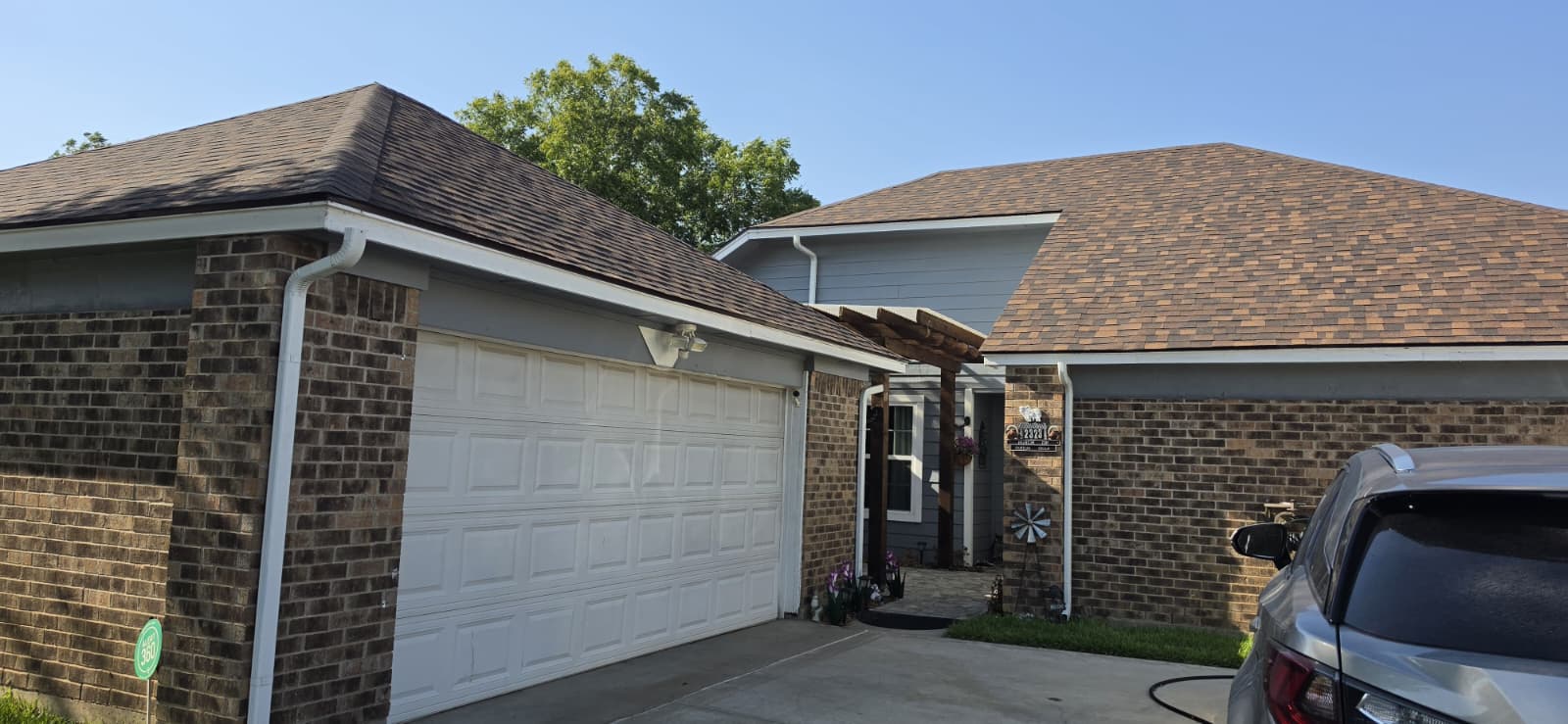
The best way to deal with roof leaks is to prevent them from happening in the first place. Here in DFW, where our roofs face constant challenges, a proactive approach to shingle maintenance is not just smart; it's essential. It's about being observant and taking a few simple steps to catch potential problems before they escalate into costly water damage.
1. Regular Visual Inspections (From the Ground!)
You don't need to climb up on your roof to do a basic check. Park across the street on a nice day and take a good look. Are there any shingles that look obviously out of place, cracked, or missing? Are there any areas that seem to be sagging? Check your gutters for excessive amounts of shingle granules – this is a tell-tale sign of wear.
2. Inspect Attic Space
Periodically, especially after heavy rain, head into your attic. Look for any signs of daylight coming through the roof deck or any water stains on the underside of the roof sheathing or rafters. Damp insulation is another red flag. Early detection in the attic can save you from major ceiling damage.
3. Keep Gutters Clean
Clogged gutters are a major enemy of your roof. When gutters can't drain properly, water can back up against your fascia boards and even seep under your shingles. This can lead to wood rot and, you guessed it, leaks. Make it a point to clear your gutters at least twice a year, especially after the fall leaf drop.
4. Trim Overhanging Branches
Trees are beautiful, but branches that rub against your roof can wear down shingles over time. They also create shade that can promote moss growth and can fall during storms, causing direct damage. Keeping branches trimmed back from your roofline is a simple preventative measure.

5. Schedule Professional Inspections
This is perhaps the most important step. While DIY checks are great, a professional roofing contractor has the expertise and tools to spot issues you might miss. We can identify subtle granule loss, hairline cracks, or problems with flashing that could lead to leaks down the road. For DFW homeowners, we recommend a professional inspection at least once a year, and definitely after any significant storm event.
Think of these steps as preventative medicine for your roof. Catching a small issue early, like a few cracked shingles or a minor granule buildup, is far less expensive and disruptive than dealing with a major leak that has caused interior damage. It’s about extending the life of your roof and protecting the investment you've made in your home.
Pro Tip
Don't wait for a leak to appear. If your roof is over 10-15 years old, consider a professional inspection even if you don't see obvious problems. Shingles degrade gradually, and early intervention can significantly prolong its lifespan and prevent costly repairs.
When to Call Montesco Roofing: Spotting the Signs of Impending Leaks
As a homeowner in DFW, you're busy. You've got a million things on your plate, and dealing with roof issues probably isn't at the top of your list – until there's a problem. But knowing when to pick up the phone and call a professional like Montesco Roofing can make all the difference between a minor inconvenience and a major disaster. It's about recognizing the subtle (and not-so-subtle) signs that your shingles are failing and water is trying to make its way into your home.
The most obvious sign, of course, is visible water damage inside your home. This could be:
- Ceiling stains: Yellow or brown spots on your ceiling are a classic indicator of a leak. They might appear after rain or days later as trapped moisture finds its way down.
- Dripping water: If you see water actively dripping from the ceiling or walls, it's an emergency situation.
- Mold or mildew: Damp, dark areas in your attic or on interior walls can be a sign of persistent moisture intrusion, often originating from a roof leak.
But leaks don't always announce themselves so dramatically. There are earlier warning signs that your shingles are compromised and a leak is imminent:
- Granule accumulation in gutters and downspouts: As mentioned before, this is a critical indicator of shingle wear. If you're scooping out handfuls of gritty material, your shingles are losing their protective layer.
- Curling, cracking, or brittle shingles: Take a look at your roof (safely from the ground or a ladder if you're comfortable and it's safe). If shingles are lifting, cracking, or appear dry and brittle, they are at high risk of failure.
- Missing shingles: This is a direct breach. If you notice any shingles are gone, especially after a strong wind, it needs immediate attention.
- Sagging roof areas: A visible dip or sag in your roofline indicates a potential structural issue, often exacerbated by water damage to the underlying decking or rafters.
- Damaged flashing: The metal pieces around chimneys, vents, and skylights (called flashing) are critical seal points. If this flashing is rusted, bent, or loose, it's a prime spot for leaks.
If you notice any of these signs, it's time to act. Delaying can turn a simple shingle repair into a full roof replacement, plus costly interior repairs. As a DFW roofing contractor with over 13 years of experience, Montesco Roofing specializes in diagnosing and fixing these issues. We understand the specific challenges our local weather presents and can quickly assess the condition of your roof, identify the source of any potential leaks, and recommend the most effective solution, whether it's a targeted repair or a full replacement.
Need help putting this into action? Our team has protected hundreds of DFW homes. Tell us about your roof — free inspection, no pressure.
Get Your Free Roof Inspection →Understanding Your Roof's Defense System: Underlayment & Flashing
While shingles are the most visible part of your roof's defense system, they're not the only line of defense against water intrusion. Beneath those shingles lies a critical, often unseen, layer: the underlayment. And around vulnerable areas like vents, chimneys, and valleys, you'll find flashing. Together, these components work in concert with your shingles to create a robust barrier against DFW's relentless weather.
Underlayment: The Unsung Hero
Think of underlayment as a secondary water-resistant barrier. It's installed directly on top of your roof decking (the plywood or OSB sheathing) before the shingles go on. Its primary job is to provide an extra layer of protection against water that might get past the shingles, whether it's from wind-driven rain, ice dams (less common for us in DFW but still possible), or even just the general wear and tear of shingles.
In DFW, we typically use synthetic underlayment or asphalt-saturated felt. Synthetic underlayments have become increasingly popular because they're lighter, more durable, and less prone to tearing than traditional felt. They also offer better resistance to moisture and can withstand exposure to the elements for longer periods during installation. The key is that it's a continuous layer, properly overlapped and sealed, ensuring water that penetrates the shingles is directed away from the decking.
Key Insight
A properly installed underlayment is crucial for preventing leaks, especially in areas where shingles might be stressed or damaged. It's a vital component that most homeowners don't see but is absolutely essential for long-term roof integrity.
Flashing: The Critical Sealant
Flashing is essentially the waterproofing that seals off joints and transitions on your roof. These are the areas where water is most likely to find an entry point if not properly protected. Common areas that require flashing include:
- Valleys: Where two roof planes meet. Water naturally funnels down these areas, so they need robust flashing to prevent leaks.
- Chimneys: The joint where the chimney meets the roof is a frequent leak source if flashing is damaged or improperly installed.
- Vent pipes: Plumbing vents and attic vents penetrate the roof, and each needs a sealed collar.
- Skylights: Similar to chimneys, the perimeter of a skylight needs careful flashing to prevent water entry.
- Wall intersections: Where a roof meets a vertical wall, such as on a dormer or a multi-level home.
Flashing is typically made of metal, like aluminum or galvanized steel, chosen for its durability and resistance to corrosion. It's carefully cut, bent, and installed to create a watertight seal. Often, it's installed in two layers: an underlayment layer that goes down first, followed by the metal flashing, and then the shingles are installed over the top of the flashing. This layered approach ensures that even if one component fails, the others provide backup protection.
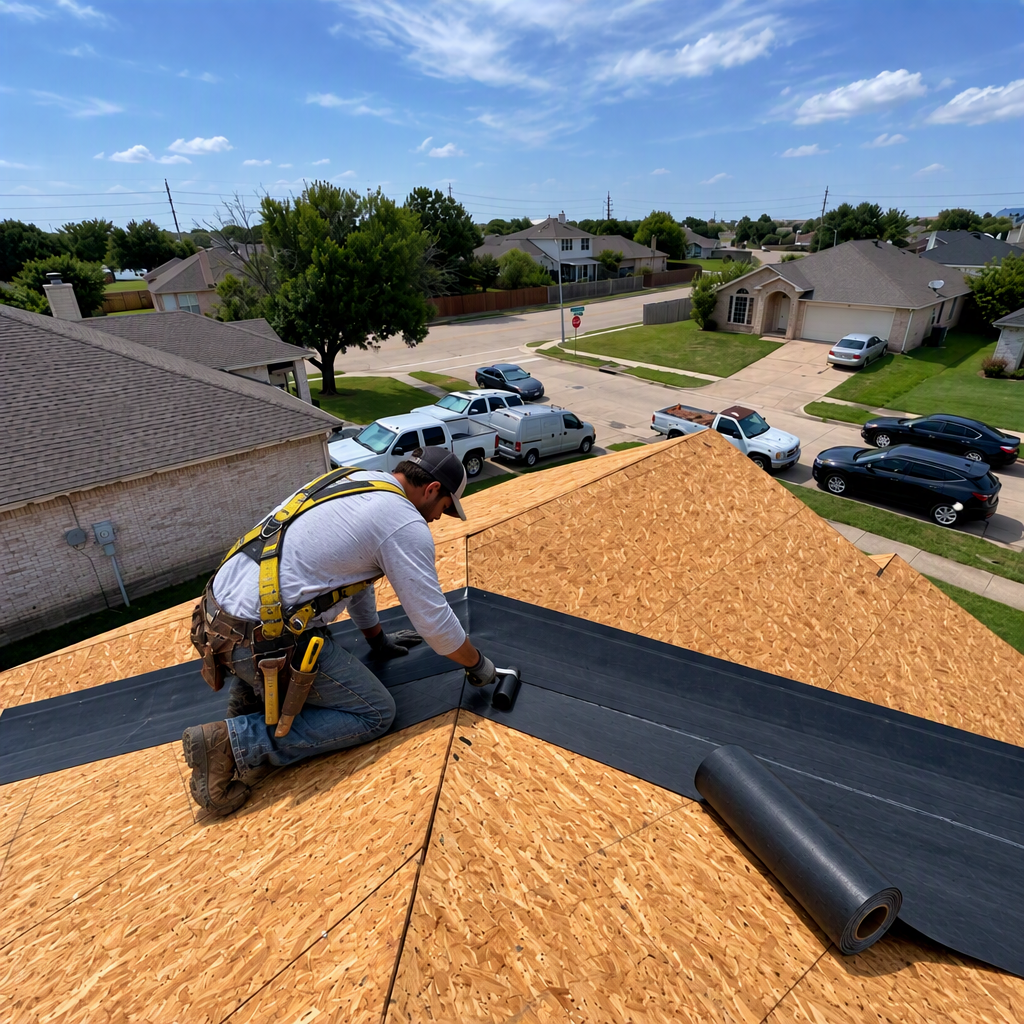
It's the combination of these three elements working together that truly protects your home. The shingles bear the brunt of the weather, but the underlayment provides a critical backup layer. The flashing seals the most vulnerable points. If any one of these components is weak, improperly installed, or damaged, the entire system is compromised, leading to leaks. For Montesco Roofing, ensuring every layer of your roof's defense system is sound is paramount. We don't just slap shingles on; we ensure the underlayment is laid correctly and the flashing is integrated perfectly to create a truly watertight shield for your DFW home.
Shingles
Role: Primary barrier against weather.
Failure: Granule loss, cracking, curling, impact damage.
Lifespan: 15-50+ years (depending on type).
Underlayment
Role: Secondary water barrier.
Failure: Tears, improper installation, degradation over time.
Lifespan: Typically matches or exceeds shingle lifespan if protected.
Flashing
Role: Waterproofing critical joints and transitions.
Failure: Rust, corrosion, improper fitting, lifting.
Lifespan: Can last 20-40+ years, but susceptible to damage/installation errors.
DFW Roof Leaks & Shingles: Your Top Questions Answered
Frequently Asked Questions
How often should I inspect my roof shingles in DFW?
What's the average lifespan of shingles in the DFW climate?
Can hail damage cause shingles to leak immediately?
What is the most common cause of shingle failure leading to leaks in DFW?
How do I know if my shingles need replacement versus a repair?
What are the signs of water damage in my attic that indicate a roof leak?
Are architectural shingles better at preventing leaks than 3-tab shingles?
Montesco Roofing Team
DFW's trusted roofing contractor with 13+ years of experience. Specializing in roof replacements, storm damage repair, and insurance claims across Dallas-Fort Worth.
Get in touch →