DFW Roof Leaks: The $12K Insurance Scam
Homeowners Face (Avoid It in 2026)
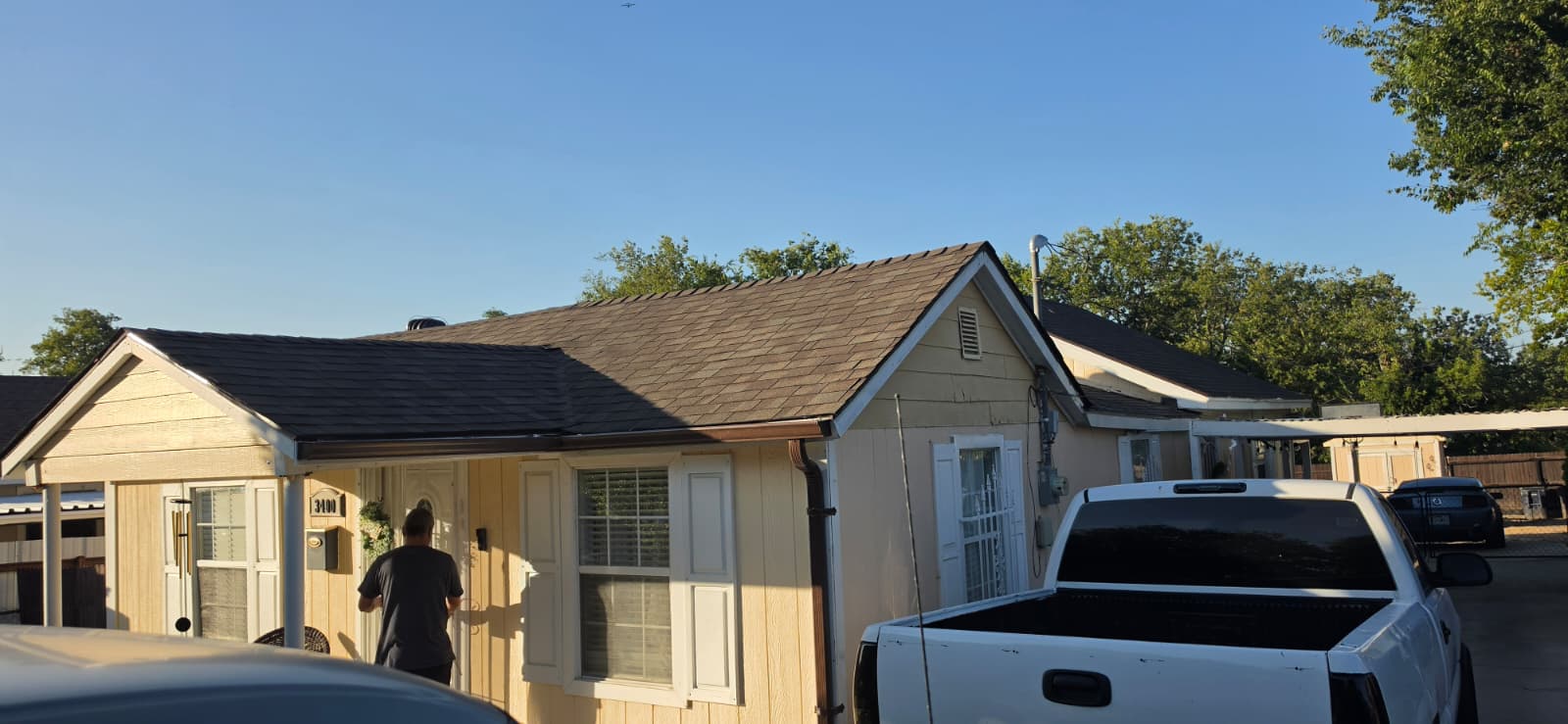
You just found a leak in your DFW home. Maybe it’s a small drip staining your ceiling, or maybe it’s a more serious cascade after a recent North Texas storm. Whatever the scale, that water intrusion isn't just an annoyance – it's the start of a potentially very expensive problem. And for many homeowners here in Dallas-Fort Worth, it's the beginning of a battle with their insurance company that can feel rigged from the start. We're talking about a hidden cost, a potential $12,000 scam that can leave you footing the bill for repairs that should be covered. This isn't about sales tactics; it's about arming you with the knowledge to protect your biggest investment.
The Hidden Cost of a DFW Roof Leak: Beyond the Drip
It's easy to see a water stain and think, "Okay, I need a patch." But that's where the real trouble begins. A roof leak, especially one caused by the notorious DFW weather – think those sudden, violent thunderstorms and the occasional hail event – is rarely just a surface problem. That single drip you see inside your home is a symptom of a larger issue happening up on your roof. It means shingles might be compromised, underlayment could be torn, and water is seeping into the very structure of your house.
What most homeowners in Plano, Frisco, or Arlington don't realize is that water doesn't just sit there. It travels. It can work its way into your insulation, leading to mold and mildew growth, which is terrible for air quality and can cause serious respiratory issues. It can compromise your attic's structural integrity, rot wooden beams, and even damage electrical wiring, creating a fire hazard. And if that water reaches your drywall, it can cause sagging, staining, and eventually, complete ceiling collapse. The cost of repairing these secondary damages can easily skyrocket, often far exceeding the initial roof repair cost.
Ignoring even a small roof leak in the DFW heat and humidity can lead to a cascade of problems, including mold growth, compromised insulation, and structural decay. These issues can cost thousands more to fix than the original leak.
In 2026, with material costs and labor still fluctuating, addressing a roof leak promptly is more critical than ever. What might have been a $500 repair a few years ago could easily be $1,500 or more today, and that's before we even talk about the secondary damage. The true hidden cost isn't just the immediate repair; it's the long-term consequences of water intrusion if it's not handled correctly and comprehensively.
Why Your DFW Roof Leak Might Be an Insurance Nightmare (And How to Fight Back)
This is where the "scam" aspect often comes into play. Insurance companies are businesses, and their goal is to pay out as little as possible. When a DFW homeowner files a claim for roof damage, especially after a storm, the insurance adjuster's job is to assess the damage and determine the payout. Unfortunately, this process is often opaque and can feel adversarial.
Your homeowner's insurance policy is a contract. Read it carefully, especially the sections on storm damage, deductibles, depreciation, and exclusions. Understanding your policy is your first line of defense.
What many homeowners experience is that the initial assessment from the insurance company doesn't align with the actual cost of repairs. They might offer a settlement that's significantly lower than what a qualified roofing contractor in DFW would charge. This is where understanding the nuances of your insurance claim becomes paramount. The difference between what you're offered and what you're owed can be thousands of dollars – the very heart of the $12,000 "scam" we're talking about.
Key Insight
The insurance industry often uses specific terminology like Actual Cash Value (ACV) and Replacement Cost Value (RCV). ACV is the cost to replace the damaged item minus depreciation, while RCV is the cost to replace it with a new, similar item. Policies typically pay out RCV, but often only after the ACV has been paid and the repairs are completed. Understanding this distinction is crucial for maximizing your claim.
The "scam" isn't necessarily malicious intent from every adjuster, but rather a system that, by design, favors the insurer. They have teams of adjusters trained to find reasons to reduce payouts, while the homeowner is often left confused and overwhelmed. The key to fighting back is preparation, documentation, and having an expert on your side who understands both roofing and the insurance claims process. That's where a seasoned DFW roofing contractor like Montesco Roofing comes in.
The $12,000 Insurance Scam: How Deductibles, Depreciation, and Denials Drain Your Wallet
Let's break down how that $12,000 figure can become a reality for homeowners in areas like Mesquite, Garland, or Rowlett. It's usually a combination of these factors:
1. Depreciation Deductions: This is a big one. Your insurance policy likely covers the replacement cost of your roof, not just its depreciated value. However, insurance companies often pay out the Actual Cash Value (ACV) first, which is the cost to replace your roof minus depreciation. This means they'll deduct an amount based on the age and condition of your roof. For a roof that's, say, 10-15 years old (a significant portion of its lifespan), this deduction can be substantial. If they deduct $5,000 for depreciation and your total repair cost is $15,000, they might initially offer $10,000 (ACV). You then need to complete the repairs and submit proof to get the remaining $5,000 (RCV).
2. Underpayment of Scope: Adjusters are trained to be thorough, but they also look for reasons to minimize the scope of work. They might overlook certain areas of damage, downplay the severity of hail impacts, or fail to account for the necessary underlayment, flashing, or ventilation upgrades required by code or best practices. This can lead to a settlement that simply isn't enough to cover a proper, full roof replacement.
3. Incorrect Material Pricing: Insurance companies use estimating software (like Xactimate) which has pricing databases. While these are generally accurate, they don't always reflect the localized costs for specific DFW neighborhoods or the quality of materials a reputable contractor uses. They might use lower material costs or labor rates than what's realistic in the current market of 2026.
Never accept the first offer from your insurance company without a thorough review. Many DFW homeowners find that by negotiating with the help of an experienced roofing contractor, they can significantly increase their settlement amount.
4. Policy Exclusions and Limitations: Some policies have specific exclusions for certain types of damage or wear and tear. If your leak is due to age or lack of maintenance (which can be hard to prove or disprove), they might deny the claim entirely. This is why understanding your policy before a storm hits is so important.
5. The Deductible Trap: Every policy has a deductible – the amount you pay out-of-pocket before insurance kicks in. While this is standard, some homeowners don't realize how their deductible impacts their total payout. If your repair costs $10,000 and your deductible is $5,000, insurance will only pay $5,000. The "scam" here isn't the deductible itself, but the fact that if the insurance company underpays the claim significantly, your deductible might eat up a huge chunk of the settlement, leaving you with a massive out-of-pocket expense for a repair that should have been mostly covered.
When you combine these factors – a low initial offer due to depreciation, a narrowed scope of damage, and the impact of your deductible – it's not hard to see how a homeowner could be short $10,000 or more on a $15,000 roof replacement. This is why having a skilled roofing contractor in Dallas who understands the insurance claims process is absolutely vital.
7 Steps to Document Your DFW Roof Leak Like a Pro for Insurance
If you've discovered a leak or suspect storm damage, the absolute first thing you need to do is document EVERYTHING. This documentation is your leverage. It’s the evidence you’ll present to your insurance company to justify your claim and ensure you’re not getting shortchanged.
Step 1: Immediate Interior Assessment
Once you spot a leak, don't just put a bucket under it. Take clear photos and videos of the water stain, dripping water, and any damaged ceiling or walls. Note the exact location and time.
Step 2: Attic Inspection (Safely!)
If you can safely access your attic, look for signs of water intrusion, damp insulation, or water stains on the underside of the roof decking. Take photos and videos of anything you find. Be cautious of electrical wires and structural components.
Step 3: Exterior Roof Inspection (From the Ground or Safely)
From the street or a safe vantage point, look for obvious signs of damage: missing, cracked, curled, or torn shingles. Check for hail marks (small dents or "bruises" on shingles) or granule loss in your gutters and downspouts. Take wide shots and close-ups.
Step 4: Check Gutters and Downspouts
Look for excessive amounts of roofing granules in your gutters. This is a clear indicator of shingle wear and tear, often exacerbated by hail or wind. Document any debris or blockages that might indicate water pooling.
Step 5: Note the Weather Event
Record the date, time, and intensity of any recent storms, high winds, or hail events. This provides context for your insurance claim and helps establish the cause of the damage. Check local weather reports for official confirmation.
Step 6: Gather Policy Information
Have your homeowner's insurance policy number, agent's contact information, and a copy of your policy readily available. Understand your deductible amount and coverage details related to storm damage.
Step 7: Contact a Professional DFW Roofing Contractor
This is arguably the most important step. A reputable contractor will conduct a thorough, professional inspection, identify all storm-related damage (even hidden damage), and provide detailed documentation and estimates that align with industry standards and insurance requirements. They know what adjusters look for.
Key Insight
Insurance adjusters are often on a tight schedule. They may not spend hours meticulously inspecting every inch of your roof. Your detailed documentation, combined with a professional inspection report from a qualified DFW roofing contractor, provides them with the comprehensive information they need to approve a fair claim.
DFW Roof Leak Repair Options: What Your Insurance Should (and Shouldn't) Cover
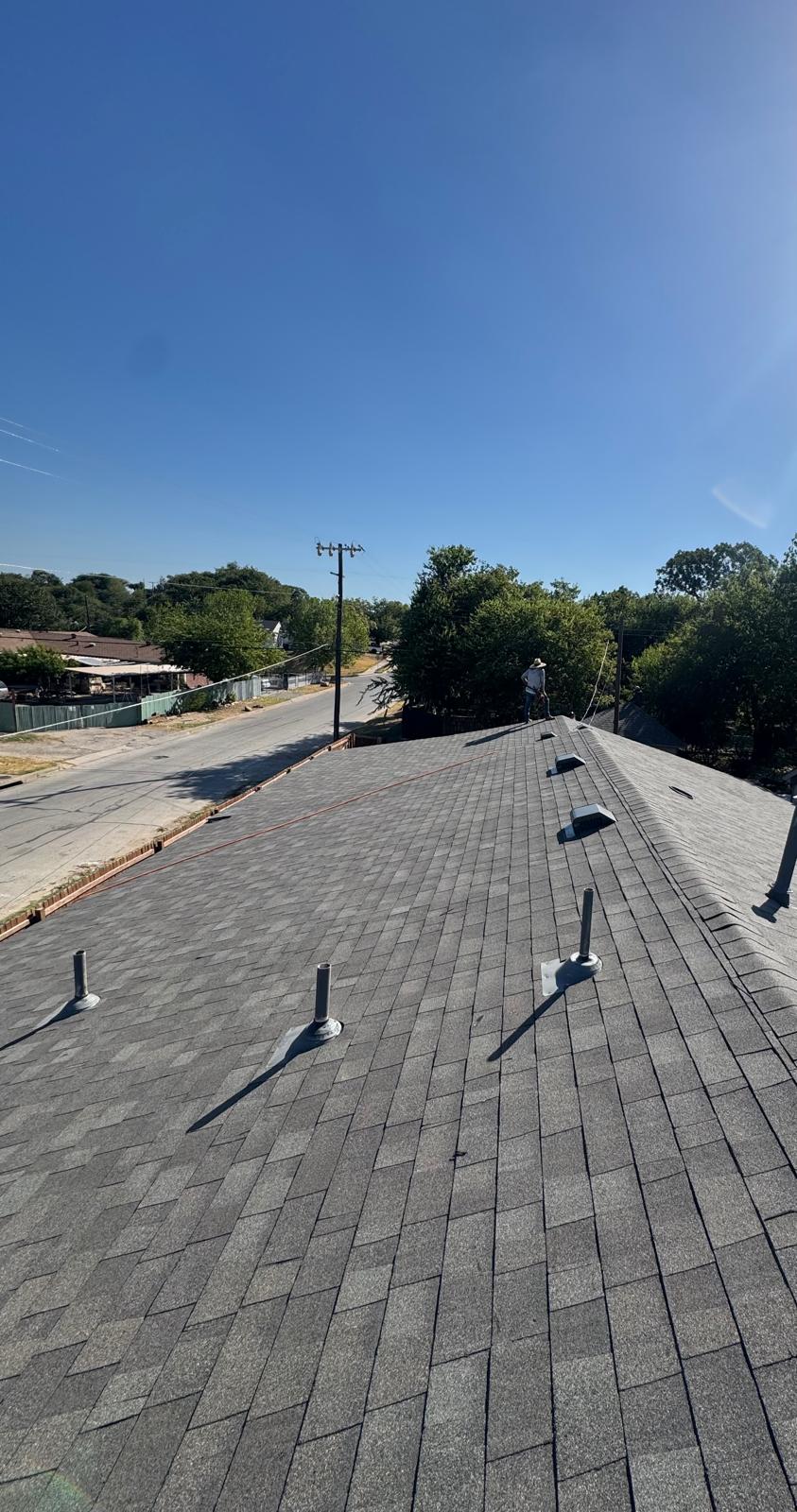
When you file a claim for a roof leak caused by a covered peril (like a storm), your insurance policy generally aims to get your roof back to its pre-loss condition. However, the specifics can be tricky, and this is where many homeowners get shortchanged. Here's a look at common repair scenarios and what insurance typically covers:
| Scenario | What Insurance Typically Covers | What Insurance Typically Does NOT Cover (or is Depreciated) | Montesco Roofing's Approach |
|---|---|---|---|
| Minor Shingle Damage (e.g., a few cracked or lifted shingles) | Cost of replacing the damaged shingles, labor, and associated materials (e.g., sealant). Usually covered at RCV after depreciation is accounted for initially. | Damage due to normal wear and tear, lack of maintenance, or pre-existing conditions. | Thorough inspection to identify all damaged shingles, not just the obvious ones. We ensure the scope includes all necessary repairs for a watertight seal. |
| Hail Damage to Multiple Shingles/Areas | Full roof replacement if damage is widespread and meets policy criteria (e.g., number of hits per square, visible damage). Covers RCV for shingles, underlayment, flashing, and labor. | Damage from non-storm events. Initial payout is often ACV, requiring proof of repair for RCV. | Comprehensive hail damage assessment, including hidden damage to the granule layer. We advocate for full replacement when justified by the damage extent and local building codes. |
| Wind Damage (e.g., lifted or missing shingles) | Replacement of damaged shingles, underlayment, flashing, and labor. Similar to hail, RCV coverage is key. | Damage from high winds exceeding policy limits (rare) or damage due to improper installation or age. | We identify all wind-uplifted shingles, ensuring all compromised areas are addressed to prevent future leaks and blow-offs. |
| Underlayment/Decking Damage | If the underlayment or decking is damaged due to a covered peril (e.g., a leak penetrating through), insurance should cover replacement. | Rot or deterioration from long-term moisture exposure or lack of ventilation, not a direct result of a sudden storm event. | Our inspections include checking the deck and underlayment for any signs of rot, water saturation, or delamination, ensuring these critical layers are repaired or replaced as needed. |
| Flashing and Vent Pipe Collars | These critical components are usually included in the scope of a roof repair or replacement if damaged by a covered event. | Wear and tear on flashing or damage from improper installation. | We meticulously inspect and replace all flashing around chimneys, vents, skylights, and valleys to ensure watertight integrity. |
| Code Upgrades | Many policies include a specific amount (often $10,000-$15,000 or more) for mandatory code upgrades required during a repair or replacement. This is crucial in DFW as building codes evolve. | Code upgrades that are not mandated by the local municipality. | We stay current with DFW building codes and ensure your new roof meets all current regulations, incorporating this into your insurance claim. |
| Secondary Water Damage (Interior) | Damage to drywall, paint, insulation, or structural elements directly caused by the roof leak from a covered peril. | Mold growth resulting from prolonged moisture exposure or lack of remediation. Pre-existing water damage. | We can often help coordinate with your general contractor or recommend trusted partners for interior repairs resulting from roof leaks, ensuring a seamless restoration. |
Key Insight
The difference between a basic repair and a full roof replacement is often a matter of scope and severity. Insurance companies are more likely to approve a full replacement if the damage is widespread and affects the overall integrity and lifespan of the roof. A qualified DFW roofing contractor knows how to assess this and present the case to your insurer.
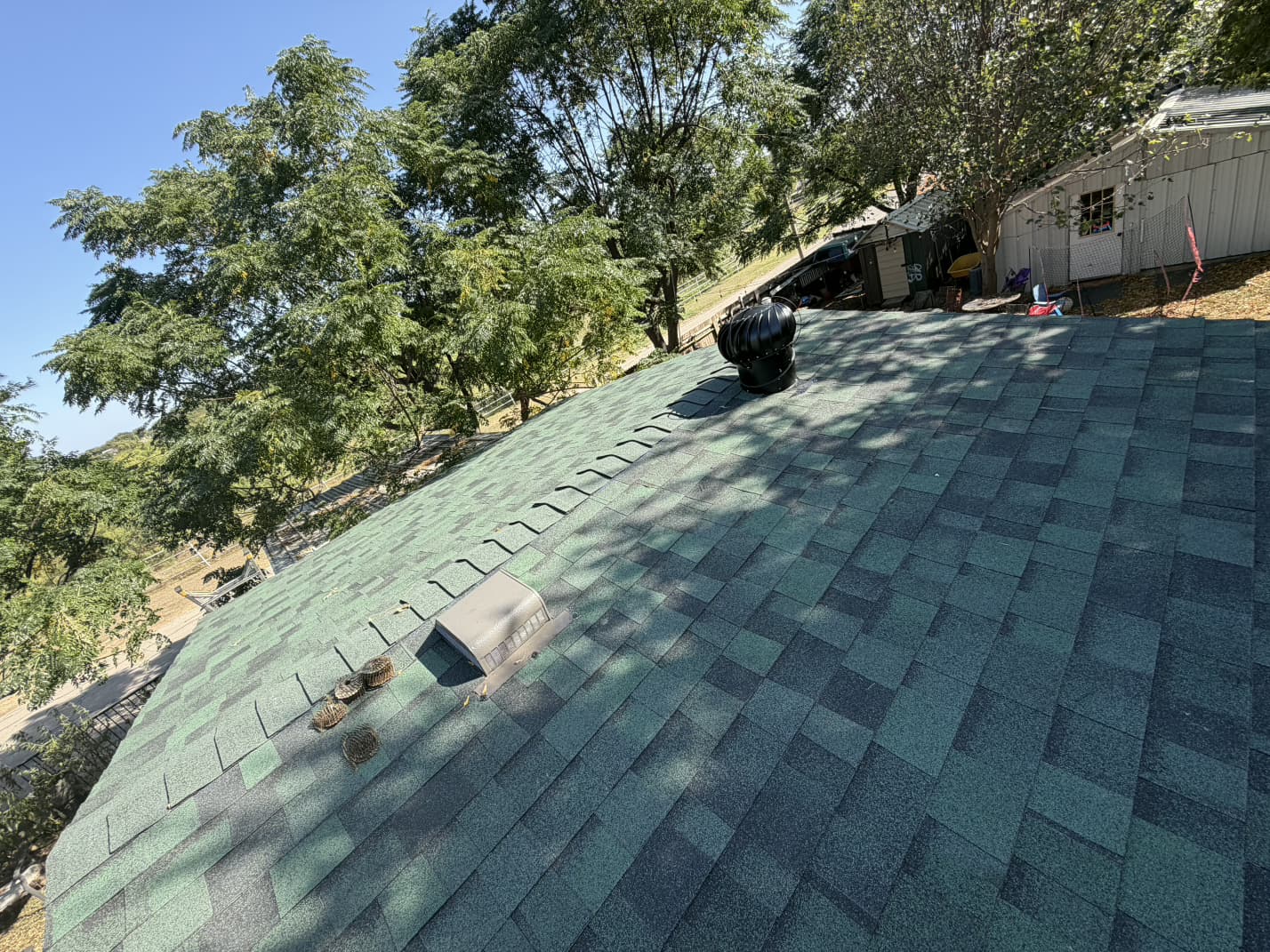
The "scam" occurs when insurance companies try to pay for only the bare minimum repairs, or apply excessive depreciation, effectively forcing you to pay for a significant portion of your roof replacement out-of-pocket, even after paying premiums for years. For example, if your roof needs replacing and costs $20,000, but the insurance company only offers $8,000 after depreciation and a narrowed scope, and your deductible is $5,000, you're left with a $17,000 bill for a $20,000 job, with only $3,000 covered by insurance. That's a significant loss that could easily reach the $12,000 mark when factoring in all the little deductions and underpayments over time.
Choosing Your DFW Roofing Contractor: The Key to a Fair Insurance Settlement
This is where your choice of roofing contractor in DFW becomes your most powerful tool in fighting the insurance "scam." Not all roofing companies are created equal, and those that specialize in working with insurance claims are invaluable.
Why Your Contractor Matters
A contractor who understands insurance is not just fixing your roof; they're advocating for you. They speak the language of adjusters, know what documentation is required, and can spot discrepancies in insurance estimates that a homeowner would likely miss. Their goal is to ensure your roof is repaired or replaced to its pre-storm condition, using quality materials, and that you receive the full compensation you're entitled to under your policy.
When selecting a contractor in 2026, consider these factors:
Experience with Insurance Claims
Have they handled claims similar to yours? Do they have a proven track record of working successfully with insurance companies in the DFW area?
Local Knowledge & Reputation
Are they a local DFW business with a physical address? Do they have positive reviews and a strong reputation in communities like Arlington, Fort Worth, or Garland? Longevity matters.
Manufacturer Certifications
Are they certified by major roofing manufacturers like GAF, Owens Corning, or CertainTeed? This often means they adhere to strict installation standards and may offer enhanced warranties.
Detailed Estimates & Documentation
Do they provide clear, itemized estimates that match or exceed what insurance adjusters use? Can they provide detailed photos and reports of the damage?
Beware of contractors who offer to "waive" your deductible or promise an unusually high payout. These are often red flags for insurance fraud or substandard work. A legitimate contractor will work within the bounds of your policy and insurance regulations.
A contractor who is willing to meet with your insurance adjuster on-site, point out all the damage, and explain their findings is invaluable. They can help ensure that the adjuster doesn't miss anything and that the estimate accurately reflects the cost of a proper repair or replacement. This collaborative approach, rather than an adversarial one, is often the fastest way to a fair settlement.
Montesco Roofing's Proven Process for Navigating DFW Roof Leak Claims in 2026
At Montesco Roofing, we've been serving the DFW community for over 13 years. We've seen it all – from minor leaks to catastrophic storm damage. We understand that dealing with a roof leak and an insurance claim can be incredibly stressful. That's why we've developed a streamlined, homeowner-focused process to make it as smooth as possible.
How to Get This Done
If you want to handle this yourself, the process involves meticulous documentation, understanding your policy, and potentially hiring an independent public adjuster. However, for most homeowners facing significant storm damage or leaks, partnering with an experienced roofing contractor is the most effective route. Our team at Montesco Roofing has years of experience navigating DFW insurance claims. Here’s how our process typically works:
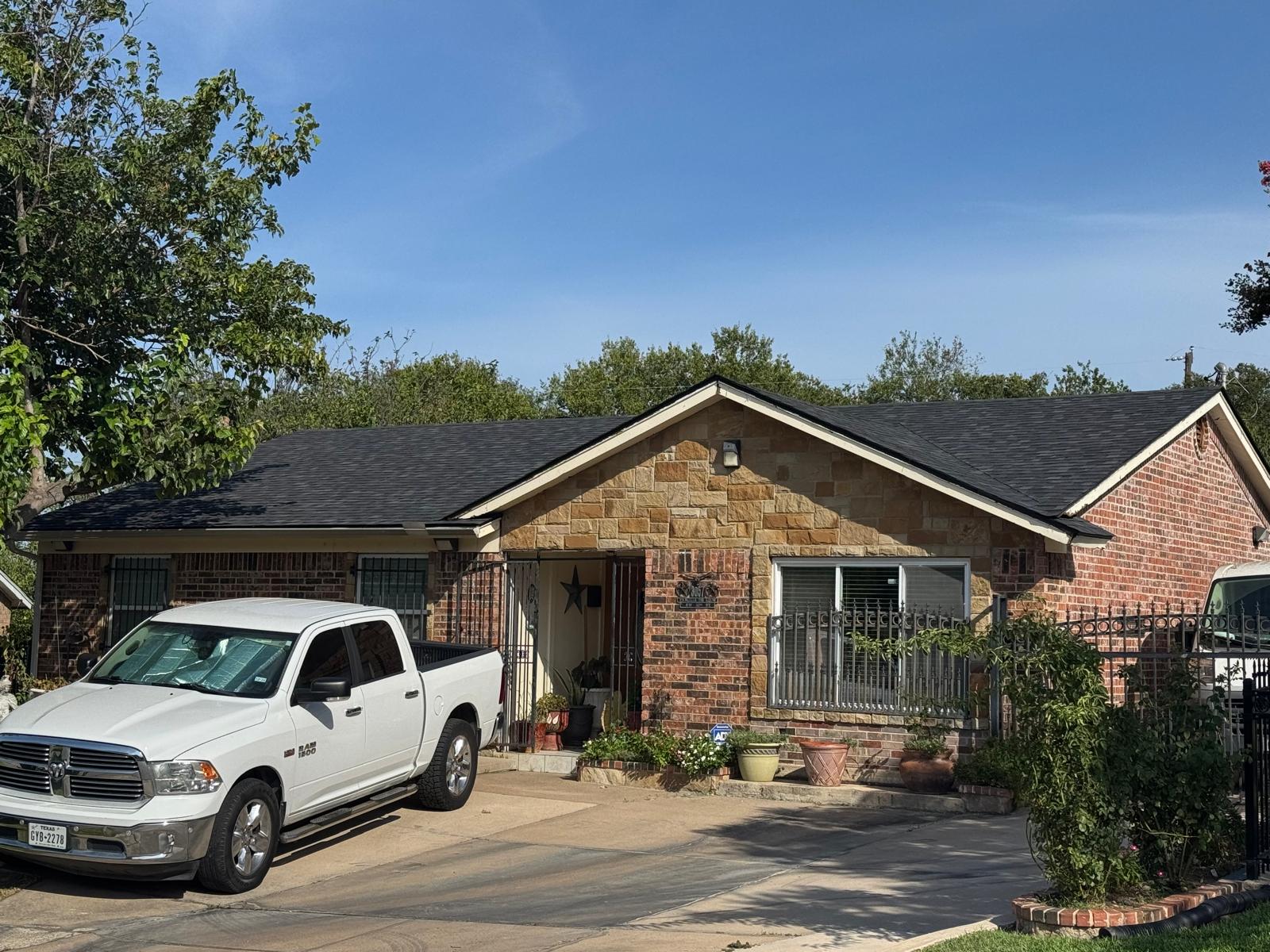
- Initial Inspection & Consultation: We'll schedule a free, no-obligation inspection to assess your roof's condition and identify any storm-related damage or leaks.
- Documentation & Estimate: We provide detailed photographic evidence of damage and a comprehensive estimate using industry-standard software, outlining all necessary repairs or replacement.
- Meeting Your Adjuster: We can meet with your insurance adjuster on-site to ensure all damage is identified and properly accounted for in their assessment.
- Claim Assistance: We'll help you understand your insurance company’s estimate, identify any discrepancies, and work with them to reach a fair settlement. We're your advocate.
- Quality Installation: Once approved, our skilled DFW roofers will perform the work using high-quality materials, ensuring your roof is protected for years to come.
- Final Walk-Through & Warranty: We conduct a final inspection with you to ensure your satisfaction and provide our workmanship warranty.
We don't just replace roofs; we build relationships. We're committed to ensuring that DFW homeowners get the repairs they need and the settlement they deserve. Our goal is to turn a stressful situation into a manageable process, giving you peace of mind and a secure, long-lasting roof over your head.
Key Takeaways
- A small roof leak in DFW can lead to extensive, costly secondary damage if not addressed promptly and correctly.
- The "insurance scam" often involves underpayments due to depreciation, narrowed scope of work, and policy limitations, potentially costing homeowners thousands.
- Meticulous documentation of damage is crucial for a successful insurance claim.
- Choosing an experienced DFW roofing contractor who understands insurance claims is vital for fair settlement.
- Montesco Roofing offers a comprehensive process to guide homeowners through leak repair and insurance claims in 2026.
Need help assessing storm damage or dealing with a roof leak? Our team has protected hundreds of DFW homes.
Get Your Free Roof Inspection →DFW Roof Leak FAQ: Your Burning Questions Answered
How quickly should I report a roof leak to my insurance company?
Can my insurance company deny my claim for a roof leak?
What is the difference between ACV and RCV, and how does it affect my claim?
How long does a typical DFW roof leak insurance claim take?
What if the insurance adjuster's estimate is lower than my roofer's estimate?
Does my homeowner's insurance cover mold caused by a roof leak?
Montesco Roofing Team
DFW's trusted roofing contractor with 13+ years of experience. Specializing in roof replacements, storm damage repair, and insurance claims across Dallas-Fort Worth.
Get in touch →