DFW Roof Leaks: 7 Hidden Culprits Nobody Checks (And How to Fix Them Before 2027)
The Silent Threat: Why Hidden Roof Leaks Are DFW Homeowners' Biggest Fear
You're sitting in your living room on a quiet Tuesday evening in September 2026, maybe catching up on the news or enjoying a cup of coffee. Then, you notice it – a small, dark water stain spreading on your ceiling. It's not from a spilled drink; it's a roof leak. But it's not just any leak. This one has been silently working its way into your home, likely for weeks, maybe even months. That's the insidious nature of hidden roof leaks. They don't always announce themselves with a dramatic downpour. Instead, they creep in, compromising your insulation, damaging your drywall, and even threatening the structural integrity of your home. For us here in the Dallas-Fort Worth area, where unpredictable Texas weather can bring everything from intense sun to sudden, violent storms, a hidden leak can turn into a very expensive problem, very quickly.
Quick Answer: Hidden roof leaks in DFW are often caused by overlooked issues like inadequate attic ventilation, damaged flashing around penetrations, compromised seals on skylights and vents, and even subtle damage from hail or wind. These problems can lead to widespread water damage, mold growth, and structural issues if not detected and repaired early. Regular, professional inspections are key to preventing these silent threats from becoming major problems.
As a roofing contractor who's been working on homes across DFW for over 13 years, I've seen firsthand how these seemingly minor issues can escalate. Homeowners often focus on obvious damage – a missing shingle after a storm, a visible drip. But the real damage, the kind that costs thousands to repair, often starts where you can't see it. We're talking about the spaces behind your walls, the depths of your attic, and the tiny, often neglected, components that keep your home dry. The good news is, with a little knowledge and the right approach, many of these hidden threats can be identified and addressed before they become a crisis. Let's dive into what most homeowners miss, and more importantly, how to catch it.
Beyond the Shingles: 7 Overlooked Roof Leak Culprits in DFW
When people think of roof leaks, their minds usually go straight to missing shingles or hail damage. And yes, those are major culprits, especially after a strong Texas storm rolls through. But the truth is, many leaks start from much smaller, less obvious sources. These are the "hidden" culprits that can plague your home without you even realizing it until significant damage has occurred. Understanding these can save you a world of headaches and expense. Here are the top seven I see regularly across North Texas:
1. Inadequate Attic Ventilation
This is a big one. Your attic needs to breathe. Poor ventilation traps heat and moisture, creating condensation that can rot wood and eventually lead to water seeping through your ceiling. We'll get into this more, but it’s crucial.
2. Damaged or Improperly Installed Flashing
Flashing is the metal material used around any roof penetration – chimneys, vents, skylights, valleys. If it's corroded, cracked, or wasn't installed correctly, water will find its way in.
3. Compromised Seals Around Skylights and Vents
Even if the flashing is intact, the sealant around skylights, plumbing vents, and exhaust fans can degrade over time due to sun exposure and temperature fluctuations, creating entry points for water.
4. Ice Dams (Yes, Even in DFW!)
While we don't get massive snowfalls, fluctuating winter temperatures can cause ice dams to form, especially on shaded roofs or in areas with poor insulation. Water can back up under shingles.
5. Clogged Gutters and Downspouts
When gutters are full of leaves and debris, water can't drain away from your roofline. It backs up, seeps under the fascia, and can even get into your attic through soffit vents.
6. Cracked or Deteriorated Roof Boots
These are the rubber or metal collars around plumbing vent pipes. The rubber can dry out, crack, and split, especially with our harsh Texas sun, allowing water to enter.
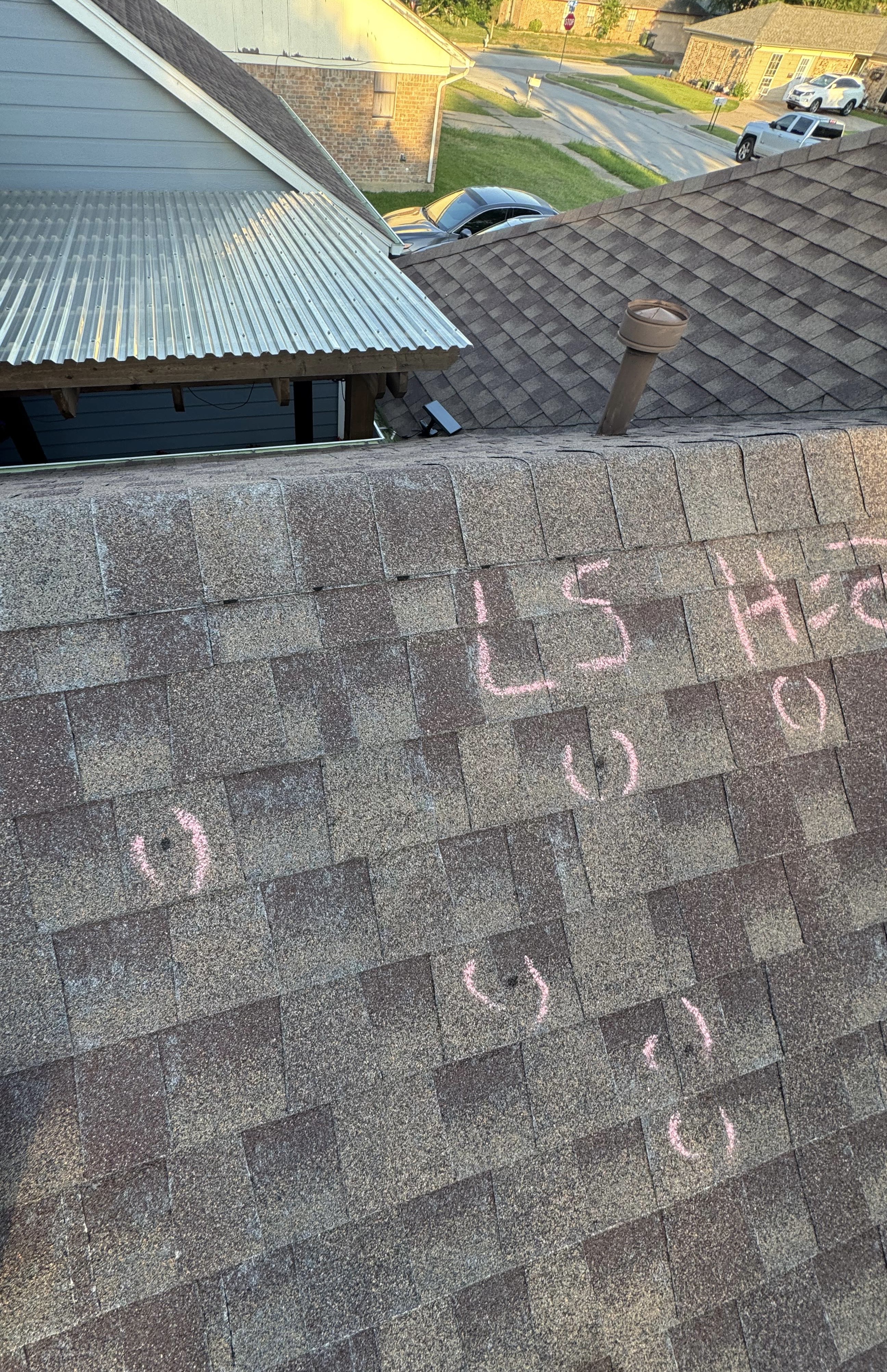
7. Subtle Hail or Wind Damage
Sometimes, hail doesn't knock shingles off but creates tiny bruises or cracks in the granule layer, weakening them. Wind can lift shingles just enough for water to get underneath over time.
It's these less obvious issues that often catch homeowners off guard. They're not dramatic, so they don't trigger immediate alarm bells. But over months, they can cause significant damage, leading to expensive repairs that could have been avoided with a proactive approach.
Don't wait for a visible leak to call a roofer. Schedule a professional roof inspection at least once a year, and always after significant storm events. Early detection is your best defense against hidden damage.
Attic Ventilation: The Unsung Hero (and Villain) of DFW Roof Health
When I talk about attic ventilation, I'm often met with blank stares. Most homeowners think of their roof as just shingles on top. But the attic space beneath is a critical part of your home's ecosystem, and its ventilation system is a silent guardian – or a silent saboteur – of your roof's health. Here in DFW, with our extreme temperature swings and humidity, proper attic ventilation is not just a good idea; it's essential for preventing serious damage.
Think of your attic like your home's head. It needs to regulate temperature and moisture. In the summer, it can get incredibly hot up there, sometimes exceeding 150°F. Without proper airflow, that heat gets trapped, putting excessive stress on your roofing materials – the shingles, underlayment, and even the decking. This heat accelerates the aging process of your shingles, making them brittle and more susceptible to cracking and wind uplift. Over time, this leads to a shorter roof lifespan and, you guessed it, potential leaks.
Blocked soffit vents or an insufficient number of ridge vents can create an attic that's a breeding ground for moisture. This trapped moisture can lead to mold and mildew growth, rot in your roof decking, and even damage to your home's insulation, drastically reducing its effectiveness and driving up your energy bills.
Then there's the moisture issue. Even on a clear day, moisture can build up in your attic from everyday household activities – cooking, showering, even breathing. If this moisture can't escape, it condenses on the cooler surfaces of your attic and roof structure. This is a recipe for disaster. Condensation can lead to wood rot, compromising the structural integrity of your roof. It can also create an ideal environment for mold and mildew, which can spread into your living spaces, affecting air quality and posing health risks. In DFW, the high humidity during certain times of the year exacerbates this problem.
Key Insight
A balanced ventilation system typically involves intake vents (like soffit vents) at the lower part of the roof and exhaust vents (like ridge vents or box vents) at the highest point. This creates a natural convection current, allowing cooler, drier air to enter and warmer, moist air to escape. Without this balance, your ventilation system is ineffective and can even worsen moisture problems.
The U.S. Department of Energy recommends a specific ratio of attic ventilation to square footage of attic floor space to ensure optimal performance. For every 300 square feet of attic floor space, you should have at least 1 square foot of ventilation, split evenly between intake and exhaust. For example, an attic that's 1200 square feet needs 4 square feet of ventilation, meaning 2 square feet of intake and 2 square feet of exhaust. Many older homes, or homes where renovations weren't done with ventilation in mind, fall far short of this ideal.
Source: U.S. Department of Energy, Energy Star ProgramWhen I conduct a roof inspection, checking the attic ventilation is always a priority. I'm looking for clear soffit vents, an adequate number of exhaust vents, and signs of moisture or condensation. If I find issues, I explain to the homeowner how it impacts their roof and their home's overall health. Sometimes it's as simple as clearing out debris from soffit vents; other times, it might require adding more vents or upgrading to a more effective system. Investing in proper attic ventilation is one of the most cost-effective ways to extend your roof's life and prevent hidden water damage in your DFW home.
Flashing Failures: The Small Details Causing Big DFW Roof Problems
If your roof were a soldier, flashing would be its armor at the weakest points. These are the strips of metal – typically aluminum, galvanized steel, or copper – installed around roof penetrations and where different roof planes meet, like valleys. Their job is to create a watertight seal, directing water away from vulnerable areas. In DFW, where we experience significant temperature fluctuations and strong winds, flashing can be a frequent source of hidden leaks if it's not in perfect condition.
What goes wrong with flashing? Plenty. First, improper installation is a major culprit. Flashing needs to be integrated seamlessly with the roofing material and underlayment. If it's just laid on top, or if the pieces aren't overlapped correctly, water can seep underneath. I've seen countless jobs where flashing was cut too short, or not bent at the right angles, creating direct pathways for water intrusion. This is especially common around chimneys, where the flashing has to negotiate brickwork, and in roof valleys, where large amounts of water converge.
Properly Installed Flashing
Integrates seamlessly with underlayment and shingles. Directs water away effectively. Designed to withstand DFW weather.
Failed Flashing
Cracked, corroded, or improperly fitted. Water seeps underneath, damaging decking and insulation. Can lead to mold and structural issues.
Second, corrosion and wear are natural enemies of metal. Our DFW climate, with its humidity and occasional salt spray from road treatments in winter, can cause metal flashing to rust and deteriorate over time. This creates small holes or weak spots. Wind can also whip debris against flashing, causing nicks and bends that compromise its integrity. Even small cracks or holes, often unnoticed by the homeowner, can allow water to seep into the roof deck and then into your attic or walls.
Third, consider the expansion and contraction. Metal expands and contracts with temperature changes. If flashing isn't installed with this in mind, or if the sealant used to bond it fails, the constant movement can create gaps. This is particularly true around chimneys, where the brick and metal expand at different rates. The sealant can dry out, crack, and pull away from the surfaces it's meant to protect.
"Flashing isn't glamorous, but it's arguably one of the most critical components of a roof system. A failure here doesn't just mean a small drip; it can lead to extensive water damage that compromises the entire structure of your home."— Industry Expert, Roofing Magazine
During an inspection, I'm meticulously examining every piece of flashing. I'm looking for rust spots, cracks, loose nails, signs of sealant failure, and ensuring it's properly integrated with the shingles and underlayment. If I see any issues, especially around chimneys, skylights, or in valleys, I flag it immediately. Repairing or replacing faulty flashing is a relatively minor expense compared to the cost of repairing water damage to ceilings, walls, and structural beams. It’s a classic case of a small problem leading to a big, expensive one if left unaddressed.
Skylight & Vent Seals: Common Weak Points in DFW Roofs
Every time your roof is penetrated – for a plumbing vent, a bathroom fan, or a skylight – you create a potential point of weakness. These penetrations are where water is most likely to find a way in if the seals and flashing aren't in perfect condition. In a DFW climate, the constant exposure to intense sun, fluctuating temperatures, and occasional harsh weather can take a toll on these seals, making them prime candidates for hidden leaks.
Let's talk about skylights first. They add beautiful natural light to a home, but they're essentially a hole in your roof. The flashing around a skylight needs to be meticulously installed and maintained. But even with good flashing, the sealant around the glass and frame can degrade. UV rays from the Texas sun are relentless, breaking down the flexible sealants over time. As the sealant cracks or pulls away, it creates a tiny gap that can allow water to seep in. This water might drip down the inside of the skylight frame, or worse, run down inside your walls without you ever seeing it on the ceiling directly below.
Vent pipes (for plumbing) and exhaust vents (for bathrooms or kitchens) are another common area. These are often protected by a "roof boot," a flexible rubber or plastic collar that wraps around the pipe and seals against the roof. Over time, especially with our harsh DFW sun, this rubber can become brittle, crack, and split. A small crack might not seem like much, but it’s enough for rain or even heavy dew to find its way into your attic. I’ve seen many instances where a homeowner thought a small ceiling stain was just a minor issue, only to discover the roof boot had completely disintegrated.
How to Get This Done
DIY Check: Safely inspect your roof boots from a ladder (if comfortable and safe). Look for cracks or dryness in the rubber. Check around skylights for any visible gaps in sealant. In your attic, look for water stains or damp insulation around vent pipes.
Montesco Roofing's Approach: Our team meticulously inspects every penetration during a roof assessment. We check the integrity of the flashing, the condition of the sealant, and the condition of roof boots. If any are compromised, we use high-quality replacement parts and sealants designed for DFW's climate, ensuring a watertight seal that lasts. We've replaced hundreds of failing boots and resealed countless skylights across Plano, Frisco, and beyond.
The key here is regular inspection. These seals and boots are often out of sight and out of mind. They're not something you'd typically check yourself unless you're specifically looking for them. That's why they are such common sources of hidden roof leaks. When we're on a job, we're not just looking at the shingles; we're examining every single one of these potential failure points. It's this detailed approach that helps us identify problems before they become major headaches for DFW homeowners.
The Cost of Ignoring Hidden DFW Roof Leaks: A $15,000 Wake-Up Call
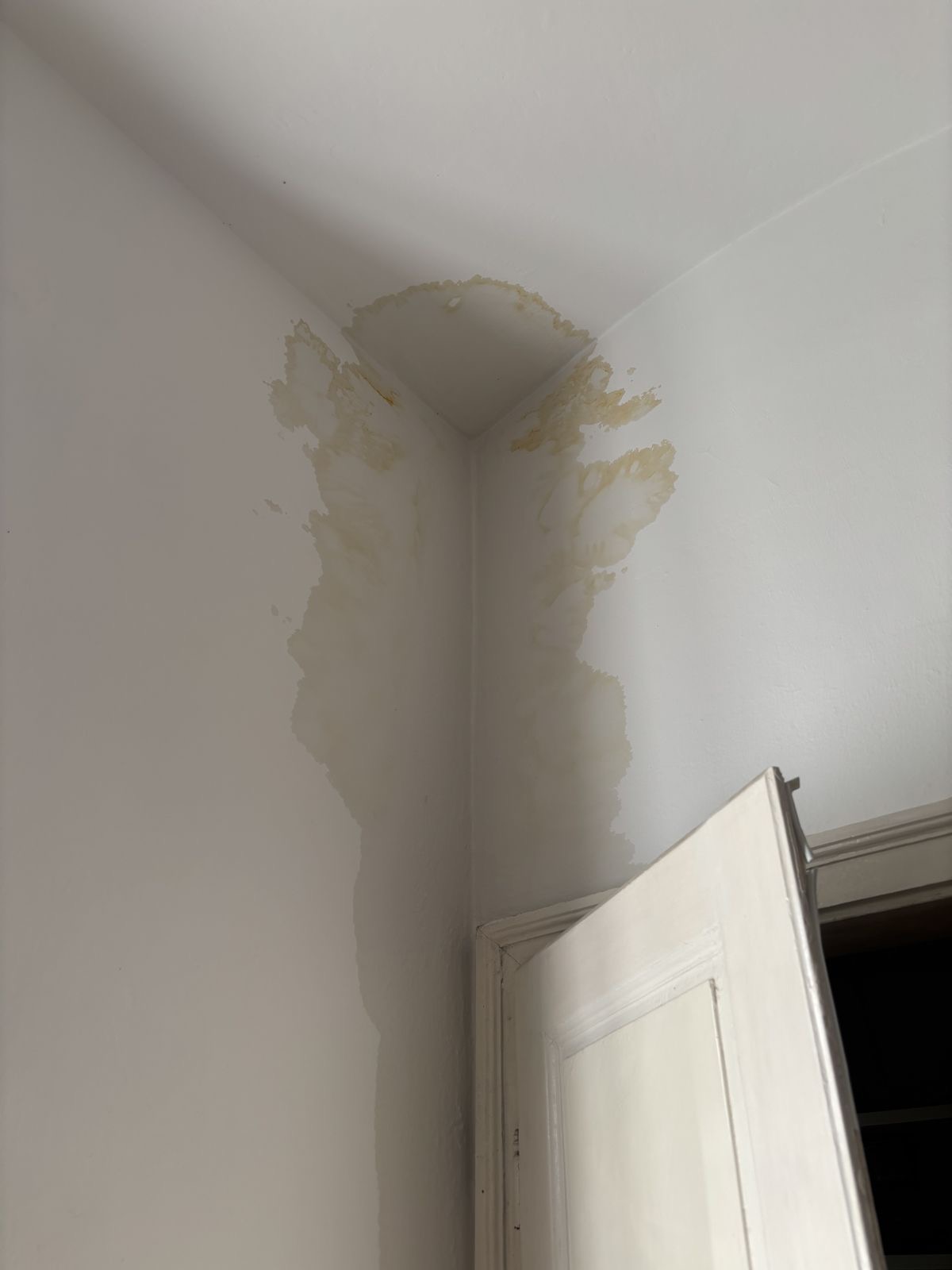
So, you've found a small water stain on your ceiling. It's annoying, but maybe you think you can live with it for a while, or perhaps a quick patch job will do. That's a common thought, but it's a dangerous one, especially here in Texas. Ignoring even a small, hidden roof leak can lead to a cascade of expensive problems that far outweigh the cost of an early repair. We're talking about costs that can easily run into the tens of thousands of dollars.
Let's break down the potential financial impact of letting a hidden leak fester:
| Problem Area | Potential Costs (DFW Estimates, 2026) | Why It's Expensive |
|---|---|---|
| Ceiling/Drywall Damage | $500 - $2,500+ | Water stains, sagging drywall, paint damage. Requires patching, texturing, and repainting. |
| Insulation Damage | $1,000 - $5,000+ | Wet insulation loses its R-value (effectiveness). It can become a breeding ground for mold and mildew and may need complete replacement. |
| Attic Wood Rot | $2,000 - $10,000+ | Constant moisture exposure can rot roof decking, rafters, and trusses. This compromises the structural integrity of your entire roof system. |
| Mold & Mildew Growth | $3,000 - $15,000+ | Requires professional remediation, air purification, and replacement of affected materials. Can spread into HVAC systems and living areas, impacting health. |
| Electrical Damage | $500 - $3,000+ | Water can drip onto wiring, creating fire hazards and damaging outlets or fixtures. |
| Structural Compromise | $10,000 - $50,000+ | In severe cases, prolonged water intrusion can weaken the main structural supports of your home, requiring major repairs. |
| Total Potential Cost (Worst Case) | $17,000 - $85,500+ | This highlights how a small, ignored leak can snowball into a catastrophic expense. |
These are not hypothetical numbers. I've seen homes in Plano and Fort Worth where a small leak from a cracked vent boot, ignored for a year, led to extensive mold remediation and the replacement of half the roof decking. The homeowner ended up paying upwards of $15,000 when a $300 repair might have sufficed initially. It’s a painful lesson that many DFW homeowners learn the hard way.
Your homeowner's insurance policy likely has a deductible. If the damage from a hidden leak becomes extensive, the repair costs could easily exceed your deductible, meaning you'll be paying the full, higher price out-of-pocket. Plus, neglecting maintenance like timely repairs can sometimes affect future claims.
The good news is that most of these catastrophic costs are entirely preventable. The key is proactive detection and repair. This means not just waiting for the obvious signs but actively looking for them and having your roof inspected regularly by a qualified professional. A thorough inspection by a trusted DFW roofing contractor can identify these hidden culprits before they cause significant damage. It’s an investment in protecting your home and your finances.
Your Action Plan: How to Proactively Address DFW Roof Leak Risks
Now that we've talked about the common hidden culprits and the potential costs, let's focus on what you, as a DFW homeowner, can actually do about it. Proactivity is your best friend when it comes to preventing costly roof leaks. It's not about being paranoid; it's about being smart and informed. Here's a practical action plan you can start implementing right away:
1. Regular Visual Roof Checks (From the Ground)
At least twice a year, take a walk around your home and look up at your roof. Are there any shingles that look lifted, curled, or missing? Are there any obvious debris accumulations? This simple walk-around can sometimes reveal issues before they become leaks.
2. Inspect Your Attic
Periodically, especially after heavy rain, head into your attic with a flashlight. Look for any signs of water stains on the rafters, decking, or insulation. Check around vent pipes and the chimney stack for any dampness. This is often where hidden leaks first show themselves.
3. Check Your Gutters
Keep your gutters clean. Clogged gutters cause water to back up and overflow, potentially seeping into your roof's edge and fascia. Ensure downspouts are directing water well away from your foundation.
4. Monitor Your Energy Bills
A sudden, unexplained spike in your energy bills could indicate a problem with your attic insulation, which might be compromised by moisture from a leak. This is a less direct, but still valuable, indicator.
5. Schedule Professional Inspections
This is the most crucial step. Plan for a professional roof inspection at least once a year. We recommend spring and fall, as these are good times to check for damage from winter weather and prepare for potential summer storms, or vice-versa. Always get an inspection after a significant storm event.
When you get a professional inspection, make sure the roofer is looking for the specific "hidden" culprits we've discussed: attic ventilation, flashing integrity, sealants around penetrations, and overall roof health. A good inspector will provide you with a detailed report and clear recommendations.
Key Insight
Don't treat your roof like an "out of sight, out of mind" component. Think of it as a vital organ of your home. Regular maintenance and checks, much like visiting your doctor for a check-up, are essential for its long-term health and for protecting the rest of your house from potential "illnesses" like leaks.
If you're in the DFW area and want peace of mind, taking these steps will significantly reduce your risk of experiencing a costly, hidden roof leak. It's about being informed and taking consistent action.
Need help putting this into action? Our team has protected hundreds of DFW homes from leaks and storm damage. Tell us about your roof — free inspection, no pressure.
Get Your Free Roof Inspection →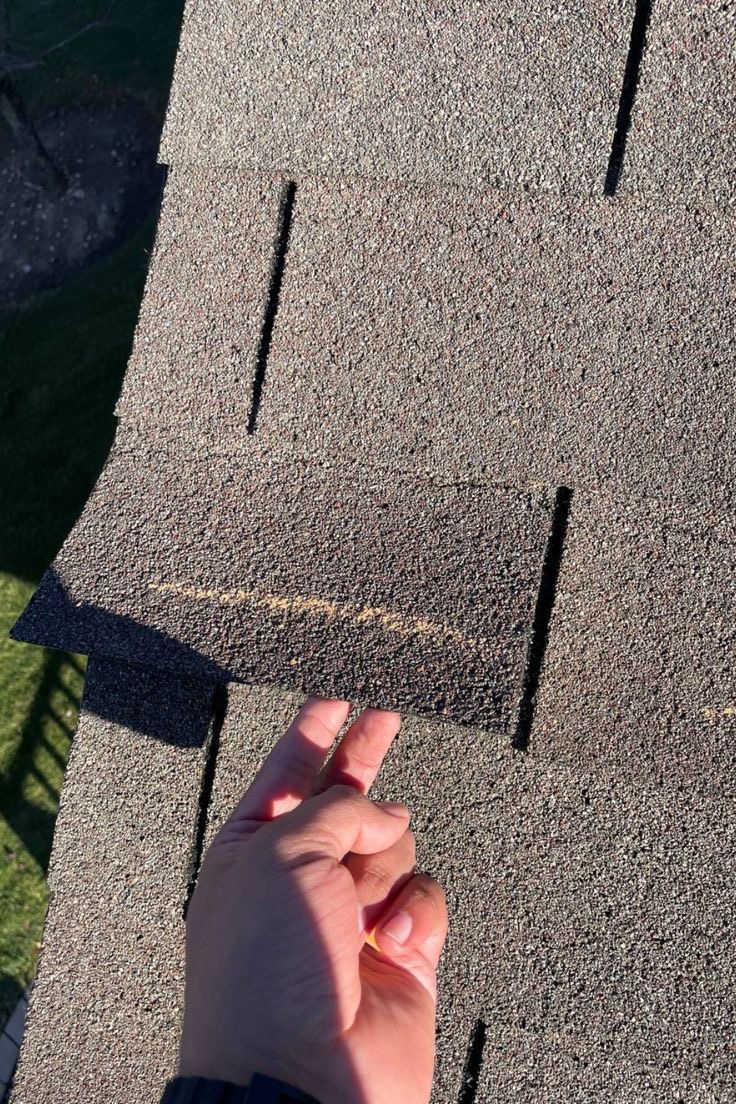
Montesco Roofing: Your DFW Partner in Proactive Roof Leak Prevention
As I've said, being a homeowner in DFW means dealing with a unique set of weather challenges. From the scorching Texas sun that bakes shingles to sudden, powerful thunderstorms that can batter your roof, your home's protection is constantly being tested. At Montesco Roofing, we understand these challenges because we've been navigating them for over 13 years, right here in our community. We're not just a company that fixes roofs; we're your neighbors, and we treat every home we work on as if it were our own.
Our approach to leak prevention is built on thoroughness and expertise. When you schedule an inspection with us, you're getting more than just a quick look-over. You're getting a seasoned professional who knows exactly where to look for those hidden problems – the compromised flashing, the failing vent seals, the inadequate attic ventilation, the subtle signs of hail damage that could lead to a leak down the road. We go beyond the obvious, digging deep to ensure your roof is truly sound.
How to Get This Done
If you want to handle basic checks yourself, start with the steps outlined in our action plan. For a comprehensive assessment and professional repairs, Montesco Roofing offers expert roof inspections and leak repair services across the DFW metroplex. Our process involves a detailed visual inspection, attic check, and a thorough report of any findings, followed by clear, honest recommendations for repair or maintenance. We pride ourselves on transparent pricing and quality workmanship, ensuring your roof is protected for the long haul.
We're passionate about quality materials and proper installation. That means when we repair or replace a section of your roof, we use top-tier shingles from trusted manufacturers like GAF, Owens Corning, and CertainTeed, and we ensure every component, from the underlayment to the flashing, is installed to exceed industry standards. We stand behind our work with robust warranties, giving you confidence that your investment is protected. We know that a properly installed and maintained roof is the best defense against leaks and the costly damage they cause.
We believe in educating our homeowners. We want you to understand what's happening with your roof, why certain repairs are necessary, and how to maintain it for maximum longevity. This transparency builds trust, and that's the foundation of our business. If you're noticing a new water stain, suspect a leak, or simply want to ensure your roof is in top shape before the next big Texas storm, give us a call. We're here to provide honest answers and expert solutions.
DFW Roof Leak FAQs: What Homeowners Need to Know Before 2027
Frequently Asked Questions
What are the most common signs of a roof leak that I should look for?
How often should I have my roof inspected in DFW?
Can a small leak really cause that much damage?
What's the difference between a roof repair and a roof replacement?
How does DFW's weather specifically impact my roof and increase leak risks?
Should I try to fix a small roof leak myself?
How does a storm damage claim work for roof leaks in DFW?
Montesco Roofing Team
DFW's trusted roofing contractor with 13+ years of experience. Specializing in roof replacements, storm damage repair, and insurance claims across Dallas-Fort Worth.
Get in touch →