The Layers That Take the Hit
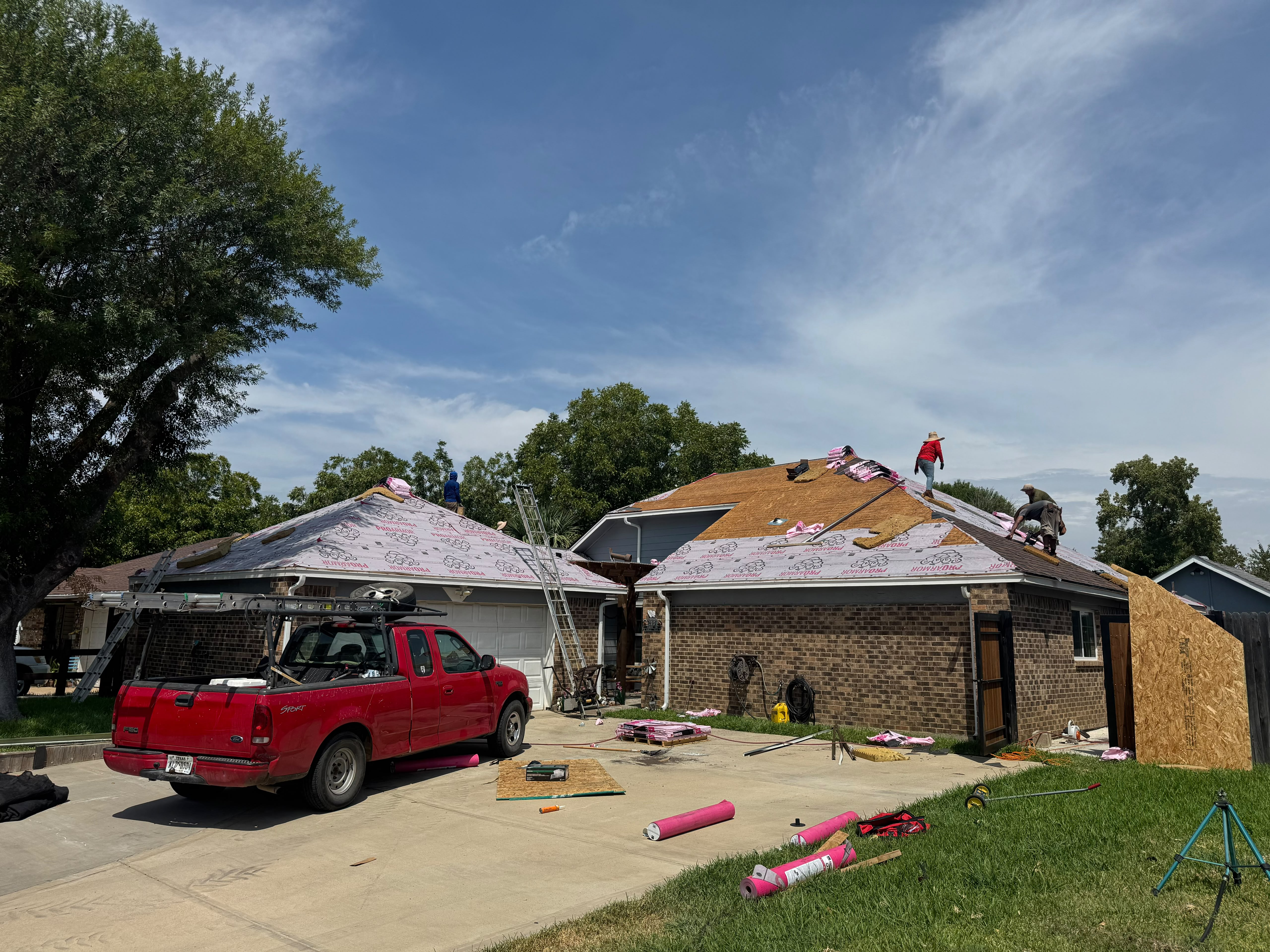
You've probably looked up at your roof a thousand times and just seen... shingles. Right? It's the part that faces the elements head-on, the most visible defense against that Texas sun and, let's be honest, those surprise hailstorms we get here in DFW. But what most homeowners don't realize is that your roof is a complex system, a stack of carefully engineered layers, each with a critical job. It's not just about the shingles; it's about the entire defense system working together. Today, in August 2026, with our DFW weather being as unpredictable as ever, understanding these layers is key to knowing if your home is truly protected.
Quick Answer: Your DFW roof is a multi-layered system designed for maximum protection. It starts with the decking (plywood or OSB), followed by underlayment (a crucial water barrier), then the shingles or primary covering. Proper attic ventilation is also vital for the longevity of the entire system. Each layer plays a distinct role in defending your home against DFW's harsh weather, from intense sun to damaging hail and wind.
Beyond the Shingles: The Unseen Heroes of Your DFW Roof
When we talk about a roof, most folks picture the shingles – those colorful, textured pieces that make up the surface. And sure, they're important. They're the first line of defense, the ones you see. But think of them like the paint on a car. It looks good and offers some protection, but it's the metal frame, the chassis, and all the internal workings that really make the vehicle robust and safe. Your roof is no different. Beneath those shingles lies a sophisticated structure that’s just as, if not more, critical for long-term protection and the health of your entire home. In DFW, where we experience everything from scorching heatwaves that can bake asphalt shingles to sudden, violent thunderstorms that can batter them with hail, having a properly constructed, multi-layered roof system isn't just a nice-to-have; it's essential.
What most people miss is that each layer is designed to handle specific threats and work in harmony with the others. If one layer fails, it puts immense pressure on the layers below and above it, potentially leading to a cascade of problems. This is especially true here in North Texas, with our unique climate. The intense UV rays can degrade materials over time, while the humidity and occasional heavy rains can test the waterproof integrity of the system. Understanding these components helps you appreciate why a qualified DFW roofing contractor doesn't just slap on shingles; they build a complete shield for your home.
The Foundation of Protection: Understanding Roof Decking in 2026
At the very base of your roof's protective system is the roof decking. This is the structural layer that forms the solid surface upon which everything else is built. Typically, it's made from plywood or oriented strand board (OSB) panels, securely fastened to the rafters or trusses of your home's framing. Think of it as the subfloor for your attic, but on a slope. Its primary job is to provide a strong, stable base for the underlayment and shingles, distributing the weight of the roofing materials and any environmental loads, like wind or snow (though snow is less of a concern here in DFW than extreme heat!).
Pro Tip
When your roof is being installed or replaced, pay attention to the condition of your existing decking. If it's soft, spongy, or shows signs of rot, it needs to be replaced. Installing new shingles over damaged decking is like building a house on a shaky foundation – it's asking for trouble down the line.
In 2026, the quality of your roof decking is more important than ever. We're seeing more advanced roofing systems that require a perfectly flat and solid surface for optimal performance. If your home was built many years ago, you might have older types of decking, or perhaps it wasn't installed to current standards. A thorough inspection by a seasoned roofing contractor in DFW will check for any signs of sagging, delamination, or water damage that could compromise the integrity of this foundational layer. It’s not just about aesthetics; it’s about structural soundness. A compromised deck can lead to leaks, poor insulation, and even affect the structural integrity of your home during severe weather events.
The Critical Barrier: Why Underlayment is Your Roof's Second Skin
Sandwiched between the roof decking and the shingles is a layer that many homeowners never even think about, but it’s one of the most crucial components: the underlayment. This is a synthetic or asphalt-saturated felt material that acts as a secondary water barrier. While shingles are designed to shed the bulk of the water, underlayment is there to catch any moisture that might get past them – whether that's from wind-driven rain, ice dams (less common here, but still possible), or even condensation from your attic.
Watch Out
Using the wrong type of underlayment, or improperly installing it, can leave your home vulnerable. Some older homes might have just asphalt-felt, but modern synthetic underlayments offer superior tear resistance and water-shedding capabilities, especially important for the extreme conditions we face in DFW.
There are generally two types of underlayment used today: traditional asphalt-saturated felt (often called "tar paper") and synthetic underlayment. Synthetic options are becoming the go-to for many reputable roofing companies, including us here at Montesco Roofing. They're lighter, more durable, and offer better protection against punctures from hail or falling debris. The best synthetic underlayments also have a higher slip-resistance, which makes them safer for roofers during installation, and they are engineered to withstand higher temperatures, a real benefit under the intense Dallas sun. This layer is literally your home's second skin, and its integrity is paramount to preventing water damage that can spread to your insulation, drywall, and even your home's structure.
Step 1: Inspect Existing Underlayment
During a roof replacement, experienced roofers will strip off old shingles and inspect the underlayment. Any damaged or deteriorated sections must be replaced.
Step 2: Choose Quality Material
Opt for a high-quality synthetic underlayment that meets or exceeds local building codes and manufacturer specifications for your chosen shingle type.
Step 3: Proper Overlapping and Fastening
Underlayment must be installed with specific overlaps and secured with the correct fasteners to ensure water is directed downwards, not into the roof deck.
Shingles: The First Line of Defense (And What to Look For)
Now, let's talk about the star of the show – the shingles. These are the outermost layer, the first thing that meets the weather. For most homes in DFW, this means asphalt shingles. They're a composite material, typically made of a fiberglass or organic mat coated with mineral granules. The granules not only give shingles their color and aesthetic appeal but also provide UV protection, helping to prevent the asphalt from drying out and becoming brittle under the relentless Texas sun. They also help protect the shingle from physical wear and tear.
Key Insight
The type and quality of shingles you choose significantly impact your roof's lifespan and its ability to withstand DFW's weather. Basic 3-tab shingles are the most economical but offer the least protection and shortest lifespan. Architectural or dimensional shingles, made of thicker asphalt and layered construction, are much more durable, wind-resistant, and are generally recommended for our region.
When it comes to shingles, there's a lot to consider beyond just the color. We're talking about their wind resistance rating, their fire rating, and their impact resistance – especially important for hail-prone areas like ours. For homes in DFW, I always recommend architectural shingles from reputable manufacturers like GAF, Owens Corning, or CertainTeed. These aren't just thicker; they're engineered with advanced features. Some even have algae-resistant technology, which is a lifesaver in our humid climate where dark streaks can start to appear. When inspecting your roof, look for signs of wear: curling, cracking, bald spots where granules have worn off, or even shingles that have been lifted or torn by wind. These are all indicators that your first line of defense is weakening.
3-Tab Shingles
Pros: Most affordable option.
Cons: Shorter lifespan (15-20 years), less wind-resistant, basic protection.
Architectural Shingles
Pros: Longer lifespan (25-30+ years), higher wind resistance, enhanced aesthetic appeal, better protection.
Cons: Higher initial cost.
Choosing the right shingle is an investment in your home's protection. It's about balancing cost with long-term durability and performance against the specific threats of the DFW climate. Don't just pick the cheapest option; pick the one that offers the best value and protection for your home.
The Unsung Champion: How Attic Ventilation Protects Your Roof's Core

This is the layer that gets talked about the least, but it's arguably one of the most important for the longevity of your entire roof system: attic ventilation. You might be thinking, "Ventilation? That's for the AC, right?" Well, yes, but it's also critical for your roof. Your attic space can get incredibly hot, especially under the DFW sun. Without proper ventilation, that trapped heat can bake your shingles from the underside, causing them to degrade faster. It can also lead to moisture buildup, which can cause mold, mildew, and rot in your attic insulation and the roof decking itself.
A well-ventilated attic works on a simple principle: the movement of air. Typically, this involves a system of intake vents (usually soffit vents under the eaves) and exhaust vents (like ridge vents or box vents at the peak of the roof). This creates a natural airflow that flushes out hot, moist air and replaces it with cooler, drier outside air. This not only protects your roof structure but also helps your HVAC system run more efficiently, as it doesn't have to fight against an oven-like attic. For homeowners in DFW, ensuring proper attic ventilation is a non-negotiable part of a healthy roof system. It’s a proactive measure that pays dividends in energy savings and extends the life of your roof, preventing costly repairs down the road.
How to Get This Done
Ensuring proper attic ventilation involves a balance of intake and exhaust. If you suspect poor ventilation, the first step is an attic inspection. Our team at Montesco Roofing can assess your current ventilation setup, identify any blockages or deficiencies, and recommend solutions. This might involve adding more soffit vents, installing a ridge vent system, or ensuring your existing vents aren't blocked by insulation. Properly installed ventilation is part of a comprehensive roofing system that protects your home for years to come.
Hail, Wind, and Sun: How Each Layer Withstands DFW's Fury
Let's break down how these layers specifically stand up to the DFW weather we experience throughout 2026. Our climate is a brutal test for any roof.
Sun/Heat: The relentless DFW sun is a constant enemy. It bakes shingles, causing the asphalt to become brittle and the granules to loosen. The heat also transfers into the attic, stressing the entire system. The decking can dry out and warp, the underlayment can become brittle, and the shingles themselves lose their flexibility. A well-ventilated attic is crucial here to dissipate heat. The quality of the shingles themselves also matters; impact-resistant shingles often have better UV protection.
"In Texas, your roof works overtime. It's not just about rain; it's about the sun beating down day after day, year after year. That's where the real long-term damage can start if the system isn't built right."— A seasoned DFW homeowner
Wind: We're no strangers to high winds in North Texas, especially during storm season. Wind can lift shingles, tear them away, and expose the underlayment and decking. The fastening pattern of the shingles, the quality of the underlayment, and the integrity of the decking are all vital here. Architectural shingles, with their multi-layered design and stronger adhesive strips, offer significantly better wind resistance than basic 3-tab shingles. Proper installation, ensuring each shingle is correctly nailed, is paramount. A loose shingle is an invitation for wind damage.
Hail: This is the big one for DFW. Hailstones, especially those that come with severe thunderstorms, can cause significant damage. While shingles are designed to withstand some impact, large or sharp hailstones can crack them, dislodge granules, and even puncture the shingle and underlayment. Impact-resistant shingles are specifically rated for this. They have a modified asphalt layer that can absorb the impact better. When hail strikes, it's not just the shingles that take a hit; a severe impact can potentially transfer force down to the decking. Any damage, even cosmetic, can create an entry point for water if it compromises the shingle's integrity or exposes the underlayment.

Key Insight
Working with an established DFW roofing contractor like Montesco Roofing means you have a local partner who understands the specific challenges of our region. We're not a "storm chaser" company that disappears after the check clears. We're here in your community, committed to quality installations and standing behind our work for the long haul.
Rain/Moisture: While we don't always have constant rain, when it does come, it can be heavy. The underlayment is the critical barrier against wind-driven rain that might sneak under shingles. Proper flashing around chimneys, vents, and valleys is also essential to prevent water from seeping into the structure. Any breach in the system, from cracked shingles to faulty flashing, can lead to water infiltration, which can then damage insulation, cause mold growth, and lead to costly structural repairs.
The Cost of Cutting Corners: A Layer-by-Layer Comparison
When it comes to roofing, you often get what you pay for. Cutting corners on any of these layers can seem like a cost-saving measure in the short term, but it almost always leads to more expensive problems down the road. Here's a look at how skimping on different layers can impact your investment.
| Roofing Layer | Quality Installation & Materials (Recommended) | Cost-Cutting Approach | Long-Term Consequences |
|---|---|---|---|
| Roof Decking | New, high-grade plywood or OSB installed properly. | Reusing old, potentially soft or damaged decking; using lower-grade materials. | Structural instability, sagging, faster shingle wear, potential for leaks through compromised wood. |
| Underlayment | High-performance synthetic underlayment with proper overlaps and fastening. | Using minimal, low-grade felt; inadequate overlap; skipping sections. | Water penetration, rot in decking, mold growth, premature shingle failure, potential damage to insulation and interior. |
| Shingles | Architectural shingles from a reputable manufacturer with a strong warranty. | Basic 3-tab shingles, lower wind rating; using off-brand materials. | Shorter lifespan (15-20 years vs 25-30+), increased susceptibility to wind and hail damage, more frequent repairs, higher replacement cost over time. |
| Ventilation | Balanced intake (soffit) and exhaust (ridge) vents, properly sized and installed. | Skipping vents, using insufficient vents, blocking vents with insulation. | Excessive attic heat, premature shingle degradation, moisture buildup, mold, ice dams (rare but possible), increased energy bills, reduced HVAC efficiency. |
| Fasteners & Flashing | High-quality, corrosion-resistant nails; properly installed, integrated flashing. | Using cheap nails that can rust; inadequate or poorly installed flashing. | Loose shingles, leaks around penetrations (chimneys, vents), rust stains, structural damage. |
The reality is, the cost of a premium roof system from a trusted roofing contractor in DFW is an investment. It’s about protecting your home, your family, and your peace of mind. When you consider the potential costs of water damage, mold remediation, structural repairs, and premature roof replacement, the upfront investment in quality layers and proper installation always pays off. For example, a roof replaced with architectural shingles and proper ventilation might cost 30-50% more initially than a basic 3-tab roof, but it can last 10-15 years longer and withstand severe weather far better. That's significant long-term value.
Pro Tip
When getting quotes, don't just compare the bottom line. Ask for a detailed breakdown of the materials being used for each layer (decking, underlayment, shingles, ventilation) and the warranty offered on both materials and workmanship. A contractor who is hesitant to provide this information might be cutting corners.
Ensuring Every Layer is Perfect: The Montesco Roofing Difference
Here at Montesco Roofing, we've been serving the DFW area for over 13 years, and we've seen firsthand what happens when roofs aren't built with all their layers in mind. Our passion isn't just about putting shingles on a house; it's about building a complete, robust, and long-lasting roofing system that can stand up to everything North Texas throws at it. We treat every home like our own, and that means meticulous attention to every single layer.
How to Get This Done
When you choose Montesco Roofing for your roof replacement or repair, you're choosing a team that understands the importance of every layer. Our process involves a thorough inspection of your existing roof deck, the installation of high-quality synthetic underlayment, the application of premium shingles from leading manufacturers, and ensuring optimal attic ventilation. We use only the best materials and our experienced crews are trained to install them according to manufacturer specifications and local building codes. This comprehensive approach is why we offer a strong workmanship warranty, giving you confidence that your investment is protected for years to come. Contact us today for a free inspection and a detailed explanation of how we build superior roofing systems for DFW homeowners.
We don't believe in cutting corners. We use premium synthetic underlayments because they offer superior protection and durability in our climate. We recommend and install architectural shingles with high wind ratings and algae resistance. And we always assess and ensure your attic ventilation is up to par, because a cool attic means a cooler home and a longer-lasting roof. Our goal is to give you a roof that not only looks great but functions as a complete, integrated system, protecting your home through countless Texas storms and scorching summers.
Key Insight
The type and quality of shingles you choose significantly impact your roof's lifespan and its ability to withstand DFW's weather. Basic 3-tab shingles are the most economical but offer the least protection and shortest lifespan. Architectural or dimensional shingles, made of thicker asphalt and layered construction, are much more durable, wind-resistant, and are generally recommended for our region.
The difference is in the details. It's in the way we seal flashing, the number of nails we use per shingle, the type of underlayment we recommend for your specific roof pitch and exposure. It's about building a system, not just installing components. And when you see the results – a beautiful, durable roof that keeps your home safe and dry for decades – you'll know it was worth it.
Frequently Asked Questions About Your Roof's Layers
What is the most important layer of my roof?
How often should my roof decking be inspected?
Can I just add another layer of shingles on top of my existing ones?
What's the difference between a ridge vent and a box vent?
How does attic ventilation help my shingles last longer?
What are the most common DFW roofing problems related to layers?
Are impact-resistant shingles worth the extra cost in DFW?
Ready to ensure your home's defense system is built layer by layer, for lasting protection? Our team at Montesco Roofing has protected hundreds of DFW homes with expert installations and quality materials. We understand the unique challenges of North Texas weather and build roofs that last.
Get Your Free Roof Inspection →Montesco Roofing Team
DFW's trusted roofing contractor with 13+ years of experience. Specializing in roof replacements, storm damage repair, and insurance claims across Dallas-Fort Worth.
Get in touch →