We Inspected Hundreds of DFW Roofs—Here’s What We Keep Finding in 2026
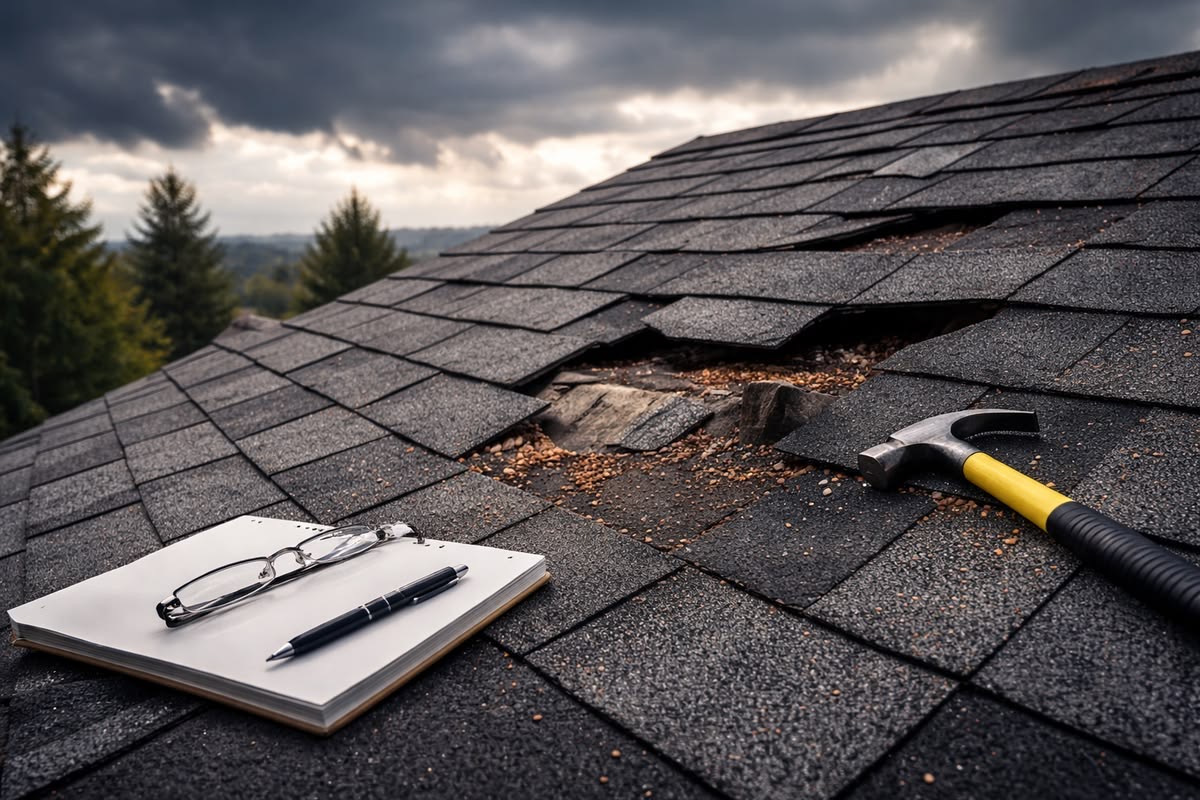
You just found a water stain on your ceiling after that last gusty windstorm rolled through North Texas, or maybe you're thinking about selling your home and a pre-listing inspection flagged "potential roof issues." That feeling of dread? It’s completely understandable. Your roof is your home's first line of defense against everything the Texas sky throws at it – from scorching summer sun to the sudden, fierce storms we get here in the DFW Metroplex. At Montesco Roofing, with over 13 years of hands-on experience right here in Dallas-Fort Worth, we've seen it all. We don't just look at roofs; we understand them. We've been inside attics, on top of countless shingles, and in the trenches with homeowners navigating insurance claims after major storm events. What we consistently find might surprise you, and understanding these common issues is the first step to protecting your biggest investment.
The Unseen Enemy: Why DFW Roofs Fail Sooner Than You Think
Living in DFW means living with a unique set of climate challenges for our homes. We're not just talking about the heat – though that's a major player. We're also dealing with rapid temperature swings, intense UV exposure, and, of course, the notorious Texas thunderstorms that can pack a punch with hail and high winds. These aren't gentle nudges; they're often violent assaults on your roofing system.
What most homeowners don't realize is that a roof isn't just a collection of shingles. It's a carefully engineered system designed to work together: the shingles, underlayment, flashing, ventilation, and even the sheathing. When one component is compromised, it puts the entire system at risk. And in DFW, these stresses are amplified. The constant expansion and contraction from our wild temperature swings, especially between the brutal summers and chilly winters, can cause materials to become brittle and crack over time. Then, a storm comes along, and what might have been a minor weakness becomes a catastrophic failure.
We often see roofs in areas like Plano or Frisco that are only 10-15 years old but are already showing signs of significant wear and tear, sometimes needing replacement when they should still have another decade or more of life. This premature failure is usually a direct result of either the extreme weather we experience here or, more commonly, issues that were present from the initial installation or overlooked during routine maintenance. It's a tough cycle, but understanding the culprits is the first step to breaking it.
Our Top 7 Most Frequent Findings on DFW Roofs (And Why They Matter)
Over the years, we've developed a keen eye for what to look for. It's not just about spotting a missing shingle from the ground. It's about understanding the subtle cues your roof system gives you. Based on our extensive experience inspecting homes from Fort Worth to Garland, here are the most common issues we uncover:
1. Subtle Hail Damage
This is a big one in DFW. Hailstones, even seemingly small ones, can bruise or fracture the asphalt granules on shingles. This damage isn't always visible as a hole; often, it looks like a dark spot or a flattened area where the granules have been knocked off, exposing the asphalt mat underneath to UV rays. This exposure accelerates wear and can lead to premature cracking and leaks.
2. Wind-Lifted Shingles
High winds can lift the edges of shingles, breaking the sealant strip that holds them down. Even if the shingle isn't torn off completely, this lifted edge is now vulnerable to water intrusion and can be easily ripped off by the next strong gust. This often starts subtly, especially around roof edges and valleys.
3. Inadequate Attic Ventilation
This is a silent killer of roofs in Texas. If your attic doesn't have proper intake and exhaust ventilation, heat and moisture get trapped. In the summer, this turns your attic into an oven, baking your shingles from the inside out. In the winter, trapped moisture can lead to mold and rot in your roof decking. We frequently find blocked soffit vents or insufficient ridge vents.
4. Compromised Flashing
Flashing is the metal or rubber material used around chimneys, vent pipes, skylights, and in roof valleys to direct water away. It's a critical component. We often find flashing that is improperly installed, rusted, cracked, or has lost its sealant, creating direct pathways for water to enter your home.
5. Granule Loss
Beyond hail, general wear and tear, or improper installation techniques can lead to shingles losing their protective granules. You'll often see these granules in your gutters or downspouts. This loss compromises the shingle's ability to reflect UV rays and can significantly shorten its lifespan.
6. Clogged Gutters and Downspouts
While not directly on the roof, clogged gutters are a major contributor to roof problems. When water can't drain properly, it backs up against your fascia and soffits, leading to rot and water infiltration. It can also cause ice dams in the rare instances we get freezing rain, pushing water up under shingles.
7. Debris Accumulation
Leaves, branches, and other debris can accumulate on your roof, especially in valleys and around penetrations. This traps moisture, promotes moss and algae growth, and can even create small dams that hold water against your shingles for extended periods.
Hail Damage: The Silent Scars Most Homeowners Miss
Hail damage is probably the most misunderstood and frequently underestimated cause of premature roof failure in DFW. We get a lot of hail, and it's not always the size of golf balls that causes the most trouble. Even quarter-sized hail can create impact marks.
Here's what we look for when we suspect hail damage: we'll get up on the roof, often with binoculars first, and then conduct a close-up inspection. We're scanning for circular or semi-circular bruising on the shingles. The granules, which are the tiny, sand-like particles that protect the asphalt mat from the sun, will be dislodged. This might look like a dark spot where the granules are gone, or you might see a slight flattening of the shingle surface. Sometimes, the shingle itself can develop a small crack from the impact, but this isn't always immediately apparent.
The real danger with hail damage is that it often compromises the underlying asphalt mat. This mat is the waterproof barrier. When it's damaged, even if the shingle doesn't leak immediately, it's significantly weakened. The exposed asphalt is then susceptible to UV degradation, which is relentless here in North Texas. This leads to brittleness, cracking, and eventually, leaks – often years after the hail event, making it incredibly difficult to tie back to the original storm for insurance purposes.
What most people miss is that hail damage is often widespread. A single storm might impact hundreds or even thousands of shingles on your roof. We've seen situations where a homeowner only noticed a few damaged shingles and thought it was isolated, only for us to find significant impact marks across the entire roof surface. This is why a professional DFW roof inspection after any significant hailstorm is so crucial. It's not just about finding the obvious holes; it's about identifying the subtle bruising that, if left unaddressed, will lead to much bigger problems down the road.
After a hailstorm, look for tiny dents or bruises on metal surfaces like your AC unit, gutters, and car. These are often indicators that hail impacted your roof as well, even if you didn't hear it or see obvious damage from the ground.
Wind's Wicked Ways: Beyond the Obvious DFW Roof Damage
Wind damage is another frequent culprit here in DFW. We all see the dramatic footage of shingles being ripped off during a major storm. But wind's impact is often more insidious than just tearing off entire shingles.
The most common issue we find related to wind is wind-lifted shingles. During a strong gust, the wind can get underneath the edge of a shingle and lift it, breaking the seal strip that adheres it to the shingle below. Even if the shingle remains attached, this broken seal is a major vulnerability. Water can now easily get under the shingle edge, reaching the underlayment and the roof deck. This creates a hidden leak path that might not show up inside your home for weeks or even months.
We also see wind damage that causes shingles to curl or cup, especially on older or lower-quality materials. This distortion can create gaps, allowing wind-driven rain to penetrate. Another common finding is damage to ridge caps and starter shingles. These are critical for sealing the edges and peaks of your roof, and if they're compromised by wind, it opens up the entire roof system.
What makes wind damage tricky is that it can be very localized. You might have wind damage on just one side of your house, or even just in a specific area where the wind funneled. This is why a comprehensive inspection is so important. We don't just look at the most visible areas; we meticulously inspect every inch of the roof, paying close attention to edges, valleys, and areas around penetrations where wind forces are often greatest. Ignoring these seemingly minor signs of wind-lift can lead to extensive water damage, mold growth, and costly repairs down the line.
Don't assume your roof is fine just because you didn't see any shingles blow off. Wind-lifted shingles with broken seals are a major cause of leaks and can go undetected for a long time, leading to hidden rot in your attic and decking.
The Attic's Cry for Help: Ventilation Failures Costing DFW Homes
If I had to pick one of the most overlooked yet critical components of a healthy roof system in DFW, it would be attic ventilation. It's the unsung hero that, when neglected, can drastically shorten your roof's lifespan and even impact your home's energy efficiency and indoor air quality.
Think of your attic like your home's lungs. Proper ventilation allows hot, moist air to escape and be replaced by cooler, drier outside air. This is vital for two main reasons here in Texas:
- Heat Management: In our scorching DFW summers, attics can reach temperatures well over 150°F. Without adequate ventilation, this extreme heat transfers down into your living space, making your AC work overtime and driving up your energy bills. More importantly, this intense heat bakes your shingles from the underside, accelerating their deterioration and causing them to become brittle and crack prematurely.
- Moisture Control: Even in dry DFW, homes generate moisture from everyday activities like cooking, showering, and breathing. This moisture rises into the attic. Without proper airflow, it can condense on the cooler surfaces of your roof decking and rafters, especially during the winter months. This trapped moisture is a breeding ground for mold and mildew, which can damage your insulation, wood structure, and even affect the air quality in your home.
When we inspect attics, we're looking for a balanced system of intake and exhaust vents. Intake vents are typically found in the soffits (the underside of your roof eaves), allowing fresh air to enter. Exhaust vents are usually ridge vents (along the peak of the roof) or static vents, allowing the hot, moist air to escape. What we frequently find is that soffit vents are blocked by insulation, paint, or debris. Sometimes, there simply aren't enough vents installed to begin with, or the existing vents are clogged and ineffective. This imbalance is a recipe for disaster, leading to premature roof failure, increased energy costs, and potential health issues related to mold.
Flashing Failures: The Small Details Causing Big DFW Leaks

If you've ever had a roof leak, chances are high that the culprit was faulty flashing. These are the often-overlooked metal or rubber components installed where different parts of your roof meet, or where a roof surface meets a vertical element like a chimney, vent pipe, or dormer window. They are the critical waterways of your roofing system.
In DFW, we see a few common flashing failure points:
- Valley Flashing: Roof valleys are where two roof slopes meet. They handle a significant amount of water runoff. If the flashing inside the valley is damaged, cracked, or improperly installed, water will back up and seep into your home, often causing damage to the attic, ceilings, and walls.
- Pipe Boot Flashing: Vent pipes from bathrooms and kitchens penetrate your roof. A rubber boot or metal flashing seals the area around the pipe. Over time, the rubber can dry out, crack, and become brittle due to UV exposure and extreme temperature fluctuations. This is a very common source of leaks, especially as homes age.
- Chimney Flashing: Chimneys are complex roof penetrations. They require a multi-part flashing system (step flashing, counter flashing) to properly direct water. Improper installation or degradation of this flashing is a major cause of leaks in older homes.
- Skylight Flashing: Similar to chimneys, skylights require precise flashing to prevent leaks. Improper sealing or damage to the flashing around a skylight can lead to significant water intrusion.
When we inspect, we're not just looking for obvious holes. We're checking the sealant around the flashing, looking for signs of rust or corrosion on metal flashing, and ensuring the flashing is properly integrated with the shingles and underlayment. A compromised flashing system, even a small one, can act like a tiny, persistent leak, slowly damaging your home over time. It's one of those areas where attention to detail during installation and regular inspection are paramount.
Key Insight
Many roofing contractors cut corners on flashing installation because it's labor-intensive and less visible than shingles. However, it's one of the most critical areas for preventing leaks. Always ensure your contractor uses proper techniques and high-quality materials for all flashing.
Shingle Secrets: What Your Roof's Surface Is Trying to Tell You
Your shingles are the most visible part of your roof, and they tell a story. They're designed to be tough, but they're also the first line of defense against the elements, and they show the wear and tear. As a roofing contractor in DFW with over a decade of experience, I've learned to read the subtle signs that shingles give off.
First, let's talk about granule loss. As I mentioned, the granules are the protective layer. When you see excessive amounts of granules in your gutters or around the base of your home, it's a clear sign that your shingles are aging or have been damaged. This loss accelerates the breakdown of the asphalt mat beneath. We often see this on roofs that are only 10-15 years old here in Texas, which is faster than expected for many higher-quality shingles.
Then there's curling or cupping. This is when the edges of the shingles start to lift upwards or the center sinks. It's usually a sign of prolonged exposure to heat and moisture, or sometimes, defective materials. Curled shingles create uneven surfaces, break the sealant strip, and allow wind and rain to get underneath. It's a visual indicator that the shingle is losing its integrity.
We also look for cracking. This can happen due to age, extreme temperature fluctuations, or impact damage from hail. Cracks, even hairline ones, are entry points for water. They can appear anywhere on the shingle, but are common around edges and where shingles overlap.
Finally, consider algae or moss growth. While more common in humid climates, we do see it in certain DFW areas, especially on shaded north-facing slopes. This growth can trap moisture, hold debris, and actually degrade the shingle material over time. It's a sign that the roof surface isn't shedding water effectively.
When we inspect, we're not just looking for missing shingles. We're assessing the overall condition of the shingle surface, looking for patterns of wear that indicate systemic issues rather than isolated incidents. This comprehensive look helps us determine the remaining lifespan of your roof and whether repairs or a full replacement are the best course of action.

"The shingles are the skin of your roof. If the skin is damaged, the whole system is compromised."— Montesco Roofing Expert
The Professional Inspection Advantage: What Montesco Roofing Finds That Others Don't
So, why is a professional inspection by a seasoned roofing contractor DFW like Montesco Roofing so different from what a homeowner might spot or what a less experienced inspector might miss? It comes down to knowledge, experience, and the right tools.
We've spent over 13 years in the trenches, not just installing roofs but also diagnosing problems on hundreds of homes across Plano, Frisco, McKinney, Arlington, and beyond. This hands-on experience allows us to recognize subtle indicators that the average homeowner simply wouldn't know to look for. For instance, a homeowner might see a few granules in the gutter and think it's normal aging. We see it and know to look for the underlying cause – is it hail, wind, or just a low-quality shingle that's failing prematurely?
Our inspections are thorough and systematic. We don't just walk around the house. We:
- Ascend the roof safely to conduct a close-up visual inspection of every shingle, ridge cap, vent, flashing, and valley.
- Inspect the attic for signs of leaks, inadequate ventilation (blocked soffits, insufficient attic insulation), and structural damage from moisture. We look for daylight coming through the roof deck, which is a clear sign of a breach.
- Check the gutters and downspouts for granule buildup, debris, and proper water flow.
- Examine the exterior of the home for potential water damage around windows, doors, and siding that might be related to roof issues.
We also understand the nuances of DFW weather. We know which neighborhoods are more prone to hail damage based on historical storm paths, and we understand how the extreme heat and humidity affect different roofing materials. This local knowledge is invaluable.
Furthermore, we use specialized tools and techniques, like detailed documentation with photos and videos, to clearly show you the issues we find. We can also identify damage that might be missed by an insurance adjuster who only spends a short time on your roof. Our goal isn't just to find problems; it's to provide you with a clear, expert assessment so you can make informed decisions about protecting your home.
How to Get This Done
If you want to get a basic idea yourself, start by looking for obvious signs like missing shingles from the ground, checking your gutters for excessive granules, and inspecting your attic for daylight or water stains. However, for a comprehensive and accurate assessment, especially after a storm or if you suspect an issue, it's best to rely on professionals. Montesco Roofing offers free, detailed roof inspections for homeowners in the DFW area. Our experienced team uses specialized knowledge and tools to identify issues that can be easily overlooked, ensuring your roof's integrity is fully assessed.
DIY vs. Pro Inspection: A Costly Decision for DFW Homeowners
When it comes to assessing your roof's health, the temptation to do it yourself to save a few bucks is understandable. However, for DFW homeowners, the cost of a DIY inspection versus a professional one can be a stark comparison, especially when you consider the potential consequences of missing critical issues.
| Feature | DIY Inspection | Professional Inspection (Montesco Roofing) |
|---|---|---|
| Cost | Free (if you have the time and safety precautions) | Free (for homeowners in the DFW area) |
| Safety Risk | High. Falls from ladders or roofs can cause serious injury or death. | Minimal. Our technicians are trained and equipped for safe roof access. |
| Depth of Inspection | Limited to visible signs from the ground or a brief attic check. Can easily miss subtle damage. | Comprehensive. Includes thorough roof surface, attic, flashing, and ventilation assessment. Identifies subtle hail/wind damage, compromised seals, and ventilation blockages. |
| Knowledge & Experience | Limited to homeowner's general knowledge. May not recognize early signs of failure. | 13+ years of DFW-specific experience. Expert understanding of local weather impacts and common failure points. Recognizes subtle damage that leads to future leaks. |
| Documentation | Photos or notes (often subjective). | Detailed reports with high-resolution photos and videos, clear explanations of findings, and actionable recommendations. |
| Insurance Claim Support | None. Cannot provide expert reports for insurance adjusters. | Expert documentation and advocacy to support insurance claims, ensuring you get fair compensation for storm damage. |
| Identifying Future Problems | Unlikely to identify issues that will cause problems in 1-5 years. | Proactively identifies potential failure points before they become major leaks or require costly emergency repairs. |
| Peace of Mind | Often leaves homeowners with lingering doubts or false sense of security. | Provides clear understanding and confidence in the condition of your roof and necessary next steps. |
As you can see, while a DIY inspection is technically "free," the potential risks and the likelihood of missing critical issues make it a far more expensive proposition in the long run. For homeowners in DFW, where weather is a constant threat, a professional inspection is an investment in the longevity and safety of your home. It’s about preventing costly disasters before they happen.
Proactive Maintenance: Your 5-Step Plan to Extend Your DFW Roof's Life
The secret to a long-lasting roof, especially here in the challenging DFW climate, isn't luck – it's proactive maintenance. Think of it like regular check-ups for your car; you wouldn't wait for it to break down on the highway before getting an oil change, right? Your roof deserves the same attention.
Here's a simple, effective 5-step plan you can implement:
Step 1: Schedule Annual Professional Inspections
This is non-negotiable. Have a qualified roofing contractor in DFW inspect your roof at least once a year, and again after any major storm event (hail, high winds). They'll spot issues like subtle hail bruising, wind-lifted shingles, or compromised flashing long before they become major problems. This is the single most important step.
Step 2: Keep Gutters Clean
Clogged gutters are a roof's enemy. They cause water to back up against your fascia and soffits, leading to rot and water infiltration. Aim to clean your gutters at least twice a year, typically in late spring after the major pollen season and in late fall after the leaves have fallen. If you have many trees, you might need to do it more often.
Step 3: Trim Overhanging Branches
Branches that rub against your roof can damage shingles. They also provide a pathway for debris accumulation. Keep tree limbs trimmed back at least 6-10 feet from your roofline. This also reduces the risk of falling branches during high winds.
Step 4: Ensure Proper Attic Ventilation
While you can't easily "maintain" ventilation yourself, you can ensure it's not being blocked. During any attic inspection, check that insulation hasn't been piled up against soffit vents. If you suspect an issue, have a professional assess your attic's airflow and recommend improvements.
Step 5: Address Minor Issues Promptly
If you notice a loose shingle, a small patch of granule loss, or minor flashing damage during a visual check, don't wait. A quick repair now can prevent a small problem from becoming a catastrophic leak and a much larger expense. This is where having a trusted DFW roofer to call on for small fixes makes a big difference.
Key Takeaways
- DFW's climate presents unique challenges for roofs, leading to premature wear if not properly maintained.
- Common issues include subtle hail damage, wind-lifted shingles, poor attic ventilation, and compromised flashing.
- Professional inspections are crucial for identifying these subtle problems that can lead to significant leaks and damage.
- Proactive maintenance, including annual inspections and prompt repairs, is the best way to extend your roof's lifespan and protect your home.
Need help putting this into action? Our team has protected hundreds of DFW homes with meticulous inspections and quality repairs. Don't wait for a leak to become a crisis.
Get Your Free Roof Inspection →Frequently Asked Questions About DFW Roof Inspections
How often should I get my roof inspected in DFW?
What's the difference between a DIY roof check and a professional inspection?
Can you really see hail damage from the ground?
What are the signs of poor attic ventilation?
How long should a roof typically last in DFW?
What if my insurance company denies my storm damage claim?
Montesco Roofing Team
DFW's trusted roofing contractor with 13+ years of experience. Specializing in roof replacements, storm damage repair, and insurance claims across Dallas-Fort Worth.
Get in touch →