The Day You Decide to Fix Your Roof
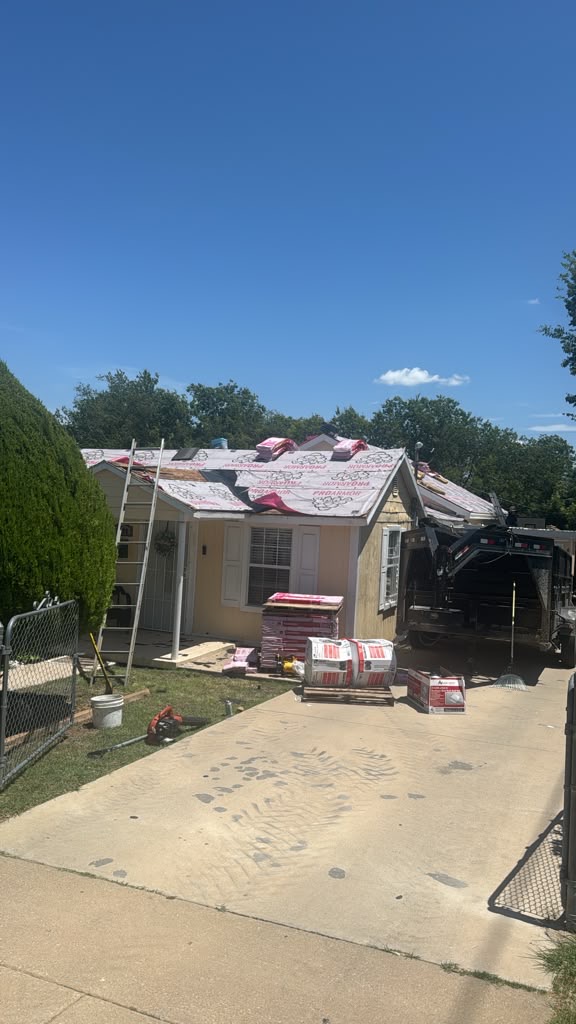
The Unseen Threat: Why Ignoring Roof Issues is a Costly Mistake in 2026
You know that feeling? The one where a tiny drip turns into a full-blown panic, or you notice something just isn't quite right with your home? For many DFW homeowners, that moment of realization often centers on their roof. It's the unsung hero, the protective shield working tirelessly against the North Texas sun, the sudden downpours, and the occasional hailstorm. But just like any hardworking guardian, it needs attention. The problem is, roofs are out of sight, out of mind – until they're not. In 2026, with DFW's unpredictable weather patterns and the constant cycle of home maintenance, understanding when your roof is signaling distress isn't just about aesthetics; it's about safeguarding your biggest investment and your family's comfort. Ignoring those subtle (and not-so-subtle) signs can lead to a cascade of expensive problems, from structural damage to mold growth, impacting not just your home's integrity but also your wallet. It’s a conversation we have with homeowners every single day here in Dallas and Fort Worth – the moment they realize their roof isn't just a covering; it's a critical system that demands timely intervention.
7 Critical Signs Your DFW Roof is Telling You It's Time for a Fix
As a roofing contractor who’s been working on DFW homes for over 13 years, I've seen pretty much everything. And let me tell you, roofs have a way of talking to you if you know what to listen for. It’s not always a loud yell; sometimes it’s a whisper, a subtle hint that something’s not right. But ignoring those whispers can turn them into shouts down the line. Especially here in North Texas, with our unique climate – those scorching summers and sometimes violent spring storms really put a roof to the test. So, let's break down the key indicators that your DFW roof is waving a white flag, and it's time to call in the pros.
1. Leaks and Water Stains
This is the most obvious sign, but it’s critical. Whether it's a new drip after a rainstorm or those tell-tale brown stains appearing on your ceiling or walls, it means water is finding its way in. Don't just put a bucket under it and hope for the best. This indicates a breach in your roof's protective layer that needs immediate attention. Check your attic too; daylight peeking through usually means trouble.
2. Missing, Cracked, or Damaged Shingles
Take a walk around your property after a good wind or storm. Look for shingles that are curled, buckled, cracked, or completely missing. Shingles are your first line of defense. When they're compromised, they can't do their job, leaving the underlayment and your home exposed to the elements. Even small cracks can allow water to seep in.
3. Granule Loss
Most asphalt shingles have a protective layer of mineral granules. Over time, especially with sun exposure and weathering, these granules can loosen and wash off. If you're finding a significant amount of these granules in your gutters or downspouts, it’s a sign your shingles are degrading and losing their protective capabilities. Think of it like shedding skin – eventually, there’s nothing left to protect.
4. Sagging Roof Decking
This is a serious one. If you notice any part of your roofline appearing to sag or dip, it indicates potential structural issues. This could be due to water damage to the underlying wood decking or a failing roof structure. A sagging roof is a major safety concern and needs immediate professional assessment to prevent a collapse.
5. Damaged Flashing
Flashing is the metal material used to waterproof the joints on your roof, like around chimneys, vents, and skylights. If this flashing is loose, rusted, or cracked, it's a prime entry point for water. Over time, the sealant around flashing can degrade, especially with the intense DFW sun.
6. Moss, Algae, or Mold Growth
While often seen as just an aesthetic issue, significant growth of moss, algae, or mold on your roof can be a sign of trapped moisture. This moisture can degrade roofing materials over time and, in some cases, indicate underlying ventilation problems that need to be addressed.
7. Age of the Roof
Asphalt shingles typically last 15-30 years, depending on the quality and climate. If your roof is approaching or has exceeded that age range, it's prudent to have it inspected proactively, even if you don't see obvious signs of damage. Wear and tear are inevitable, and an older roof is more susceptible to failure.
Key Insight
Many homeowners in DFW mistakenly believe a small leak is just an inconvenience. In reality, a roof leak, no matter how small, is a symptom of a larger problem that can compromise your home's structural integrity, lead to costly mold infestations, and significantly reduce your property's value if left unaddressed. Proactive inspection and repair are always more cost-effective than reactive emergency fixes.
Beyond Aesthetics: How Roof Damage Impacts Your Home's Structural Integrity
It's easy to think of roof damage as just an aesthetic problem – some missing shingles, a stained ceiling. But the reality is, your roof is an integral part of your home's overall structural system. When it's compromised, the problems don't stay on the roof. Water intrusion is the biggest culprit here. Once water gets past the shingles and underlayment, it can wreak havoc on the wooden framing beneath – the rafters, trusses, and the sheathing that makes up your roof deck. This wood can rot, weaken, and lose its load-bearing capacity. In severe cases, this can lead to visible sagging, as we mentioned, or even the terrifying prospect of a roof collapse. But it’s not just about the wood. Water seeping into your attic can soak insulation, drastically reducing its effectiveness and leading to higher energy bills. Worse still, that damp environment is a breeding ground for mold and mildew. Mold doesn't just look bad; it can spread quickly, creating significant health hazards for your family and requiring extensive, expensive remediation. The longer you delay repairs, the more widespread and damaging these issues become, turning a manageable roof repair into a costly structural overhaul. For DFW homeowners, understanding that a roof is more than just shingles is the first step in protecting their home's core integrity.
Don't fall for the "quick patch" mentality for significant roof damage. While a temporary patch might stop a leak for a few days, it rarely addresses the underlying cause. This can lead to hidden damage accumulating over time, making the eventual repair far more expensive and complex. Always seek a professional assessment to understand the full scope of the problem.
The Financial Fallout: Understanding the Rising Costs of Deferred Roof Maintenance
Let's talk numbers, because that's often what hits home. Procrastinating on roof maintenance or repairs is one of the most common, and most expensive, mistakes a homeowner can make. Think of it like a small cavity in your tooth; ignoring it might seem fine for a while, but eventually, you're looking at a root canal, which is far more involved and costly than a simple filling. The same applies to your roof. A few missing shingles might cost a few hundred dollars to replace. But if those missing shingles allow water to rot the decking, damage insulation, and lead to mold growth in your attic, you're suddenly looking at thousands, potentially tens of thousands, of dollars in repairs. We've seen it time and time again here in the DFW area. A homeowner might delay a $500 repair, only to face a $15,000 to $25,000 bill a few years later for a full roof replacement due to extensive structural damage and mold remediation. Not to mention the potential for interior damage to drywall, paint, and even furniture.
Timely Repair (Example)
Addresses immediate issue, prevents further damage. Extends roof life.
Deferred Maintenance (Example)
Includes roof replacement, structural repairs, insulation, mold remediation, interior damage. Significantly higher cost and stress.
The Insurance Information Institute reports that homeowners often underestimate the cost of roof repairs, and failing to address minor issues can lead to denied insurance claims for larger, subsequent damages. In 2026, with rising material and labor costs, the financial impact of delaying is only amplified. It’s a simple equation: invest a little now to save a lot later. Don't let a small problem become a financial disaster.
Source: Insurance Information Institute, 2023Keep a record of your roof's age and any past repairs. This information is invaluable when assessing its current condition and planning for future maintenance or replacement. It also helps when dealing with insurance companies.
Navigating the DFW Weather: How Storms Accelerate Roof Deterioration
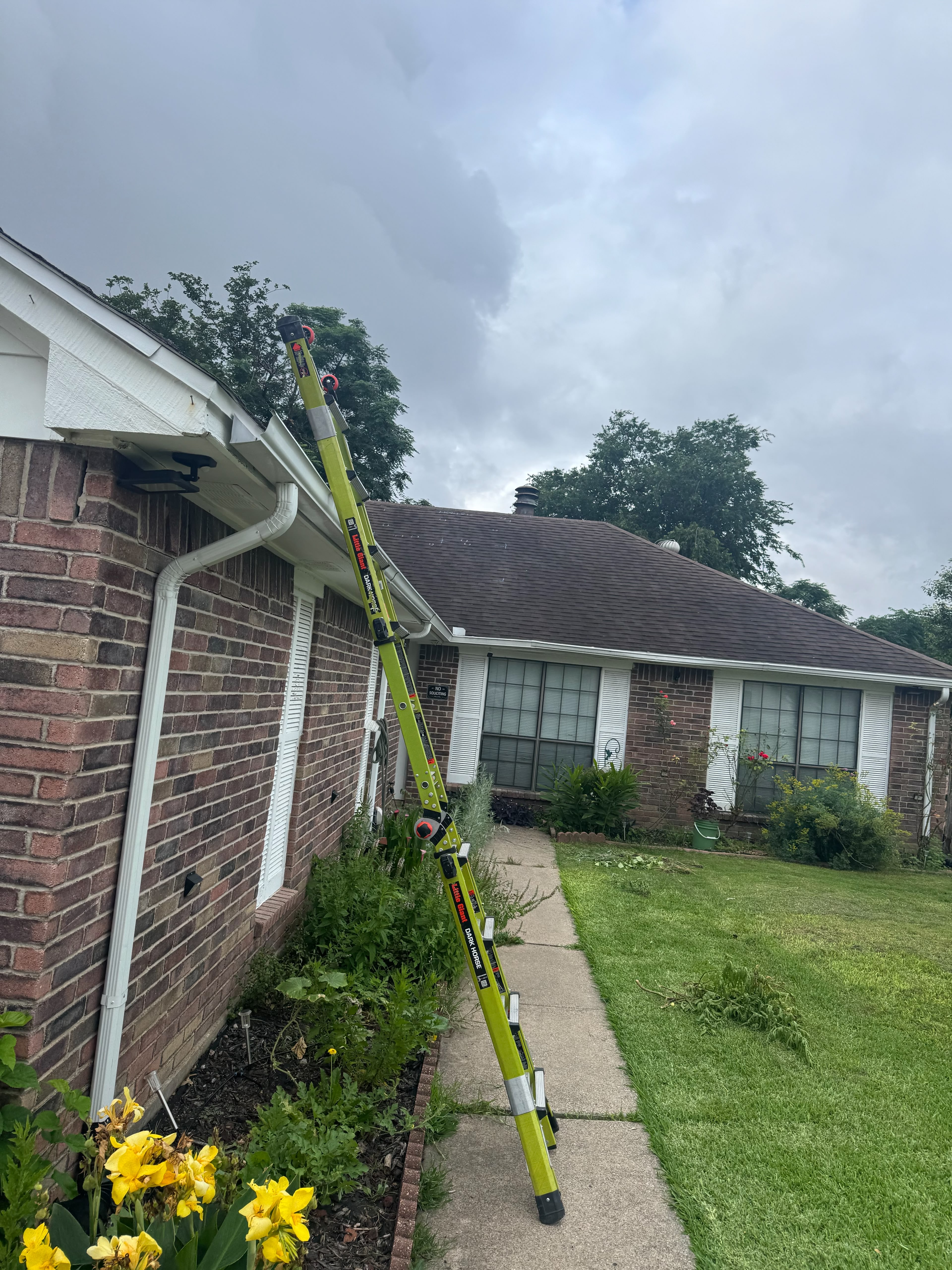
Living in DFW means embracing a lot of sunshine, but it also means bracing for some serious weather. Our climate is notorious for its extremes, and these conditions are the primary accelerators of roof deterioration. Let’s break down how:
It's this relentless cycle of heat, wind, and impact that makes DFW roofs work overtime. A roof that might last 30 years in a milder climate could have its lifespan cut significantly short here. This is precisely why regular, professional inspections are non-negotiable for North Texas homeowners. We need to identify storm damage and wear-and-tear before it escalates into major structural issues. The materials we use and the installation methods we employ are specifically chosen to withstand these harsh DFW conditions, but even the best roofs need a watchful eye.
Storm Chasers vs. Local Experts
After a major storm, DFW can see an influx of "storm chasers" – contractors who swoop in from out of town, eager to cash in. While some are legitimate, many are not. They often do shoddy work, disappear after collecting payment, and leave homeowners with inadequate repairs and no warranty. As a local DFW contractor with over 13 years of experience, Montesco Roofing is here year-round, committed to quality craftsmanship and standing behind our work. We understand the specific challenges of North Texas weather and are invested in the long-term well-being of our community's homes.
The Importance of Manufacturer Certifications
Choosing a contractor who is certified by major manufacturers like GAF or Owens Corning means they've met rigorous standards for installation and customer service. This often translates to better warranties and peace of mind. It's a sign that the installer knows the products inside and out, ensuring they perform as intended, especially under the stress of DFW weather.
DIY vs. Professional: When to Call the Experts for Your DFW Roof
It’s tempting, especially with rising costs, to think about tackling some home maintenance yourself. And for minor tasks, like cleaning out gutters or replacing a few loose shingles on a shed, maybe that’s feasible. But when it comes to your main home's roof, especially here in DFW where the stakes are so high, DIY is rarely the answer for anything beyond a basic visual inspection. Why? For starters, safety. Working on a roof is inherently dangerous. Falls can lead to severe injuries or worse. Beyond that, there’s the issue of expertise. Do you know how to properly identify the extent of storm damage? Do you understand the building codes for roofing in Dallas or Fort Worth? Do you have the right tools and materials to ensure a lasting repair, not just a temporary fix? Most importantly, improper repairs can void manufacturer warranties on your roofing materials. When you hire a professional roofing contractor like Montesco Roofing, you're not just paying for labor; you're investing in:
Why Professional Roofing is Essential
- Safety: Trained professionals with proper safety equipment.
- Expertise: Years of experience identifying and solving complex roofing issues.
- Proper Materials: Access to high-quality, durable materials suited for DFW weather.
- Warranty Protection: Ensuring your repairs and materials are backed by guarantees.
- Insurance Claim Assistance: Navigating the often-complex process of filing storm damage claims.
- Code Compliance: Ensuring all work meets local building regulations.
Think about it: a DIY repair might save you a few dollars upfront, but if it fails, leaks, or causes further damage, the cost to fix those mistakes will far outweigh the initial savings. For anything beyond a quick visual check from the ground, it’s always best to trust the professionals. We've spent over a decade honing our skills and understanding the nuances of protecting DFW homes.
How to Get This Done
If you want to handle the initial assessment yourself, here's exactly what you need to do: safely observe your roof from the ground with binoculars, check your attic for any signs of water intrusion, and look for damaged shingles. If you notice any of the signs discussed, or if your roof is nearing the end of its lifespan, it's time to call experienced roofers. Our team at Montesco Roofing has assessed and repaired hundreds of DFW homes, ensuring quality workmanship and durable solutions. Here's how our process works: We start with a thorough, no-obligation inspection, provide a detailed estimate, and then execute the repair or replacement with minimal disruption to your life, always adhering to the highest standards.
Your Trusted Partner: How Montesco Roofing Assesses and Fixes Your Roof
When you call Montesco Roofing, you're not just calling a contractor; you're bringing in a team that treats your home like our own. For over 13 years, we've been dedicated to protecting DFW families from the elements. Our process is designed to be thorough, transparent, and stress-free for you. Here’s what you can expect when you decide it’s time to fix your roof:
1. The Initial Consultation & Inspection
It all starts with a conversation. We listen to your concerns, what you've observed, and any history of issues. Then, one of our experienced inspectors will conduct a comprehensive, complimentary evaluation of your roof. We'll get up there (safely, of course) and meticulously examine every aspect: shingles, flashing, gutters, ventilation, decking, and any signs of past damage or potential future problems. We’re looking for those subtle signs that might escape a less experienced eye.
2. Detailed Assessment and Explanation
After the inspection, we sit down with you. No jargon, no sales pressure – just a clear, honest explanation of our findings. We'll show you photos and explain exactly what's going on with your roof, why it's happening, and what needs to be done. Whether it's a minor repair or a full replacement, you'll understand the scope of work and the recommended solution.
3. Transparent, Itemized Estimate
You'll receive a detailed, easy-to-understand estimate outlining all costs involved. We believe in upfront pricing. There are no hidden fees or surprises down the road. This estimate will clearly detail the materials to be used, labor, and any other associated costs. We want you to feel confident and informed every step of the way.
4. Professional Installation & Quality Craftsmanship
Once you approve the estimate, our skilled roofing crews get to work. We use only high-quality materials from reputable manufacturers, and our installation techniques are second to none. We pride ourselves on meticulous craftsmanship, ensuring every shingle is laid correctly, every seal is secure, and your home is protected according to the highest industry standards. We always aim to leave your property cleaner than we found it.
5. Final Walk-Through and Warranty
Before we consider the job done, we conduct a final walk-through with you to ensure you're completely satisfied. We’ll answer any last questions and then provide you with all the warranty information for both the materials and our workmanship. Our commitment doesn't end when the job is complete; we're here for you long after.
"Montesco Roofing was incredibly professional and efficient. They identified issues I never would have noticed myself and fixed my roof quickly after the last storm. I felt confident with their expertise and fair pricing."— A Satisfied DFW Homeowner
Frequently Asked Questions About DFW Roof Repairs
Frequently Asked Questions About DFW Roof Repairs
How often should I have my DFW roof inspected?
What is the average lifespan of a roof in DFW?
Can I file an insurance claim for roof damage in DFW?
How do I know if I need a roof repair or a full replacement?
What are the most common causes of roof damage in DFW?
How long does a typical roof repair or replacement take?
Need help putting this into action? Our team has protected hundreds of DFW homes. Tell us about your roof — free inspection, no pressure.
Get Your Free Roof Inspection →Montesco Roofing Team
DFW's trusted roofing contractor with 13+ years of experience. Specializing in roof replacements, storm damage repair, and insurance claims across Dallas-Fort Worth.
Get in touch →