DFW Roof Damage: Could Insurance Cover Your Repairs
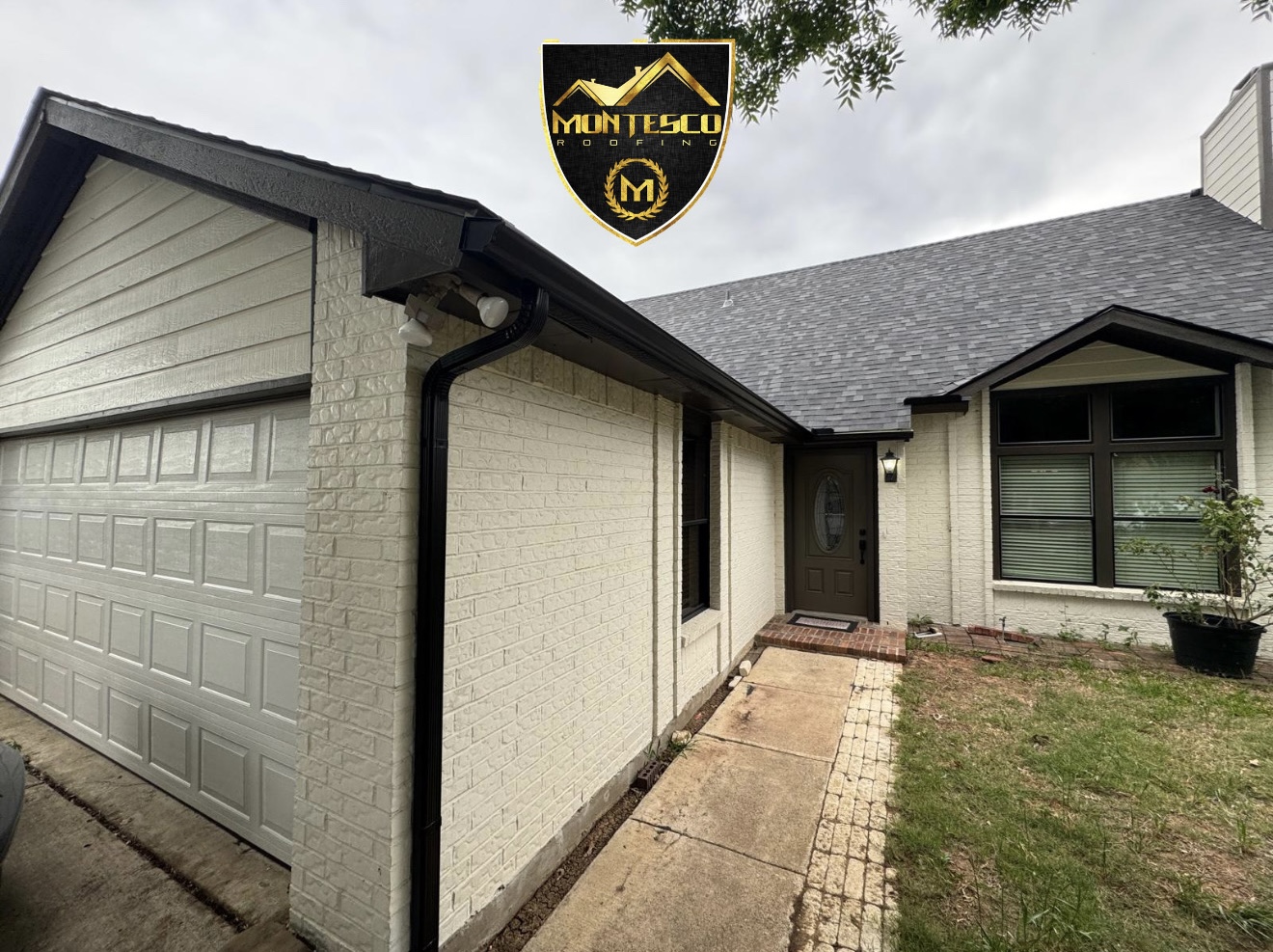
The Hidden Costs of DFW Roof Damage: Why Waiting Isn't an Option in 2026
You just noticed a water stain on your ceiling after that last big storm rolled through North Texas. Or maybe your neighbor mentioned seeing some shingles missing after the high winds last week. That's not just a cosmetic issue; it's a flashing red light for your home's health and your wallet. In DFW, we know that our weather can be unpredictable, and a damaged roof isn't just an inconvenience – it’s a ticking time bomb for more serious, expensive problems. Ignoring it means dealing with mold growth, damaged insulation, compromised structural integrity, and even electrical hazards. The longer you wait, the more the damage spreads, making repairs more complex and costly. We've seen it too many times here in the Metroplex: a small issue that could have been fixed for a few hundred dollars turns into a multi-thousand dollar catastrophe because it was left unaddressed.Don't assume your insurance company will automatically offer you a fair settlement. Many initial offers are based on a quick assessment and may not account for all the damage. Document everything meticulously and understand your policy.
Don't confuse damage from a sudden storm event with damage from neglect or normal aging. Insurance policies are designed to cover unexpected damage, not the natural deterioration of your roof over time. If your roof is 15-20 years old and showing signs of age, your insurer might attribute any issues to wear and tear, not a covered event.
- Mold and Mildew: Dampness in attics and walls creates a perfect breeding ground for mold, which can cause serious health issues and be incredibly difficult and expensive to remediate.
- Structural Damage: Rotting wood, weakened decking, and compromised supports can jeopardize the entire structure of your home.
- Insulation Degradation: Wet insulation loses its R-value, meaning your HVAC system has to work harder, driving up your energy bills.
- Electrical Hazards: Water seeping into your attic can come into contact with electrical wiring, creating a serious fire risk.
Is Your DFW Roof Damage Covered? Understanding Your Insurance Policy's Scope
Your homeowners insurance policy is your first line of defense when something unexpected happens to your home. But it’s not a magic wand. It’s a contract, and like any contract, you need to understand the fine print. Here in DFW, the most common types of weather events that cause roof damage are hail and wind. Most standard homeowners policies (like HO-3 policies, which are common in Texas) are designed to cover damage from these "perils."Key Insight
The crucial distinction your insurance company will make is between "sudden and accidental" damage and "gradual deterioration" or "lack of maintenance." A hailstorm that blasts your shingles is sudden and accidental. A roof that has leaked for years because the homeowner never replaced the worn-out flashing is considered gradual deterioration or neglect, and thus, likely not covered.
- Covered Perils: Look for sections that list "covered perils." This typically includes things like fire, windstorm, hail, vandalism, and falling objects.
- Exclusions: Just as important are the exclusions. Common exclusions for roofs include:
- Wear and tear
- Deterioration
- Rust or other corrosion
- Mold, fungi, or wet rot (unless it's a direct result of a covered peril)
- Damage from insects or vermin
- Mechanical breakdown
- Damage from flood or earth movement (these usually require separate policies)
- Deductible: This is the amount you pay out-of-pocket before your insurance kicks in. DFW homeowners often have a separate deductible for wind and hail damage, which can be a percentage of your home's coverage (e.g., 1% or 2%) rather than a flat dollar amount. This is a critical detail to understand.
- Coverage Limits: Your policy will have a dwelling coverage limit, which is the maximum the insurer will pay to rebuild your home. Make sure this limit is sufficient to cover a full roof replacement if needed.
"Understanding your deductible, especially the percentage-based wind/hail deductible common here in Texas, is paramount. It can significantly impact what you'll actually receive for a claim. We always advise homeowners to know this number before a storm hits."— A seasoned DFW roofing contractor
Quick Answer Summary: Your DFW roof damage is likely covered if it's due to sudden events like hail or wind, as long as your policy doesn't exclude it and you've met your deductible. However, understanding policy specifics, exclusions, and potential code requirements for full replacement is crucial for a successful claim.
7 Critical Steps to Determine if Your DFW Roof Damage is Covered Now
So, you've seen something that looks like damage. What do you do next? Acting quickly and systematically is key to ensuring you get the coverage you deserve. Here's a step-by-step guide to navigating the process, especially relevant for homeowners in Dallas, Fort Worth, and the surrounding areas in 2026.Step 1: Document the Damage Immediately
As soon as you suspect damage, take pictures and videos. From the ground, use a zoom lens to capture close-ups of any visible issues: missing shingles, dents, granule loss, or sagging areas. If it's safe and you have a ladder, get a closer look at the roof itself. Document the date and time of the damage if possible (e.g., right after a storm).
Step 2: Check Your Attic for Water Intrusion
Head into your attic with a flashlight. Look for any signs of daylight coming through the roof deck, water stains on the rafters or sheathing, or damp insulation. This is often the first indicator of a leak that might not be visible from the ground.
Step 3: Collect Granules from Your Gutters
Hail and wind can dislodge asphalt granules from your shingles. Check your gutters and downspouts for an unusual amount of black or grey granules. A small amount is normal, but a significant accumulation after a storm is a strong sign of shingle damage.
Step 4: Review Your Insurance Policy Details
Pull out your homeowners insurance policy documents. Pay close attention to the "Coverage A - Dwelling" section, your deductible (especially the wind/hail deductible), and any specific exclusions related to roofing. If you can't find them, contact your insurance agent immediately.
Step 5: Contact Your Insurance Agent or Company
Report the suspected damage promptly. Most policies require you to report damage within a certain timeframe. Be prepared to provide details about the storm event and the damage you've observed. They will likely schedule an adjuster to come out.
Step 6: Get a Professional Roof Inspection
This is where an experienced DFW roofing contractor like Montesco Roofing becomes invaluable. We know what to look for, understand insurance claim requirements, and can identify damage that an untrained eye (or even a hurried insurance adjuster) might miss. We can provide a detailed report and estimate to support your claim.
Step 7: Compare Estimates and Understand Your Options
Once you have an estimate from your insurance company and a detailed assessment from a qualified roofer, compare them. If there's a significant discrepancy, you may need to request a supplement or negotiate with your insurer. This is where having a contractor who understands the claims process is crucial.
How to Get This Done
DIY Inspection: If you're comfortable and it's safe, you can perform steps 1-3 yourself. Take clear photos and notes. Professional Inspection: For a comprehensive assessment that insurance companies respect, Montesco Roofing offers free, no-obligation roof inspections. Our DFW-based experts are trained to identify storm damage and help you understand your next steps with your insurance.
DFW Roof Damage vs. Insurance Coverage: What Adjusters Look For
Insurance adjusters are trained to assess damage and determine if it's covered under your policy. While their goal is to be objective, it's important to understand their perspective and what they're specifically looking for when inspecting a roof in DFW.Key Insight
Adjusters are looking for evidence of damage that meets specific criteria for a covered peril. This means they're not just looking for any imperfection, but for marks that can be directly attributed to a recent storm event (like hail or high winds) and are significant enough to warrant repair or replacement according to industry standards and your policy.
- Type of Damage:
- Hail: They'll look for circular impact marks on shingles, often described as "bruises" or "dings." They'll also check for denting on metal components like flashing, gutters, or HVAC units. The size and depth of hail are critical.
- Wind: This includes missing shingles, lifted shingles (where the sealant is broken), torn shingles, and damage to flashing or ridge caps. They'll try to determine if the wind was strong enough to cause this type of damage according to industry standards.
- Other Debris: Damage from falling tree limbs or other objects is usually straightforward to assess if the object is still present or the impact is clear.
- Severity of Damage:
- Shingle Condition: They'll assess the overall condition of the shingles. Are they brittle, cracked, or excessively worn? This can lead to denial if attributed to age. They’ll look for granule loss patterns consistent with hail or wind.
- Coverage of Damage: For hail, adjusters often look for a certain number of impacts per a specific square footage (e.g., 6-10 impacts per 100 sq ft) to justify replacement. For wind, they'll look for a pattern of damage, not just isolated instances.
- Age and Condition of the Roof:
- An older roof showing signs of general wear and tear is more likely to have damage attributed to age rather than a storm. They'll note the approximate age of the roof and its general condition.
- Code Compliance:
- In some cases, if a roof is significantly damaged, local building codes might require that the entire roof be replaced, even if only a portion is damaged. Insurance companies often have to pay for the full replacement in these situations. This is a major point where a knowledgeable contractor can guide you.
Insurance adjusters are not roofers. Their primary job is to assess damage against your policy. They may not have the in-depth knowledge of roofing materials, installation techniques, or code requirements that a seasoned DFW roofing contractor possesses. This is why a second opinion from a qualified roofer is so important.
When the adjuster visits, be present if possible. Point out the damage you've observed. Don't be afraid to ask questions about their assessment. Having your contractor present during the adjuster's inspection can also be beneficial, as they can speak directly to the roofing aspects of the damage.
DIY vs. Professional DFW Roof Damage Assessment: The Cost of Getting it Wrong

| Feature | DIY Roof Damage Assessment | Professional Roof Damage Assessment (Montesco Roofing) |
|---|---|---|
| Cost | Free (if you don't factor in your time and potential safety risks) | Free Inspection (no obligation) |
| Depth of Inspection | Surface-level; limited to what's visible from the ground or a quick attic check. May miss subtle damage. | Comprehensive; includes detailed inspection of shingles, decking, flashing, ventilation, gutters, and attic. Identifies hidden damage. |
| Expertise | Homeowner's general knowledge. | 13+ years of specialized DFW roofing experience. Knowledge of local storm patterns, materials, and insurance claim processes. |
| Documentation | Personal photos/notes. May lack professional format. | Detailed report with high-resolution photos, measurements, and expert analysis. Often includes manufacturer specifications and code references. |
| Insurance Claim Support | Limited; may not be taken as seriously by adjusters. | Strong support. Our reports are designed to meet adjuster requirements and advocate for your claim. We can help identify discrepancies and negotiate supplements. |
| Identifying Hidden Damage | Very difficult. Often misses compromised decking, underlayment tears, or subtle granule loss patterns. | High likelihood. We know where to look for damage that isn't immediately obvious. |
| Safety Risk | Significant if climbing on a ladder or roof without proper training/equipment. | Minimal for homeowner. Our team is trained and equipped for safe roof inspections. |
| Long-Term Value | May lead to missed damage, requiring more costly repairs later. | Ensures you get the full coverage you're entitled to, preventing future problems and saving money. Protects your investment. |
Key Insight
While you can spot obvious issues yourself, a professional assessment is crucial for a successful insurance claim. A qualified roofer can identify subtle damage, understand the nuances of your policy, and provide the detailed documentation needed to ensure your claim is approved for the full scope of work required.
Be wary of contractors who pressure you into signing a contract before you've even filed an insurance claim or received an adjuster's report. A reputable contractor will work with you and your insurance company, not try to bypass the process. Also, avoid contractors who go door-to-door immediately after a storm unless you've specifically requested their services; these are often "storm chasers" who may not have your best interests at heart.
Navigating Your DFW Roof Insurance Claim: Montesco Roofing's Expert Guidance
Dealing with a damaged roof and an insurance claim can feel overwhelming. At Montesco Roofing, we've been helping homeowners across DFW navigate this process for over 13 years. We understand the local climate, the common types of damage, and the intricacies of working with insurance companies. Our goal is to make this process as smooth and stress-free as possible for you.Don't feel like you're alone in this. Your insurance company has adjusters and claims specialists; you should have an expert on your side too. A good roofing contractor acts as your advocate, ensuring your roof is repaired or replaced to the highest standards and that you receive fair compensation.
- Initial Inspection and Assessment: We'll conduct a thorough, no-cost inspection to identify all storm-related damage. We'll document our findings with high-quality photos and detailed notes.
- Insurance Claim Assistance: We can help you initiate the claim process with your insurance company and provide them with our assessment. We understand the language and requirements of insurance adjusters.
- Meeting with the Adjuster: We often recommend that you have us present when your insurance adjuster visits. We can point out all the damage and ensure the adjuster doesn't miss anything critical.
- Estimating and Supplementing: We'll prepare a detailed estimate for the repairs or replacement, ensuring it aligns with industry standards and manufacturer specifications. If the adjuster's initial estimate is lower than what's needed, we'll prepare a "supplemental claim" to request the additional funds you're entitled to.
- Material and Color Matching: We'll help you select matching shingles and ensure all materials meet or exceed local building codes and manufacturer recommendations.
- Quality Installation: Once your claim is approved, our skilled crew will perform the repair or replacement using high-quality materials and proven installation techniques. We're not just fixing your roof; we're restoring your peace of mind.
- Warranty and Follow-Up: We stand behind our work with a strong workmanship warranty. We're here for you long after the job is done.
"Montesco Roofing was a lifesaver! After that big hail storm in 2024, I was dreading dealing with the insurance. They guided me through every step, met with the adjuster, and made sure my roof was perfectly repaired. I couldn't have done it without them!"— Satisfied DFW Homeowner
Navigating Your Claim
DIY Claim: You can manage the claim yourself, but it requires significant time, understanding of insurance jargon, and the ability to negotiate effectively. Montesco Roofing's Guidance: Let our 13+ years of DFW experience work for you. We simplify the process, advocate for your coverage, and ensure a quality repair. Get started with a free inspection today.
Common DFW Roof Damage Scenarios & Their Insurance Coverage Likelihood
Understanding how different types of damage are typically handled by insurance can help you assess your situation. Here are some common scenarios DFW homeowners face:Hail Damage
Likelihood of Coverage: High, if properly documented.
Hail storms are frequent in DFW. Insurance typically covers hail damage if it's significant enough (e.g., dents on metal, impact marks on shingles) and can be attributed to a specific storm. Adjusters look for patterns and severity. We ensure all damage, including subtle granule loss and underlayment issues, is accounted for.
Wind Damage
Likelihood of Coverage: High, if properly documented.
High winds can lift, tear, or displace shingles. Insurance covers this if the damage is clearly from the wind event. Isolated missing shingles might be harder to claim than widespread lifting or damage to ridge caps. We assess the extent of wind uplift and any resulting compromised seals.
Heavy Rain / Water Intrusion (without obvious storm event)
Likelihood of Coverage: Varies greatly; often low if considered neglect.
If rain causes leaks due to old seals, worn-out flashing, or clogged gutters, it's often considered wear and tear or lack of maintenance. However, if a sudden, violent downpour causes damage to an otherwise well-maintained roof (e.g., overwhelms drainage), there might be a case, but it's harder to prove.
Falling Debris (Tree Limbs, etc.)
Likelihood of Coverage: High.
Damage from falling objects like tree limbs is almost always covered, as it's a clear "sudden and accidental" event. The main task is to document the damage and ensure the repair is done correctly, especially if structural components were affected.
Age and General Wear & Tear
Likelihood of Coverage: Very Low.
Roofs have a lifespan. Shingles degrade, seals weaken, and materials become brittle over time. Insurance is not designed to pay for the natural aging of your roof. If damage is clearly due to age, it won't be covered.
Improper Installation
Likelihood of Coverage: Varies; often denied by original insurer.
If a previous installation was faulty and led to damage, your current insurance may deny the claim, suggesting you pursue the original installer. This is why choosing a reputable, experienced contractor like Montesco Roofing from the start is so vital.
Key Insight
The key differentiator for insurance coverage is almost always the cause of the damage. Was it a sudden, unexpected event (storm, falling object), or was it a gradual process due to age, neglect, or poor maintenance? This is why prompt reporting and professional assessment are so critical.
Frequently Asked Questions About DFW Roof Damage Insurance Claims
Frequently Asked Questions
What is the typical wind and hail deductible in DFW?
How long do I have to file a roof damage claim after a storm?
Can my insurance company deny my claim for an older roof?
What if my insurance adjuster and my roofer disagree on the damage?
Does insurance cover the cost of bringing my roof up to current building codes?
Can I use any roofer I want, or do I have to use one recommended by my insurance company?
Need help putting this into action? Our team has protected hundreds of DFW homes. Tell us about your roof — free inspection, no pressure.
Get Your Free Roof Inspection →Montesco Roofing Team
DFW's trusted roofing contractor with 13+ years of experience. Specializing in roof replacements, storm damage repair, and insurance claims across Dallas-Fort Worth.
Get in touch →