The Path of a Raindrop

The Invisible Journey: How a Single Raindrop Impacts Your DFW Roof
You see the rain, you hear it drumming on the roof, and maybe you even feel a little relief from the Texas heat. But what you don't often see is the intricate journey a single raindrop takes across your roof, and how that journey, especially during a DFW storm, can start a cascade of hidden damage. Here in North Texas, we're no strangers to intense weather. From sudden downpours to hail, the forces of nature are constantly testing the integrity of our homes. It's not just about the big, visible hail impacts; it's about the persistent, often unnoticed, work of water. Understanding this process is key to protecting your biggest investment.Don't underestimate the power of water. Even minor leaks, if left unaddressed for months after a storm, can lead to structural rot and mold issues that are far more expensive to fix than the initial leak.
Beyond the Puddle: Unseen Forces of DFW Storms on Your Roofing System
When we talk about DFW storms, most people immediately think of hail. And yes, hail can cause significant, immediate damage. But the relentless force of wind-driven rain, especially during a severe thunderstorm, can be just as destructive, if not more so in the long run. Wind can lift shingles, forcing water underneath where it's not supposed to go. It can drive rain into tiny cracks and gaps that might otherwise be inconsequential. The sheer volume of water in a Texas downpour can overwhelm your gutters and downspouts, causing water to back up against your fascia and soffits, leading to rot.Many homeowners focus solely on hail damage. However, the persistent force of wind-driven rain during a storm can quietly compromise your roof's integrity, leading to leaks weeks or months later.
Key Insight
In 2026, the DFW homeowner needs to understand that a roof is a multi-layered system. Damage to one layer, like a shingle, doesn't automatically mean the entire system is compromised, but it's the first step in a potential chain reaction that can lead to expensive damage if not caught early.
7 Critical Spots Where Raindrops Cause Hidden Roof Damage in 2026
When a raindrop starts its journey, it's usually heading downhill. But the design of your roof isn't always a simple slope. Valleys, edges, penetrations – these are all areas where water can linger or collect, increasing the risk of leaks. Here are seven critical spots where raindrops can cause hidden damage, especially after a DFW storm in 2026:1. Roof Valleys
These are the V-shaped channels where two sloping roof planes meet. They're designed to direct large amounts of water away, but if the flashing is damaged or the shingles are compromised, water can back up and seep into the attic.
2. Chimneys and Vent Pipes
Every penetration through your roof is a potential weak point. The flashing around these areas – metal pieces designed to seal the gap – can crack, rust, or be dislodged by wind, allowing water to enter. This is a common culprit for attic leaks.
3. Skylights
Similar to chimneys, skylights have complex flashing systems. Sealants can degrade over time, and wind can force water around the edges, especially during heavy rain. Leaks around skylights can be particularly damaging to interior ceilings and walls.
4. Drip Edge and Fascia
The drip edge is a metal flashing installed along the roof edges. It's meant to direct water away from the fascia and into the gutters. If it's damaged, bent, or missing, water can run behind it, rotting the fascia board and potentially entering the eaves.
5. Gutter Outlets and Downspouts
While not technically on the roof, clogged gutters and downspouts cause water to pool at the roof's edge, leading to saturation of the fascia and soffit. If the connection points (outlets) are compromised, water can also leak directly into the walls.
6. Dormers and Wall Intersections
Where a dormer or a new roof plane meets a vertical wall, complex flashing is required. Improper installation or damage here is a prime spot for water intrusion, often leading to hidden damage within wall cavities.
7. Missing or Damaged Shingles
This is the most obvious entry point. A shingle that's curled, cracked, torn, or completely missing exposes the underlayment. Even if the underlayment is intact, it's not designed to be a long-term waterproof barrier. Water will eventually find its way through.
How to Get This Done
Regular visual inspections from the ground can help spot obvious issues like missing shingles. However, for a thorough check of critical areas like flashing and underlayment, especially after a storm, a professional inspection is recommended. Our team at Montesco Roofing uses specialized tools and extensive experience to identify these hidden damage points on DFW homes.
The $10,000 Mistake: Why Ignoring Minor Water Stains Leads to Catastrophe
It starts small. A faint water stain on your ceiling. Maybe it's in the corner of a bedroom, or near a light fixture. Your first thought might be, "It's just a little water, I'll get to it." But that little stain is a symptom, a distress signal from your home. By the time you see that stain on the inside, water has already made its way through multiple layers of your roofing system and potentially the attic insulation and ceiling drywall.A water stain on your ceiling is often just the tip of the iceberg. The real damage could be extensive rot in your roof decking, compromised insulation, and even mold growth hidden within your attic or walls.
Key Insight
The cost of a proactive roof inspection and minor repair after a storm is minuscule compared to the cost of addressing extensive water damage, rot, and mold that can develop over months or even years if the initial leak is ignored.
Ignoring a Small Leak
Potential for extensive interior damage, mold, structural rot, and full roof replacement. Can easily exceed $10,000.
Prompt Professional Inspection & Repair
Addresses the root cause, preventing further damage and costly secondary issues. Typically a fraction of the cost of major repairs.
Your DFW Roof's First Line of Defense: Understanding Drainage Systems
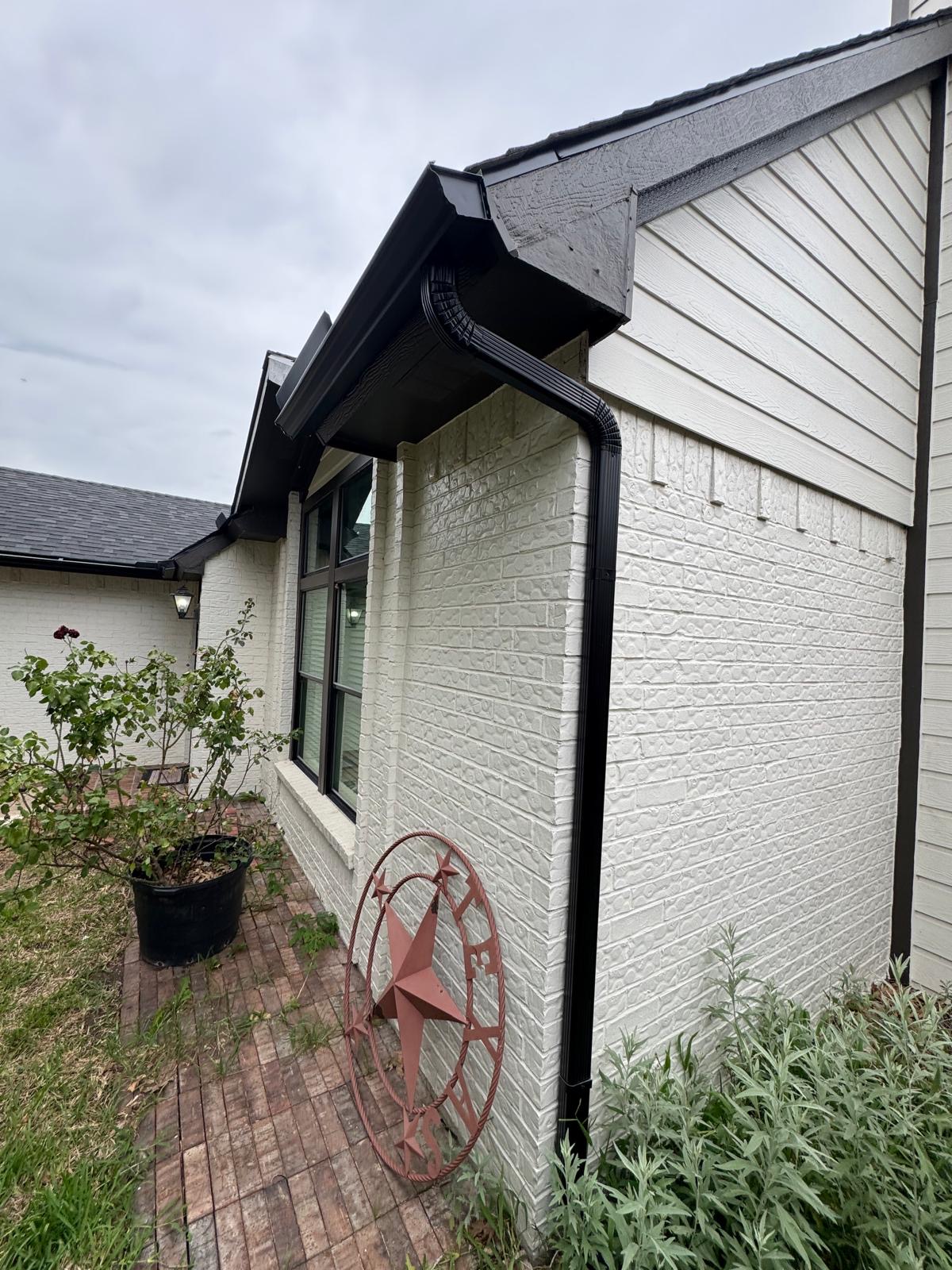
Regularly clear debris from your gutters and downspouts. Clogged gutters are one of the most common causes of water backing up onto your roof and into your home.
- Gutters: These collect water from the eaves.
- Downspouts: These carry water from the gutters to the ground.
- Splash Blocks/Extensions: These direct water away from your foundation.
- Underlayment: The protective layer beneath the shingles that provides a secondary barrier.
- Flashing: Metal or rubber seals around penetrations and in valleys, crucial for directing water.
Key Insight
A well-functioning gutter and downspout system is crucial for preventing water damage to your roof's edge, fascia, soffit, and even your home's foundation. It's the often-overlooked first line of defense against water infiltration.
How to Get This Done
For DIYers, clearing gutters is a manageable task, but always prioritize safety. Ensure you use a sturdy ladder and have someone spot you. If you're uncomfortable with heights or notice significant damage to your gutters, downspouts, or fascia, it’s time to call a professional. Montesco Roofing offers comprehensive roof inspections that include a thorough assessment of your entire drainage system, ensuring it's ready for the next DFW storm.
Action Plan: 5 Steps to Inspect Your Roof After a DFW Storm in 2026
After a significant storm passes through the DFW area, it's crucial to act fast. The longer water sits on or around your roof, the more potential damage it can cause. Here’s a step-by-step guide to inspecting your roof:Step 1: Visual Inspection from the Ground
Walk around your home and look up. Check for any obvious signs of damage: missing shingles, shingles that are curled or lifted, damaged flashing, or debris accumulated on the roof. Also, check your gutters for blockages or detachment.
Step 2: Check Your Attic
If it's safe to do so, go into your attic during daylight. Look for any signs of water intrusion: dark stains on the rafters or decking, damp insulation, or active drips. This is often the first place you'll see evidence of a leak.

3. Inspect Your Gutters and Downspouts
Look for areas where water might be overflowing or pooling. Check if downspouts are securely attached and directing water away from your foundation. Clean out any debris that has accumulated.
4. Document Everything
Take clear photos or videos of any damage you find. This documentation is vital, especially if you need to file an insurance claim. Note the date and time you observed the damage.
5. Note Interior Signs
Beyond attic leaks, check interior ceilings and walls for new water stains, peeling paint, or bubbling drywall. These are clear indicators that water is penetrating your home's protective layers.
Key Insight
Don't wait for a leak to appear inside your home. Proactive inspection after every major DFW storm is the most effective way to catch small issues before they become catastrophic. Your insurance policy likely has a timeframe for reporting storm damage, so acting quickly is essential.
When to Call the Pros: Recognizing the Limits of DIY Roof Checks
While a homeowner's inspection is a crucial first step, there are times when it's absolutely essential to bring in the experts. Your roof is a complex system, and some types of damage are simply not visible or diagnosable without specialized training and equipment.If you see any signs of rot, significant sagging, or suspect damage to flashing or underlayment, it's time to call a professional. These are not DIY fixes and can put you at risk of further damage or injury.
- Visible Shingle Damage: While you can spot missing shingles, identifying subtle granule loss, wind-lifted shingles that haven't torn, or hairline cracks requires a trained eye.
- Compromised Flashing: Damaged or improperly sealed flashing around chimneys, vents, skylights, or in valleys is a major leak source. These areas are tricky to inspect and repair correctly.
- Attic Water Intrusion: If you see stains, mold, or wet insulation in your attic, it indicates a breach that needs immediate professional attention.
- Sagging Roof Decking: Any visible sagging indicates structural damage to the roof deck, which is a serious safety concern.
- Suspected Wind Lift: Even if shingles aren't torn, wind can lift them, compromising their seal and allowing water to get underneath. This is hard to spot from the ground.
- Preparing an Insurance Claim: A professional assessment is critical for a successful insurance claim. We know what to look for and how to document it according to industry standards.
Attempting complex roof repairs yourself can be dangerous and may void manufacturer warranties if not done to code. It's often more cost-effective and safer to hire a qualified professional.
Key Insight
While DIY inspections are valuable for initial awareness, a professional inspection provides a level of detail and expertise that is crucial for identifying hidden damage and ensuring your roof is truly protected, especially after a significant DFW storm.
Montesco Roofing: Your Partner in DFW Roof Protection and Repair
For over 13 years, Montesco Roofing has been the trusted name for homeowners across the Dallas-Fort Worth metroplex. We're not just a roofing company; we're your neighbors, dedicated to protecting your home with the same care and diligence we'd use on our own. We understand the unique challenges of DFW weather – from the intense summer sun to the sudden, violent thunderstorms that can strike any time of year.How to Get This Done
After a storm, your first call should be to a trusted roofing contractor. At Montesco Roofing, we offer free, no-obligation inspections. We'll walk you through the process, document any damage, and help you navigate your insurance claim if necessary. Our goal is to make the process as stress-free as possible and ensure your roof is restored to its optimal condition. Schedule your inspection today and experience the Montesco difference.
Need help putting this into action? Our team has protected hundreds of DFW homes. Tell us about your roof — free inspection, no pressure.
Get Your Free Roof Inspection →Frequently Asked Questions About Raindrop Roof Damage in DFW
How quickly can a small roof leak cause significant damage in DFW?
What's the difference between hail damage and rain damage to a roof?
Should I call a roofer after every DFW storm?
Can a roof be too old to withstand DFW storms?
How does attic ventilation affect water damage?
What should I do if I find water stains on my ceiling but it hasn't rained recently?
Are there specific materials better suited for DFW's climate?
Montesco Roofing Team
DFW's trusted roofing contractor with 13+ years of experience. Specializing in roof replacements, storm damage repair, and insurance claims across Dallas-Fort Worth.
Get in touch →