How North-Facing Roofs in DFW Beat the Heat

You've probably heard people talk about the importance of a home's orientation – how it's positioned on its lot. Most of the time, it's about passive solar heating in the winter or maximizing natural light. But what about the roof? In a place like the Dallas-Fort Worth metroplex, where summer temperatures can be absolutely brutal, the direction your roof faces can make a surprisingly big difference, especially in 2026. It's not just about curb appeal; it's about how your home handles the relentless Texas sun and how much you'll be shelling out for air conditioning.
Quick Answer: In the DFW area, a north-facing roof generally receives less direct sunlight throughout the hottest parts of the day compared to south or west-facing roofs. This leads to lower attic temperatures, reduced cooling costs, and potentially a longer lifespan for roofing materials. While not a magic bullet, it's a significant factor in a home's overall energy efficiency and durability.
The Sun's Path Over DFW: Understanding Solar Exposure
When we talk about a roof's orientation, we're really talking about its relationship with the sun's path across the sky. Here in North Texas, the sun is a powerful force, and its angle changes dramatically throughout the year. In the summer months, from roughly May through September, the sun is high in the sky during the day, and its most intense rays hit our homes from late morning to late afternoon. For a south-facing roof, this means it's taking a direct beating for hours. A west-facing roof gets that intense afternoon sun, which is often the hottest part of the day. East-facing roofs get the morning sun, which is still significant, but the afternoon is usually the primary concern for heat buildup.
A north-facing roof, however, is positioned to receive the sun's rays at a much shallower angle, especially during the crucial summer months. Think of it like holding your hand directly under a spotlight versus holding it slightly off to the side – the side position is much cooler. This reduced direct solar exposure is the key to understanding why orientation matters so much for your DFW home's performance.
North-Facing Roofs: The DFW Summer Advantage
So, what does this mean for a north-facing roof here in DFW? It means less heat absorption. The primary function of a roof is to protect your home, and in the summer, that protection extends to keeping the heat out. When a roof is constantly bombarded by direct sunlight, it gets incredibly hot. This heat then transfers down into your attic space, making your air conditioning system work overtime to cool the living areas below. A north-facing roof, by contrast, stays significantly cooler.
Even with a north-facing roof, proper attic ventilation is crucial. It helps exhaust any heat that does build up, further reducing the load on your HVAC system and preventing moisture issues.
This cooler attic temperature translates directly into a more comfortable home and lower energy bills. Studies have shown that attics can reach temperatures well over 150°F on a hot summer day. By reducing that peak temperature even by 10-20 degrees through strategic orientation, you're making a noticeable difference. For homeowners in Plano, Frisco, or McKinney, where those summer days can feel endless, this advantage is not just a nice-to-have; it's a real cost-saving benefit that starts adding up from day one.
Key Insight
The orientation of your roof is a passive design element that can have a significant impact on your home's energy efficiency. While you can't change your home's orientation after it's built, understanding its benefits can inform future decisions or help you optimize existing features.
Beyond the Shade: How Roof Direction Impacts Energy Bills
Let's get down to brass tacks: your energy bill. The amount of direct sunlight your roof absorbs directly impacts how hard your HVAC system has to work. In DFW, cooling costs are a major part of a homeowner's annual expenses. A south-facing or west-facing roof, especially one with darker shingles, will absorb a tremendous amount of solar energy. This energy is then radiated into your attic and, subsequently, into your living spaces.
A north-facing roof, by receiving less direct solar radiation, means a cooler attic. A cooler attic means your air conditioner doesn't have to run as often or as long to maintain your desired indoor temperature. This can lead to significant savings over the course of a DFW summer. While it's hard to put an exact dollar figure on it without knowing your specific home's insulation, HVAC efficiency, and energy usage habits, industry estimates suggest that proper roof orientation and attic management can contribute to savings of 5% to 15% on cooling costs annually. In 2026, with energy prices being what they are, every bit of savings counts.
Watch Out
Don't confuse a north-facing roof with simply having shade trees. While shade trees are excellent for cooling, a north-facing roof benefits from the sun's angle year-round, not just during peak summer hours. Furthermore, tree debris can cause other roofing issues.
It's also worth noting that the color of your shingles plays a role. Lighter-colored shingles reflect more sunlight, regardless of orientation. However, the inherent advantage of a north-facing roof means that even darker shingles will perform better in terms of heat management compared to their south or west-facing counterparts. When you're looking at roof replacement options in areas like Fort Worth or Arlington, considering the orientation alongside material and color is a smart move for long-term energy efficiency.
The Lifespan Equation: North vs. South-Facing Roofs in Texas
The relentless heat and UV exposure that Texas summers bring are tough on roofing materials. Think of your shingles as being constantly baked. This constant thermal stress – the expansion and contraction from heat and subsequent cooling – can significantly shorten a roof's lifespan. Materials like asphalt shingles, while designed to be durable, are not immune to the effects of prolonged, intense heat.
A north-facing roof, by staying cooler, experiences less of this thermal cycling. The materials remain more stable, reducing the likelihood of premature cracking, curling, or granule loss. This means that a roof on a home oriented to the north can potentially last longer than a roof on a similar home oriented to the south or west, assuming all other factors (material quality, installation, maintenance) are equal. For homeowners in DFW, where replacing a roof is a significant investment, extending that lifespan even by a few years can represent substantial savings over time. This is a critical consideration when planning for a roof replacement.
Roof Orientation Impact on Lifespan
North-Facing Roof: Experiences less direct solar radiation, leading to lower temperatures and reduced thermal stress. This generally results in a longer material lifespan.
South/West-Facing Roof: Bears the brunt of the intense summer sun, leading to higher temperatures and increased thermal cycling. This can accelerate material degradation and shorten lifespan.
When you're considering a new roof, especially if you're in a community like Rowlett or Garland, it's worth discussing this with your roofing contractor. While you can't change the orientation of your existing home, understanding this principle helps in choosing materials that are best suited for your home's specific sun exposure and in ensuring proper installation techniques that maximize durability. A well-installed roof, regardless of orientation, is always the goal, but a north-facing orientation provides an inherent advantage in the battle against the Texas heat.
Material Matters: How Orientation Affects Shingle Performance
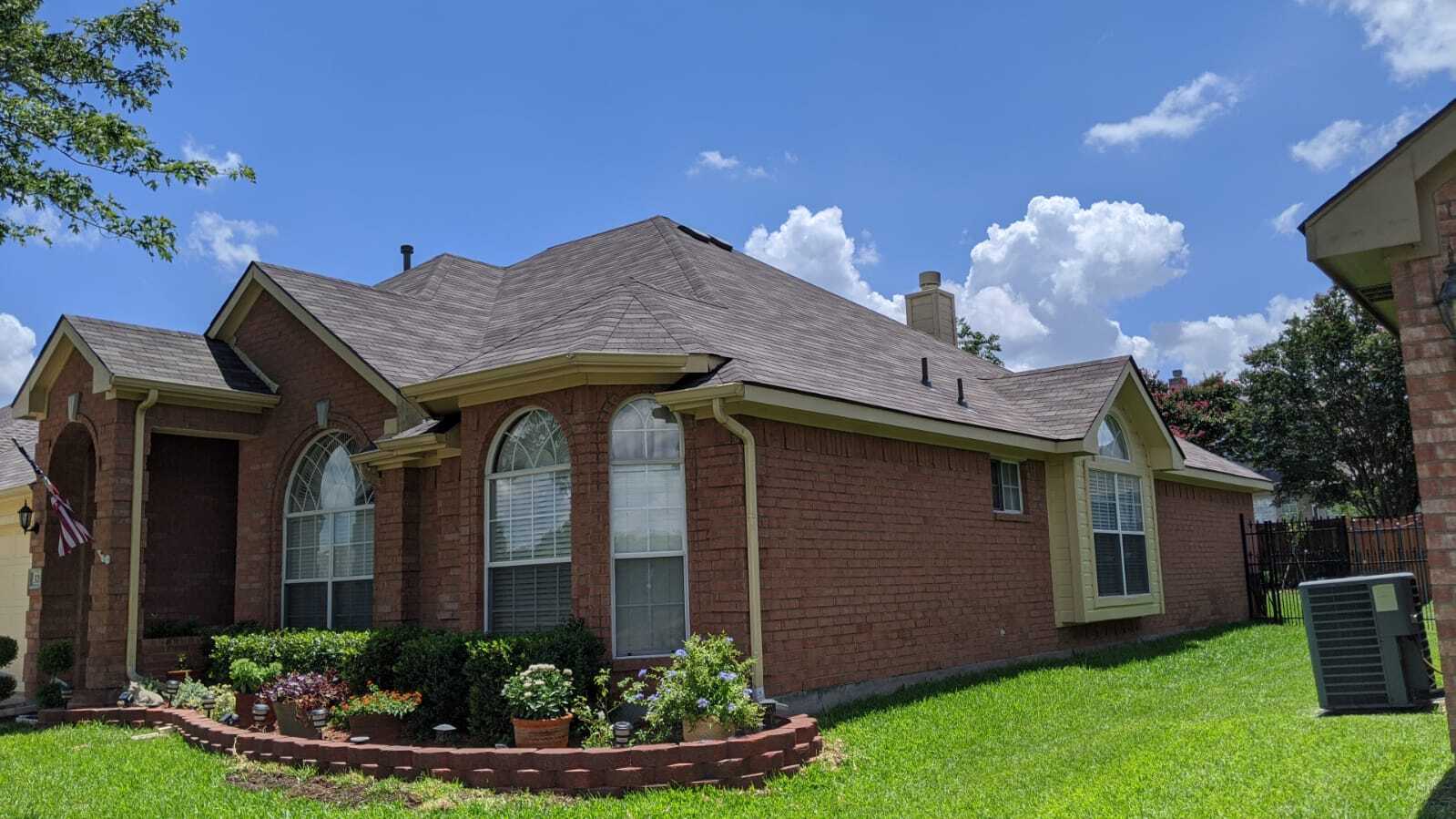
The type of roofing material you choose is paramount, but its performance can also be influenced by its orientation. For most DFW homes, asphalt shingles are the go-to choice due to their cost-effectiveness and versatility. However, different types of asphalt shingles react to heat in varying ways.
Look for "cool roofing" shingles or materials designed for high-heat environments. These often have special reflective granules or coatings that significantly reduce heat absorption, regardless of orientation.
Standard Asphalt Shingles: These are the most common. Darker colors absorb more heat. On a south or west-facing roof, this absorption is amplified. On a north-facing roof, the heat absorption is still present but less severe, meaning the shingle material itself is subjected to less extreme temperatures.
Architectural/Dimensional Shingles: These shingles have a layered, dimensional appearance and are generally thicker and more durable than standard 3-tab shingles. While they offer better wind resistance and longevity, their performance regarding heat absorption is still influenced by orientation. A north-facing orientation will still provide a benefit.
Impact-Resistant Shingles: These are designed to withstand hail and high winds, common in Texas storm seasons. They are often made with modified asphalt (like SBS) which can offer increased flexibility. While their primary benefit is impact resistance, their increased durability can also mean they hold up better under thermal stress, and a north-facing roof will still contribute to their longevity.
Watch Out
Don't rely solely on shingle type to combat extreme heat. Even the most advanced shingles will perform better and last longer when their exposure to direct, intense solar radiation is minimized, which is where orientation plays a role.
Metal Roofing: Metal roofs are excellent at reflecting solar radiant heat, especially lighter colors. They are often considered "cool roofing" options. While a metal roof is generally more efficient than asphalt shingles, a north-facing orientation still offers an advantage by reducing the overall heat load on the roof deck and attic space. This is particularly relevant for homeowners considering a long-term, low-maintenance solution.
Key Insight
The material choice is critical, but the orientation of that material on your home's structure in DFW significantly impacts its performance and lifespan, especially under the intense summer sun.
For a DFW homeowner, understanding how your roof's orientation interacts with your chosen material is key. If you're in the market for a new roof, discussing options like roof replacement with your contractor, and how different materials perform on north vs. south-facing slopes, is a smart investment. This is where an experienced DFW roofing contractor can provide invaluable guidance.
What If Your Roof Isn't North-Facing? Mitigation Strategies
Now, what if your home is already built, and your roof faces predominantly south, west, or east? Don't despair! While you can't change your home's orientation, there are several strategies you can employ to mitigate the effects of direct solar exposure and keep your home cooler and your roof performing optimally.
1. Enhance Attic Insulation: This is arguably the most critical step. Proper insulation acts as a barrier, preventing heat from the attic from transferring into your living space. Ensure you have the recommended R-value for your attic insulation. In DFW, this typically means R-38 or higher for blown-in insulation. Blown-in fiberglass or cellulose are excellent options for filling every nook and cranny.
Step 1: Assess Your Insulation
Check the depth and type of insulation in your attic. Look for gaps or areas where insulation may have settled.
Step 2: Improve Ventilation
Ensure you have adequate soffit and ridge vents or a balanced system of intake and exhaust vents. This allows hot air to escape.
Step 3: Consider Radiant Barriers
A radiant barrier installed in your attic can reflect a significant portion of radiant heat, further reducing attic temperatures.
2. Improve Attic Ventilation: A well-ventilated attic is crucial. It allows hot air that does build up to escape, replacing it with cooler outside air. Common ventilation systems include soffit vents (for intake) and ridge vents or gable vents (for exhaust). Without proper airflow, heat gets trapped, exacerbating the problem.
3. Choose Reflective Roofing Materials: If you're considering a roof replacement, opt for lighter-colored shingles or materials specifically designed as "cool roofs." These materials reflect more sunlight and absorb less heat. Manufacturers now offer a wide range of asphalt shingles with reflective granules that can make a noticeable difference, even on a south-facing roof.
How to Get This Done
If you want to handle assessing your attic insulation and ventilation yourself, here's what you'll need: a flashlight, measuring tape, and possibly a mask and gloves for attic entry. If you'd rather have experienced roofers handle it, our team has inspected and improved hundreds of DFW attics to optimize roof performance — here's how our process works: We'll conduct a thorough attic inspection, assess your current insulation levels and ventilation, and provide a clear report with recommendations for improvement to maximize your roof's efficiency and longevity.
4. Regular Roof Maintenance: Keep your roof clean and free of debris. Moss and algae can retain moisture and heat. Regular inspections can also catch minor issues before they become major problems that compromise your roof's integrity and its ability to protect your home.
By implementing these strategies, you can significantly improve your home's energy efficiency and protect your roof, even if it's not ideally oriented. It's about maximizing the performance of what you have.
Investing in Your Roof's Future: Professional DFW Roofing Solutions
Protecting your home is a significant investment, and your roof is one of its most critical components. In a dynamic climate like DFW's, with its intense sun, sudden storms, and fluctuating temperatures, having a durable, well-installed roof is non-negotiable. This is where choosing the right roofing contractor makes all the difference.
Key Insight
The longevity and performance of your roof are directly tied to the quality of materials used and, crucially, the precision of the installation. A professional DFW roofing contractor brings expertise that can't be replicated by DIY or inexperienced crews.
At Montesco Roofing, we've been serving the DFW area for over 13 years. We understand the unique challenges our climate presents – from the scorching summers to the unpredictable hail storms that seem to be a part of our Texas identity. We don't just install roofs; we build lasting protection for your home.
When you choose Montesco Roofing, you're choosing peace of mind. We're not a "storm chaser" company that shows up after a big event and vanishes. We're a part of the DFW community, committed to quality craftsmanship and honest service. Whether you're dealing with storm damage or planning a proactive roof replacement, our team has the knowledge and experience to ensure your roof is built to last.
How to Get This Done
If you're looking to assess your current roof's condition or explore replacement options, here's how Montesco Roofing can help: We offer a free, no-obligation roof inspection. Our experts will carefully examine your roof, identify any issues related to age, wear, or damage, and discuss the best solutions for your specific needs and budget. If replacement is necessary, we'll guide you through material choices, considering orientation and DFW's climate. Contact us today to schedule your inspection – we treat every home like our own.
Investing in your roof's future means investing in a contractor who prioritizes quality, durability, and customer satisfaction. In DFW, that contractor is Montesco Roofing.
Frequently Asked Questions About DFW Roof Orientation
Does roof orientation really make a big difference in DFW's heat?
If my roof faces south, am I doomed to high energy bills?
How much longer can a north-facing roof last compared to a south-facing one?
Should I choose lighter shingles if my roof isn't north-facing?
What is a "cool roof" and how does it work?
How does attic ventilation help with roof orientation?
Need help assessing your roof's orientation and performance? Our team has protected hundreds of DFW homes. Tell us about your roof — free inspection, no pressure.
Get Your Free Roof Inspection →Montesco Roofing Team
DFW's trusted roofing contractor with 13+ years of experience. Specializing in roof replacements, storm damage repair, and insurance claims across Dallas-Fort Worth.
Get in touch →