Why Two Identical DFW Homes Have Drastically Different Roofs by June 2026 (And What to Inspect First)
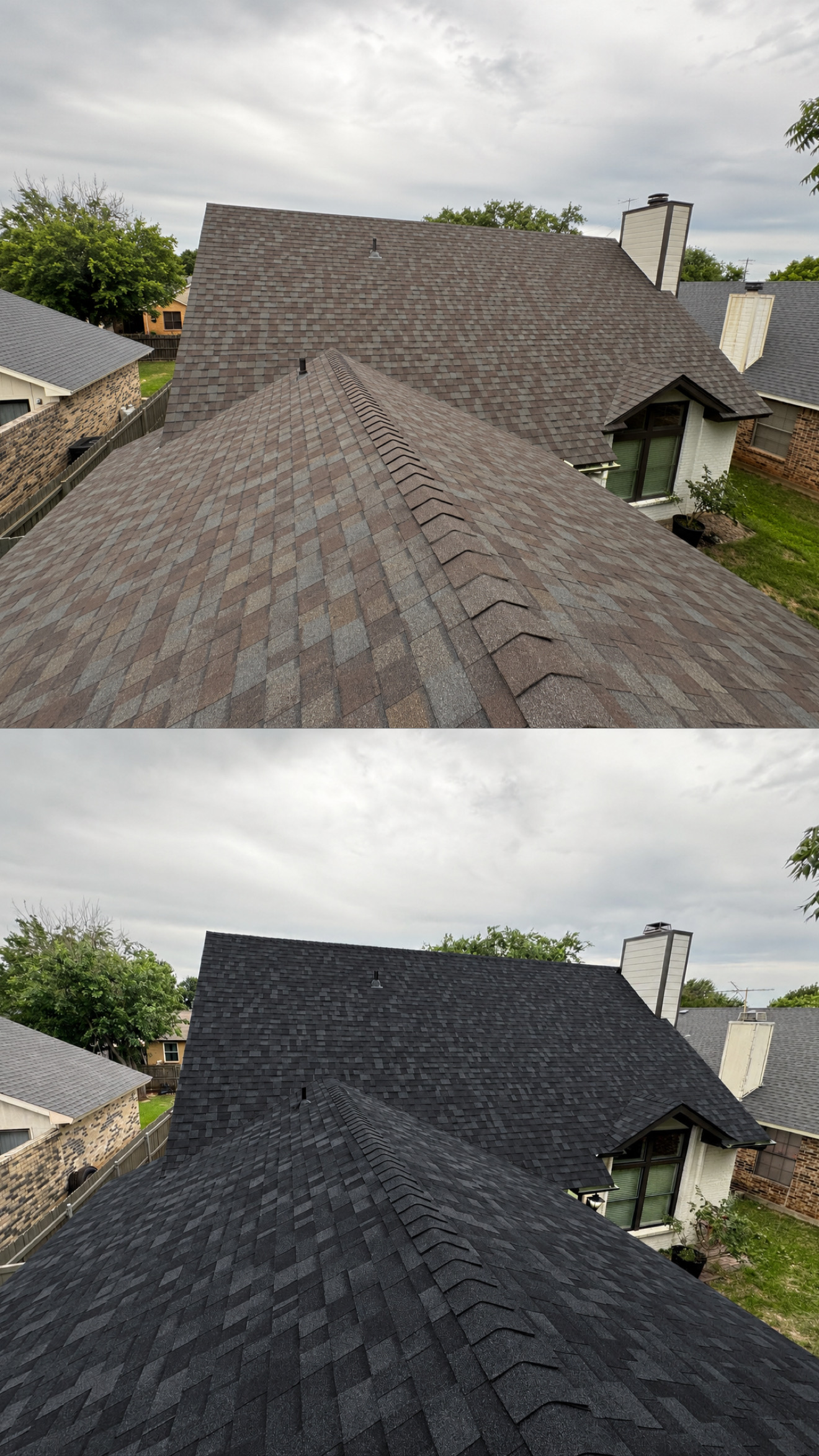
The Illusion of Identical: Why Your DFW Neighbor's Roof Looks So Different
You've seen it, right? Two houses on the same street, built around the same time, maybe even by the same builder. They look like twins. Yet, one sports a roof that’s clearly seen better days – maybe it’s faded, curling, or has tell-tale signs of wear and tear. The other? It looks almost brand new, a crisp, clean line against the North Texas sky. It’s a common sight here in DFW, and it often leaves homeowners scratching their heads. How can two seemingly identical homes have such drastically different roof conditions, especially by Tuesday, June 16, 2026?
It’s easy to assume that if your neighbor’s roof is failing, yours will be too, or vice versa. But the reality is, a roof's lifespan and condition are influenced by a complex web of factors that go far beyond the initial construction. Think of it like this: two identical cars can have wildly different odometers and paint jobs depending on how they've been driven, maintained, and where they've been parked. The same principle applies to your home's most critical shield – the roof. By understanding these differences, you can better assess your own roof’s health and take proactive steps to ensure it lasts as long as it should, protecting your family and your investment right here in the Dallas-Fort Worth Metroplex.
Factor 1: The Unseen Impact of DFW's Microclimates & Weather Exposure
When we talk about DFW weather, we usually think of scorching summers and the occasional winter freeze. But the reality is, our region is a patchwork of microclimates. A home in a dense urban area of Dallas might experience more heat island effect than a home in a more wooded suburb of Plano. Conversely, a property in a lower-lying area of Fort Worth might be more susceptible to moisture buildup than one on a hill. These subtle differences, combined with the sheer ferocity of North Texas storms, can significantly impact a roof's integrity.
Think about hail. We've seen some doozies over the years, and even if two homes are a mile apart, one might have been directly in the path of a severe hailstorm that caused significant granule loss and micro-fractures in the shingles. The other might have only experienced light rain or glancing blows. Wind is another culprit. Intense gusts can lift shingles, tear off protective granular layers, and create entry points for water. Over time, repeated exposure to these localized weather extremes, even if they seem minor on a day-to-day basis, can lead to premature aging and failure. It’s not just about the average temperature; it’s about the peak events and how your roof weathers them.
Pay attention to your immediate surroundings. Are you in a valley? Are you exposed to harsh afternoon sun with no tree cover? These local conditions, not just general DFW weather, play a huge role in how your roof ages.
The Insurance Information Institute notes that severe convective storms, which include thunderstorms, hail, and tornadoes, are a primary driver of insured losses in Texas. In 2023 alone, Texas experienced significant storm activity, and the cumulative effect on roofs across the Metroplex is substantial. Even if a storm didn't cause obvious, large-scale damage, it might have weakened shingles, making them more vulnerable to the next event or the relentless Texas sun.
Source: Insurance Information Institute, 2024Factor 2: Installation Quality – The Foundation of Roof Longevity
This is, without a doubt, one of the biggest differentiators. Even the most premium roofing materials will perform poorly if they aren't installed correctly. I’ve seen it countless times here in DFW: two houses with the exact same shingles from a top manufacturer like GAF or Owens Corning, but one roof is already showing signs of lifting or leaks after just a few years, while the other is holding up beautifully. The difference? The installation.
Proper installation involves so much more than just nailing shingles down. It’s about understanding the manufacturer’s specifications, properly preparing the roof deck, ensuring correct underlayment and flashing are installed in critical areas (like valleys and around chimneys), and using the right fasteners in the right places. A poorly installed roof might have shingles that are too close or too far apart, improper sealing, or inadequate protection against wind uplift. These aren't visible from the ground, but they are critical to a roof's performance and longevity.
A low bid on a new roof installation often means corners were cut. This could involve skipping crucial steps like replacing damaged decking, using fewer nails per shingle than recommended, or skimping on underlayment. These "savings" will cost you dearly in the long run.
At Montesco Roofing, we’ve been in the DFW area for over 13 years, and we’ve seen the consequences of shoddy installation firsthand. It’s why we emphasize our meticulous process, ensuring every shingle is placed precisely, every seam is sealed, and every detail is handled according to manufacturer guidelines and local building codes. This commitment to quality installation is what separates a roof that lasts 15-20 years from one that might only make it 10-12, especially under the stress of North Texas conditions.
Factor 3: The Role of Regular Maintenance & Proactive Repairs
This is where homeowner involvement makes a huge difference. Imagine two cars: one gets regular oil changes and tune-ups, the other is driven until something breaks. The one that's cared for will undoubtedly run better and last longer. Your roof is no different. Regular inspections and prompt attention to minor issues can prevent small problems from snowballing into major disasters.
What does "regular maintenance" mean for a roof? It means looking for things like clogged gutters that can cause water to back up under shingles, loose or damaged flashing around vents and chimneys, or shingles that are starting to curl or crack. It also means addressing any signs of leaks immediately. A small drip in the attic, if ignored, can lead to extensive rot in the decking, mold growth, and eventually, a full roof replacement that could have been avoided with a simple repair.
How to Get This Done
If you want to handle this yourself, here's exactly what you need: a sturdy ladder, safety gloves, a broom for clearing debris, and a keen eye for detail. Look for granules in gutters, curling or missing shingles, and check your attic for daylight. If you'd rather have experienced roofers handle it, our team has done this on hundreds of DFW homes — here's how our process works: We conduct a thorough visual inspection, check for water intrusion in the attic, test flashing integrity, and provide a detailed report with recommended solutions, from minor repairs to full replacements.
Many homeowners in DFW understandably put off these smaller tasks, or they aren't aware of what to look for. That's why we encourage homeowners to consider annual roof inspections. A professional inspection can identify potential issues before they become costly problems. It’s an investment that pays dividends by extending the life of your roof and preventing water damage to your home’s structure.
Factor 4: Material Choices & Their Performance in North Texas Heat
Not all shingles are created equal, and their performance can vary significantly, especially under the relentless Texas sun. While asphalt shingles are the most common choice here in DFW, the quality and specific type of asphalt shingle can make a big difference. Higher-quality shingles often have a thicker mat, more durable asphalt, and better-performing granules that are resistant to UV degradation.
Consider the difference between a basic 3-tab shingle and a premium architectural or designer shingle. Architectural shingles, for instance, are made with a fiberglass mat and a heavier asphalt coating. They are thicker, more flexible, and designed to withstand wind and impact better. They also tend to have a more pronounced shadow line, giving them a dimensional look that can be quite appealing. More importantly, they are engineered to handle the thermal expansion and contraction that occurs daily in our Texas climate. Cheaper, lower-grade shingles are more prone to cracking and becoming brittle over time when subjected to extreme temperature fluctuations.
Basic 3-Tab Shingles
Pros: Lowest upfront cost.
Cons: Shorter lifespan (15-20 years), less wind/hail resistant, prone to curling/cracking in extreme heat, basic aesthetic.
Architectural Shingles
Pros: Longer lifespan (25-30+ years), better wind/hail resistance, more durable in extreme temperatures, enhanced aesthetic.
Cons: Higher upfront cost than 3-tab.
When choosing materials, it’s crucial to consider not just the aesthetics but also the performance ratings for wind resistance, impact resistance, and UV protection. For homes in DFW, opting for shingles with higher wind ratings (e.g., 130 mph) and impact resistance (Class 4) can significantly extend the roof’s life and reduce the likelihood of storm-related damage. Manufacturers like CertainTeed and Atlas offer a range of high-performance options that are well-suited for our challenging climate.
Factor 5: Hidden Storm Damage: Hail & Wind's Lingering Scars
This is a big one, especially in DFW, which is notorious for its severe weather. A visible dent on your car after a hailstorm is obvious. On a roof, however, the damage can be much more insidious. Hailstones, even if they don't shatter shingles, can knock off protective granules. These granules are like sunscreen for your shingles; without them, the asphalt underneath is exposed to UV rays, leading to premature aging, cracking, and brittleness. Wind can lift shingles just enough to break the sealant strip, creating an entry point for water that might not manifest as a leak for months, or even years.
The problem is that much of this damage isn't immediately apparent. Homeowners might not notice it, and even a cursory visual inspection from the ground might miss it. This is why professional inspections, especially after a significant storm event, are so critical. A trained eye can spot the subtle bruising on shingles, the missing granules in downspouts, or the slightly lifted edges that signal underlying damage. If this damage isn’t properly addressed – often involving a full roof replacement rather than just a few shingles – it can significantly shorten the roof’s lifespan and lead to more severe issues down the line.
Navigating insurance claims for storm damage can be complex. Many insurance adjusters might only look for the most obvious signs of damage. This is where having an experienced roofing contractor like Montesco Roofing, who understands the nuances of storm damage and works with homeowners on their insurance claims, becomes invaluable. We help ensure that all damage is documented and that your roof is restored to its pre-storm condition, not just patched up.
Need help putting this into action? Our team has protected hundreds of DFW homes. Tell us about your roof — free inspection, no pressure.
Get Your Free Roof Inspection →Factor 6: Attic Ventilation – The Unsung Hero of Roof Health

This is something many homeowners don't even think about, but it’s absolutely crucial for the longevity of your roof, especially here in the DFW heat. Your attic needs to breathe. Proper attic ventilation – a balance of intake vents (usually in the soffits) and exhaust vents (like ridge vents or box vents) – allows hot air and moisture to escape. Without it, heat builds up in the attic, essentially cooking your roof from the underside.
This trapped heat accelerates the aging process of your shingles. It can cause the asphalt to degrade faster, the sealant strips to fail prematurely, and the entire roof system to break down. In the summer, an unventilated attic can reach temperatures well over 150°F. This constant, intense heat puts immense stress on your roofing materials. Conversely, in cooler months, poor ventilation can trap moisture, leading to condensation, mold growth, and rot in the roof structure.
Key Insight
Adequate attic ventilation not only extends the life of your roof but also significantly improves your home's energy efficiency by reducing the load on your air conditioning system. It's a win-win for your comfort and your wallet.
When we inspect a roof, we always check the attic ventilation system. We look for blocked vents, inadequate soffit intake, or an imbalance between intake and exhaust. Ensuring your attic is properly ventilated is a vital step in maintaining your roof’s health and preventing premature failure, something particularly important for homes in the hot DFW climate. A well-ventilated attic means a cooler roof deck and cooler shingles, which translates directly to a longer roof life.
Factor 7: The Subtle Influence of Surrounding Vegetation & Debris
This might seem minor, but the trees and plants surrounding your home can have a significant impact on your roof’s condition. Overhanging branches can cause physical damage to shingles, especially during storms, by scraping, tearing, or knocking them loose. Leaves, pine needles, and other organic debris can accumulate on your roof and in your gutters.
When this debris sits on the roof, it traps moisture. This moisture can lead to the growth of algae, moss, and mold, which can degrade roofing materials over time. More critically, clogged gutters and downspouts prevent proper water drainage. Water that can’t escape your roof system will find its way underneath shingles, into the fascia, and potentially into your attic, leading to rot and water damage. This is a common issue we see in older neighborhoods in areas like Garland and Mesquite where mature trees are abundant.

Regularly trimming back overhanging branches and keeping gutters clean is a simple yet highly effective way to protect your roof. It reduces the risk of physical damage and prevents moisture buildup and the associated degradation of roofing materials. It’s a proactive maintenance step that many homeowners overlook but can significantly contribute to a roof’s longevity.
Comparing Roof Lifespans: What $5,000 vs. $15,000 vs. $25,000 Buys You in DFW
The price tag on a new roof can vary wildly, and understanding what you’re getting for your money is key to ensuring longevity. In DFW, a budget of $5,000 might get you a basic, lower-grade material installation on a smaller home, potentially with limited warranty and shortcuts taken. A mid-range investment of $15,000 often signifies better quality architectural shingles, a more thorough installation process, and a decent workmanship warranty. At the higher end, $25,000 or more might indicate premium materials, extensive deck repair, specialized ventilation, and robust warranty packages, suitable for larger homes or those with complex roofing systems.
| Feature | Budget Roof ($5,000 - $8,000) | Mid-Range Roof ($12,000 - $18,000) | Premium Roof ($20,000+) |
|---|---|---|---|
| Material Quality | Basic 3-tab shingles, standard asphalt. Shorter lifespan (15-20 yrs). | Architectural shingles, higher wind/impact ratings. Longer lifespan (25-30+ yrs). | Premium architectural or designer shingles, advanced materials (e.g., impact-resistant, cool-roof options). Longest lifespan (30-50+ yrs). |
| Installation Quality | May involve shortcuts, fewer nails, minimal deck inspection/repair. | Thorough installation following manufacturer guidelines, standard deck repair included. | Meticulous installation, advanced techniques, comprehensive deck replacement, focus on ventilation. |
| Workmanship Warranty | Often limited (1-5 years) or none. | Good coverage (10-25 years). | Comprehensive, often lifetime or 50-year non-prorated. |
| Manufacturer Warranty | Standard limited warranty, may be prorated. | Enhanced limited warranty, better wind coverage. | Full manufacturer warranty, often with wind coverage up to 130 mph or more. |
| Insurance Claim Assistance | Minimal or none. | Basic assistance. | Full advocacy and guidance through the claims process. |
| Local Accountability | Contractor may be transient or difficult to reach. | Established local contractor with a solid reputation. | Long-standing, reputable local contractor with deep community ties. |
| Long-Term Value | Lowest upfront cost, but likely requires replacement sooner, leading to higher lifetime cost. | Excellent balance of cost and performance, providing good long-term value. | Highest upfront cost, but offers maximum longevity, protection, and minimal long-term maintenance/replacement costs. |
It’s crucial to understand that investing in a quality roof is not just an expense; it’s an investment in your home’s protection and value. A cheap roof can end up costing you more in the long run through premature replacement, potential water damage repairs, and increased energy bills. For homeowners in DFW, especially those concerned about storm resilience and longevity, leaning towards the mid-range to premium options, with a strong emphasis on quality installation and warranty, is generally the wisest path.
Your DFW Roof Inspection Checklist: What to Look For by June 2026
Understanding the factors above, here’s a practical checklist to help you assess your own roof's condition. Remember, this is for general awareness; a professional inspection is always recommended for a comprehensive evaluation.
1. Exterior Visual Check (Ground Level)
Walk around your home. Look for:
- Missing or damaged shingles: Any obvious gaps or shingles that appear broken, cracked, or curled.
- Granule Loss: Check your gutters and downspouts for excessive amounts of black or gray granules. This indicates the shingles are wearing out.
- Sagging: Look for any dips or sags in the roofline, which can indicate structural issues or water damage.
- Flashing: Inspect the areas around chimneys, vents, skylights, and where the roof meets walls. Is the metal flashing rusted, bent, or pulling away?
2. Attic Inspection
Safely enter your attic (during daylight hours is best). Look for:
- Daylight: Can you see any light peeking through the roof deck? This means water can get in.
- Water Stains: Check the underside of the roof decking and any exposed rafters for dark stains or signs of moisture.
- Mold or Mildew: Any musty smells or visible mold growth are indicators of moisture problems.
- Insulation: Is your insulation damp or compacted in certain areas? This can be a sign of leaks or poor ventilation.
3. Interior Check
Examine your ceilings and walls, especially after heavy rain:
- Water Stains or Discoloration: Look for any new or growing water spots on your ceilings, particularly in the highest rooms.
- Peeling Paint: Paint can bubble or peel near areas where moisture is seeping in.
- Drips: Obvious, but check for any active leaks.
If you notice any of these signs, especially after a storm or if your roof is nearing the end of its expected lifespan (which, for many DFW homes with older shingles, might be around 15-20 years old by 2026), it's time to call in a professional. Don't wait for a minor issue to become a major repair.
Montesco Roofing: Your Partner in DFW Roof Longevity
Here at Montesco Roofing, we understand that your roof is more than just shingles and tar; it's the primary defense for your home against the elements. With over 13 years of dedicated service to the DFW community, we've seen it all – from the aftermath of devastating hailstorms to the slow, steady wear and tear of our intense Texas climate. We know what it takes to make a roof last.
Our approach is built on three pillars: quality materials, expert installation, and honest advice. We don't believe in cutting corners. We use only top-tier roofing products from reputable manufacturers, and our installation crews are highly trained and experienced, adhering to the strictest standards. We treat every home as if it were our own, ensuring that the roof we install or repair provides maximum protection and longevity for your family.
"Montesco Roofing was fantastic. They explained everything clearly, handled our insurance claim with ease, and the new roof looks amazing. We feel so much more secure now."— Satisfied DFW Homeowner
We’re passionate about educating homeowners about their roofs. Understanding the factors that contribute to roof health, as we’ve discussed, empowers you to make informed decisions. Whether it’s identifying subtle storm damage, recommending the best materials for DFW's heat, or ensuring your attic ventilation is up to par, we’re here to help. Our goal is to provide you with a durable, beautiful roof that stands the test of time and weather.
Frequently Asked Questions About DFW Roof Conditions
How often should I have my roof inspected in DFW?
What's the typical lifespan of a roof in North Texas?
How does the Texas heat affect my roof?
Can I repair hail damage myself?
What's the difference between a roof replacement and a roof repair?
How does attic ventilation impact my roof's lifespan?
Montesco Roofing Team
DFW's trusted roofing contractor with 13+ years of experience. Specializing in roof replacements, storm damage repair, and insurance claims across Dallas-Fort Worth.
Get in touch →