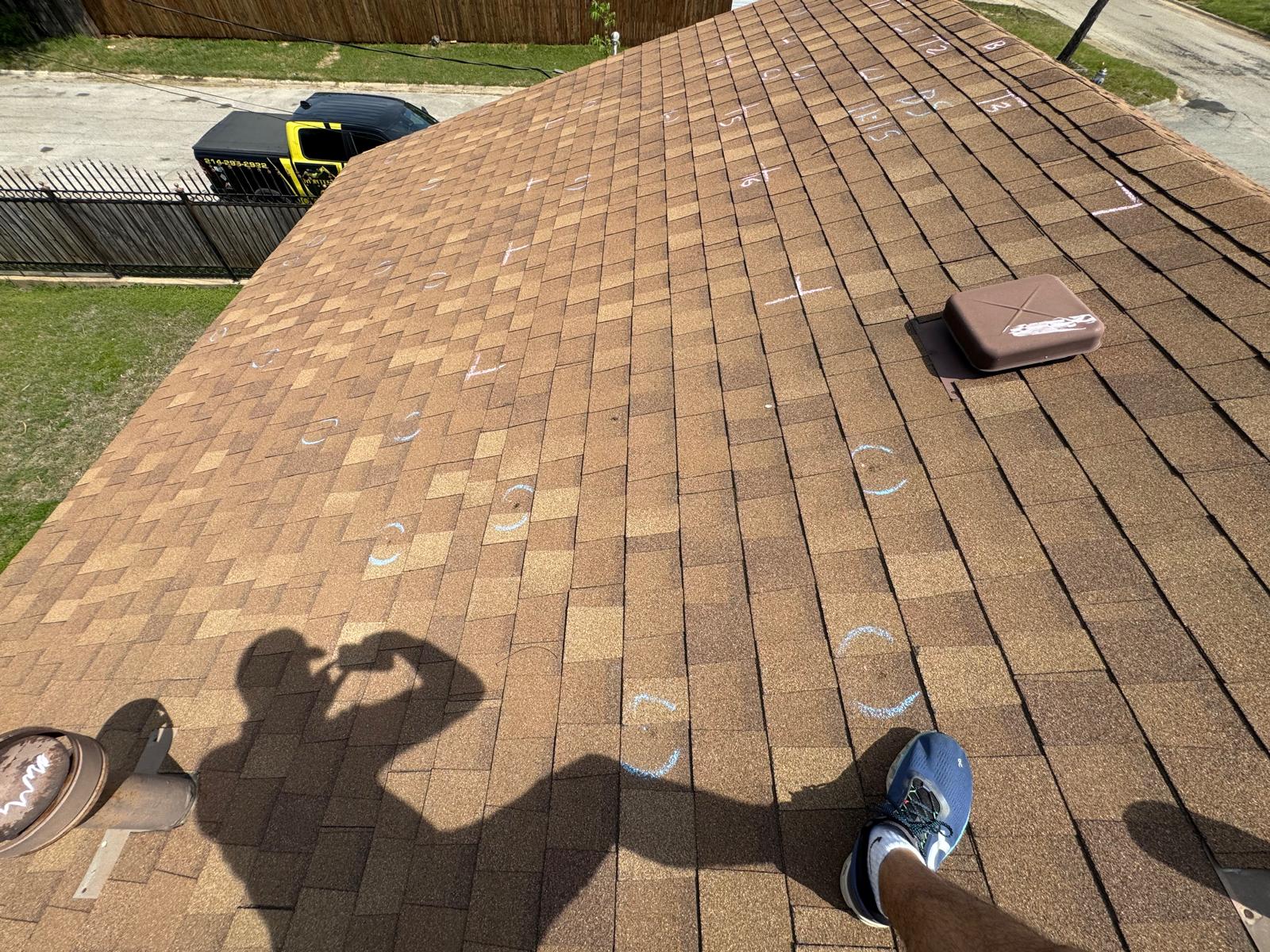
You're about to close on a beautiful new home in DFW, and the home inspection report came back. Everything looks good, right? Well, maybe not. Standard home inspections are a necessary step, but when it comes to your roof, they often scratch the surface, leaving you vulnerable to thousands of dollars in unexpected repairs down the line. In 2026, with our unpredictable Texas weather, overlooking critical roof issues isn't just an oversight; it's a financial gamble.
The Illusion of Completeness: Why Standard Home Inspections Fall Short on Roofs
Look, I've been in the DFW roofing game for over 13 years, and I've seen it all. A typical home inspection report is designed to give a broad overview of the property's condition. The inspector is looking at dozens of systems: plumbing, electrical, HVAC, foundation, insulation, and yes, the roof. They're trained to spot obvious defects – a missing shingle, a large patch of moss, or a visible leak stain. That's valuable information, no doubt.
But here's the thing: most home inspectors aren't roofing specialists. They don't have the specialized tools, the in-depth material knowledge, or the years of hands-on experience that a dedicated roofing contractor brings to the table. They’re walking the perimeter, maybe peering up from the attic hatch, and looking for the glaring problems. They're not typically getting on the roof to check the condition of every single shingle, inspecting the underlayment, or assessing the complex drainage systems that keep your home dry.
Think of it like a general physician versus a cardiologist. Both are doctors, but the cardiologist has a much deeper understanding of your heart. Similarly, a home inspector is your general physician for the house, while a roofing contractor is your heart specialist for the roof.
In 2026, with the increasing frequency and intensity of Texas storms, a superficial roof check just doesn't cut it. The damage might be subtle, insidious, and only detectable by someone who understands the nuances of roofing materials and installation specific to our North Texas climate. What looks like a minor issue to an untrained eye can be a precursor to a major catastrophe.
7 Critical Roof Flaws Most DFW Home Inspectors Overlook
So, what exactly are these hidden dangers that can slip through the cracks of a standard inspection? These are the issues that worry me most when I think about a homeowner relying solely on a general inspection report.
1. Inadequate Attic Ventilation
This is a big one in DFW. Proper attic ventilation is crucial for regulating temperature, preventing moisture buildup, and extending the life of your roof. Inspectors might note if there's no ventilation at all, but they often miss subtle imbalances – like an insufficient ratio of intake to exhaust vents, or blocked vents due to insulation. Poor ventilation can lead to premature shingle decay, mold growth, and higher energy bills.
2. Compromised Flashing
Flashing is the metal (or other material) used to direct water away from vulnerable areas like chimneys, vents, skylights, and valleys. It's a critical component, and if it's improperly installed, damaged, or corroded, water will find its way into your home. Inspectors might see obvious rust or damage, but they often miss hairline cracks, improper sealing, or the subtle signs of detachment that can lead to leaks around these key penetrations.
3. Granule Loss
Asphalt shingles have a protective layer of mineral granules that shield them from UV rays and impact. When these granules start to wash away (you'll often see them in your gutters or downspouts), the asphalt beneath is exposed and degrades much faster. A general inspector might note a few missing shingles, but they may not recognize the widespread, accelerated wear indicated by significant granule loss across the roof surface.
4. Soft Spots or Delamination in Shingles
Over time, especially with the extreme heat cycles in DFW, shingles can develop soft spots or begin to delaminate (layers separating). This makes them brittle and prone to cracking or tearing. These issues can be difficult to spot from the ground or even from a brief attic inspection and often require a close-up examination of the shingle surface.
5. Improper Nail Placement or Over-nailing
This is an installation defect that's hard to see without a detailed roof inspection. If nails are driven too high (exposed), too low (not gripping), or if too many nails are used in one spot, it compromises the shingle's integrity and creates potential entry points for water. Over-nailing can also cause shingles to crack prematurely.
6. Aging or Deteriorated Underlayment
Beneath your shingles lies the underlayment, a crucial secondary water barrier. Over years, especially if exposed to moisture or UV light due to poor shingle condition, it can become brittle and lose its protective qualities. A standard inspection might not involve lifting shingles to check the underlayment's condition, which is vital for long-term water protection.
7. Substandard or Damaged Gutters and Downspouts
While not strictly part of the roof deck, gutters and downspouts are integral to managing water runoff. If they're clogged, sagging, or improperly sloped, water will pool against your fascia, soffits, and foundation, leading to rot and structural damage. Inspectors might note obvious blockages, but they often miss subtle issues with slope or connection points that direct water where it shouldn't go.
Beyond Shingles: The Unseen Threats to Your DFW Roof in 2026
It's not just about the shingles themselves. The real threats often lurk in the details, the components that work together to keep your home safe and dry. In the DFW climate, these unseen threats can manifest quickly, especially after a strong storm.
Consider the underlayment. It's the first line of defense against water that might get past your shingles. If it's old, brittle, or was poorly installed, it won't hold up. Imagine a shield with tiny holes – it might work for a while, but eventually, water will seep through. A standard inspection rarely involves peeling back shingles to examine this critical layer.
Then there's ventilation. This is so often overlooked, and it's a huge deal here in Texas. Your attic needs to breathe. Without proper airflow, heat and moisture get trapped. In the summer, this cooks your shingles from the inside out, making them brittle and shortening their lifespan. In the winter, trapped moisture can lead to ice dams or rot. Inspectors might see if you have vents, but they're not calculating the optimal airflow or checking for obstructions like misplaced insulation that can cripple your ventilation system.
Ignoring attic ventilation issues can lead to a domino effect: damaged shingles, compromised decking, mold growth, and even structural issues, all of which are incredibly expensive to fix and are often not covered by standard homeowner's insurance if the cause is determined to be lack of maintenance.
And let's not forget about the flashing around penetrations. These are points where pipes, vents, or chimneys pass through the roof. They are prime spots for leaks. A general inspector might see if there's a visible hole or rust, but they're not checking the sealants, the proper overlap, or the subtle signs of lifting that can allow water to sneak in. We've seen homes where a small, unaddressed leak around a vent pipe has caused thousands of dollars in damage to the attic insulation, drywall, and even framing.
These aren't minor inconveniences; they are fundamental weaknesses that can lead to major structural damage, mold infestations, and a drastically shortened roof lifespan. That's why a specialized roof inspection is so vital before you sign on the dotted line.
The Real Cost of a Missed Roof Defect: What a $500 Inspection Might Cost You $15,000
It's easy to think that a $500 home inspection report is enough. After all, it's a professional opinion, right? But when it comes to roofs, the cost of a missed defect can skyrocket. Let's break down how a seemingly small oversight can turn into a massive financial burden.
Imagine a home inspector misses a small, developing leak around a chimney flashing because it's not raining heavily that day, or the inspector isn't trained to look for the subtle signs of compromised sealant. The home is purchased. Six months later, during a heavy DFW rain event, water starts seeping into the attic. It drips onto the ceiling drywall, causing a stain. You call a handyman for a patch job, thinking it's a simple fix.
But the problem has been festering for months. That slow drip has saturated the attic insulation, reducing its R-value and increasing your energy bills. It's likely caused mold to grow on the underside of the roof decking and the top of the ceiling joists. The wood itself might be starting to rot. The initial leak might have only cost a few hundred dollars to repair, but now you're looking at:
- Replacing saturated, ineffective insulation ($500 - $1,500)
- Treating or removing mold from the attic ($1,000 - $5,000+)
- Repairing or replacing damaged roof decking ($1,000 - $4,000+)
- Repairing and repainting interior ceiling damage ($300 - $1,000)
And that's just for a small leak! If the issue was more widespread, like poor attic ventilation leading to accelerated shingle degradation across the entire roof, you could be looking at premature roof replacement costs, which in DFW can easily range from $10,000 to $25,000 or more for a standard-sized home.
This isn't about scaring you; it's about reality. A qualified roofing contractor can spot these issues during a pre-purchase inspection, allowing you to negotiate repairs with the seller, adjust the purchase price, or walk away from a potentially disastrous investment. The cost of a specialized roof inspection, typically a few hundred dollars, is a minuscule fraction of the potential cost of these hidden defects.
| Feature | Standard Home Inspection | Specialized Roofing Inspection (Montesco Roofing) |
|---|---|---|
| Focus | Broad overview of all home systems | In-depth assessment of the roof system only |
| Expertise | General building knowledge | Specialized knowledge of roofing materials, installation, and DFW-specific weather impacts |
| Inspection Depth | Surface-level check; identifies obvious issues | Detailed examination of shingles, underlayment, flashing, ventilation, decking, and drainage |
| Tools Used | Basic visual aids, moisture meters | Drone inspection, thermal imaging (optional), advanced moisture meters, specialized roof probes |
| Identification of Hidden Issues | Limited; may miss subtle damage or installation defects | High; designed to find wear, damage, and installation errors not visible to the untrained eye |
| Cost (Typical) | $400 - $700 | $200 - $500 (often bundled or discounted for pre-purchase) |
| Outcome Value | General peace of mind, identifies major visible flaws | Detailed report on roof health, potential future issues, and immediate repair needs; empowers negotiation |
| DFW Weather Resilience Assessment | Minimal | Evaluates roof's preparedness for Texas storms, hail, and heat |
If you're buying a home in DFW, especially one that’s more than a few years old, investing in a specialized roof inspection is not an optional expense – it’s essential risk management. It’s the difference between buying a home with confidence and buying into a potential money pit.
Your Pre-Purchase Roof Checklist: 10 Questions for Your Inspector (and Yourself)

While you're getting that general home inspection, don't be afraid to ask specific questions about the roof. The inspector's answers, or their willingness to discuss it in detail, can tell you a lot. And, of course, if you're getting a separate roofing inspection, these are questions you'll want to ask the roofing professional.
10 Questions About Your DFW Home's Roof
- 1. What is the approximate age of the roof? (Most asphalt shingle roofs have a lifespan of 15-30 years, depending on quality and climate.)
- 2. Are there any signs of current water intrusion in the attic or on the ceilings? (Look for stains, mold, or damp insulation.)
- 3. How is the attic ventilation? Are vents visible, and do they appear obstructed? (Consider intake and exhaust vents.)
- 4. What is the condition of the shingles? Are there signs of curling, cracking, or significant granule loss? (Look for granules in gutters.)
- 5. How does the flashing look around the chimney, vents, and skylights? Are there any signs of rust or damage? (This is a common leak point.)
- 6. Are there any soft spots or sagging areas on the roof deck that you noticed? (This could indicate structural rot.)
- 7. What is the condition of the gutters and downspouts? Are they properly sloped and clear? (Water management is key.)
- 8. Have there been any significant storm events in the area recently that could have impacted the roof? (Inspectors should be aware of local weather.)
- 9. Are there any manufacturer recalls or known issues with the specific type of roofing material installed? (Less common, but worth asking.)
- 10. Would you recommend a specialized roof inspection by a licensed roofing contractor given the age and visible condition of the roof? (A good general inspector will often suggest this.)

Your own observations matter too. When you visit the home, step back and look at the roof from the street. Do you see any obvious damage? Are there any areas that look like they're sagging? Can you see debris piled up in the gutters? These are the first clues that something might be amiss.
How to Get This Done
DIY Inspection Tips: Before your general inspection, take photos of the roof from the street. Check your gutters for excessive shingle granules. If you have attic access, carefully look for water stains or mold on the underside of the roof decking. Document everything you see.
Professional Roofing Inspection: If you want to handle this yourself, here's exactly what you need: [tools/steps]. If you'd rather have experienced roofers handle it, our team has done this on hundreds of DFW homes — here's how our process works: We use advanced tools like drones and thermal imaging to identify subtle issues, provide a detailed report with photos and recommendations, and can even assist with navigating insurance claims if storm damage is found.
Why a Specialized DFW Roofing Inspection is Non-Negotiable Before Buying
Let's be blunt: in a competitive DFW real estate market in 2026, you need every advantage you can get. Skipping a specialized roof inspection before buying is like going into battle without your armor. It's a critical step that offers tangible benefits that far outweigh its cost.
First and foremost, it's about informed decision-making. You’re making one of the biggest financial investments of your life. Knowing the true condition of your roof – your home's primary shield against the elements – gives you leverage. You can negotiate repairs with the seller, asking them to fix issues before closing. Or, if the problems are extensive, you can adjust your offer price to reflect the future costs you'll incur.
"A thorough roof inspection before buying isn't just about finding problems; it's about validating the value of your investment and preventing future financial surprises."— Industry Expert
Secondly, it's about long-term cost savings. A specialized inspection can identify issues that, if left unaddressed, will inevitably lead to more significant, expensive repairs or even premature roof replacement. Think about that attic ventilation issue we discussed. A $300 specialized inspection might reveal this, leading to a $500 fix for adding more vents. Ignoring it could lead to a $15,000 roof replacement five years sooner than necessary.
Thirdly, it’s about peace of mind. Knowing that your roof is sound, that it’s protected against our notorious Texas storms, and that it won’t be a source of constant worry is invaluable. You can move into your new home with confidence, knowing that the most critical component of your home’s protection has been thoroughly vetted by experts.
In DFW, our weather is a constant factor. From scorching summer sun to unexpected hail storms in the spring and fall, your roof is under siege year-round. A general home inspector might give you a thumbs-up based on surface appearance, but a roofing professional understands the specific stresses our climate puts on different materials and installation methods. They know what to look for after a hailstorm, how heat impacts asphalt shingles, and how high winds can compromise your roof's integrity. This local expertise is critical.
Montesco Roofing's Role: Ensuring Your DFW Home's Roof is Truly Sound
As a DFW roofing contractor with over 13 years of hands-on experience, Montesco Roofing understands the unique challenges our region presents to homeowners. We're not just about fixing roofs; we're about protecting your investment, your family, and your peace of mind. That's why we offer specialized pre-purchase roof inspections that go far beyond what a standard home inspector can provide.
When you schedule a pre-purchase inspection with us, you're getting more than just a quick look. You're getting an expert assessment from a team that lives and breathes roofing in North Texas. We know the common failure points for roofs in areas like Plano, Frisco, and Fort Worth. We understand how different materials perform under our specific weather conditions.
Our Commitment to You
At Montesco Roofing, we treat every home as if it were our own. Our goal is to provide you with the most accurate, comprehensive assessment of your potential new home's roof. We're passionate about quality and transparency, and we believe that educated homeowners make the best decisions.
Our inspection process typically includes:
- A thorough visual inspection from the ground and, when safe, from the roof itself.
- Detailed examination of shingles for wear, damage, and granule loss.
- Inspection of all flashing around penetrations (chimneys, vents, skylights) for integrity and proper sealing.
- Assessment of attic ventilation systems to ensure proper airflow.
- Checking for signs of water damage, mold, or rot in the attic space.
- Evaluation of the roof's drainage system (gutters and downspouts).
- Use of advanced tools like drones for aerial views and thermal imaging to detect hidden moisture issues when necessary.
We provide a detailed report with clear explanations and photographic evidence of any findings. This report is designed to be easily understood and actionable, whether you need to negotiate with the seller or simply want to know exactly what you're buying into. We also offer guidance on potential repair costs and timelines, so you know what to expect.
How to Get This Done
If you want to handle this yourself, here's exactly what you need: [tools/steps]. If you'd rather have experienced roofers handle it, our team has done this on hundreds of DFW homes — here's how our process works: We'll schedule a convenient time for a comprehensive roof inspection, provide a detailed, easy-to-understand report with photos, and answer all your questions. We aim to give you complete confidence in your DFW home purchase.
Don't leave your roof's condition to chance. A standard inspection is a starting point, but a specialized roofing inspection from Montesco Roofing is the critical next step in protecting your significant investment in the DFW area.
Frequently Asked Questions About DFW Home Inspections and Roofs
Frequently Asked Questions
Is a standard home inspection enough to check the roof?
How much does a specialized roof inspection typically cost in DFW?
What are the most common hidden roof problems found in DFW homes?
Can I inspect the roof myself before buying a house?
What happens if a specialized roof inspection reveals significant problems?
Does Montesco Roofing offer pre-purchase roof inspections?
How does DFW's weather impact roof inspections?
Ready to buy your DFW home with confidence? Don't let hidden roof issues surprise you. Ensure your investment is protected with a thorough, expert roof inspection.
Schedule Your Pre-Purchase Roof Inspection →