The Roof Repair Nobody Budgets For

You just found a leak after last night's storm, and your insurance company is giving you the runaround. That's not just a roof problem — it's a money problem. In DFW, we see it all the time: homeowners who thought they were covered, only to discover that a seemingly small roof issue has ballooned into a budget-breaking nightmare. It’s not always the shingles themselves; often, the real culprits are the hidden components that wear out, fail, or get overlooked, especially after a harsh Texas storm season.
The Silent Killer: Why Your Roof Needs More Than Just Shingles
When we talk about a roof, most folks picture those overlapping shingles. They're the most visible part, the first line of defense against the Texas sun and the occasional downpour. But here's the thing: a roof is a complex system, far more than just a pretty facade. Think of it like your car – you don't just budget for new tires; you know there's an engine, a transmission, and all sorts of other intricate parts that need attention too. Your roof is no different. In 2026, with the continued intensity of DFW weather patterns, understanding these less obvious components is crucial for avoiding those gut-wrenching "nobody budgets for this" repair bills.
What most homeowners miss is that the shingles are just the cap. Beneath them lies a carefully engineered system designed to protect your home from water, heat, and cold. This system includes everything from the underlayment that acts as a secondary water barrier to the ventilation that keeps your attic from becoming a sauna, and the structural decking that holds it all up. When any of these elements start to fail, it doesn't just mean a few more shingles need replacing; it can trigger a cascade of problems that are far more expensive and disruptive to fix. We've seen roofs in Plano and Frisco where the shingles looked okay from the ground, but the attic was a disaster zone, leading to major insulation and ventilation repairs that weren't on anyone's radar.
The reality in North Texas is that our climate is tough on roofs. We have blistering summers that bake materials, sudden hailstorms that can pummel shingles and underlayment alike, and occasional strong winds that can lift and tear. All of these stresses take a toll not just on the visible shingles but on the entire roof assembly. Neglecting the hidden parts is like ignoring a small cavity in your tooth – it might not hurt now, but it’s a ticking time bomb for a much bigger, more painful problem down the line.
Key Insight
A roof is a multi-layered system, not just shingles. Understanding and maintaining all its components—underlayment, ventilation, decking, flashing, and gutters—is essential for long-term protection and preventing unexpected, costly repairs in the DFW area.
Beyond the Surface: Unforeseen Costs of DFW Roof Damage in 2026
Let's talk about what happens when that "silent killer" starts making noise. You might notice a small water stain on your ceiling after a heavy rain, or perhaps you see some damp spots in your attic. These are often the first signs that something deeper is wrong. The temptation, especially with tight budgets, is to just patch the visible issue. But in DFW, especially after the volatile weather patterns we've experienced this year, that approach rarely works. The real cost of roof damage isn't just replacing a few shingles; it's addressing the root cause, which often lies beneath the surface.
Consider the underlayment. This is the felt or synthetic material laid directly on the roof deck before shingles are installed. It's your roof's secondary defense. If hail has compromised your shingles, it might have also torn or punctured the underlayment. Even if you replace the shingles, a compromised underlayment will allow water to seep into your attic, leading to mold, mildew, and rot in the roof decking. Repairing or replacing damaged decking is a significant expense that many homeowners don't anticipate. We’ve seen this happen frequently in areas like Arlington and Fort Worth, where rapid storm recovery efforts sometimes lead to quick fixes that miss underlying deck damage.
Then there's the issue of ventilation. Proper attic ventilation is critical for regulating temperature and moisture. In the DFW heat, an unventilated attic can reach extreme temperatures, accelerating the aging of your roofing materials and increasing energy costs. Conversely, poor ventilation can trap moisture, leading to mold and rot. If your ventilation system (soffit vents, ridge vents, gable vents) is clogged with debris or damaged, it's not just a minor inconvenience; it can impact the entire lifespan of your roof and the structural integrity of your attic space. This is a common issue we find during inspections in older homes in Garland or Mesquite.
What most people miss is that a leak isn't just about water coming in. It's also about what that water does once it’s inside. It can damage insulation, which reduces your home's energy efficiency and can be costly to replace. It can weaken the wood structure of your roof deck, potentially leading to sagging or even collapse in severe cases. It can create breeding grounds for mold and mildew, which are serious health hazards and extremely expensive to remediate. These are the hidden costs that a simple shingle replacement won't touch, and they're precisely why homeowners often find themselves in a financial bind when a roof problem arises.
Don't just focus on the shingles. A quick fix to the visible problem without addressing underlying issues like compromised underlayment, poor ventilation, or damaged decking will almost certainly lead to more expensive repairs down the road.
The Attic's Secret Life: Ventilation & Insulation – The Hidden Budget Busters
If you've ever felt your attic in the peak of a Dallas summer, you know it's like stepping into an oven. That intense heat isn't just uncomfortable; it's actively working against your roof. This is where attic ventilation and insulation play a starring, yet often overlooked, role in your home’s overall health and your budget. When these systems aren't functioning correctly, the costs can sneak up on you in ways you wouldn't expect.
Let's start with ventilation. Your roof needs to breathe. Soffit vents (usually at the eaves) draw in cool air, and ridge vents or other exhaust vents (at the peak) allow hot, moist air to escape. This constant airflow is crucial for several reasons. First, it prevents heat buildup in the summer, which can degrade your shingles and other roofing materials prematurely. Think of it as giving your roof some much-needed air conditioning. Second, it helps manage moisture. In colder months, warm, moist air from inside your home can rise into the attic. Without proper ventilation, this moisture can condense on the underside of your roof deck, leading to rot, mold, and mildew. This is a silent killer that can compromise the structural integrity of your roof over time.
Regularly check your attic for signs of poor ventilation: dark stains on the underside of the roof deck, mold growth, or excessive heat. Also, ensure vents aren't blocked by insulation or debris. Proper airflow is key to a healthy roof system.
Now, let's talk about insulation. It's your home's thermal blanket, keeping the heat out in the summer and in during the winter. If your attic insulation is damaged, compressed, or insufficient, your HVAC system has to work overtime. This means higher energy bills. But it's more than just comfort and cost; damaged insulation can also trap moisture against the roof deck, creating the perfect environment for rot and mold. In DFW, where we experience such extreme temperature swings, effective insulation and ventilation are not luxuries; they're necessities for both comfort and the longevity of your roof.
The unexpected cost comes when these systems fail. If hail or wind damage compromises your ventilation system, or if a leak soaks your insulation, you're looking at more than just a roof repair. You're facing the expense of replacing damaged insulation – which can be several thousand dollars depending on the size of your attic and the type of insulation – and potentially repairing rot or mold damage to the roof deck and rafters. We've seen homeowners in Rowlett and Richardson who thought they only needed a few shingles replaced, only to find out their attic insulation was saturated, requiring a complete overhaul of their attic space, a cost they absolutely had not budgeted for.
How to Get This Done
DIY: Inspect your attic for signs of moisture, mold, or compressed/damaged insulation. Check that vents are clear. If you find issues, research local building codes for proper insulation levels and ventilation requirements. For professional assessment and repair, our team at Montesco Roofing can conduct a thorough inspection of your roof and attic system, providing a clear picture of any hidden issues and their associated costs.
Structural Integrity: When the Deck and Supports Need More Than a Patch
This is where things can get serious, and expensive. The roof deck – typically plywood or OSB sheets – is the solid foundation upon which your entire roofing system is built. It's what your shingles, underlayment, and flashing are directly attached to. The supporting structures, like rafters and trusses, provide the framework. If this structural integrity is compromised, it's not a cosmetic issue; it's a safety and stability issue for your entire home. And in DFW, where we can experience significant wind events and heavy hail, this is a very real concern.
What often triggers the need for deck repair is water damage. A persistent leak, even a small one that's gone unnoticed for a while, can saturate the wood. Once wet, the wood begins to rot. This rot weakens the material, making it spongy and less able to hold nails. This means your shingles aren't anchored as securely as they should be, making them more vulnerable to wind uplift. It also means the structural integrity of your roof is compromised, which is a major safety concern.
Minor Shingle Repair
Focuses only on replacing visible damaged shingles. Does NOT address underlying issues.
Decking Repair + Shingle Replacement
Includes inspection and replacement of damaged roof deck sections, plus new shingles. Addresses structural issues.
The cost of repairing or replacing roof decking can be substantial. It involves removing the old shingles, tearing out the damaged wood, and installing new decking. The price can vary significantly based on the extent of the damage, the type of decking material, and the accessibility of the area. A small section might only add a few hundred dollars to a shingle replacement job, but if you're looking at repairing multiple sheets or dealing with rot that has spread into the rafters, you could be looking at several thousand dollars. This is a prime example of a cost that many homeowners simply do not budget for when they think about roof repairs.
Furthermore, sometimes the damage isn't just to the deck but to the underlying rafters or trusses. This can happen if a leak is severe or if the home has experienced significant structural stress. Repairing these structural members is even more complex and costly, often requiring architectural assessments and specialized structural repairs. It's the kind of problem that can make a homeowner feel completely overwhelmed, especially if they weren't expecting it. We've seen situations in older neighborhoods in Fort Worth where decades of minor leaks have gone unnoticed, leading to extensive structural repairs that were a shock to the homeowner's finances.
What's critical to understand is that this isn't a "nice to have" repair; it's a necessity for the safety and stability of your home. Ignoring compromised decking or supports is like building a house on a shaky foundation. Eventually, it will lead to bigger, more dangerous, and more expensive problems. This is why a thorough inspection, including a close look at the attic and the underside of the roof deck, is so vital, especially after any significant storm event in the DFW area.
Flashing Failures: The Small Component Causing Big, Expensive Problems
If you were to ask me about the most common culprit behind seemingly inexplicable leaks, I'd point to flashing. These are typically thin pieces of metal (or sometimes other materials) installed at critical transition points on your roof. Think about where your roof meets a wall, around chimneys, vent pipes, skylights, and in valleys where two roof planes intersect. These are all areas where water naturally wants to collect or flow, and flashing is designed to channel that water away safely.
Why are they so important? Because they create a watertight seal. When flashing is properly installed and maintained, it does its job silently and effectively. However, flashing is often made of metal, which can corrode over time, especially with the harsh DFW weather. It can also be damaged by wind, hail, or even just the natural expansion and contraction of building materials. When flashing fails – whether it cracks, rusts through, or pulls away from the roof surface – it creates a direct entry point for water into your home's structure.
The unexpected cost here is that a small, localized failure of flashing can lead to widespread water damage. Water can travel along rafters and decking for considerable distances before it shows up as a visible drip inside your home. By the time you see that stain on your ceiling in your Plano home, the water may have already damaged insulation, drywall, and even structural wood in areas far from the actual flashing failure. Replacing flashing itself might not be prohibitively expensive, but the secondary damage it causes often is. This can include mold remediation, structural repairs, and replacement of interior finishes like paint and drywall – costs that rarely factor into a homeowner's initial "roof repair" budget.
What many homeowners don't realize is that flashing isn't just a single piece of metal. It often involves multiple layers and specific installation techniques to ensure it's truly watertight. For example, step flashing, used where a roof meets a vertical wall, requires shingles and flashing pieces to be interleaved perfectly. If even one piece is out of place or damaged, it compromises the entire system. Similarly, valley flashing needs to be robust and correctly installed to handle the concentrated flow of water. Improper installation, often seen with quick-fix contractors, is a ticking time bomb for future leaks.
When you're getting a roof inspection or repair estimate, always ask specifically about the condition of your flashing. Ensure the roofer is not just looking at the shingles but is meticulously examining every piece of flashing around penetrations, chimneys, and valleys. A reputable DFW roofing contractor will pay close attention to these details because they know that a small, inexpensive flashing repair today can prevent thousands of dollars in damage tomorrow. This is a core part of our work at Montesco Roofing – ensuring every critical component, no matter how small, is addressed properly.
A small leak today can become a catastrophic failure tomorrow if not addressed properly. Flashing is often the unsung hero of a watertight roof.— Industry Expert, Building Science Journal
Gutters & Drainage: The Unsung Heroes (or Villains) of Roof Longevity
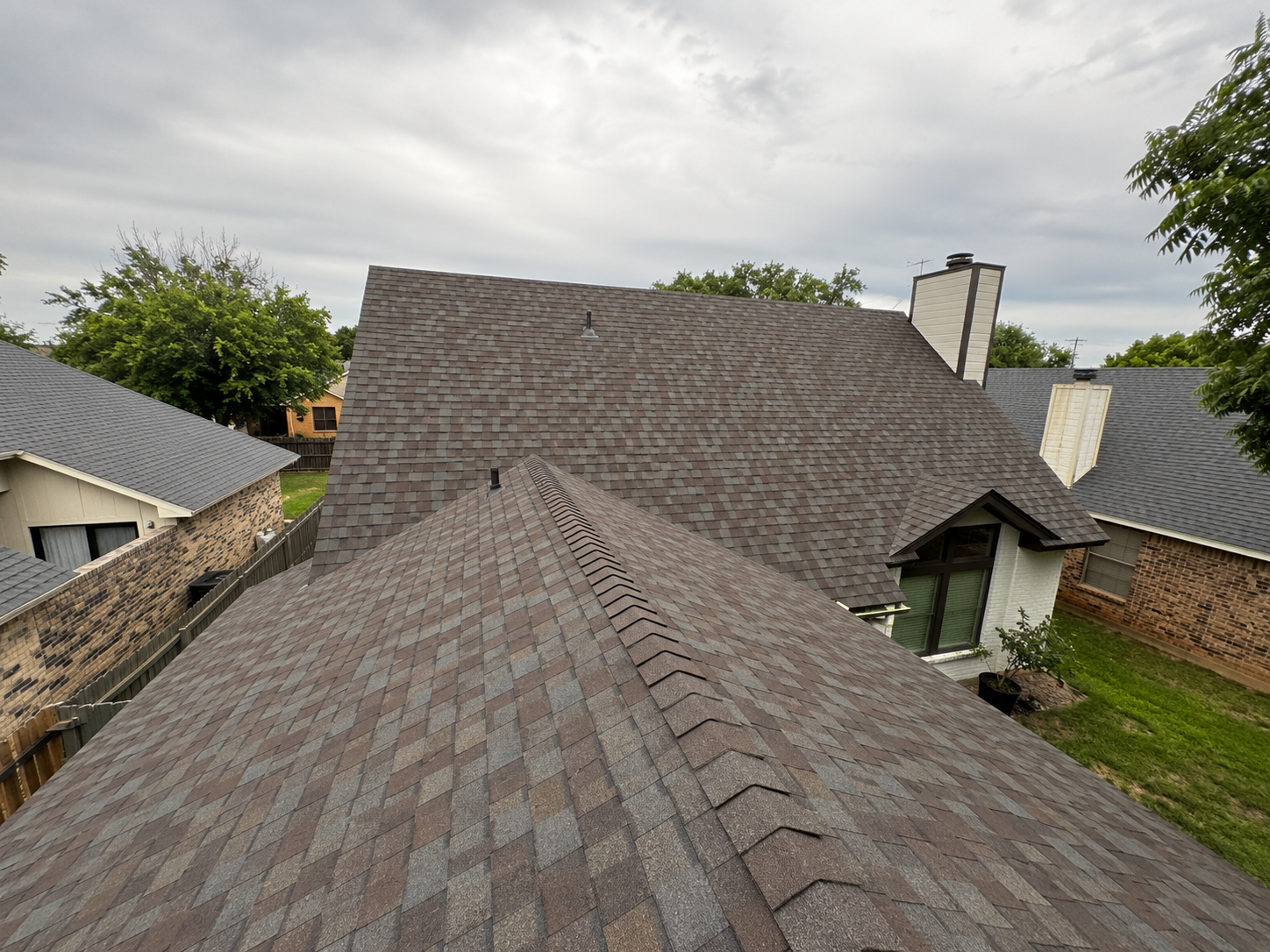
It might seem strange to talk about gutters when we're discussing roof repairs, but trust me, they're intrinsically linked. Your gutters and downspouts are the drainage system for your roof. Their job is to collect rainwater and snowmelt from your roof and direct it safely away from your home's foundation. If they're not doing their job, the water that should be flowing away can end up doing a lot of damage, not just to your foundation but also to your roof and siding.
In DFW, we get intense, short bursts of rain. These downpours can overwhelm compromised gutter systems quickly. If your gutters are clogged with leaves, shingle granules, or debris, the water has nowhere to go but over the edges. This can cause several problems. First, the constant saturation of water around your roof's edge can lead to premature deterioration of the fascia board (the board that runs along the edge of the roof) and the soffits. This wood can rot, leading to structural issues and creating entry points for pests.
Clean your gutters at least twice a year, especially after the fall leaf drop and before the spring rains. If you have a lot of trees, you might need to do it more often. Also, check that downspouts are clear and directing water at least 3-5 feet away from your foundation.
Second, water backing up along the roof edge can seep under your shingles and underlayment, especially if your drip edge (a metal flashing designed to direct water away from the fascia) is damaged or improperly installed. This can lead to leaks that appear to be coming from the roof itself but actually originate from a gutter issue. The cost of repairing water-damaged fascia, soffits, and potentially even the lower sections of your roof deck and siding can be substantial and is often an unexpected expense for homeowners who only focused on the shingles.
What many people don't budget for is that gutters themselves can degrade. Old vinyl or aluminum gutters can crack, sag, or pull away from the house due to age, weather, or excessive weight from debris. Even metal gutters can rust through, especially at seams and end caps. Replacing an entire gutter system might not be in the initial roof repair budget, but failing to address it can lead to far more expensive damage elsewhere. We often recommend gutter guards in DFW to help minimize debris buildup and reduce the frequency of cleanings, which can be a worthwhile investment to prevent future issues.
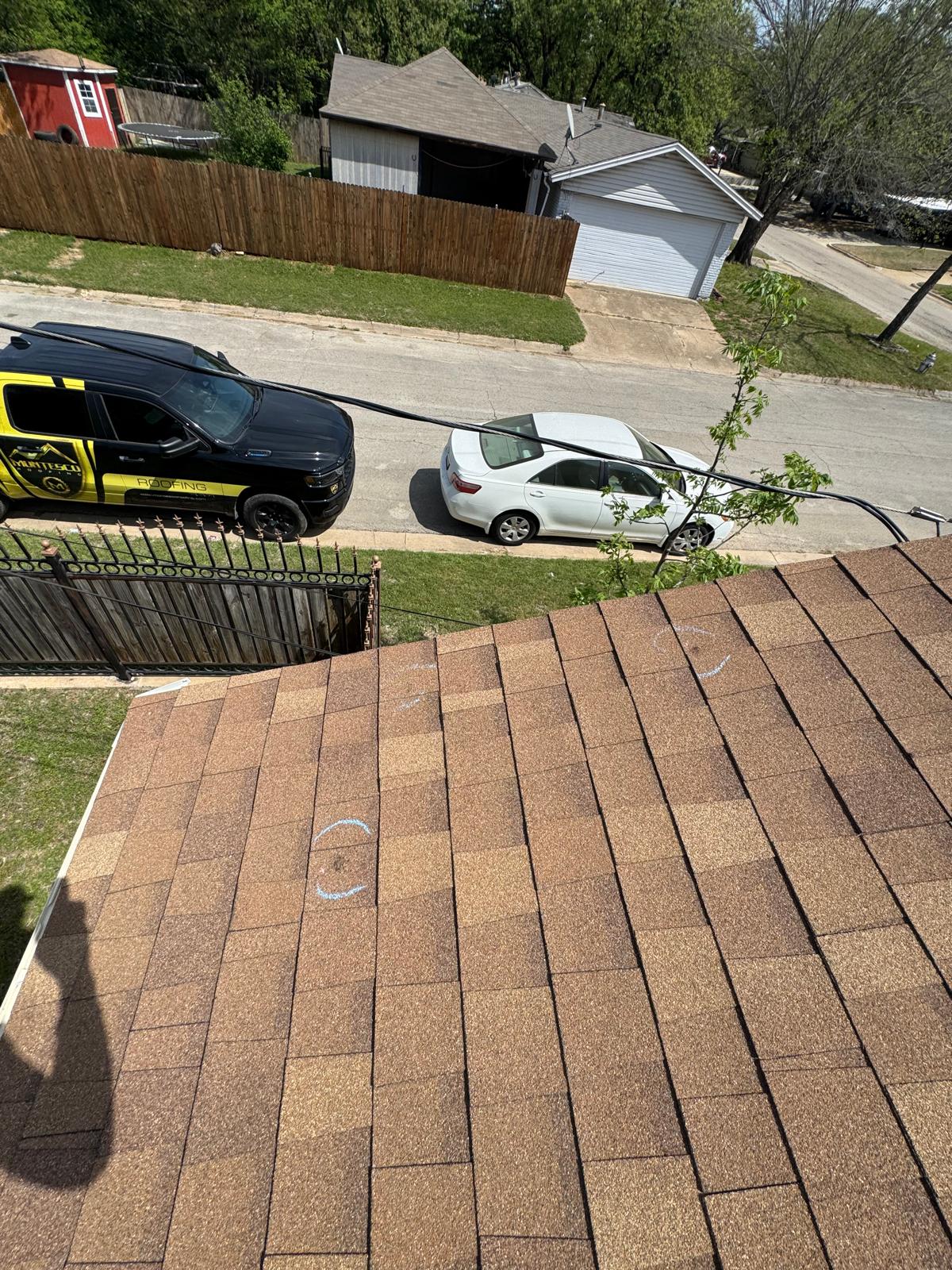
When we perform a comprehensive roof inspection in areas like Mesquite or Garland, we always include a thorough check of the gutters and downspouts. We're looking for sagging, leaks, blockages, and signs of water damage to the surrounding materials. Addressing gutter issues proactively is a key part of ensuring your entire home exterior system works together to protect your home. It’s a small part of the overall system, but its failure can have a domino effect on your roof and foundation.
Budgeting for the Unexpected: A Proactive DFW Roof Maintenance Plan
We've talked about the hidden costs, the components that often get overlooked, and the damage they can cause. So, how do you avoid that gut-wrenching moment when a seemingly minor roof issue turns into a massive, unexpected expense? The answer, as with most things in home maintenance, is proactive planning and budgeting.
First and foremost, invest in regular, professional roof inspections. In DFW, with our extreme weather, we recommend at least one inspection per year, ideally in the spring after the winter season and before the peak of summer heat, and another after any major storm event. These inspections should be thorough, going beyond just a visual check of the shingles. A good roofer will inspect your attic for ventilation issues, check the condition of your underlayment and decking, examine all flashing points, and assess your gutters and downspouts.
Step 1: Annual Professional Inspection
Schedule a comprehensive roof inspection with a reputable DFW roofing contractor. Ensure they check all components, not just shingles.
Step 2: Maintain Gutters & Drainage
Keep gutters clean and ensure downspouts direct water away from the foundation. Consider gutter guards.
Step 3: Monitor Attic Ventilation
Periodically check your attic for signs of moisture, mold, or inadequate airflow. Ensure vents are clear.
Step 4: Understand Your Roof System
Educate yourself on the different parts of your roof and what they do. This helps in understanding potential issues.
Second, create a dedicated roof maintenance fund. Think of it as an emergency fund specifically for your roof. Even if you have homeowner's insurance, there are deductibles, and many policies don't cover wear-and-tear or lack of maintenance. The cost of replacing a few damaged roof deck boards or repairing failing flashing is far less than the cost of dealing with extensive water damage, mold, and structural repairs. By setting aside a modest amount each month, you can be prepared when those inevitable, smaller issues arise. For a DFW homeowner, budgeting even $50-$100 a month can make a huge difference over several years.
Third, when you do need repairs, choose wisely. Don't opt for the cheapest quick fix. A shoddy repair might solve the immediate problem but will likely lead to bigger issues down the road. Invest in quality materials and experienced, reputable contractors. A contractor who understands the entire roof system, not just the shingles, will be able to identify and address potential problems before they escalate. This is where choosing a local, established company like Montesco Roofing, with over 13 years of experience serving the DFW area, becomes invaluable. We know the local climate, the common issues, and how to properly protect your home.
Finally, be aware of your home's specific vulnerabilities. Older homes might have outdated roofing systems or materials that are more prone to failure. Homes in heavily treed areas will require more frequent gutter maintenance. Understanding these factors allows you to tailor your maintenance plan and budget more effectively. By being proactive, you shift from a reactive, crisis-mode approach to a planned, preventative one, saving yourself money, stress, and potential damage to your most valuable asset.
How to Get This Done
If you want to handle this yourself, the first step is to start a dedicated savings account for home maintenance. Aim to set aside a percentage of your home's value or a fixed monthly amount. Research local DFW weather patterns and common roofing issues to inform your budget. If you'd rather have experienced roofers handle the assessment and ongoing care, our team at Montesco Roofing has been protecting DFW homes for over 13 years. We offer detailed, transparent inspections and maintenance plans designed for the unique challenges of the North Texas climate.
Montesco Roofing's Approach to Transparent Roof Repair Estimates
One of the biggest sources of anxiety for homeowners facing roof repairs is the lack of transparency in estimates. You get a quote, but you're not entirely sure what it covers, what's included, and why one quote might be drastically different from another. At Montesco Roofing, we believe that's unacceptable. We've built our reputation in DFW over 13 years by being upfront, honest, and incredibly detailed with our clients.
When we come out to assess a potential roof repair, our process is thorough. We don't just walk around the perimeter and give you a number. We get on the roof, inspect the shingles, check the underlayment condition, examine all flashing, assess the ventilation system, and often go into the attic to look for signs of leaks or damage to the decking and insulation. We document everything with photos and videos, so you can see exactly what we see.
Key Insight
A truly transparent estimate breaks down the costs for materials, labor, and any specific components being addressed (e.g., flashing repair, decking replacement, ventilation upgrades). It also clearly outlines the warranty on both materials and workmanship.
Our estimates are designed to be easy to understand. We'll break down the costs line by line. You'll see exactly what materials are being used (and we only use high-quality, manufacturer-approved materials), how much labor is involved, and if any specialized work like structural repairs or extensive flashing replacement is needed. We’ll explain why a particular repair is necessary and what the long-term benefits are. For example, if we recommend replacing a section of roof decking, we'll show you the rot or damage and explain how it compromises your roof's integrity and your home's safety.
We also stand behind our work. Every repair we do comes with a warranty on both materials and our workmanship. This is crucial because it gives you peace of mind. If something were to go wrong with the repair itself, you know we'll be here to make it right. This is a stark contrast to some of the fly-by-night operations that disappear after the check clears, leaving homeowners with the same problems – or worse – and no recourse.
The reality is, roof repairs can be complex, and there are always potential hidden issues that might not be apparent during the initial inspection. If we uncover something significant while we're actively performing the repair – something that wasn't visible before we started – we won't just proceed and surprise you with an inflated bill. We'll stop, document the new findings, explain the situation clearly, and provide you with an updated, transparent estimate for your approval before any additional work is done. That’s our commitment to you as a trusted DFW roofing contractor.
DFW Roof Repair Costs: What to Expect vs. What You Might Pay
Understanding the potential costs associated with roof repairs in DFW is essential for effective budgeting. While every home and every situation is unique, here’s a general breakdown of what you might expect for various types of repairs versus the potential hidden costs if underlying issues aren't addressed.
| Repair Type | Typical DFW Cost (Montesco Estimate) | What's Included (Montesco) | Potential Hidden Costs (If Ignored) |
|---|---|---|---|
| Minor Shingle Replacement (e.g., a few wind-blown shingles) |
$300 - $800 | Replacement of damaged shingles, resealing, and basic inspection of immediate area. | Undetected underlayment damage leading to leaks, rot in decking, mold growth. |
| Flashing Repair/Replacement (e.g., around vent pipe or chimney) |
$400 - $1,200 | Removal of old flashing, installation of new, properly sealed flashing, inspection of surrounding area. | Water intrusion into attic, damage to surrounding decking, fascia, and insulation; potential mold. |
| Partial Roof Deck Replacement (e.g., 1-3 sheets of plywood) |
$1,500 - $4,000+ | Removal of shingles and damaged decking, installation of new decking, underlayment, and shingles in the repaired area. | Structural failure, widespread rot, compromised support for the entire roof system. |
| Gutter & Fascia Repair/Replacement | $700 - $2,500+ | Repair or replacement of damaged fascia boards, installation of new or repaired gutters and downspouts. | Water damage to siding, foundation issues, advanced rot in roof eaves. |
| Attic Ventilation Upgrade/Repair | $500 - $2,000+ | Installation or repair of ridge vents, soffit vents, or gable vents; ensuring proper airflow. | Premature roof material degradation, moisture buildup leading to rot and mold, increased energy costs. |
| Comprehensive Roof System Restoration (Addressing multiple hidden issues) |
$8,000 - $25,000+ | Full assessment, repair/replacement of decking, underlayment, flashing, shingles, ventilation, and gutters as needed. | Catastrophic structural failure, major interior water damage, mold remediation, potential health hazards. |
As you can see, the cost of a roof repair can vary wildly depending on what's discovered during a thorough inspection. The "hidden costs" aren't just hypothetical; they are the very real expenses that arise when the underlying problems are left unaddressed. A simple shingle replacement might seem affordable, but if it doesn't account for a compromised underlayment or damaged decking, you're only delaying the inevitable and likely increasing the total cost of repairs down the line.
This is why we at Montesco Roofing emphasize the importance of a detailed inspection and a transparent estimate. We aim to give you the most accurate picture of your roof's health and the true cost of any necessary repairs. Our goal is to fix the problem correctly the first time, preventing those unexpected, budget-busting surprises that plague so many DFW homeowners. Don't let overlooked components turn a minor issue into a major financial burden.
Need help putting this into action? Our team has protected hundreds of DFW homes. Tell us about your roof — free inspection, no pressure.
Get Your Free Roof Inspection →Frequently Asked Questions About Hidden Roof Repair Costs
Frequently Asked Questions About Hidden Roof Repair Costs
What are the most common "hidden" roof repair costs in DFW?
How often should I get my roof inspected in North Texas?
Can homeowner's insurance cover these hidden roof repairs?
What's the difference between a roof repair and a roof replacement in terms of hidden costs?
How can I check my attic for signs of roof damage myself?
What are the long-term consequences of ignoring minor roof leaks?
Montesco Roofing Team
DFW's trusted roofing contractor with 13+ years of experience. Specializing in roof replacements, storm damage repair, and insurance claims across Dallas-Fort Worth.
Get in touch →