Is Your DFW House Hiding This?
The Silent Saboteurs: Why Hidden Roof Problems Are Your Biggest Financial Threat
You just found a water stain on your ceiling after that last DFW downpour, and suddenly, a small drip feels like a ticking time bomb. That's not just a minor inconvenience; it's often the first sign of a much larger, more expensive problem lurking just out of sight. In the unpredictable climate of North Texas, with its intense sun, sudden storms, and occasional hail, your roof takes a beating. While obvious damage like missing shingles or major leaks are easy to spot, the real financial villains are the hidden issues. These silent saboteurs work slowly, often undetected, until they've caused significant structural damage, leading to costly repairs that could have been avoided with early intervention. As a DFW roofing contractor with over 13 years of hands-on experience, I've seen firsthand how these overlooked problems can turn a homeowner's worst nightmare into a financial disaster. This year, 2026, is no different.Think of your roof like your health. Regular check-ups (inspections) are far less expensive and disruptive than emergency surgery (major repairs) when a serious problem finally surfaces.
7 Hidden Roof Issues DFW Homeowners Must Find Before They Cost You Thousands
Here in the Dallas-Fort Worth area, we deal with a unique set of environmental challenges that can accelerate roof wear and tear. From the relentless Texas sun beating down throughout the summer to the sudden, violent thunderstorms that can bring hail and high winds, your roof is constantly under pressure. What most people don't realize is that some of the most damaging issues aren't the dramatic ones. They're the subtle, creeping problems that can go unnoticed for years, quietly wreaking havoc. As your trusted DFW roofing expert, I want to shine a light on these seven common culprits that can turn a minor roof concern into a major financial burden by 2026.Problem 1: The Attic Ventilation Void – How Poor Airflow Destroys Your Roof From Within
This is, hands down, one of the most critical and overlooked aspects of a healthy roof system, especially here in DFW. Your attic isn't just empty space; it's a crucial part of your home's climate control. Proper attic ventilation works in two key ways: it allows hot air to escape in the summer, preventing your shingles from overheating and degrading prematurely, and it allows moisture to escape in the winter, preventing condensation that can lead to rot and mold. In the scorching DFW summers, temperatures in an unventilated attic can easily exceed 150°F. This extreme heat bakes your shingles, breaking down the asphalt binder and causing them to become brittle and crack much faster than they should. It also puts extra strain on your air conditioning system as it fights to cool a superheated attic, driving up your energy bills. Come winter, if moisture isn't allowed to escape, it condenses on the underside of your roof deck, creating a breeding ground for mold and mildew. This can weaken the wood structure, leading to costly repairs down the line.Many homes, especially older ones, have inadequate or blocked soffit and ridge vents. Debris, insulation, or even paint can clog these vital pathways. A simple visual check from the ground might not reveal an internal ventilation issue.
How to Get This Done
DIY Check: Safely access your attic on a cool day. Look for signs of moisture, mold, or dark stains on the underside of the roof deck. Check that soffit vents aren't blocked by insulation. You can also feel for airflow near the ridge vents.
Professional Solution: A certified roofing contractor can perform a thorough attic ventilation assessment, identify blockages or deficiencies, and recommend solutions like adding or upgrading vents, baffles, or even installing an attic fan. We’ve helped hundreds of DFW homeowners optimize their attic airflow. Get a professional assessment today.
Problem 2: Granule Loss – The Subtle Sign Your Shingles Are Aging Out (And What It Means for Your Home Value)
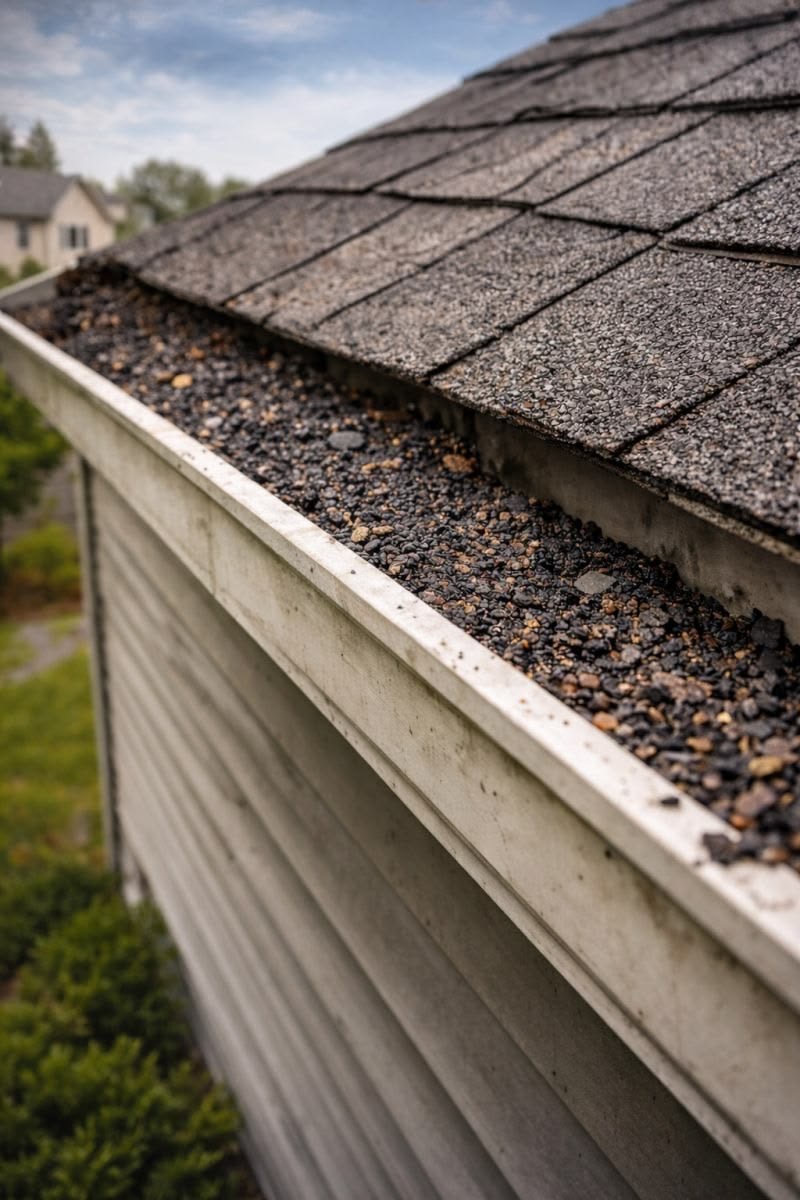
Asphalt shingles are designed with a protective layer of mineral granules on their surface. These granules are the first line of defense against UV rays and impact, reflecting sunlight and shielding the asphalt beneath. When you start seeing a significant amount of these granules in your gutters or downspouts, it's a clear indicator that your shingles are losing their protective coating. This isn't just an aesthetic issue; it's a sign of premature aging. As the granules wear away, the asphalt is exposed to the elements, accelerating degradation. The shingles become more susceptible to cracking, curling, and becoming brittle. In DFW's intense sun, this process is amplified. A roof that's losing granules is a roof that's losing its ability to protect your home from rain, hail, and heat."Homebuyers are increasingly savvy about home maintenance. A worn-looking roof, even without a visible leak, can be a major negotiation point."— Real Estate Industry Analyst
Problem 3: Compromised Flashing – The Tiny Weak Points That Invite Major Water Intrusion
Flashing is that crucial metal or rubber material installed around roof penetrations – like chimneys, vent pipes, skylights, and in valleys where two roof planes meet. Its sole purpose is to create a watertight seal, directing water away from these vulnerable areas. When flashing is damaged, improperly installed, or simply corroded over time, it becomes a direct highway for water to enter your home. In DFW, wind-driven rain is a common occurrence. Even a small gap or crack in your flashing can allow water to be forced underneath your shingles and into your attic or wall cavities. This can lead to:- Rotting roof decking
- Damaged insulation
- Mold and mildew growth
- Stains on interior ceilings and walls
- Weakening of the structural integrity of your roof
Many DIY roof repairs or quick fixes by less experienced contractors overlook the critical role of flashing. Compromised flashing is a leading cause of unexpected leaks, especially after severe weather events common in North Texas.
DIY Patch (Temporary)
Often uses caulk or basic sealant. May fail quickly under DFW's extreme temperature swings.
Professional Flashing Repair/Replacement
Uses durable, code-compliant materials, installed correctly to create a long-lasting, watertight seal. Backed by workmanship warranty.
Problem 4: Hidden Punctures & Tears – The Unseen Damage From Debris or Minor Impacts
DFW weather can be harsh. While we might not always get the widespread destruction seen in other parts of the country, localized hail storms or even falling branches from strong winds can cause small punctures or tears in your shingles and underlayment. These aren't always large enough to be immediately obvious from the ground. Think about a small rock or piece of debris blown by high winds, or even a hailstone that doesn't cause widespread shattering but creates a tiny nick. Over time, especially with the constant expansion and contraction from DFW's temperature fluctuations, these small imperfections can widen. Water then finds its way through.After any significant storm, especially those with high winds or hail, take a walk around your property. Look for any new debris on your lawn that might have fallen on your roof. If you see anything unusual, it's worth getting a professional inspection.
Problem 5: Ice Dams (Even in Texas!) – The Surprising Threat to Your Roof Structure
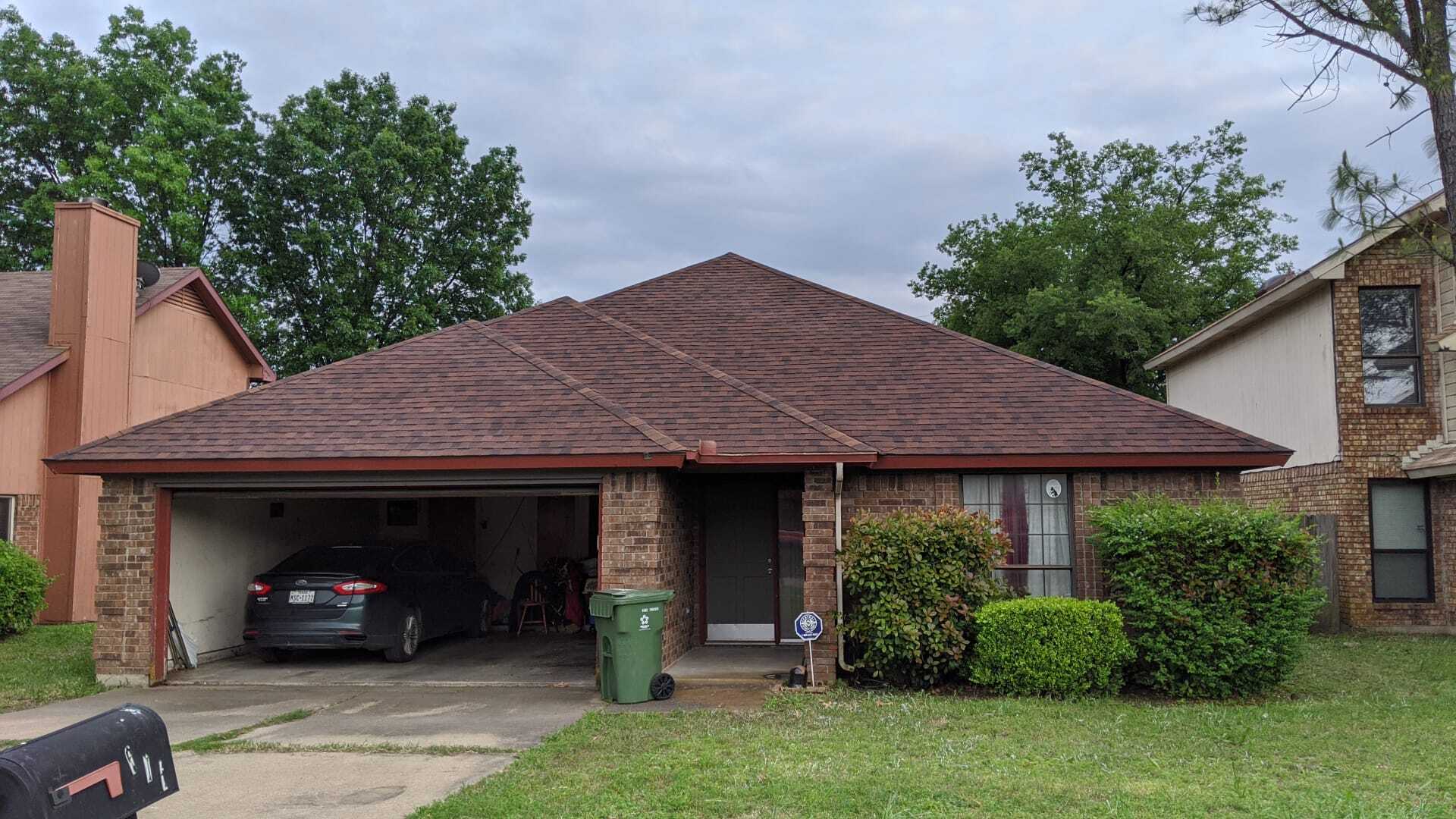
Even a few days of freezing temperatures combined with a poorly insulated or ventilated attic can create ice damming issues in North Texas. The damage can be significant, leading to water intrusion and structural compromise.
Key Insight
The combination of DFW's intense summer heat and occasional winter freezes creates a challenging environment for roofing materials. Issues like poor attic ventilation exacerbate both problems, leading to premature wear in the summer and potential water damage in the winter.
Problem 6: Underlayment Degradation – The Foundation of Your Roof's Defense Failing
Beneath your shingles lies the underlayment – a critical layer of protection. It acts as a secondary barrier against moisture, providing an extra line of defense should water get past the shingles. This material, often synthetic or asphalt-saturated felt, is designed to be durable and water-resistant. However, underlayment can degrade over time due to several factors:- UV Exposure: If shingles are missing or damaged, the underlayment is directly exposed to the harsh Texas sun, which can cause it to become brittle and crack.
- Improper Installation: If the underlayment wasn't installed correctly, with proper overlaps and sealing, it can create pathways for water.
- Age: Like all materials, underlayment has a lifespan. Older underlayment can become dry and lose its integrity.
Problem 7: Nail Pops & Loose Shingles – The Domino Effect of Small Issues
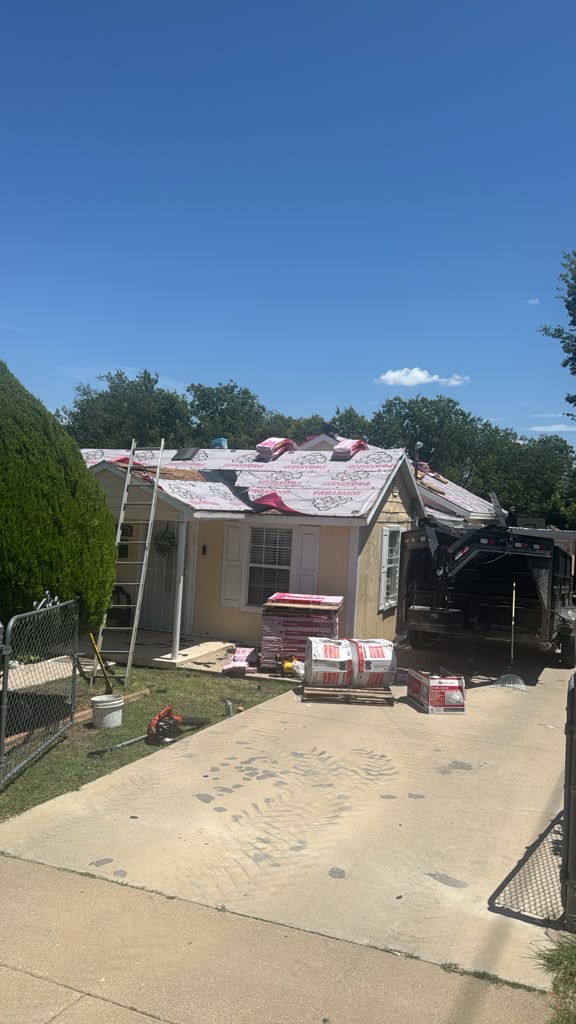
Nail pops occur when the nails holding your shingles in place are pushed upwards through the wood decking due to expansion and contraction of the wood, or improper nailing techniques. This creates a small gap, allowing water to seep in around the nail head. Loose shingles, often caused by wind uplift or improper installation, are even more obvious signs of trouble. These might seem like minor issues, easily overlooked, but they set off a chain reaction. A single nail pop can allow moisture to reach the roof deck. Multiple loose shingles can be easily lifted by wind, exposing the underlayment and creating larger entry points for water. In DFW, where we experience significant temperature swings and strong winds, these seemingly small problems can quickly escalate.If you notice shingles lifting or curling at the edges, or if you see any nails that appear to be popping up through shingles, it's a clear sign that your roof needs immediate attention. Don't wait for a leak to appear.
The Cost of Ignoring: A Look at What These Hidden Issues Can Actually Cost You
Ignoring these hidden roof problems isn't just a gamble; it's a predictable path to significant, and often unexpected, expenses. The initial "savings" of putting off a small repair or inspection are dwarfed by the costs that arise when these issues escalate. Here’s a breakdown of why addressing these problems proactively is so crucial for DFW homeowners in 2026.| Issue | Estimated Repair Cost (DFW, 2026) | Potential Escalated Costs (If Ignored) | Long-Term Impact |
|---|---|---|---|
| Minor Attic Ventilation Fix (e.g., clearing vents) | $100 - $300 | $5,000 - $20,000+ (for roof deck replacement, mold remediation, HVAC strain) | Premature roof failure, higher energy bills, unhealthy indoor air quality. |
| Replacing a few shingles due to granule loss | $300 - $700 | $8,000 - $30,000+ (for full roof replacement due to widespread damage, structural rot) | Reduced home value, increased risk of leaks during storms. |
| Flashing Repair/Replacement around one vent | $300 - $700 | $10,000 - $30,000+ (for interior water damage, drywall repair, mold remediation, structural repairs) | Persistent leaks, mold growth, compromised structural integrity. |
| Sealing a minor puncture/tear | $200 - $500 | $7,000 - $25,000+ (for roof deck repair/replacement, insulation replacement, interior damage) | Accelerated roof deck rot, insulation failure, potential mold. |
| Addressing minor ice damming (e.g., insulation check) | $200 - $600 | $15,000 - $40,000+ (for extensive water damage to roof structure, ceilings, walls, mold) | Significant structural damage, mold infestation, compromised home safety. |
| Underlayment issues (small section repair) | $500 - $1,000 | $10,000 - $30,000+ (for full roof replacement due to widespread deck damage) | Complete roof system failure, widespread interior damage. |
| Securing a few loose shingles or popped nails | $150 - $400 | $6,000 - $20,000+ (for roof deck replacement, insulation damage, mold) | Increased vulnerability to wind damage, water intrusion. |
Key Insight
The costs listed above are estimates for the DFW area in 2026 and can vary significantly based on the extent of the damage and the specific materials needed. However, the trend is clear: proactive maintenance and early detection of hidden issues are consistently less expensive than reactive repairs after significant damage has occurred.
Proactive Protection: How Montesco Roofing Uncovers What Others Miss
As a locally owned and operated DFW roofing contractor with over 13 years of dedicated service, Montesco Roofing understands the unique challenges our homes face. We don't just look for the obvious; we go deeper. Our process is designed to identify those silent saboteurs before they have a chance to wreak havoc. When we conduct an inspection, especially after a storm or for routine maintenance, we're not just looking at the shingles. We're meticulously examining the entire roofing system. This includes:- Thorough Attic Inspections: We check for proper ventilation, signs of moisture, mold, damaged insulation, and daylight showing through the roof deck.
- Detailed Flashing Examination: We inspect all flashing around penetrations, in valleys, and at wall intersections for any signs of corrosion, damage, or improper seals.
- Shingle Integrity Check: Beyond just missing shingles, we look for granule loss, curling, cracking, and signs of premature aging.
- Underlayment Assessment: Where accessible and necessary, we evaluate the condition of the underlayment for tears or degradation.
- Ventilation System Evaluation: We ensure your soffit, ridge, and other vents are clear and functioning correctly to maintain optimal airflow.
How to Get This Done
If you want to handle this yourself, here's exactly what you need: a sturdy ladder, safety gear (gloves, non-slip shoes), binoculars for a closer look from the ground, and potentially attic access. You'll need to be methodical and patient.
If you'd rather have experienced roofers handle it, our team at Montesco Roofing has done this on hundreds of DFW homes — here's how our process works: We start with a detailed, no-obligation inspection, using specialized tools and our extensive experience to identify even the most hidden issues. We then provide a clear, itemized report and discuss your best options, whether it's a minor repair or a full replacement. We handle everything from the initial assessment to coordinating with your insurance company if needed, ensuring your roof is protected for years to come.
Need help putting this into action? Our team has protected hundreds of DFW homes. Tell us about your roof — free inspection, no pressure.
Get Your Free Roof Inspection →Frequently Asked Questions About Hidden Roof Problems in DFW
How often should I get my roof inspected in DFW?
Can insurance cover the cost of hidden roof damage?
What's the difference between a roof repair and a roof replacement?
How can I tell if my attic ventilation is poor without going into the attic?
My neighbor said they patched their roof for cheap. Should I do that?
What are the signs of storm damage I should look for after a DFW storm?
Montesco Roofing Team
DFW's trusted roofing contractor with 13+ years of experience. Specializing in roof replacements, storm damage repair, and insurance claims across Dallas-Fort Worth.
Get in touch →