Gutter Systems, Which Protects Your Foundation Best?
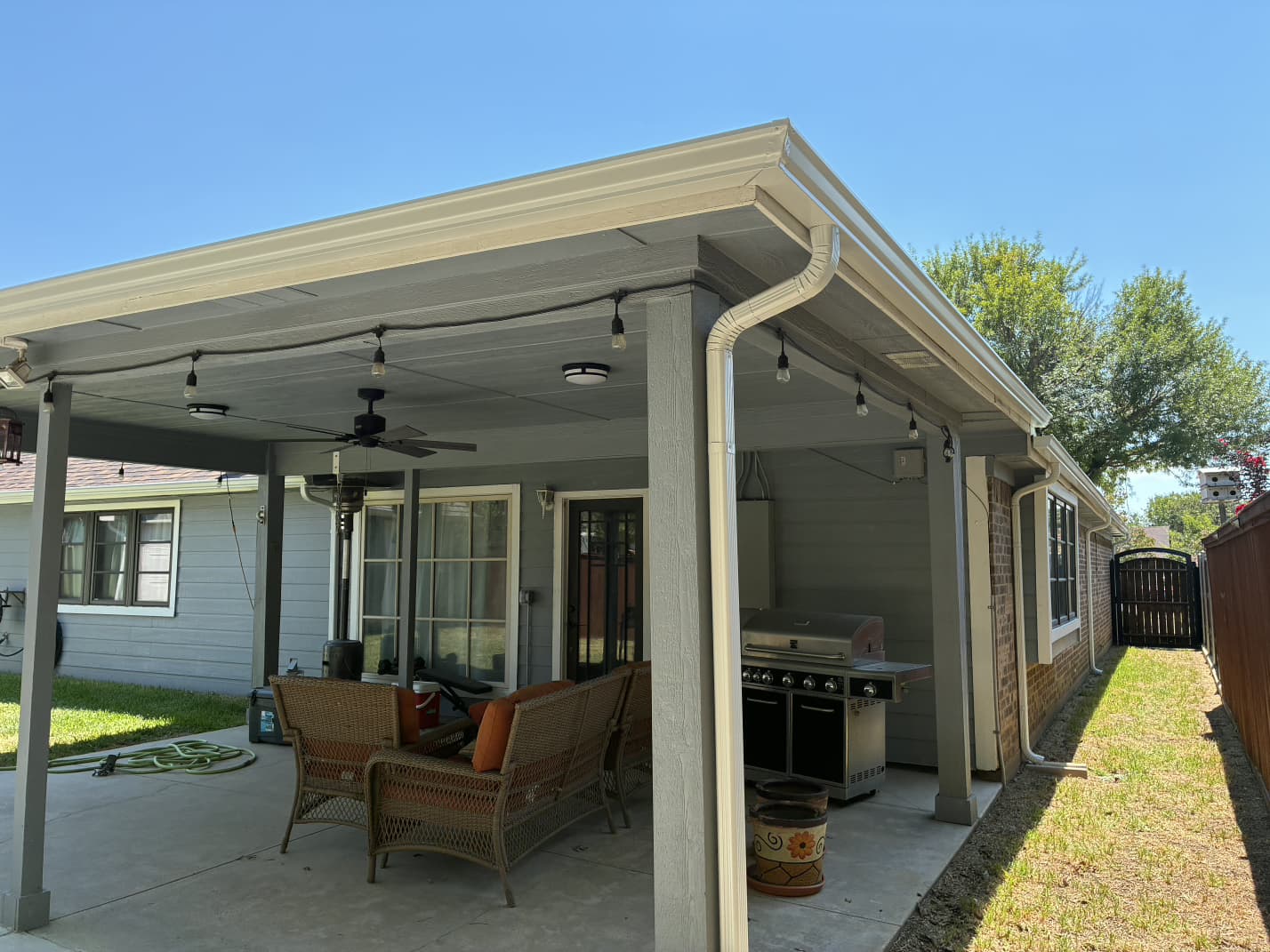
The Silent Threat: Why Your DFW Foundation Needs Superior Gutter Protection in 2026
You've probably heard it a million times: "A good roof is essential." And it is. But what most homeowners in DFW don't realize until it's too late is that your roof's job doesn't end at the edge. The water that cascades off your roof needs a controlled exit strategy. Without a properly functioning gutter system, that water becomes a silent, relentless enemy, directly threatening the very foundation of your home. Here in North Texas, we're no strangers to intense weather – from the sudden downpours of spring and fall to the occasional intense summer storms. These events can dump incredible volumes of water, and if your gutters aren't up to the task, that water will find its way to your foundation. We've seen it time and again, especially in areas like Frisco and Plano where soil types can expand and contract significantly with moisture changes.Ignoring your gutters is a costly mistake. Water pooling around your foundation can lead to cracks, shifting, and expensive structural repairs that far outweigh the cost of a good gutter system. Don't let a simple oversight become a major home repair nightmare.
Beyond the Basics: 7 Gutter System Types for DFW Homes
When you start looking into gutters, you might think it's a simple "get what you get" situation. But the truth is, there's a whole world of options out there, each with its own pros and cons, especially when you consider the unique demands of the DFW climate. Choosing the right type of gutter isn't just about how it looks; it's about how effectively it can handle the rainfall and protect your home for years to come. Understanding these differences is key to making an informed decision that will serve your home well through all the Texas seasons.When choosing gutters, always consider the average rainfall in your area. DFW can get intense, short bursts of rain, meaning your gutters need to handle high volumes quickly and efficiently. Don't just think about the total annual rainfall; think about the intensity of the storms.
1. K-Style Gutters
These are by far the most common type of gutter system you'll see on homes across the DFW area. They get their name from the decorative profile that resembles the letter 'K'. K-style gutters have a flat bottom and a curved or decorative front, which allows them to hold more water than half-round gutters of the same width. They're also typically more rigid, making them a good choice for handling the occasional hail that DFW can experience. Their design also makes them easier to install and often more cost-effective.2. Half-Round Gutters
As the name suggests, these gutters are shaped like a half-circle. They have a more traditional, classic look and are often favored for historical homes or properties where a specific aesthetic is desired. While they can be very effective, they typically hold less water than K-style gutters of the same width and can be more prone to damage from heavy hail. However, their smooth, rounded interior makes them less likely to clog with debris, which can be a significant advantage in areas with lots of mature trees.3. Seamless Gutters
This is less about the shape and more about the construction. Seamless gutters are custom-made on-site using a special machine that extrudes a single, continuous piece of metal to the exact length of your home's roofline. This eliminates the seams that are common in sectional gutters. Fewer seams mean fewer potential leak points, which is a huge advantage in preventing water damage around your home's exterior and foundation. This is a critical factor for DFW homeowners looking for long-term reliability.4. Sectional Gutters
These are the more traditional, pre-cut gutters that come in standard lengths (usually 10-12 feet). They are then pieced together on-site using connectors and sealants. While they are often cheaper upfront and easier for a DIYer to install, they come with a significant drawback: those seams. Every joint is a potential weak point where leaks can develop over time, especially under the stress of DFW's temperature fluctuations and heavy rains.5. Vinyl Gutters
Made from PVC plastic, vinyl gutters are a popular choice for budget-conscious homeowners. They are lightweight, easy to install, and resistant to rust and corrosion. However, they have some significant downsides, especially for the Texas climate. Vinyl can become brittle and crack in extreme cold (though less common in DFW than in northern states) and can warp or sag under intense summer heat and direct sunlight. They also aren't as durable as metal options and can be damaged by heavy hail or falling branches.6. Aluminum Gutters
Aluminum is a workhorse in the gutter industry, and for good reason. It's lightweight, rust-proof, and relatively affordable. It's also available in a wide range of colors to match your home's exterior. Aluminum gutters are a popular choice in DFW because they offer a good balance of durability, cost, and performance. They can be formed into seamless sections, which significantly reduces the risk of leaks. Their main drawback is that they can be dented by severe hail, though thicker gauges offer better resistance.7. Copper Gutters
For the homeowner who wants the absolute best in terms of aesthetics and longevity, copper gutters are the pinnacle. They develop a beautiful, distinctive patina over time, adding significant curb appeal. Copper is incredibly durable, resistant to corrosion, and can last for decades, often outliving the home itself. The downside? The price tag. Copper gutters are significantly more expensive than aluminum or vinyl, making them a luxury option. They're a fantastic investment for the right home, but not everyone's budget allows for them.K-Style
High capacity, rigid, cost-effective. Standard for most DFW homes.
Half-Round
Aesthetic appeal, smoother flow, less prone to clogging.
Seamless
Custom-made, fewer seams = fewer leaks. Ideal for DFW protection.
Sectional
Pre-cut, easier DIY, but prone to leaks at seams.
Vinyl
Lightweight, rust-proof, but can be brittle/warp in Texas heat.
Aluminum
Rust-proof, affordable, good for seamless. Can dent from hail.
Copper
Durable, beautiful patina, extremely long-lasting. High cost.
K-Style vs. Half-Round Gutters: The Aesthetic & Functional Showdown for DFW Properties
When it comes to the core function of channeling water away from your home, both K-style and half-round gutters can do a job. However, their differences in design lead to distinct advantages and disadvantages, especially in a climate like ours here in DFW. Homeowners often grapple with this choice, weighing aesthetics against practical performance.| Feature | K-Style Gutters | Half-Round Gutters |
|---|---|---|
| Appearance | Modern, decorative profile resembling the letter 'K'. Blends well with most architectural styles. | Classic, simple, semi-circular shape. Often preferred for historic or traditional homes. |
| Water Capacity | Higher capacity for the same width due to the flat base and deeper profile. Better for heavy rainfall. | Lower capacity for the same width. May require larger sizes for homes with steep roofs or high rainfall. |
| Durability & Rigidity | Generally more rigid, especially in thicker gauges. Resists bowing and denting from minor impacts. | Less rigid due to the curved shape. Can be more susceptible to dents from hail or falling debris. |
| Clogging Tendency | The inner corners can sometimes catch debris, potentially leading to clogs if not maintained. | Smoother, open curve makes them less likely to trap debris. Water flows more freely. |
| Installation & Cost | Easier to install, often more cost-effective due to standardized manufacturing and wider availability. | Can be slightly more complex to install, especially if custom bending is required. May have a slightly higher material cost. |
| DFW Climate Suitability | Excellent. Handles heavy rain well and offers good rigidity against occasional hail. | Good, especially for aesthetics. Requires careful sizing and potentially gutter guards to manage debris in wooded areas. |
| Maintenance | Requires regular cleaning to prevent clogs in the inner corners. | Generally easier to clean due to the open shape, but still needs regular checks. |
Material Matters: Vinyl, Aluminum, Steel, and Copper Gutters in the Texas Climate
The material your gutters are made from plays a massive role in their performance, longevity, and cost. In the DFW area, we experience significant temperature swings, intense sun, and the occasional severe weather event. This means the material needs to be able to withstand these conditions without degrading.Key Insight
When considering materials for your DFW home, think about the trade-offs between cost, durability, and maintenance. Aluminum offers the best all-around value for most homeowners, providing rust resistance and good performance in our climate. Steel is stronger but heavier and prone to rust if the coating is compromised. Vinyl is budget-friendly but can be less durable long-term. Copper is the premium choice for longevity and aesthetics but comes at a high price.
Seamless vs. Sectional Gutters: The Installation Difference for DFW Durability
This is where the rubber meets the road, or rather, where the water doesn't meet the wall. The distinction between seamless and sectional gutters is one of the most critical factors in ensuring your gutter system performs reliably, especially in a place like DFW where weather can be unforgiving.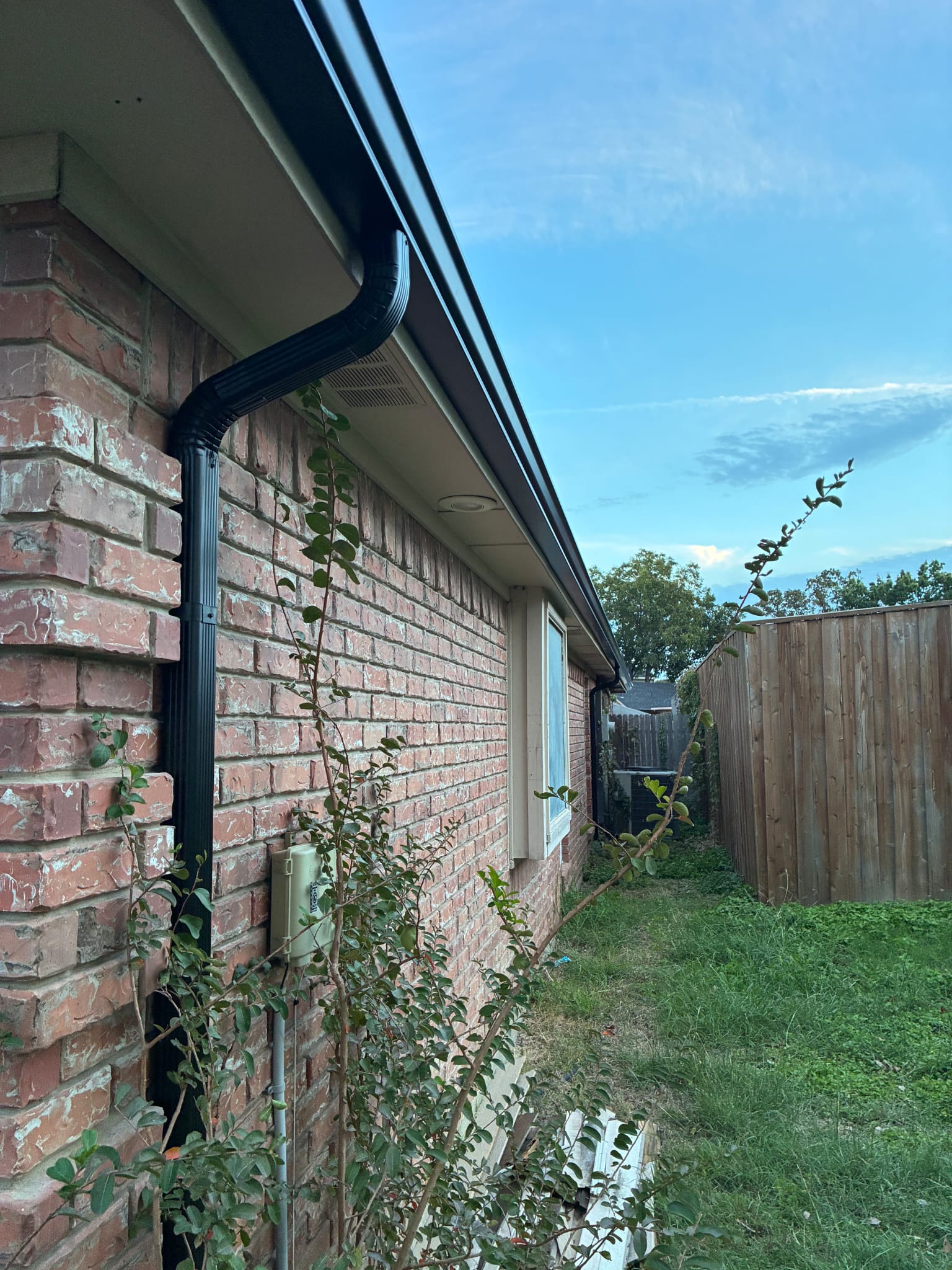
The Crucial Role of Gutter Guards: Preventing Clogs and Protecting Your Investment
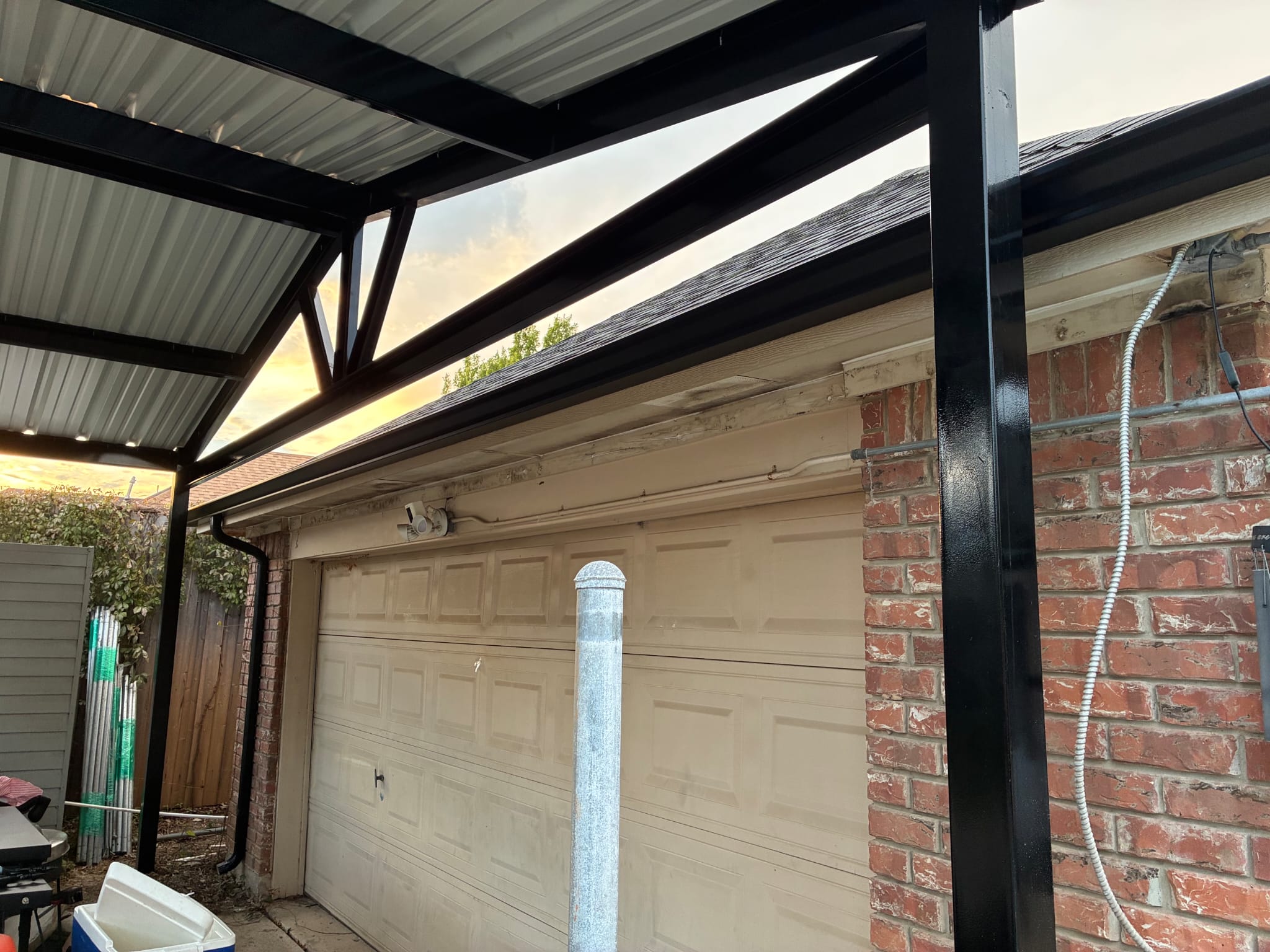
When considering gutter guards, don't go for the cheapest option. Look for guards made of durable materials like aluminum or stainless steel that are securely attached. They should be designed to handle heavy rainfall without overflowing and should be installed correctly to prevent debris from getting under them.
No gutter guard is completely maintenance-free. Even the best systems can accumulate fine debris or shingle grit over time. Regular inspection and occasional cleaning are still necessary to ensure optimal performance and prevent overflow, especially after major storms.
How Montesco Roofing Ensures Your DFW Gutter System Works in Harmony with Your Roof
At Montesco Roofing, we don't just see gutters as an add-on; we see them as an integral part of your home's overall water management system, working in tandem with your roof. When we replace a roof or perform storm damage repairs in DFW, we always assess the existing gutter system to ensure it's functioning correctly and is properly integrated with the new roofing materials. This holistic approach is critical for preventing future issues.Key Insight
A properly installed gutter system works seamlessly with your roof's underlayment and flashing to direct water away from your home's structure. If your gutters are not sloped correctly, are too small for your roof's pitch, or are damaged, water can back up under your shingles or behind your fascia, leading to wood rot and potential leaks into your attic or walls. This is why considering gutters alongside your roofing projects makes so much sense.
How to Get This Done
DIY Assessment: After a rain, observe how water flows from your roof into the gutters and then down the downspouts. Does it overflow? Does it pool near the foundation? Are the gutters sagging?
Montesco Roofing's Approach: When you work with us for roofing services, we conduct a thorough assessment of your entire water management system, including gutters. If your existing gutters are failing or inadequate, we can recommend and install the right gutter solutions that perfectly complement your new roof, ensuring long-term protection for your DFW home.
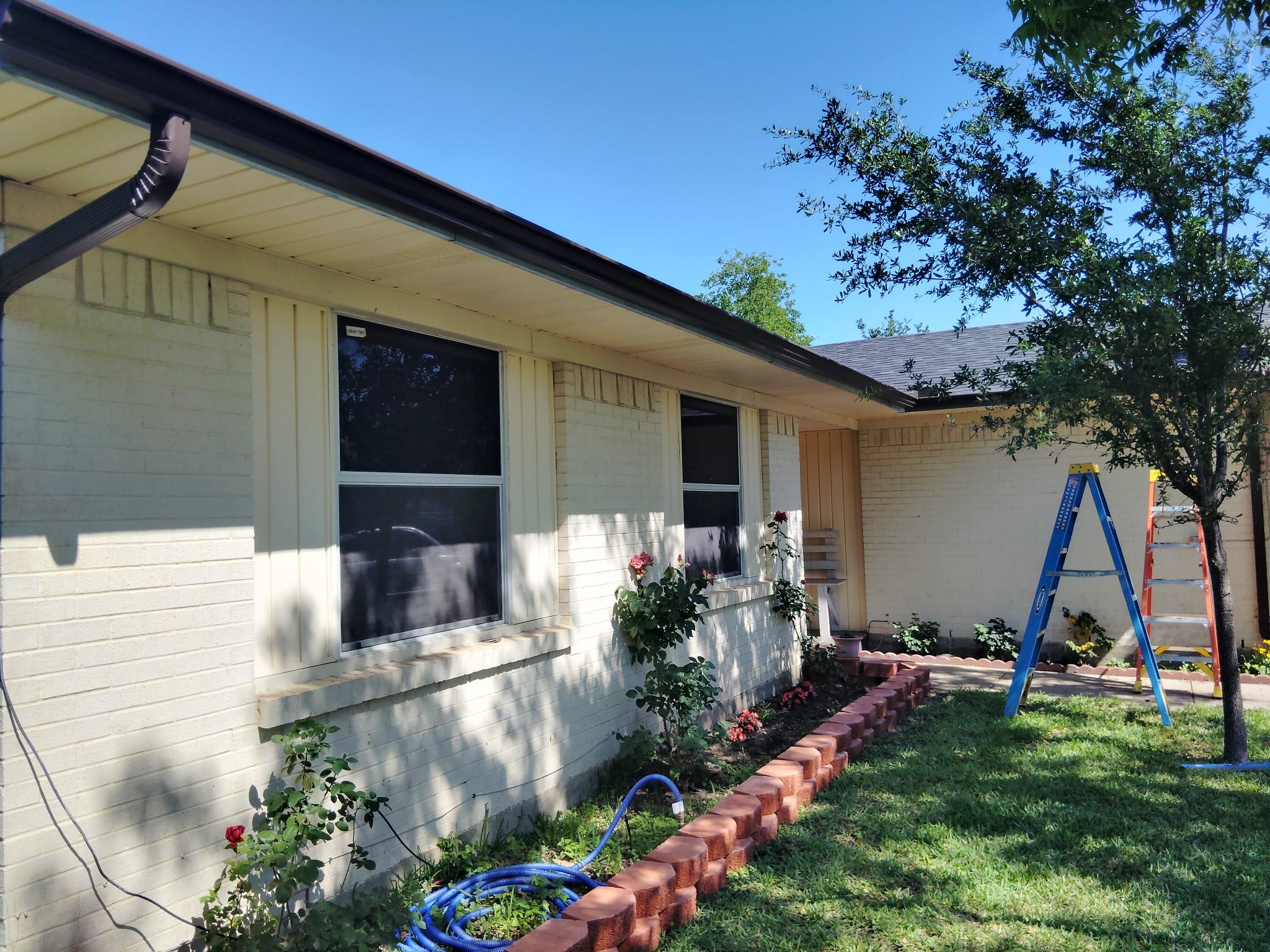
DFW Gutter Installation & Maintenance Checklist: 5 Steps for Long-Term Performance
Investing in a quality gutter system is just the first step. To ensure it performs optimally for years to come, especially in the challenging DFW climate, regular maintenance and proper installation are key. Here’s a checklist to keep your gutters in top shape:1. Professional Installation
Ensure your gutters are installed by experienced professionals. This includes proper sloping, secure fastening, and correct downspout placement to direct water away from your foundation. For seamless gutters, ensure they are fabricated and installed on-site to your home's exact measurements.
2. Regular Debris Removal
At least twice a year (spring and fall), clean out leaves, twigs, and other debris from your gutters. If you have many trees, you may need to do this more often. This prevents clogs that lead to overflow and foundation damage.
3. Inspect for Damage
Periodically check your gutters for signs of wear and tear: sagging sections, loose hangers, cracks, rust spots, or leaks. Pay close attention after severe weather events like heavy rain or hail.
4. Check Downspout Flow
Ensure your downspouts are clear and effectively directing water away from your foundation. If you notice pooling water near your house, you may need to add or extend downspout extensions.
5. Gutter Guard Maintenance (If Applicable)
If you have gutter guards, inspect them for clogs or damage. While they reduce cleaning frequency, they still require occasional checks and clearing of accumulated debris to maintain proper water flow.
Key Takeaways
- Choosing the right gutter type and material is crucial for DFW homes, balancing cost, aesthetics, and durability.
- Seamless K-style or half-round aluminum gutters are generally the best choice for protecting your foundation from water damage.
- Gutter guards are a valuable addition, especially in wooded areas, to prevent clogs and overflow.
- Proper installation and regular maintenance are essential for ensuring your gutter system functions effectively for years.
- Consider your gutters as an integral part of your home's water management system, working in harmony with your roof.
Need help ensuring your DFW home has the best protection? From assessing your current system to installing new, high-performance gutters, our team has protected hundreds of homes across North Texas. Tell us about your roof and gutters — free inspection, no pressure.
Get Your Free Roof & Gutter Inspection →Frequently Asked Questions About DFW Gutter Systems in 2026
Frequently Asked Questions
What is the biggest threat to my DFW foundation related to gutters?
Are seamless gutters really that much better than sectional gutters in DFW?
How often should I clean my gutters in Texas?
What is the most cost-effective gutter material for DFW?
Do I really need gutter guards if I have seamless aluminum gutters?
How far should downspouts extend from my foundation?
Can a poorly installed gutter system damage my roof?
Montesco Roofing Team
DFW's trusted roofing contractor with 13+ years of experience. Specializing in roof replacements, storm damage repair, and insurance claims across Dallas-Fort Worth.
Get in touch →