Fascia Boards, Do Not Ignore a Hidden Roof Guardian

You just noticed a small drip coming from your eaves after a heavy downpour, or maybe your gutters seem to be pulling away from the house. It's easy to dismiss these as minor annoyances, but what if they're actually a sign that a crucial, often-overlooked part of your roof is in trouble? I'm talking about your fascia boards. Here in DFW, with our intense sun and sudden Texas storms, these components work overtime to protect your home, and when they start to fail, the damage can spread much faster than you think. Ignoring them isn't just risky; it's an invitation for expensive problems down the line, especially as we head into 2027.
What Exactly Are Fascia Boards and Why They're Your Roof's Unsung Hero
Think of your roof as a complex system, and the fascia board is like the trusty bodyguard standing at the very edge, holding the line. Technically, the fascia is the vertical board that runs along the lower edge of your roof, directly beneath the shingles. It's the surface where your gutters are typically attached, and it also covers the ends of the roof rafters or trusses. Its primary job is to seal off the roof's edge from the elements, preventing moisture from getting into your attic and the underlying wooden structures. It's also the last line of defense against pests trying to find a way into your home through small gaps. In DFW’s climate, where we experience everything from scorching heat to torrential rain and even occasional hail, the fascia boards take a beating. They’re constantly exposed to UV rays, temperature fluctuations, and moisture, making them vulnerable to wear and tear over time. It's easy to overlook them because they're not as prominent as shingles or gutters, but their integrity is absolutely vital for the overall health of your roof and home.
When you look at a house, you see the shingles, the chimneys, the vents. What you often don't see is the critical role the fascia plays. It's the finished edge of your roof, providing a clean aesthetic while performing essential protective functions. Without it, or with a compromised fascia, water can pool, wood can rot, and insects can find easy access. We've seen it countless times here in North Texas – a homeowner thinks they have a minor gutter issue, only to discover the fascia board behind it has completely disintegrated. That’s why understanding what fascia boards are and what they do is the first step in safeguarding your home.
The Silent Threat: How Neglected Fascia Boards Lead to Costly DFW Roof Damage
Here’s the tough truth: a failing fascia board isn't just an eyesore; it’s a gateway for widespread damage. Because it sits at the very edge of your roof and is directly connected to your gutter system, any compromise in its structure can quickly lead to a cascade of problems. One of the most immediate concerns is water intrusion. When fascia boards rot or crack, water that should be channeled away by your gutters can seep behind them, directly into your attic space. This can lead to:
- Attic Mold and Mildew: Damp insulation and wooden rafters create the perfect environment for mold to grow, which can spread rapidly and impact your home’s air quality.
- Structural Wood Rot: The constant exposure to moisture can cause the underlying wooden structures of your roofline, including rafters and the sheathing, to rot. This compromises the structural integrity of your entire roof system.
- Pest Infestations: Gaps and holes in compromised fascia boards are like open invitations for termites, carpenter ants, rodents, and other pests to make your home their new habitat.
- Soffit Damage: The soffit, the underside of your roof's overhang, is often attached to or supported by the fascia. If the fascia fails, the soffit can sag, detach, or become damaged, leading to further ventilation issues and entry points for pests.
- Gutter System Failure: Fascia boards are what your gutters attach to. If the fascia is weak or rotted, it can no longer securely hold your gutters, leading to sagging, pulling away from the house, and ultimately, ineffective water drainage.
Many homeowners in DFW think their issue is just with the gutters. However, when gutters are pulling away or leaking excessively, the root cause is often compromised fascia boards behind them. It’s crucial to look beyond the obvious symptom.
The cost of repairing extensive water damage, structural rot, or a pest infestation can easily run into thousands, if not tens of thousands, of dollars. And it all starts with a seemingly small issue at the roof's edge. That’s why we stress the importance of proactive maintenance and prompt attention to any signs of fascia board trouble, especially here in the unpredictable climate of North Texas. We've seen homes in Plano, Frisco, and McKinney suffer from these exact issues after a few years of neglect. It’s a lesson many learn the hard way, and it’s one we’re here to help you avoid.
7 Urgent Signs Your DFW Fascia Boards Are Failing (And What They Mean for Your Home)
Being able to spot the early warning signs of fascia board failure is key to preventing major damage. You don't need to be a roofing expert to notice these issues, but you do need to know what you're looking for. Here are seven critical indicators that your fascia boards might be in trouble:
1. Peeling or Bubbling Paint
Paint acts as a protective barrier for the wood. If you see paint chipping, peeling, or bubbling along the fascia, it's a strong sign that moisture is getting trapped underneath. This is often the first visual cue of underlying wood rot or water damage.
2. Soft or Spongy Wood
This is a classic indicator of wood rot, which is usually caused by prolonged exposure to moisture. Gently press on the fascia board with your finger or a screwdriver. If it feels soft, spongy, or gives way easily, the wood is likely compromised and needs immediate attention.
3. Visible Rot or Decay
Look closely for any signs of dark spots, crumbling wood, or visible decay. This is especially common at the corners or where the fascia meets the soffit. This type of damage means the wood has been exposed to moisture for a significant period.
4. Sagging Gutters or Pulling Away
Your gutters are directly attached to the fascia. If your gutters are sagging in the middle, pulling away from the house, or if you notice water overflowing from the front instead of draining down the downspout, the fascia board might not be strong enough to support them anymore. This is a very common issue we see in DFW after heavy rains or strong winds.
5. Holes or Gaps
Inspect the fascia for any small holes or gaps. These can be entry points for insects like carpenter ants and termites, as well as rodents. Even small openings can allow water to penetrate the underlying wood structure.
6. Water Stains or Streaks
Look for water stains running down the exterior walls just below the fascia line or on the fascia itself. These streaks indicate that water is escaping from the gutter system or seeping from behind the fascia, which is a clear sign of a drainage or structural issue.
7. Mold or Mildew Growth
The presence of mold or mildew on the fascia boards or the surrounding soffit is a direct indicator of excessive moisture. This is often a sign that water is not being properly managed by the gutters and fascia, and it can spread quickly, potentially affecting your home's interior.
When inspecting, pay close attention to areas where the fascia meets the roof or where downspouts connect. These are common weak points where moisture can begin to cause damage. Don't forget to check the attic for any signs of water stains or mold near the roofline, as this can also point to fascia or gutter issues.
Catching these signs early is crucial. A small area of rot, if addressed quickly, might only require a localized repair. However, if left unchecked, it can spread, leading to the need for a full fascia board replacement, and potentially more extensive repairs to the underlying structure. We've seen homeowners in Garland and Mesquite delay repairs, only to face thousands in additional costs when the damage worsened after another Texas storm.
Fascia Board vs. Soffit: Understanding Their Roles in Protecting Your DFW Home
It’s common for people to confuse fascia boards with soffits, or at least not fully understand how they work together. While they are both part of your home's exterior trim system and are located along the roofline, they serve distinct functions. Understanding the difference helps in identifying specific problems.
The fascia board, as we’ve discussed, is the vertical component that runs along the edge of the roof. It's the surface where gutters are mounted, and it covers the ends of the rafters. It's the "face" of your roof's edge, so to speak. Its main jobs are to seal off the roof's edge from water and pests and to provide a mounting surface for gutters.
The soffit, on the other hand, is the horizontal, underside component of the roof's overhang, connecting the fascia to the exterior wall of your house. It's the "ceiling" of your roof overhang. Soffits often contain vents that are critical for attic ventilation. Proper attic ventilation is essential for preventing heat buildup in the summer and moisture condensation in the winter, which can lead to mold and rot. The soffit also helps to protect the rafters and attic space from rain and debris.
Fascia Board
Location: Vertical board along the roof edge.
Function: Supports gutters, seals roof edge, protects rafter ends.
Common Issues: Rot, peeling paint, holes, sagging due to gutter weight.
Soffit
Location: Horizontal underside of the roof overhang.
Function: Provides attic ventilation, protects overhang from elements.
Common Issues: Sagging, holes, cracks, blocked vents, water damage from fascia issues.
When fascia boards begin to rot or deteriorate, it can directly impact the soffits. If the fascia can no longer support the soffit properly, the soffit can sag or detach. Conversely, if soffit vents are blocked or damaged, it can lead to moisture buildup that affects the fascia. This interconnectedness means that problems with one component often lead to problems with the other. A comprehensive roof inspection, which we perform routinely here at Montesco Roofing, will always assess both the fascia and soffit to ensure the entire roofline system is sound. For homeowners in Arlington and Fort Worth, understanding this relationship is key to maintaining a healthy home exterior.
The Critical Link: How Fascia Boards & Gutters Work Together to Prevent Water Damage
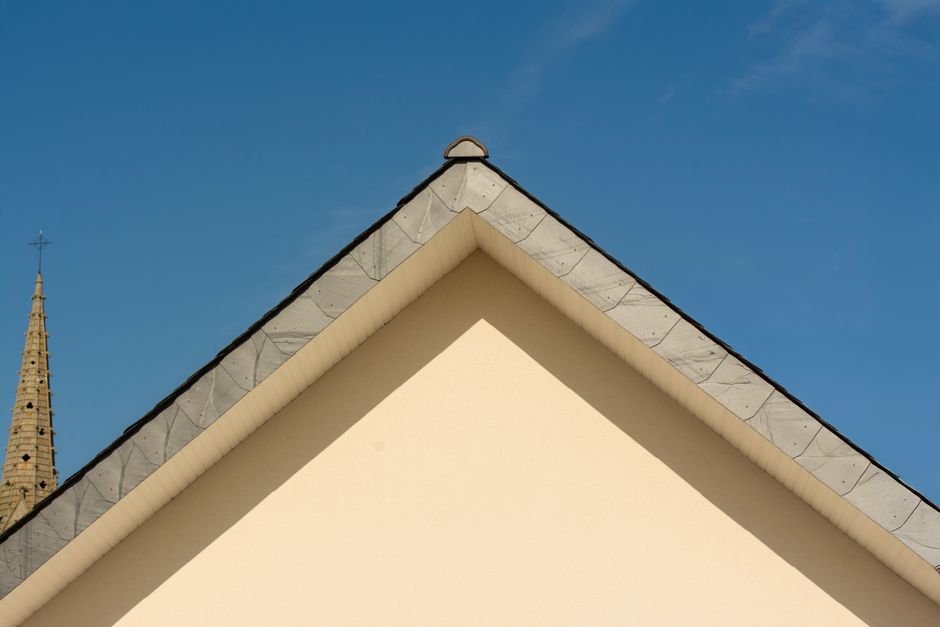
The relationship between your fascia boards and your gutters is one of the most critical partnerships in protecting your home from water damage. Your gutters are designed to catch rainwater running off your roof and channel it safely away from your foundation. But they can only do their job effectively if they are securely attached and properly aligned. That's where the fascia board comes in. It's the structural backbone for your entire gutter system.
Here's how they work in tandem:
- Water Collection: Rain hits your roof and flows down towards the edge.
- Gutter Capture: The gutters, mounted to the fascia, catch this water.
- Fascia Support: The fascia board provides the sturdy surface needed to securely fasten the gutters and downspouts. Without a solid fascia, the weight of the water and debris in the gutters can cause them to sag, pull away, or even detach completely.
- Controlled Drainage: Properly installed and supported gutters direct water to downspouts, which carry it away from your home's foundation.
When fascia boards start to rot or break down, the fascia can no longer hold the gutters securely. This leads to several problems:
- Sagging and Overflow: As gutters detach from weak fascia, they sag, creating low spots where water pools. This pooled water then overflows over the front of the gutter, directly onto your home's exterior walls, landscaping, and foundation.
- Water Intrusion: The overflowing water can easily seep behind the fascia board, into the attic, or down the wall, leading to the rot and mold issues we discussed earlier.
- Debris Buildup: Loose gutters can also trap more debris, exacerbating drainage problems and increasing the weight on the already compromised fascia.
If you notice that your gutters are constantly getting clogged, or they seem to be pulling away from the house, don't just assume you need new gutters. The underlying problem is very likely with your fascia boards. Addressing the fascia first is essential for a long-term solution.

Regular gutter cleaning is important, but it won't fix a rotten fascia board. In fact, trying to clear heavy debris from sagging gutters attached to a weak fascia can sometimes make the problem worse. It’s vital to have your fascia boards inspected periodically, especially after severe weather events common in the DFW area. We've seen many homes in Rowlett and Richardson where homeowners spent years cleaning gutters, only to discover the fascia was the real culprit all along.
DIY vs. Professional Fascia Board Repair in DFW: A Costly Decision for 2027
When you spot signs of fascia board damage, the immediate question becomes: can I fix this myself, or do I need a professional? While some minor cosmetic fixes might be within the reach of a skilled DIYer, fascia board repair and replacement, especially in DFW's challenging climate, is often best left to experienced roofing and exterior professionals. The risks of getting it wrong can be significant.
| Feature | DIY Approach | Professional Approach (Montesco Roofing) |
|---|---|---|
| Initial Cost | Potentially lower for materials if you have tools and skills. | Higher upfront cost for labor and materials. |
| Risk of Error | High. Incorrect installation can lead to leaks, structural damage, and voided warranties. | Low. Experienced professionals ensure proper fit, sealing, and attachment. |
| Material Selection | Limited by availability and DIY knowledge; may not choose the best DFW-appropriate materials. | Access to high-quality, weather-resistant materials (e.g., vinyl, composite, treated wood) suited for DFW climate. |
| Structural Integrity | Can be compromised if underlying wood is not properly assessed and treated. | Thorough inspection of underlying rafters and sheathing; proper reinforcement and repair. |
| Gutter Re-attachment | May not be perfectly aligned, leading to future drainage issues. | Precise re-attachment of gutters for optimal water flow and drainage. |
| Warranty | None, or limited manufacturer warranty on materials only. | Workmanship warranty (e.g., 10+ years) plus manufacturer warranty on materials. |
| Insurance Claims | Cannot assist with claims if damage is storm-related. | Experienced in working with DFW insurance companies for storm damage claims. |
| Long-Term Value | Potentially short-lived if not done perfectly; can lead to more expensive repairs later. | Durable, long-lasting solution that protects your investment for years. |
For homeowners in DFW, the decision to DIY fascia repair can be particularly costly. Our climate throws a lot at your home's exterior. Using the wrong type of wood, not sealing it properly, or failing to ensure a watertight connection with the roof and gutters can lead to rapid deterioration, especially with our intense sun and humidity. Even if you manage a seemingly successful DIY repair, you miss out on the crucial professional assessment of the underlying roof structure and the detailed knowledge of DFW weather patterns that experienced roofers possess. A professional repair ensures that the new fascia is properly integrated with your existing roof system, maintaining ventilation and preventing future water intrusion. It's an investment in the longevity and protection of your entire home.
How to Get This Done
If you're comfortable with basic carpentry, have the right tools (saw, level, hammer, caulk gun, etc.), and the damage is minor and isolated, you might consider a DIY replacement of a small section. You'll need to carefully measure, cut, and secure new fascia boards, ensuring they are properly sealed and painted. However, if you see widespread rot, sagging gutters, or suspect underlying structural damage, it's always best to call a professional. Our team at Montesco Roofing has over 13 years of experience replacing fascia boards and ensuring DFW homeowners are protected. We'll conduct a thorough inspection, provide a detailed estimate, and use high-quality materials suited for our climate, backed by our workmanship warranty.
When to Call Montesco Roofing: Protecting Your DFW Home's Fascia This Year
At Montesco Roofing, we don't just replace shingles; we look at your entire home's exterior and understand how each component works together to keep you safe and dry. Fascia boards are a critical, often overlooked, part of that system. If you're noticing any of the seven signs we've discussed, or if you're simply due for your annual DFW roof inspection, it's time to give us a call.
We specialize in identifying and rectifying fascia board issues, from minor repairs to complete replacements. Our process typically involves:
- Thorough Inspection: We’ll get up on the ladder (or roof, if necessary) and meticulously examine your fascia boards, gutters, soffits, and the surrounding roof structure. We're looking for rot, insect damage, water intrusion, and signs of wear.
- Detailed Assessment: We’ll identify the extent of the damage and any contributing factors, such as gutter problems or ventilation issues.
- Transparent Estimate: You’ll receive a clear, itemized estimate outlining the scope of work, materials needed, and associated costs. No surprises.
- Quality Repair/Replacement: We use durable, weather-resistant materials suitable for the DFW climate. Whether it's treated wood, vinyl, or composite, we ensure a proper, watertight installation that integrates seamlessly with your roof.
- Gutter Re-attachment/Replacement: If your gutters are affected, we'll ensure they are securely re-attached or replaced as part of the repair, guaranteeing proper drainage away from your home.
- Workmanship Guarantee: We stand behind our work with a robust warranty, giving you peace of mind for years to come.
Key Insight
In DFW, extreme temperature swings and intense sunlight can cause materials to expand and contract, leading to cracks and wear over time. Coupled with our heavy rainfall, these conditions make fascia boards particularly susceptible to damage. Proactive maintenance and timely repairs are not just about aesthetics; they are about preventing costly structural issues and protecting your home's value.

Don't wait until a small drip turns into a major repair. The longer you wait, the more extensive and expensive the damage becomes. By addressing fascia board issues promptly, you’re not just fixing a cosmetic problem; you’re preserving the structural integrity of your home and preventing future headaches. We've been serving homeowners in Dallas, Fort Worth, and the surrounding suburbs for over 13 years, and we're committed to providing honest assessments and top-quality work. If you suspect an issue with your fascia, or if it's simply time for a routine check-up, reach out to Montesco Roofing today.
Need help putting this into action? Our team has protected hundreds of DFW homes. Tell us about your roof — free inspection, no pressure.
Get Your Free Roof Inspection →FAQ: Your Top Questions About DFW Fascia Board Maintenance Answered
Frequently Asked Questions
How often should I inspect my fascia boards in DFW?
What materials are best for fascia boards in the Texas heat?
Can fascia damage lead to foundation problems?
How long do fascia boards typically last?
What's the difference between fascia repair and replacement?
Can insurance cover fascia board damage?
Montesco Roofing Team
DFW's trusted roofing contractor with 13+ years of experience. Specializing in roof replacements, storm damage repair, and insurance claims across Dallas-Fort Worth.
Get in touch →