Whats Inside Your Eaves?
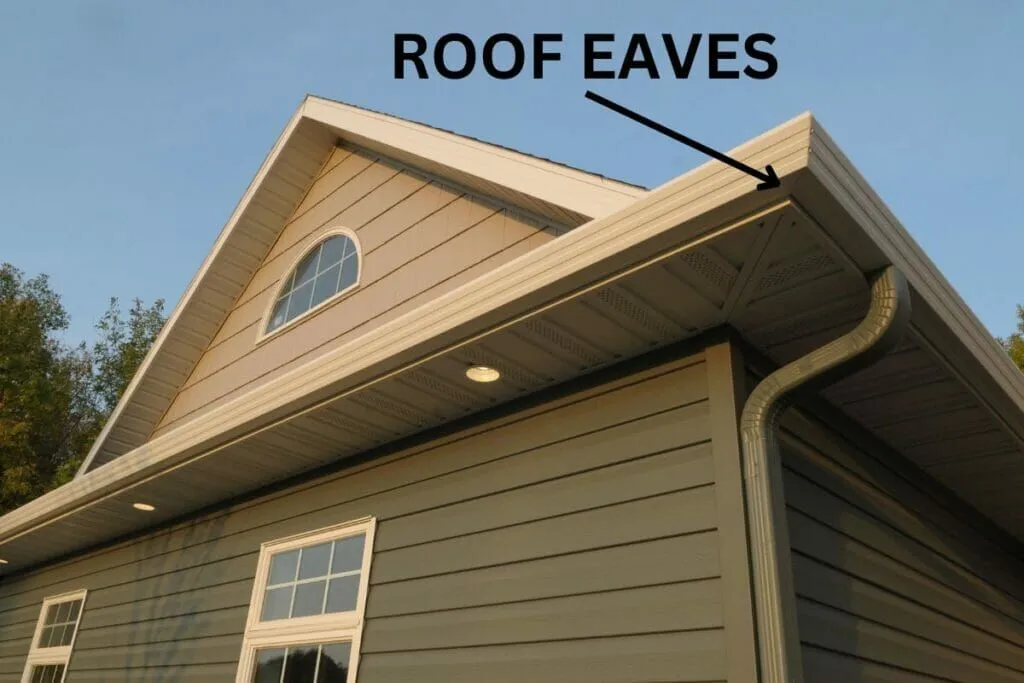
The Unsung Heroes: What Exactly Are Your Eaves and Why They Matter
Let's break down what we're talking about when we say "eaves." In simple terms, your eaves are the overhangs of your roof that extend beyond the walls of your house. They're made up of a few key components, and understanding them is the first step to protecting your home. First, you have the soffit. This is the underside of the eave, the part you'd see if you were lying on your back looking straight up at the overhang. Its primary job is to cover the gap between your exterior wall and the roofline, providing a finished look. But more importantly, soffits often contain vents. These soffit vents are essential for airflow into your attic. Then there's the fascia. This is the vertical board that runs along the edge of the roofline, where your gutters are typically attached. The fascia supports the lower edge of the roof shingles and provides a surface for attaching gutters. It’s the protective shield that keeps water from seeping directly into the roof deck and wall structure. Together, the soffit and fascia work as a team. They protect your roof deck from rain and moisture, help manage attic temperatures by allowing for proper ventilation, and keep out unwanted guests like insects and rodents. In a climate like ours here in North Texas, where we can get everything from intense sun to torrential downpours and even hail, these components are working overtime. They're the unsung heroes, quietly doing their job to keep your home sound and your energy bills manageable.Think of your eaves like the gutters and downspouts working in tandem. Gutters catch the water, and the eaves' design helps direct it away from your foundation and walls, while ventilation prevents moisture buildup from within.
7 Silent Saboteurs: Hidden Dangers Lurking in Your DFW Eaves
Now, let's get to the heart of it. What are these hidden dangers that can creep into your eaves and cause significant problems? It's not just about aesthetics; it's about the structural integrity and long-term health of your entire home. Here are seven major threats that homeowners in DFW should be aware of, especially as we move through 2026.1. Water Intrusion & Rot
This is probably the most common and destructive issue. Damaged or missing soffit or fascia boards, or poorly installed gutters, can allow water to seep directly into your roof deck, attic, and even wall cavities. This leads to wood rot, mold growth, and can eventually compromise the structural stability of your home.
2. Pest Infestations
Gaps, cracks, or holes in your soffit and fascia are like an open invitation to all sorts of DFW critters. Squirrels, raccoons, bats, and various insects (like carpenter ants or termites) can easily make a home in your eaves. They can cause damage by chewing through materials, nesting, and leaving behind unsanitary waste.
3. Poor Attic Ventilation
Soffit vents are a crucial part of your attic's ventilation system. When they're blocked by debris, pests, or damage, airflow is restricted. This traps heat and moisture in your attic, leading to a host of problems like premature roof shingle degradation, ice dams in colder months (though less common in DFW, still possible), and increased energy costs.
4. Compromised Insulation
When water seeps into your eaves and attic space, it can soak your insulation. Wet insulation loses its R-value, meaning it's no longer effective at keeping your home cool in the summer and warm in the winter. This directly translates to higher energy bills and a less comfortable living environment.
5. Gutter System Failure
The fascia board is where your gutters are attached. If the fascia is rotted or damaged, it can no longer support the weight of your gutters, especially when they're full of water or debris after a Texas storm. This can lead to sagging, detached gutters that then dump water directly against your foundation, causing even more significant damage.
6. Aesthetic Deterioration
While not a structural danger, sagging, peeling paint, or visibly damaged soffit and fascia boards significantly detract from your home's curb appeal. This can impact your home's value, especially if you're considering selling in the coming years.
7. Structural Weakening
In severe cases, prolonged water damage and rot in the eaves can extend to the rafter tails and the top plates of your walls. This can lead to sagging rooflines and, in extreme scenarios, compromise the overall structural integrity of your home. This is the kind of problem that can become a major, expensive repair.
Water Woes: How Leaks and Moisture Invade Your Eaves and Home
Water is the silent killer of homes, and your eaves are often the first line of defense against it. When that defense fails, the consequences can be severe and costly, especially here in North Texas where intense rain events can happen with little warning. It starts subtly. Maybe a shingle is missing after a strong wind gust, or perhaps the seal around a roof vent has degraded over time. This allows a small amount of water to get onto the roof deck. Normally, your fascia and soffit are designed to manage this. But if the fascia board is rotted, or if there are gaps where the soffit meets the wall, that water finds its way in.One of the most insidious ways water gets in is through improperly sealed roof penetrations, like vents or skylights. If the flashing around these areas fails, water can run down the rafters and end up pooling in your soffit area.
Pest Paradise: The Unwelcome Guests in Your Soffits and Fascia
If you've ever had a squirrel skitter across your attic or heard strange noises in your walls, there's a good chance the entry point was through your eaves. For many common DFW pests, soffits and fascia represent a prime real estate opportunity. Think about it from their perspective. The soffit provides a sheltered, dark space, often with insulation nearby for warmth. The fascia offers a sturdy attachment point for nests. And if there are any gaps or holes, entry is easy. Squirrels, raccoons, and even bats can squeeze through surprisingly small openings to build nests, raise their young, and cause chaos.Key Insight
Carpenter ants are particularly drawn to damp, rotting wood, which is often found in neglected eaves. They don't eat the wood, but they excavate it to build their colonies, significantly weakening the structure.
How to Get This Done
For minor gaps, you might be able to seal them with appropriate caulk or mesh. However, if you suspect an active infestation or significant damage, it’s best to call a professional pest control service to safely remove the animals and then a qualified roofing contractor like Montesco Roofing to repair the damage and prevent future entry. Our team has dealt with countless homes in Plano, Frisco, and beyond where pests have caused extensive damage to eaves. We can assess the damage and perform the necessary repairs to restore your home's integrity and keep pests out for good. Get in touch with us to schedule an inspection.
Ventilation Vexations: The Critical Role of Airflow in Your Eaves
Attic ventilation is often discussed in terms of keeping your attic cool in the summer, but it's equally important for managing moisture year-round. Your eaves play a pivotal role in this system, acting as the primary intake for fresh air. A properly ventilated attic uses a balanced system of intake vents (usually in the soffits) and exhaust vents (like ridge vents or box vents) to create a continuous flow of air. This airflow does several things:| Feature | Proper Attic Ventilation (Soffit & Ridge Vents) | Poor/Blocked Attic Ventilation |
|---|---|---|
| Airflow | Consistent intake and exhaust of air | Stagnant, trapped air |
| Temperature Regulation | Reduces attic heat buildup, moderates winter temps | Overheats in summer, potential for condensation in winter |
| Moisture Management | Effectively removes moisture, preventing mold/rot | Traps moisture, leading to mold, rot, and material degradation |
| Shingle Lifespan | Extended, up to manufacturer's potential | Significantly reduced due to heat and moisture stress |
| Energy Efficiency | Improved; reduces HVAC load | Reduced; higher energy bills due to poor insulation performance |
| Warranty Compliance | Meets manufacturer requirements | May void shingle and roofing material warranties |
Insulation's Insidious Enemy: How Eave Problems Compromise Your Home's Comfort

Even small, consistent leaks from damaged eaves can lead to gradual insulation degradation over time, making it harder to pinpoint the exact cause of rising energy bills.

The Cost of Neglect: What Happens When Eave Damage Goes Unchecked in 2026
It's easy to put off small repairs, especially when the damage isn't immediately obvious. However, when it comes to your home's eaves, neglect can be incredibly expensive. The problems we've discussed – water damage, pests, poor ventilation, compromised insulation – don't just stay confined to the eaves; they tend to spread and escalate. Let's look at a potential scenario for a DFW homeowner in 2026: * Initial Stage (Minor Gap): A small piece of fascia breaks off after a hail storm. You notice it but decide to wait until "later" to get it fixed. * Months Later (Water Intrusion): Rain seeps through the gap, rotting the fascia board and starting to affect the underlying roof deck. You might see a small water stain in your garage ceiling. * One Year Later (Pest Infestation): Squirrels find the now-rotted opening and move in. They chew more, damage insulation, and leave droppings. You start hearing noises in the attic. * Two Years Later (Widespread Damage): The rot has spread to rafter tails. Insulation is heavily damaged and wet. Mold begins to grow in the attic and potentially in wall cavities. Your energy bills have noticeably increased. * Three Years Later (Major Structural Issues): The structural integrity of a section of your roofline is compromised. You might see sagging. The cost to repair now involves not just replacing the fascia and soffit, but also structural wood, insulation, and potentially dealing with mold remediation. This could easily run into the tens of thousands of dollars.Key Insight
The longer you wait, the more likely a minor issue becomes a major, costly repair. This is especially true in DFW where our weather can quickly turn a small problem into a significant one.
Proactive Protection: Your 5-Step Eave Inspection Checklist for DFW Homeowners
The best way to avoid those costly surprises is to be proactive. Regularly inspecting your eaves can help you catch minor issues before they become major problems. Here’s a simple, five-step checklist you can use to keep an eye on your DFW home's eaves:1. Visual Exterior Check
From the ground, look up at your eaves. Do you see any sagging, warping, or peeling paint on the fascia boards? Are the soffits intact, or do they have holes or missing sections? Check where the gutters attach to the fascia – is it pulling away?
2. Inspect Gutters and Downspouts
Are your gutters clean and properly sloped towards the downspouts? Are they securely attached to the fascia? Overflowing gutters are a major culprit in water damage to eaves and foundations. Ensure downspouts are directing water away from your home's foundation.
3. Look for Signs of Pests
Keep an eye out for animal droppings, chewed materials, or unusual noises coming from the attic or eaves. You might see small holes chewed in the soffit or fascia, or evidence of nesting materials.
4. Check for Water Stains
Look for any water stains or discoloration on the fascia boards, soffits, or the exterior walls directly beneath the eaves. These are clear indicators of water intrusion.
5. Attic Inspection (If Accessible)
If you can safely access your attic, look for signs of moisture on the underside of the roof deck, especially around the eaves. Check if insulation is damp, compressed, or has visible signs of pest activity. Also, ensure soffit vents aren't blocked by insulation or debris.
After any significant storm event in DFW, it's a good idea to perform a quick visual inspection of your eaves. A few minutes of your time can save you hours of headaches and thousands of dollars later.
When to Call the DFW Roofing Experts: Recognizing the Signs You Need Montesco Roofing
You've done your inspection, and maybe you've noticed a few things. When does a DIY check turn into a call to a professional roofing contractor? Here in DFW, it’s always better to err on the side of caution. If you’ve spotted any of the following, it’s time to pick up the phone and talk to the experts at Montesco Roofing: * Visible Rot or Damage: Any signs of soft, crumbling wood on your fascia or soffit boards. This indicates rot that needs immediate attention. * Significant Gaps or Holes: Openings larger than a quarter-inch in your soffit or fascia. These are prime entry points for pests and water. * Sagging Gutters or Fascia: If your gutters are pulling away from the house or the fascia board itself looks like it’s starting to droop. * Evidence of Pests: Hearing noises, seeing droppings, or noticing chewed materials strongly suggests an infestation that needs professional handling and repair. * Persistent Water Stains: Even small, recurring water stains in your attic or on exterior walls are a red flag for ongoing leaks. * Compromised Attic Ventilation: If you've checked your soffit vents and they are blocked or damaged, it's crucial to get them cleared and repaired to maintain proper airflow. * After a Major Storm: Following a significant hail storm or high winds, a professional inspection is essential to identify any damage that might not be immediately apparent.How to Get This Done
If you've identified any of these issues, the best course of action is to schedule a professional inspection. At Montesco Roofing, we have over 13 years of experience serving the DFW area. We understand the specific challenges our climate presents and know how to identify and repair eave damage effectively. Our process typically involves a thorough inspection, clear communication about the findings, and a detailed estimate for the necessary repairs or replacements. We use quality materials and ensure proper installation to protect your home for the long haul. Contact us today for a free inspection and peace of mind.
Frequently Asked Questions About DFW Eave Maintenance
How often should I inspect my eaves?
What's the difference between soffit and fascia?
Can I repair my own soffit or fascia?
How do I know if my attic ventilation is adequate?
What kind of materials are typically used for soffits and fascia?
How does DFW's weather affect my eaves?
Will my homeowner's insurance cover eave damage?
Need help putting this into action? Your home's eaves are vital for its protection and comfort. Don't let hidden dangers compromise your investment. Our team has protected hundreds of DFW homes for over 13 years. Tell us about your roof — free inspection, no pressure.
Get Your Free Roof Inspection →Montesco Roofing Team
DFW's trusted roofing contractor with 13+ years of experience. Specializing in roof replacements, storm damage repair, and insurance claims across Dallas-Fort Worth.
Get in touch →