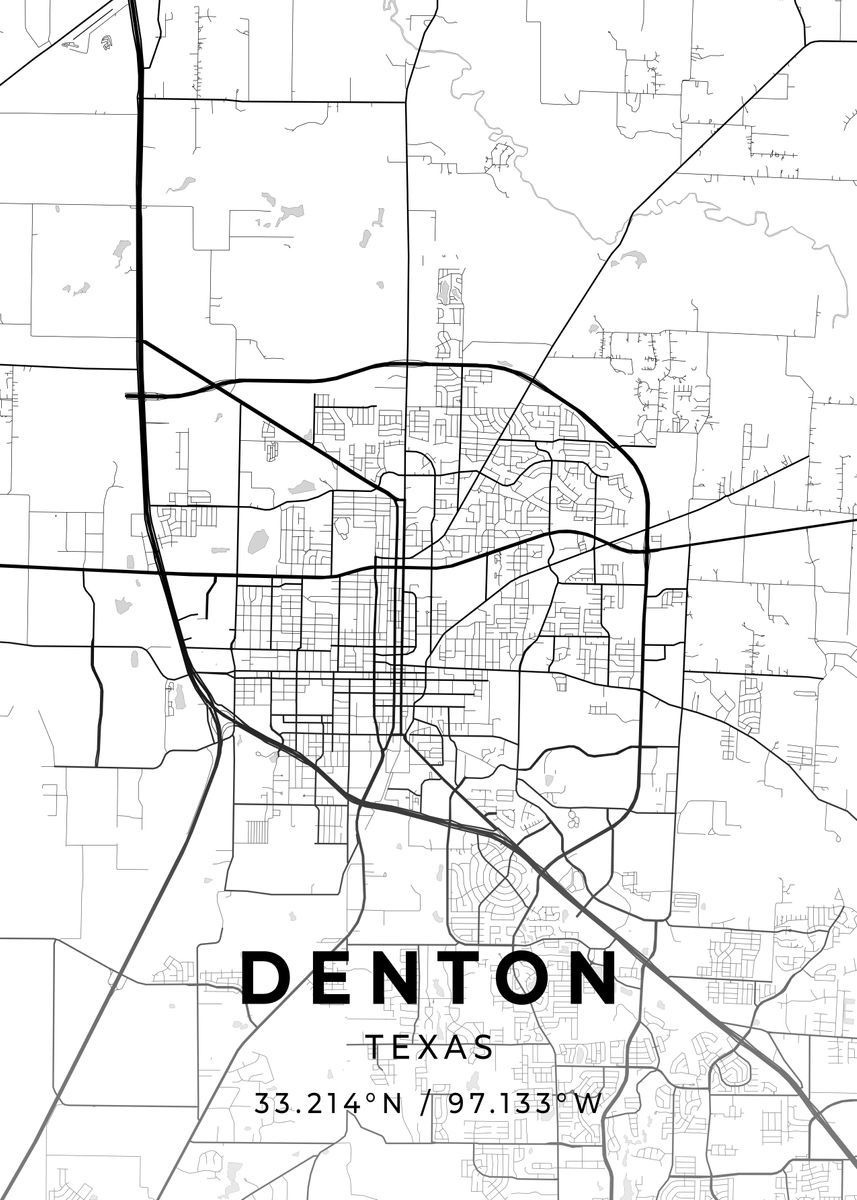
The Unique Wind Patterns of Denton, Texas
You're a homeowner in Denton, and you've probably noticed that Denton seems to get its fair share of wind. It's not just a feeling; there are specific meteorological reasons why this area, and North Texas in general, experiences wind patterns that can make your roof a prime target for damage. As a roofing contractor with over 13 years of experience right here in DFW, I've seen firsthand how these patterns can impact homes, especially during our active storm seasons.
Denton sits in a geographical sweet spot for a few reasons. We're often in the path of strong cold fronts that sweep down from the panhandle and Oklahoma. When these fronts collide with the warmer, more humid air from the Gulf of Mexico, you get significant atmospheric instability. This instability is the breeding ground for strong winds, and sometimes, even severe storms that can bring damaging gusts. It's not uncommon for us to see wind speeds jump dramatically in a short period. We're talking about wind that can peel shingles, dislodge gutters, and even cause structural issues if it's sustained or comes in powerful bursts. We're talking about wind that can peel shingles, dislodge gutters, and even cause structural issues if it's sustained or comes in powerful bursts.
For context, the National Weather Service defines damaging winds as those exceeding 58 mph. We regularly see gusts in Denton that push well past that mark, especially when severe thunderstorms or even less severe squall lines move through. This constant potential for high winds means that the integrity of your roof isn't just about surviving the occasional strong breeze; it's about being prepared for consistent, powerful forces.
Pay attention to local weather forecasts, especially during spring and fall. Understanding when strong winds are predicted can give you a heads-up to check your property for potential vulnerabilities, like loose siding or debris that could become projectiles.
The reality is, Denton's location makes it a hotspot for wind activity. It's not just about the speed of the wind, but also the frequency and the types of weather systems that frequent our area. This constant exposure is a key factor in why many Denton homes are more susceptible to wind damage than you might think.
How Denton's Topography Amplifies Wind Force
Beyond the general weather patterns, the physical landscape of Denton and the surrounding North Texas region plays a surprisingly significant role in how wind affects your home. It's not just a flat plain; subtle changes in elevation and the presence of structures can create localized wind effects that are far more powerful than you might expect.
Think about it like this: wind behaves differently when it encounters obstacles. In open, flat areas, wind can flow more smoothly. But when it hits a cluster of homes, trees, or even slight rises in the terrain, it can be forced to change direction, speed up, or become turbulent. This is known as the "channelling effect" or "wind acceleration." In Denton, this can happen in several ways.
Homes situated at the crest of a hill or on the edge of open fields are particularly vulnerable. The wind, unimpeded, can accelerate as it flows over these elevated areas, hitting your home with greater force than it would if it were buffered by surrounding topography or dense vegetation.
We also see this effect in neighborhoods with closely packed houses or streets that run parallel to prevailing wind directions. The wind can get funneled between buildings, creating higher wind speeds in those specific corridors. This means that even if your neighbor's house seems fine, yours might be experiencing significantly more wind pressure due to its exact placement within the neighborhood's layout.
Furthermore, the type of development matters. Newer developments, especially those with fewer mature trees and less established landscaping, can offer less natural windbreak. Older neighborhoods with mature trees can sometimes have better wind protection, but those trees themselves can become a hazard if they are unhealthy or too close to the house. It's a delicate balance, and the topography of Denton means that specific locations can experience amplified wind forces, making your roof's resilience even more critical.
Key Insight
Understanding your home's specific location within Denton – whether it's on a hill, in a valley, near open space, or in a dense neighborhood – is crucial for assessing its wind vulnerability. This localized effect is often overlooked but can significantly increase the risk of wind damage.
Common Denton Roofing Vulnerabilities Exposed
Now, let's talk about the roof itself. Even with strong winds and specific topography, many homes in Denton would fare better if their roofing systems were in top condition. Unfortunately, I see a recurring set of vulnerabilities that make roofs in our area more susceptible to wind damage than they need to be. These aren't necessarily signs of a bad roof, but rather common issues that, when combined with strong winds, lead to problems.
One of the biggest culprits is improperly installed or aged roofing materials. Shingles, especially asphalt shingles which are common here, have a lifespan. Over time, they can become brittle, lose their granular protective layer (which is why you find those granules in your gutters!), and their adhesive strips can weaken. When wind hits a shingle that isn't firmly adhered or has lost its flexibility, it's much easier for the wind to get underneath and lift it, or even tear it off completely.
Shingle Condition
Flexible, strong adhesive, fully intact granules.
Loss of granules, brittle material, weak adhesive, prone to lifting and tearing.
Another critical vulnerability is the edge of the roof, particularly the eaves and rakes. These areas are often the first to be hit by wind. If the drip edge isn't installed correctly, or if the fascia and soffit materials are loose or damaged, wind can easily get a foothold. This is where you'll often see the initial signs of wind damage – shingles being lifted or torn from the edges.
Eave & Rake Vulnerabilities
Eaves: The lower edges of the roof. If drip edge is loose or missing, wind can get under shingles.
Soffit & Fascia
These components protect the roof's edge. Damaged or loose soffits/fascia can allow wind to enter the attic space, creating uplift pressure.
Finally, let's not forget about ventilation. While it might seem counterintuitive, a properly ventilated attic is crucial for roof longevity, even in wind. Poor attic ventilation can lead to moisture buildup, which can degrade roofing materials over time. More directly, it can create pressure imbalances that, during high winds, can exacerbate uplift forces on the roof deck and shingles. It's all interconnected.
How to Get This Done
Regular roof inspections are key to identifying these vulnerabilities before wind strikes. If you notice loose shingles, granule loss in your gutters, or damage to your fascia/soffits, it's time to get a professional assessment. For homeowners in Denton and across DFW, our team offers comprehensive roof inspections to pinpoint and address these issues proactively. We'll check your materials, installation, ventilation, and the overall integrity of your roof system.
These common roofing vulnerabilities, when present, significantly increase the likelihood that your Denton home will suffer wind damage during a storm. It’s not just about the wind; it's about how well your roof is prepared to meet it.
Age & Maintenance: The Silent Culprits of Wind Damage
You might think a roof is a roof, and once it's on, it's good for decades. While modern roofing materials are durable, time and a lack of proper upkeep are arguably the biggest silent contributors to wind damage in Denton homes. It's a conversation I have often: "My roof is only 10 years old, why did the wind rip it off?" The answer usually lies in a combination of its age and the maintenance – or lack thereof – it has received.
As mentioned, asphalt shingles, the most common roofing material in Texas, have a finite lifespan. Typically, they are rated for 20-30 years. However, this rating is an estimate under ideal conditions. In a place like Denton, with intense sun, fluctuating temperatures, and frequent wind exposure, those shingles can degrade faster. The UV rays from our Texas sun bake the asphalt, making it brittle. The constant expansion and contraction with temperature swings weakens the material. And then, the wind comes along and finds a shingle that's already lost its flexibility and its strong bond.
Think of it like an old leather shoe. A new shoe is supple and strong. After years of sun and wear, the leather becomes dry, cracked, and can easily tear. Shingles are similar. The protective granules wear off, exposing the asphalt mat underneath to the elements, accelerating degradation. The adhesive seal strip, designed to bond the shingle to the one below it, can dry out and lose its grip.
Don't rely solely on the age of your roof. A 15-year-old roof that has been regularly inspected and maintained might be in better condition and more wind-resistant than a 10-year-old roof that has been neglected. Visual cues like curling, cracking, or missing granules are red flags, regardless of age.
And that brings us to maintenance. Many homeowners in Denton, like elsewhere, view their roof as a "set it and forget it" component. This couldn't be further from the truth. Regular, professional roof inspections – at least once a year, and after any significant storm event – are crucial. During these inspections, a qualified roofing contractor can:
Inspect Shingle Condition
Look for signs of wear, brittleness, curling, and granule loss.
Check Sealing and Adhesion
Ensure shingles are properly bonded to prevent wind uplift.
Examine Flashing
Inspect around chimneys, vents, and valleys for damage or deterioration.
Clear Debris
Remove leaves, branches, and other debris that can trap moisture and cause damage.
Neglecting these simple maintenance steps allows minor issues to become major vulnerabilities. A single loose shingle, if left unaddressed, can become a gateway for wind to lift multiple shingles. A small crack in flashing can allow water ingress, weakening the underlying roof deck. It’s the accumulation of these small oversights that makes a roof susceptible to significant wind damage when the weather turns nasty.
How to Get This Done
For homeowners in Denton seeking peace of mind, proactive maintenance is key. You can start by periodically clearing debris from your gutters and roof valleys. However, for a thorough assessment and to identify potential problems before they become costly, hiring a professional is essential. Montesco Roofing offers detailed roof inspections designed to catch early signs of wear and tear, ensuring your roof is in the best possible condition to withstand Denton's windy weather. We provide clear, actionable reports so you know exactly where your roof stands.
The age of your roof and the maintenance it receives are not just factors; they are fundamental to its ability to resist wind damage. Ignoring them is a gamble that most Denton homeowners can't afford to take.
5 Critical Steps to Fortify Your Denton Roof Against Wind

Knowing that Denton's wind patterns, topography, common roofing vulnerabilities, and the impact of age and maintenance all contribute to increased risk, what can you actually do about it? The good news is, you're not powerless. There are concrete steps you can take to fortify your Denton home's roof against the inevitable winds. It's about being proactive and ensuring your roof is built and maintained to withstand the forces it will face.
Here are five critical steps every Denton homeowner should consider:
1. Invest in Quality Materials and Installation
This is foundational. When it's time for a roof replacement, don't cut corners. Choose high-quality, wind-rated shingles from reputable manufacturers like GAF, Owens Corning, or CertainTeed. These shingles are designed with stronger adhesive strips and reinforced materials. Crucially, ensure they are installed by a certified, experienced contractor who follows manufacturer specifications precisely. Improper installation is a leading cause of wind failure, even with the best materials.
2. Ensure Proper Fastening
Wind resistance is heavily dependent on how well your shingles are attached. This means using the correct type and number of roofing nails, driven to the proper depth. Shingles should be nailed into the deck, not just the sheathing. Modern shingles often have a designated nailing strip. Over- or under-nailing, or using staples instead of nails in high-wind areas, significantly compromises wind resistance. A professional contractor will know the specific requirements for your chosen materials and local building codes.
3. Strengthen Your Roof Deck and Edges
The roof deck (the plywood or OSB sheathing beneath your shingles) is the structural base of your roof. In older homes, the sheathing might be thinner or attached with fewer fasteners than modern standards require. Consider having your roof deck inspected and, if necessary, reinforced with additional screws or thicker plywood. Also, pay close attention to the edges of your roof – the eaves, rakes, and ridge. Proper installation of drip edges, fascia, and soffits, along with secure ridge cap shingles, creates a robust barrier against wind uplift.
4. Maintain Your Attic Ventilation
A well-ventilated attic helps regulate temperature and moisture, which indirectly protects your roof's integrity. It also prevents excessive pressure buildup. Ensure you have adequate soffit and ridge vents working together. Blocked vents from insulation or debris can hinder airflow. A balanced ventilation system is a subtle but important part of overall wind resistance.
5. Schedule Regular Professional Inspections
This is perhaps the most critical ongoing step. Annual roof inspections, and inspections after significant weather events (like a hail storm or high wind event), are non-negotiable for Denton homeowners. A professional can spot issues like loose shingles, damaged flashing, granule loss, or signs of wear before they become catastrophic failures during a windstorm. Catching a small problem early can save you thousands in repairs and prevent extensive interior damage.
Key Insight
Fortifying your roof isn't a single action; it's a commitment to quality, proper installation, and ongoing maintenance. These steps work together to create a resilient roofing system that can better withstand the challenges of Denton's climate.
By implementing these five steps, you're not just hoping your roof survives the next wind event; you're actively making it more robust and less vulnerable. It’s an investment in the long-term protection of your home and your peace of mind.

When to Call Montesco Roofing: Proactive Wind Damage Prevention
As a homeowner in Denton, you have a role to play in protecting your roof from wind damage. You can keep an eye out for obvious signs of wear, clear debris from your gutters, and be aware of your home's location and its potential wind exposure. But when it comes to the complex systems of your roof, and ensuring it's truly fortified against the elements, there's a point where professional expertise becomes indispensable.
At Montesco Roofing, we've been serving the DFW Metroplex, including Denton, for over 13 years. We understand the unique challenges our Texas weather throws at homes. We're not just here to fix roofs after they're damaged; we're passionate about helping homeowners prevent that damage in the first place. That's where proactive wind damage prevention comes in, and it's a core part of what we do.
Many homeowners only think about their roof when they see a leak or notice missing shingles after a storm. This reactive approach is often more expensive and stressful than proactive maintenance. Waiting for damage to occur means dealing with potential interior water damage, mold growth, and often, a more complex insurance claims process.
So, when should you call us for proactive wind damage prevention? Here are a few key indicators:
- Aging Roof: If your roof is approaching or has exceeded the average lifespan for its material (typically 15-20 years for asphalt shingles in Texas), it's time for a thorough inspection. Even if there are no visible issues, the materials may be degrading and becoming more susceptible to wind.
- Recent Storm Activity: Even if you didn't see obvious damage, strong winds can compromise shingles, loosen fasteners, or stress roofing components. An inspection after a significant wind event or hail storm is crucial to catch subtle damage that could worsen over time.
- Visible Signs of Wear: Granule loss in gutters, curling or cracking shingles, moss growth, or damaged flashing are all signs that your roof needs attention. These issues reduce its ability to withstand wind.
- Preparing for Sale or Purchase: If you're buying or selling a home in Denton, a professional roof inspection can provide peace of mind and identify potential issues that could derail a transaction.
- Peace of Mind: Simply put, if you want to know your home is protected and you're not sure if your roof is up to the task, an expert opinion is invaluable.
How to Get This Done
When you contact Montesco Roofing for a proactive inspection, here's what you can expect: Our experienced technicians will conduct a meticulous visual assessment of your entire roof system. This includes checking shingles, flashing, gutters, soffits, fascia, and looking for any signs of wear or potential failure points. We use our expertise to identify issues that the average homeowner might miss. If we find anything, we'll provide a clear, honest assessment with detailed photos and recommendations. Our goal is to help you make informed decisions about protecting your home, whether it's minor repairs or planning for a future replacement. Schedule your free roof inspection today and let us help you safeguard your Denton home from wind damage.
We believe in building lasting relationships with our clients, built on trust and quality work. Proactive prevention is not just a service; it's a philosophy that ensures your home stays protected, year after year. Don't wait for the wind to cause damage – let Montesco Roofing help you prepare.
Denton Wind Damage vs. Other Texas Regions: A Comparative Look
It's easy to think of "Texas wind" as a monolithic force, but the reality is that different regions within our vast state experience wind and storm activity with varying degrees of intensity and frequency. While Denton certainly faces significant wind challenges, understanding how it compares to other parts of Texas can provide valuable context for homeowners.
| Factor | Denton (North Texas) | Houston (Gulf Coast) | San Antonio (South-Central Texas) | Amarillo (Texas Panhandle) |
|---|---|---|---|---|
| Primary Wind Source | Cold fronts, thunderstorms, occasional supercells. | Tropical storms/hurricanes, cold fronts, thunderstorms. | Cold fronts, thunderstorms, occasional supercells. | Strong prevailing winds, cold fronts, severe thunderstorms. |
| Typical Wind Speeds (Severe Events) | 50-75 mph gusts, can exceed 80 mph in severe storms. | Can range from 60 mph (tropical systems) to 90+ mph in major hurricanes. | 50-70 mph gusts, potential for higher in supercells. | Often experiences sustained high winds (30-40 mph), with gusts exceeding 70 mph. |
| Frequency of High Winds | High, especially during spring and fall transition seasons. | Moderate to high, with seasonal hurricane risk and frequent thunderstorms. | Moderate to high, particularly in spring. | Very high due to prevailing winds and open terrain. |
| Common Damage Type | Shingle uplift, fascia/soffit damage, gutter detachment, tree limb impacts. | Severe shingle loss, structural damage, tree uprooting, flooding with wind-driven rain. | Shingle uplift, siding damage, fence damage, tree limb impacts. | Widespread shingle loss, structural stress, debris impact from blown soil and objects. |
| Roofing Material Vulnerability | Asphalt shingles vulnerable to uplift; metal roofs perform well but require secure fastening. | Asphalt shingles highly susceptible to hurricane-force winds; impact-resistant materials are crucial. | Asphalt shingles can be lifted; materials must withstand significant temperature swings. | Asphalt shingles need robust fastening; metal and tile are common and generally resilient if installed correctly. |
| Topographical Influence | Moderate; wind can be channeled between buildings and over slight elevations. | Low to moderate; coastal proximity and flat terrain can lead to widespread wind exposure. | Moderate; rolling hills and open areas can influence wind patterns. | High; open plains lead to less obstruction and sustained high winds. |
| Maintenance Emphasis | Focus on shingle adhesion, edge security, and regular inspections. | Emphasis on impact resistance, wind ratings, and robust structural integrity due to hurricane potential. | Focus on shingle integrity, secure fastening, and protection from debris. | Importance of secure fastening for all materials, especially against sustained high winds. |
What this table highlights is that while Denton might not face the direct onslaught of hurricanes like the Gulf Coast, our unique combination of frequent strong cold fronts, severe thunderstorms, and topographical influences means our homes are consistently exposed to damaging wind forces. The emphasis here is on the quality of installation and the resilience of the materials to withstand persistent wind pressure and sudden gusts.
Key Insight
While coastal regions face the extreme threat of hurricanes, Denton's wind damage risk stems from a more frequent pattern of severe thunderstorms and strong frontal systems. This means consistent vigilance and a well-maintained, properly installed roof are paramount.
For homeowners in Denton, this comparative look reinforces that while every region in Texas has its weather challenges, our area demands specific attention to roofing integrity. The type of wind we experience requires a roof that's not just built to last, but built to withstand the specific forces that characterize North Texas weather.
Frequently Asked Questions About Denton Wind Damage
How can I tell if my roof has wind damage?
What is the best type of roofing material for wind resistance in Denton?
Does homeowner's insurance cover wind damage in Denton?
How often should I have my roof inspected for wind vulnerability?
What's the difference between wind damage and hail damage?
Can a tree falling on my roof be considered wind damage?
What are the most common mistakes homeowners make regarding wind damage?
Need help putting this into action? Our team has protected hundreds of DFW homes. Tell us about your roof — free inspection, no pressure.
Get Your Free Roof Inspection →