Your Roof is Ticking Clock, It Can be Destroyed if You keep Delaying Replacement

The Silent Killer: How Neglect Destroys Your Roof Over Time
Think of your roof as the primary shield for your entire home. It’s constantly battling the elements, from the intense Texas sun that bakes asphalt shingles to the wind and hail that can tear them apart. Over time, even without a major storm, your roof undergoes wear and tear. Shingles lose their protective granules, seals around vents and chimneys degrade, and flashing can become brittle. These aren't dramatic failures; they're subtle signs of aging. What most homeowners don't realize is that a seemingly minor issue, like a single cracked shingle or a small gap in flashing, can be the entry point for water. Water is the ultimate destroyer of homes. It doesn't just sit there; it seeps. It drips into your attic, soaking insulation, then finds its way down to your ceilings and walls. This slow, insidious process can go unnoticed for months, even years, causing damage that's far more extensive and expensive to repair than the original roof problem. By the time you see a drip, the damage is already well underway.7 Devastating Consequences of a Delayed Roof Replacement in DFW
When that roof shield starts to fail, the consequences can be far-reaching and financially crippling. Putting off what seems like a necessary but expensive project can end up costing you exponentially more in the long run. Here are seven critical ways neglecting your roof's lifespan can devastate your DFW home in 2026:1. Extensive Water Damage
This is the most immediate and obvious consequence. Leaks from a failing roof can saturate attic insulation, damage drywall and paint, warp wooden beams, and even seep into electrical systems, creating fire hazards. The longer water is present, the more widespread and costly the damage becomes.
2. Structural Compromise
Water doesn't just damage surfaces; it eats away at the very structure of your home. Rotting roof decking, weakened rafters, and compromised wall studs can compromise the integrity of your entire house. In severe cases, this can lead to sagging roofs, collapsing ceilings, and even pose a risk to the home's stability.
3. Mold and Mildew Growth
Dark, damp environments created by roof leaks are perfect breeding grounds for mold and mildew. These microscopic organisms can spread rapidly within your attic and walls. Inhaling mold spores can lead to serious respiratory problems, allergies, and other health issues for your family, turning your home into an unhealthy environment.
4. Pest Infestations
Rotting wood and dampness attract unwanted guests. Pests like termites, carpenter ants, rodents, and squirrels can find entry through damaged roofing and nesting material. These infestations can cause further structural damage and are often difficult and expensive to eradicate.
5. Decreased Home Value and Curb Appeal
A visibly worn-out or damaged roof significantly detracts from your home's curb appeal. This can make it harder to sell and will almost certainly lower its market value. Buyers are wary of homes with obvious roof issues, often demanding substantial price reductions or refusing to buy altogether.
6. Voided Insurance Policies
Many insurance policies have clauses that require homeowners to maintain their property. If a roof is neglected and fails, leading to extensive damage, your insurance company may deny coverage, claiming the damage was due to a lack of maintenance rather than a covered event like a storm. This can leave you footing the entire bill for repairs.
7. Skyrocketing Emergency Repair Costs
When a roof finally gives out, it often happens suddenly and dramatically. This forces emergency repairs, which are almost always more expensive than planned replacements. You'll be paying premium prices for immediate work, often with limited contractor availability, just to temporarily stop the damage.
Many homeowners in DFW think a small drip is just a minor inconvenience. In reality, it’s often a symptom of a much larger problem brewing within your roof system. What appears to be a small leak can indicate widespread water intrusion that has been silently damaging your attic and structural components for months.
Beyond Leaks: The Hidden Structural Damage You Can't See
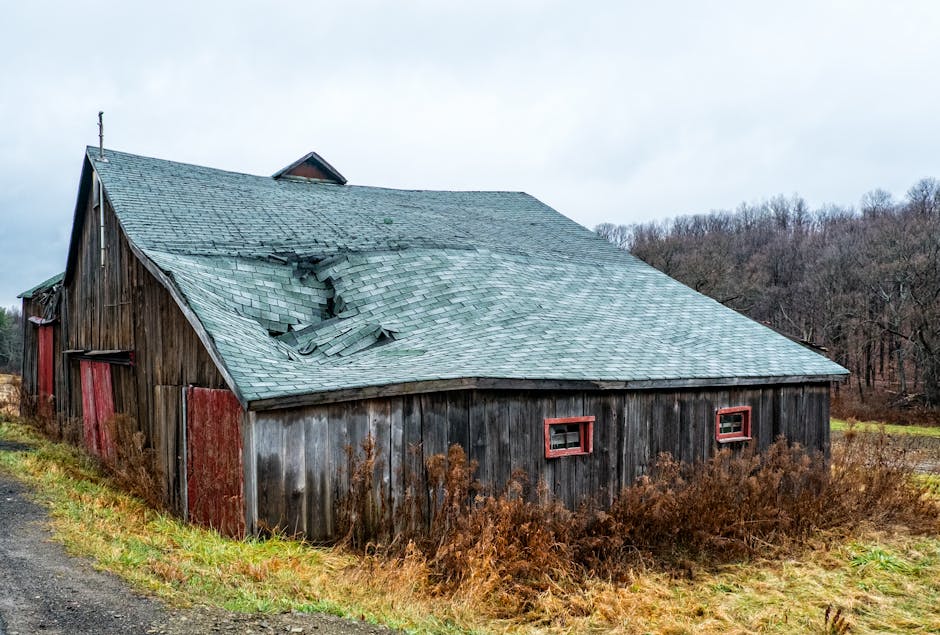
The most insidious aspect of delayed roof replacement is the hidden damage. Water intrusion doesn't always manifest as a dramatic ceiling stain. It can silently work its way into the roof deck, the attic joists, and the rafters. Over time, this moisture leads to wood rot. Wood rot weakens the structural elements of your home. Imagine a piece of lumber that’s been damp for years – it loses its strength, becoming spongy and brittle. This is precisely what happens to your roof's support system. A compromised roof deck can sag, and weakened rafters can put immense stress on your home's walls. In extreme cases, this can lead to partial roof collapse.Key Insight
The weight of water-saturated insulation and decking can exceed the original load-bearing capacity of your roof structure. This is especially concerning after heavy rains or if you have a poorly ventilated attic that traps moisture year-round.
Mold & Mildew: The Unseen Health Hazard Lurking in Your Attic
If water damage is the visible threat, mold and mildew are the invisible health crisis that a failing roof can unleash. Attics, by their nature, are often dark, enclosed spaces. When water from a leaky roof saturates insulation and timber, it creates the perfect humid environment for mold spores to thrive.Insurance Nightmares: Why Delayed Replacement Can Void Your Policy

Review your homeowner's insurance policy annually. Pay close attention to the sections on maintenance requirements and exclusions. Understanding your policy now can save you significant headaches and costs later, especially if you're facing potential roof damage.
The Costly Comparison: Proactive Replacement vs. Emergency Repairs in 2026
It's easy to look at the upfront cost of a full roof replacement and feel sticker shock. However, when you compare it to the potential costs of waiting for a catastrophic failure, the decision becomes clear. Emergency repairs and the secondary damage they prevent are almost always more expensive.| Feature | Proactive Roof Replacement (2026) | Delayed Replacement & Emergency Repairs |
|---|---|---|
| Upfront Cost | Higher, but predictable and planned. Includes full material replacement, labor, and warranty. | Lower for initial "patch" jobs, but significantly higher overall when factoring in secondary damage and multiple emergency calls. |
| Scope of Work | Complete tear-off and replacement of shingles, underlayment, flashing, and often ventilation. | Temporary fixes, often failing again quickly. May only address the immediate leak, not the underlying issue. |
| Damage to Home | Minimal to none; work is done before major damage occurs. | Extensive water damage to attic, ceilings, walls, and potential structural rot. |
| Health Risks | Minimized; proactive replacement prevents mold and mildew growth. | High risk of mold and mildew exposure, leading to respiratory issues. |
| Insurance Impact | Maintains policy coverage and home value. | Risk of denied claims due to neglect; can lead to policy cancellation. |
| Warranty | Includes manufacturer warranty on materials and workmanship warranty from Montesco Roofing. | Little to no warranty on temporary patches; often voids manufacturer warranties on remaining original materials. |
| Long-Term Cost | Best long-term value; prevents costly future repairs and protects home value. | Significantly higher long-term cost due to repeated repairs, secondary damage, and potential structural issues. |
Key Insight
A full roof replacement from a reputable contractor like Montesco Roofing is an investment in your home's longevity and protection. It provides peace of mind and prevents the cycle of costly, reactive repairs that a neglected roof inevitably leads to. For a home in DFW, this proactive approach is essential given our climate.
Your 5-Step Action Plan to Prevent Catastrophic Roof Failure This Year
The good news is that preventing catastrophic roof failure is entirely within your control. It's about being informed and taking action before small problems become big ones. Here’s your actionable plan for 2026:Step 1: Conduct Regular Visual Inspections
From the ground, regularly scan your roof. Look for obvious signs of damage like curling, cracked, or missing shingles. Check for excessive amounts of granules in your gutters—this indicates your shingles are wearing out. Also, look for sagging areas or dark spots, which can signal moisture buildup.
Step 2: Inspect Your Attic
Periodically, go into your attic. On a sunny day, look for any daylight peeking through your roof deck. Also, check for any signs of water staining, damp insulation, or mold growth. These are critical indicators of leaks that may not be visible from the outside.
Step 3: Check Your Gutters and Downspouts
Clogged gutters can cause water to back up under your shingles and damage the fascia and soffits. Ensure your gutters are clear of debris and that downspouts are directing water away from your home's foundation. Look for signs of water overflow or staining around the gutters.
Step 4: Understand Your Roof's Lifespan
Different roofing materials have different lifespans. Asphalt shingles typically last 15-30 years, depending on quality and climate. Metal roofs can last 50+ years. Knowing the age of your roof and its expected lifespan is crucial for planning replacements. For most DFW homes with standard asphalt shingles, if your roof is approaching 15-20 years old, it's time to start seriously considering replacement.
Step 5: Schedule Professional Inspections
Don't rely solely on DIY checks. Schedule regular professional roof inspections, especially after significant weather events like hail storms or high winds common in North Texas. A qualified DFW roofing contractor can identify issues you might miss and provide an expert assessment of your roof's condition and remaining lifespan.
How to Get This Done
If you want to handle the visual checks yourself, here's what you need: a sturdy ladder, a flashlight for the attic, and a keen eye. If you'd rather have experienced roofers handle it and get a professional assessment, our team at Montesco Roofing has inspected and serviced hundreds of DFW homes. We'll provide a detailed report and honest recommendations. Our process includes a thorough ground inspection, attic check, and an assessment of your roof's overall integrity and remaining lifespan.
When to Call Montesco Roofing: Recognizing the Urgency
At Montesco Roofing, we've been serving the DFW area for over 13 years, and we've seen firsthand the devastating impact of delayed roof replacements. We're not here to scare you, but to inform you. Recognizing the signs of urgency is key to protecting your home and your finances.Don't fall for the "storm chaser" mentality. These fly-by-night operations often swoop into DFW after a major storm, offering quick fixes and disappearing before any long-term issues arise. They often cut corners on materials and installation, leaving you with a roof that will fail again soon and no recourse. Always choose a local, established contractor with a proven track record.

- Visible signs of wear: Cracked, curling, blistered, or missing shingles.
- Granules in gutters: This is a clear sign that your shingles are degrading.
- Water stains: On ceilings, walls, or in your attic.
- Sagging roof deck: A visible dip or unevenness in your roofline.
- Mold or mildew growth: Especially in the attic or on exterior soffits.
- Age of roof: If your asphalt shingle roof is 15 years or older, it's time for a professional evaluation.
- After a major storm: Even if you don't see immediate damage, a professional inspection is vital to check for hail or wind impact.
"We treated a small leak in our attic as a minor issue for months. By the time we called Montesco, the rot had spread to our main beams. The repair was far more extensive than if we'd just replaced the roof when it first started showing wear."— A Frustrated Homeowner in North Dallas
Frequently Asked Questions About Roof Replacement Urgency
How often should I have my roof inspected in DFW?
What are the first signs of a roof that needs replacing?
Can a small leak lead to major structural damage?
How does a neglected roof affect my home's energy efficiency?
What happens if my insurance company finds out I neglected my roof?
Is it cheaper to repair a roof or replace it?
Need help putting this into action? Our team has protected hundreds of DFW homes. Tell us about your roof — free inspection, no pressure.
Get Your Free Roof Inspection →Montesco Roofing Team
DFW's trusted roofing contractor with 13+ years of experience. Specializing in roof replacements, storm damage repair, and insurance claims across Dallas-Fort Worth.
Get in touch →