A Day in the Life of a Roofer

The 5 AM Alarm: Dawn Patrol for DFW Roofers
The sun hasn't even thought about peeking over the Dallas skyline, but for a Montesco Roofing crew, the day is already in full swing. It's 5:00 AM on Tuesday, October 20, 2026, and the air in North Texas is just starting to hint at the crispness that autumn brings. For most folks, this is still deep sleep territory, but for our seasoned roofing professionals, it's the crucial kickoff to a demanding, physically taxing, yet incredibly rewarding 12-hour day. This isn't just a job; it's a commitment to protecting homes across the DFW metroplex, one shingle at a time. We believe that understanding the process, the effort, and the expertise that goes into a roof replacement is key to appreciating the value of a job done right.
Quick Answer: A typical DFW roofing crew's day starts before sunrise, involving meticulous preparation, safety checks, efficient tear-off, expert installation, and thorough cleanup, all while battling the elements and ensuring top-quality craftsmanship. It's a long, hard day of skilled labor focused on protecting your home.
Why so early? It's simple: maximizing daylight hours. In DFW, especially during storm season, unpredictable weather can halt progress. Starting early allows our crews to get a significant portion of the work done before the intense midday heat or potential afternoon thunderstorms roll in. It’s about efficiency, safety, and ensuring we meet our projected timelines for homeowners. Every minute counts when you're working against the clock and the elements.
When you're looking for a roofing contractor, ask about their typical workday. An established company like Montesco Roofing prioritizes efficiency and safety, which often means an early start to beat the heat and get the job done right.
Gear Up: Tools of the Trade for a Day on the Roof
Before any hammer swings or shingles fly, the Montesco Roofing truck is a meticulously organized hub. The crew arrives, and the first order of business is gearing up. This isn't just grabbing a tool bag; it's a systematic process of ensuring every piece of equipment is present, functional, and ready for the day's challenges. We’re talking about everything from the heavy-duty shingle tear-off shovels designed to pry up old materials efficiently, to the specialized nail guns calibrated for the perfect depth – not too deep to damage the decking, not too shallow to compromise the seal. Each tool has a purpose, and knowing how to use it effectively is what separates a good roofer from a great one.
Essential Roofing Tools
Tear-off Shovels: For removing old shingles and underlayment.
Circular Saws: To cut starter strips, ridge caps, and make necessary repairs to decking.
Nail Guns: Pneumatic tools for fast and consistent nailing of shingles.
Utility Knives: For precise cuts on shingles and flashing.
Ladders & Scaffolding: Safe access to the roof and materials.
Safety Harnesses & Ropes: Non-negotiable for fall protection.
Tarps: To protect landscaping and driveways from debris.
Safety equipment is paramount. Harnesses, ropes, sturdy work boots with good grip, safety glasses, and gloves are standard issue. It’s about protecting our team so they can focus on protecting your home. We also load up on consumables: thousands of roofing nails, starter shingles, drip edge, flashing, ventilation components, and, of course, the new shingles themselves. The sheer volume of materials needed for a full roof replacement can be staggering, often requiring a dedicated trailer or truck just for the supplies. Think about it – a typical DFW home might need 30-40 bundles of shingles, each weighing around 70-80 pounds. That’s over a ton of material to be moved and installed.
The Weight of a New Roof
A standard asphalt shingle roof replacement can involve moving upwards of 2,000 to 4,000 pounds of material onto your roof. This physical demand is why roofing is considered one of the most labor-intensive trades.
Site Assessment & Safety Briefing: The Crucial First Hour
Once the crew arrives at the homeowner's property, the first hour is dedicated to a thorough site assessment and a mandatory safety briefing. This isn't just a quick rundown; it's a critical step that sets the tone for the entire day. The foreman walks the property with the homeowner, if available, to discuss any specific concerns, point out delicate landscaping that needs extra protection, and confirm the scope of work. They'll inspect the existing roof from the ground with binoculars, looking for potential issues that might not have been apparent during the initial estimate, like damaged flashing around chimneys or vents, or areas of soft decking.
Step 1: Property Walk-Through
Foreman meets homeowner (if present), identifies sensitive areas, confirms scope.
Step 2: Ground-Level Roof Inspection
Visual check for obvious damage, structural concerns, and potential problem areas.
Step 3: Safety Zone Setup
Establish a safe work perimeter, clear debris, position tarps for protection.
Step 4: Crew Safety Briefing
Review of the day's plan, specific hazards, fall protection protocols, communication signals.
The safety briefing is where the team huddles up. They discuss the specific challenges of that particular roof – steep pitch, high winds, potential for debris, or any unique architectural features. Fall protection is always the top priority. Every crew member is reminded of the proper use of harnesses, anchor points, and safety lines. They also establish communication protocols – hand signals are crucial when noise levels make verbal communication difficult. This proactive approach to safety isn't just about compliance; it's about ensuring every member of the Montesco Roofing family goes home safe at the end of the day. For us, it’s as important as the quality of the shingles we install.
Storm chasers often skip this crucial safety briefing and site assessment. They might rush straight to tear-off, increasing the risk of accidents and property damage. A thorough initial assessment is a sign of a professional, established contractor.
In DFW, we're always mindful of the weather. The briefing will include a check of the latest forecast. If there's a high probability of severe storms, the plan might be adjusted, or work might be rescheduled to ensure safety. This adaptability is key to working in a region known for its dynamic weather patterns.
Demolition Day: Tearing Down the Old, Preparing for the New
With safety protocols in place and the plan solidified, it's time for the demolition, or "tear-off." This is often the most physically demanding part of the job. The crew meticulously removes the old roofing materials, layer by layer. Most homes in the DFW area have at least two layers of asphalt shingles, and sometimes even more, especially if previous repairs were done without a full replacement. Our goal is to get down to the original roof decking – the plywood or OSB sheathing. This allows us to inspect the decking for rot, damage, or inadequate support, which is critical for the longevity of the new roof.
As the old shingles are stripped, they’re immediately tossed into a large debris chute or directly into a dumpster positioned strategically in the driveway. We use heavy-duty tarps to protect the homeowner's landscaping, flower beds, and any outdoor furniture. Even with the best precautions, some minor debris is inevitable, but our commitment is to leave the property cleaner than we found it. This stage requires brute strength, coordination, and an understanding of how to work efficiently without damaging the underlying structure.
How to Get This Done
DIY Option: For very small, simple structures like a shed, a homeowner with proper safety gear and tools might attempt a tear-off. However, for a primary residence, the risks of structural damage, personal injury, and improper disposal are significant. It's generally not recommended.
Montesco Roofing Option: Our crews are trained and equipped for safe, efficient tear-offs on any residential structure. We handle all debris removal and disposal, ensuring the site is prepped perfectly for new materials. Learn more about our replacement process.
What we're looking for during tear-off is just as important as the removal itself. Soft spots in the decking, evidence of past leaks that weren't properly repaired, or inadequate ventilation are all red flags. If we find damaged decking, it needs to be replaced before any new materials are installed. This is where our experience truly matters – identifying and addressing these underlying issues prevents future problems and ensures the new roof has a solid foundation. Ignoring damaged decking is a shortcut that will cost the homeowner dearly down the line.
"You can't build a great roof on a bad foundation. We treat every roof deck like the critical base it is."— Montesco Roofing Foreman
Installation Mastery: Shingle by Shingle, Nail by Nail
Once the old roof is gone and the decking is inspected and repaired (if necessary), the real artistry begins: installing the new roof system. This is where the meticulous planning and preparation pay off. The process starts with installing ice and water shield in vulnerable areas like valleys, around chimneys, and along eaves. This self-adhering membrane provides an extra layer of protection against water intrusion, especially critical in DFW during heavy rains or freeze-thaw cycles.
The Foundation of a New Roof
Beyond the shingles, a robust roof system includes: Drip Edge (protects fascia and prevents water wicking), Underlayment (a protective barrier, often synthetic now, over the decking), Ice & Water Shield (critical for sealing valleys and eaves), and Ventilation (soffit and ridge vents to manage attic heat and moisture).
Next comes the synthetic underlayment, which provides a smooth, durable surface for the shingles and acts as a secondary water barrier. Then, the drip edge is installed along the eaves and rake edges. This metal flashing directs water away from the fascia and into the gutters, preventing rot and damage to the roof structure. This attention to detail in the underlayment and flashing stages is what separates a quality installation from a rushed one.
Now, the shingles themselves. Our crews use high-quality asphalt shingles from trusted manufacturers like GAF, Owens Corning, and CertainTeed. The installation isn't just about slapping them on. Each shingle is precisely placed and fastened with the correct number of nails – typically six per shingle on steeper slopes, driven at the correct angle and depth. This ensures the shingles can withstand high winds, a frequent concern in Texas. The starter shingles along the eaves and rake edges are critical for sealing the roof and preventing wind uplift. We also pay close attention to the pattern of installation, ensuring straight lines and proper overlap to create a watertight seal.
| Aspect | Professional Installation (Montesco Roofing) | Subpar/Storm Chaser Installation |
|---|---|---|
| Nail Placement & Count | Correct number of nails (6+) per shingle, strategically placed in the nailing strip for maximum wind resistance. | Often fewer nails, improperly placed, leading to blow-offs during high winds. |
| Shingle Alignment | Straight, consistent rows creating a clean, watertight surface. | Crooked lines, uneven exposure, compromising the seal. |
| Starter Shingles & Overhang | Properly installed starter shingles with correct overhang to prevent wind uplift and water intrusion. | Skipped or improperly installed, leaving the edges vulnerable. |
| Valley Installation | Woven or closed valley techniques, often with additional ice and water shield for maximum protection. | Improperly cut or installed, creating a weak point for leaks. |
| Ventilation Integration | Proper installation of soffit and ridge vents to ensure balanced attic airflow. | Often ignored or poorly installed, leading to premature roof aging and interior moisture issues. |
| Manufacturer Compliance | Adherence to all manufacturer specifications to ensure warranty validity. | Cutting corners to save time or money, voiding warranties. |
| Workmanship Guarantee | Backed by Montesco Roofing's 13+ years of local experience and our own warranty. | Typically non-existent or fleeting, especially from out-of-state storm chasers. |
The installation of ridge caps and ventilation is the final touch. Proper ridge ventilation is crucial for attic health, allowing hot, moist air to escape and preventing the buildup of condensation that can lead to mold and rot. It works in conjunction with soffit vents to create a balanced airflow system. Our crews ensure these components are installed seamlessly, completing the roof system and providing maximum protection.
Key Takeaways
- The installation phase is a precision process, not just random placement of shingles.
- Correct nailing patterns and shingle alignment are critical for wind resistance and longevity.
- Properly installed starter shingles, drip edge, and ventilation are essential for a watertight and healthy roof system.
The Midday Grind: Fueling Up and Pushing Through
By noon, the DFW sun is usually beating down with full force. Our crews have been on their feet, climbing, lifting, and working intensely for hours. This is when the midday break becomes essential. It’s not just about grabbing a quick bite; it’s a strategic pause to refuel, rehydrate, and regroup. We emphasize the importance of hydration – water bottles are constantly being refilled. A good lunch provides the energy needed to tackle the rest of the afternoon's work.
Hydration is Key
In the Texas heat, dehydration is a serious risk. Crews are instructed to drink water consistently throughout the day, not just during breaks. Electrolyte drinks are also often part of the hydration strategy.
Fueling the Fire
A substantial lunch is crucial. Think sandwiches, wraps, or hearty meals that provide sustained energy. Quick, sugary snacks are avoided as they lead to energy crashes.
This break is also a chance for the foreman to check in with the crew, address any minor issues that may have arisen, and confirm the progress against the day's goals. It's a moment for camaraderie, a shared understanding of the tough work being done. For homeowners, seeing the crew take a proper break can be reassuring – it shows they're not rushing through the job unsafely. It's a sign of a professional operation that prioritizes the well-being of its team, which directly translates to the quality of work performed on your home.
What many homeowners might not realize is the mental aspect of this work. It's physically demanding, yes, but it also requires constant focus and problem-solving. A break allows the crew to clear their heads, reset, and approach the afternoon with renewed vigor. This is especially important when dealing with complex rooflines or unexpected challenges that require quick thinking and collaboration.
Navigating DFW Weather: Rain, Sun, and Wind on the Job
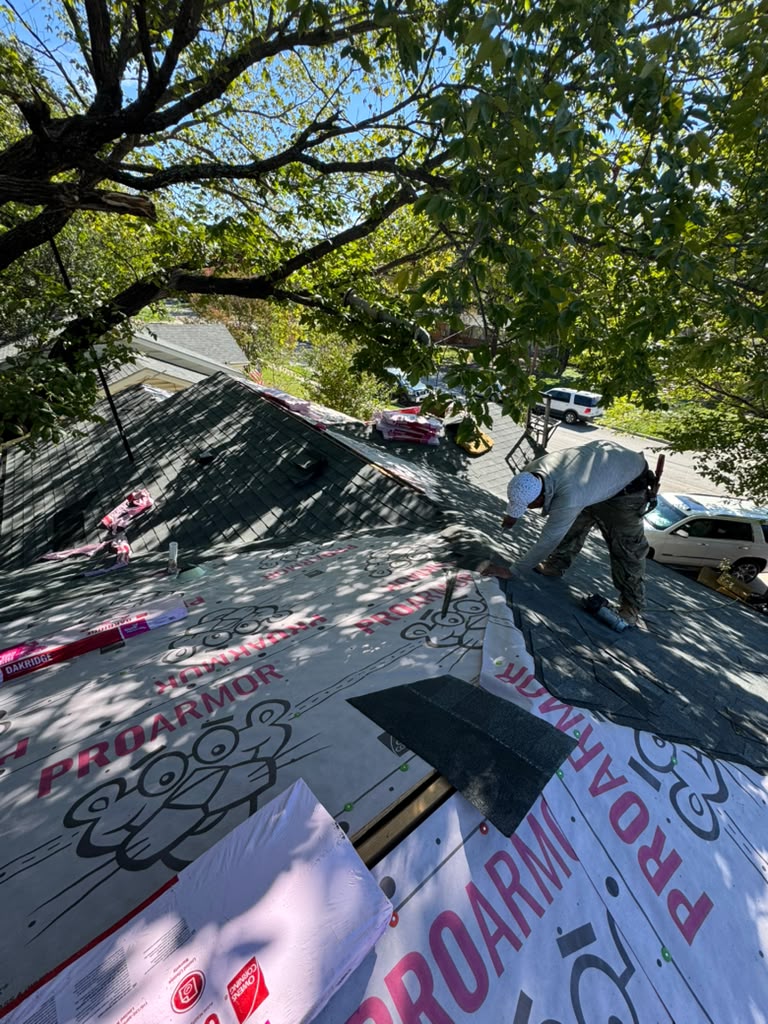
Living and working in North Texas means contending with some of the most unpredictable weather in the country. For a roofing crew, this isn't just an inconvenience; it's a constant factor that dictates the pace and safety of the job. We've already mentioned the early start to beat the heat, but that's just the beginning. A sudden DFW thunderstorm can appear out of nowhere, forcing an immediate stop to work. High winds, common even outside of major storm events, can make working at heights incredibly dangerous.
Never let a roofer work on your roof during a thunderstorm or high winds. Safety is paramount. Reputable contractors like Montesco Roofing will immediately halt work and secure the site if weather conditions become unsafe.
The intense Texas sun is another major challenge. Prolonged exposure can lead to heat exhaustion and serious health risks. Our crews wear light-colored, breathable clothing and use UV-protective gear, but the heat radiating off the roof surface can reach extreme temperatures. We constantly monitor weather apps and forecasts, and our foremen are trained to make quick decisions about whether to continue working or to pause and take shelter. This might mean covering up exposed decking with tarps if rain is imminent or securing tools and materials to prevent them from blowing away.

The Impact of DFW Weather on Roofing
The DFW climate presents unique challenges: intense summer heat, frequent thunderstorms with high winds and hail, and occasional freezing temperatures. These conditions demand specialized knowledge, durable materials, and flexible work strategies from roofing professionals.
The reality is, a roofing project is rarely a perfectly linear progression. Unforeseen weather delays are part of the job, especially in DFW. A good contractor builds contingency into their timelines and communicates openly with the homeowner about any weather-related adjustments. Our goal is to complete the job efficiently and safely, and that often means adapting to Mother Nature's whims. We've seen it all – from flash floods that turn a yard into a mud pit to winds that can whip shingles off a poorly installed roof in minutes. Being prepared for these scenarios is what makes Montesco Roofing a trusted name in DFW.
When hail is in the forecast, the situation becomes even more critical. While our primary focus is on installation and repair, we're always aware of the potential for damaging hail storms that can impact homes across North Texas. Our expertise in assessing storm damage means we understand the forces at play and how to build roofs that can better withstand them.
The Montesco Difference: Quality Craftsmanship in Action
What truly sets a Montesco Roofing crew apart isn't just their ability to get the job done, but how they get it done. It’s about a commitment to quality craftsmanship that goes beyond the visible. While a homeowner sees the new shingles, we're focused on the integrity of the entire roof system, from the decking up to the ridge cap. This means meticulously following manufacturer specifications, adhering to local building codes, and employing best practices honed over 13+ years in the DFW market.
Ask your roofer about their installation process. Do they use synthetic underlayment? What kind of ventilation system do they install? Do they adhere to manufacturer guidelines? These questions reveal their commitment to quality.
Take ventilation, for instance. Many contractors might see it as an optional add-on or a place to cut costs. At Montesco, we understand that proper attic ventilation is crucial for the longevity of your roof and the energy efficiency of your home. It prevents moisture buildup, reduces heat stress on shingles, and can even lower your energy bills. We ensure a balanced system of intake (soffit vents) and exhaust (ridge vents) is installed correctly on every project. This is part of our holistic approach to roofing.
"We don't just put shingles on a roof; we build a complete, protective system designed to last. That's the Montesco way."— Montesco Roofing Project Manager
Our crews are trained not just on how to install shingles, but on the "why" behind each step. They understand how flashing works to divert water, how the underlayment protects the decking, and how the interlocking nature of shingles creates a watertight barrier. This deep understanding allows them to troubleshoot effectively and ensure that every detail, no matter how small, contributes to the overall performance and durability of the roof. It’s this dedication to excellence that earns us trust and repeat business throughout Plano, Frisco, McKinney, and beyond.
The Montesco Roofing Process
If you'd rather have experienced roofers handle it, our team has done this on hundreds of DFW homes — here's how our process works: We start with a thorough inspection, provide a detailed, transparent estimate, and then our certified crews meticulously install your new roof system according to manufacturer and local code standards, ensuring quality and longevity.
We also pride ourselves on our manufacturer certifications. Working with top brands means our installers undergo specific training and meet stringent quality standards. This not only ensures the best possible installation but also allows us to offer extended manufacturer warranties, giving homeowners even greater peace of mind. It's another layer of protection that Montesco Roofing provides.
Cleanup and Final Inspection: Leaving No Trace Behind
As the afternoon winds down, the focus shifts from installation to meticulous cleanup and a final, thorough inspection. This is as critical as the tear-off or installation itself. Our crews don't just pack up and leave. They perform a comprehensive sweep of the property, ensuring that every scrap of debris, every stray nail, and every piece of old material is removed. This includes using magnetic sweepers to pick up any stray nails that might have fallen into the grass or driveway – a common hazard that can lead to flat tires or painful punctures.
Step 1: Debris Removal
All old roofing materials, packaging, and job-related trash are collected and removed from the property.
Step 2: Magnetic Sweeping
The entire work area, including the lawn and driveway, is swept with magnets to collect any dropped nails.
Step 3: Surface Cleaning
Any scuffs or dirt marks on siding, gutters, or windows from the work are cleaned.
Step 4: Final Walk-Through (Crew)
The crew foreman conducts an internal inspection to ensure all standards are met.
Once the site is spotless, the foreman conducts a detailed final inspection of the new roof. This involves climbing back onto the roof (if safe) to visually inspect every shingle, every piece of flashing, every vent, and every seal. They check for consistent alignment, proper nail penetration, and the absence of any cosmetic flaws. They'll also inspect the attic from the inside, if possible, looking for any signs of daylight that shouldn't be there or any potential installation issues. This internal quality control step is vital before the homeowner's final sign-off.
The Magnetic Nail Sweep: A Small Detail, Big Impact
This seemingly minor step is a testament to our commitment to a clean job site. A single stray nail can cause significant problems for a homeowner. Our magnetic sweepers ensure that this potential hazard is eliminated.
Finally, the foreman walks the property with the homeowner for a joint inspection. This is an opportunity to answer any questions, explain the new roof system, and ensure the homeowner is completely satisfied with the work. We provide documentation, warranty information, and any necessary maintenance tips. This transparent and thorough final process is what builds trust and ensures a positive experience, even after the most demanding day on the job. For us, the job isn't truly done until the homeowner is happy and their home is perfectly protected.

Storm chasers often disappear after getting paid, skipping thorough cleanup and final inspections. This lack of accountability can leave homeowners with lingering debris issues and unaddressed installation problems.
Beyond the Tools: The Teamwork That Makes It Happen
While the tools, materials, and techniques are essential, the true engine of a successful roofing operation is the teamwork and collaboration among the crew members. A roofing crew is more than just a group of individuals; they are a cohesive unit that relies on each other's skills, communication, and trust to accomplish a complex task safely and efficiently. From the moment they arrive at the job site, there's a clear flow of communication and a shared understanding of roles.
The Synergy of a Roofing Crew
A well-oiled roofing crew operates like a finely tuned machine. Each member understands their role, from the foreman directing the operation to the crew members handling tear-off, installation, and material transport. Effective communication, mutual respect, and a shared goal of quality are the cornerstones of their success.
The foreman acts as the conductor, managing the overall project, ensuring safety protocols are followed, and making critical decisions on the fly. They are the primary point of contact for the homeowner and are responsible for the quality of work. Other crew members might specialize in different aspects – some might be experts at efficiently removing old shingles, while others excel at precise shingle laying or intricate flashing work. This division of labor, combined with cross-training, allows the crew to adapt to different tasks and maintain momentum.
The physical demands of roofing also foster a strong sense of camaraderie. When you're working side-by-side for 12 hours, often in challenging conditions, you develop a bond. There’s a shared understanding of the effort involved, the aches and pains, and the satisfaction of a job well done. This mutual support is crucial for morale and for ensuring that no one is left struggling. They watch out for each other, offering a helping hand, a word of encouragement, or a critical safety reminder.
The Montesco Roofing Difference
Our crews are more than just installers; they are skilled tradespeople who take pride in their work. We invest in their training, safety, and well-being, ensuring they have the tools, knowledge, and support to deliver exceptional results. This commitment translates directly into the quality and durability of the roofs we install across DFW.
This teamwork extends beyond the individual job site. It's about the entire Montesco Roofing organization working together to support our field crews. From our project managers who ensure materials are ordered and delivered on time, to our office staff who handle scheduling and client communication, everyone plays a vital role. When you choose Montesco Roofing, you're not just hiring individuals; you're engaging a dedicated team committed to protecting your home for years to come.
Frequently Asked Questions: Your Roofing Crew Queries Answered
Frequently Asked Questions
What time does a DFW roofing crew typically start their day?
How many hours does a roofing crew work in a day?
What are the most important safety precautions for a roofing crew?
What happens to the old roofing materials after tear-off?
How does DFW weather impact a roofing crew's schedule?
What is the role of the foreman on a roofing job?
Why is proper ventilation important for a roof?
Does Montesco Roofing offer warranties on their work?
Need help putting this into action? Our team has protected hundreds of DFW homes. Tell us about your roof — free inspection, no pressure.
Get Your Free Roof Inspection →Montesco Roofing Team
DFW's trusted roofing contractor with 13+ years of experience. Specializing in roof replacements, storm damage repair, and insurance claims across Dallas-Fort Worth.
Get in touch →