Protect Your Beautiful Garden from Debris

The Unseen Threat: Roofing Debris and Your Delicate Landscaping
It's Thursday, October 29, 2026, and the air in DFW is starting to carry that crisp autumn chill. For many of us here in North Texas, this is prime time for enjoying our yards, maybe tending to those last few prize-winning petunias or making sure the ornamental grasses are looking their best before winter truly sets in. But if you're considering a roof replacement, especially in a bustling area like Dallas or Fort Worth, there's a quiet concern that often goes unaddressed until it's too late: the impact on your meticulously cared-for landscaping. When a roofing crew starts tearing off an old roof, it's not just shingles and underlayment that come down. We're talking about nails, tar, bits of wood, granules, and sometimes even larger debris. For a homeowner who takes pride in their property, the thought of that material raining down on their flower beds, vegetable gardens, or even just their lawn can be a major source of anxiety. It's not just about aesthetics; some of these materials can actually be harmful to plants and lawn health. This is where the expertise of a seasoned DFW roofer truly shines, going beyond just the shingles and gutters to protect the entire integrity of your home's exterior, including the ground beneath.Don't assume all roofing companies treat your property with the same care. Always ask specifically about their ground protection and cleanup procedures before signing a contract. A good contractor will have a detailed plan.
Why Most Roofers Don't Prioritize Your Petunias (And Why Montesco Roofing Does)
Let's be honest. For a lot of roofing companies, especially those that might be newer to the DFW market or are more focused on volume, the primary goal is getting the roof done quickly and efficiently. That means the tear-off might be less controlled, and the cleanup might be a quick sweep of the driveway and lawn, often missing a significant amount of smaller debris like nails and granules that settle into the grass. They might think, "It's just a little dirt, it'll wash away." But for a homeowner who has invested time, money, and passion into their landscape, "just a little dirt" can mean damaged plants, rusty nails creating hazards, and a general feeling that their property wasn't respected. Here at Montesco Roofing, we've been serving the Dallas-Fort Worth area for over 13 years. We've seen firsthand how a poorly managed roofing project can leave a homeowner frustrated, not just with the roof, but with the mess left behind. We understand that your home is more than just the structure; it's your sanctuary, and that includes the beautiful exterior you've cultivated. That's why protecting your landscaping isn't an afterthought for us – it's a fundamental part of our process. We treat every home like it's our own, and that means going the extra mile to ensure your gardens, lawn, and outdoor living spaces are as pristine after we leave as they were before we arrived. We believe that a truly professional roofing contractor doesn't just deliver a superior roof; they deliver a superior overall experience, which includes respecting and preserving the entire property.Key Insight
The difference between a standard roofing company and a truly professional one often lies in the details of their property protection and cleanup protocols. For homeowners in DFW, where landscaping is often a significant investment, this distinction is crucial.
Be wary of roofing contractors who don't have a clear, detailed plan for protecting your property. If they brush off your concerns about landscaping, it's a red flag. They might also be the type to use 'storm chaser' tactics, disappearing after the job is done, leaving you with lingering issues.
7 Essential Ground Protection Steps for a Pristine Property
When we approach a project in Plano or Frisco, or any DFW neighborhood for that matter, our team follows a strict protocol to safeguard your property. It’s not just about throwing down a tarp; it’s a systematic approach designed to anticipate and mitigate any potential damage. Here’s a breakdown of what we consider essential:Step 1: Site Assessment & Planning
Before any work begins, we walk your property with you. We identify all sensitive areas: flower beds, vegetable gardens, delicate shrubs, water features, patios, decks, and even outdoor furniture. We note the location of downspouts and drainage areas. This informs our protection strategy.
Step 2: Strategic Tarping of Structures
We use heavy-duty tarps to cover decks, patios, outdoor kitchens, and any other permanent structures that could be damaged by falling debris or foot traffic. These are secured properly to prevent wind from lifting them.
Step 3: Landscaping Protection
This is where the magic happens for your gardens. We use specialized landscaping tarps and heavy-duty drop cloths. These aren't just cheap plastic sheets; they're designed to withstand the weight of debris and protect plants from impact and potential chemical exposure from old roofing materials.
Step 4: Creating Debris Chutes
Instead of letting debris fall randomly, we often create controlled "chutes" using heavy tarps. This directs the majority of the old roofing material into designated dumpster areas, minimizing scatter across your lawn.
Step 5: Nail Collection Systems
This is crucial. We don't just rely on magnetic sweepers at the end. We use tarps strategically placed around the perimeter to catch falling nails and small pieces of shingle. Some methods even involve netting or specialized barriers directly below the work area.
Step 6: Ongoing Site Monitoring
Throughout the day, our crew foreman continuously monitors the protection measures. If a tarp shifts in the wind or a new potential hazard is identified, it's addressed immediately. This isn't a set-it-and-forget-it situation.
Step 7: Thorough Post-Project Cleanup
Once the new roof is installed, our cleanup goes beyond just sweeping. We meticulously remove all tarps, sweep and blow all surfaces, and then use magnetic sweepers over the entire lawn and landscape areas multiple times to ensure no nails or metal fragments are left behind.
Tarps vs. Drop Cloths vs. Specialized Barriers: Choosing the Right Defense
When it comes to protecting your property, the type of material used for ground cover is important. Not all tarps are created equal, and a good roofer knows the difference.| Feature | Standard Tarps | Heavy-Duty Landscape Tarps/Drop Cloths | Specialized Debris Containment Systems |
|---|---|---|---|
| Material Strength | Varies widely, often thinner plastic | Thicker, reinforced vinyl or canvas-like material | Industrial-grade, often with reinforced grommets and seams |
| Tear/Puncture Resistance | Low; easily damaged by sharp objects | Moderate to High; designed to withstand shingles and impact | Very High; engineered for heavy-duty construction debris |
| Grip/Non-Slip Surface | Can be slippery when wet | Often textured for better grip, reducing slip hazards | Designed for stability and safety, even in wet conditions |
| Containment Capability | Basic; can allow smaller debris to sift through | Good; effectively catches most shingles, granules, and nails | Excellent; often designed with raised edges or baffles to prevent scattering |
| Impact Protection | Minimal; primarily a surface cover | Provides some cushioning against falling objects | Offers significant protection against impact damage |
| Cost (per linear foot) | $ | $ | $$ |
| Typical Use Case | General covering, temporary protection | Protecting lawns, gardens, patios during roofing | High-impact areas, sensitive landscaping, commercial projects |
Key Insight
While standard tarps might seem like a cost-saving measure for a roofer, they often don't offer the level of protection necessary for delicate DFW landscaping. Investing in heavy-duty or specialized materials is a sign of a contractor committed to property preservation.
How to Get This Done
When vetting roofers, ask them what type of ground protection they use. A professional like Montesco Roofing will use heavy-duty landscape tarps or specialized containment systems. If you're considering a DIY cleanup after a contractor leaves, ensure you have ample tarps, heavy-duty gloves, safety glasses, and a powerful magnetic sweeper. However, for the removal of an entire roof, professional handling is strongly recommended. Our team has perfected these methods over 13 years in DFW, ensuring your property stays safe and clean throughout the project.
The "No-Fly Zone": Strategic Tarping for Maximum Coverage
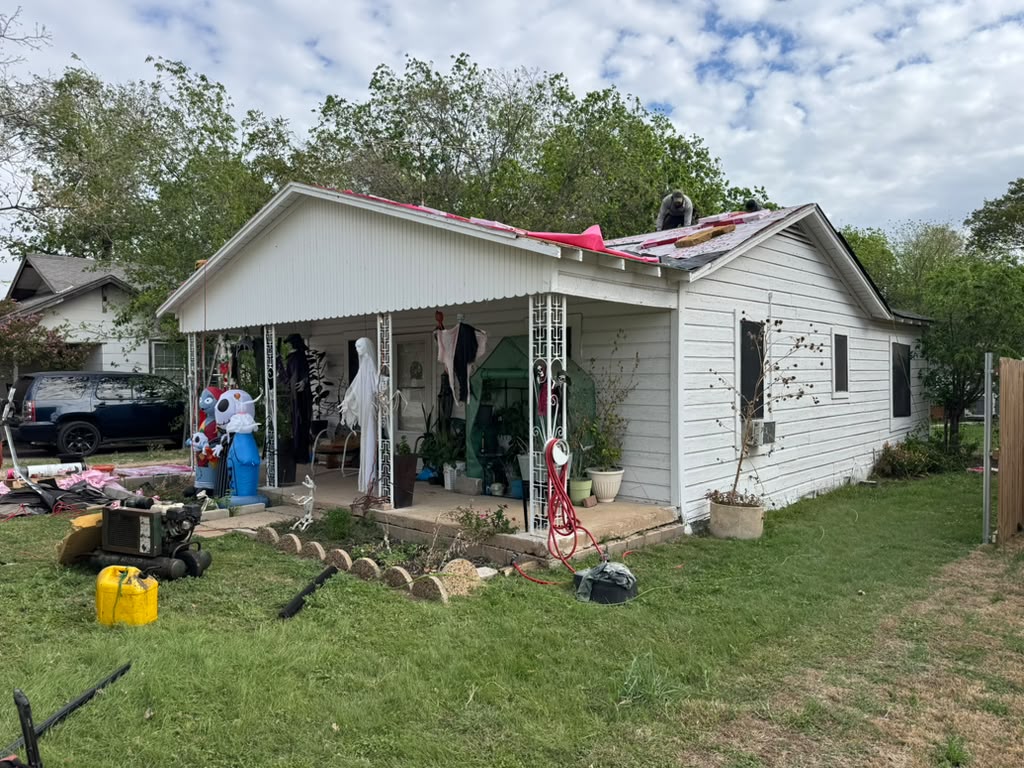
When discussing your project with a potential roofer, ask them how far out from the house they extend their ground protection. If they say "just around the foundation" or "wherever it lands," that's a sign they aren't prioritizing your landscape.
Nail Collection: The Small Detail That Makes a Big Difference
Nails are arguably the most insidious type of debris left behind after a roof replacement. They're small, they can get embedded deep in the soil, and they pose a serious hazard to bare feet, pets, and even lawnmowers. A thorough nail sweep is non-negotiable. Our process at Montesco Roofing involves multiple stages of nail collection. First, as mentioned, the strategic tarping system is designed to catch a significant portion of falling nails during the tear-off. As the old roofing material is removed, crew members are also trained to be mindful of loose nails and to collect them as they go. Once the tear-off is complete and before the new underlayment goes down, we often do an initial sweep of the tarped areas and any exposed ground. But the real work happens after the new roof is installed. We employ powerful, industrial-grade magnetic sweepers. These aren't your average hardware store magnets; they're designed to cover a wide swath and attract even deeply embedded nails. We make multiple passes over the entire lawn, garden beds, and any other potentially affected areas. This isn't a quick once-over; we take our time to ensure we've covered every inch. We even sweep around the foundation, along walkways, and in any areas where debris might have been tracked.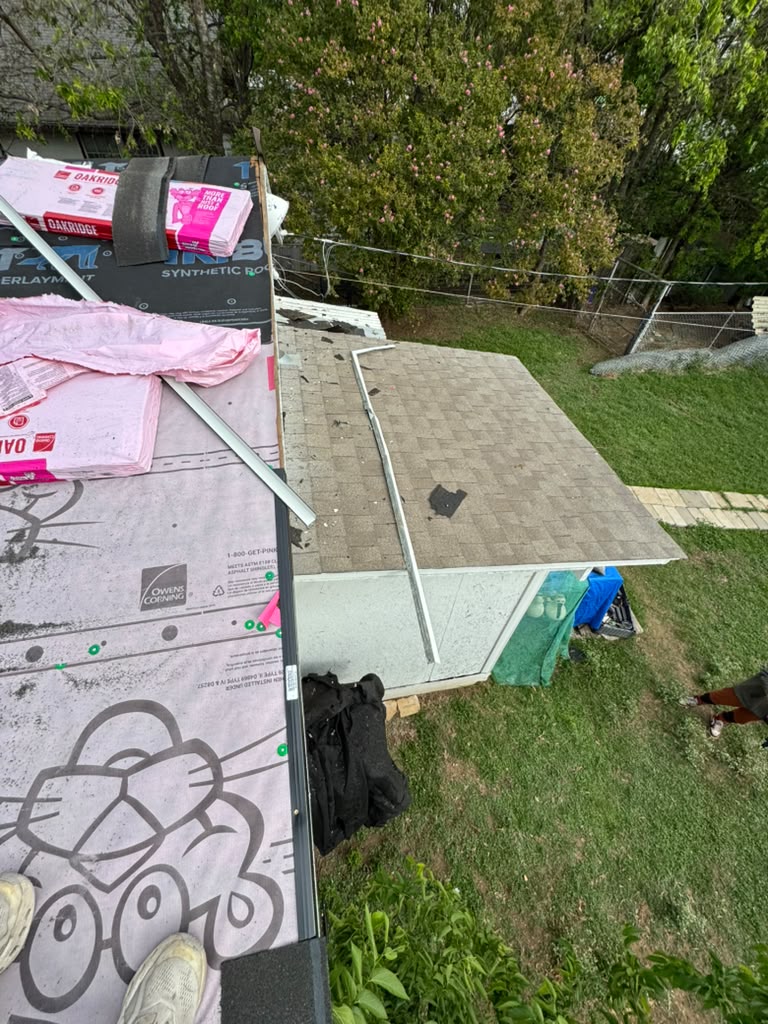
Some less scrupulous contractors might only do a cursory magnetic sweep, or worse, rely solely on a leaf blower. This is insufficient for nail collection. A proper nail sweep takes time and multiple passes with powerful equipment.
Post-Project Cleanup: Beyond the Basic Sweep
Cleanup is where many roofing companies fall short, leaving homeowners with a lingering sense of dissatisfaction. For us at Montesco Roofing, it’s the final, critical step in delivering a complete, professional service. Our cleanup process is thorough and comprehensive, aiming to leave your property looking better than we found it. Here's what our post-project cleanup typically entails:1. Debris Removal from Tarps
All collected roofing debris from the tarps is carefully loaded into our dumpsters. We ensure no material is left behind on the ground or in the tarps.
2. Tarp and Protection Removal
All tarps, drop cloths, and protective coverings are removed. We inspect the underlying surfaces for any accidental scuffs or marks and address them.
3. Comprehensive Magnetic Sweeping
As detailed earlier, multiple passes with industrial magnetic sweepers are made across the entire work area and surrounding grounds to collect all nails and metal fragments.
4. Blowing and Sweeping
We use high-powered blowers and brooms to clear all walkways, driveways, patios, decks, and lawn areas of any remaining dust, granules, or small debris.
5. Landscape Grooming
If any minor disturbance occurred to garden beds or mulch areas during the process, we'll do our best to tidy them up. This might involve lightly raking or reshaping.
6. Final Walk-Through
Our project manager conducts a final walk-through with you, the homeowner, to ensure you are completely satisfied with the condition of your property.
"We hired Montesco Roofing for a full replacement on our home in Arlington, and I was honestly blown away by their cleanup. I have a large garden with delicate azaleas, and I was so worried. They protected it perfectly, and when they were done, you couldn't even tell they'd been there – no stray nails, no debris. It was spotless."— Satisfied DFW Homeowner
How Montesco Roofing Guarantees a Debris-Free Property
Our commitment to protecting your property isn't just a promise; it's built into our operational DNA. We understand that in the DFW climate, with its unpredictable storms and beautiful landscaping, a roofing project needs to be handled with exceptional care. At Montesco Roofing, we don't just say we'll protect your grounds; we have specific procedures and training in place to ensure it. Every crew member is trained on our property protection standards. Our foremen are responsible for overseeing the implementation of these measures on every job site. We invest in high-quality materials for ground protection, not the cheapest option available. This is because we know that cutting corners here can lead to costly damage and unhappy homeowners, which is not how we do business. We stand behind our work, and that includes the condition of your property after we're finished. If, for any reason, you find stray nails or significant debris that we missed after our thorough cleanup, please don't hesitate to call us. We'll be back out promptly to address it. This commitment is part of what has made us a trusted DFW roofing contractor for over 13 years. We believe that a truly successful roofing project leaves you with a secure, beautiful roof and a property that remains just as beautiful, if not more so, than when we arrived.
How to Get This Done
If you're looking to handle minor debris cleanup yourself after a smaller repair, focus on using a powerful magnetic sweeper and doing multiple passes. For a full roof replacement, however, the scale of debris and the potential for damage to your landscape make professional handling essential. Montesco Roofing's process is designed to meticulously protect your property from start to finish. We've perfected our methods over 13 years, ensuring peace of mind for DFW homeowners.
Key Takeaways
- Reputable DFW roofers prioritize protecting your lawn and gardens from roofing debris.
- This involves strategic tarping, specialized barriers, and meticulous nail collection.
- Montesco Roofing employs a 7-step ground protection process and a comprehensive cleanup protocol.
- Always ask potential roofers about their property protection and cleanup procedures.
- A thorough cleanup, including multiple magnetic sweeps, is crucial for safety and aesthetics.
Frequently Asked Questions About Roofing Debris and Garden Protection
What kind of debris comes off an old roof?
Can roofing granules harm my plants?
How far out from the house should protective tarps extend?
What is the best way to collect nails after roofing work?
Should I worry about damage to my patio or deck?
How can I ensure my DFW roofer protects my landscaping?
What if I find nails after the roofing company has left?
Need help protecting your home and landscaping during your next roof project? Our team has protected hundreds of DFW homes with meticulous care. Tell us about your roof — free inspection, no pressure, and a commitment to keeping your property pristine.
Get Your Free Roof Inspection →Montesco Roofing Team
DFW's trusted roofing contractor with 13+ years of experience. Specializing in roof replacements, storm damage repair, and insurance claims across Dallas-Fort Worth.
Get in touch →