One Simple Habit that Could Save Your Roof

You just found a softball-sized dent in your neighbor's car after that last storm, and the dread starts to creep in: what about your roof? In North Texas, especially here in DFW, hail isn't just an inconvenience; it's a potential multi-thousand-dollar disaster waiting to happen. We've seen roofs shredded by golf-ball-sized hail, leading to leaks, interior damage, and insurance headaches that can drag on for months. The thought of shelling out $15,000 or more for a full roof replacement is enough to make anyone lose sleep. But what if I told you there's one simple, proactive habit you can adopt, starting today, that could significantly reduce your risk and potentially save you a fortune?
The $15,000 Fear: Why DFW Homeowners Can't Afford to Ignore Hail Damage in 2026
Let's be blunt: Texas weather is unpredictable, and hail storms are a serious threat to our homes. When those icy projectiles, some as large as golf balls or even softballs, come crashing down, they don't just bounce off. They can bruise, crack, and tear apart your roofing materials. The immediate aftermath might just look like cosmetic damage, but the real damage is often hidden, compromising the integrity of your roof's protective layers. This is especially true in 2026, as we continue to see intense and frequent storm activity across the Dallas-Fort Worth metroplex. It’s not uncommon for a significant hail event to cause damage that, if left unaddressed, will require a full roof replacement costing anywhere from $10,000 to $20,000, sometimes even more depending on the complexity and materials used for your specific home in areas like Plano or Fort Worth.
What most homeowners don't realize is that hail damage isn't always obvious. A single hailstone strike can dislodge granules from asphalt shingles, which are crucial for UV protection and fire resistance. This exposes the asphalt layer underneath, making it vulnerable to sun damage and premature aging. Over time, this subtle damage can spread, creating weak spots. Then, when the next storm rolls in, those weak spots are prime targets for more severe damage, leading to leaks that can infiltrate your attic, insulation, and eventually your living spaces. The cost of repairing water damage from a compromised roof can quickly add up, often exceeding the cost of a simple shingle replacement.
The fear of that $15,000 bill is real because the damage is real. And in DFW, with our history of severe weather, it’s a fear that’s justified. We've seen firsthand in communities like Frisco and McKinney how quickly a storm can turn a well-maintained roof into a costly problem. Ignoring the potential for hail damage is like ignoring a small cavity in your tooth; it might seem minor now, but it will inevitably lead to a much bigger, more painful, and more expensive dental bill down the line. That’s why understanding the threat and taking preventative action is so critical for homeowners in North Texas.
The Single Most Effective Habit for Hail Damage Prevention: A Proactive Roof Walk-Through
If I had to pick one thing every DFW homeowner could do to protect their roof from the ravages of hail, it would be this: make a habit of performing a proactive roof walk-through. I’m not talking about climbing up on your roof in the middle of a storm – that’s dangerous and counterproductive. I'm talking about a simple, visual inspection from the ground and, if you're comfortable and it's safe, a brief look from a sturdy ladder or even your second-story windows.
Why is this so effective? Because it allows you to catch issues before they become catastrophic. Think of it like checking your car's tire pressure regularly. You don't wait for a blowout on the highway; you check it periodically. A roof walk-through is your home's equivalent. You're looking for early warning signs that, when combined with hail, could turn a minor problem into a major disaster. This habit is particularly important in DFW because our storm seasons can be intense. We have spring storms that can bring heavy rains and hail, and sometimes even lingering threats in the fall.
Schedule your roof walk-throughs at least twice a year: once in early spring before the main hail season kicks off, and again in late fall after the storm season has passed. This ensures you're always aware of your roof's condition.
What does a "proactive" walk-through entail? It's about being observant. It means looking at your roof not just when you see water dripping inside, but as a routine part of home maintenance. You're looking for things that might make your roof more susceptible to hail damage. For example, if you notice a few shingles are already curling or lifting, hail will find those spots easily. If your gutters are full of leaves and debris, they won't effectively channel water away from your foundation, and that backed-up water can lead to roof issues. This simple habit, done consistently, acts as your first line of defense against the expensive aftermath of a DFW hailstorm.
The beauty of this habit is its simplicity. It doesn't require specialized tools or extensive roofing knowledge. It’s about developing an awareness of your home's most critical protective layer. Even a quick scan from the street can reveal a lot. The goal is early detection. Catching a few loose shingles before a storm hits might mean a simple, inexpensive repair. Letting those shingles remain loose and then getting hit by hail could mean you're looking at a full roof replacement. That's the difference between a few hundred dollars and potentially tens of thousands.
Your 7-Step DIY Roof Walk-Through Checklist (Before the Storm Hits)
Alright, so you're convinced that a proactive roof walk-through is the way to go. Great! Now, let's break down exactly what you should be looking for. This isn't about becoming a roofing expert overnight; it's about being a smart, observant homeowner. I've put together a simple 7-step checklist that you can use, ideally from the ground with binoculars or from a safe vantage point.
1. Shingle Condition
Scan the entire roof surface. Look for any shingles that appear to be curling, lifting, cracked, or missing tabs. Also, keep an eye out for any areas where the granules appear to be washed away, leaving the dark underlayment exposed.
2. Granules in Gutters & Downspouts
This is a big one. Check your gutters and the ground below them. If you see a significant amount of granules (they look like coarse sand), it's a strong indicator that your shingles are degrading and losing their protective layer. This makes them much more vulnerable to impact damage.
3. Debris Accumulation
Are there piles of leaves, branches, or other organic debris sitting on your roof? This debris can trap moisture, leading to rot, and can also create friction points that damage shingles over time. It’s also a fire hazard.
4. Clogged Gutters & Downspouts
Ensure your gutters are clear and properly draining. Clogged gutters can cause water to backup under your shingles or fascia, leading to rot and structural damage. Check that downspouts are directing water away from your foundation.
5. Flashing Integrity
Pay attention to areas where your roof meets vertical surfaces, like chimneys, vents, or skylights. Look for any signs of damaged, loose, or missing flashing. This is a common entry point for water if hail impacts compromise the seal.
6. Sagging or Uneven Areas
From the ground, look for any areas of your roof that appear to be sagging or dipping. This could indicate underlying structural issues or water damage that needs immediate attention, and these areas are more susceptible to severe damage from hail.
7. Check Surrounding Areas
Don't forget to look around your home. Are there dents in your AC unit, patio furniture, or outdoor lighting fixtures? While not direct roof damage, these are strong indicators that hail was present and at a size that could have impacted your roof.
Remember, safety is paramount. If you're not comfortable using a ladder or can't get a good view from the ground, don't push it. The goal is to be proactive, not to put yourself in harm's way. A quick visual inspection from your driveway can tell you a lot, and if you see anything concerning, that’s your cue to consider a professional assessment. What most people miss is that small issues, like a few missing granules or a slightly lifted shingle, are often the precursors to much larger problems when the next DFW storm rolls through.
What to Look For: Identifying Hail Damage Signs Most Homeowners Miss
When we talk about hail damage, people often picture massive holes or shattered shingles. While those are certainly possible, especially with larger hail, the more insidious damage is often less dramatic and much harder for the untrained eye to spot. This is where developing that keen observational habit really pays off. In DFW, where we experience frequent storms, understanding these subtle signs can be the difference between a minor repair and a costly replacement.
Key Insight
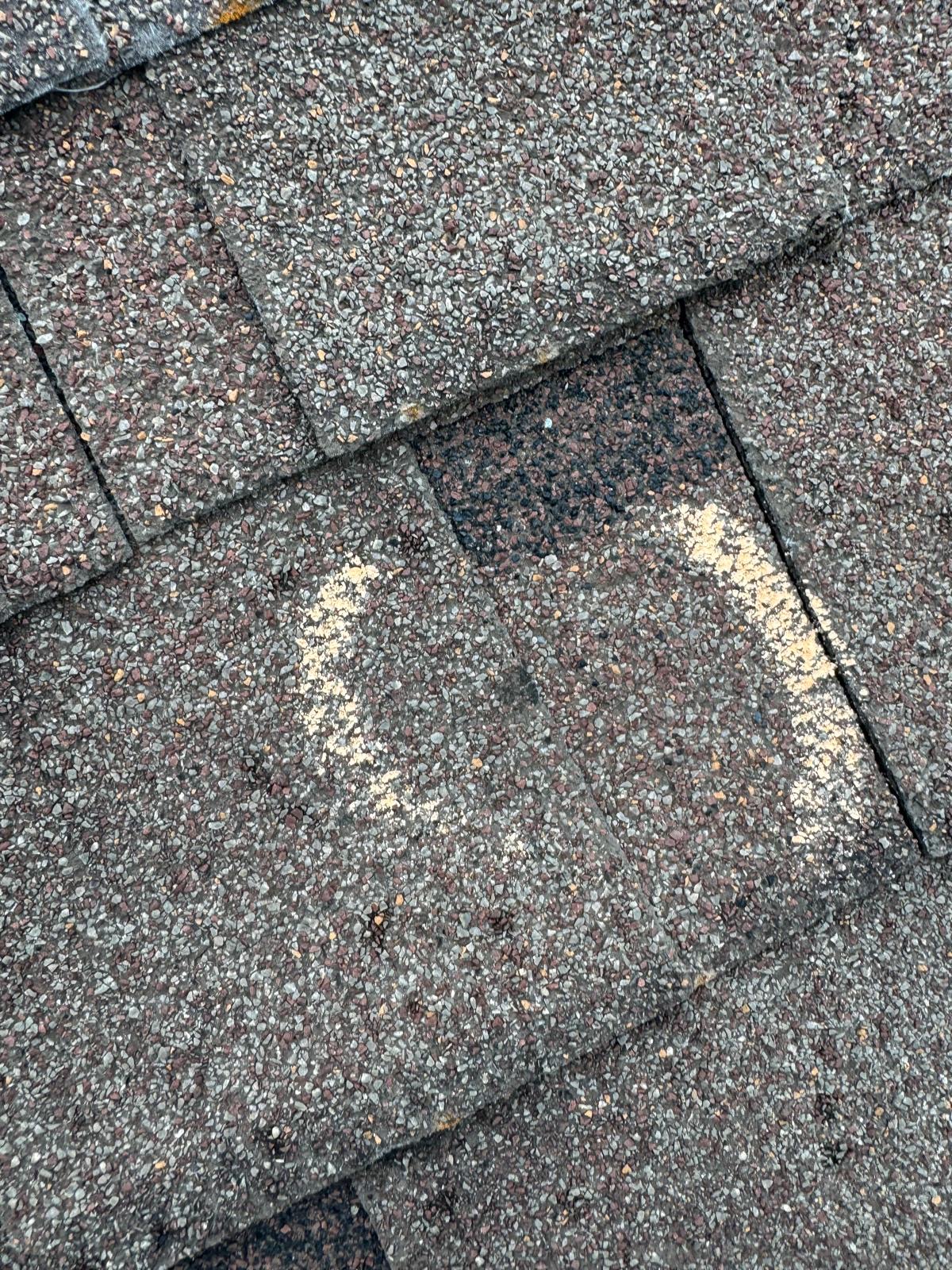
The most common type of hail damage on asphalt shingles is called "bruising." This occurs when a hailstone strikes the shingle, causing internal fractures to the asphalt mat and dislodging granules without necessarily breaking the surface layer. These bruises significantly shorten the lifespan of the shingle and make it more susceptible to future damage.
So, what are these subtle signs that most homeowners miss? First, it's the loss of granules. As I mentioned, granules are the protective armor of your shingles. When hail strikes, it can knock these granules loose. You might not see bald spots immediately, but a closer look can reveal areas where the asphalt appears darker or where granules have accumulated in your gutters or on the ground. This is a sign that the shingle's protective layer is compromised.
Second, look for cracked or fractured shingles. Hail can cause shingles to crack, especially if they're older and more brittle. These cracks might not be obvious from a distance. You might need to use binoculars or get a closer look to see fine lines or breaks in the shingle material. These cracks allow water to penetrate the underlayment.
Third, watch for dents or impressions. Even if the shingle isn't broken, a significant hailstone can leave a visible dent or impression on the surface. These dents can weaken the shingle and make it more prone to lifting or cracking later on. Sometimes, these dents can even cause the shingle to lift slightly, creating an entry point for water.
It's also crucial to inspect your ventilation systems, skylights, and any other roof penetrations. Hail can damage the seals around these areas, creating leaks. The flashing around chimneys and vents is particularly vulnerable. If you see any signs of damage, corrosion, or loose seals, this needs to be addressed promptly. By training yourself to look for these less obvious signs, you're significantly increasing your chances of catching potential problems before they escalate into expensive repairs. It’s about being proactive, not reactive, which is key for any DFW homeowner navigating our unique weather patterns.
Beyond the Walk-Through: When to Call Montesco Roofing for an Expert Inspection

Your proactive roof walk-through is an invaluable tool, but it's not a substitute for a professional inspection. There comes a point where your DIY assessment should lead you to call in the experts. As a DFW roofing contractor with over 13 years of experience, I can tell you that knowing when to bring in the pros is just as important as knowing what to look for yourself. We've seen countless roofs in Dallas, Fort Worth, and surrounding areas, and we know the subtle cues that indicate trouble.
How to Get This Done
If you've noticed any of the signs of potential hail damage during your walk-through, or if your home has been through a significant hail event, it's time for a professional assessment. Our team at Montesco Roofing specializes in DFW storm damage assessments. We use specialized tools and our extensive experience to identify hidden damage that you might miss. Our process typically involves a thorough visual inspection, checking for granule loss, bruising, and compromised flashing, and often includes using a moisture meter to detect any water intrusion. We’ll provide you with a detailed report and clear recommendations, whether it’s a simple repair or a full replacement.
So, when exactly should you pick up the phone? The most obvious trigger is, of course, after a significant hailstorm. If the news reports large hail in your area (think quarter-sized or larger), it’s wise to schedule an inspection, even if you don't see immediate, obvious damage. Insurance companies often have a limited window for filing claims after a storm, so prompt inspection is key. We recommend getting this done within a few weeks of the event.
Beyond storm events, you should call a professional if your DIY inspection reveals any of the following:
- Significant granule loss: More than you'd expect from normal wear and tear.
- Visible cracks or breaks in shingles: Even small ones can be entry points for water.
- Loose or damaged flashing: Especially around chimneys, vents, or skylights.
- Any signs of sagging or pooling water on the roof.
- Evidence of leaks or water stains inside your attic or on your ceilings.
Be wary of roofing companies that show up uninvited after a storm, offering "free inspections" and pressuring you to sign repair contracts immediately. This is a common tactic of storm chasers who may not have your best interests at heart and can disappear once the job is done. Always choose a reputable, local contractor with a proven track record in the DFW area, like Montesco Roofing.
An expert inspection from Montesco Roofing isn't just about confirming damage; it's about getting a clear, unbiased assessment of your roof's overall health. We can identify issues that might not be directly related to hail but could still compromise your roof's integrity. Our goal is to provide you with the information you need to make informed decisions about protecting your home, especially as we navigate the challenges of DFW's active storm seasons. We’ve helped countless homeowners in Garland, Mesquite, and Rowlett navigate these situations, and we know what it takes to get the job done right.
The Cost of Neglect: Why Waiting to Address Minor Issues Leads to Major Expenses
This is where that proactive habit truly shines. Many homeowners, especially those new to DFW or unfamiliar with its weather patterns, tend to put off minor roof concerns. They might see a few loose shingles or notice some granules in the gutter after a storm and think, "It's not leaking, so it can wait." That mindset, unfortunately, is a direct path to significantly higher expenses down the line. The cost of neglect on a roof is almost always more than the cost of timely repair.
Here’s why waiting is so costly:
- Compromised Underlayment: When hail damages shingles, it often exposes the underlayment beneath. This layer is designed to be a secondary barrier, but it's not meant to be the primary protection. If left exposed, it can degrade quickly under UV rays, becoming brittle and prone to tearing.
- Water Intrusion: Small cracks or lifting shingles, especially after hail, create entry points for water. This water doesn't just sit on the surface; it can seep under shingles, into the roof deck, and then into your attic and insulation. This can lead to mold growth, wood rot, and structural weakening of your roof deck and rafters.
- Escalating Damage: What starts as a few damaged shingles can quickly lead to a domino effect. The compromised area makes surrounding shingles more vulnerable to the next gust of wind or hail impact. The structural integrity of the roof can be further compromised, leading to sagging, which is a red flag for imminent failure.
- Insurance Complications: Most insurance policies have clauses about maintaining your property. If a claim is filed for hail damage, and the insurance adjuster finds evidence that the damage is a result of neglect or pre-existing conditions (like old, worn-out shingles that were not repaired), they may deny the claim or significantly reduce the payout. This leaves you footing the entire bill for what could have been a smaller repair.
The proactive roof walk-through habit is your best defense against this costly cycle. By investing a small amount of time regularly, you can identify and address minor issues before they become major, expensive problems. Think of it as preventative medicine for your home. A small repair today can save you tens of thousands of dollars and a world of headaches tomorrow. For homeowners in Arlington and Fort Worth, where hail is a recurring threat, this habit is not just recommended; it's essential.
DFW Hail Season 2026: Preparing Your Roof for Texas's Toughest Storms
As we move through 2026, DFW homeowners need to be especially vigilant about preparing their roofs for hail season. Texas weather is notorious for its intensity, and hail storms can strike with little warning, bringing significant damage. Proactive preparation is key to protecting your investment and ensuring your home remains safe and sound.
First and foremost, know your roof's age and material. Most asphalt shingle roofs have a lifespan of 15-30 years, depending on the quality of the material and installation. If your roof is nearing the end of its life, it's already more vulnerable to damage. In this case, a proactive inspection might reveal that replacement is a more prudent option than waiting for hail damage to force the issue. This is especially true if you're in areas like Plano or McKinney that have experienced severe weather events.
When considering a roof replacement, look for Class 4 impact-resistant shingles. These are specifically designed to withstand hail and can significantly reduce the likelihood of damage, potentially saving you money on insurance premiums and costly repairs.
Secondly, clear your gutters and downspouts regularly. As mentioned before, clogged gutters can lead to water backing up and causing damage. This is crucial before and during hail season. Also, trim any tree branches that hang directly over your roof. Falling branches can cause immediate damage, and even leaves and debris can trap moisture and accelerate shingle degradation, making them more susceptible to hail.
Third, understand your insurance policy. Know your deductible for wind and hail damage. Many DFW homeowners are surprised to learn their deductible can be a percentage of their home's value, not just the roof. Knowing this upfront helps you manage expectations and understand the financial implications if damage occurs. Documenting your roof's condition before a storm with photos and videos can be invaluable when filing a claim.
Key Insight
The Insurance Information Institute (III) recommends homeowners take photos and videos of their roof and any existing damage before a storm. This documentation is critical for demonstrating the condition of your roof prior to the event and can help ensure a fair insurance settlement.
Finally, and most importantly, schedule a professional inspection with a reputable DFW roofing contractor like Montesco Roofing. We understand the specific challenges of roofing in Texas. We can identify subtle signs of wear and tear, potential vulnerabilities, and any existing damage that might be exacerbated by hail. Our goal is to help you prepare your roof so it can withstand the inevitable storms of 2026 and beyond. Don't wait for the storm; prepare for it. A well-prepared roof is your home's best defense against the unpredictable Texas weather.
Frequently Asked Questions About DFW Roof Hail Damage Prevention
Frequently Asked Questions
How often should I inspect my roof for potential hail damage?
What is the typical cost of a roof repair after hail damage in DFW?
Can I file an insurance claim for minor hail damage, or do I need significant damage?
What are 'Class 4' impact-resistant shingles?
Should I be worried about hail damage if I have metal roofing?
What is the role of an underlayment in hail damage prevention?
Need help putting this into action? Our team has protected hundreds of DFW homes from the elements. Tell us about your roof — free inspection, no pressure.
Get Your Free Roof Inspection →Montesco Roofing Team
DFW's trusted roofing contractor with 13+ years of experience. Specializing in roof replacements, storm damage repair, and insurance claims across Dallas-Fort Worth.
Get in touch →