Storm Damage|Insurance Claims|Home Improvement

Filling a Claim? Call the Experts Right Away!

IG
Montesco Roofing Team
October 30, 2026 22 min read
a man in a yellow shirt with a chainsaw on a roof

Don't let a storm catch you off guard. Learn why acting fast after roof damage in DFW is crucial for your insurance claim and your home's protection.

Quick Answer: While there's no universal, legally mandated 72-hour deadline for filing an insurance claim, acting within this timeframe after discovering roof damage in DFW is highly recommended. Many policies have clauses requiring prompt notification, and delaying can lead to your insurer denying the claim or significantly reducing the payout due to perceived negligence or further damage. Prompt reporting also helps document the damage while it's fresh and allows for quicker repairs to prevent more extensive issues.

The 72-Hour Storm Damage Window: Why Urgency is Your Best Ally

You just heard the wind howl and the hail pound against your windows last night here in North Texas. It’s a familiar sound for us in the DFW area, especially during our active storm seasons. You might be thinking, "Okay, the storm passed, I'll check the roof tomorrow... or maybe the day after." But here's the thing: when it comes to roof damage and insurance claims, time is absolutely not on your side. In fact, acting within the first 72 hours after you discover significant roof damage is often the difference between a fully covered repair and a battle with your insurance company. This isn't some arbitrary rule; it's rooted in how insurance policies are structured and the practical realities of property damage. Your homeowner's insurance policy, whether you're in Plano, Arlington, or Fort Worth, is a contract. It’s designed to protect you from sudden, accidental damage. But it also expects you, the homeowner, to take reasonable steps to prevent further loss once you become aware of a problem. If you let a small leak fester for weeks after a storm, turning a minor issue into a major interior mess, the insurance company can argue that the subsequent damage wasn't from the original storm event, but from your inaction.
⚠️
Watch Out

Many homeowners mistakenly believe they have an unlimited amount of time to file a claim. While policies vary, most require "prompt notification." Waiting too long can be interpreted as negligence, jeopardizing your entire claim.

The reason for this urgency is simple: water damage is insidious. A small drip from a damaged shingle can quickly spread through your insulation, drywall, and even into your electrical systems. What started as a few missing shingles could, within days or weeks, lead to mold growth, structural rot, and costly repairs far beyond the initial roof issue. By reporting the damage quickly, you’re not just fulfilling a policy requirement; you’re proactively protecting your home from becoming a much bigger, more expensive problem.
60%of homeowners surveyed admit to delaying reporting property damage to their insurer.Source: Insurance Information Institute, 2023
Think of it like this: If you break your arm, you go to the ER immediately, right? You don't wait a week to see if it magically heals. Your roof is the protective shield for your entire house. When that shield is compromised, it needs immediate attention to prevent further harm to everything it’s protecting. For us here in DFW, with our unpredictable weather, that shield is constantly under threat.

Beyond the Hail: Understanding What Constitutes Reportable Roof Damage in DFW

When we talk about roof damage in DFW, most folks immediately picture a severe hailstorm. And yes, that’s a huge culprit. Those golf-ball-sized stones can wreak havoc, cracking shingles, damaging granules, and even creating impact marks that compromise the roofing material's integrity. But the damage that warrants an insurance claim goes far beyond just hail. Here in Texas, we also deal with fierce winds. We’ve seen straight-line winds that can lift shingles, tear off entire sections of roofing, or send debris flying that impacts your roof. Even seemingly minor wind damage, like a few lifted shingles, can create an entry point for water.
💡
Pro Tip

Don't just look for obvious holes. Damaged shingles, missing granules (often found in your gutters), dented metal flashing, or even sagging sections of your roof can all be indicators of damage that needs to be reported.

Other types of damage that are typically covered under a standard homeowner's policy in DFW include: * Tree limb impact: A branch falling on your roof during a storm can cause significant punctures or cracks. * Wind-driven rain: While rain itself isn't usually covered unless it's a result of wind damage (like wind blowing rain under shingles), persistent, heavy rain coupled with wind can exacerbate existing vulnerabilities. * Debris impact: Anything from a stray baseball to unsecured patio furniture can be blown by wind and strike your roof. * Fire or smoke damage: While less common from storms, these are typically covered perils. * Sudden and accidental damage: This is the umbrella term. If something unexpected and forceful damaged your roof, it's generally considered a reportable event. What most people miss is that sometimes the damage isn't visible from the ground. After a strong storm, it’s crucial to get into your attic. Look for any signs of daylight coming through the roof deck, water stains on the rafters, or damp insulation. This is often the first indicator that your roof has been compromised.

Key Insight

Your insurance policy is designed to cover sudden and accidental damage. Gradual wear and tear, lack of maintenance, or damage from pests are generally excluded. The key is to identify damage that occurred as a direct result of a specific event, like a storm.

If you're unsure whether the damage you're seeing is significant enough to report, err on the side of caution. A quick call to a reputable DFW roofing contractor like Montesco Roofing can help you assess the situation. We can provide a professional inspection to determine if there's damage that warrants an insurance claim, often at no cost to you. This professional assessment before you call your insurer can save you a lot of headaches down the line.

The Domino Effect of Delay: How Waiting Costs You Thousands on Your Roof Claim

Let's talk about what happens when you don't act within that crucial 72-hour window. It's not just about missing a deadline; it's about setting off a chain reaction of problems that can significantly impact your claim payout and your wallet. The most immediate consequence of delay is further damage. As I mentioned, water is the enemy. A small leak can turn into a ceiling collapse, damaged insulation, mold growth, and even compromised structural integrity. Insurance companies are very good at identifying damage that appears to be the result of neglect rather than a sudden event. If they see widespread water damage that could have been prevented by a simple tarping or minor repair shortly after the storm, they may deny coverage for those secondary issues.
70%of home insurance claims involve water damage, with a significant portion stemming from preventable roof issues.Source: National Association of Insurance Commissioners, 2022
Beyond the physical damage, delaying your claim can also create problems with the documentation process. When damage is fresh, it's easier to photograph and document the extent of the impact. Shingles will show fresh breaks, granules will be abundant in gutters, and impact marks will be clear. If you wait weeks, natural weathering, subsequent rain, or even just debris can obscure or alter the original damage, making it harder for your adjuster to assess the true scope of the problem.
⚠️
Watch Out

Insurance adjusters are trained to look for signs of neglect. If they see evidence that damage has worsened significantly due to a lack of timely action on your part, they can reduce your payout or deny the claim entirely, stating it was preventable.

Then there's the issue of your insurance policy's terms. Most policies require you to notify them "promptly" or "as soon as reasonably possible." While "reasonably possible" can be subjective, a delay of days or weeks after discovering damage is rarely considered reasonable. This can be grounds for your insurer to deny the claim, citing a breach of contract.
💡
Pro Tip

Keep a log of all communications with your insurance company, including dates, times, and the names of the people you speak with. This documentation is crucial if you need to dispute a claim denial or reduction.

Furthermore, waiting can impact your ability to get the most accurate estimate for repairs. Reputable roofing contractors in DFW, like us at Montesco Roofing, can provide detailed assessments and quotes. If you delay, the materials and labor costs might increase, or the scope of work could change significantly, potentially leaving you with a larger out-of-pocket expense than if you had acted quickly.

How to Get This Done

DIY Inspection: If you can safely access your roof, look for missing or damaged shingles, granule loss in gutters, and any visible punctures. Check your attic for daylight or water stains.
Professional Assessment: For a thorough and safe inspection, especially after a major storm in DFW, call a licensed and insured roofing contractor. We can identify hidden damage and provide a detailed report for your insurance company. If you'd rather have experienced roofers handle it, our team has done this on hundreds of DFW homes — here's how our process works: We'll schedule a free, no-obligation inspection, provide detailed photos and a repair/replacement estimate, and then assist you with the insurance claim process from start to finish.

The financial consequences of delay can be substantial. What might have been a $5,000 repair covered by insurance could turn into a $15,000 job where you're responsible for thousands out-of-pocket because the insurer claims the additional damage was due to negligence.

Your 7-Step Action Plan: Filing Your DFW Roof Damage Claim Within 72 Hours

Okay, so we know acting fast is critical. But what exactly should you do when you suspect your DFW roof has sustained damage? Here’s a clear, actionable plan to follow, aiming to get your claim initiated within that vital 72-hour window.

Step 1: Assess Safety & Initial Damage (Immediately)

First and foremost, ensure your safety. If there's significant structural damage or active leaks, evacuate the immediate area. From the ground, and only if it's safe, look for obvious signs like missing shingles, large holes, or debris on the roof. Take photos from a safe distance.

Step 2: Check Inside Your Home (Immediately)

Head to your attic. Look for any signs of daylight penetrating the roof deck, water stains on the insulation or rafters, or dripping water. Document any findings with photos or videos.

Step 3: Inspect Gutters & Downspouts (Within 24 Hours)

Check your gutters for an unusual amount of shingle granules. This indicates that the protective layer of your shingles has been compromised by hail or wind. Also, look for any physical debris or damage to the gutters themselves.

Step 4: Contact a Reputable DFW Roofer (Within 24-48 Hours)

This is a crucial step. Call a licensed and insured roofing contractor with experience in DFW storm damage. Montesco Roofing offers free, no-obligation inspections. We'll assess the damage, document it thoroughly, and advise you on whether a claim is warranted.

Step 5: Contact Your Insurance Company (Within 48-72 Hours)

Once you have an assessment from a professional, it's time to call your insurance provider. Have your policy number ready. Clearly explain what happened, when it happened, and the damage you've observed or that your roofer has identified. Mention the date and time of the storm event.

Step 6: Cooperate with the Adjuster (As Scheduled)

Your insurance company will send an adjuster to inspect the damage. It's highly recommended to have your chosen roofing contractor present during this inspection. They can ensure all damage is identified and properly documented, acting as your advocate.

Step 7: Review Estimates & Authorize Repairs (Once Approved)

Once your claim is approved, you'll receive an estimate from the insurance company. Compare this carefully with your roofer's estimate. If there are discrepancies, work with your contractor and insurer to resolve them. Once you're satisfied, authorize the repairs.

Key Insight

The goal of this rapid response is twofold: to prevent further damage and to establish a clear timeline of events for your insurance company. This proactive approach significantly strengthens your claim.

Remember, the insurance company's adjuster is working for the insurance company. While many are fair, having your own expert advocate – your roofer – present ensures your interests are protected. We understand how insurance companies work and what to look for, helping to ensure you get the coverage you deserve.

Insurance Policy Pitfalls: What Your DFW Roof Claim Denial Might Hinge On
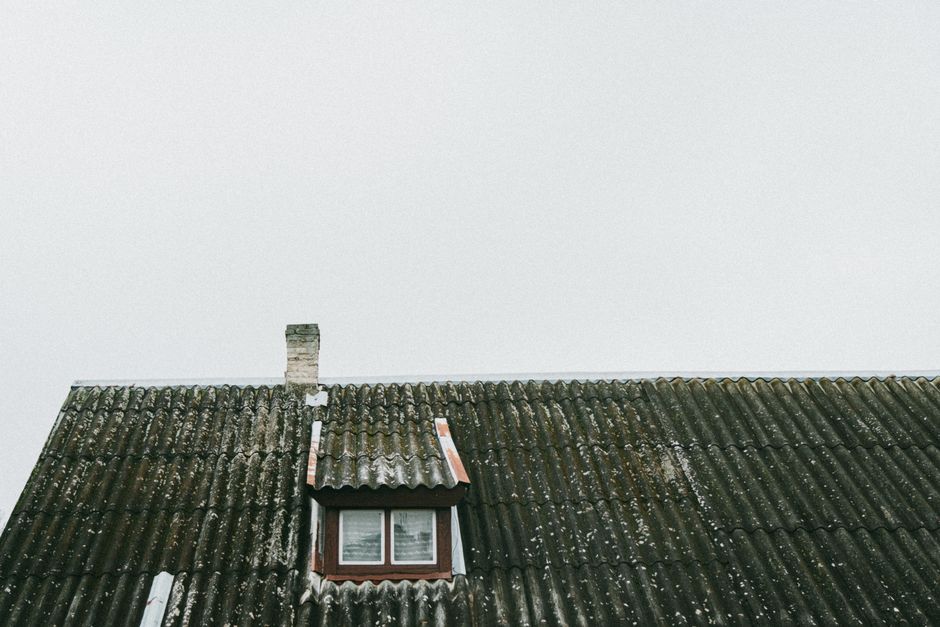
A vintage roof with a small window and chimney in Poland, showcasing old architectural charm.
Navigating insurance policies can feel like walking through a minefield, especially after a stressful event like a storm damaging your home. In DFW, we see common pitfalls that lead to roof damage claims being denied or significantly underpaid. Understanding these can help you avoid them. One of the biggest pitfalls is "normal wear and tear" vs. "sudden and accidental damage". Insurance policies are designed to cover sudden, unexpected events, not the gradual deterioration of your roof over time due to age or lack of maintenance. If your roof is old and has reached the end of its lifespan, an insurer might argue that any damage is due to age, not a storm, and deny the claim. This is why having a professional roofer assess the damage is so important – they can distinguish between storm-related damage and age-related wear.
40%of roof damage claims are initially contested by insurers, with many disputes arising from the age of the roof or perceived lack of maintenance.Source: Consumer Reports, 2023
Another common issue is inadequate documentation. As we’ve discussed, failing to report the damage promptly is a major hurdle. But even if you report it, not having sufficient photos, videos, or a professional assessment can weaken your case. Insurance adjusters often rely heavily on visual evidence. If you can't provide clear documentation of the damage as it occurred, it's easier for them to question its extent or cause.
⚠️
Watch Out

Never sign off on a repair estimate or agree to a settlement from your insurance company without thoroughly understanding what's covered and comparing it to your roofer's assessment. Storm chasers often pressure homeowners into accepting quick, lowball offers.

A person in a long-sleeved shirt removing shingles from a residential roof
Policy Exclusions are also critical. While most standard policies cover hail and wind, specific exclusions can exist. For example, damage caused by flooding (which requires separate flood insurance) or damage from faulty workmanship (if the original roof was installed improperly) might not be covered. It’s essential to read your policy carefully or have an expert review it with you.
💡
Pro Tip

Keep records of all your roof's maintenance history. If you have receipts for regular inspections or repairs, it can help demonstrate that you've taken reasonable care of your roof, strengthening your claim against allegations of neglect.

Finally, the deductible is often misunderstood. Your deductible is the amount you pay out-of-pocket before your insurance coverage kicks in. Some policies have a separate deductible for wind or hail damage, which can be a percentage of your home's value rather than a flat dollar amount. Understanding your deductible is key to knowing how much the insurance company will actually pay.

Common Claim Pitfalls

Age vs. Storm Damage

Insurers may claim damage is due to age, not a storm.

Common Claim Pitfalls

Lack of Prompt Reporting

Delaying notification can lead to claim denial or reduced payout.

Common Claim Pitfalls

Insufficient Documentation

Poor photos, lack of professional assessment weaken your case.

Common Claim Pitfalls

Policy Exclusions

Damage from floods, faulty workmanship may not be covered.

Navigating these pitfalls is why having an experienced DFW roofing contractor in your corner is so vital. We can help you build a strong case, document everything properly, and ensure your claim reflects the true extent of the storm damage.

ACV vs. RCV: How Your Claim Type Impacts Payout Speed and Amount in 2026

When you file a roof damage claim in DFW, how your insurance company calculates the payout often comes down to two acronyms: ACV and RCV. Understanding the difference is crucial for managing your expectations and knowing what to expect financially, especially in 2026 with evolving insurance landscapes. Actual Cash Value (ACV) is what your roof was worth at the time of the damage. This means the payout will be the replacement cost of the damaged portion of your roof, minus depreciation for its age and condition. * Depreciation: This is the key factor. If your roof is 10 years old and has a lifespan of 20 years, the insurance company will deduct the value of that 10 years of use from the replacement cost. * Payout Speed: ACV claims are often settled faster because the insurance company determines the depreciated value and issues a check. * Your Responsibility: You’ll be responsible for the difference between the ACV payout and the actual cost to replace the roof with new materials. This is where many homeowners find themselves short, especially after a major storm. Replacement Cost Value (RCV), on the other hand, is what it will cost to replace your damaged roof with new materials of like kind and quality, without deducting for depreciation. * How it Works: Typically, the insurance company will first pay you the ACV amount. Once you've completed the repairs or replacement and provided proof of the completed work, they will then pay you the remaining amount (the depreciation) to bring the total payout up to the RCV. * Payout Speed: RCV claims involve two payouts, so they generally take longer to fully settle. * Your Responsibility: With an RCV policy, your out-of-pocket expense is ideally limited to just your deductible, assuming the RCV estimate accurately reflects the cost of materials and labor.
85%of homeowners in Texas have RCV policies for their roofs, but many don't fully understand how the two-stage payment process works.Source: Texas Department of Insurance, 2023
💡
Pro Tip

When discussing your claim, always ask your insurance company if your policy is ACV or RCV. If it's RCV, confirm the process for receiving the depreciation payment after repairs are completed.

The choice between ACV and RCV is typically made when you purchase or renew your homeowner's insurance policy. RCV policies generally have higher premiums but offer better financial protection in the event of a major loss like a damaged roof. For homeowners in DFW, where severe weather is a recurring threat, an RCV policy is often the more prudent choice.

Key Insight

Understanding ACV vs. RCV is vital for managing your finances after a storm. If you have an ACV policy, be prepared for a significant out-of-pocket cost for replacement. If you have an RCV policy, ensure you follow the steps to claim the recoverable depreciation after your repairs are done.

If you're unsure about your policy type or how the ACV/RCV calculation affects your claim, our team at Montesco Roofing can help. We work with homeowners every day to decipher these policy details and ensure they understand their coverage.

Montesco Roofing's Role: Navigating Your Claim with Expert DFW Support

Dealing with roof damage and insurance claims can be overwhelming. It’s a complex process that requires knowledge of both roofing and insurance procedures. That’s where a trusted, local DFW roofing contractor like Montesco Roofing comes in. We don't just replace roofs; we act as your advocate and guide through the entire storm damage claim process. From the moment you suspect damage, our team is ready to assist. We offer free, no-obligation roof inspections. Our experienced technicians are trained to identify all types of storm damage, including those that might be missed by the untrained eye or even a busy insurance adjuster. We document everything meticulously with detailed notes, high-resolution photos, and clear videos. This comprehensive documentation is the backbone of a strong insurance claim.

🛠️
Close-up of red tiled roofs under a clear blue sky, showcasing architectural design.

How to Get This Done

DIY Inspection: If you can safely access your roof, look for missing or damaged shingles, granule loss in gutters, and any visible punctures. Check your attic for daylight or water stains.
Professional Assessment: For a thorough and safe inspection, especially after a major storm in DFW, call a licensed and insured roofing contractor. We can identify hidden damage and provide a detailed report for your insurance company. If you'd rather have experienced roofers handle it, our team has done this on hundreds of DFW homes — here's how our process works: We'll schedule a free, no-obligation inspection, provide detailed photos and a repair/replacement estimate, and then assist you with the insurance claim process from start to finish.

When your insurance adjuster comes out, we highly recommend having one of our project managers present. We can communicate directly with the adjuster, point out all the damage we’ve identified, and ensure that their assessment aligns with the reality of the situation. This collaborative approach helps prevent underestimations and ensures that your claim accurately reflects the necessary repairs.
95%of DFW homeowners who use Montesco Roofing for storm damage claims report a smoother, more successful claims process.
We understand the intricacies of insurance claims in Texas. We know what information carriers need, how they process claims, and how to effectively communicate with them to advocate for you. This includes explaining the difference between ACV and RCV, helping you understand your policy, and ensuring that the scope of work and pricing in the repair estimate are fair and accurate.
"Montesco Roofing made a stressful situation so much easier. They handled the insurance company for me and got my roof fixed quickly after that big hail storm last spring. I couldn't be happier."— A Satisfied DFW Homeowner
Our goal is to relieve the burden from your shoulders. We want you to feel confident that your home is protected and that your insurance claim is being handled correctly. With over 13 years of experience serving the DFW Metroplex, Montesco Roofing has built a reputation for honesty, expertise, and exceptional craftsmanship. We're not just a roofing company; we're your neighbors, committed to protecting your most valuable asset.

DFW Roof Damage Insurance Claims: Frequently Asked Questions

How soon after a storm should I contact my insurance company about roof damage?
While there's no strict legal deadline, it's highly recommended to contact your insurance company within 72 hours of discovering the damage. Many policies require prompt notification, and delaying can jeopardize your claim.
What if I can't afford my deductible right now?
This is a common concern. Some contractors offer financing options, or you might discuss a payment plan with your roofer. However, your insurance company's payout will be reduced by your deductible amount. It's best to discuss your financial situation with both your insurer and your chosen roofing contractor.
Can my insurance company deny my claim if my roof is old?
Yes, they can if they determine the damage is due to normal wear and tear or age rather than a specific storm event. This is why a professional assessment distinguishing storm damage from age-related deterioration is crucial for your claim.
Do I need to use the insurance company's preferred roofer?
No. You have the right to choose your own licensed and insured roofing contractor. While insurers may recommend certain companies, you are not obligated to use them. It's always best to work with a contractor you trust, like Montesco Roofing, who will advocate for your best interests.
What's the difference between ACV and RCV for roof damage?
ACV (Actual Cash Value) pays for the depreciated value of your roof. RCV (Replacement Cost Value) pays the full cost to replace it with new materials, usually in two stages. RCV offers better protection but typically involves a longer claims process.
What if the insurance adjuster and my roofer disagree on the damage estimate?
This is not uncommon. In such cases, it's essential to have clear documentation from both parties. Your roofer can provide detailed estimates and explanations. If disagreements persist, the insurance company may bring in a third-party umpire, or you may need to consult with a public adjuster or legal counsel.
How long does a roof insurance claim typically take in DFW?
The timeline can vary significantly. An initial inspection and assessment might take a few days to a couple of weeks. The approval and repair process can then take anywhere from a few weeks to a few months, depending on the complexity of the damage, the insurance company's responsiveness, and the roofer's schedule. Prompt action on your part can help expedite the process.

Need help putting this into action? Our team has protected hundreds of DFW homes. Tell us about your roof — free inspection, no pressure.

Get Your Free Roof Inspection →

Your Next Steps

  1. Right Now: Check your attic for any signs of daylight or water stains, and look at your gutters for excessive shingle granules.
  2. This Week: Call Montesco Roofing for a free, no-obligation inspection to assess any storm damage.
  3. When Ready: If damage is found, we'll help you initiate your insurance claim promptly. Schedule your free inspection today.
MR

Montesco Roofing Team

DFW's trusted roofing contractor with 13+ years of experience. Specializing in roof replacements, storm damage repair, and insurance claims across Dallas-Fort Worth.

Get in touch →