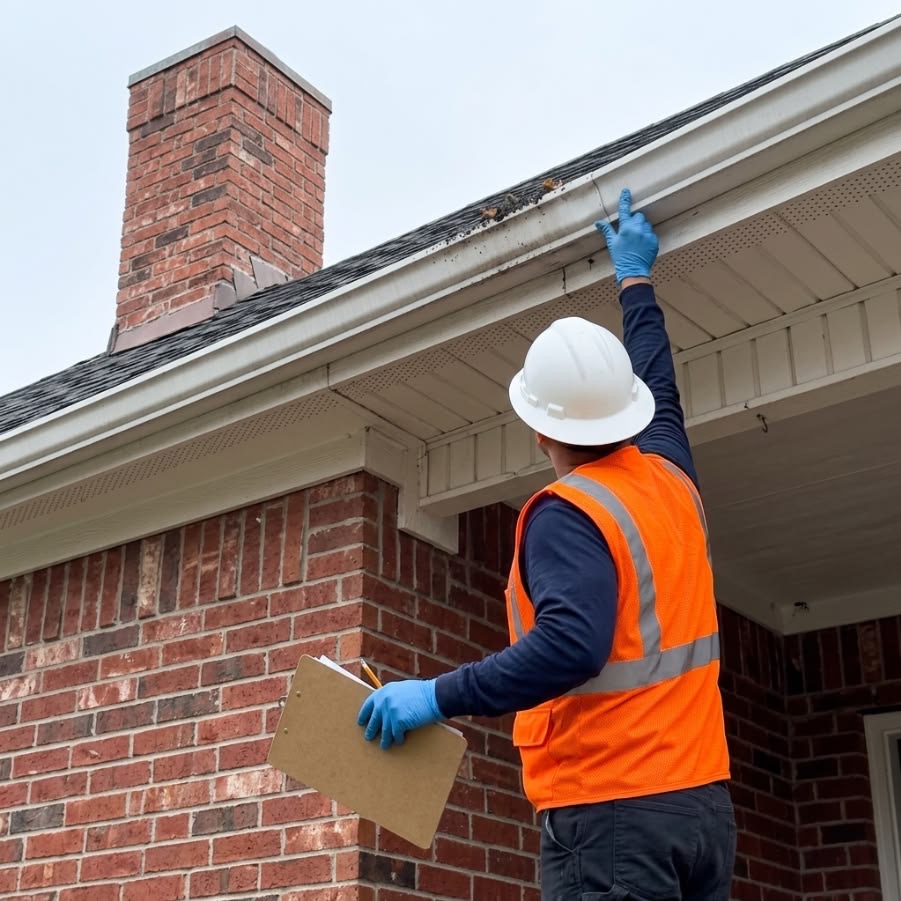
You just noticed a small leak in your ceiling after that last Texas thunderstorm rolled through, or maybe you saw a few shingles out of place after a windy day. Your first thought might be, "I'll deal with it later." That's a common sentiment, especially here in the DFW Metroplex where life moves fast. But here's the hard truth from someone who's been up on more roofs than I can count over the last 13+ years: delaying a roof inspection can turn a minor inconvenience into a major, wallet-draining disaster. We're talking about potentially turning a few hundred dollar fix into a $15,000 or more headache. In 2026, with our unpredictable Texas weather, waiting is the most expensive roof strategy you can adopt.
The Hidden Price Tag: Why "Waiting It Out" Is the Most Expensive Roof Strategy
It's easy to think of a roof as just shingles and tar. But it's your home's first line of defense against everything North Texas throws at it – scorching sun, sudden hailstorms, and driving rain. When you spot a small problem, like a popped nail or a small tear, it feels manageable. You might think, "It's not that bad, I'll get it fixed when I have more time or when it's absolutely necessary." That's where the hidden costs start piling up. What seems like a small issue today can, within weeks or months, invite water into your attic, compromise your insulation, and even start to weaken your home's structural integrity. We've seen it countless times in areas like Plano, Frisco, and Arlington. A tiny entry point for water can lead to extensive mold growth in the attic and on drywall, which is not only costly to remediate but also poses serious health risks. The longer you wait, the more pervasive the damage becomes, and the more extensive and expensive the repairs will be. It’s like ignoring a small cavity; it eventually leads to a root canal and crown, costing far more than a simple filling.
Here in DFW, our climate is particularly unforgiving. The intense summer heat can bake compromised shingles, making them brittle and more susceptible to wind damage. And then there are our infamous spring and fall storms. A small leak that might have been a simple patch job can quickly turn into a major breach during a severe thunderstorm. The water doesn't just sit there; it finds every crevice, every gap, and every weak point. This relentless assault means that a problem you could have fixed for a few hundred dollars can quickly spiral into thousands, especially if it affects your home's structure or leads to mold.
7 Silent Killers of Your DFW Roof: Signs You Can't Afford to Ignore in 2026
Most homeowners aren't roofing experts, and that's perfectly fine. But knowing what to look for can save you a significant amount of money and stress. These aren't always obvious signs like a gaping hole, but rather the subtle indicators that your roof is under stress and needs attention. Ignoring these can lead to the costly delays we're talking about.
1. Granules in Gutters
When your shingles are aging or damaged, they shed their protective granules. If you're seeing a significant amount of these dark, sand-like particles in your gutters or at the base of your downspouts, it's a clear sign your shingles are degrading.
2. Soft Spots or Sagging
Walk around your house and look up. Any visible sagging or soft spots in the roofline, especially after rain, indicate potential water saturation in the decking or underlying structure. This is a serious sign of compromised integrity.
3. Missing or Damaged Shingles
This might seem obvious, but even a few missing shingles can allow water to seep underneath. Look for shingles that are curled, cracked, or lifting, especially around edges and valleys.
4. Daylight Through the Attic
On a bright day, go into your attic. If you can see beams of daylight coming through the roof decking, that's a direct entry point for water and pests. This is a critical warning sign.
5. Water Stains or Mold in the Attic/Ceiling
Any discoloration, dampness, or visible mold growth in your attic or on your ceilings is a direct indicator of a leak that has likely been present for some time.
6. Compromised Flashing
Flashing – the metal strips around chimneys, vents, and skylights – is crucial for sealing. If it's rusted, bent, or loose, it's a prime spot for water intrusion.
7. Clogged Gutters
While not directly a roof issue, clogged gutters prevent proper water drainage away from your foundation and fascia. This can lead to water backing up under shingles and causing rot.
These signs aren't just cosmetic. They are your roof's way of telling you it's struggling. In DFW, where we experience rapid temperature swings and intense weather, these issues can progress much faster than you might think. A shingle that looks merely curled today could be blown off entirely in the next gust of wind.
From Minor Drip to Major Disaster: The Cascade Effect of Neglected Roof Issues
Let's walk through what happens when that small leak isn't addressed. You see a small water stain on your ceiling in your home in Richardson. It's annoying, but you're busy. You put a bucket under it, or maybe just ignore it, hoping it dries out. Here's the cascade:
- Water Intrusion: The initial leak might be small, but water is persistent. It finds its way through tiny gaps in shingles, around improperly sealed flashing, or through a popped nail.
- Attic Damage: Once past the shingles and decking, water begins to saturate the insulation in your attic. Wet insulation loses its R-value, meaning your home becomes less energy-efficient, and your HVAC system works harder, driving up your electricity bills. This is a common problem we see in homes across North Texas.
- Structural Compromise: The moisture doesn't stop at the insulation. It starts to affect the wooden rafters, beams, and decking in your attic. Over time, this can lead to wood rot, weakening the entire structure of your roof. This is where you start getting into those expensive structural repairs that can easily push costs into the tens of thousands.
- Mold and Mildew Growth: Attics are often dark, damp, and poorly ventilated spaces – perfect breeding grounds for mold and mildew. This not only smells musty but can spread into your living spaces, causing significant health problems for your family, especially those with respiratory issues. Remediation can be very costly and disruptive.
- Interior Damage: The water eventually works its way through your ceiling drywall, causing stains, peeling paint, and eventually, drywall rot. If left unchecked, it can spread to your wall cavities, damaging electrical wiring, studs, and finishes.
- Pest Infestation: Damp, rotting wood and dark, moist attics are attractive to pests like termites, carpenter ants, rodents, and various insects. They can cause further structural damage and create unsanitary conditions.
Many homeowners think a simple patch job is enough. However, if the underlying decking or insulation is already damaged, a superficial repair won't solve the problem and can lead to future, more extensive damage.
This entire cascade can happen over a period of months, but the damage accumulates exponentially. What started as a potential $300 repair for a few shingles or a small flashing issue can evolve into a $5,000-$10,000 repair for water-damaged decking and insulation, or even a $15,000+ full roof replacement if the structural integrity is severely compromised. This is precisely why we stress the importance of proactive inspections. It's about catching the problem when it's small and manageable, not after it has taken over your home.
How Waiting Impacts Your DFW Home Insurance Claims in 2026
This is a crucial point, especially with the current landscape of home insurance in Texas. Many homeowners believe that if something goes wrong, their insurance will cover it. While insurance is there for protection, there are nuances that waiting can exploit. Insurance companies often look for signs of regular maintenance and prompt repairs. If they can prove that damage occurred due to neglect or delayed maintenance – essentially, that you should have known about and fixed the issue earlier – they may deny or significantly reduce your claim. This is often referred to as "wear and tear" or "neglect."
Key Insight
When you file a claim, the insurance adjuster will meticulously inspect your roof. If they find evidence of pre-existing, unaddressed damage (like rot, extensive mold, or deteriorated decking that could have been caught with a routine inspection), they can argue that the current damage isn't solely due to the recent storm event but a result of poor maintenance. This can lead to a partial payout or even a full denial, leaving you footing the entire repair bill.
Here in DFW, storm damage is a reality. We see hail and high winds frequently. If your roof is already compromised by an unrepaired leak, a recent storm could be blamed for damage that wouldn't have been as severe on a well-maintained roof. This can complicate your claim significantly. Furthermore, the longer you wait to report damage after an event, the harder it is to prove that the damage was caused by that specific event, rather than subsequent weather or general wear and tear.
The Insurance Information Institute actually recommends regular roof inspections (at least annually, and after major weather events) specifically to document your roof's condition. This documentation is your best friend when dealing with an insurance company. It shows you've been diligent in maintaining your property, making it harder for them to claim neglect. So, not only does waiting cost you in repair bills, but it can also jeopardize your insurance coverage when you need it most.
The $15,000 Mistake: Comparing Proactive Inspection vs. Emergency Repair Costs
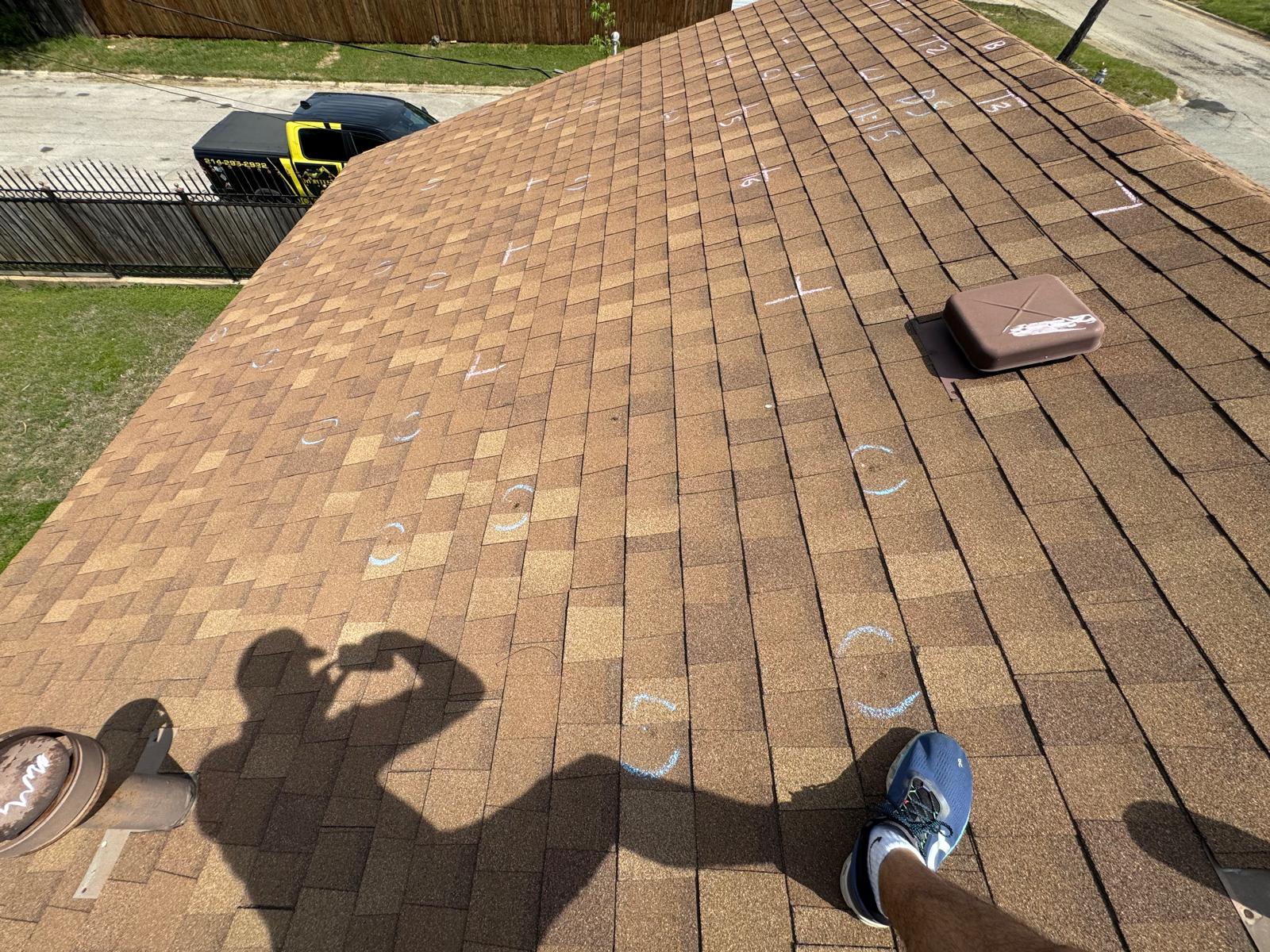
Let's get down to numbers. The difference between proactive maintenance and emergency repairs is staggering. Think of it like preventative healthcare versus emergency surgery. You wouldn't wait until you're on death's door to see a doctor, would you? The same logic applies to your roof.
| Feature | Proactive Roof Inspection & Minor Repair (2026 DFW Costs) | Delayed Emergency Repair / Full Replacement (2026 DFW Costs) |
|---|---|---|
| Cost of Inspection | $200 - $500 (for a comprehensive inspection) | N/A (often absorbed into repair cost, but critical information missed) |
| Cost of Minor Repair (e.g., flashing seal, popped nail, few shingles) | $300 - $800 | N/A (this is the stage you missed) |
| Cost of Addressing Moderate Damage (e.g., small decking rot, minor mold remediation) | $800 - $2,500 | $3,000 - $7,000 (if caught only when interior damage is evident) |
| Cost of Major Structural Damage / Full Roof Replacement | $0 - $2,500 (if caught early) | $10,000 - $25,000+ (for a complete tear-off and replacement, including potential structural work) |
| Impact on Home Value | Maintained or increased. Shows good stewardship. | Significantly decreased due to visible damage, potential for future issues. |
| Insurance Claim Potential | Low risk of denial, easier to prove storm damage was recent. | High risk of denial or partial payout due to neglect. |
| Peace of Mind | High. You know your home is protected. | Low. Constant worry about the next leak or storm. |
The numbers speak for themselves. A proactive inspection, which we typically recommend annually and after any significant storm event, can cost a few hundred dollars. Fixing a minor issue found during that inspection might add another few hundred. Compare that to the potential cost of a full roof replacement, which in the DFW area in 2026 can easily range from $10,000 to $25,000 or more, depending on the size of your home, the materials used, and any underlying structural damage. The $15,000 difference is not an exaggeration; it's the very real financial consequence of delaying essential maintenance. It’s the cost of letting a small problem fester until it becomes a massive one.
How to Get This Done
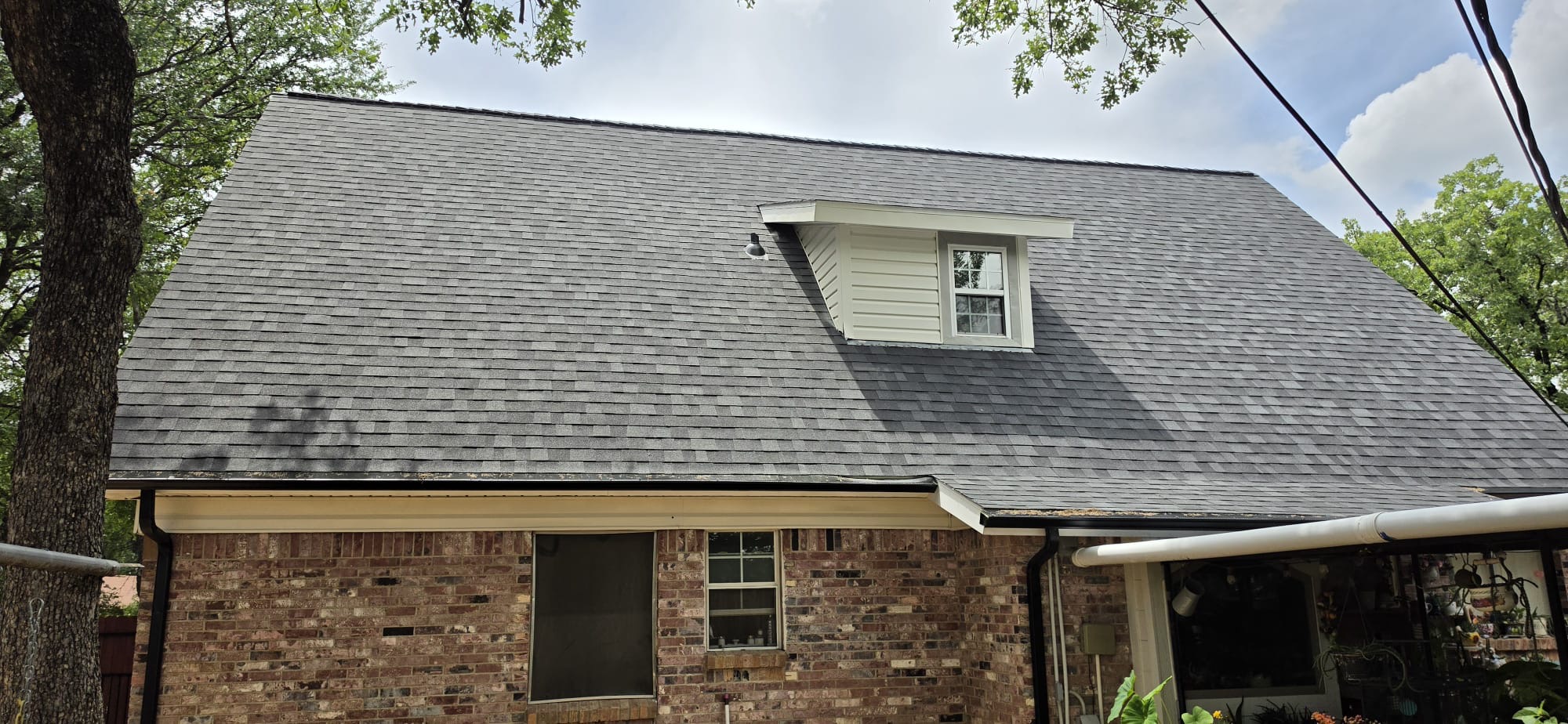
If you're looking to conduct a preliminary check yourself, start by looking for the signs mentioned earlier (granules, sagging, etc.) from the ground. For a thorough inspection, especially after a storm or if you suspect an issue, it's best to call a professional. Montesco Roofing offers comprehensive roof inspections for DFW homeowners. Our experienced team uses specialized tools and knowledge to identify issues you might miss, providing a detailed report and recommendations. We'll walk you through the findings, explain the necessary steps, and provide transparent pricing. Our goal is to catch problems early, saving you money and protecting your home.
Beyond Shingles: Unseen Structural & Health Risks of a Delayed Roof Inspection
We've talked a lot about the financial impact, but the risks of delaying a roof inspection go beyond just your wallet. The unseen consequences can be far more insidious and damaging to your home and your family's well-being.
Structural Integrity
Water damage doesn't just affect drywall. It compromises the wooden structure of your roof. Rotting rafters, beams, and decking can weaken your entire roof system. In extreme cases, this can lead to partial roof collapse or make your home vulnerable to even moderate winds. Think about the intense winds we sometimes get in DFW; a weakened structure is a recipe for disaster.
Electrical Hazards
Water and electricity are a dangerous combination. Leaking water can seep into attic spaces and come into contact with electrical wiring, potentially causing short circuits, fires, or making your entire electrical system a hazard. This is a serious safety risk that is often overlooked when dealing with roof leaks.
HVAC System Damage
Your HVAC unit is often located in the attic. Water intrusion can damage the unit itself, its ductwork, and its electrical components. This leads to costly repairs and reduced efficiency, increasing your energy bills even further. It’s another domino effect of a small leak.
Foundation Issues
While seemingly unrelated, a compromised roof can contribute to foundation problems. Improper drainage due to clogged gutters (often a symptom of poor roof maintenance) can cause water to pool around your foundation, leading to cracks and structural damage over time. This is a costly repair that many homeowners don't connect back to their roof.
And then there are the health risks. Mold and mildew, as we've discussed, are a major concern. Exposure to mold can trigger allergies, asthma attacks, and other respiratory problems. Children and the elderly are particularly vulnerable. The longer mold has to grow in a damp, dark attic, the more spores it releases into your home's air circulation system. This isn't just an inconvenience; it's a direct threat to your family's health. Proactive inspections ensure these issues are caught and remediated before they become widespread and dangerous.
Your 5-Step Action Plan: When & How to Schedule Your DFW Roof Inspection in 2026
So, what should you do right now? Don't wait for the next storm to force your hand. Here’s a clear, actionable plan to ensure your DFW roof stays in top condition.
Step 1: Regular Visual Checks (From the Ground)
Make it a habit to walk around your home at least once a month and look up. Are there shingles missing? Does the roofline look straight? Are your gutters clear? This simple check can alert you to obvious issues.
Step 2: Attic Reconnaissance
On a sunny day, venture into your attic. Look for any signs of daylight, water stains, damp insulation, or mold. If you find anything, it's time to call a professional.
Step 3: Schedule an Annual Professional Inspection
This is non-negotiable for DFW homeowners. Schedule a professional inspection with a reputable roofing contractor at least once a year. Spring is often a good time to check for any winter damage, and fall is ideal before the potential for winter storms. For DFW, we recommend late March/early April and again in late September/early October.
Step 4: Inspect After Major Weather Events
Did we have a significant hail storm? Was there a day with extremely high winds? Don't wait for the next scheduled inspection. Call for a post-storm inspection to assess any new damage before it has a chance to worsen.
Step 5: Document Everything
Keep records of all inspections, repairs, and maintenance. Take photos and notes. This documentation is invaluable for tracking your roof's history and crucial if you ever need to file an insurance claim. It shows you're a responsible homeowner.
Choosing the right DFW roofing contractor for your inspection is critical. You want someone with deep knowledge of local weather patterns and the specific challenges DFW roofs face. They should be transparent with their findings and provide clear, detailed quotes for any necessary work. We’ve seen too many homeowners get caught by fly-by-night operations after a storm, only to find themselves with shoddy work and no recourse.
Montesco Roofing: Your Partner in Preventing Costly Roof Disasters in DFW
At Montesco Roofing, we understand that your home is your most significant investment. With over 13 years of experience serving the DFW Metroplex, from Fort Worth to Garland, we've made it our mission to protect that investment. We're not just about fixing roofs; we're about providing peace of mind. Our team of seasoned professionals geeks out on quality materials and proper installation techniques because we know that a well-done roof is a roof that lasts.
"We've built our reputation on honesty, expertise, and a genuine commitment to our neighbors. When we inspect your roof, we're treating it like our own."— The Montesco Roofing Team
We believe in transparency and education. When we perform a roof inspection, we don't just give you a report; we walk you through it, explaining exactly what we found, why it matters, and what your options are. We'll show you the damage, explain the risks of delaying repairs, and provide a clear, detailed estimate for any work needed. Our goal is to empower you with the knowledge to make the best decision for your home and your budget.
When choosing a roofing contractor for inspections or repairs, look for certifications from major manufacturers like GAF, Owens Corning, or CertainTeed. This indicates they've met rigorous training and quality standards, which is a good sign of their commitment to excellence.
We handle everything from minor repairs that can prevent future disasters to full roof replacements using the highest quality materials. We're intimately familiar with the unique challenges posed by the DFW climate, from intense sun exposure to severe hail events. Our insurance claim assistance is second to none, helping you navigate the complex process and ensure you receive the compensation you deserve after storm damage. We've done this hundreds of times for families right here in North Texas, and we know how to advocate for you.
Don't wait for a small leak to become a $15,000 problem. Protect your home and your budget. Our team has protected hundreds of DFW homes with expert inspections and reliable repairs. Tell us about your roof — we offer free inspections with no pressure.
Get Your Free Roof Inspection →