Why Corner Lots Face Different Weather Exposure
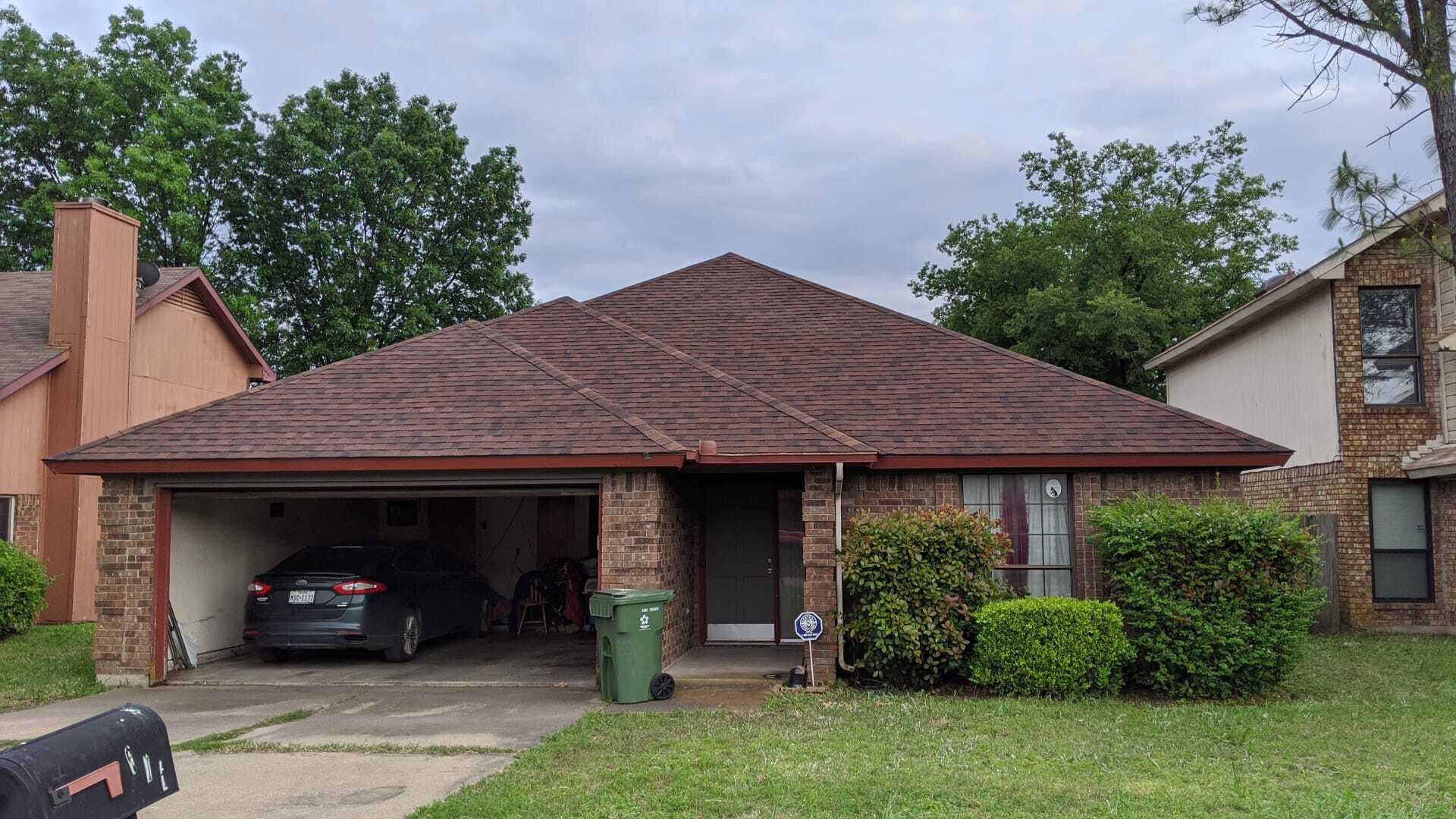
You've probably noticed them: those houses sitting proudly on the corner, often with a bit more yard or a different view. They have their perks, sure. But when it comes to your roof, that prime real estate can come with a hidden price tag, especially here in DFW. As a roofing contractor with over 13 years of experience in North Texas, I've seen firsthand how corner lot homes endure weather differently. It's not just about aesthetics; it's about structural integrity and how the elements can wear down your most vital protection layer faster than you might think. We're talking about increased exposure to wind, hail, and even the relentless Texas sun. Understanding these unique challenges is the first step to ensuring your home stays protected, year after year.
The Unseen Vulnerability: Why Corner Lots Are Different
When a house sits in the middle of a block, it's somewhat shielded. Neighbors' houses, trees, and even fences can break the force of wind and sometimes offer a bit of a buffer against direct hail impact. A corner lot, however, is a different story. It's exposed on at least two sides to the open sky and the full brunt of whatever Mother Nature decides to throw our way here in Texas. This increased exposure means that the materials on your roof have a tougher job to do. They're constantly battling the elements without the same natural defenses that homes on interior lots enjoy. Think of it like a car parked out in the open versus one in a garage – the one in the open faces more wear and tear from the elements. For your roof, this translates to a potentially shorter lifespan if not properly managed. We're talking about the relentless cycle of DFW weather: scorching summers, sudden thunderstorms, and the occasional severe hail event that can really test the limits of any roofing system.
This isn't just about aesthetics; it's about the physics of how weather interacts with your home. The edges and corners of your roof are often the first to experience stress during high winds. On a corner lot, these vulnerable areas are more prominent and less protected, making them prime targets for damage. This can lead to shingles being lifted, cracked, or even torn off entirely. The cumulative effect of this constant battle with the elements is what we need to be mindful of. It's why a proactive approach to roofing maintenance is so crucial for homeowners in areas like Frisco, Plano, and McKinney.
Wind's Fury: How Corner Lots Become Wind Tunnels
This is one of the most significant differences I see. Houses on corner lots often experience what's known as the 'wind tunnel effect'. Imagine wind flowing around a solid object – it speeds up as it gets forced into tighter spaces. On a corner lot, the open space on two sides of your house can act like a natural funnel, accelerating wind speeds directly towards your roof edges and eaves. This isn't just a minor inconvenience; it's a major stressor on your roofing system. Higher wind speeds mean greater forces trying to lift and tear away your shingles. It’s like your house is sitting in a direct line of fire for every gust. We’ve seen this play out dramatically during North Texas storm seasons. A house in the middle of the block might get a good breeze, but a corner lot house can be hit with sustained, powerful winds that can do serious damage.
Shingles that aren't properly sealed or have lost their adhesive strip due to age or heat can be easily lifted by these amplified wind forces, creating an entry point for water.
The problem is, this effect isn't always obvious until damage occurs. Homeowners might not realize their roof is under more stress until a strong storm rolls through and they start noticing missing shingles or, worse, leaks. The wind can also drive rain sideways, forcing it under shingles and into the attic space, even if the shingles themselves aren't completely blown off. This is why the installation quality and the type of shingles you choose are so critical, especially for corner lot properties in DFW. A poorly installed shingle or a shingle not rated for higher winds is a recipe for disaster when those winds pick up.
When inspecting your roof after a storm, pay special attention to the edges and corners. Look for any signs of lifting, tearing, or missing shingles. These are the areas most vulnerable to wind damage on a corner lot.
For homeowners in areas like Arlington and Fort Worth, where wind events can be frequent, this wind tunnel effect is a constant concern. It's not just about the peak wind speed, but the duration and the consistent pressure exerted on the roof. This is where understanding the engineering of your roof and the quality of its components becomes paramount. We're not just talking about aesthetics; we're talking about the structural integrity of your home against one of the most common and destructive forces in Texas weather.
Hail's Direct Hit: Increased Impact on Exposed Roofs
Hail is a Texas homeowner's nightmare, and corner lots often bear the brunt of its fury. Because they lack the sheltering effect of neighboring houses, corner lot roofs are more directly exposed to the full force of falling hailstones. Imagine a hailstone falling straight down – on an interior lot, it might hit a neighbor's roof or tree first. On a corner lot, it's a direct line to yours. This direct impact can cause significant damage, leading to bruising, cracking, and even breaking of shingles. In DFW, we see hail ranging from pea-sized to golf-ball sized, and sometimes even larger. Each impact is a potential weak spot created on your roof. These weak spots can lead to granule loss, compromise the shingle's protective layers, and ultimately shorten its lifespan.
What many homeowners don't realize is that even seemingly minor hail damage can compromise the integrity of your roof. Granule loss, for example, is a clear indicator that the asphalt layer underneath is being exposed to UV rays and the elements, accelerating wear. Over time, this leads to premature aging of the shingles. For a corner lot, this means that the damage might be more widespread and severe than on a similar house situated in the middle of a block. It's a constant bombardment, and each hit adds up. This is why understanding your homeowners insurance policy and the claims process is so vital, especially after a significant hailstorm in areas like Garland or Mesquite.
Key Insight
Hail damage isn't always immediately obvious. Small dents or bruises on shingles might not cause an immediate leak, but they weaken the material, making it more susceptible to future damage from wind or further hail. Regular, thorough inspections are key, especially for corner lots.
The angle of impact also plays a role. While hail generally falls vertically, wind can drive it at an angle, increasing the surface area of impact on certain parts of the roof, particularly those on the windward side of the corner lot. This is why a comprehensive roof inspection by a qualified professional is so important. They can identify not just obvious damage, but also the subtle signs that indicate the roof has been compromised. For a corner lot, this diligence is non-negotiable.
Sun's Relentless Assault: UV Damage on Exposed Surfaces
Here in North Texas, the sun is a powerful force, and corner lots get an extra dose of its intensity. Because these homes often have more exposed roof surface area and fewer surrounding trees for shade, they are subjected to prolonged, direct UV radiation. This relentless sun exposure is a major contributor to roof aging. The UV rays break down the asphalt in shingles, making them brittle and prone to cracking. They also cause the granules on the surface of the shingles to loosen and wash away, exposing the asphalt layer beneath. This granule loss is a visual indicator of aging and degradation. For a corner lot, this process can be accelerated because there's simply more roof surface soaking up that intense Texas heat day after day, year after year.
The heat itself is also a factor. Asphalt shingles absorb a significant amount of heat, and on a corner lot, that heat has fewer obstacles to dissipate. This can lead to expansion and contraction cycles that stress the roofing materials over time. While all roofs experience UV exposure, corner lots often have larger, more exposed roof planes that are constantly under the sun's direct gaze. This means that the typical lifespan of roofing materials might be slightly reduced on these properties if proper precautions aren't taken. It's a slow, steady erosion of your roof's protective capabilities.
Consider lighter-colored shingles or those with reflective granules. While not a complete solution, they can help reduce the amount of heat absorbed by your roof, potentially slowing down the aging process caused by the Texas sun.
This is where the choice of roofing material becomes even more critical for corner lot homeowners. Some materials are inherently more resistant to UV degradation and heat. Investing in a higher-quality material designed to withstand the harsh Texas climate can make a significant difference in the longevity and performance of your roof, especially when it's facing constant sun exposure. It’s about choosing materials that can stand up to the unique challenges presented by that prime corner location.
Corner Lot Roof Protection: A 5-Step Strategy for DFW Homeowners
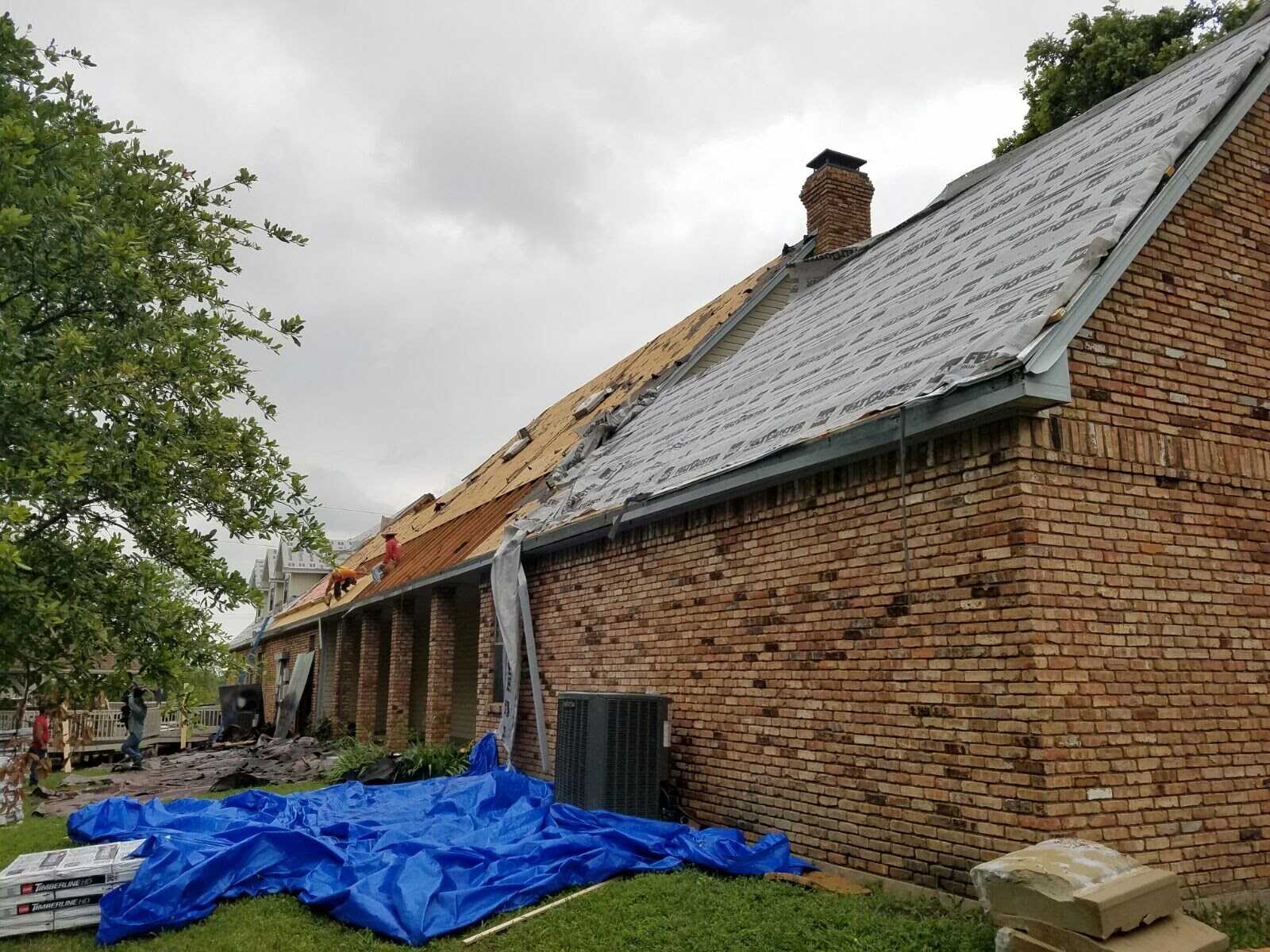
Protecting a corner lot roof in DFW requires a more strategic and vigilant approach. It's not enough to just wait for a storm and then react. Here’s a 5-step strategy that I recommend to my clients with corner properties:
Step 1: Proactive Inspections
Schedule thorough roof inspections at least twice a year, and immediately after any major storm event. Focus on edges, corners, and any areas that experienced direct wind or hail impact. Early detection of damage is key to preventing minor issues from becoming major problems.
Step 2: Gutter & Drainage Check
Wind can blow debris into gutters, and hail can cause them to detach. Ensure your gutters are clear and securely attached. Proper drainage prevents water from pooling around your roof’s edges and foundation, which can exacerbate damage.
Step 3: Shingle Integrity Assessment
Look for signs of wear: curling, cracking, granule loss, or missing shingles. Pay close attention to the wind-exposed edges. These are early indicators that your shingles are under stress and may need attention.
Step 4: Ventilation System Review
Proper attic ventilation is crucial for managing heat and moisture. On corner lots, where roofs can absorb more heat, a well-ventilated attic helps prevent heat buildup that can damage roofing materials from the inside out.
Step 5: Consider Enhanced Materials
When it's time for a replacement, discuss enhanced roofing materials with your contractor. Options designed for higher wind resistance or better UV protection are excellent investments for corner lot properties in the DFW climate.

Key Insight
The goal is to be proactive, not reactive. By implementing these steps, you're not just maintaining your roof; you're actively defending it against the unique challenges of its corner lot position.
This comprehensive approach ensures that you're addressing potential issues before they escalate, saving you time, money, and stress in the long run. It’s about building resilience into your home's primary defense system.
Material Matters: Choosing the Right Roof for Corner Lot Exposure
When you're looking at replacing your roof, especially on a corner lot in DFW, the material choice is paramount. Not all shingles are created equal, and some are far better suited to handle the increased stress of exposure. Here’s a look at some common options and how they stack up:
| Feature | Standard Asphalt Shingles | Architectural/Dimensional Shingles | Impact-Resistant Shingles (IR) | Metal Roofing |
|---|---|---|---|---|
| Wind Resistance Rating | Typically up to 60-70 mph | Typically up to 90-110 mph (with proper installation) | Designed to withstand 110-130 mph winds (often with specific ratings for hail impacts) | Can withstand very high winds (often 120+ mph), depending on profile and fastening |
| Hail Impact Resistance | Moderate; susceptible to bruising and cracking | Better than standard, but still susceptible | Excellent; designed to resist impact without cracking or losing granules | Excellent; though can be dented by very large hail, structural integrity usually maintained |
| UV & Heat Resistance | Moderate; can degrade faster under intense sun | Good; better granule adhesion helps | Good; often have reflective granules that help | Excellent; metal reflects a significant amount of solar radiation |
| Longevity | 15-25 years | 25-30 years | 30-50 years (often with extended warranties) | 50+ years |
| Cost (Initial) | Lowest | Mid-range | Higher | Highest |
| Best for Corner Lots? | Not ideal for high-exposure areas | A good middle ground for moderate exposure | Highly Recommended for significant wind/hail risk | Excellent Choice for maximum durability and protection |
Key Insight
While standard asphalt shingles are the most budget-friendly, they often lack the resilience needed for the constant onslaught faced by corner lot roofs in DFW. Investing in architectural or, even better, impact-resistant shingles or metal roofing can provide superior protection and a longer lifespan.
For a corner lot, I strongly lean towards impact-resistant shingles or metal roofing. While the initial cost is higher, the long-term benefits – reduced risk of storm damage, fewer repairs, and a longer lifespan – often make them the more economical choice over the life of the roof. Think about it: a severe hail storm can easily cause thousands of dollars in damage to standard shingles, and the subsequent repairs or premature replacement can quickly outstrip the initial savings. For homeowners in areas like McKinney and Allen, where severe weather is a recurring concern, this is a crucial consideration.
Montesco Roofing: Expert Care for Your Corner Lot Property
As a DFW roofing contractor with over 13 years of dedicated service, Montesco Roofing understands the unique challenges that corner lot homes face. We don't just install roofs; we build protection tailored to the specific environment your home is in. Our team has extensive experience identifying vulnerabilities and recommending the best solutions for properties exposed to the elements. We know the DFW climate, the typical storm patterns, and the specific stresses that wind and hail can put on a roof, especially on those exposed corners.
How to Get This Done
If you want to handle this yourself, here's exactly what you need: A sturdy ladder, safety gear (gloves, non-slip shoes), a way to document damage (camera/phone), and a keen eye for detail. If you'd rather have experienced roofers handle it, our team has done this on hundreds of DFW homes — here's how our process works: We start with a comprehensive, no-obligation inspection, focusing on the specific exposures of your corner lot. We then provide a detailed report and transparent recommendations, whether it's for repair or replacement. We work with you and your insurance company to ensure the best outcome for your home.
When we inspect a corner lot property, we're not just looking for obvious damage. We're assessing the overall health of the roof, paying extra attention to the edges, valleys, and any areas that might be more susceptible to wind uplift or water intrusion. We use our expertise to identify potential weak points before they become serious issues. This proactive approach is what sets us apart. We believe in educating homeowners about their roofs and empowering them to make informed decisions about their home's protection. Whether it’s recommending specific impact-resistant shingles or ensuring proper ventilation, our goal is to provide a roofing solution that lasts and performs, especially in the challenging DFW weather.
"Montesco Roofing was fantastic. They explained everything clearly, especially how the corner location of our house made it more vulnerable. The installation was professional and they left the yard spotless. Our new roof looks great and gives us peace of mind."— Satisfied DFW Homeowner
We're committed to providing honest assessments and high-quality workmanship. Our 13+ years in the DFW area mean we're not just a fly-by-night operation. We're your neighbors, and we stand behind our work. If you're on a corner lot and concerned about your roof's exposure, let us take a look. We'll give you a clear picture of your roof's condition and the best path forward to protect your home.
Frequently Asked Questions About Corner Lot Roofs & Weather
Are corner lot roofs more expensive to maintain?
How does wind affect a corner lot roof differently?
What kind of damage does hail typically cause on corner lots?
Can I do a DIY inspection for my corner lot roof?
What are the best roofing materials for DFW corner lots in 2026?
How often should I get my corner lot roof inspected?
Montesco Roofing Team
DFW's trusted roofing contractor with 13+ years of experience. Specializing in roof replacements, storm damage repair, and insurance claims across Dallas-Fort Worth.
Get in touch →