The Most Common Things We Hear During Roof Inspections in DFW
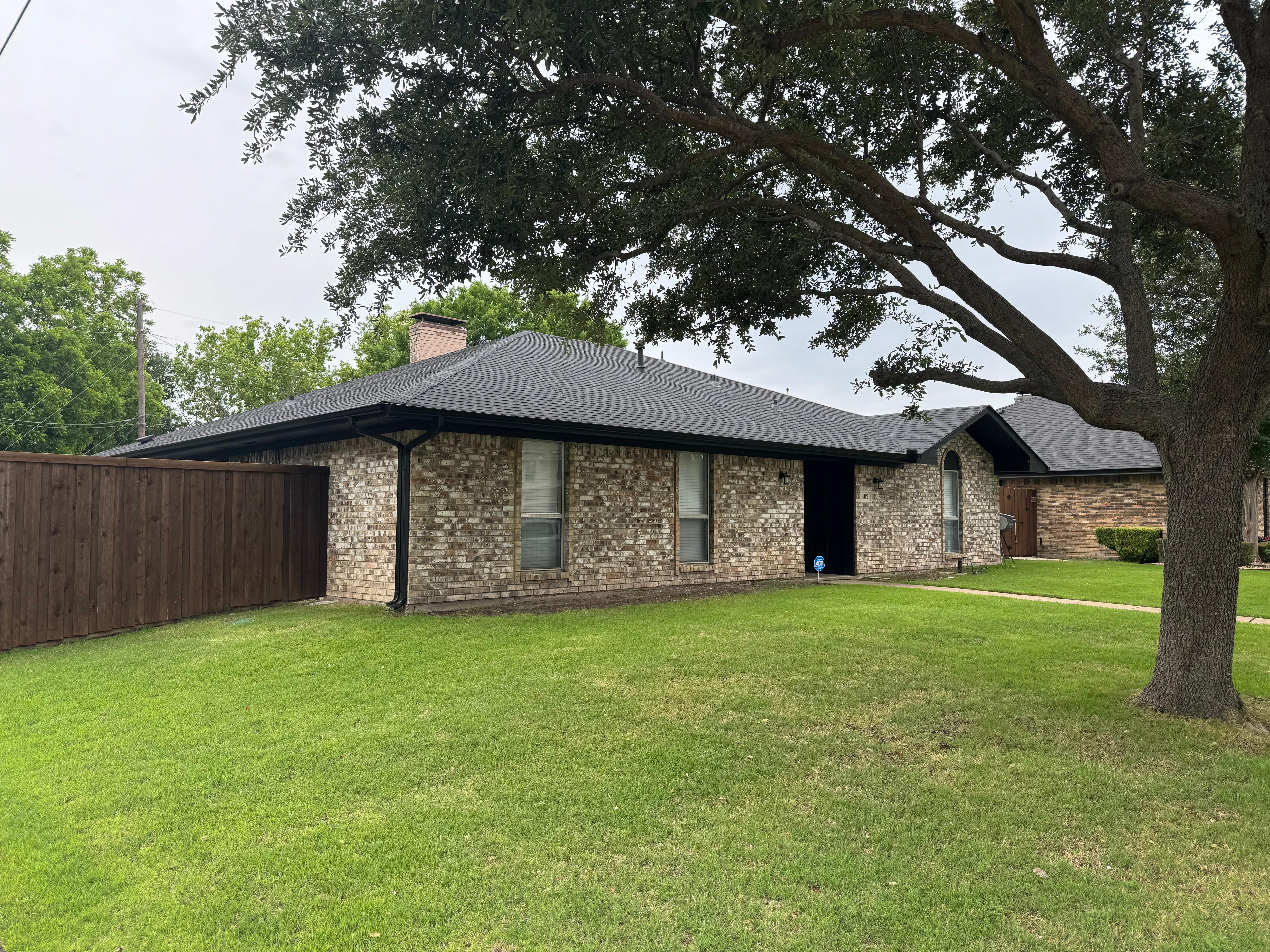
As a roofing contractor serving the Dallas-Fort Worth area for over 13 years, I've heard it all. Homeowners have a lot of concerns, and sometimes, what they say and what they actually mean can be a little different. Let's break down the most common things I hear during a roof inspection and what they really tell us about your home's condition.
"It looks fine from the ground." — The Illusion of Surface-Level Assessment
This is probably the most frequent thing I hear, especially after a big storm rolls through DFW. "Oh, it looks fine from the ground." And honestly, sometimes it does. From your driveway, or even from the street, a roof can appear perfectly intact. You might see a few shingles that look a little askew, or maybe a small dent that you can barely make out. It's easy to think, "Well, it's not peeling off, so it's probably okay." Here's the thing: most of the critical damage that happens during a Texas storm, especially from hail, isn't immediately obvious from the ground. Hailstones, depending on their size and the force of impact, can bruise shingles. They can crack the protective granules, which are essential for shielding the asphalt mat underneath from UV rays and moisture. This bruising might not cause a leak for months, or even years, but it significantly shortens the lifespan of your shingles. It's like a bruise on an apple – it doesn't look terrible at first, but the integrity of the fruit is compromised.Don't rely solely on visual checks from the ground. Even if your roof looks okay, a professional inspection is crucial, especially after severe weather. We use specialized tools and our trained eyes to spot damage that's invisible from below.
"We had a little hail last month, but it wasn't that bad." — Underestimating Storm Impact
This one always makes me pause. "A little hail." In North Texas, "a little hail" can mean stones the size of marbles, golf balls, or even baseballs. We've seen it all here in the DFW Metroplex. The weather can turn on a dime, and a seemingly minor hailstorm can wreak havoc on your roof. When homeowners say "it wasn't that bad," they often mean it didn't break windows or dent cars significantly. But the impact on roofing materials is different. A 1-inch hailstone can create a dent in a shingle that might not penetrate it completely, but it's enough to break the bond of the granules. Over time, these bruised shingles will deteriorate faster. If it was larger hail, or if the hail fell at a steep angle, you might have actual penetrations or significant cracking.Many homeowners assume that if their insurance adjuster says there's no hail damage, it's true. However, adjusters are often on tight schedules and may miss subtle signs of hail bruising. It's always a good idea to get a second opinion from an experienced roofing contractor who specializes in storm damage assessment.
"My neighbor's roof is newer, so mine must be okay, right?" — The Comparison Trap
This is a common one, especially in neighborhoods where homes were built around the same time or by the same builder. You look over at your neighbor's place, see their roof looks good, and think, "Well, mine is probably in similar shape." While it's a natural thought process, it's a dangerous assumption for your home. Every roof experiences different levels of stress. Factors like:- Orientation to the sun (one side might get more direct UV exposure)
- Shade from nearby trees (which can lead to moss and algae growth, trapping moisture)
- Wind patterns in your specific microclimate
- Manufacturing defects in a particular batch of shingles
- Previous repairs or maintenance done (or not done)
Key Insight
Your neighbor's roof is a different roof. It has a different history, different exposures, and potentially different materials. Relying on its condition to assess your own is like assuming your car is fine just because your friend's car of the same model is running smoothly.
"I just need a few shingles replaced, it's not a big deal." — The Small Fix That Hides Big Problems
Homeowners often want to address the most obvious issue they can see. If a few shingles are curled up or missing, it's natural to think, "Just replace those few." And sometimes, that's all that's needed. But more often than not, when we see a few shingles that are failing, it's a symptom of a larger, underlying problem. Think of it like finding a single rotten apple in a barrel. You might just want to toss that one apple, but the rot could have spread to others, or there might be an issue with the barrel itself that's causing the problem. On a roof, a few bad shingles could mean:- Widespread hail damage: The entire roof might have been impacted, and these are just the first to show visible signs.
- Aging materials: The entire roof could be nearing the end of its lifespan, and these are the first to fail under normal wear and tear.
- Improper ventilation: Poor attic ventilation can cause excessive heat buildup, leading to premature shingle deterioration across the entire roof.
- Nail pops or improper installation: Issues with how the shingles were originally installed can cause them to lift and fail over time.
A "patch job" on a roof is rarely a long-term solution. It can create new leak points if not done perfectly, and it often doesn't address the root cause of the problem. This can lead to more expensive repairs down the line and a shorter overall roof lifespan.
"Can you just patch this spot? I don't want a whole new roof." — The Cost-Conscious Plea vs. Long-Term Solution
| Factor | Patch/Partial Repair | Full Roof Replacement |
|---|---|---|
| Cost (Initial) | Lower | Higher |
| Longevity | Short-term, may not address root cause | Designed for full lifespan (20-50+ years depending on material) |
| Warranty | Limited or no warranty on repair | Manufacturer warranty on materials + Workmanship warranty from contractor |
| Insurance Claim Viability | May not meet thresholds for a claim; can complicate future claims | Often necessary for full storm damage claims; provides a fresh start |
| Aesthetic Consistency | Newer patches may not match aging existing shingles | Uniform look with new materials |
| Risk of Future Leaks | Higher, as underlying issues may persist or new ones develop | Lower, when installed correctly with proper underlayment and ventilation |
| Long-Term Value | Questionable; can lead to more expenses | High; protects investment, enhances curb appeal, prevents future damage |
Key Insight
A patch might seem like a budget-friendly option, but it often leads to a higher total cost of ownership over time. It's like trying to fix a leaky pipe with duct tape – it might hold for a bit, but eventually, it's going to fail, and the water damage will be worse.
- Experiencing widespread damage that makes patching impractical or ineffective.
- At the end of its service life, where even minor repairs will be a recurring expense.
- Suffering from underlying issues (like poor ventilation or decking damage) that a patch won't solve.
"My insurance company said it's just cosmetic." — Navigating Insurance Denials and "Cosmetic" Damage
How to Get This Done
If your insurance company has deemed your roof damage "cosmetic" or denied your claim, don't give up. The process of appealing an insurance denial can be complex, but it's often successful with the right approach. As experienced roofing contractors in the DFW area, Montesco Roofing has a deep understanding of insurance claim procedures and can help document the damage thoroughly. We work with you and your insurance company to ensure your claim is properly evaluated. This might involve providing detailed inspection reports, photos, and even meeting with the adjuster on-site to point out the subtle but significant damage they may have missed.
"How much will this cost? I need the cheapest option." — The Price Tag Dilemma: Value vs. Lowest Cost
Price is always a factor, and it's natural to want to get the best deal. When homeowners say they need the "cheapest option," it usually comes from a place of budget constraints or a general desire to not overspend. However, on a roof, the "cheapest option" is almost always the most expensive one in the long run. In the DFW area, we see a lot of fly-by-night operations that pop up after a big storm, offering incredibly low prices. They might use substandard materials, cut corners on installation, and disappear once the check clears. Their "cheap" price doesn't include a real warranty, proper ventilation, or the meticulous attention to detail that a lasting roof requires.Be extremely wary of roofing bids that are significantly lower than others. This often indicates that the contractor is cutting corners on materials, labor, or insurance. A cheap roof today can lead to massive repair bills and premature replacement costs tomorrow.
- Proper underlayment and ice & water shield
- High-quality shingles from reputable manufacturers like GAF or Owens Corning
- Correct installation of ventilation systems (ridge vents, soffit vents)
- Flashing around all penetrations and roof edges
- A comprehensive workmanship warranty
Key Insight
The true cost of a roof isn't just the upfront price. It's about the total cost of ownership over its lifespan. A slightly more expensive, properly installed roof with a good warranty will invariably cost less over 20-30 years than a cheap roof that fails prematurely or requires constant repairs.
Frequently Asked Questions About DFW Roof Inspections
How often should I get my roof inspected in DFW?
What are the signs of hail damage on my roof?
Can I inspect my roof myself?
What does "roof decking" or "sheathing" refer to?
How long do asphalt shingles typically last in Texas?
What is the difference between a roof repair and a roof replacement?
Need help understanding what your roof is telling you? Our team has protected hundreds of DFW homes with honest inspections and quality workmanship. Don't let minor concerns turn into major problems.
Get Your Free Roof Inspection →Montesco Roofing Team
DFW's trusted roofing contractor with 13+ years of experience. Specializing in roof replacements, storm damage repair, and insurance claims across Dallas-Fort Worth.
Get in touch →